





Email: sales3@zhefanjewelry.com
What materials pair well with brass necklace designs?
Practical, industry-level answers for makers and buyers of custom brass necklaces: preventing skin staining, protective coatings, stone compatibility, mixed-metal joins, fabrication workflow, and patina care.
- 1. How do I stop custom brass necklaces from turning my customers' skin green without changing the visible finish?
- 2. Which protective coatings best preserve gold-plated or antiqued brass necklaces, and what performance can I realistically expect?
- 3. Which semi-precious stones and organic materials pair well with brass necklace designs—and which should I avoid or treat first?
- 4. Can I mix brass components with sterling silver or stainless-steel findings in custom brass necklaces without causing galvanic corrosion or joint failures?
- 5. What fabrication workflow (annealing, joining, finishing) gives the best durability for small-batch custom brass necklaces?
- 6. How do I clean and preserve antiqued or intentionally oxidized brass necklaces without removing the patina?
1. How do I stop custom brass necklaces from turning my customers' skin green without changing the visible finish?
Skin discoloration from brass is a common beginner complaint, but it’s not always caused by the metal “reacting” to skin — it’s usually a combination of brass oxidation, skin pH/sweat, and surface deposits. Brass contains copper and zinc; when copper oxidizes it can produce copper salts that transfer to skin as a greenish or turquoise tint.
Practical, proven solutions that preserve the visible finish:
- Use a thin, clear barrier coating: apply a jeweler-grade clear lacquer or microcrystalline wax (Renaissance Wax is an industry-standard) to the contact areas. These slow transfer dramatically while retaining finish. Expect coating wear where the necklace contacts the skin; plan for reapplication in product care instructions.
- Prefer non-porous findings at high-contact points: use nickel-free stainless steel (316L) or gold-filled clasps and chain ends where skin contact is highest to reduce direct brass exposure.
- Offer a sealed interior on pendants: for brass pendants with inlays or recessed areas, seal with a thin layer of jeweler-grade clear epoxy or UV resin to prevent trapped moisture and oils from accelerating staining.
- Label and inform: include care guidance — avoid wearing in pools/showers, and recommend wiping with a soft cloth after wear and storing in anti-tarnish pouches. Transparency reduces returns and negative reviews.
Combining these steps preserves the look of antiqued brass and oxidized brass finishes while minimizing skin staining without swapping the core metal.
2. Which protective coatings best preserve gold-plated or antiqued brass necklaces, and what performance can I realistically expect?
Brass is often gold-plated (or left as antique/oxidized) to achieve a particular tone. The coating choice should reflect expected wear and the production budget.
Common options and realistic expectations:
- Clear lacquer (cellulose or acrylic): inexpensive and easy to apply; protects against sweat and oils for everyday wear but will wear at high-friction points within months. Good for costume lines and quick-turn custom brass necklaces.
- Microcrystalline wax (Renaissance Wax): excellent short-to-medium-term protection for antiqued brass and patinas; conservator-approved and retains appearance. Needs reapplication every few months depending on wear.
- PVD or physical vapor deposition coatings: highly durable and thin; can produce colored finishes and excellent wear resistance. More expensive and typically applied in specialist facilities. PVD adheres well to brass if pretreated properly.
- Electroplating (gold over brass): common for a warm look. Be aware that “vermeil” standards require sterling silver, so “vermeil” cannot be claimed for brass bases. Typical gold plating thicknesses: flash (<0.05 µm), commercial plating (0.1–1 µm), heavy plating (≥2.5 µm). Thicker layers resist wear longer; for higher-end custom pieces aim for heavier plating or offer gold-filled options.
Operational tip: if you gold-plate brass and expect heavy wear, specify a heavier gold thickness (and test abrasion) or use a combination—gold plate the visible face and use stainless-steel or gold-filled findings at contact points.
3. Which semi-precious stones and organic materials pair well with brass necklace designs—and which should I avoid or treat first?
Brass’s warm golden tone pairs visually with many materials: carnelian, tiger’s eye, jasper, citrine, smoky quartz, onyx, lapis lazuli, and stabilized turquoise often complement brass beautifully. For organic and soft materials, leather, silk cords, wood beads, and resin inlay create compelling textures.
Chemical and physical compatibility notes (practical pain points):
- Turquoise and other porous stones: untreated turquoise can react to copper in brass, causing discoloration. Use stabilized or doublet turquoise, set stones so metal doesn’t contact raw stone, or apply a professional-grade stone sealer before bezel-setting.
- Pearls and soft organics: natural and freshwater pearls are soft and sensitive to chemicals and abrasives. Avoid strong cleaners or acid-based sealants; if pearls touch brass, add a soft cuff or barrier to minimize abrasion and staining.
- Resin and enamel inlays: these are excellent with brass because they seal recesses and prevent moisture ingress. Use UV resin for thin decorative fills and two-part epoxy for thicker inlays. Both bond well to well-cleaned brass when primed.
- Glass beads and lampwork: great visual contrast and chemically inert; ensure bead holes are finished smoothly to prevent wear on cord or wire.
Rule of thumb: for any porous or reactive material, test a mock-up piece for 48–72 hours in simulated wear (sweat, movement) before committing to full production.
4. Can I mix brass components with sterling silver or stainless-steel findings in custom brass necklaces without causing galvanic corrosion or joint failures?
Mixed-metal assemblies are popular for contrast, but there are technical considerations:
- Galvanic concerns: brass (copper alloy) and sterling silver in close, persistent contact in a moist environment can form a galvanic couple. In typical dry-wear jewelry this is usually a slow process, but sweat, salt, or constant moisture accelerates corrosion where metals contact. To prevent visible degradation, use a physical barrier (a thin nylon or polymer washer inside rings, or a small lacquer barrier) between dissimilar metals at direct contact points.
- Mechanical compatibility: use stainless-steel (316L) or gold-filled jump rings and clasps when you need durable, hypoallergenic contact points. Stainless steel posts and pins provide strength; brass wire-wrapped decorative elements can be joined to stainless findings with crimped or riveted connections to avoid soldering incompatible alloys.
- Soldering and plating strategy: if you plan to plate over mixed metals, choose a single substrate for plating (e.g., plate after assembly where possible) and use appropriate undercoats—electroless nickel can be used as an undercoat on brass to improve gold plating adhesion, but nickel creates allergy concerns and may be restricted in some markets.
Bottom line: mixing brass with sterling silver or 316L stainless steel is fine for custom brass necklaces if you manage contact points with barriers and choose mechanical joins over dissimilar-metal solders where possible.
5. What fabrication workflow (annealing, joining, finishing) gives the best durability for small-batch custom brass necklaces?
For consistent quality in small runs, adopt a controlled stepwise workflow:
- Material selection: start with a known brass alloy (70/30 cartridge brass - commonly used for findings and sheet) so you can standardize anneal and forming parameters.
- Forming & annealing: when cold-working brass, anneal regularly (soften before heavy forming) to prevent work-hardening cracks. Follow a consistent anneal/quench/cool cycle appropriate to the alloy you selected and test with sample pieces.
- Joining: prefer mechanical joins (rivets, bezel settings, screws) where plating or coatings are applied later. If soldering/brazing is required, use compatible solders and fluxes, and prime surfaces for plating. Keep joints smooth to minimize plating wear points.
- Pre-plating/polish: do final polishing before surface treatments. For antiqued finishes, apply patina/oxidation after polishing and then seal. For gold-plated pieces, perform an appropriate bright dip and thorough cleaning prior to plating for best adhesion.
- Coating and QC: apply your chosen protective coating (lacquer, wax, PVD, or plating). Inspect wear points and high-contact areas, and do a 72-hour simulated wear test on samples (sweat/abrasion) to catch issues before full production.
Document each setting (time, temperature, polish sequence, plating thickness) so you can reproduce results across batches — this is crucial for consistent quality in custom brass necklaces.
6. How do I clean and preserve antiqued or intentionally oxidized brass necklaces without removing the patina?
Antiqued and oxidized finishes are delicate because you want to remove surface oils/tarnish while preserving darkened recesses that create the intended look.
Safe cleaning protocol:
- Daily care: advise customers to wipe pieces with a soft dry microfiber or jeweler’s cloth after wear to remove skin oils and salts.
- Spot cleaning: use a barely damp cloth with mild soap (pH-neutral) to clean flat faces. Avoid scrubbing recessed or darkened areas—this removes patina.
- Removing grease without brightening: apply a small amount of mineral oil or Renaissance Wax, then buff lightly on raised surfaces; this protects and reduces visible fingerprints while leaving dark recesses intact.
- Avoid harsh abrasives and acidic cleaners: baking soda, lemon, or metal polishes will aggressively brighten brass and strip antiquing. If a deeper clean is required, remove the patina intentionally and reapply the antiquing process (sulfur patina or liver of sulfur) and then seal.
- Storage: store pieces individually in anti-tarnish pouches or sealed bags with silica gel. This reduces the need for cleaning and slows patina changes over time.
For sellers: include concise care cards with each custom brass necklace explaining these steps; it reduces returns and increases perceived value.
Concluding summary of advantages: Custom brass necklaces offer warm, versatile tones that pair beautifully with semi-precious stones, leather, resin inlays, and enamel. Brass is cost-effective, easy to form and patina, and accepts a wide range of surface treatments—from antiqued finishes to gold plating and PVD coatings—making it ideal for both rustic and refined custom designs. When designed with proper barriers, compatible findings, and clear care instructions, brass jewelry delivers long-lasting visual appeal and strong margins for small-batch makers.
If you’d like help specifying alloys, coatings, or a sample run for custom brass necklaces, contact us for a quote at www.zhefanjewelry.com or email sales3@zhefanjewelry.com.
Recommended for you
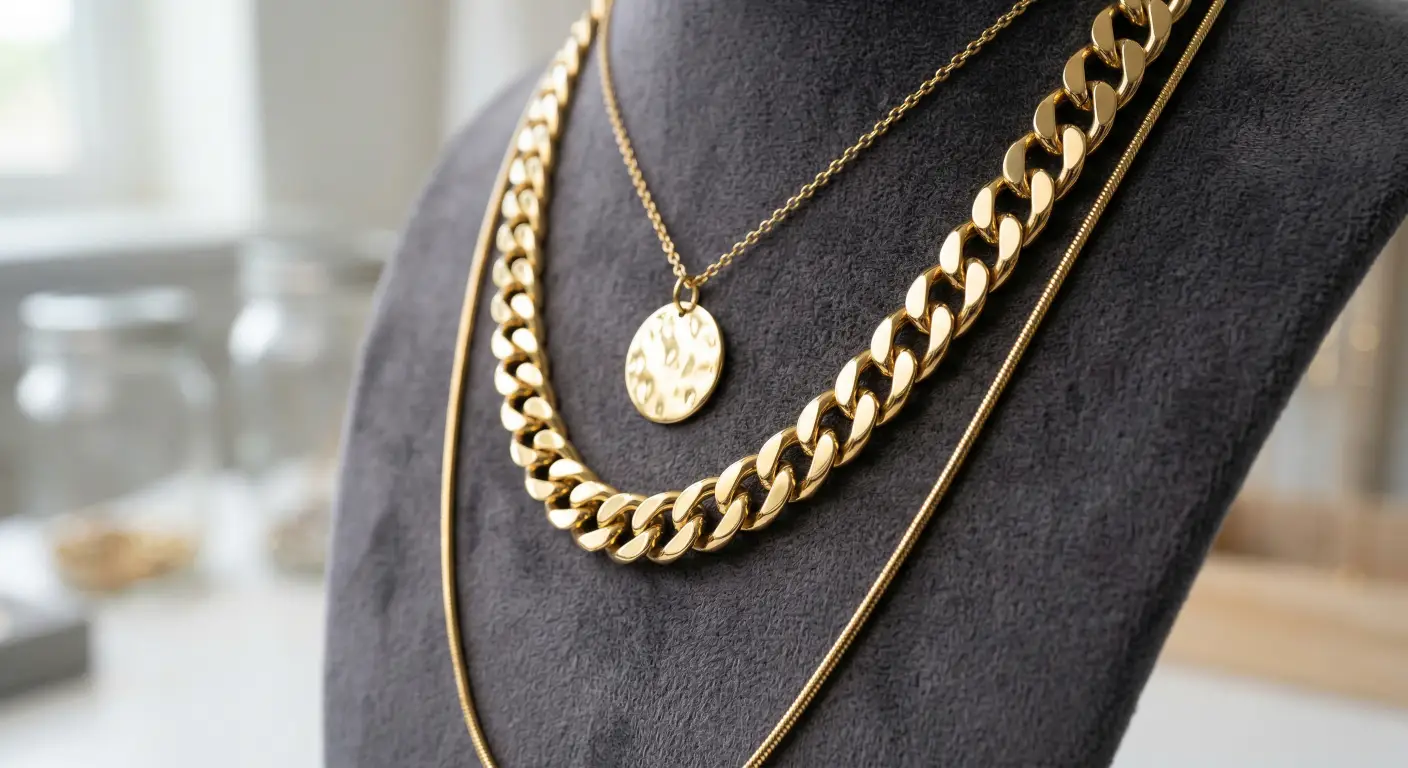
Is a Brass Necklace Good? The Honest Truth About Wear, Tarnish, and Quality
The Ultimate Guide to Sourcing Wholesale 925 Silver Adjustable Rings in 2026
The Secret Life of Your Silver: How 925 Sterling Jewelry Comes to Exist
5 Costly Mistakes to Avoid When Sourcing Custom Sterling Silver Jewelry
Sourcing Guide: How to Maximize Margins with Custom Sterling Silver Jewelry
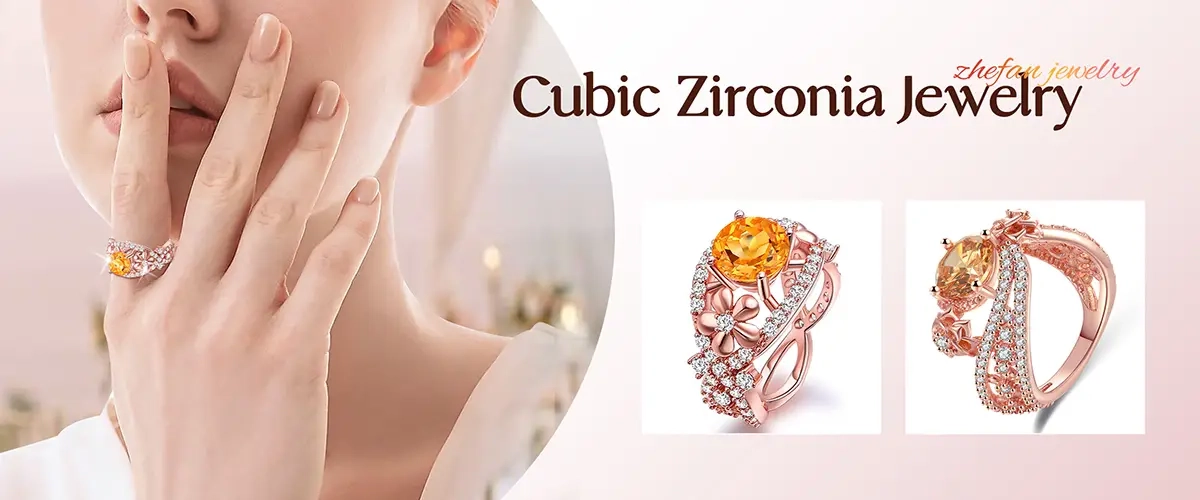
What is Zircon Jewelry?-The Ulimate Guide
Prdoucts Categories
FAQ
FAQs
Do you do customer design?
Do you do customer design? Yes,we are good at this way.Most of our customer do their customize.And we have cooperate with them when they are new brand, but now they become the top sell on Amazon, more than 32,000 five star comment.
What is the material of the jewelry?
Most of the jewelry is made of 925 sterling silver, brass or 316 stainless steel or custom material,which can cover different procurement demand.
What’s the lead time? .
We could arrange shipment for you within 48 hours if you order models in stock. For bulk order, it
takes 10-25 days for production depending on order quantity and styles.
Can you engrave my logo on the jewelry ?Do you supply OEM/ODM service?
Yes. Custom logo and OEM/ODM are both accepted. Our factory specializes in jewelry manufacturing for 27 years.We can produce jewelry by your sample, design, pictures, even by an idea.Please feel free to contact us for more details. Custom order process:Inquiry-Confirm products details-Pay mold fee -Confirm CAD draft-Quote-Initial payment-Produce mold&sample-Confirm Sample-Mass production-Balance payment-Shipment-Track shipment-delivery.
Products
What is the material of the jewelry?
Most of the jewelry is made of 925 sterling silver, brass or 316 stainless steel or custom material,which can cover different procurement demand.
What services can we provide?
Accepted Delivery Terms: FOB, CIF, EXW, Express Delivery;
Accepted Payment Currency: USD, EUR, JPY, CAD, AUD, HKD, GBP, CNY, CHF;
Accepted Payment Type: T/T, L/C, MoneyGram, Credit Card, PayPal, Western Union, Cash, Escrow;
Language Spoken: English, Chinese, Spanish, Japanese, Portuguese, German, Arabic, French, Russian, Korean, Hindi, Italian.
Discuss Your Ideas with a Professional Custom Jewelry Manufacturer
We provide personalized jewelry customization services for clients worldwide.
Rest assured that your privacy is important to us, and all information provided will be handled with the utmost confidentiality.
By clicking 'Send Inquiry Now' I agree to ZHEFAN JEWELRY processing my personal data.
To see how to withdraw your consent, how to control your personal data and how we process it, please see our Privacy Policy and Terms of use.
From design to production, ZHEFAN JEWELRY offers a one-stop solution to help you enhance your brand value and market competitiveness.
Get A Quote
Contact
Tel: (+86) 188 1927 7817
© 2026 Zhefan Jewelry. All Rights Reserved.
Facebook
Instagram
YouTube
Whatsapp: +8618819277817