





Email: sales3@zhefanjewelry.com
Resources
Explore ZHEFAN JEWELRY’s Resources page for expert insights, materials, and support to enhance your fashion jewelry business. Discover 925 silver and brass craftsmanship backed by two decades of experience, quality commitment, and industry-leading production expertise.
Blog
What Is Gold Vermeil Jewelry? A Complete Guide for Brands and Retailers
Learn what gold vermeil jewelry is, how U.S., EU, and UK requirements differ, how fine-gold-equivalent thickness works, and what brands should confirm before sampling or bulk production.
Read More

Blog
Thick Gold Plated Jewelry Manufacturer for 925 Silver & Brass Jewelry
Zhefan Jewelry is a professional thick gold-plated jewelry manufacturer for 925 sterling silver and brass jewelry, offering custom 14K/18K gold plating, 1–3 micron thick plating, 2.5–3 micron gold vermeil options, XRF thickness testing, water-resistant finishing, OEM/ODM customization, and stable production for jewelry brands, wholesalers, retailers, and established e-commerce businesses.
Read More

Blog
How to Choose a Gold Vermeil Jewelry Manufacturer
A practical B2B guide to choosing a reliable gold vermeil jewelry manufacturer, covering 925 sterling silver base material, 2.5–3 micron gold plating, XRF thickness testing, OEM/ODM customization, hypoallergenic standards, quality control, and stable bulk production for jewelry brands and wholesalers.
Read More

Blog
Gold Vermeil vs. Gold-Plated Jewelry: Which Fits Your Luxury Jewelry Brand?
A B2B sourcing guide for accessible luxury and demi-fine jewelry brands comparing gold vermeil with gold-plated jewelry for core, diffusion, and seasonal collections.
Read More

Blog
Can Silver or Brass Be PVD Coated? A Professional Guide for Jewelry Brands
Yes, both 925 sterling silver and brass can be PVD coated. However, a commercially reliable result depends on much more than the visible PVD color. Surface polishing, cleaning, intermediate layers, coating chemistry, process temperature, product geometry, and quality testing must be matched to the base metal and the way the jewelry will be worn.
This guide explains how PVD coating works on sterling silver and brass jewelry, why direct PVD is not always the best production method, how PVD differs from traditional gold plating and vermeil, and what jewelry brands should confirm before approving mass production.
Read More

Blog
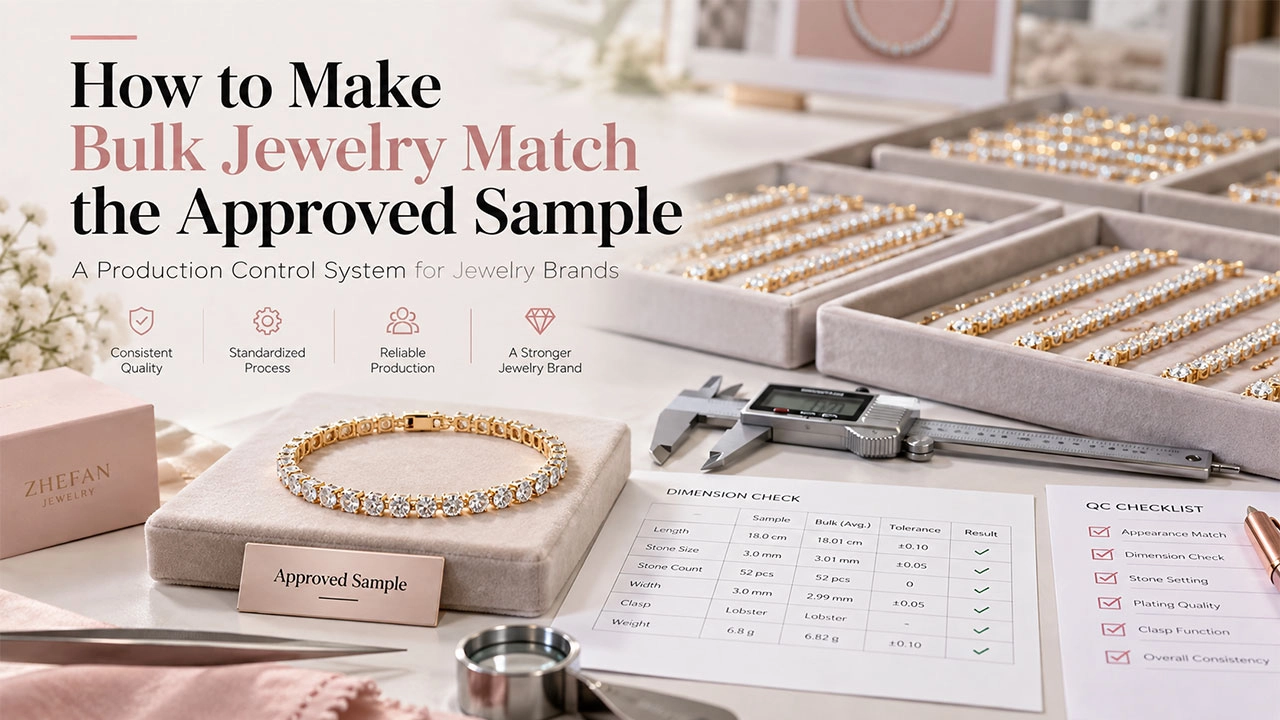
How to Make Bulk Jewelry Match the Approved Sample: A Production Control System for Jewelry Brands
Approving a beautiful jewelry sample is only the beginning. The real manufacturing challenge is making sure hundreds or thousands of production pieces still match what your product team approved. This guide explains how jewelry brands can lock specifications, control production changes, verify first production units, manage plating and stone consistency, and protect quality across bulk and repeat orders.
Read More
Blog
PVD Coating vs Electroplating for Jewelry: A B2B Buying Guide for 925 Silver and Brass
Compare PVD coating and electroplating for 925 silver and brass jewelry, including durability, gold claims, testing, cost, and sourcing decisions.
Read More

Blog
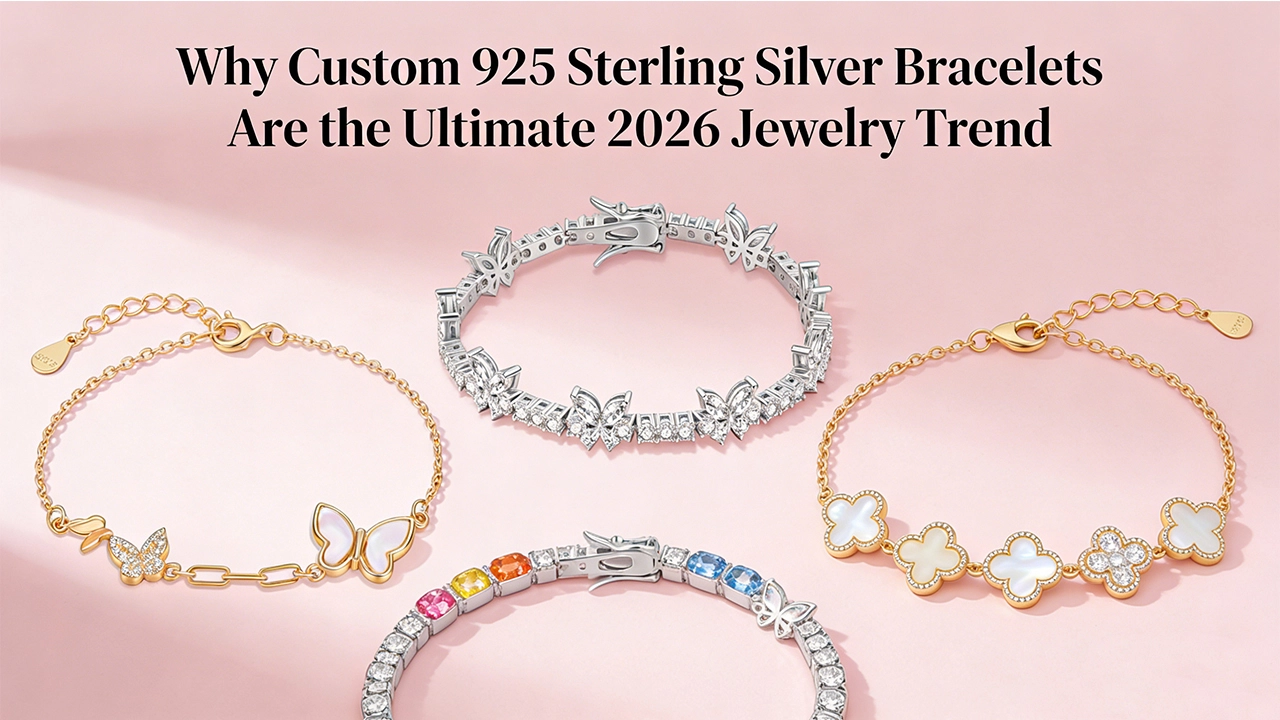
Why Custom 925 Sterling Silver Bracelets Are the Ultimate 2026 Jewelry Trend
Custom 925 sterling silver bracelets are defining 2026 fashion through sustainable luxury and hyper-personalization. This guide explores the trends, technical benefits of sterling silver, and how bespoke engraving creates timeless heirlooms.
Read More
Blog
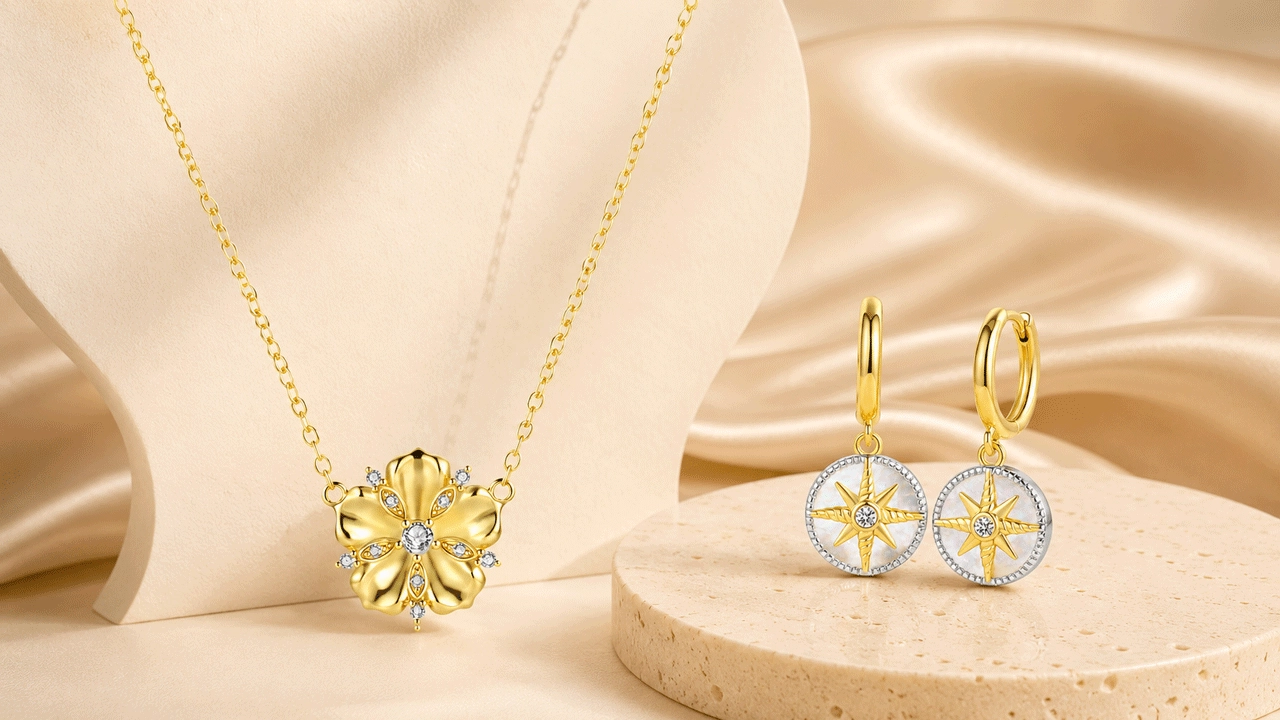
14K vs. 18K Gold Vermeil: Which Fits Wholesale?
Gold vermeil jewelry wholesale demands precise material choices; this guide compares 14K vs. 18K gold vermeil for durability and cost-efficiency. Zhefan Jewelry details OEM 14K Gold Vermeil Jewelry benefits to help wholesalers select the best fit for quality and value.
Read More
Blog
Is Brass Jewelry Good? Does Brass Jewelry Tarnish? The Complete Guide to Brass Jewelry Quality, Care, Longevity & Why It’s Trending
Is brass jewelry good quality? Does brass jewelry tarnish or turn skin green? Learn brass jewelry pros and cons, care tips, lifespan, comparisons with gold-plated and silver, and why brass jewelry is becoming a top trend as gold and silver prices rise.
Read More
Exhibitions
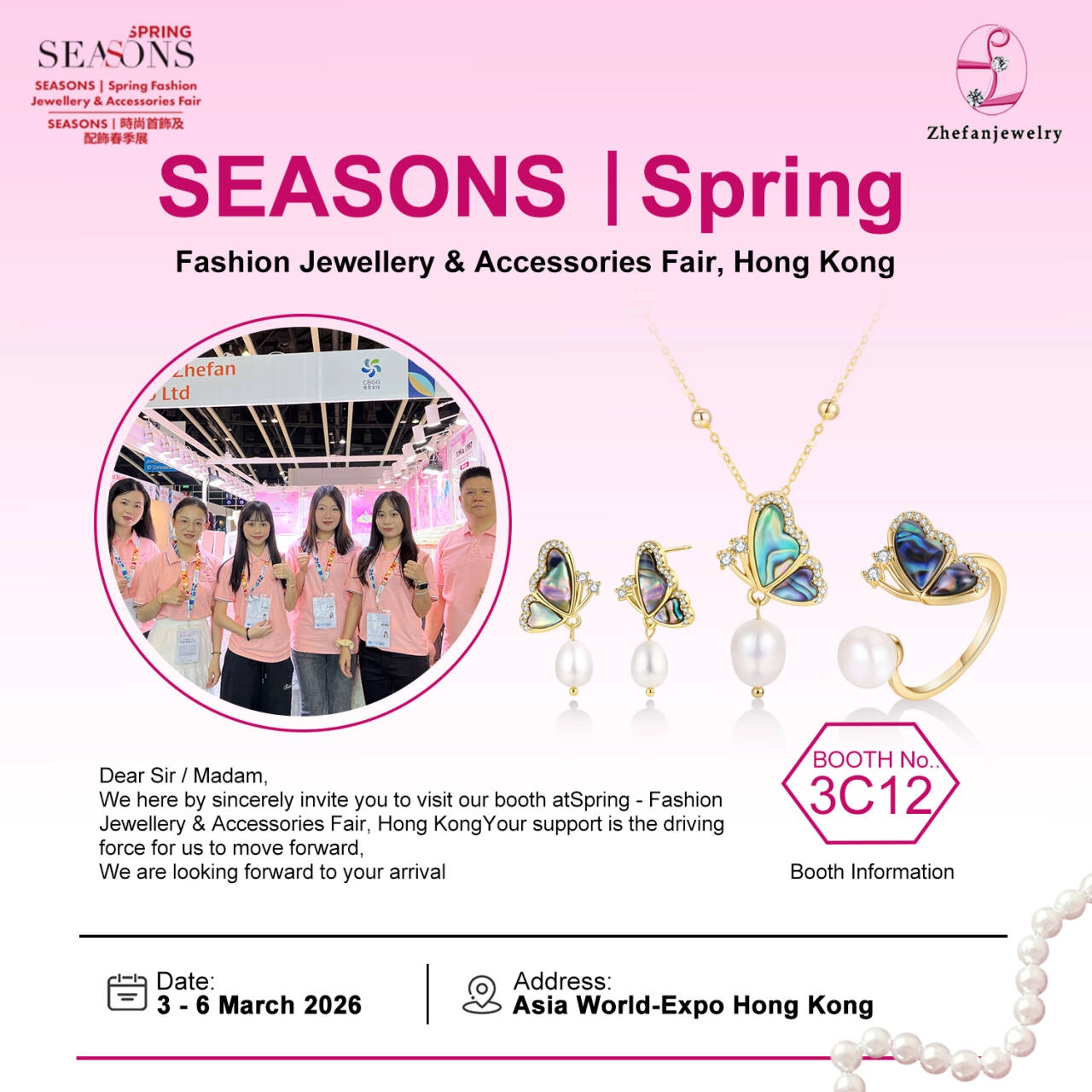
Zhefan Jewelry Invites You to Attend the Hong Kong Jewellery Exhibition 2026
Zhefan Jewelry Factory shines at the Hong Kong Jewellery Show, showcasing exquisite designs and craftsmanship. Discover our latest collections at the Hong Kong Jewellery Exhibition, where innovation meets tradition. Experience quality and elegance with Zhefan Jewelry.
Read More
Blog
Does Gold Vermeil Tarnish? Causes, Lifespan & Care
Does gold vermeil tarnish? Learn what causes discoloration, how to tell tarnish from fading, how long gold vermeil lasts, and how to care for it correctly.
Read More
Blog
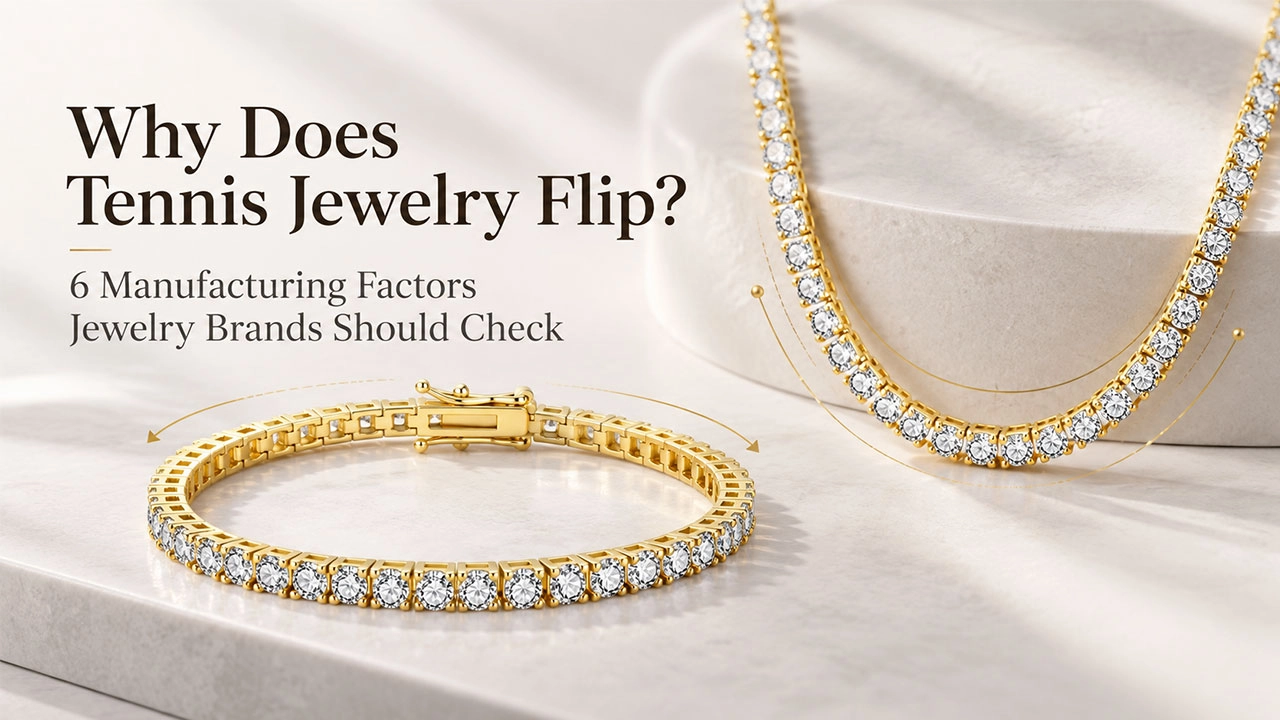
Why Does Tennis Jewelry Flip? 6 Manufacturing Factors Jewelry Brands Should Check
Why does tennis jewelry flip even when it looks perfectly aligned in product photography? The cause is often structural rather than cosmetic. This guide explains how setting geometry, link articulation, stone proportions, weight distribution, clasp integration and finished fit affect tennis necklaces and bracelets, how brands can diagnose different flipping patterns, and which measurable specifications should be locked before bulk production.
Read More
Blog
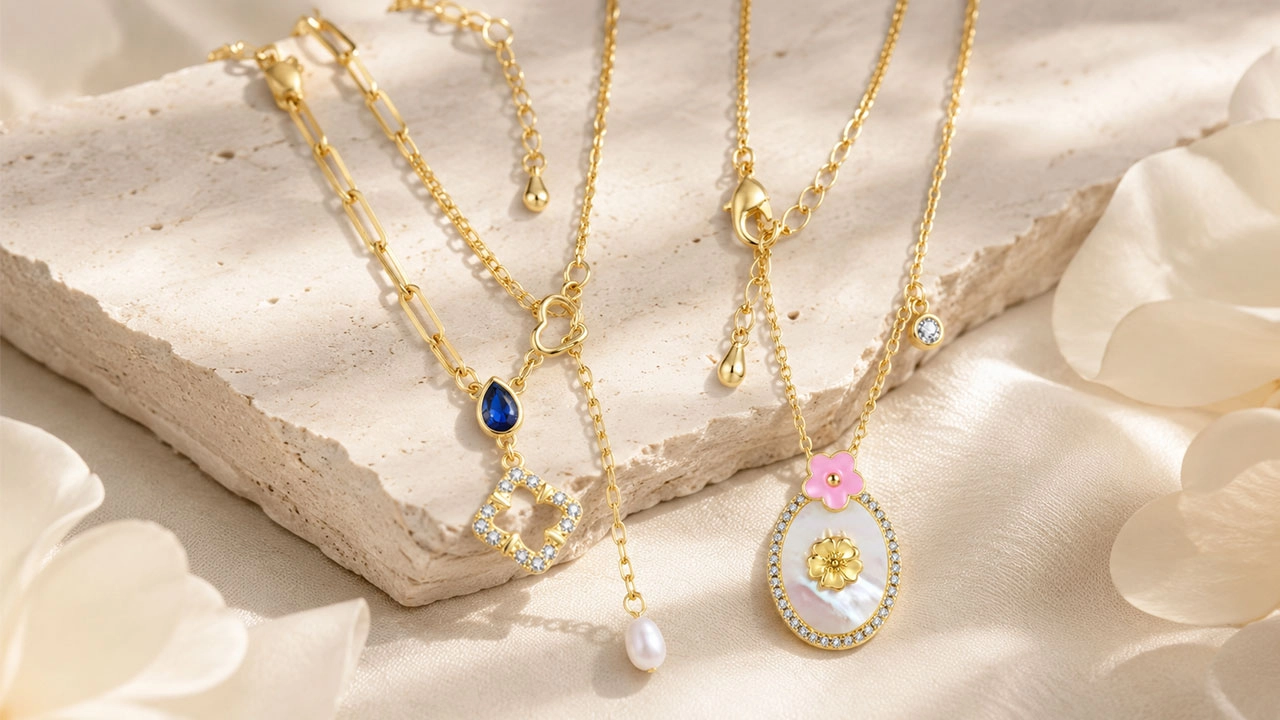
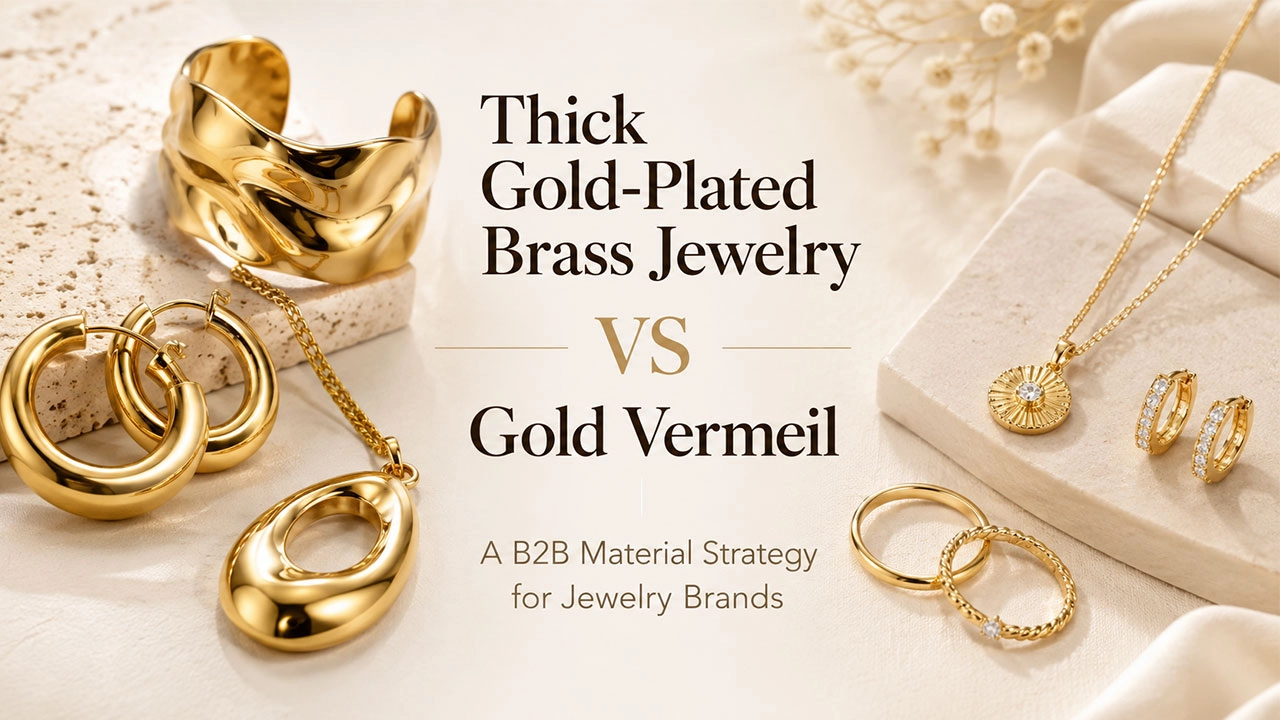
Thick Gold-Plated Brass Jewelry vs Gold Vermeil: A B2B Material Strategy for Jewelry Brands
Compare thick gold-plated brass jewelry vs gold vermeil from a brand sourcing perspective. Understand material cost, plating thickness, durability, design flexibility, retail positioning and OEM quality control before developing your next jewelry collection.
Read More
Blog
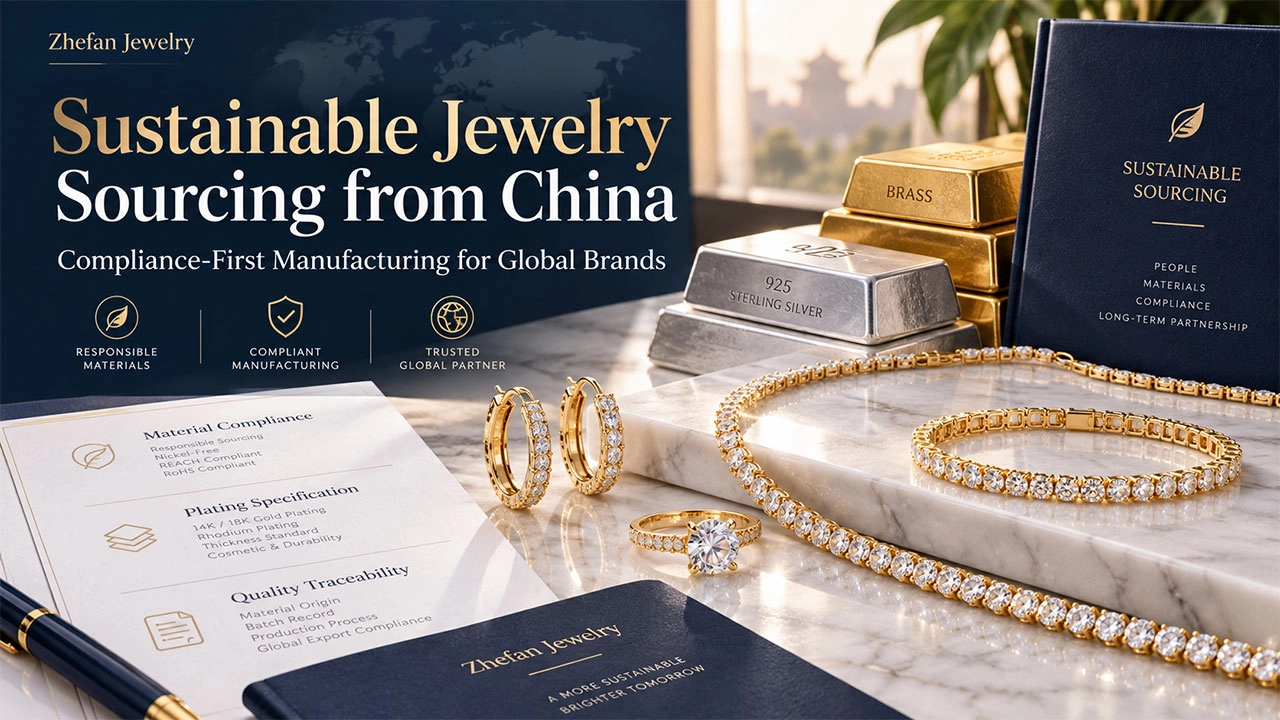
Sustainable Jewelry Sourcing from China: A Compliance-First Manufacturing Framework for Global Brands
Sustainable jewelry sourcing is no longer just about choosing eco-friendly materials. For global brands sourcing from China, the real challenge is building a supply chain with clear material specifications, market-specific compliance, plating control, traceable documentation and repeatable production. This guide explains how professional jewelry buyers can evaluate a compliant China jewelry manufacturer and build a sourcing system that supports quality, transparency and scalable growth.
Read More
Blog
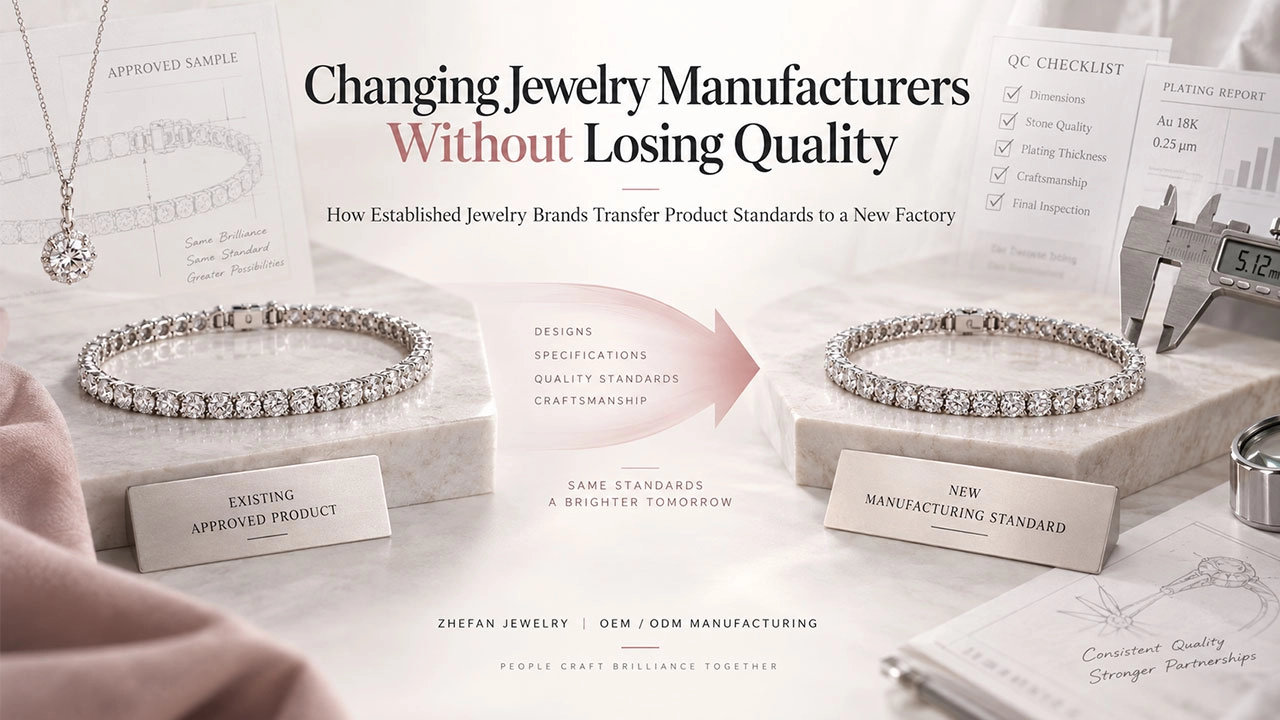
How Can a Jewelry Brand Change Manufacturers Without Losing Quality?
Changing jewelry manufacturers does not have to mean inconsistent plating, stones, finishing, or product feel. Learn how established jewelry brands transfer specifications, master samples, testing standards, and production controls to a new factory without sacrificing quality.
Changing manufacturers is very different from sourcing a manufacturer for a new jewelry collection.
When a brand develops a new product, there is room to adjust dimensions, finishes, materials, and manufacturing methods during sampling. When an established jewelry brand moves an existing product to a different manufacturer, however, customers already know what that product should look, feel, and perform like.
The challenge is therefore not simply finding another factory capable of making jewelry.
The real challenge is transferring an established quality standard from one manufacturing system to another without allowing the product itself to change.
A pendant that becomes slightly lighter, a tennis bracelet with different stone spacing, a gold finish that shifts from warm to pale, a clasp with different tension, or a logo engraving that becomes shallower may all technically remain “within specification.” To the customer, however, they can feel like a different product.
For established jewelry brands, a successful manufacturer transition depends on controlling these small differences before volume production begins.
Read More
Guides
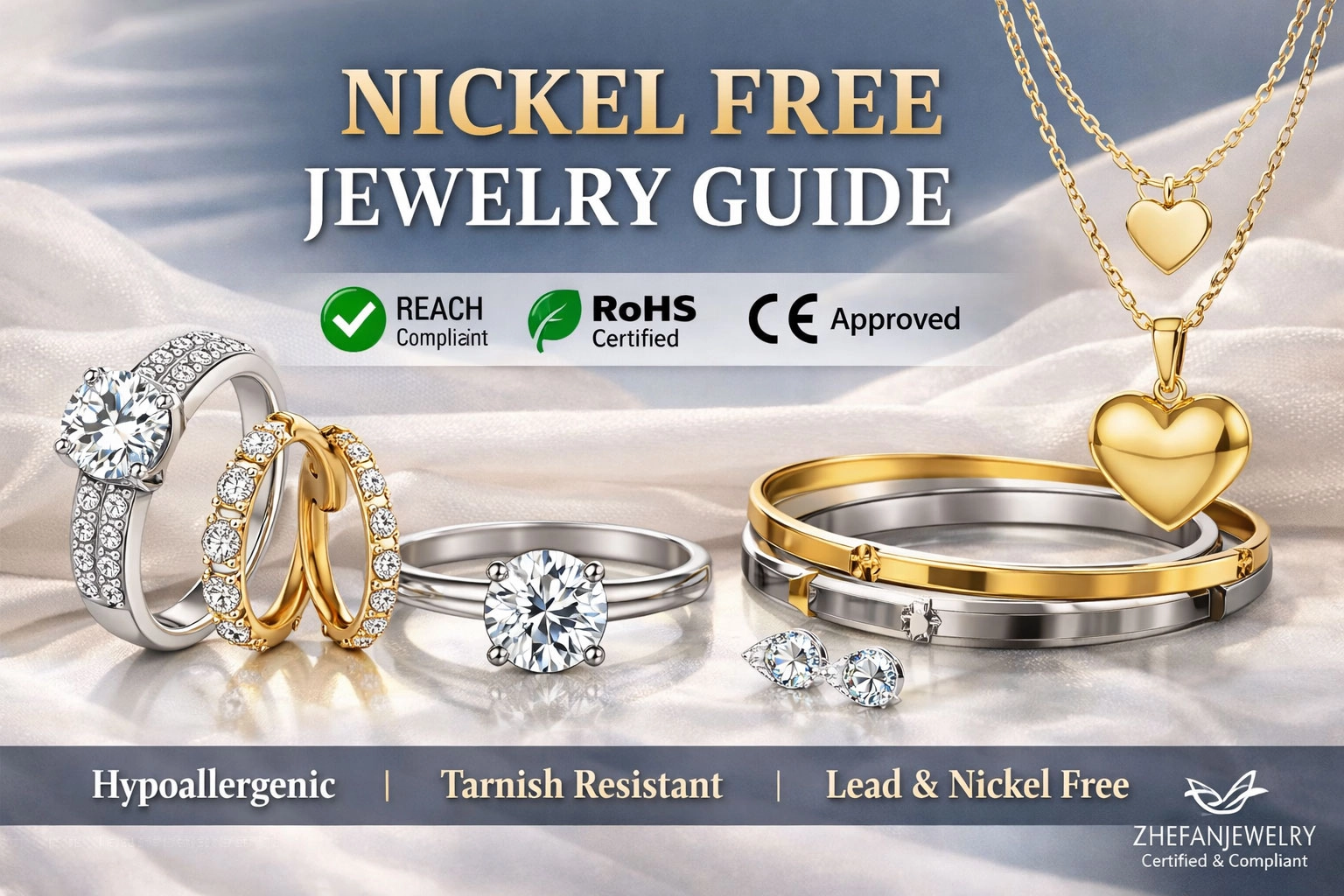
What Is Nickel Free Jewelry? Meaning, Benefits & Does It Tarnish? (Complete Guide 2026)
Nickel-free jewelry has become an essential choice for consumers and jewelry brands seeking safe, hypoallergenic, and regulation-compliant products. This comprehensive guide explains the true meaning of nickel-free jewelry, its benefits, and whether it tarnishes over time. It also explores the best materials for long-lasting wear, including titanium, gold, sterling silver, stainless steel, and nickel-free brass.
In addition, the article outlines key international regulations controlling nickel release—such as REACH, RoHS, CE, CPSIA, and California Proposition 65—helping businesses ensure compliance when entering global markets. Special emphasis is placed on Zhefanjewelry, a professional OEM & ODM manufacturer that provides lead-free and nickel-free jewelry, including high-quality brass pieces designed for durability, safety, and cost efficiency.
Whether you are a jewelry brand, wholesaler, or retailer, this guide offers valuable insights to help you select compliant materials, enhance customer trust, and expand your business with confidence.
Read More
Blog
How to Choose a Brass Jewelry Manufacturer in China: Factory & Quality Guide
This guide helps jewelry brands, wholesalers, distributors, and private-label buyers evaluate a brass jewelry manufacturer in China — covering factory capability, product quality, lead times, and how to prepare a comparable quotation request before placing a bulk order.
Read More

Blog
Compare CZ vs Moissanite: Which Is Better for Jewelry Brands?
From product positioning and finished cost to wear performance and production specifications, this guide gives jewelry brands a more practical B2B framework for choosing between CZ and moissanite.
Read More
Blog
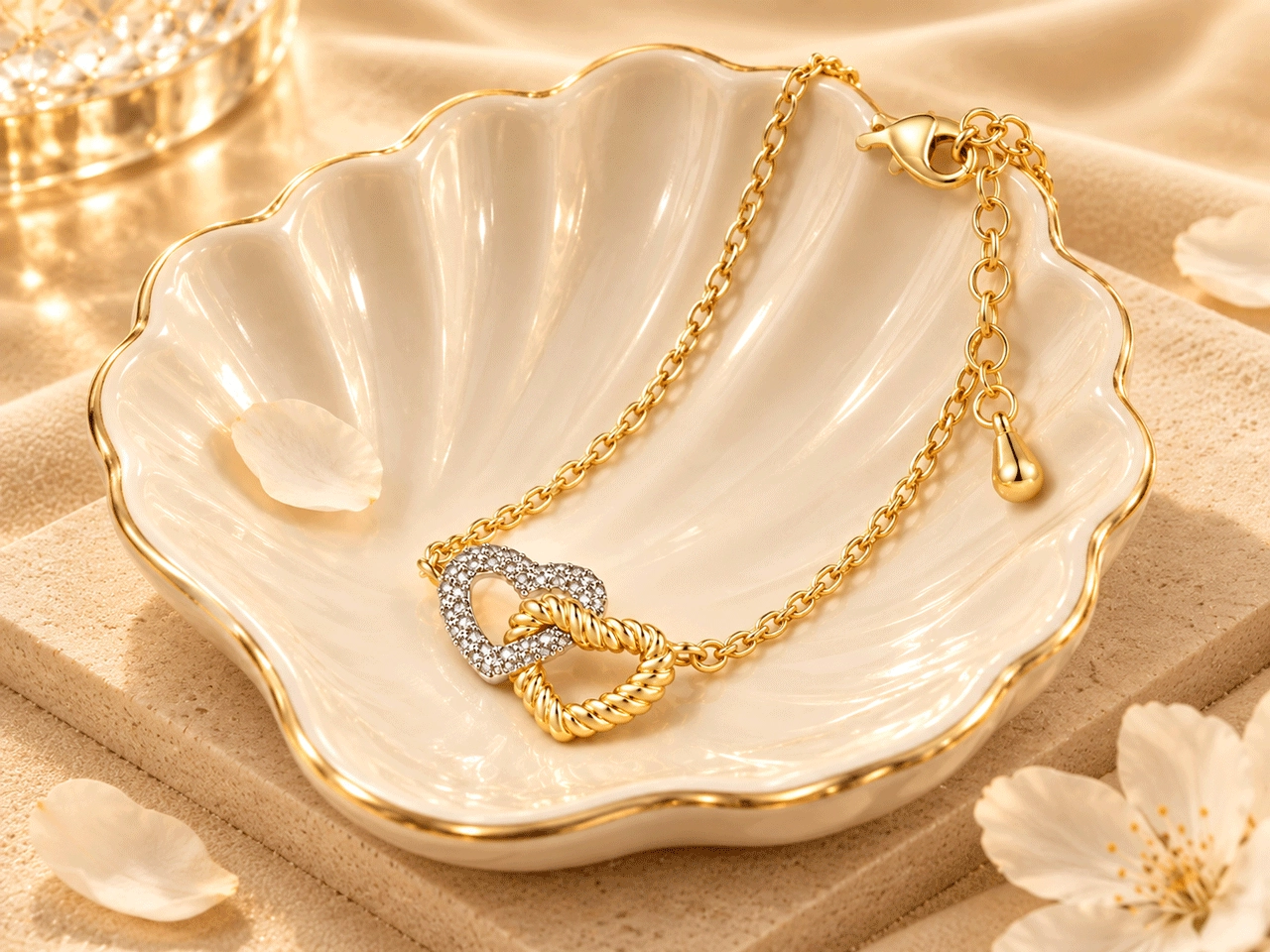
Does PVD Jewelry Tarnish or Fade? A B2B Durability Guide
PVD jewelry can offer strong resistance to wear and color change, but no decorative coating is permanent. This guide explains why PVD-coated jewelry may appear tarnished, faded, or worn or expose the underlying base metal—and how B2B buyers should evaluate these changes before bulk production.
Read More
Blog
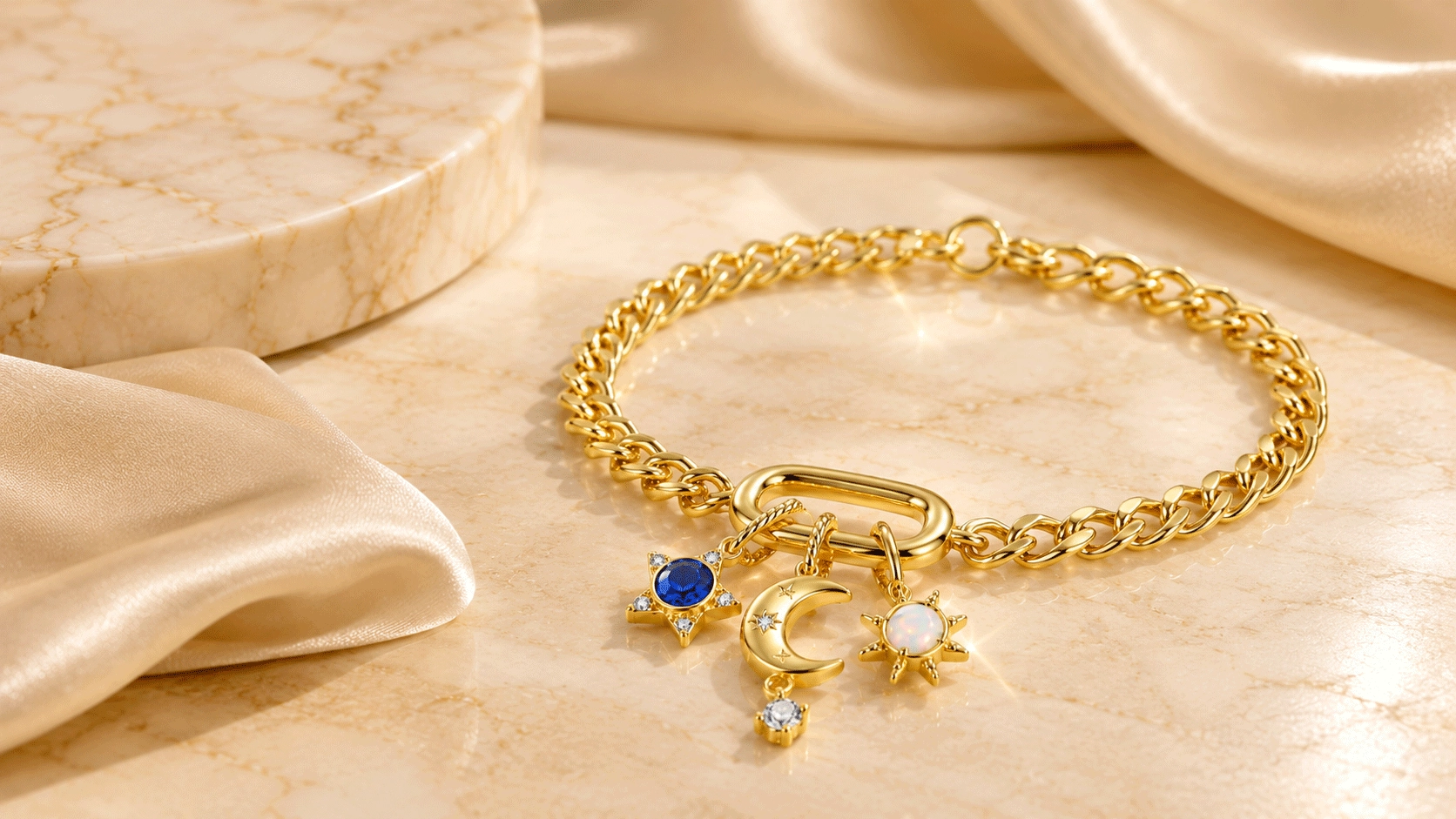
Recycled 925 Silver for Gold Vermeil Jewelry: What B2B Buyers Should Verify
This guide separates recycled origin, 925 sterling silver composition, and gold vermeil specifications into three verification layers. It shows B2B buyers how to review supporting documents, component scope, plating specifications, production-batch evidence, and supplier questions before bulk production.
Read More
Blog
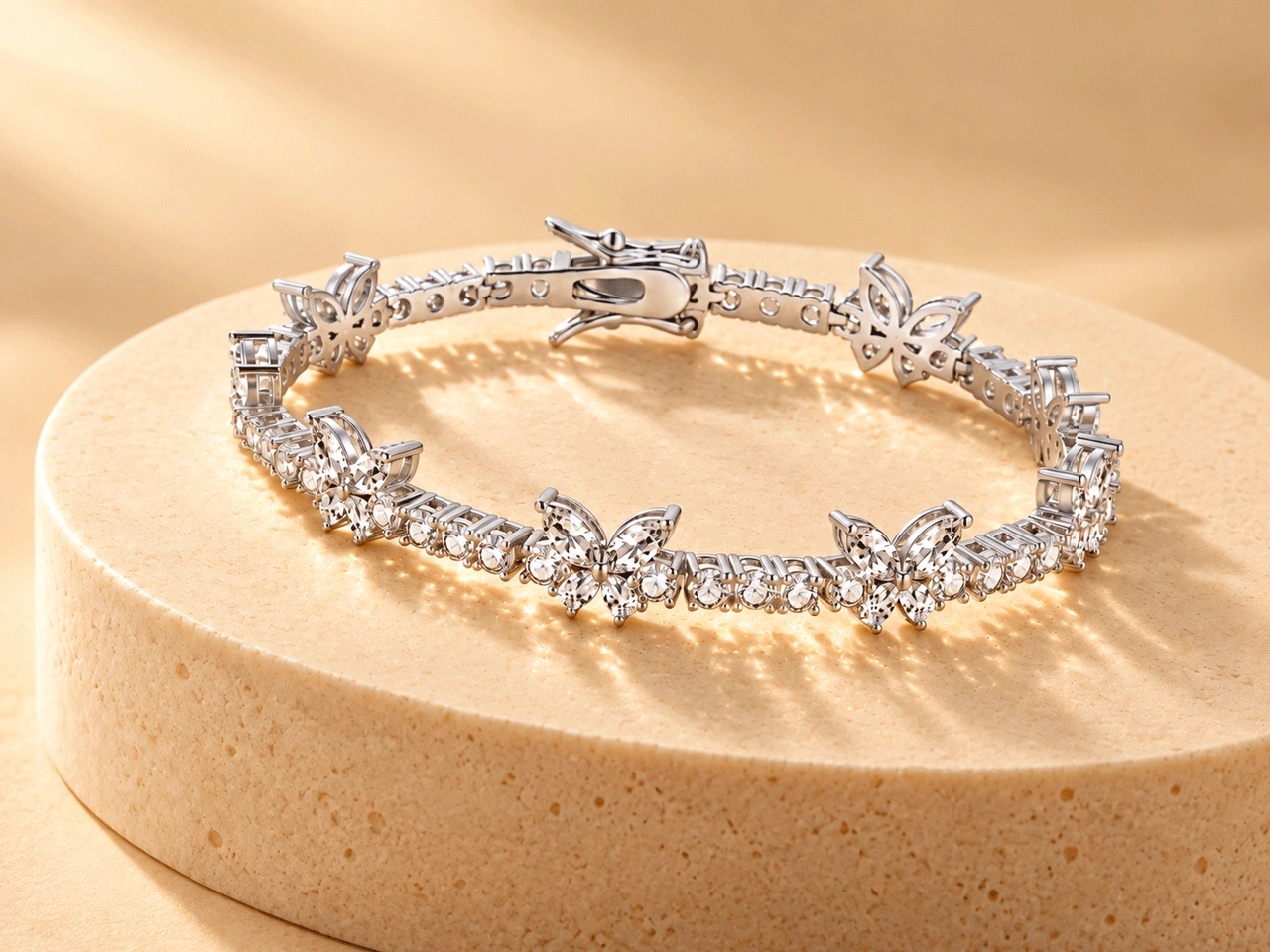
Do Consumers Care About Recycled Silver in Gold Vermeil Jewelry?
Consumers are paying more attention to sustainability, material origin, and transparency in jewelry, but recycled silver alone does not determine a purchase. This article examines how recycled silver can influence consumer trust, perceived value, and demand for gold vermeil jewelry, while explaining why design, quality, price, and credible supporting evidence still matter.
For brands developing recycled silver and gold vermeil jewelry, Zhefan Jewelry supports 925 sterling silver product development, gold vermeil specifications, CAD and sample confirmation, quality control, and project-specific testing. Where recycled silver is required, material scope, supplier documentation, and traceability should be confirmed separately before the claim is used in consumer-facing communication.
Read More
Blog
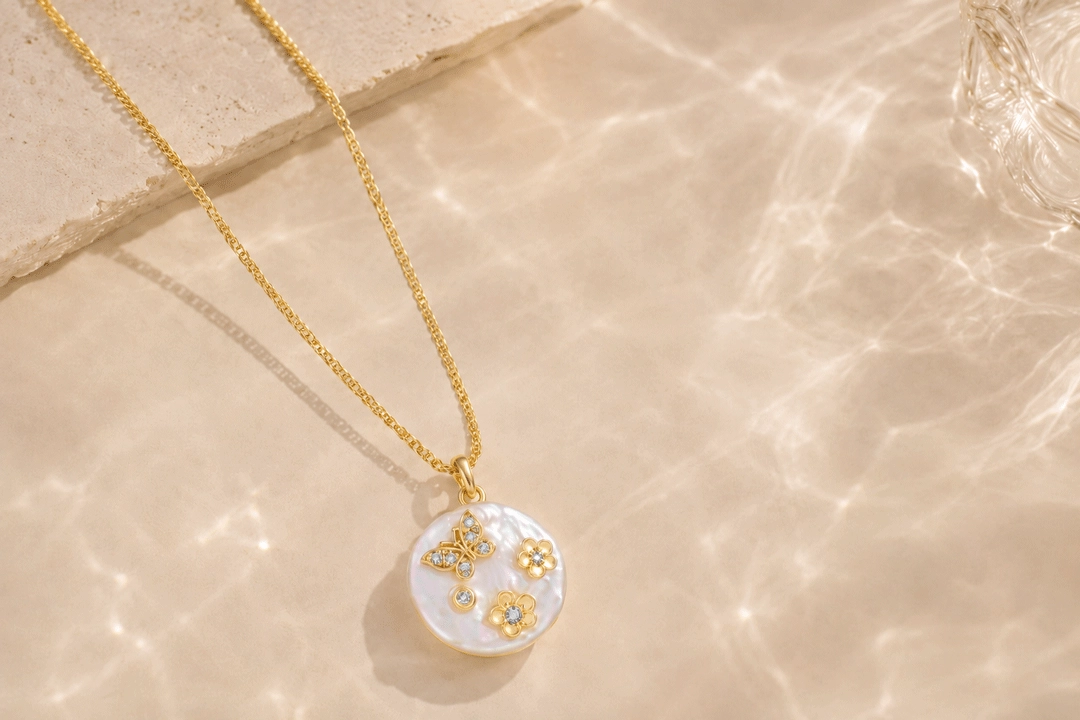
Does Gold Vermeil Turn Green? Causes and Quality Controls for B2B Buyers
Green surface deposits or green skin marks do not identify a single defect. This guide shows B2B jewelry buyers how to separate material exposure, coating wear, component scope, and batch-control failures before approving or disputing gold vermeil production.
Read More
Blog
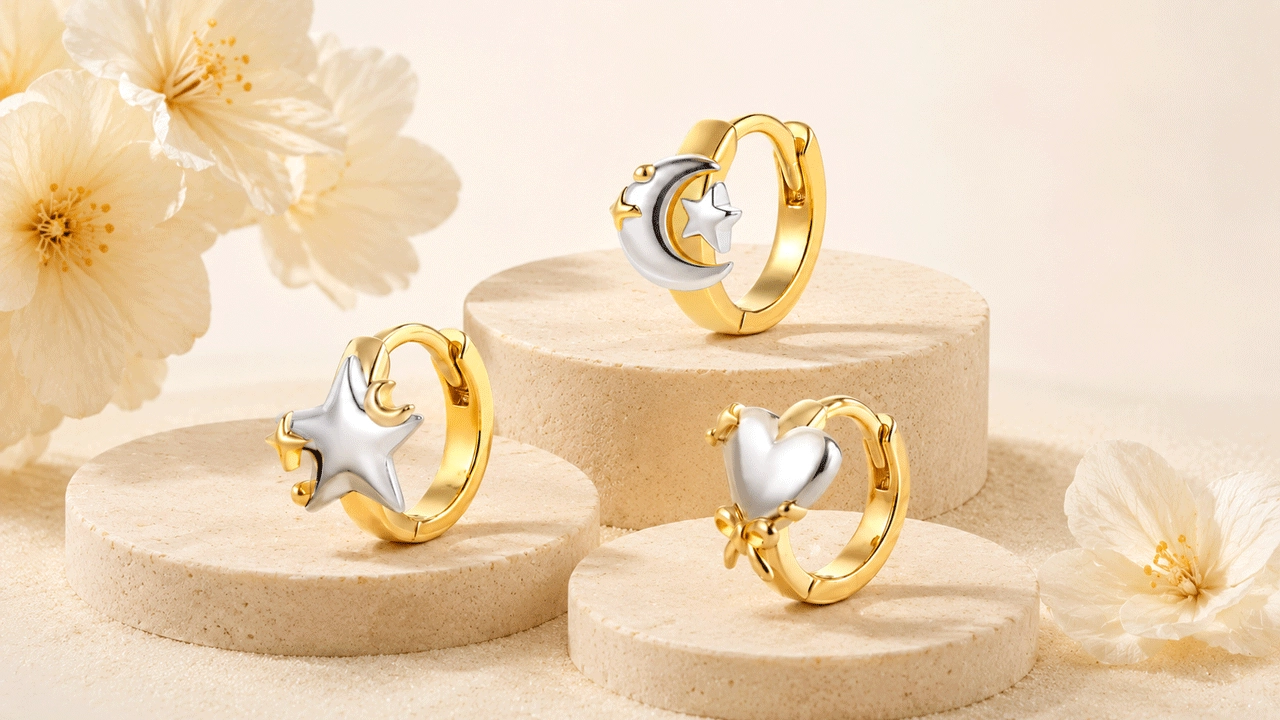
Why Is Gold Vermeil Popular in Demi-Fine Jewelry?
Gold vermeil is popular in demi-fine jewelry because it creates a defined precious-metal middle tier between ordinary gold-plated jewelry and solid gold. For brands, it can combine a sterling silver material story, accessible-premium positioning, and room to develop collections without making every design a solid-gold inventory commitment.
Read More
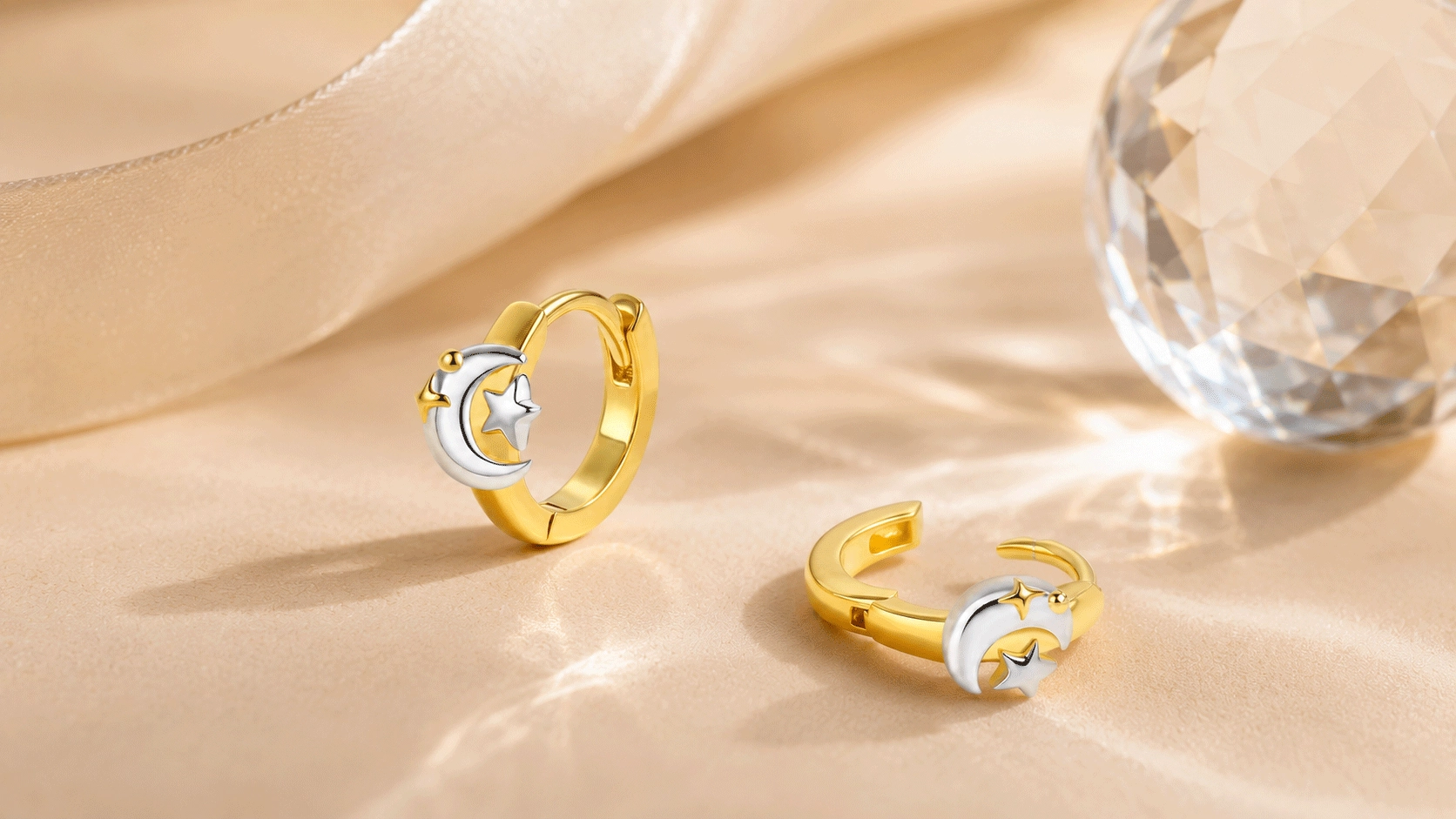
The Latest Updates
Blog
What Is Gold Vermeil Jewelry? A Complete Guide for Brands and Retailers
Jun 25, 2026
Blog
Thick Gold Plated Jewelry Manufacturer for 925 Silver & Brass Jewelry
Jul 09, 2026
Blog
How to Choose a Gold Vermeil Jewelry Manufacturer
Jul 08, 2026
Consult Your Custom Jewelry Manufacturer for Private Label Jewelry
We provide personalized jewelry customization services for clients worldwide.
Rest assured that your privacy is important to us, and all information provided will be handled with the utmost confidentiality.
By clicking 'Send Inquiry Now' I agree to ZHEFAN JEWELRY processing my personal data.
To see how to withdraw your consent, how to control your personal data and how we process it, please see our Privacy Policy and Terms of use.
From design to production, ZHEFAN JEWELRY offers a one-stop solution to help you enhance your brand value and market competitiveness.
Get A Quote
Contact
Tel: (+86) 188 1927 7817
© 2026 Zhefan Jewelry. All Rights Reserved.
Facebook
Instagram
YouTube
Whatsapp: +8618819277817