






Email: sales3@zhefanjewelry.com
How to choose a reliable supplier for Custom 925 Silver Ring?
Practical, industry-grade guidance for buyers of custom 925 silver rings: verify 925 authenticity remotely, understand prototype and lead-time steps, assess rhodium plating durability and nickel risks, negotiate MOQs and hidden costs, inspect QC checkpoints, and protect IP with enforceable contract terms.
- 1. How can I verify a supplier's 925 authenticity remotely before placing a bulk order for a custom 925 silver ring?
- 2. What realistic prototype and production lead times and approval steps should I require for a custom 925 sterling silver ring to avoid hidden delays?
- 3. How do I assess silver content and plating durability for rhodium-plated custom 925 silver rings to avoid fast wear or allergic reactions?
- 4. What minimum order quantities (MOQs), pricing structures, and hidden manufacturing costs should I negotiate for small-batch custom 925 silver rings?
- 5. How can I evaluate a supplier’s quality control for custom 925 silver rings—what specific QC checkpoints and test reports should they provide?
- 6. Which contract terms and IP protections are enforceable internationally when ordering custom 925 silver rings from overseas suppliers?
- Advantages of choosing a reliable supplier for Custom 925 Silver Ring
How to Choose a Reliable Supplier for a Custom 925 Silver Ring
Buying custom sterling silver rings requires more than price-shopping. This guide answers six specific, under-covered long-tail questions beginners and small brands ask when sourcing a custom 925 silver ring—from verifying silver content remotely to enforceable IP protections—so you can reduce risk and get predictable quality.
1. How can I verify a supplier's 925 authenticity remotely before placing a bulk order for a custom 925 silver ring?
Problem: Many buyers rely on photos or a stamped 925 mark alone; counterfeit or under-alloyed pieces still surface. You need verifiable proof without flying to the factory.
Actionable checks (remote and verifiable):
- Request assay documentation and origin declaration: Ask for a certificate of analysis or mill certificate that lists the alloy composition. Reputable suppliers should be able to provide supplier invoices for the raw silver or an internal material certificate.
- Ask for XRF test results or an XRF report: X-ray fluorescence (XRF) is a non-destructive elemental analysis commonly used in the jewelry trade to confirm silver content (sterling = 92.5% Ag). Ask the supplier to perform an XRF scan on the sample and share the timestamped report or a short video of the device reading. If they cannot provide this, request a third-party assay on a sample.
- High-resolution hallmark photos and location confirmation: Request close-up images of the hallmark (925 or STERLING) with a millimeter scale. Also confirm where the mark is applied (inside shank, clasp) because some dishonest suppliers add a mark only to finished surface-plated items.
- Third-party sample shipping: For high-value or large orders, order a paid sample and send it to an independent lab for verification (XRF or fire assay). This is standard practice for new supplier relationships.
- Verify supplier credentials and audits: Check for Responsible Jewellery Council (RJC) membership, ISO 9001, or independent factory audits. These don’t guarantee every piece, but they indicate process controls and traceability.
Red flags: refusal to allow XRF scans, inconsistent hallmarking, generic certification without traceable origin, or unwillingness to ship a single paid sample for third-party verification.
2. What realistic prototype and production lead times and approval steps should I require for a custom 925 sterling silver ring to avoid hidden delays?
Problem: Misunderstanding the factory workflow causes missed delivery windows and extra costs.
Standard workflow and what to insist on being documented:
- CAD & design approval: 1–3 days for simple changes, longer for complex inlays. Ask for editable CAD (STEP or STL) and a versioned approval log with timestamps and sign-offs.
- 3D-printed wax or resin prototype: Request a physical wax/resin print for fit and look—this is the buyer’s last chance to catch size, profile, and setting issues before casting.
- Sample casting & finishing: After wax approval, a single cast-and-finished sample confirms finish, stone fit, and plating. Ask for both pre-polish (to show casting quality) and finished photos/videos.
- Pre-production sample sign-off: Make sign-off mandatory; only release mass production after your explicit written approval of the final sample.
- Production lead-time breakdown: Require the supplier to provide a Gantt-style breakdown (casting, filing, setting, plating, QC, packaging) and milestone dates. This clarifies responsibility if a step slips.
Typical timeframes (illustrative, vary by supplier): provide the supplier's expected times for each step and require them in the contract. For example, prototype cycle may take ~7–21 days depending on complexity; small-batch production depends on volume and finishing requirements.
Insist on an expedited run procedure, sample approval clause, and written remedies for missed milestones (partial refund, expedited shipping options). That prevents open-ended lead times.
3. How do I assess silver content and plating durability for rhodium-plated custom 925 silver rings to avoid fast wear or allergic reactions?
Problem: Buyers see rhodium-plated sterling and assume permanence; plating quality and base alloy matter for wear and skin reactions.
Key technical points and what to request:
- Confirm base alloy composition: Sterling silver is 92.5% silver with typically copper or other metals as alloying agents. Copper causes tarnishing; some alloy blends reduce discoloration and improve hardness. Ask for the alloy spec or mill certificate.
- Rhodium plating purpose and limits: Rhodium plating reduces tarnish and can improve scratch resistance and hypoallergenic feel. However, plating will eventually wear on high-contact areas (shank, bezel). The visual lifetime depends on plating thickness and wearer habits.
- Ask for plating process details: Request plating type (electroplating vs. PVD if offered), pre-plating surface prep (degreasing, micro-etch), and whether a nickel barrier layer is used. If your market requires nickel-free claims, demand test certificates for nickel content.
- Request plating thickness and test evidence: Ask the supplier to specify plating thickness and provide measurement reports (e.g., non-destructive thickness gauges or XRF layer measurements). While manufacturers may not always state exact microns, reputable producers will disclose approximate thickness ranges and wear-test results.
- Durability verification: Request abrasion/wear test evidence or a simple wear simulation video under expected conditions. For allergic customers, request nickel content testing and a written guarantee if the product is marketed as nickel-free.
Practical consumer advice: If the ring is a high-wear item (daily wear), consider unplated fine finishing options (anti-tarnish lacquer, oxidation finishes, or periodic rhodium re-plating service) and instruct customers on care to extend finish life.
4. What minimum order quantities (MOQs), pricing structures, and hidden manufacturing costs should I negotiate for small-batch custom 925 silver rings?
Problem: Buyers quote per-piece prices but discover additional fees: tooling, CAD charges, sample costs, plating surcharges, hallmarking, packaging, and shipping.
What to request and negotiate:
- Ask for a detailed cost breakdown: raw silver cost, labor, finishing, plating, stone setting, hallmarking/assay fees, packaging, and shipping. A transparent quote helps you identify negotiable items.
- Sample and tooling fees: Clarify whether CAD, mold, or tooling fees are one-time or amortized across orders. Request the price of a single finished sample and whether that cost is deducted from the first production invoice.
- MOQ transparency: Confirm the absolute MOQ for production and whether they offer low-volume pilots (one-offs or batches of 5–20). Many factories can run small pilot runs but may charge higher unit prices; request a formal low-volume price schedule.
- Surcharges and finishing: Some finishes (deep oxidation, hand-engraving, complex stone settings) incur per-piece surcharges. Get line-item pricing for those options to avoid surprise invoice items.
- Shipping, duties, and taxes: Clarify Incoterms (FOB, CIF, DDP) and who pays duties and customs clearance. For international sourcing, DDP reduces surprises but increases supplier responsibility and price.
Negotiation tips: Ask for tiered pricing (unit price steps by quantity), request a small pilot production run to verify costs, and insist that any extra fees be pre-approved in writing. Get everything in the purchase order or contract.
5. How can I evaluate a supplier’s quality control for custom 925 silver rings—what specific QC checkpoints and test reports should they provide?
Problem: Surface gloss or a good photo can hide casting porosity, weak solder joints, poor stone setting, and inconsistent sizes.
QC checklist to require (and sample reports to request):
- Incoming material inspection: Raw silver certificates, XRF spot checks, and traceability records for lot numbers.
- Dimensional checks: Request ring size and profile dimension reports (caliper or CMM measurements) and allowed tolerances. Typical ring size tolerances should be specified and verified on samples.
- Weight consistency: Ask for sample weights and acceptable weight variance between pieces. For sterling silver, buyers often track gram weights as a proxy for material usage and quality consistency.
- Casting & porosity checks: Photos of pre-polished castings and a report on porosity rejection rates. For precious metal casting, a low porosity rate and documented rework practices are important.
- Stone setting and security: Close-up photos, torque tests for channel settings if applicable, and inspection for seat fit. For set stones, request reports on setting tightness/retention tests.
- Finish consistency and plating inspection: Color consistency checks, thickness measurements for plated items, and video or photos of finished sample from multiple angles under consistent lighting.
- Final inspection report & AQL: Require a final inspection report and agree on acceptable quality levels (AQL) for defects. Common practice is to define critical, major, and minor defects and their allowed rates in the contract.
Ask the supplier to share sample QC photos and videos during production and to permit independent third-party inspections prior to shipment for higher-value orders. This reduces disputes at customs and upon customer receipt.
6. Which contract terms and IP protections are enforceable internationally when ordering custom 925 silver rings from overseas suppliers?
Problem: Designers lose control of their unique designs, or suppliers re-produce them for other clients. Beginners assume verbal assurances suffice.
Practical, enforceable protections to include in contracts:
- Non-disclosure agreement (NDA) and confidentiality clauses: Sign an NDA before sending detailed CAD files or high-resolution design photos. Include definitions for confidential materials, duration of confidentiality, and remedies for breach.
- Design ownership and licensing clauses: State clearly that you retain all IP rights to the submitted designs and that the supplier has a limited manufacturing license only to produce rings for you under the terms of the contract.
- Exclusivity & non-compete clauses: If critical, negotiate geographic or market-specific exclusivity for a defined term. Keep expectations realistic and include compensation for exclusivity where applicable.
- Design registration and local protections: For strong enforcement, register your design or model in key markets where you will sell. Registration provides clearer legal standing in disputes and can be enforced through local courts.
- Audit, sample retention & watermarking: Require the supplier to retain rejected samples and maintain production logs. Consider embedding discrete maker’s marks or internal serial numbers on pieces to prove origin in disputes.
- Dispute resolution and choice of law: Define an arbitration forum (e.g., ICC arbitration) or mutual jurisdiction and governing law in the contract. This clarifies enforcement expectations across borders.
- IP breach remedies & penalties: Include liquidated damages for IP violations and steps for injunctive relief. Practical deterrence often works better than relying on slow foreign courts.
Red flag behaviors: Suppliers that refuse NDAs, request complete design ownership, or show a history of selling similar designs to competitors.
Advantages of choosing a reliable supplier for Custom 925 Silver Ring
Working with a verified, transparent supplier ensures material authenticity (true 92.5% sterling silver), consistent finishing and plating practices, predictable lead times, and clear cost structures. A reliable partner provides verifiable XRF or assay reports, reproducible CAD-to-sample workflows, documented QC checkpoints, and enforceable IP protections—reducing returns, protecting Zhefan Jewelry, and improving customer satisfaction.
For detailed quotes, timelines, and to request a sample or XRF-verified prototype, contact us for a competitive custom 925 silver ring quote at www.zhefanjewelry.com or email sales3@zhefanjewelry.com.
Recommended for you
5 Costly Mistakes to Avoid When Sourcing Custom Sterling Silver Jewelry
Sourcing Guide: How to Maximize Margins with Custom Sterling Silver Jewelry
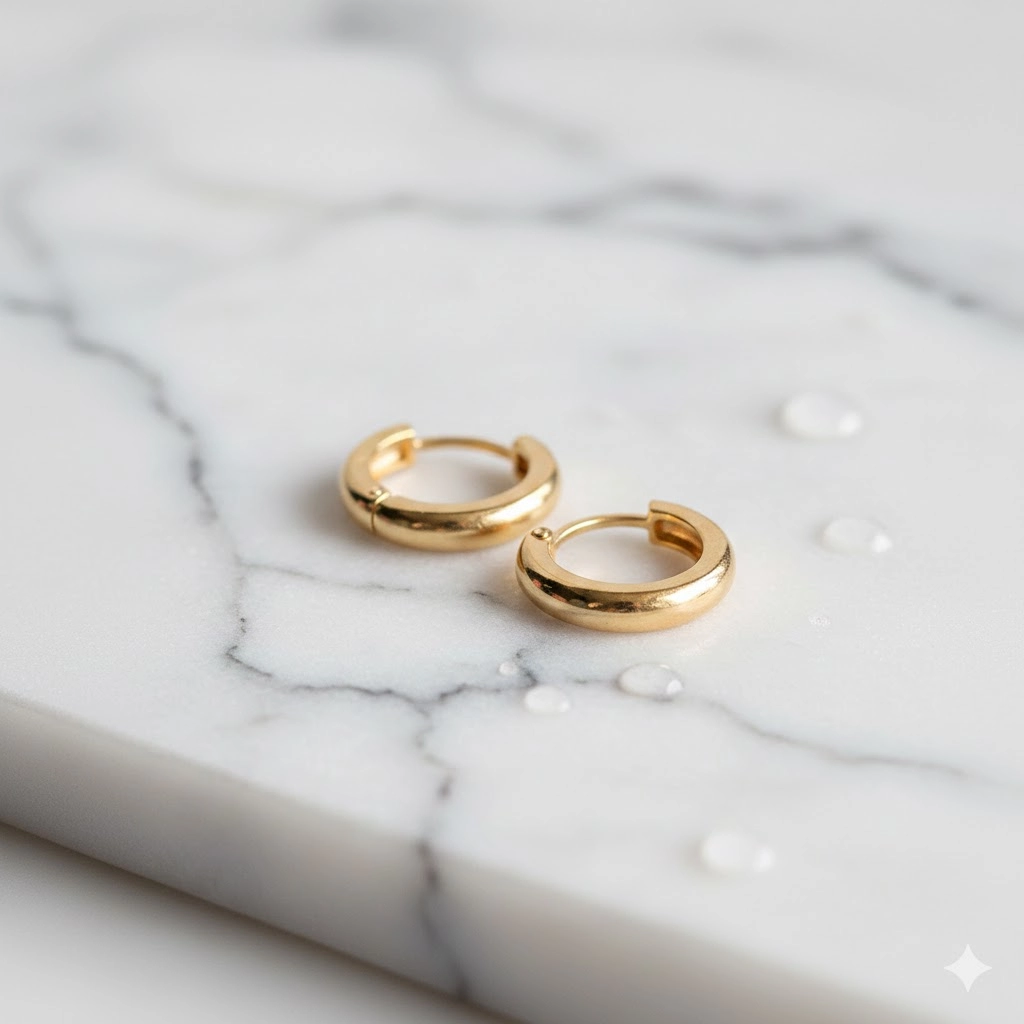
Boost Your Margins with Top-Selling Custom Wholesale Brass Huggie Earrings
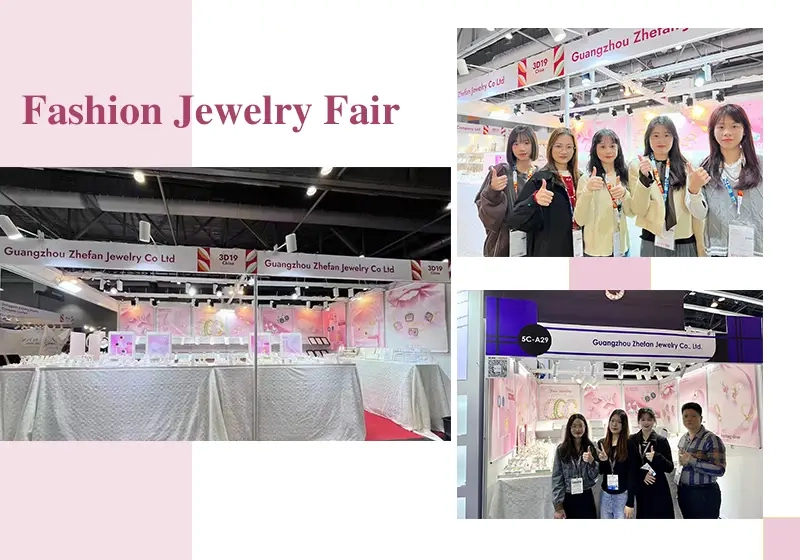
Zhefan Jewelry Will Attend Hong Kong Jewelry Fair

Zhefan Jewelry Invites You to Attend the Hong Kong Jewellery Exhibition 2026
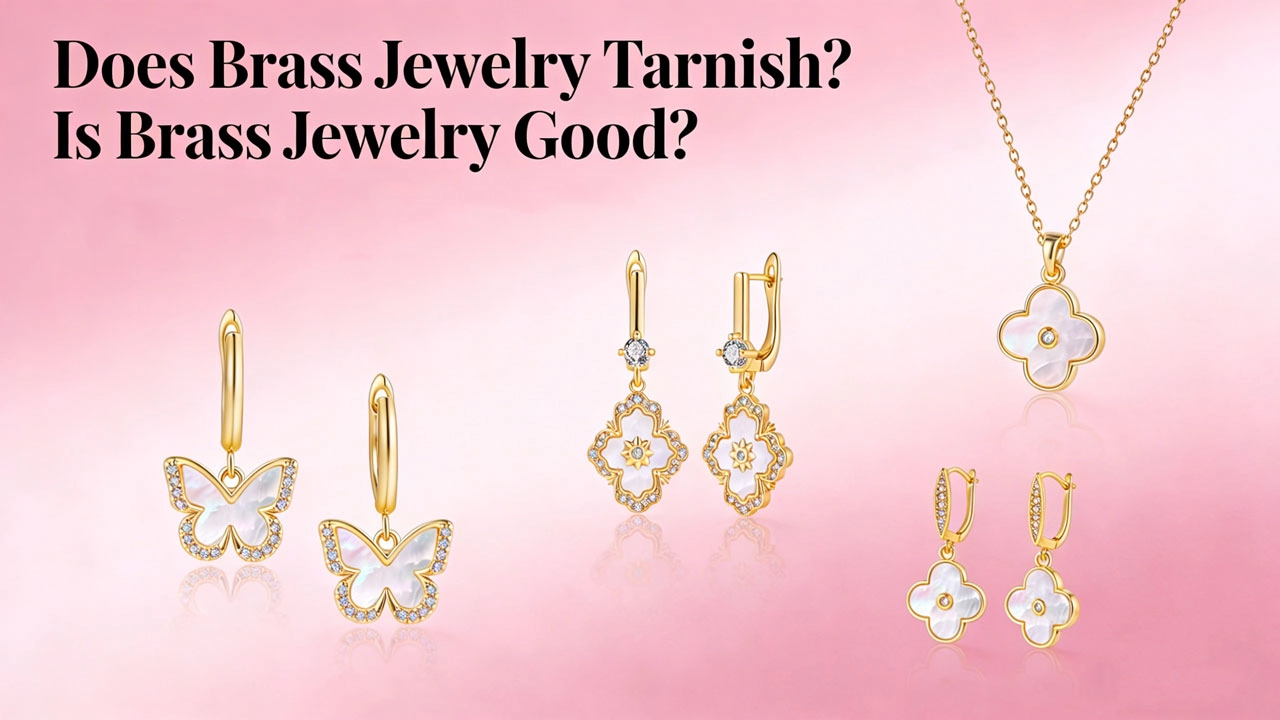
Does Brass Jewelry Tarnish? Is Brass Jewelry Good? Complete Guide from a Professional Jewelry Manufacturer
Prdoucts Categories
FAQ
Products
What is the material of the jewelry?
Most of the jewelry is made of 925 sterling silver, brass or 316 stainless steel or custom material,which can cover different procurement demand.
How can we guarantee quality?
Always a pre-production sample before mass production;
Always final Inspection before shipment;
How long will the plating color last?
Generally 6 month for Water Plated color , 1 - 2 years for vacuum plated color if in proper wearing.
What services can we provide?
Accepted Delivery Terms: FOB, CIF, EXW, Express Delivery;
Accepted Payment Currency: USD, EUR, JPY, CAD, AUD, HKD, GBP, CNY, CHF;
Accepted Payment Type: T/T, L/C, MoneyGram, Credit Card, PayPal, Western Union, Cash, Escrow;
Language Spoken: English, Chinese, Spanish, Japanese, Portuguese, German, Arabic, French, Russian, Korean, Hindi, Italian.
Do you offer free sample for quality check?
Sample order is welcome, but sample fee need to be paid. It will be deducted when you place an bulk order.
FAQs
Do you offer after-sales warranty service?
Yes, we will refund or resend products if fading, stone falling off and other quality problems found in 1 month receipt of goods.Furthermore, we offer 1 year after-sales warranty service, but you need pay the shipping charge.
Discuss Your Ideas with a Professional Custom Jewelry Manufacturer
We provide personalized jewelry customization services for clients worldwide.
Rest assured that your privacy is important to us, and all information provided will be handled with the utmost confidentiality.
By clicking 'Send Inquiry Now' I agree to ZHEFAN JEWELRY processing my personal data.
To see how to withdraw your consent, how to control your personal data and how we process it, please see our Privacy Policy and Terms of use.
From design to production, ZHEFAN JEWELRY offers a one-stop solution to help you enhance your brand value and market competitiveness.
Get A Quote
Contact
Tel: (+86) 188 1927 7817
© 2026 Zhefan Jewelry. All Rights Reserved.
Facebook
Instagram
YouTube
Whatsapp: +8618819277817