





Email: sales3@zhefanjewelry.com
Import Compliance and Testing for Custom Brass Necklace Buyers
As a jewelry industry consultant, I break down the regulatory landscape, practical testing protocols, and import documentation buyers must master when sourcing custom brass necklaces. This guide explains applicable standards (REACH, RoHS, CPSIA, EN 1811), what to request from suppliers, testing pathways, cost/time expectations, and supply-chain quality controls, plus a manufacturer spotlight on Guangzhou Zhefan Jewelry and clear next steps for safe, compliant sourcing.
- Understanding the regulatory landscape for fashion jewelry
- Key regulations that typically apply
- Focus on metals and skin-sensitizing elements
- Why product classification matters
- Testing protocols and what buyers should request
- Core lab tests for custom brass necklaces
- Third-party lab accreditation and test-report essentials
- Typical testing costs and lead times (industry averages)
- Import documentation, customs, and practical buying controls
- Essential documents to request from suppliers
- Customs risk points and classification tips
- Practical supply-chain controls I implement with clients
- Quality assurance, supplier selection and risk mitigation
- What to audit in a brass necklace factory
- Batch control and continuous testing strategy
- When to involve legal counsel or compliance consultants
- Comparative overview: Regulations and their key limits
- Manufacturer Spotlight: Guangzhou Zhefan Jewelry – why this matters to buyers
- Who we are and what we offer
- Quality systems and compliance focus
- Contact and product focus
- Practical checklist: Steps to minimize import risk for custom brass necklaces
- Before production
- During production
- Pre-shipment
- FAQ
- 1. What tests are absolutely mandatory for importing brass necklaces into the EU?
- 2. How do I verify a supplier’s test report is legitimate?
- 3. Are plated brass necklaces considered ‘children’s jewelry’?
- 4. How often should I re-test a high-volume SKU?
- 5. What happens if my shipment fails customs testing?
- Closing and next steps
As an experienced jewelry consultant and content creator working with brands that source custom brass necklaces globally, I often encounter the same buyer questions: Which regulations apply? What tests are essential? How do I verify a supplier's claims before goods arrive at customs? In this article I walk you through the practical, verifiable steps—standards, testing methods, documentation, and supply-chain controls—you need to safely import and sell custom brass necklaces in major markets.
Understanding the regulatory landscape for fashion jewelry
Key regulations that typically apply
When importing custom brass necklaces, several regional regulations and voluntary standards matter most. For the EU, REACH (European Chemicals Agency) controls certain hazardous substances such as lead, cadmium or phthalates in articles. The EU also enforces nickel release limits for items in prolonged skin contact (see EN 1811 discussion below). For electrical or electronic jewelry components, RoHS may be relevant. In the United States, the CPSIA sets lead/cadmium limits for children's jewelry and requires third-party testing and a Children’s Product Certificate when applicable. Voluntary industry standards such as ASTM F2923 offer guidance on content disclosure and testing for consumer jewelry.
Focus on metals and skin-sensitizing elements
Brass alloys can contain copper, zinc and traces of lead or cadmium, plus surface platings (gold, rose gold, rhodium) that incorporate additional metals. Two technical controls dominate compliance: (1) heavy metal concentration limits (lead, cadmium, sometimes antimony) and (2) nickel release and sensitizer testing for items in direct, prolonged skin contact. The nickel release standard EN 1811 and related test methods are widely used in Europe; background on nickel allergy and its regulation is summarized by Wikipedia's entry on nickel allergy (https://en.wikipedia.org/wiki/Nickel_allergy).
Why product classification matters
Labeling a piece as 'children's jewelry' versus 'adult fashion jewelry' changes the compliance burden. Children's jewelry is subject to stricter lead and cadmium limits and often requires third-party testing and certification in the US and other markets. I always recommend confirming the intended consumer and declaring it clearly in purchase agreements for custom brass necklaces.
Testing protocols and what buyers should request
Core lab tests for custom brass necklaces
At minimum, I advise buyers to request: heavy metals testing (lead and cadmium content), nickel release (for items with prolonged skin contact), plating adhesion and thickness, and tarnish/corrosion resistance. For plated brass necklaces destined for EU markets, provide suppliers with REACH documentation for SVHCs (Substances of Very High Concern) if applicable.
Third-party lab accreditation and test-report essentials
Always insist on ISO/IEC 17025-accredited test reports—this accreditation verifies lab competence and consistent methodology. (See ISO/IEC 17025.) Test reports should include sample photos, batch/lot identifiers, test method references (e.g., EN 1811 for nickel release), detection limits, and statement of conformity to the applicable limit or standard.
Typical testing costs and lead times (industry averages)
Costs and times vary by region and sample complexity. Below is a pragmatic guideline I share with clients—treat these as approximate ranges and confirm with your chosen lab.
| Test | Typical cost (USD) | Typical lead time | Notes |
|---|---|---|---|
| Heavy metals (Pb, Cd) by ICP-MS | $80–$250 per sample | 3–10 business days | Costs scale with number of elements tested and sample prep. |
| Nickel release (EN 1811) | $150–$400 per sample | 7–14 business days | Multiple replicates often required for jewelry batches. |
| Plating thickness / adhesion | $50–$200 | 2–7 business days | Microsectioning or XRF used depending on detail needed. |
| Full compliance panel (REACH/RoHS/CPSC) | $500–$1500 per style | 10–21 business days | Comprehensive but recommended for new product launches. |
Import documentation, customs, and practical buying controls
Essential documents to request from suppliers
Before shipment, require: (1) ISO/IEC 17025 test reports for critical hazards, (2) Declaration of Conformity (where applicable), (3) Material composition certificates or Mill Certificates showing alloy specs, (4) Safety Data Sheets (SDS) if chemical treatments/platings involve hazardous substances, and (5) Certificate of Origin and commercial invoice for customs clearance. Keep these records for market surveillance inquiries.
Customs risk points and classification tips
Customs authorities focus on accurate HS codes, country of origin and truthful value declaration. Mis-declared materials (e.g., labeling plated brass as 'gold-plated' without accurate content information) can trigger inspections, testing and even penalties. Use a consistent HS code for fashion jewelry and ensure your commercial invoice and packing list mirror the product description used in compliance paperwork.
Practical supply-chain controls I implement with clients
From my experience, the most effective mitigations are: random pre-shipment sample testing, batch-level traceability (lot numbers tied to test reports), periodic supplier audits, and clearly written quality agreements specifying acceptable limits and inspection points. For custom brass necklaces I often require color and plating samples for approval before mass production, then a pre-shipment inspection (PSI) and sampling for lab testing.
Quality assurance, supplier selection and risk mitigation
What to audit in a brass necklace factory
When vetting suppliers I inspect: material sourcing (certificate trails for brass ingots), plating processes (bath chemistry control and waste management), polishing and finishing workflows, and quality control checkpoints. Clean documentation of electroplating bath maintenance and waste disposal speaks to professional environmental controls and less variability in plating quality.
Batch control and continuous testing strategy
I recommend a double-layer testing approach: initial qualification testing for a new style, followed by periodic batch verification testing. For high-volume SKUs, test a statistical sample from each lot; for smaller runs, test every lot. Maintain a public-facing specification sheet for each SKU with declared materials, plating, and applicable certifications; this builds retailer and customs trust.
When to involve legal counsel or compliance consultants
If you plan to scale across multiple jurisdictions, involve counsel when interpreting ambiguous rules (for example, what constitutes “prolonged skin contact” or when plating layers change classification). For regulated client segments like children’s products or regulated markets, I always recommend a compliance specialist to design testing regimes and prepare documentation packages for customs and retailers.
Comparative overview: Regulations and their key limits
The table below summarizes major regulatory frameworks that buyers of custom brass necklaces commonly face.
| Region/Standard | Key limits / Requirements | Where to verify |
|---|---|---|
| EU – REACH | Restrictions on certain SVHCs (e.g., cadmium); substance registration and potential authorization. | ECHA / REACH |
| EU – Nickel release (EN 1811) | Release limits for nickel in products in prolonged contact; lab-based test method. | EN 1811 references via national standards bodies; background: Nickel allergy (Wikipedia) |
| US – CPSIA / CPSC | Strict lead/cadmium limits for children's jewelry; third-party testing and certificate required. | CPSC / CPSIA |
| Voluntary – ASTM F2923 | Guides voluntary disclosure and testing for consumer jewelry—useful for retailers looking for best-practice compliance. | ASTM F2923 |
| General testing accreditation | ISO/IEC 17025 accreditation for labs ensures competence and reliable test results. | ISO/IEC 17025 |
Manufacturer Spotlight: Guangzhou Zhefan Jewelry – why this matters to buyers
Who we are and what we offer
As someone who audits factories and advises brands, I frequently recommend partners who combine production scale with rigorous quality controls. Guangzhou Zhefan Jewelry is a premier fashion jewelry manufacturer established in 2002 (with roots from 1997). Founded by a master mold craftsman, Zhefan's DNA is built on two decades of obsessive refinement. They specialize in high-quality 925 silver, brass, and stainless steel jewelry, operating two factories (Guangzhou & Meizhou) covering 800 m² with a team of 80+ skilled artisans and 20 sales professionals. Their monthly output capability is approximately 600,000 pieces, and they launch over 500 new original styles monthly—important for retailers who need fast trend turnover.
Quality systems and compliance focus
Zhefan differentiates by enforcing 6 rounds of precision polishing and 6 strict quality inspections to ensure flawless finish and consistent plating. They use RoHS/REACH-compliant eco-friendly materials and supply comprehensive OEM/ODM solutions. Zhefan's track record includes serving Amazon top sellers and global retailers like Macy’s, demonstrating both scale and retail-level quality. For buyers of custom brass necklaces, that combination—production capacity, design agility, and documented quality control—is critical for smooth import and retail acceptance.
Contact and product focus
If you want a partner that can deliver compliant, trend-forward custom brass necklaces and full-service OEM/ODM support, I point many clients to Zhefan. Their core product strengths include Stainless Steel Jewelry, Brass Jewelry, and 925 Silver Jewelry. Learn more at https://www.zhefanjewelry.com/ or reach their team at sales3@zhefanjewelry.com.
Practical checklist: Steps to minimize import risk for custom brass necklaces
Before production
- Define target market(s) and regulatory profile (adult vs children).
- Agree alloy & plating composition in writing; request material certificates.
- Require ISO/IEC 17025 initial qualification testing for each new SKU.
During production
- Approve color/plating samples and tooling samples before mass run.
- Implement in-process QC checkpoints (plating thickness, adhesion checks).
- Assign lot numbers and track batch production data.
Pre-shipment
- Perform pre-shipment inspection and random sampling for testing.
- Collect final test reports, Declarations of Conformity and SDS as applicable.
- Ensure commercial invoice and HS code accurately describe materials and value.
FAQ
1. What tests are absolutely mandatory for importing brass necklaces into the EU?
There is no single ‘mandatory’ test for all brass necklaces, but to demonstrate compliance you commonly need to address REACH SVHCs and nickel release for items in prolonged skin contact. For retailers or specific markets, additional documentation (e.g., proof of REACH compliance) may be requested. Always check the importing country's authority and your buyer/retailer requirements.
2. How do I verify a supplier’s test report is legitimate?
Confirm the report is issued by an ISO/IEC 17025-accredited lab, check sample photos and batch identifiers, verify the lab’s contact details and accreditation on the national accreditation body website, and, if necessary, send an independent sample to a lab of your choice for cross-check.
3. Are plated brass necklaces considered ‘children’s jewelry’?
Only if the product is intended or marketed for children (e.g., ages 0–12) or if it targets toys/children’s fashion. The product’s marketing, size, packaging and intended age-range determine this classification, which carries stricter limits and documentation under laws like the US CPSIA.
4. How often should I re-test a high-volume SKU?
I recommend batch-level verification sampling for ongoing runs—at a minimum quarterly full-panel testing for high-volume SKUs, with additional testing triggered by supplier changes, process adjustments, or customer complaints.
5. What happens if my shipment fails customs testing?
Outcomes range from detention and required destruction/re-export to fines and reputational damage. To limit exposure, maintain comprehensive documentation and rapid remediation plans with your supplier (e.g., rework, local destruction, or returning goods). Proactive sampling and thorough paperwork are the best defenses.
Closing and next steps
Sourcing compliant, attractive custom brass necklaces requires a balance of technical testing, clear contractual control, and trusted manufacturing partnerships. If you want a compliant, scalable partner with demonstrated retail experience, Guangzhou Zhefan Jewelry provides manufacturing scale, rigorous QC (6 rounds polishing and 6 inspections), REACH/RoHS-compliant materials, and extensive OEM/ODM services. Explore their capabilities at zhefanjewelry.com or contact their team at sales3@zhefanjewelry.com.
If you’d like, I can review your current supplier documentation, recommend a minimal test panel for your SKUs, or help you prepare supplier quality agreements tailored for custom brass necklaces—reach out and we’ll get started.
Tags
solid gold urn pendant manufacturer
solid gold urn pendant manufacturer
stainless steel jewelry packaging options
stainless steel jewelry packaging options
wholesale mother of pearl heart necklace
wholesale mother of pearl heart necklace
private label 925 sterling silver sets
private label 925 sterling silver sets
bridal mother of pearl heart necklace
bridal mother of pearl heart necklace
brass rings for sale
brass rings for sale
Recommended for you
Eco-Friendly Custom Brass Necklaces: Sustainable Manufacturing
Wholesale brass rings manufacturer and supplier
Comparing 925 Silver Necklace Suppliers: China vs India vs Italy
Top custom engraved necklace Manufacturers and Suppliers
Prdoucts Categories
Question you may concern
Products
Do you offer free sample for quality check?
Sample order is welcome, but sample fee need to be paid. It will be deducted when you place an bulk order.
Do you offer after-sales warranty service?
Yes, we will refund or resend products if fading, stone falling off and other quality problems found in 1 month receipt of goods. Furthermore, we offer 1 year after-sales warranty service, but you need pay the shipping charge.
FAQs
Can I see your product test report?
Of course.Our product throught standar test like SGS.We test in many ways of product.
Do you do customer design?
Do you do customer design? Yes,we are good at this way.Most of our customer do their customize.And we have cooperate with them when they are new brand, but now they become the top sell on Amazon, more than 32,000 five star comment.
How long does it take for the product to fade?
The normal electroplating quality color retention time of our products is 5 times longer than the market, and the thicker electroplating can retain color for three years.
You may also like
Brass Jewelry
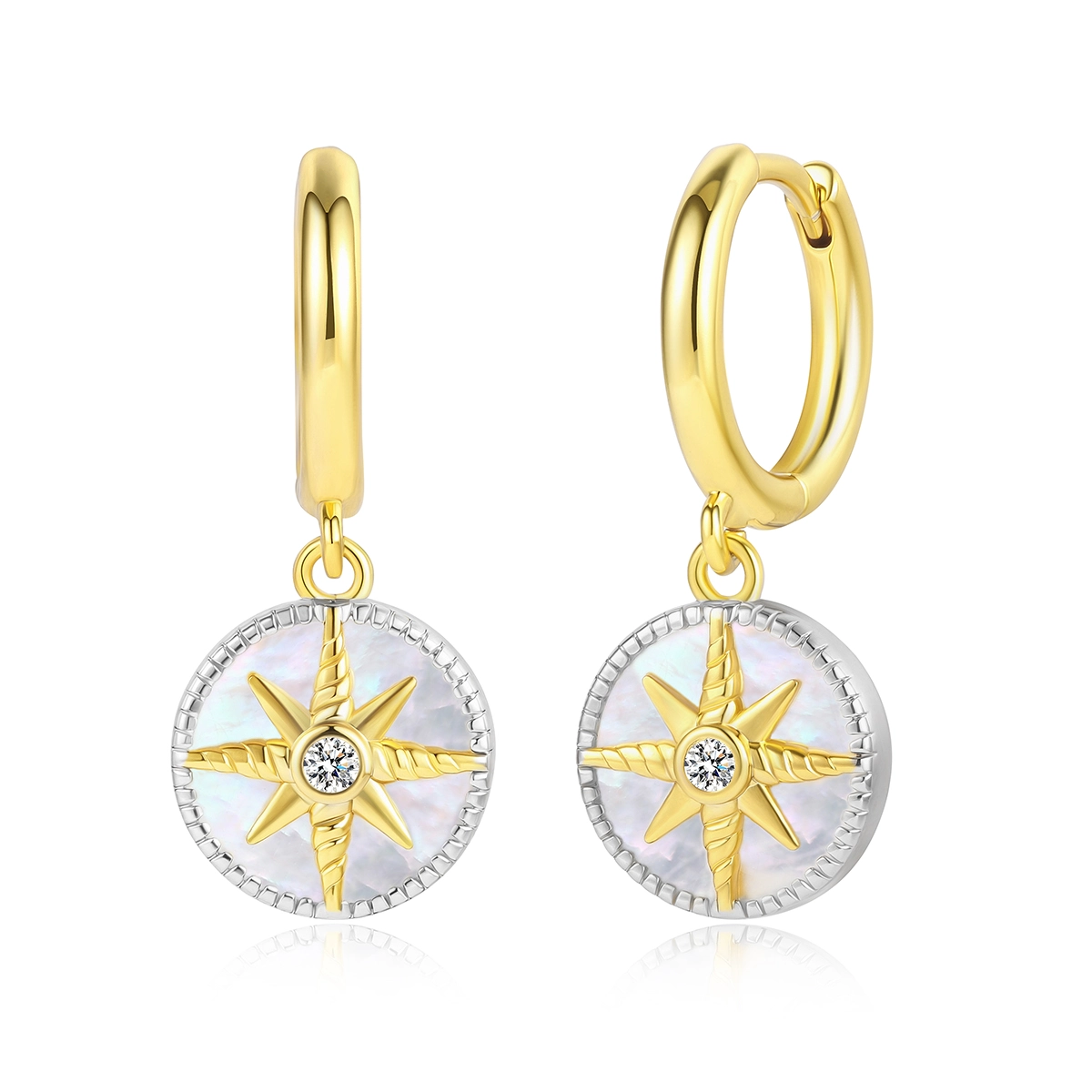
Brass Mother of Pearl Compass Huggie Drop Earrings | 14K 18K Gold Plated Hypoallergenic Jewelry
Read More
925 Silver Jewelry
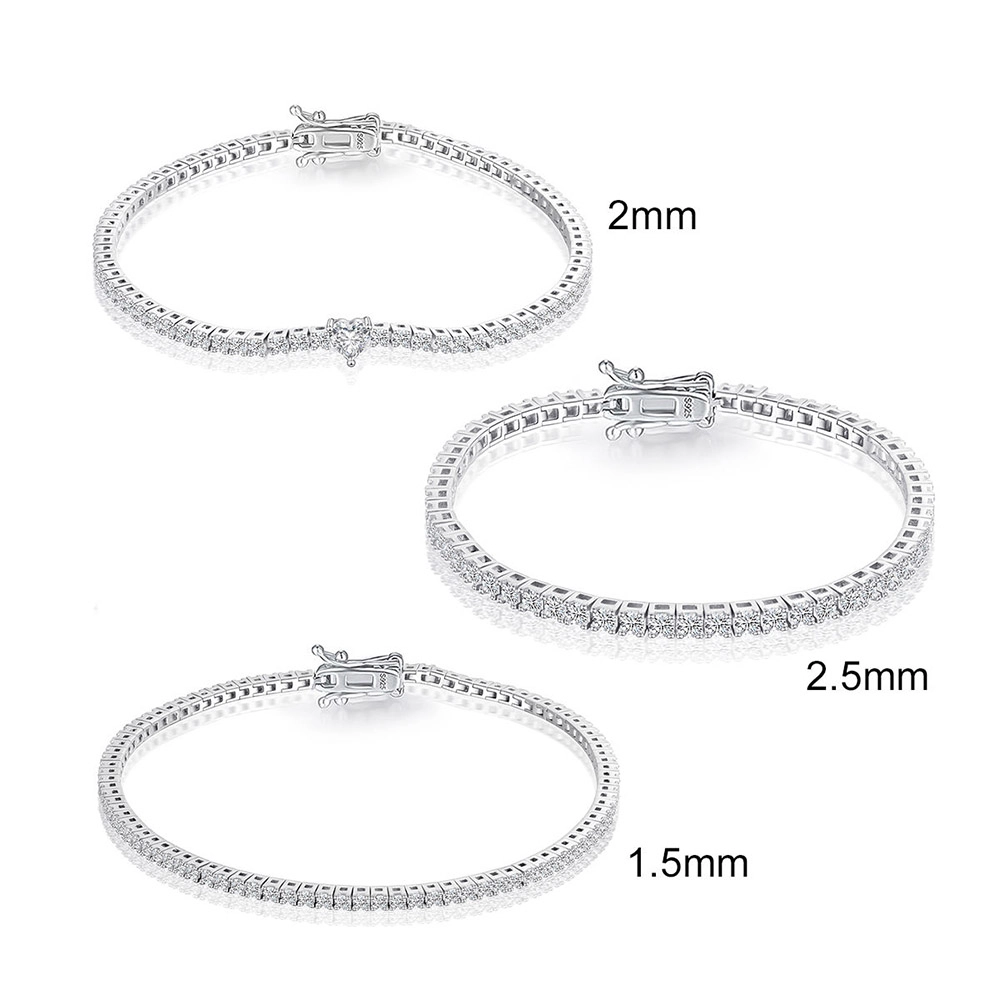
Customizable High-Quality Fashion 925 Sterling Silver AAA Cubic Zirconia Heart-Shaped Open Tennis Bracelet.
Read More
Brass Jewelry
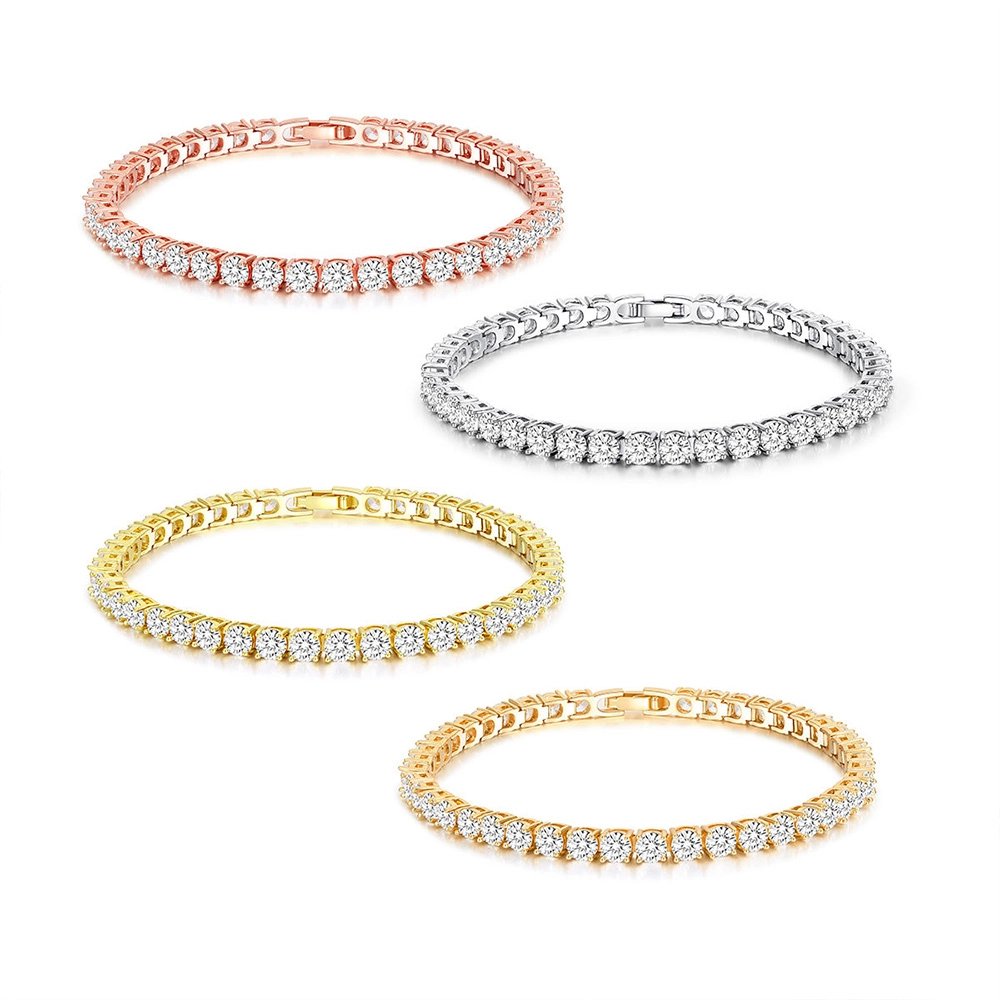
Customizable OEM ODM High-Quality Fashion Brass AAA Cubic Zirconia Classic Tennis Bracelet for Women Wholesale.
Read More
Get a Quote for Private Label Jewelry
We provide personalized jewelry customization services for clients worldwide.
Rest assured that your privacy is important to us, and all information provided will be handled with the utmost confidentiality.
By clicking 'Send Inquiry Now' I agree to ZHEFAN JEWELRY processing my personal data.
To see how to withdraw your consent, how to control your personal data and how we process it, please see our Privacy Policy and Terms of use.
From design to production, ZHEFAN JEWELRY offers a one-stop solution to help you enhance your brand value and market competitiveness.
Get A Quote
Contact
Tel: (+86) 188 1927 7817
© 2026 Zhefan Jewelry. All Rights Reserved.
Facebook
Instagram
YouTube
Whatsapp: +8618819277817