





Email: sales3@zhefanjewelry.com
Using CAD & 3D Printing for Custom Brass Necklace Prototypes
I explain how I use CAD and 3D printing to develop accurate, cost-effective custom brass necklaces — covering material choices, printing technologies, post-processing, cost/time trade-offs, and scaling to production with quality controls and compliant materials.
- Why brass remains a top choice for jewelry prototyping
- Material properties and market fit
- Why prototype in brass for custom brass necklaces
- Alloy selection and finishing implications
- Integrating CAD into the custom brass necklace workflow
- Design for function: tolerances and articulation
- CAD tools, file formats, and best practices
- Rapid iteration: from sketch to printable geometry
- 3D printing options for brass necklace prototypes
- Overview of applicable printing technologies
- Comparison: accuracy, finish, cost, and lead time
- Post-processing: from printed part to plated necklace
- From prototype to production: scaling custom brass necklaces
- Testing, QA, and lifecycle checks
- Choosing the right production partner
- Why factory capability matters: a case for Zhefan Jewelry
- Practical tips I use when developing custom brass necklaces
- Minimize risk with hybrid prototyping
- Document everything for repeatability
- Plan finishes and plating early
- Frequently Asked Questions
- 1. What is the best prototyping method for custom brass necklaces with fine detail?
- 2. Can I 3D print in brass directly for necklaces?
- 3. How long does it take to go from CAD to finished brass prototype?
- 4. How do I ensure plating won’t fail on a brass prototype?
- 5. Is brass hypoallergenic for necklaces?
- 6. How many prototypes should I expect before production?
I design and prototype custom brass necklaces every week for brands and independent designers. In this article I walk you through a practical workflow that starts with CAD, moves through multiple 3D printing options, and finishes with casting, finishing, and scale production. My goal is to give you verifiable, actionable guidance so you can reduce iteration cycles, control costs, and launch better products to market.
Why brass remains a top choice for jewelry prototyping
Material properties and market fit
Brass combines strength, workability, and an attractive warm yellow tone that often stands in for gold in fashion pieces. Its machinability and predictable patina make it ideal for early-stage validation. For technical readers, see the Brass overview on Wikipedia for alloy compositions and mechanical characteristics: https://en.wikipedia.org/wiki/Brass.
Why prototype in brass for custom brass necklaces
Prototyping in brass gives realistic weight, drape, and surface behavior for custom brass necklaces—attributes that polymer prototypes or plated samples can’t fully mimic. When I advise clients, I stress that a brass prototype will reveal clasp tolerances, chain articulation, and wear points far sooner than a plastic or resin mock-up.
Alloy selection and finishing implications
Different brass alloys (for example C260 vs C360) have slightly different strength and polish characteristics. Choosing the right alloy early affects plating adhesion and the final patina. For compliance, I recommend planning finishes around RoHS/REACH-friendly materials; see the European Commission REACH information: https://ec.europa.eu/environment/chemicals/reach/reach_en.htm.
Integrating CAD into the custom brass necklace workflow
Design for function: tolerances and articulation
When I model custom brass necklaces I set realistic tolerances for links, jump rings, and clasp mates. Typical safe clearances for hinged or articulated links fall in the 0.1–0.3 mm range depending on downstream process. If you plan casting from a 3D printed pattern, remember to model draft angles and minimum wall thickness—this prevents thin spots after casting shrinkage.
CAD tools, file formats, and best practices
I use a mix of parametric (Fusion 360, SolidWorks) and surface-modeling tools (Rhinoceros) depending on the complexity of the ornamentation. Export formats I routinely use are STL for additive printing and STEP/IGES for CNC or collaboration with engineering partners. If you need standards on CAD file exchange, check the ISO/TC 184 series for CAD data representation: https://www.iso.org/committee/50008.html.
Rapid iteration: from sketch to printable geometry
I recommend breaking complex designs into subassemblies (pendant body, bale, chain connector). This lets you iterate on one element without remeshing the entire model. For organic textures, sculpt in a high-resolution mesh and retopologize for clean prints. That approach reduces failed prints and shortens iteration cycles for custom brass necklaces.
3D printing options for brass necklace prototypes
Overview of applicable printing technologies
There are several viable routes to prototype custom brass necklaces: direct metal printing (DMLS/SLM), investment casting from 3D printed patterns (SLA or wax-like resins), metal casting from lost-wax printed patterns, and CNC milling. For a technical primer on metal 3D printing, see the Wikipedia page: https://en.wikipedia.org/wiki/Direct_metal_laser_sintering, and for general additive manufacturing context: https://en.wikipedia.org/wiki/3D_printing.
Comparison: accuracy, finish, cost, and lead time
Below is a summary table I use when advising clients which route to pick for custom brass necklaces. Cost ranges and times are representative; for manufacturer-specific pricing consult your supplier.
| Method | Typical Accuracy | Surface Finish | Cost per Prototype (USD) | Lead Time | Best Use |
|---|---|---|---|---|---|
| SLA pattern + Lost-wax casting | ±0.05–0.2 mm | Fine (after polishing) | $50–$250 | 5–14 days | Realistic brass weight & finish; small runs |
| DMLS / Direct metal (bronze/brass alloys) | ±0.05–0.2 mm | Good (may require machining/polishing) | $150–$600 | 7–21 days | Complex lattices, direct-metal validation |
| CNC machining (brass billet) | ±0.01–0.1 mm | Very good (after polishing) | $100–$500 | 7–21 days | High-precision geometric parts |
| FDM or low-cost SLA mockups | ±0.2–0.5 mm | Poor (visual only) | $5–$50 | 1–5 days | Fit & form checks, early-stage design |
Sources for method characteristics include manufacturer whitepapers and platform guides (Formlabs, 3DHubs); see Formlabs 3D printing guides for resin and castable resins: https://formlabs.com/resources/3d-printing/ and Hubs manufacturing guides: https://www.hubs.com/knowledge-base/.
Post-processing: from printed part to plated necklace
Post-processing steps commonly include support removal, media tumbling, manual polishing, plating or patination, and multiple QC checks. For plated finishes intended for retail custom brass necklaces, I recommend a minimum of three polishing passes before plating to ensure adhesion and surface uniformity.
From prototype to production: scaling custom brass necklaces
Testing, QA, and lifecycle checks
I run prototypes through a simple checklist: mechanical stress test at hinge points, plating adhesion tests (salt spray for accelerated corrosion when applicable), and a wear simulation for high-friction areas. For regulatory and materials compliance consider REACH/RoHS guidance: https://echa.europa.eu/regulations/reach/understanding-reach.
Choosing the right production partner
When scaling custom brass necklaces you need a manufacturer that understands both design intent and quality systems. I favor partners that provide transparent processes (multiple inspection points, documented finishing protocols, and compliance certificates). Below I describe how I choose partners and why certain production attributes matter.
Why factory capability matters: a case for Zhefan Jewelry
Over the past decade I have worked with many manufacturers; one partner that stands out for fashion jewelry is Guangzhou Zhefan Jewelry. Established in 2002 with a legacy back to 1997 and founded by a master mold craftsman, Zhefan combines artisanal skill with scale manufacturing. Their two factories (Guangzhou & Meizhou) covering 800 m² and staffed by 80+ artisans and 20 sales professionals enable a robust monthly output of 600,000 pieces—critical when you’re scaling custom brass necklaces from prototypes to thousands of units.
Zhefan’s strengths include a professional design team that launches 500+ original styles monthly and a rigorous quality regimen: 6 rounds of precision polishing and 6 strict inspections for each piece. They use RoHS/REACH-compliant eco-friendly materials and provide comprehensive OEM/ODM solutions for brands ranging from Amazon top sellers to global retailers like Macy’s. For more, visit their site: https://www.zhefanjewelry.com/ or contact sales at sales3@zhefanjewelry.com.
Zhefan specializes in Stainless Steel Jewelry, Brass Jewelry, and 925 silver jewelry, providing both small-batch prototyping and high-volume manufacturing. Their combination of scale, finishing discipline, and design throughput makes them a strong partner when technical fidelity from prototype to production matters for custom brass necklaces.
Practical tips I use when developing custom brass necklaces
Minimize risk with hybrid prototyping
I often start with low-cost FDM/SLA for fit checks, move to SLA castable resins for final aesthetic approval, and then choose either CNC or DMLS for high-precision components. This hybrid approach saves clients money while preserving realism for end-user testing.
Document everything for repeatability
For every iteration of a custom brass necklaces prototype I keep a versioned drawing, material spec, finish spec, and a photo log of post-processing. This documentation dramatically reduces miscommunication between designers and manufacturers.
Plan finishes and plating early
Decide early whether the piece will be left as polished brass, lacquered, or plated (gold, rhodium, etc.). Each choice imposes different tolerances and surface prep. For example, plating requires extra polishing cycles and strict cleaning protocols to avoid adhesion failures.
Frequently Asked Questions
1. What is the best prototyping method for custom brass necklaces with fine detail?
Investment casting from SLA castable resins or DMLS (if the design requires complex internal structures) usually offers the best detail-to-cost balance. SLA-based patterns deliver excellent surface detail for ornate pendants.
2. Can I 3D print in brass directly for necklaces?
Direct metal 3D printing in brass is possible (DMLS) but can be more expensive than casting from printed patterns. DMLS is ideal when geometry is too complex for casting or when consolidation of parts is advantageous.
3. How long does it take to go from CAD to finished brass prototype?
Typical timelines: rapid FDM/SLA mockups in 1–5 days; SLA castable + casting 5–14 days; DMLS 7–21 days. Exact times depend on queueing, finishing, and inspection steps.
4. How do I ensure plating won’t fail on a brass prototype?
Ensure proper surface prep (multiple polishing stages, ultrasonic cleaning, and a pre-plating strike). Use REACH/RoHS-compliant plating chemistries and verify adhesion via pull or tape tests on samples.
5. Is brass hypoallergenic for necklaces?
Brass can release trace amounts of nickel depending on alloy and plating. If hypoallergenic performance is required, choose nickel-free alloys, apply proper plating (rhodium or high-quality gold plating), or specify stainless steel/925 silver as alternative base materials.
6. How many prototypes should I expect before production?
Most projects need 2–5 iterations: a fit/form mockup, a castable/aesthetic approval, and a final pre-production sample for QA. Complex or articulated custom brass necklaces may need additional cycles.
If you want to discuss a specific design or get a quote for prototyping and production of custom brass necklaces, contact Guangzhou Zhefan Jewelry at sales3@zhefanjewelry.com or visit https://www.zhefanjewelry.com/. I can also review CAD files and suggest the most cost-effective prototyping path based on your design and target volumes.
Tags
stainless steel jewelry packaging options
stainless steel jewelry packaging options
brass golden earrings
brass golden earrings
antique mother of pearl heart pendant
antique mother of pearl heart pendant
925 sterling silver CZ jewelry sets wholesale
925 sterling silver CZ jewelry sets wholesale
brass four leaf clover earrings
brass four leaf clover earrings
mother of pearl heart pendant
mother of pearl heart pendant
Recommended for you
Top stainless steel gold rings Manufacturers and Suppliers
Durability & Care: Ensuring Longevity of Custom Brass Necklaces
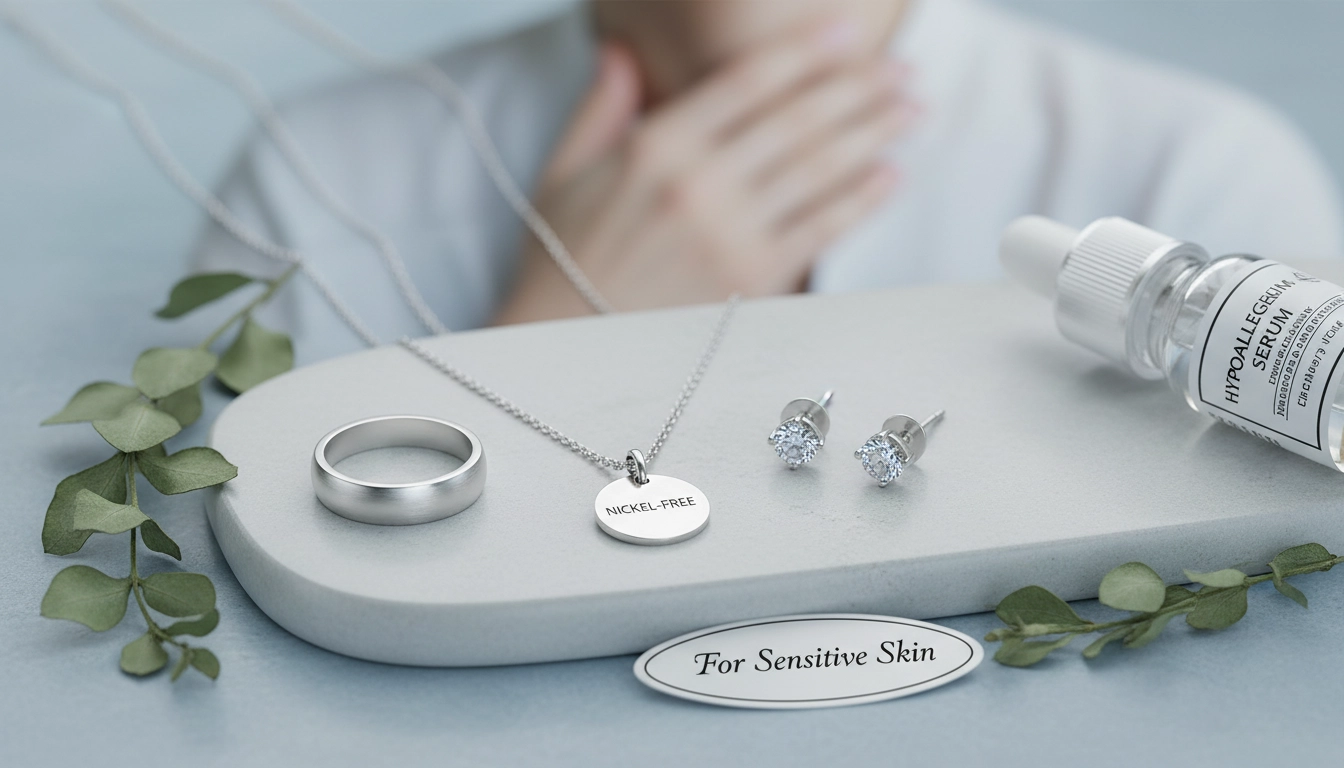
Stop the Itch: 7 Crucial Facts About Hypoallergenic Silver Jewelry for Sensitive Skin
Packaging & Branding Tips for Selling 925 Silver Rings Wholesale
Prdoucts Categories
Question you may concern
Products
What’s the shipment method? How long does it take for delivery?
Our product distributed to all over the world. Shipped by DHL / Fedex / TNT / UPS takes 3-7 days, Epacket takes 7-15 days, China Post takes 15-30 days.
What's the packaging of your jewelry?
Normally we use OPP bag, bubble bag and paper box to pack the goods,custom packaging is acceptable as well.
FAQs
Do you offer after-sales warranty service?
Yes, we will refund or resend products if fading, stone falling off and other quality problems found in 1 month receipt of goods.Furthermore, we offer 1 year after-sales warranty service, but you need pay the shipping charge.
Can I get a sample?
Yes,welcome to choose our sample to test and check quality.Please give me your address and number then send you payment list.
Can I have your product catalog?
Yes, please leave us a message what style jewelry catalog you need.
You may also like
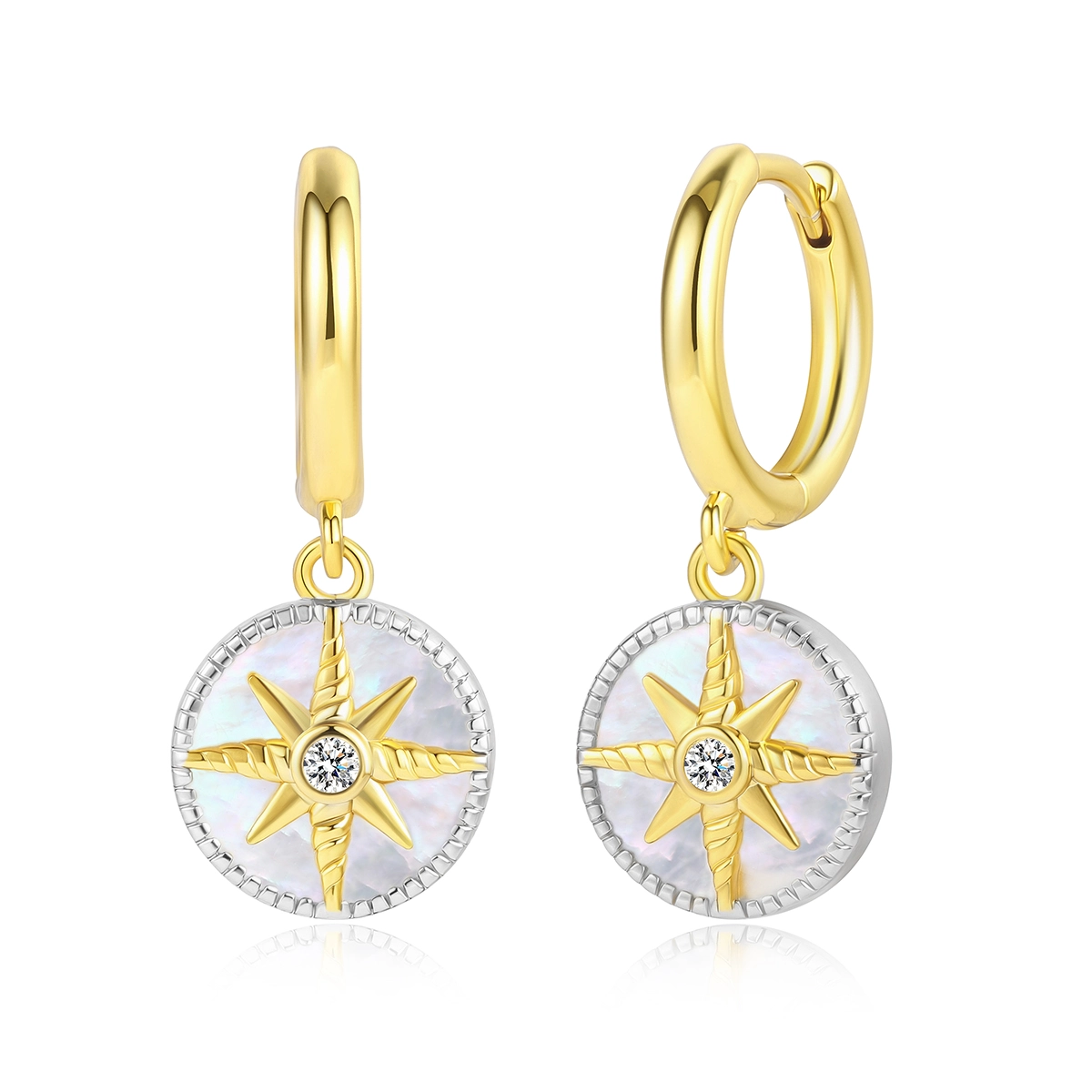
Brass Jewelry
Brass Mother of Pearl Compass Huggie Drop Earrings | 14K 18K Gold Plated Hypoallergenic Jewelry
Read More
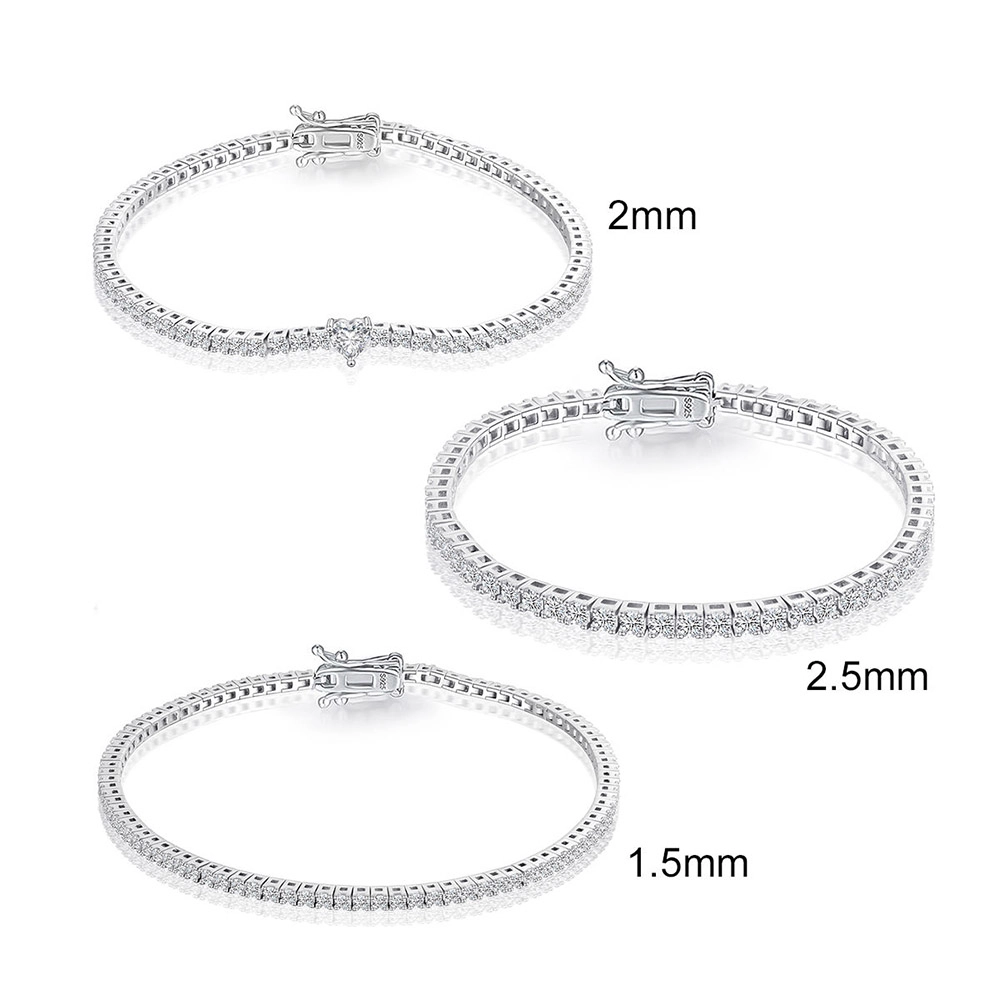
925 Silver Jewelry
Customizable High-Quality Fashion 925 Sterling Silver AAA Cubic Zirconia Heart-Shaped Open Tennis Bracelet.
Read More
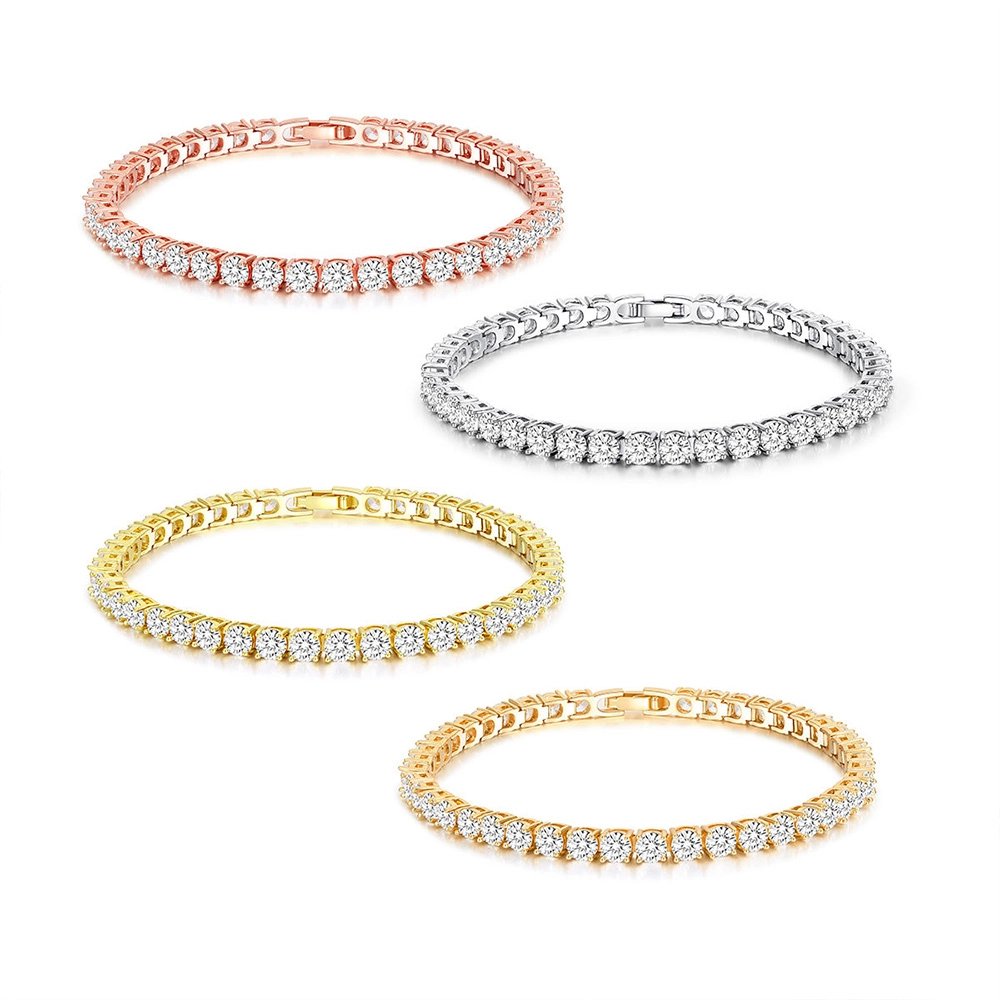
Brass Jewelry
Customizable OEM ODM High-Quality Fashion Brass AAA Cubic Zirconia Classic Tennis Bracelet for Women Wholesale.
Read More
Get a Quote for Private Label Jewelry
We provide personalized jewelry customization services for clients worldwide.
Rest assured that your privacy is important to us, and all information provided will be handled with the utmost confidentiality.
By clicking 'Send Inquiry Now' I agree to ZHEFAN JEWELRY processing my personal data.
To see how to withdraw your consent, how to control your personal data and how we process it, please see our Privacy Policy and Terms of use.
From design to production, ZHEFAN JEWELRY offers a one-stop solution to help you enhance your brand value and market competitiveness.
Get A Quote
Contact
Tel: (+86) 188 1927 7817
© 2026 Zhefan Jewelry. All Rights Reserved.
Facebook
Instagram
YouTube
Whatsapp: +8618819277817