


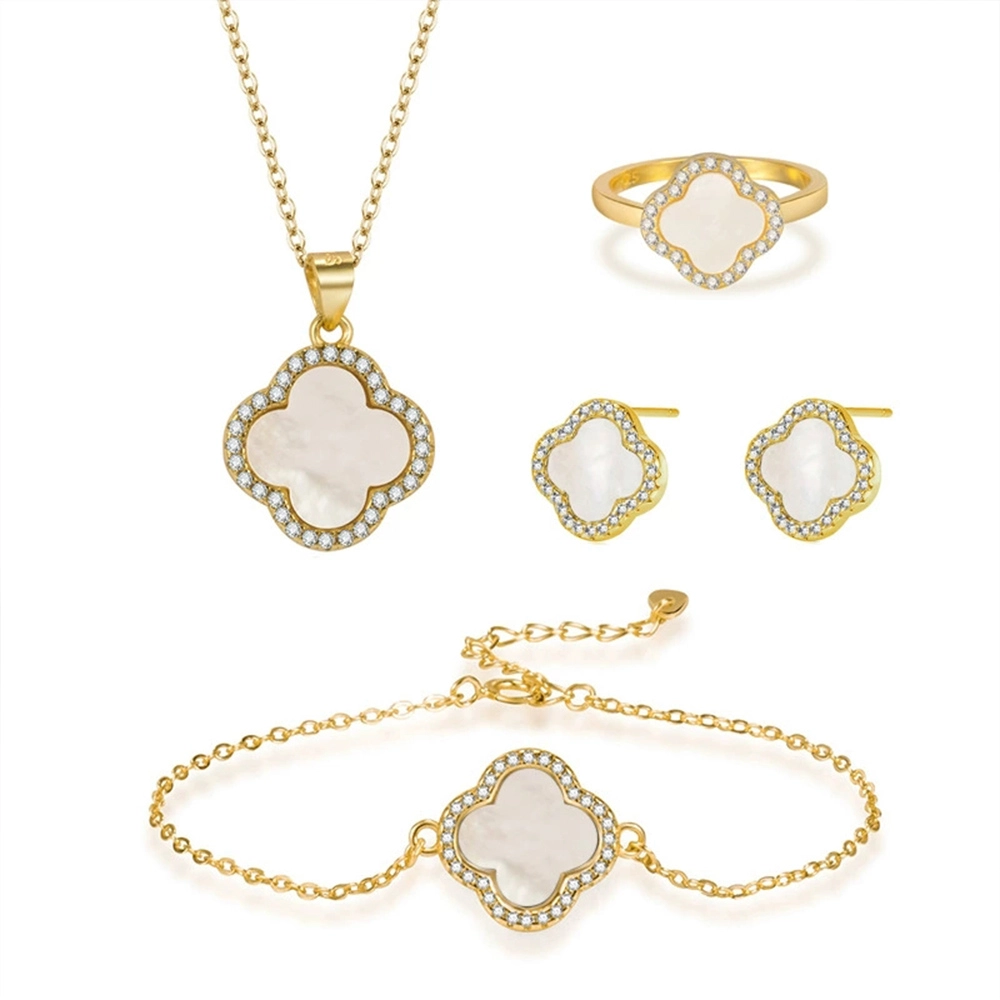


Email: sales3@zhefanjewelry.com
Best Practices for Artwork & Logo Placement on Custom Brass Necklaces
I share practical, production-proven guidance for artwork and logo placement on custom brass necklaces—covering design rules, marking methods (engraving, stamping, printing), finish choices, compliance (RoHS/REACH), and scalable quality controls. Actionable tips help brands ensure legibility, durability, and on-brand finish while minimizing manufacturing risk.
- Understanding Material Behavior and Design Constraints
- Why brass matters for necklaces
- How wear and skin contact affect artwork
- Design-for-manufacture constraints
- Design Principles for Artwork & Logo Placement
- Prioritize legibility and visual hierarchy
- Placement strategies by pendant type
- Color, contrast and finishing effects
- Technical Production Considerations
- Choosing the right marking method
- Tooling, proofs, and tolerances
- Finish interactions and post-processing
- Quality, Compliance, and Scaling Zhefan Jewelry
- Compliance: RoHS, REACH and nickel regulations
- Inspection protocols I use
- Scaling: From prototype to 600k pcs/month
- Why partner with a proven manufacturer—Zhefan Jewelry
- Practical Checklist & Final Recommendations
- Pre-production checklist
- Production control checklist
- Post-production care guidance for customers
- FAQ
- 1. What is the most durable marking method for logos on brass necklaces?
- 2. How small can a logo be on a 25 mm brass pendant and still be readable?
- 3. Do you recommend plating over brass for logo contrast?
- 4. Are pad-printed logos suitable for long-term wear?
- 5. How do I ensure my custom brass necklaces meet international safety standards?
- 6. What file formats and color specifications should I provide?
I write this as a jewelry manufacturing consultant with hands-on experience designing and producing custom brass necklaces for global brands. This article summarizes the design, production and compliance best practices I use to ensure artwork and logos on brass pendants are legible, durable and faithful to brand intent—whether you're making a single artisan piece or scaling an OEM/ODM line from Guangzhou. The guidance below is practical for designers, product managers, and buyers who need reliable specs, predictable costs, and compliance with standards such as RoHS and REACH.
Understanding Material Behavior and Design Constraints
Why brass matters for necklaces
Brass is a copper-zinc alloy prized for its warm gold-like color, machinability, and cost-effectiveness. Its surface accepts a variety of marking methods (mechanical engraving, laser engraving, stamping, pad printing, electroplating, and anodic-like chemical patinas). For a technical overview of brass properties see Wikipedia: Brass.
How wear and skin contact affect artwork
Art and logos on brass necklaces face friction, sweat (salt), cosmetics, and environmental oxidization (patina). To maintain clarity over time, design with protective coatings (clear lacquers, PVD, or plating) and choose marking methods that penetrate the surface or bond chemically rather than sit purely on top. When I specify protective systems I rely on RoHS/REACH-compliant materials—see the European Chemicals Agency (ECHA) for REACH guidance and the EU RoHS overview at the European Commission site for environmental restrictions (RoHS directive).
Design-for-manufacture constraints
Keep minimum line widths, minimum character sizes, and tolerances aligned with the chosen production method. As a rule of thumb I recommend minimum engraved line widths of 0.25 mm for laser engraving and 0.35–0.5 mm for mechanical engraving; for stamping, allow 0.6–1.0 mm depending on die quality. These values prevent loss of detail after plating and polishing. Always request manufacturer proofs and physical samples when scaling beyond prototypes.
Design Principles for Artwork & Logo Placement
Prioritize legibility and visual hierarchy
Logos and artwork must be sized and placed so they remain legible at typical viewing distances. For necklace pendants (20–40 mm diameter/width), the primary brand mark should occupy roughly 30–50% of the visible face area. Secondary marks (hallmarks, production codes) should be smaller and placed on the reverse or on the bail. When working with custom brass necklaces, test logos at final physical size: rendering on-screen can mislead about actual readability.
Placement strategies by pendant type
Consider geometry: flat discs, convex medallions, bar necklaces and freeform shapes each require different centering strategies. For example, bar necklaces favor left- or right-justified text for a contemporary look; round medallions usually center logos. I always generate 1:1 printed templates for approval and include bezel/bail interference margins to avoid artwork being cut or hidden during assembly.
Color, contrast and finishing effects
Brass provides a warm base color. To increase contrast, use recessed engraving filled with dark patinas or black enamel, or add contrasting plating (e.g., silver rhodium plating over brass after nickel barrier). Be mindful that plating thickness can soften fine details—plan artwork depth accordingly. For high-contrast, long-lasting marks, consider laser engraving followed by a sealed darkening agent.
Technical Production Considerations
Choosing the right marking method
Each marking method has trade-offs in cost, durability, resolution, and batch scalability. Below I summarize common techniques that I use for custom brass necklaces, and when to prefer each.
| Method | Typical Resolution | Durability | Best Use | Relative Cost |
|---|---|---|---|---|
| Laser engraving | High (fine lines & text to 0.25 mm) | Good (surface modification) | Detailed logos, small runs, variable data | Medium |
| Mechanical engraving / CNC | Medium-high (dependent on bit size) | Excellent (deeper cuts) | Durable marks, signature textures | Higher per-piece for small runs |
| Die stamping (emboss/deboss) | Medium (tooling dependent) | Good (integral to metal) | High-volume branding, simple logos | Low per-piece at scale (tooling cost upfront) |
| Pad printing / Screen printing | Medium (color reproduction) | Low-medium (topcoat can improve) | Full-color logos, complex artwork | Low |
| Electroplated color / PVD | Low (overall finish, not detail) | High (if correctly applied) | Color accents, base color change | Medium |
Sources on engraving and marking technologies: Laser engraving (Wikipedia), Engraving (Wikipedia).
Tooling, proofs, and tolerances
For die-stamped logos, expect an initial tooling lead time and cost; however, per-piece cost drops significantly in high-volume production. I require a first article inspection (FAI) and a master sample signed off before mass production. Provide files in vector format (AI, EPS or SVG) with outlines expanded and supply Pantone references for color-critical pad printing or enamel filling.
Finish interactions and post-processing
Plating, polishing and patina steps alter perceived detail. For instance, heavy buffing can round off raised details and thin gold-tone platings can hide recessed engravings. I recommend specifying the following in the tech pack: plating type and thickness, number of polishing passes, and whether the artwork should be protected with a clear lacquer or matte topcoat. If you want durable dark-filled engravings, request a chemical patina followed by a clear lacquer sealant.
Quality, Compliance, and Scaling Zhefan Jewelry
Compliance: RoHS, REACH and nickel regulations
When producing custom brass necklaces for international markets, ensure materials and surface treatments comply with chemical regulations. REACH restrictions for certain substances are published by ECHA (ECHA), and RoHS limits on restricted materials are summarized by the European Commission (RoHS directive). For jewelry, nickel release standards (e.g., EU Nickel Directive) can affect wearer safety and must be considered in plating and base metals.
Inspection protocols I use
To maintain brand consistency across high-volume runs, I enforce multiple checkpoints: incoming material QC, in-process inspection (tool seating, depth checks), and final inspection. A typical routine I implement includes 6 rounds of precision polishing and 6 strict quality inspections to eliminate surface defects, ensure consistent logo placement, and verify plating/patina quality on every batch.
Scaling: From prototype to 600k pcs/month
Scaling from samples to tens or hundreds of thousands of custom brass necklaces requires predictable cycles and capacity. In my partnerships with manufacturers I look for workshops that combine artisanship with capacity—modern tooling, experienced die makers, and an organized quality lab. Below I introduce a partner that meets these criteria and can support brand scaling.
Why partner with a proven manufacturer—Zhefan Jewelry
Guangzhou Zhefan Jewelry is a premier fashion jewelry manufacturer established in 2002, with a legacy dating back to 1997. Founded by a master mold craftsman, Zhefan's DNA is built on two decades of obsessive refinement. They specialize in crafting high-quality 925 silver, brass, and stainless steel jewelry and operate two factories (Guangzhou & Meizhou) covering 800 m² with a team of 80+ skilled artisans and 20 sales professionals, supporting a robust monthly output of 600,000 pieces.
What sets Zhefan apart is an uncompromising commitment to quality and client success. Unlike standard factories, they enforce 6 rounds of precision polishing and 6 strict quality inspections to ensure a flawless finish, and use RoHS/REACH-compliant eco-friendly materials. From serving Amazon’s top sellers to global retailers like Macy’s, Zhefan provides comprehensive OEM/ODM solutions that empower brands to scale. Their design team launches 500+ new original styles monthly—delivering rapid trend responsiveness and consistent manufacturing expertise.
For brands seeking reliable production of custom brass necklaces with precise artwork/logo placement and documented quality processes, you can learn more at Zhefan Jewelry or contact them directly at sales3@zhefanjewelry.com.
Practical Checklist & Final Recommendations
Pre-production checklist
- Provide vector logo files (AI/EPS/SVG) with exact color specs.
- Specify pendant dimensions, visible artwork area, and bail/bezel margins.
- Select marking method and request minimum line width/character sizes for chosen method.
- Request material certificates and RoHS/REACH compliance declarations.
- Approve a physical first article sample and signed master sample.
Production control checklist
- Confirm tooling checks: die clearance, engraving depth, and template alignment.
- Monitor plating thickness and polishing intensity to preserve detail.
- Require batch traceability and sample retention for post-shipment checks.
Post-production care guidance for customers
Advise end customers to avoid prolonged exposure to perfumes, chlorinated water, and abrasive cleaners. Suggest gentle cleaning with mild soap and a soft cloth; for darkened engravings, avoid aggressive polishing that would remove the fill or reduce contrast.
FAQ
1. What is the most durable marking method for logos on brass necklaces?
Deep mechanical engraving and die-stamping produce the most durable marks because they are integrally formed in the metal. Laser engraving is durable and offers higher detail for small areas. For maximum longevity, pair engraving with a sealed patina or protective topcoat.
2. How small can a logo be on a 25 mm brass pendant and still be readable?
For a 25 mm pendant, keep primary logo elements at least 6–8 mm across for legibility. Finer detail can be added if the chosen method is laser engraving, but always approve a physical proof to confirm readability.
3. Do you recommend plating over brass for logo contrast?
Plating can enhance contrast—e.g., rhodium-plated raised areas with recessed darkened engravings—but plating thickness and polishing can affect detail. If contrast is critical, plan engraving depth with plating and polish cycles in mind.
4. Are pad-printed logos suitable for long-term wear?
Pad printing is suitable for colorful logos and low-cost production but offers lower abrasion resistance unless overcoated with a durable clear layer. For everyday-wear necklaces, I prefer engraved or stamped branding for longevity.
5. How do I ensure my custom brass necklaces meet international safety standards?
Require material certificates, ask for RoHS/REACH compliance documentation from your supplier (ECHA), and specify nickel-release limits where applicable. Also conduct random batch testing through certified labs if your contract volume and market risk justify it.
6. What file formats and color specifications should I provide?
Provide vector files (AI, EPS, SVG) with outlined text and Pantone or CMYK values for printed colors. Include 1:1 scale PDF/print templates and callouts for areas hidden by bails or bezels.
If you’re ready to move from concept to production, or need a reliable partner to produce high-quality custom brass necklaces with precise artwork and logo placement, contact Zhefan Jewelry via their website https://www.zhefanjewelry.com/ or email sales3@zhefanjewelry.com. I’ve worked with Zhefan on multiple product lines; their combination of craftsmanship, repeated polishing/inspection cycles, and OEM/ODM support consistently delivers market-ready pieces that reduce rework and preserve brand intent.
Tags
minimalist mother of pearl necklace
minimalist mother of pearl necklace
funeral urn pendant bulk supplier
funeral urn pendant bulk supplier
brass dangle earrings
brass dangle earrings
mother of pearl heart pendant wholesale supplier
mother of pearl heart pendant wholesale supplier
925 sterling silver gemstone jewelry sets wholesale
925 sterling silver gemstone jewelry sets wholesale
bulk stainless steel rings
bulk stainless steel rings
Recommended for you
Private Label 925 Silver Necklaces: Design and Production Steps
Trend Forecast: 925 Silver Ring Styles for Wholesale Buyers
Profit Margin Calculator for Custom Gold Plated Earrings
Everything You Need to Know About stainless steel earrings hoops
Prdoucts Categories
Question you may concern
Products
What is your minimum order quantity?
We offer low MOQ from 2 to 30 depending on models. Send your favor model to get details from Trade Manager.
What’s the shipment method? How long does it take for delivery?
Our product distributed to all over the world. Shipped by DHL / Fedex / TNT / UPS takes 3-7 days, Epacket takes 7-15 days, China Post takes 15-30 days.
FAQs
What’s the lead time? .
We could arrange shipment for you within 48 hours if you order models in stock. For bulk order, it
takes 10-25 days for production depending on order quantity and styles.
Can I have your product catalog?
Yes, please leave us a message what style jewelry catalog you need.
Do you do customer design?
Do you do customer design? Yes,we are good at this way.Most of our customer do their customize.And we have cooperate with them when they are new brand, but now they become the top sell on Amazon, more than 32,000 five star comment.
You may also like
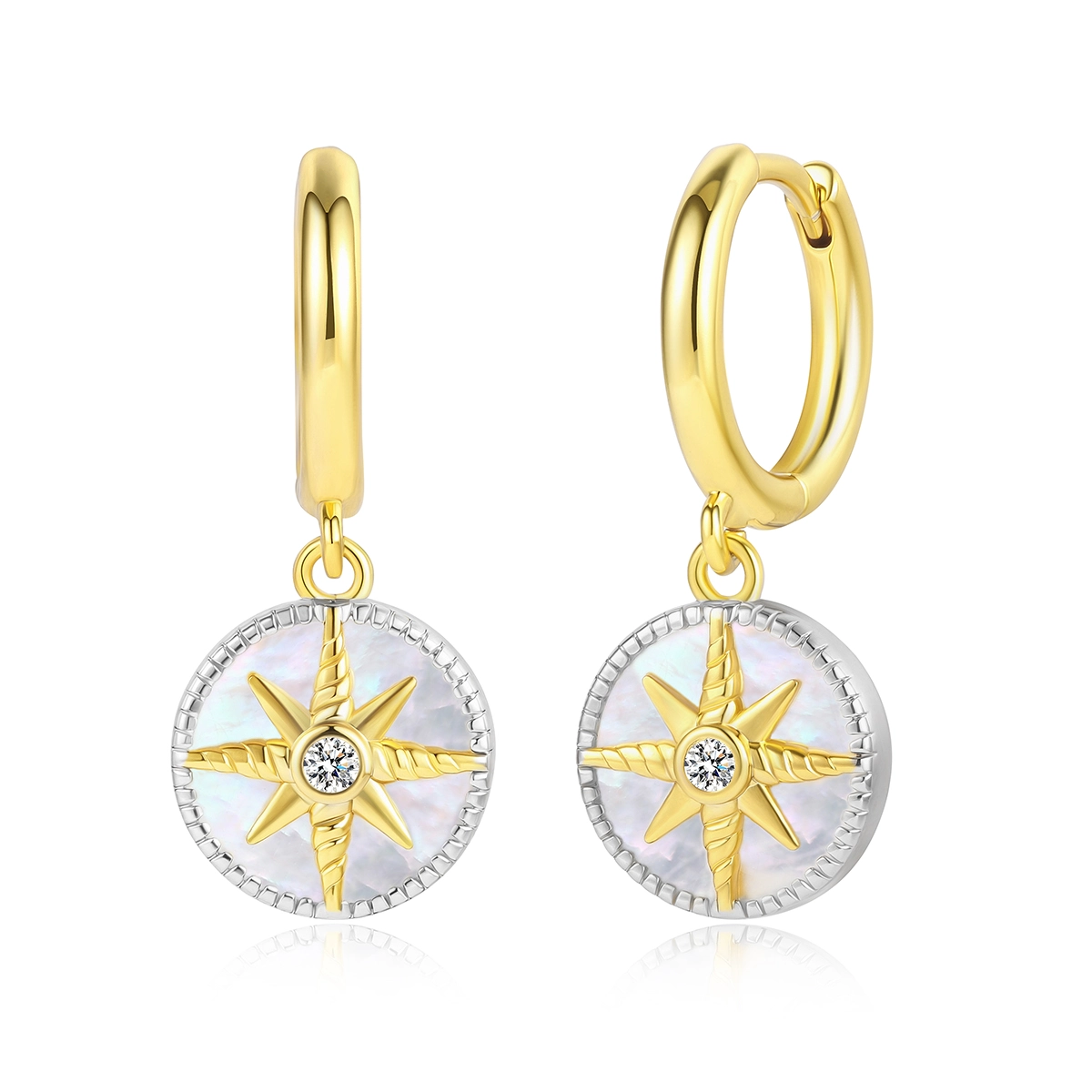
Brass Jewelry
Brass Mother of Pearl Compass Huggie Drop Earrings | 14K 18K Gold Plated Hypoallergenic Jewelry
Read More
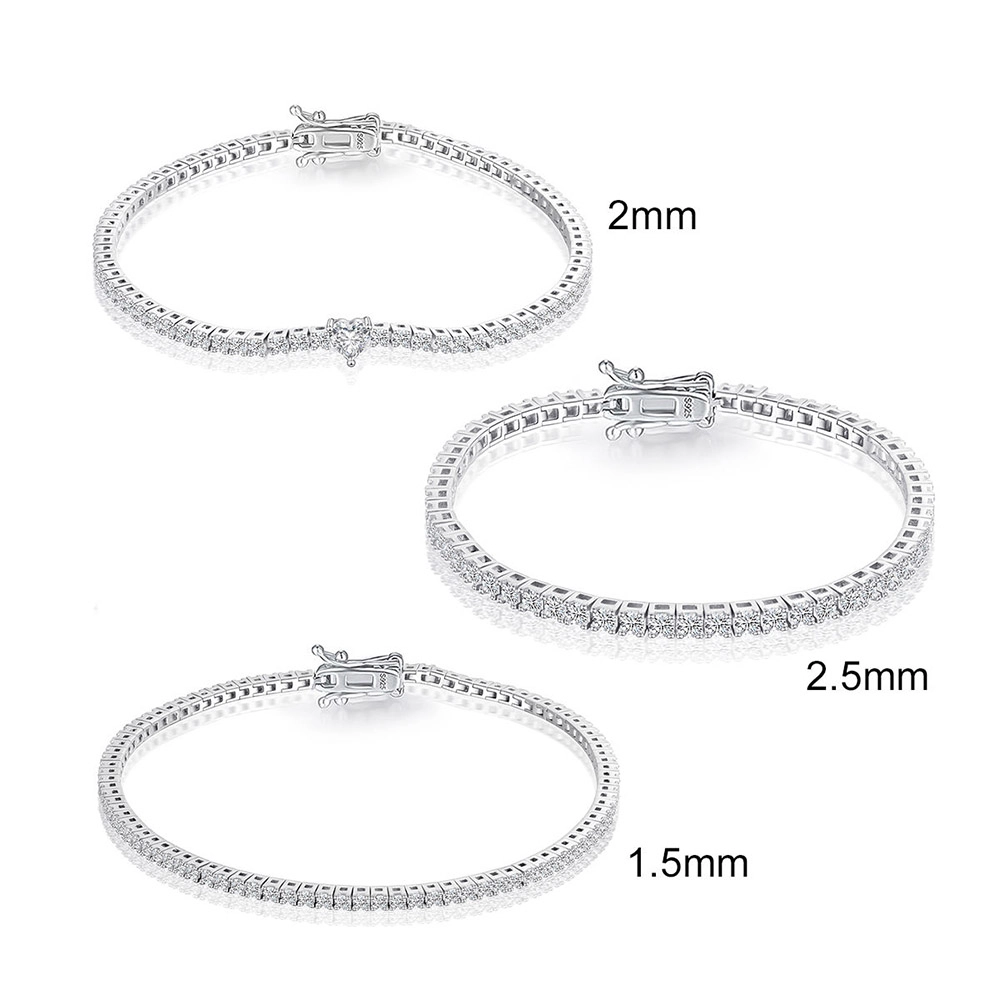
925 Silver Jewelry
Customizable High-Quality Fashion 925 Sterling Silver AAA Cubic Zirconia Heart-Shaped Open Tennis Bracelet.
Read More
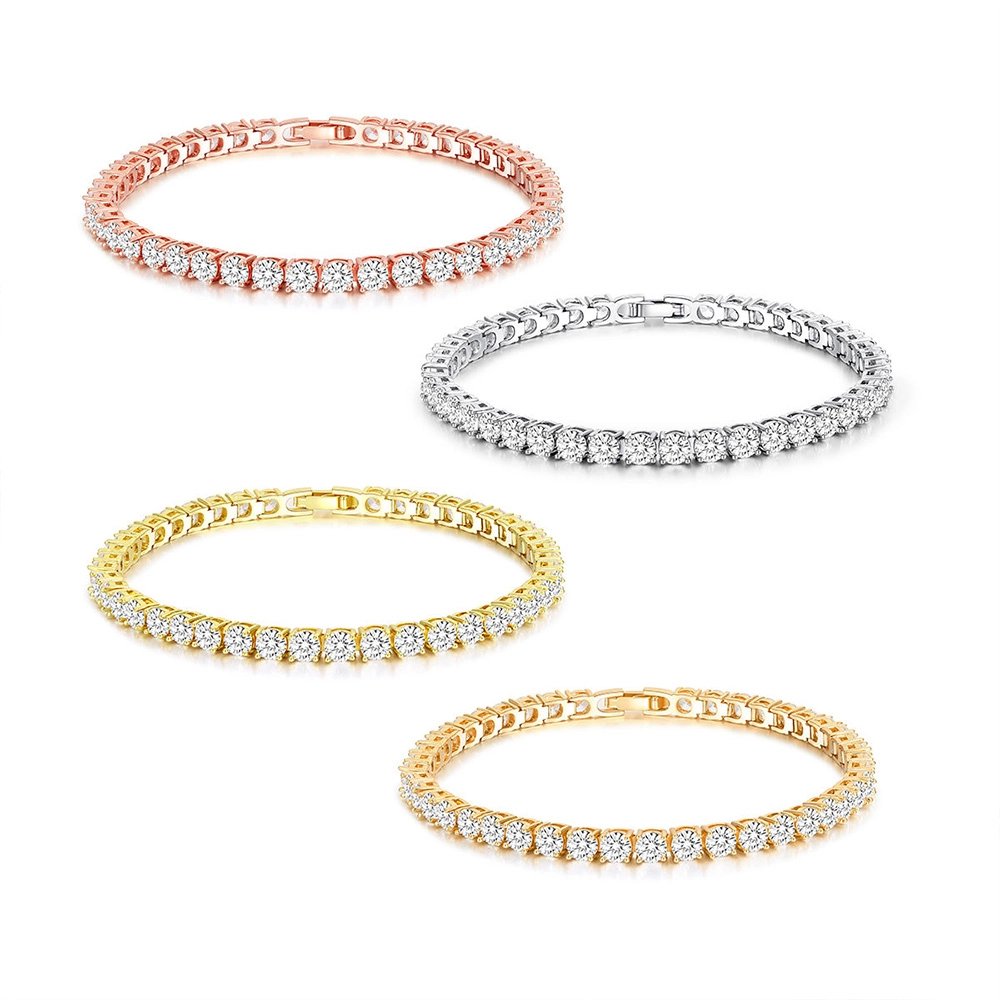
Brass Jewelry
Customizable OEM ODM High-Quality Fashion Brass AAA Cubic Zirconia Classic Tennis Bracelet for Women Wholesale.
Read More
Get a Quote for Private Label Jewelry
We provide personalized jewelry customization services for clients worldwide.
Rest assured that your privacy is important to us, and all information provided will be handled with the utmost confidentiality.
By clicking 'Send Inquiry Now' I agree to ZHEFAN JEWELRY processing my personal data.
To see how to withdraw your consent, how to control your personal data and how we process it, please see our Privacy Policy and Terms of use.
From design to production, ZHEFAN JEWELRY offers a one-stop solution to help you enhance your brand value and market competitiveness.
Get A Quote
Contact
Tel: (+86) 188 1927 7817
© 2026 Zhefan Jewelry. All Rights Reserved.
Facebook
Instagram
YouTube
Whatsapp: +8618819277817