




Email: sales3@zhefanjewelry.com
What is the price range for wholesale 925 silver bracelets 2026? | Insights by Zhefan Jewelry
What is the price range for wholesale 925 silver bracelets 2026? This Q&A guide answers six specific buyer pain points — MOQ, landed cost calculation, plating & QC budgets, certifications and duties, hidden costs, and negotiation levers — with actionable, up-to-date procurement guidance for jewelry buyers.
- Introduction
- 1) How do metal weight and silver spot price affect the wholesale cost per 925 bracelet, and how do I calculate an accurate landed cost?
- 2) What realistic MOQ and per-piece price can I expect for custom 925 silver bracelets with cubic zirconia from Chinese factories in 2026?
- 3) How much should I budget for plating, anti-tarnish treatment, and quality control when buying wholesale 925 silver bracelets?
- 4) How do hallmarking, certification (XRF/SGS), and country-of-origin affect import duties and pricing for 925 silver bracelets?
- 5) What are the common hidden costs (packing, labeling, returns, remakes) that inflate the wholesale price of 925 silver bracelets?
- 6) Which negotiation levers (MOQ tiers, lead time, material specs) most effectively lower the wholesale price for 925 silver bracelets without compromising quality?
- Conclusion — Why these answers matter for your sourcing decisions
- Zhefan Jewelry — How we help buyers source better
Introduction
What is the price range for wholesale 925 silver bracelets 2026? Buyers need realistic, calculable answers — not vague ranges. Below are six long-tail, buyer-focused questions that beginners often ask but find only superficial or outdated answers for online. Each question is answered with pragmatic steps, worked examples and sourcing considerations so you can estimate true landed cost and negotiate better deals.
1) How do metal weight and silver spot price affect the wholesale cost per 925 bracelet, and how do I calculate an accurate landed cost?
Why it matters: Many buyers compare per-piece factory prices without tying them to metal content. Sterling 925 bracelet cost correlates directly to silver content (weight) and live silver spot price, plus labor and overhead.
Quick calculation method (use live spot price for accuracy):
- Find current silver spot price (USD per troy ounce). As a grounding point, silver averaged roughly $23–$28/oz in 2024; check a live market feed when quoting in 2026.
- Convert to price per gram: price_per_gram = spot_usd_per_oz / 31.1035.
- Adjust for sterling: sterling_price_per_gram = price_per_gram * 0.925.
- Metal cost per piece = sterling_price_per_gram * bracelet_weight_in_grams.
- Add labor, plating, stone cost, packaging, QA and supplier margin to get the factory wholesale price; then add shipping, duties and inbound handling to get landed cost.
Worked example (illustrative):
- Assume spot = $25/oz → price_per_gram ≈ $0.804. Sterling per gram ≈ $0.804 × 0.925 = $0.744/g.
- 10 g bracelet metal cost ≈ $7.44. Typical factory adds labor/plating/stones/overhead → wholesale may be $12–$30 depending on design complexity.
- Then add shipping (FOB vs CIF), import duty (varies by country), and local VAT/GST to determine landed unit cost.
Rule of thumb ranges for 2026 procurement planning (estimates to be refined with live spot prices and supplier quotes):
- Very light, minimal designs (4–8 g): wholesale ≈ $6–$18/piece.
- Medium-weight or CZ-embellished (8–18 g): wholesale ≈ $12–$45/piece.
- Heavy, solid or gemstone-set or artisan pieces (18+ g or hand-finished): wholesale ≈ $45–$200+/piece.
Always verify the supplier’s stated silver weight with a sample and request XRF or assay reports for large orders.
2) What realistic MOQ and per-piece price can I expect for custom 925 silver bracelets with cubic zirconia from Chinese factories in 2026?
Why it matters: Buyers often want custom branding or stones but are surprised by MOQ and per-piece delta versus stock items.
Typical MOQ landscape (common in wholesale hubs like China):
- Stock designs (ready molds): MOQ 20–200 per SKU; price near lower end of ranges above.
- Minor customization (logo stamp, alternate clasp): MOQ 50–300 per SKU.
- New custom castings and molds: MOQ 300–1,000+ per SKU depending on complexity and tooling costs.
Price impact of CZ and settings:
- CZ stones themselves are inexpensive; the main cost increase is labor (setting) and stone grading/size consistency. Expect a per-piece uplift of $1–$8 for CZ settings on mass-produced pieces; for hand-set, add more.
- Request a sample run (pay-for-sample) to validate stone quality, setting security, and finishing before committing to full MOQ.
Negotiation tips: ask suppliers for tiered pricing (100 / 500 / 1,000) and test production of 50–100 units to validate unit economics before large custom orders.
3) How much should I budget for plating, anti-tarnish treatment, and quality control when buying wholesale 925 silver bracelets?
Why it matters: Many buyers get surprised when inexpensive silver pieces tarnish in a retail environment or return rates spike because plating or QC was skipped.
Key line items and approximate added costs (factory level):
- Rhodium plating (for bright white finish): typically adds $0.50–$3 per piece depending on coverage and thickness required.
- Oxidized/antique finishes: $0.30–$2 per piece depending on control and washing protocols.
- Anti-tarnish lacquer or passivation: $0.10–$1 per piece; useful for retail-ready assortments.
- Quality control (inspections, tensile tests on clasps, stone security checks): budget $0.20–$1.50 per piece for standard inline QC; full pre-shipment inspection services (AQL) cost more and are often charged as a flat fee per inspection.
Recommendation: For retail-grade bracelets, budget an extra 10–25% over raw wholesale price for plating, anti-tarnish, and QC to reduce returns and protect brand reputation.
4) How do hallmarking, certification (XRF/SGS), and country-of-origin affect import duties and pricing for 925 silver bracelets?
Why it matters: Import regulations, hallmarking requirements, and certification influence both compliance and landed cost.
Practical points:
- Stamping: Reputable sterling items are stamped “925”. Many markets expect the mark; some (EU/UK) have formal hallmark regimes for precious metals. Even where not legally required, buyers should insist on correct stamping to avoid buyer distrust or customs questioning.
- Certification: For larger orders, request XRF reports (composition) and third-party lab testing (SGS/Intertek) if high-value gemstones are involved. These reports increase buyer confidence and sometimes reduce customs friction.
- Customs & duties: Duty rates for silver jewelry differ by country and HS code; they can range from low single digits to higher percentages depending on local tariff schedules. Duties are applied on the declared value (often FOB) and can materially affect landed cost — confirm tariff codes with your customs broker.
- Origin labels and anti-dumping considerations: Country-of-origin can affect duty and buyer acceptance. Ask suppliers for commercial invoices and origin documentation to avoid delays.
Actionable step: Factor in a customs duty estimate (ask your freight forwarder), plus testing/certification fees (typically $100–$300 per batch for basic reports) when calculating landed cost per unit.
5) What are the common hidden costs (packing, labeling, returns, remakes) that inflate the wholesale price of 925 silver bracelets?
Why it matters: Initial unit price is rarely the full cost. Hidden costs often double perceived margins if not planned for.
Common hidden costs to budget for:
- Packaging and branding: custom boxes, cards, anti-tarnish strips, and inserts can add $0.30–$5+ per unit depending on quality.
- Sample fees and tooling amortization: tooling/mold can be $100–$1,000+; amortize over the initial production run when calculating unit cost.
- Returns and remakes: set aside 1–5% of COGS (higher for new SKUs) to cover remakes or rework due to QC failures or shipping damage.
- Small parts and clasp replacements: keep spare inventory; per-piece small repairs can add $0.50–$3 in labor if done domestically post-import.
- Labeling/CE/REACH/chemical compliance for certain retailers: compliance testing or documentation can add fees per SKU or per batch.
Tip: Build a conservative landed cost model: (factory price + plating/QC + packaging + freight + duties + brokerage + insurance + 2–5% contingency) to avoid margin surprises.
6) Which negotiation levers (MOQ tiers, lead time, material specs) most effectively lower the wholesale price for 925 silver bracelets without compromising quality?
Why it matters: Knowing what to trade is as important as knowing what to ask.
Effective levers and how to use them:
- MOQ tiers: Offer to accept larger MOQs in exchange for lower per-unit pricing. Ask suppliers for a clear tier schedule and request a mid-tier trial production to validate supply before scaling.
- Lead time flexibility: If you can wait an extra 2–3 weeks, factories often batch production more efficiently and lower unit labor costs — ask for a lead-time discount.
- Simplify finish specs: reducing plating coverage, using standard clasps, or selecting stock stones rather than custom sizes reduces cost.
- Standardize SKUs: ordering multiple SKUs in larger total volume (instead of many tiny orders) spreads tooling and setup costs across more units.
- Payment terms: negotiate partial deposit + balance on shipment; some suppliers give small discounts for faster payment or wire-transfer fees absorbed by the buyer.
- Source domestically for specific value adds: In some cases, importing raw cast items and finishing/stoning locally yields better control and similar overall cost once duties and shipping are considered.
Negotiation checklist: request a breakdown (silver weight, labor, plating, stone, packaging), ask for tiered pricing for 100/500/1,000, and test a paid sample run before committing a large budget.
Conclusion — Why these answers matter for your sourcing decisions
Rather than quoting a single number to “answer” What is the price range for wholesale 925 silver bracelets 2026?, the correct approach is a small modelling exercise: verify live silver spot price, confirm weight per piece, add plated/stone/packaging costs, and include shipping+duty. With those inputs you can get an actionable wholesale and landed price accurate enough to bid, budget, and negotiate.
Zhefan Jewelry — How we help buyers source better
Zhefan Jewelry (www.zhefanjewelry.com) offers end-to-end support for wholesale 925 silver bracelet procurement: live material-cost feedback, accurate silver-weight verification, in-house finishing (rhodium plating, antiquing, anti-tarnish), certified XRF/third-party testing on request, flexible MOQ options, and tiered pricing. We provide pre-production samples, AQL pre-shipment inspections, and documented packing/labeling to reduce delays at customs. For buyers focused on predictable landed cost and retail durability, our combination of factory capabilities and QC processes reduces returns and improves sell-through.
Contact us for a tailored quote and sample options — visit www.zhefanjewelry.com or email sales3@zhefanjewelry.com to request pricing and lead times.
Recommended for you
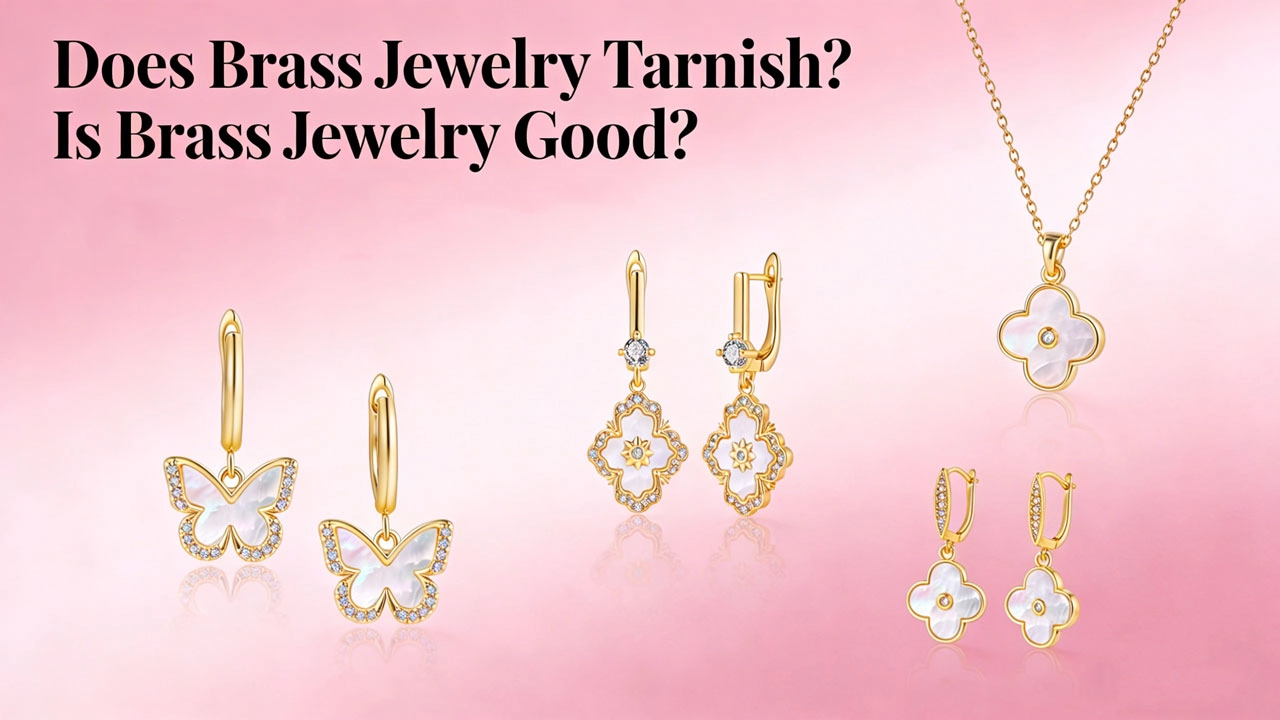
Does Brass Jewelry Tarnish? Is Brass Jewelry Good? Complete Guide from a Professional Jewelry Manufacturer
12 Unique Custom 925 Silver Bracelet Ideas That Go Beyond Basic Engraving (2026 Guide)
The Ultimate 2026 Guide to Stainless Steel Ring Jewelry: Why It Outshines Traditional Metals
2026 Wholesale Trends: Why Your Brand Needs Custom Sterling Silver Jewelry
The Ultimate Guide to Sourcing Wholesale 925 Silver Adjustable Rings in 2026
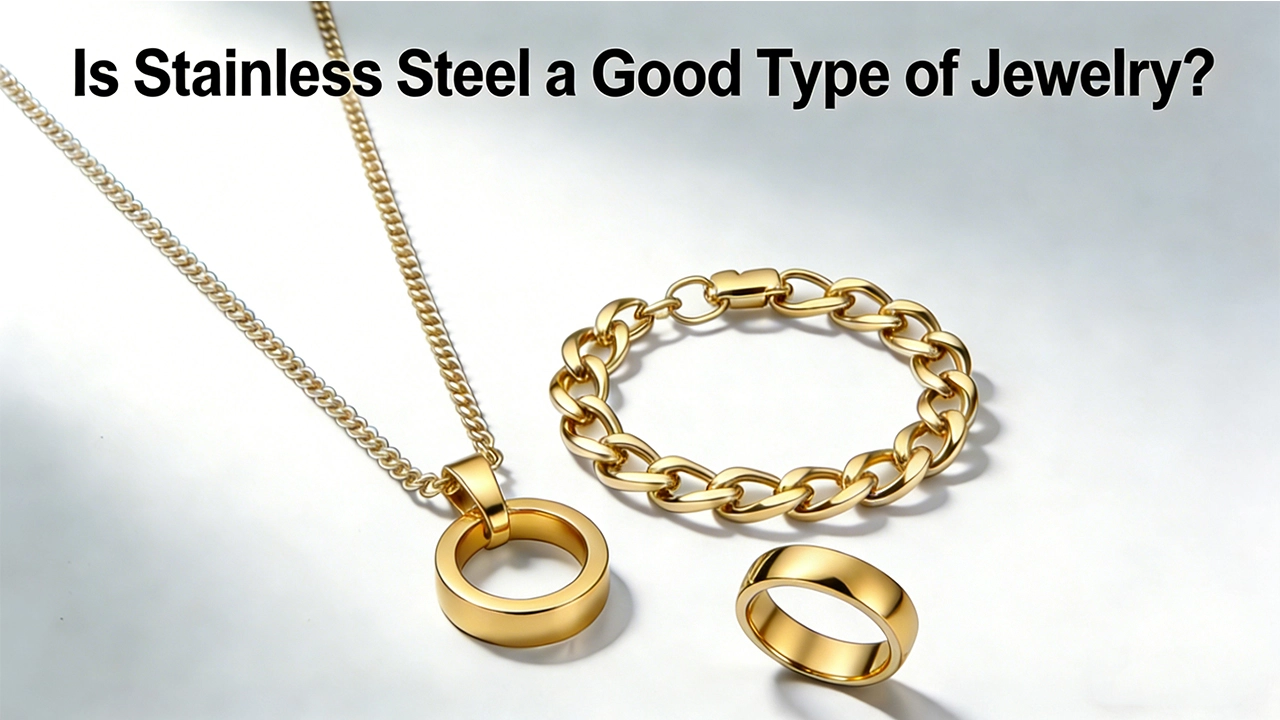
Is Stainless Steel a Good Type of Jewelry? Pros, Cons, and Why Brands Choose Stainless Steel Jewelry
Prdoucts Categories
FAQ
FAQs
Can we visit your factory?
Yes, pls contact seller to arrange meeting, we will pick you up to our factory.
Can I have your product catalog?
Yes, please leave us a message what style jewelry catalog you need.
Products
Do you offer after-sales warranty service?
Yes, we will refund or resend products if fading, stone falling off and other quality problems found in 1 month receipt of goods. Furthermore, we offer 1 year after-sales warranty service, but you need pay the shipping charge.
Can you engrave my logo on the jewelry ?Do you supply OEM/ODM service?
Yes. Custom logo and OEM/ODM are both accepted.Our factory specializes in jewelry manufacturing for 25 years.We can produce jewelry by your sample, design, pictures, even by an idea.Please feel free to contact us for more details. Custom order process: Inquiry-Confirm products details-Pay mold fee -Confirm CAD draft-Quote-Initial payment-Produce mold & sample-Confirm Sample-Mass production-Balance payment-Shipment-Track shipment-delivery.
What is the payment method?
Our payment method are Alibaba Trade Assurance(MasterCard, visa, e-Checking, PAYLATER, T/T),T/T, PayPal,Western Union.
What’s the lead time?
We could arrange shipment for you within 48 hours if you order models in stock. For bulk order, it takes 10-25 days for production depending on order quantity and styles.
Discuss Your Ideas with a Professional Custom Jewelry Manufacturer
We provide personalized jewelry customization services for clients worldwide.
Rest assured that your privacy is important to us, and all information provided will be handled with the utmost confidentiality.
By clicking 'Send Inquiry Now' I agree to ZHEFAN JEWELRY processing my personal data.
To see how to withdraw your consent, how to control your personal data and how we process it, please see our Privacy Policy and Terms of use.
From design to production, ZHEFAN JEWELRY offers a one-stop solution to help you enhance your brand value and market competitiveness.
Get A Quote
Contact
Tel: (+86) 188 1927 7817
© 2026 Zhefan Jewelry. All Rights Reserved.
Facebook
Instagram
YouTube
Whatsapp: +8618819277817