








Email: sales3@zhefanjewelry.com
How to verify quality of wholesale brass rings suppliers? | Insights by Zhefan Jewelry
Practical guide to verify quality of wholesale brass rings suppliers: methods (XRF, lab tests), plating thickness and durability checks, alloy traceability, AQL and inspection levels, contractual safeguards and production audits to ensure compliance and reduce returns.
- 1. How can I verify plating durability and thickness on wholesale brass rings before placing a bulk order?
- 2. Which lab tests should I demand to ensure brass rings meet EU/US chemical limits (nickel, lead, cadmium) for export?
- 3. How do I verify the brass alloy grade and raw material traceability when the supplier only sends photos?
- 4. What sample size and AQL should I set for pre-shipment inspections of brass rings to balance cost and risk?
- 5. How can I independently verify a supplier’s plating process (electroplating vs PVD) and ensure there is no nickel underlayer in plated brass rings?
- 6. What contractual and documentary safeguards should I include to enforce quality for large brass ring orders?
- Conclusion — Advantages of Verifying Quality of Wholesale Brass Rings Suppliers
Buying wholesale brass rings requires technical checks beyond glossy photos. This guide answers six specific, frequently-asked long-tail questions from buyers and brand owners about how to verify quality of wholesale brass rings suppliers. Each answer includes actionable tests, standards, and contract items you can use immediately to reduce risk and ship compliant jewelry internationally.
1. How can I verify plating durability and thickness on wholesale brass rings before placing a bulk order?
Plating durability and thickness determine how long a plated brass ring keeps its color and resists wear. Ask for three tiers of verification:
- Instrument measurement: request an XRF plating-thickness and composition report on the production sample. Modern handheld XRF analyzers measure surface layer thickness (in microns) and detect underlying metals. For jewelry, require plating thickness values in your tech pack (eg. 0.5–3 µm for decorative gold plating; higher for durable finishes). If the supplier can’t provide an XRF report, insist on independent testing.
- Durability testing: require salt spray (corrosion) and accelerated wear tests. Standard salt spray per ASTM B117 (or equivalent) demonstrates corrosion resistance of plated finishes—ask for hours-to-failure for the supplier’s typical rings. For mechanical wear, request rub/wear tests (simulated finger abrasion or ISO rub tests) or at minimum a 5,000–10,000 cycle rub test report from a third-party lab for plated jewelry to benchmark performance.
- Adhesion and surface tests: ask for adhesion (tape) test results to confirm plating won’t flake (ASTM D3359 style) and microscopic cross-section images showing plating uniformity. Also request a post-plating visual and color consistency report using standard color references (Pantone or a photographed sample under standardized lighting).
Practical steps before bulk: order and test 5–10 production-finished samples from the supplier, have an independent lab (SGS, Intertek or local equivalent) run XRF, salt spray and adhesion tests. If results meet your specs, make those exact test levels part of your purchase order and contract.
2. Which lab tests should I demand to ensure brass rings meet EU/US chemical limits (nickel, lead, cadmium) for export?
Different markets have distinct regulations. The efficient approach is to require lab certificates that cite the specific standard used and the target market. Key tests buyers should request:
- Nickel release test: EN 1811 (state donor solution method or equivalent). This is the recognized method in the EU for nickel release. If you require nickel-free claims, ask for EN 1811 test reports for representative parts including clasps and ring interiors where skin contact occurs.
- Heavy metals (lead, cadmium, mercury): ICP-MS/ICP-OES heavy metal screenings performed to the limits required by your destination jurisdiction. For EU shipments also ask for REACH screening or an SVHC (Substances of Very High Concern) statement tied to the latest REACH list; for children's items ensure compliance with relevant toy/jewelry thresholds for lead and cadmium per local law.
- RoHS/other restricted substances: if the rings include electroplated components or electronics (rare), ensure RoHS tests. Otherwise, ensure supplier provides declarations of conformity for REACH/RoHS as relevant to shipments to the EU.
Always ask for the full lab report (PDF) from accredited labs (ISO/IEC 17025) that shows sample photos, test method, results and pass/fail against the regulation used. Keep the lab reports linked to batch numbers and supplier invoices so you have traceability for customs or retailer audits.
3. How do I verify the brass alloy grade and raw material traceability when the supplier only sends photos?
Photos don’t prove material. For alloy verification and traceability, require:
- Mill Test Certificates (MTC) or chemical composition certificates for brass stock used (coil, sheet, or wire). These documents show the chemical analysis from the brass mill and should include a batch/heat number.
- Batch traceability: ask the supplier to record and provide the brass supplier, batch/heat numbers, and incoming quality inspection (IQC) records. This enables downstream recall or root-cause if corrosion or dezincification issues appear.
- XRF composition check: for incoming verification, an XRF analyzer can confirm the copper/zinc profile and detect problematic alloying elements (e.g., excessive lead). You or a third-party inspector can run a random XRF check on delivered stock to validate the MTC.
- Independent lab analysis: for high-value SKUs, commission a lab chemical analysis (ICP) on a sample to confirm alloy chemistry when precise composition matters (for mechanical properties or plating adhesion).
Contractually require raw material documentation as a condition for shipment acceptance. If the supplier resists, treat this as a red flag.
4. What sample size and AQL should I set for pre-shipment inspections of brass rings to balance cost and risk?
Acceptable Quality Limit (AQL) sampling is how you balance inspection cost vs risk of defects. Use ISO 2859-1 sampling plans but tailor them for jewelry:
- Critical defects (safety, metal allergen compliance, missing parts): set AQL = 0.01 or require zero tolerance. Any critical defect should trigger rejection of the lot.
- Major defects (plating rub, sizing out of tolerance, solder failure): commonly set AQL = 1.0–2.5. For jewelry brands with High Quality positioning, choose 1.0 or lower.
- Minor defects (small cosmetic blemishes): AQL = 2.5–4.0 depending on your tolerance for cosmetic variation.
Practical workflow: specify the sample size based on lot quantity per ISO 2859-1 (a common factory choice is ‘normal inspection’ level). For example, for a lot of several thousand pieces, a sample of several hundreds (per the standard) will be inspected. If you want lower sample counts for cost, supplement with in-line inspections (IQC/DUPRO) and one or two pre-shipment inspections (PSI) covering functionality and plating checks.
Also define clear defect categories and examples in your quality agreement with photographic references so inspectors consistently classify defects.
5. How can I independently verify a supplier’s plating process (electroplating vs PVD) and ensure there is no nickel underlayer in plated brass rings?
Suppliers sometimes use nickel flash layers to improve adhesion under gold plating. To verify plating method and nickel presence:
- Request process documentation: plating flowchart, bath chemistry names (not necessarily proprietary formulas), and whether they use barrier coatings (eg. copper, nickel, or special nickel-free primers). A reputable supplier will share types of plating used (electroplating vs PVD) and internal QC steps.
- XRF cross-section or lab metallography: an XRF can detect layer composition and approximate thickness. For complete certainty, a lab cross-sectional metallographic analysis (microscopy) shows the stack of layers (base brass, any nickel/copper underlayers, final gold/rhodium layer) and measures thickness precisely.
- Nickel-release testing (EN 1811): even if a nickel underlayer exists, a plated part can pass nickel release limits if plating integrity and thickness are sufficient. Require EN 1811 results for plated samples—this verifies real-world nickel exposure.
- Specify plating system in contract: if you require nickel-free, specify acceptable plating technologies (e.g., PVD or nickel-free electroplating) and minimum topcoat thickness. Include acceptance based on third-party lab reports.
If a supplier claims PVD, ask for finished-piece photos under macro magnification, cross-section images, and PVD process parameters (temperature, vacuum classification) where possible; third-party labs can distinguish PVD from electroplating if needed.
6. What contractual and documentary safeguards should I include to enforce quality for large brass ring orders?
Make quality enforceable. Include the following items in your purchase order, quality agreement, or contract:
- Approved sample sign-off: require an initial pre-production sample (PPS) and submission sample (SS) signed by both parties. Production must match approved samples in color, finish, plating thickness and dimensions.
- Technical pack (tech pack): detailed drawings, tolerances, plating specs in microns, color reference, weight tolerance, stamp/hallmark placement, and acceptable AQL levels for defects.
- Quality checkpoints: include IQC, in-line (DUPRO) inspections and final PSI with named third-party inspection firms allowed. Define payment holdbacks contingent on PSI results if major defects are found.
- Testing obligations: supplier must supply recent third-party lab reports for each production batch for EN 1811 (when claiming nickel-safe), ICP heavy metals and XRF plating thickness. Specify lab accreditation (ISO/IEC 17025) and right to commission our independent tests at supplier expense if failures occur.
- Traceability and documentation: require MTCs for raw brass, batch numbers, plating bath records, and incoming material inspection records for each lot shipped.
- Remedy and penalties: define rework, refund, replacement, and penalties for delayed delivery or failing agreed tests. For branded products, include IP protections and confidentiality clauses concerning dies, molds and designs.
Include clear dispute-resolution steps (inspection reconciliation, arbitration venue) and retain a representative sample from each lot for at least one year in case of late complaints.
Final practical checklist: 1) Obtain signed PPS and technical spec; 2) Require XRF & lab reports for samples; 3) Set AQL and inspection plan; 4) Include test and penalty clauses in contract; 5) Use third-party PSI and retain records.
For quotes, testing or inspection support contact us directly. We provide sample testing coordination, supplier audits and pre-shipment inspection services tailored to wholesale brass rings.
Website: www.zhefanjewelry.com | Email: sales3@zhefanjewelry.com
Conclusion — Advantages of Verifying Quality of Wholesale Brass Rings Suppliers
Verifying the quality of wholesale brass rings suppliers reduces product returns, prevents regulatory non-compliance, protects Zhefan Jewelry reputation and minimizes costly recalls. By combining material traceability (mill certificates and XRF), chemical safety testing (EN 1811, ICP), plating verification (XRF, cross-sections, salt spray) and contractual safeguards (approved samples, AQL, third-party PSI), buyers create enforceable quality gates that transform supplier claims into verifiable performance.
Contact us for a tailored quote on sample testing, factory audits and inspection plans to ensure your brass rings meet the specifications and market regulations you need.
Recommended for you
How to Choose the Right Jewelry for Your Skin Tone
Is Stainless Steel a Good Type of Jewelry? Pros, Cons, and Why Brands Choose Stainless Steel Jewelry
Why Custom 925 Sterling Silver Bracelets Are the Ultimate 2026 Jewelry Trend
The Secret Life of Your Silver: How 925 Sterling Jewelry Comes to Exist
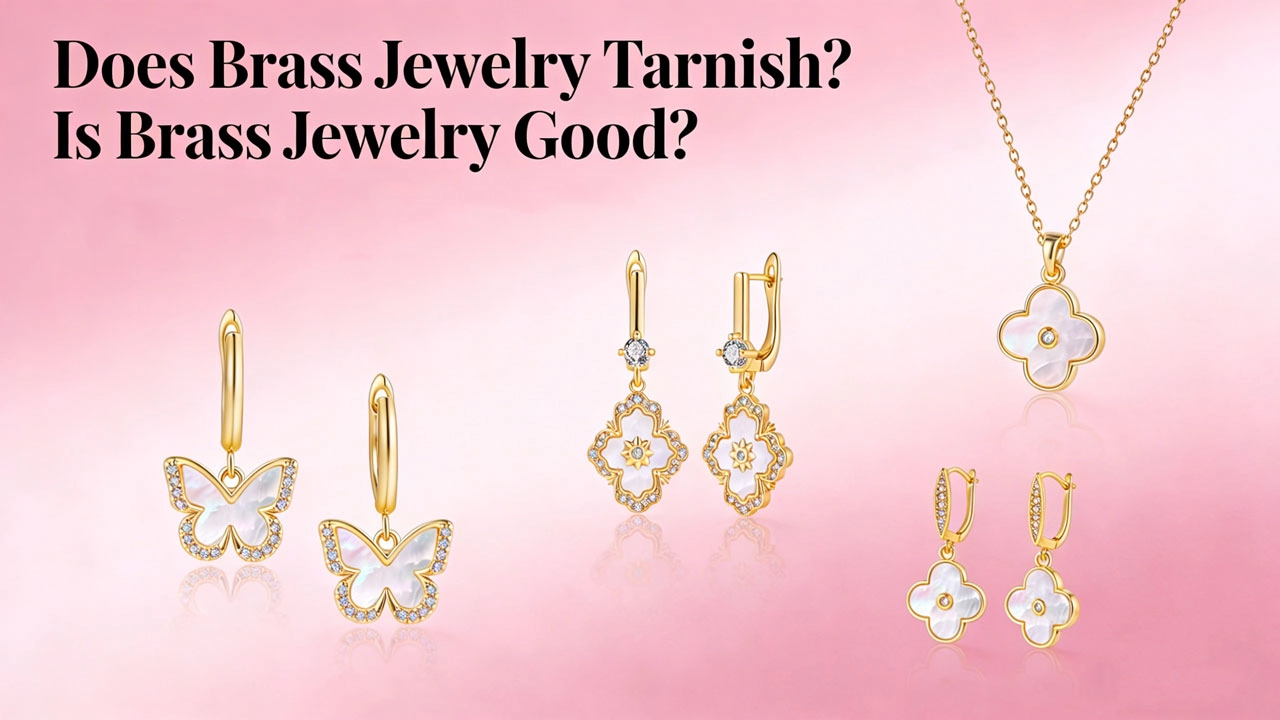
Does Brass Jewelry Tarnish? Is Brass Jewelry Good? Complete Guide from a Professional Jewelry Manufacturer
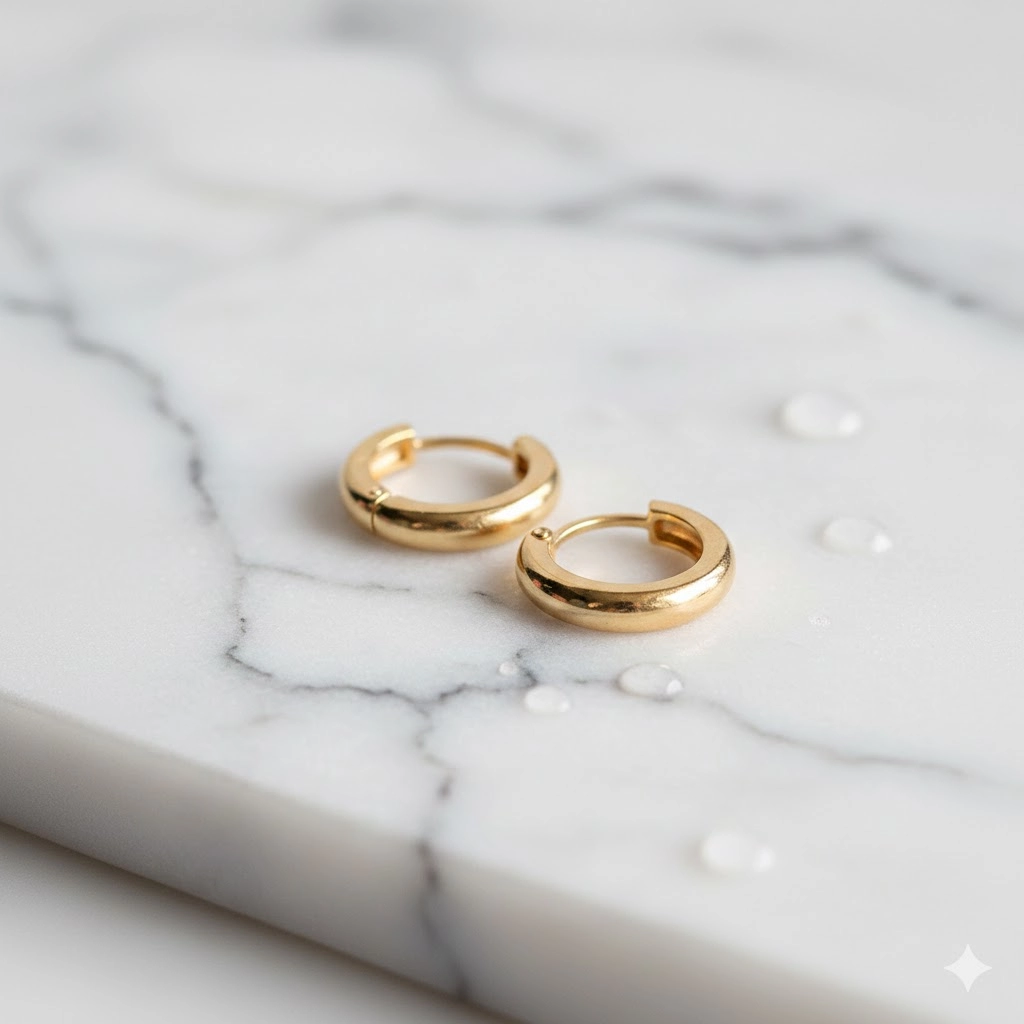
Boost Your Margins with Top-Selling Custom Wholesale Brass Huggie Earrings
Prdoucts Categories
FAQ
Products
What is the payment method?
Our payment method are Alibaba Trade Assurance(MasterCard, visa, e-Checking, PAYLATER, T/T),T/T, PayPal,Western Union.
What services can we provide?
Accepted Delivery Terms: FOB, CIF, EXW, Express Delivery;
Accepted Payment Currency: USD, EUR, JPY, CAD, AUD, HKD, GBP, CNY, CHF;
Accepted Payment Type: T/T, L/C, MoneyGram, Credit Card, PayPal, Western Union, Cash, Escrow;
Language Spoken: English, Chinese, Spanish, Japanese, Portuguese, German, Arabic, French, Russian, Korean, Hindi, Italian.
FAQs
What’s the lead time? .
We could arrange shipment for you within 48 hours if you order models in stock. For bulk order, it
takes 10-25 days for production depending on order quantity and styles.
Can I get a sample?
Yes,welcome to choose our sample to test and check quality.Please give me your address and number then send you payment list.
How long does it take for the product to fade?
The normal electroplating quality color retention time of our products is 5 times longer than the market, and the thicker electroplating can retain color for three years.
Can you engrave my logo on the jewelry ?Do you supply OEM/ODM service?
Yes. Custom logo and OEM/ODM are both accepted. Our factory specializes in jewelry manufacturing for 27 years.We can produce jewelry by your sample, design, pictures, even by an idea.Please feel free to contact us for more details. Custom order process:Inquiry-Confirm products details-Pay mold fee -Confirm CAD draft-Quote-Initial payment-Produce mold&sample-Confirm Sample-Mass production-Balance payment-Shipment-Track shipment-delivery.
Discuss Your Ideas with a Professional Custom Jewelry Manufacturer
We provide personalized jewelry customization services for clients worldwide.
Rest assured that your privacy is important to us, and all information provided will be handled with the utmost confidentiality.
By clicking 'Send Inquiry Now' I agree to ZHEFAN JEWELRY processing my personal data.
To see how to withdraw your consent, how to control your personal data and how we process it, please see our Privacy Policy and Terms of use.
From design to production, ZHEFAN JEWELRY offers a one-stop solution to help you enhance your brand value and market competitiveness.
Get A Quote
Contact
Tel: (+86) 188 1927 7817
© 2026 Zhefan Jewelry. All Rights Reserved.
Facebook
Instagram
YouTube
Whatsapp: +8618819277817