






Email: sales3@zhefanjewelry.com
How to verify quality of custom sterling silver jewelry suppliers?
Practical, industry-grade guidance to verify custom sterling silver jewelry suppliers: non‑destructive testing (XRF), certificates of analysis, hallmark checks, QC checklists, cost and lead‑time drivers, plating detection, audit red flags and negotiation steps.
- 1) How can I verify a supplier's sterling silver is 92.5% silver without destructive testing for small-run custom jewelry?
- 2) What specific documentation and laboratory reports should I insist on before placing a custom sterling silver order?
- 3) How to detect if a 'sterling silver' piece is heavily plated or filled (e.g., silver-plated base metal) when product photos look genuine?
- 4) What minimum quality control checklist should I use to inspect custom sterling silver components during a factory audit?
- 5) How do tooling, design complexity, and gemstone settings realistically affect lead time and per-piece cost for small-batch custom sterling silver jewelry?
- 6) Which red flags in supplier communications or pricing indicate low-quality custom sterling silver jewelry suppliers, and what safe negotiation steps should buyers take?
- Concluding summary
How to Verify Quality of Custom Sterling Silver Jewelry Suppliers: 6 Deep Questions Answered
Buying bespoke sterling silver for custom sterling silver jewelry requires more than trusting photos. Below are six specific, beginner-focused long-tail questions with in-depth, actionable answers covering XRF testing, certificates of analysis, vermeil vs plated detection, factory QC checklists, cost drivers and supplier red flags—so you can source sterling silver custom pendants, necklaces and rings with confidence.
1) How can I verify a supplier's sterling silver is 92.5% silver without destructive testing for small-run custom jewelry?
Best practice for non-destructive verification is a layered approach—never rely on a single indicator. First, ask for clear digital photos of the hallmark (.925, 925, or sterling) stamped on the piece or component and a close-up of the raw casting/inside surfaces. Hallmarks are required in many jurisdictions and are an important signal, but they can be laser-stamped onto plated items, so they are necessary but not sufficient.
Next, request a recent XRF (X‑ray fluorescence) report performed on the exact lot or a production sample. XRF is the industry-preferred non‑destructive method that provides an elemental composition readout (Ag %). Reputable testing labs or on-site XRF handheld units give reliable Ag readings; ask for the instrument model and calibration certificate. XRF has limitations detecting organic coatings or ultra-thin platings and may slightly over‑report silver if heavy surface plating exists, which is why you need to pair it with visual inspection.
Third, review the supplier's Certificate of Analysis (CoA) or mill report showing the alloy composition and melt/lot number traced to a refinery or silver mill. A legitimate CoA includes the producer, date, batch ID, and testing method (XRF, ICP). If the supplier refuses CoA, consider it a red flag.
Finally, for small runs where you cannot accept risk, arrange third‑party verification via a recognized lab (SGS, Intertek, BV). If budget is constrained, a single third‑party sample test plus an XRF for subsequent batches is a cost-effective compromise. For plated pieces, note that XRF will detect the plating element (e.g., Ni, Cu) and surface silver; unexpected base metals or very thin silver readings indicate plating rather than solid sterling silver.
2) What specific documentation and laboratory reports should I insist on before placing a custom sterling silver order?
Ask for the following documentation as standard procurement requirements for custom sterling silver jewelry:
- Certificate of Analysis (CoA) or Mill Certificate tying the alloy to a melt/lot number and stating %Ag (should show ~92.5% for sterling).
- XRF report on finished samples or production lot with date, instrument model and operator initials.
- Photographic evidence of permanent hallmarks on representative pieces and the tooling (dies/molds) that produce the mark.
- Third‑party lab test (SGS/Intertek/Bureau Veritas) for higher-value programs, preferably by ICP-OES/ICP-MS or wet chemistry when absolute accuracy is required.
- Material Safety Data Sheet (MSDS) and declarations of compliance for regional regulations (REACH/EU, RoHS where applicable) especially if plating contains restricted elements.
- Chain of custody / supplier declaration stating material sourcing (recycled silver claim should include supplier documentation or RJC membership).
- Production & inspection reports: first article inspection (FAI), sample approval drawings (SPC), and pre-shipment inspection (PSI) checklist with photos.
When reviewing reports, verify dates and batch identifiers match your sample. If any document lacks traceability (no lab name, no contact, no lot ID), require a legitimate third‑party test before production begins.
3) How to detect if a 'sterling silver' piece is heavily plated or filled (e.g., silver-plated base metal) when product photos look genuine?
Plating detection is crucial because silver-plated base metal can mimic sterling silver in pictures. Key indicators to watch for:
- Edge and joint exposure: Look for darker or different-colored metal at solder joints, inside ring shanks, bezel backs, or chain ends in photos. These reveal base metals.
- Weight and sound: Sterling silver (solid 925) is denser than common base metals. A lightweight piece that looks bulky may be plated. Ask for piece weight (grams) and compare to expected weight from design/dimensions.
- Wear patterns: Request close-ups of high-friction areas (underside of rings, necklace clasps). Early wear exposing a different color base metal indicates plating.
- Plating thickness reports: For vermeil (gold over sterling) or silver vermeil, dealers will supply plating thickness in microns; typical vermeil gold plating is >2.5 microns. For silver plating over base metal, suppliers rarely offer thickness >0.5 microns. If they do not disclose thickness, assume thin plating.
- Magnet test (informational only): Use a magnet—sterling silver is not magnetic. If the magnet sticks strongly, the underlying metal likely contains ferrous materials. Note: weak attraction can occur due to components like clasps.
- Ask for a cross-section photo from a sample (cut or filed area): this reveals layer structure. If they refuse destructive samples, insist on a third‑party XRF on an edge or inside seam to detect underlying elements.
Remember: acid testing will damage plated finishes and is not recommended on finished custom jewelry. For final verification of suspected plating, third‑party lab sectional analysis or an XRF depth profile (or multiple-angle XRF reads) is the safe route.
4) What minimum quality control checklist should I use to inspect custom sterling silver components during a factory audit?
Use a precise QC checklist tailored to sterling silver custom jewelry. Include measurable pass/fail criteria and acceptable tolerances. Core items:
- Material & marking: Verify alloy composition (%Ag) by lot (XRF or CoA) and confirm correct hallmarks/serial numbers. Hallmark depth and legibility are part of inspection.
- Weight tolerance: Compare measured gram weight against approved sample or BOM +/- acceptable variance (commonly ±2–5% depending on complexity).
- Dimensional checks: Critical dimensions (e.g., shank width, pendant bail inside diameter) inspected with calipers against drawings.
- Soldering & joins: Inspect for cold joints, pinholes, or excessive filing. Joints should be smooth and consistent.
- Surface finish: Assess polish, texture, and consistency across batch. Note any pitting, casting marks, or polishing lines beyond acceptable grades.
- Stone setting security: For set gemstones, test setting retention (push/pull tests), check for chips, and verify orientation/color matching per spec.
- Plating/rhodium coating: If plated or rhodium-plated, measure thickness where feasible and check for shadowing or unevenness. Test adhesion with scratch/edge inspection (non-destructive adhesion tests or lab reports).
- Functional tests: Chain tensile/closure tests, clasp operation cycles, spring force checks for moving parts.
- Packaging & labeling: Verify anti-tarnish packaging, correct tags, hallmarks documents, and that packing prevents abrasion during shipping.
- Sampling plans & acceptance criteria: Define AQL (acceptable quality level), sample sizes, and defect classification (critical/major/minor).
Document failures with photos and require corrective actions (CAPA). For critical or high-value orders, mandate a pre-shipment inspection by an independent inspector and require inspection reports tied to shipment documents.
5) How do tooling, design complexity, and gemstone settings realistically affect lead time and per-piece cost for small-batch custom sterling silver jewelry?
Three primary cost and timing drivers govern custom sterling silver jewelry: tooling/setup, labor/production method, and components (stones/parts). Practical effects:
- Tooling/setup: Custom dies, molds or CAD/CAM patterns require one-time tooling costs. Lost-wax molds and rubber molds are common; precision investment casting tooling and CNC milling for master patterns add expense. Tooling amortized over production units means small batches absorb a higher per-piece tooling cost.
- Production method: Hand-fabrication (soldering, forming) is labor-intensive and has higher per-piece labor cost but lower upfront tooling than high-volume casting. Investment casting supports medium volumes but requires pattern preparation and finishing labor.
- Design complexity: Fine filigree, hollow constructions, or tight tolerances increase finishing and QC time. Hollow pieces save weight (less silver) but require more complex assembly and testing.
- Gemstone settings: Pre-set gemstones add inspection (stone size, clarity, and secure setting). Tension settings and micro-pave increase finishing time and risk of stone loss, raising costs. Sourcing specific gemstones (conflict-free, certified) also impacts lead time and cost.
- MOQ & economies: Suppliers often set MOQs to make tooling and setup viable. For small-batch orders, expect higher per-piece costs due to setup amortization and manual finishing. Negotiations can include higher unit prices for lower MOQ or shared tooling costs across SKUs.
Practical steps to control cost and lead time: simplify design details that require intricate finishing, choose fabrication over casting for extremely small runs, limit unique stone types per run, and confirm tooling timelines (prototype → sample approvals → production). Ask suppliers for a clear BOM that separates material cost (silver weight) from labor, tooling amortization and component costs so you can optimize each line item.
6) Which red flags in supplier communications or pricing indicate low-quality custom sterling silver jewelry suppliers, and what safe negotiation steps should buyers take?
Common red flags:
- No traceable CoA or refusal to provide lab tests, XRF or mill certificates.
- Unrealistically low prices compared to market: if the per-piece quote is below expected material cost plus reasonable labor, the supplier may be cutting corners (plating over base metal, using inferior alloys, or omitting proper finishing).
- Vague lead times, unwillingness to provide production photos, or refusal of sample orders.
- No factory photos, no ability to show workshop or tooling, or refusal to accept third-party inspections.
- Inconsistent communication, missing contractual terms (warranty, return policy), or demands for full payment up front without escrow or staged payments.
Safe negotiation and vetting steps:
- Require a paid sample order and inspect it thoroughly (material test, hallmarks, finish). Make sample approval a contractual milestone.
- Use staged payments: deposit for tooling, balance after pre-shipment inspection. For new suppliers, consider escrow services or trade platforms that hold funds until you confirm quality.
- Insist on third‑party testing for material claims if product claims are critical (e.g., sterling vs plated, recycled silver).
- Request references and check with other buyers; ask for past commercial invoices showing similar orders.
- Include explicit warranty, rework, and rejection clauses in contracts, with defined KPIs (material composition, AQL levels, allowable tolerances).
- When price seems very low, ask the supplier to break down costs: silver weight, labor, stones, plating, packaging. Transparency is a sign of reliability.
Following these steps protects Zhefan Jewelry and customers when sourcing sterling silver custom pendants, rings, and necklaces from overseas or domestic suppliers.
Concluding summary
Verifying custom sterling silver jewelry suppliers requires a combination of material verification (hallmarks, XRF, CoA), detailed documentation, a robust QC checklist, and pragmatic supplier vetting. Understanding the differences between solid sterling 925, vermeil, and plated finishes—plus the real cost drivers like tooling, stone setting, and finishing—lets you make informed buying decisions and reduce quality risk. Sourcing from verified suppliers who provide traceable Certificates of Analysis, third‑party testing (SGS/Intertek), and clear production photos minimizes returns and protects brand reputation. Choosing suppliers that document recycled silver sourcing or RJC membership also supports sustainability goals.
Advantages of buying custom sterling silver jewelry from verified suppliers include consistent alloy quality (sterling silver 925), accurate weight controls, reliable hallmarks, reduced returns from plating misrepresentation, and greater predictability of lead times and costs. Verified suppliers also facilitate compliance with local regulations (REACH/RoHS) and provide better traceability for sustainability claims.
For a custom quote, sample request, or to schedule a factory audit, contact us—Zhefan Jewelry at www.zhefanjewelry.com or email sales3@zhefanjewelry.com. We provide material certifications, XRF reports, and can arrange third‑party inspections for your next sterling silver custom jewelry program.
Recommended for you
How to Elevate Your Jewelry Brand with a Signature Custom Tennis Bracelet (2026 Guide)
12 Unique Custom 925 Silver Bracelet Ideas That Go Beyond Basic Engraving (2026 Guide)
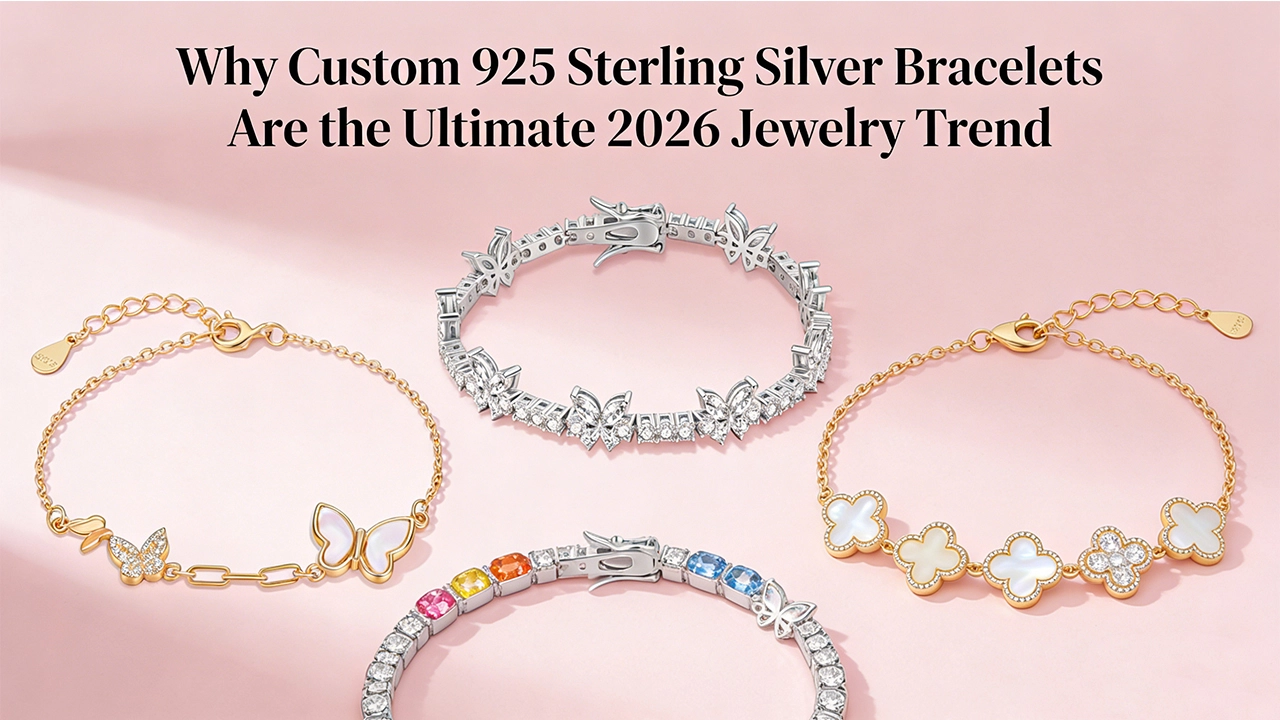
Why Custom 925 Sterling Silver Bracelets Are the Ultimate 2026 Jewelry Trend
The Secret Behind Premium Quality: 7 International Standards for 925 Sterling Silver Rings
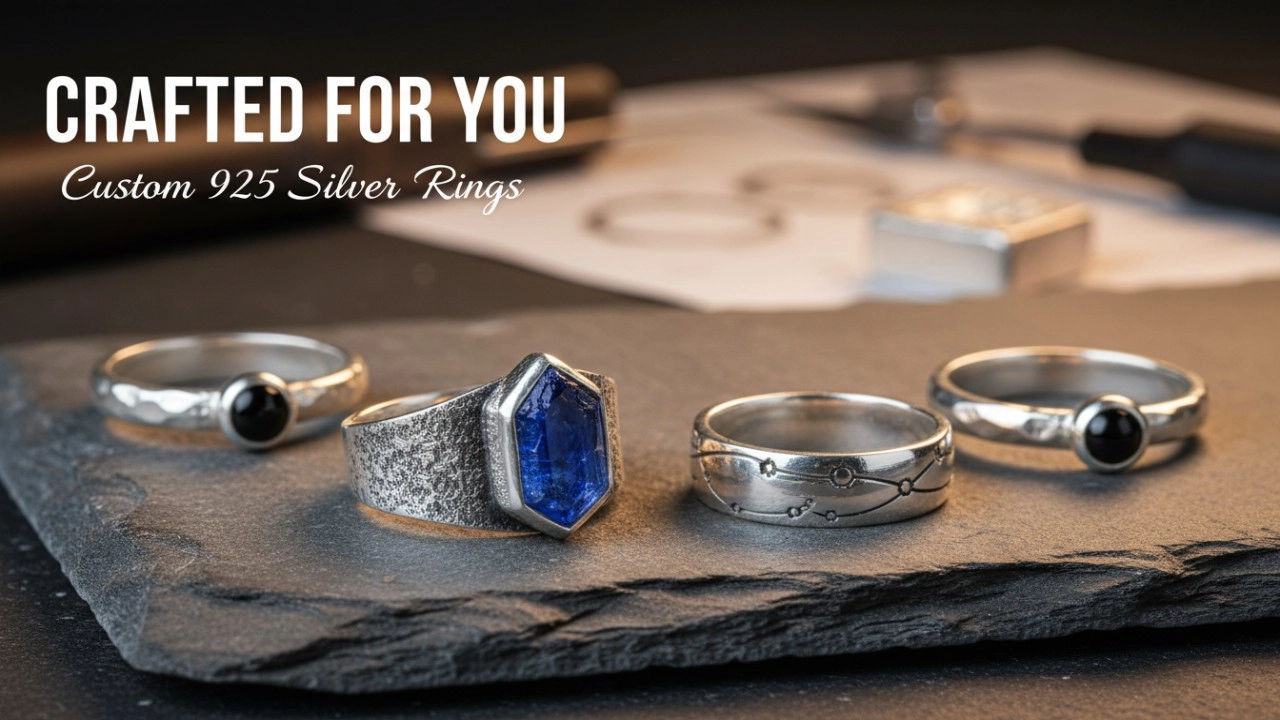
Why Custom 925 Silver Rings Are the Perfect Sustainable Luxury Gift (Compared to Gold)
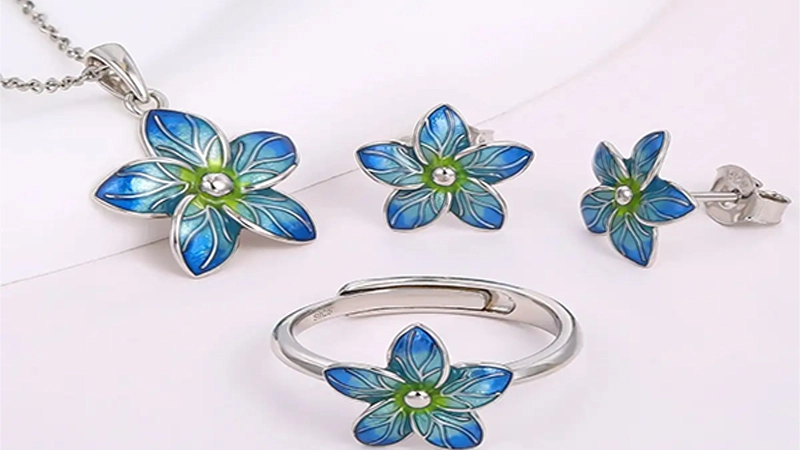
The Secret Life of Your Silver: How 925 Sterling Jewelry Comes to Exist
Prdoucts Categories
FAQ
FAQs
Can we visit your factory?
Yes, pls contact seller to arrange meeting, we will pick you up to our factory.
Do you offer after-sales warranty service?
Yes, we will refund or resend products if fading, stone falling off and other quality problems found in 1 month receipt of goods.Furthermore, we offer 1 year after-sales warranty service, but you need pay the shipping charge.
Can I have your product catalog?
Yes, please leave us a message what style jewelry catalog you need.
Products
Do you offer after-sales warranty service?
Yes, we will refund or resend products if fading, stone falling off and other quality problems found in 1 month receipt of goods. Furthermore, we offer 1 year after-sales warranty service, but you need pay the shipping charge.
What is the material of the jewelry?
Most of the jewelry is made of 925 sterling silver, brass or 316 stainless steel or custom material,which can cover different procurement demand.
What’s the shipment method? How long does it take for delivery?
Our product distributed to all over the world. Shipped by DHL / Fedex / TNT / UPS takes 3-7 days, Epacket takes 7-15 days, China Post takes 15-30 days.
Discuss Your Ideas with a Professional Custom Jewelry Manufacturer
We provide personalized jewelry customization services for clients worldwide.
Rest assured that your privacy is important to us, and all information provided will be handled with the utmost confidentiality.
By clicking 'Send Inquiry Now' I agree to ZHEFAN JEWELRY processing my personal data.
To see how to withdraw your consent, how to control your personal data and how we process it, please see our Privacy Policy and Terms of use.
From design to production, ZHEFAN JEWELRY offers a one-stop solution to help you enhance your brand value and market competitiveness.
Get A Quote
Contact
Tel: (+86) 188 1927 7817
© 2026 Zhefan Jewelry. All Rights Reserved.
Facebook
Instagram
YouTube
Whatsapp: +8618819277817