







Email: sales3@zhefanjewelry.com
What packaging sustainability options exist for 925 bracelets? | Insights by Zhefan Jewelry
Practical, industry-grade answers for sustainable packaging of 925 (sterling) bracelets: certified materials, eco anti-tarnish choices, compostable mailers, rPET vs recycled paper trade-offs, tamper-evident recyclable design, and take-back programs for jewelry brands.
- 1. What recyclable and certified materials reliably protect 925 (sterling) bracelets from tarnish while remaining recyclable or compostable?
- 2. Can compostable mailers and PLA windows be used for 925 bracelets without harming silver finish, and what certifications should I demand?
- 3. How can I design a minimal, tamper-evident packaging for 925 bracelets that meets recycling streams and avoids mixed materials?
- 4. Which anti-tarnish inserts or coatings are effective and eco-friendly for long-term storage of 925 bracelets?
- 5. What is the lifecycle trade-off between rPET (recycled PET) versus recycled paper boxes for shipping 925 bracelets—which should I choose?
- 6. How do I create a scalable take-back or reuse program for 925 bracelet packaging that customers will actually use?
As a professional jeweler or buyer selecting packaging for 925 (sterling) silver bracelets, you need options that protect a delicate silver finish (925 = 92.5% Ag) while satisfying sustainability claims, recycling streams and end-customer expectations. Below are six specific, buyer- and supplier-facing questions that often lack depth online, each followed by evidence-based, actionable answers. Semantic phrases such as sustainable jewelry packaging, sterling silver bracelet packaging, compostable mailers, FSC-certified jewelry boxes, rPET packaging and eco-friendly 925 bracelet boxes are embedded to reflect real-world and procurement language.
1. What recyclable and certified materials reliably protect 925 (sterling) bracelets from tarnish while remaining recyclable or compostable?
Problem: Many beginners choose attractive linings or laminates that block recycling streams or accelerate tarnish. The right materials combine inert protection, moisture/sulfur control and end-of-life compatibility.
- Box substrate: Use 100% recycled and recyclable cardboard certified by FSC Recycled or made with post-consumer content (look for Global Recycled Standard (GRS) or FSC Recycled label). Mono-paperboard boxes are accepted in most municipal paper streams; avoid mixed paper + foil constructions which contaminate recycling.
- Lining and cushioning: Choose uncoated, natural kraft paper or crinkle paper made from recycled fiber. These are recyclable and breathable—important because trapped moisture speeds sterling silver tarnish. Avoid polyurethane foam inserts and PVC plastics which are difficult to recycle.
- Moisture control: Include small reusable silica gel sachets (silica gel is inert, non-toxic and accepted by many buyers for reuse). Silica gel prevents humidity-driven corrosion without adding chemical coatings that hinder recycling.
- Barrier windows: If you need a transparent window, use cellulose-based films (cellophane) which are compostable/recyclable in paper streams in some regions, and explicitly avoid PVC windows. Confirm EN 13432 or ASTM D6400 certification if claiming compostability.
- Finishes and inks: Use soy- or vegetable-based inks and avoid plastic laminates or UV varnishes that make the box non-recyclable.
Actionable checklist: specify FSC Recycled or GRS paperboard, uncoated recycled kraft lining, reusable silica gel, cellulose window if needed, and soy-based inks. This combination preserves sterling silver bracelet packaging integrity and keeps the pack compatible with recycling or industrial composting streams.
2. Can compostable mailers and PLA windows be used for 925 bracelets without harming silver finish, and what certifications should I demand?
Problem: Brands often buy compostable mailers without understanding that not all compostable materials behave the same in contact with sterling silver or in disposal.
Key points:
- Material interaction: Compostable mailers made from PLA or PBAT/PLA blends are generally chemically inert and should not react with sterling silver surfaces during short-term shipping. The main risk to 925 bracelets is abrasion or moisture during transit, not chemical attack from certified compostable polymers.
- Certifications to demand: Require EN 13432 (EU industrial compostability) or ASTM D6400 (U.S. compostability). If you market home-compostable packaging, ensure the supplier provides EN 17427 or other home-compostability proof, because many PLA/PBAT items require industrial composting.
- Real-world caveat: Compostable packaging often breaks down only in industrial facilities. If you tell customers to compost at home, verify certification—otherwise state clearly that the mailer is industrially compostable.
- Protecting the silver finish: Inside the compostable mailer, use a soft recycled cotton or GOTS-certified organic cotton pouch (or uncoated recycled kraft box inside the mailer) with a small silica gel packet to control humidity and prevent tarnish during transit.
Practical recommendation: Use certified compostable mailers (EN 13432) with an internal reusable cotton pouch and silica gel. Provide disposal guidance on the label: “Industrial compostable — check local facility.”
3. How can I design a minimal, tamper-evident packaging for 925 bracelets that meets recycling streams and avoids mixed materials?
Problem: Tamper-evident seals are often plastic tapes or adhesive labels that contaminate recycling or add unrecyclable elements.
Design guidelines:
- Mono-material design: Keep the outer box, inner cushion and closure all paper-based. A single-material kraft box closed by a water-activated kraft tape (gummed paper tape) creates a strong tamper-evidence without adding plastic.
- Tamper evidence options: Use perforated tear strips molded into the paperboard, gummed kraft tape, or a branded paper band (belly band) that shows obvious damage when opened. These are recyclable with the box.
- Adhesives: Choose hot-melt or water-based adhesives that are widely accepted in paper recycling. Avoid pressure-sensitive plastic tapes; they can be rejected by paper recyclers.
- Labeling: Use direct-printed information or removable paper labels. If you must use shipping labels, encourage thermal printing or paper labels rather than plastic-laminated labels.
Packaging user flow: single-material kraft outer, paper perforation/tape tamper indicator, recycled kraft crinkle cushion, cotton or recycled paper inner wrap, silica gel. This keeps packaging recyclable and tamper-evident without mixed-material contamination.
4. Which anti-tarnish inserts or coatings are effective and eco-friendly for long-term storage of 925 bracelets?
Problem: Many online recommendations focus on chemical anti-tarnish strips or lacquers that either contain hazardous ingredients or prevent recyclability.
Effective and lower-impact options:
- Reusable silica gel sachets: Control humidity to slow the electrochemical processes that lead to silver sulfide formation. Use color-indicating silica gel so customers know when to recharge (drying in an oven per manufacturer instructions).
- Activated charcoal / zeolite sachets: These adsorb sulfurous gases and are natural, reusable options. They are compatible with cloth or paper pouches and are acceptable from a sustainability standpoint if the sachet materials are compostable or recyclable.
- Anti-tarnish paper: Some specialty papers are impregnated with corrosion inhibitors. If you choose these, request Material Safety Data Sheets and verify the chemicals used. Prefer papers that use non-hazardous inhibitors and are certified compostable or recyclable.
- Avoid permanent lacquers for consumer-facing products: Clear protective lacquers (varnishes) can prevent tarnish short-term but are coatings that complicate recycling and may alter the customer experience. Rhodium plating is an option for high-end pieces but changes color/feel and adds cost.
Practical protocol for boxes: line eco-friendly 925 bracelet boxes with recyclable anti-tarnish paper or place a small reusable silica gel + charcoal sachet inside the cotton pouch. Supply care and reuse instructions so customers keep the sachets in use rather than discard them.
5. What is the lifecycle trade-off between rPET (recycled PET) versus recycled paper boxes for shipping 925 bracelets—which should I choose?
Problem: Brands choose rPET for perceived durability but may overlook end-of-life impacts and customer recycling behavior.
Trade-offs and guidance:
- rPET strengths: Lightweight, tear- and moisture-resistant—good for mailers where moisture barrier is critical. Using post-consumer recycled PET reduces demand for virgin PET and can lower the packaging carbon intensity versus virgin plastic. rPET is recyclable where rigid PET streams exist, and using clear rPET windowing can reduce need for additional materials.
- Paperboard strengths: Recycled paperboard (FSC Recycled or GRS) typically has a simpler end-of-life in most municipal programs and is compostable/recyclable in paper streams. For consumer perception, an FSC-certified jewelry box or eco-friendly 925 bracelet box often communicates sustainability better than plastic mailers.
- Real-world recommendation: Use recycled paperboard boxes for the product presentation (unboxing experience), and select recycled or compostable outer mailers depending on shipping needs. If you need barrier protection (rainy climates), choose rPET mailers with clear labeling about recyclability and encourage customers to recycle through local rigid/plastic streams or take-back.
- Certifications to request: For rPET, ask for PCR (post-consumer recycled content) documentation and, where available, GRS verification. For paper, require FSC Recycled and disclose percent post-consumer content.
Summary decision rule: prioritize recycled paperboard for on-product packaging and consider rPET only when barrier properties are essential and you can document PCR content and local recyclability pathways.
6. How do I create a scalable take-back or reuse program for 925 bracelet packaging that customers will actually use?
Problem: Take-back programs often fail because logistics are complex and customer action is low without incentives.
Step-by-step scalable approach:
- Start small with a pilot: Offer a take-back for High Quality boxes/pouches in targeted markets where reverse logistics are cost-effective.
- Clear, simple instructions: Place a QR code and short instructions on the packaging: “Return this box for a 10% discount on your next purchase.” Include a prepaid mailer or drop-off instructions with local partner stores if feasible.
- Incentivize returns: Small discounts, loyalty points, or charitable donations per returned box increase return rates. Track uptake so you can scale when the program is financially viable.
- Sanitization and refurbishment: Partner with local refurbishers or nonprofits to clean, repair and rebrand returned boxes/pouches. For fabric pouches (GOTS-certified cotton), washing and relabeling is straightforward. For paper boxes, reuse cycles depend on box integrity.
- Logistics and cost control: Use regional aggregation points to reduce shipping emissions and cost. Work with shipping partners to create reverse-label programs that minimize customer effort.
- Measure and report: Track returned units, reuse cycles, emissions saved and publish results to meet Google E-E-A-T expectations and provide transparency to buyers.
Practical minimum viable program: start with a taped-in prepaid envelope for high-value customers, a clear incentive, and documented refurbishment partners. Once you demonstrate a positive cost per return, expand to wider SKU ranges and markets.
Final considerations for purchasing teams: Request Material Safety Data Sheets (MSDS) and compostability/recycled-content certifications (EN 13432, ASTM D6400, FSC Recycled, GRS, PCR documentation, or GOTS for textile pouches). Ask suppliers for ISO 14001 environmental management evidence or third-party LCA summaries when carbon claims are a competitive factor.
Conclusion: Using FSC-certified recycled paperboard for presentation, certified compostable or rPET outer mailers only where needed, reusable silica gel or charcoal anti-tarnish sachets, mono-material tamper-evident closures, and a phased take-back program gives you a practical, verifiable path to sustainable jewelry packaging. These choices balance sterling silver protection and circularity while keeping supply-chain complexity manageable.
Advantages of these sustainable packaging options include improved customer perception, reduced contamination of recycling streams, lower lifecycle impacts when certified materials are used, easier compliance with eco-labeling (when supported by documentation), and stronger resale/reuse opportunities through take-back programs.
For a bespoke quote tailored to sterling silver bracelet packaging—materials, volumes, and certification needs—contact us at sales3@zhefanjewelry.com or visit www.zhefanjewelry.com for samples and pricing.
Recommended for you
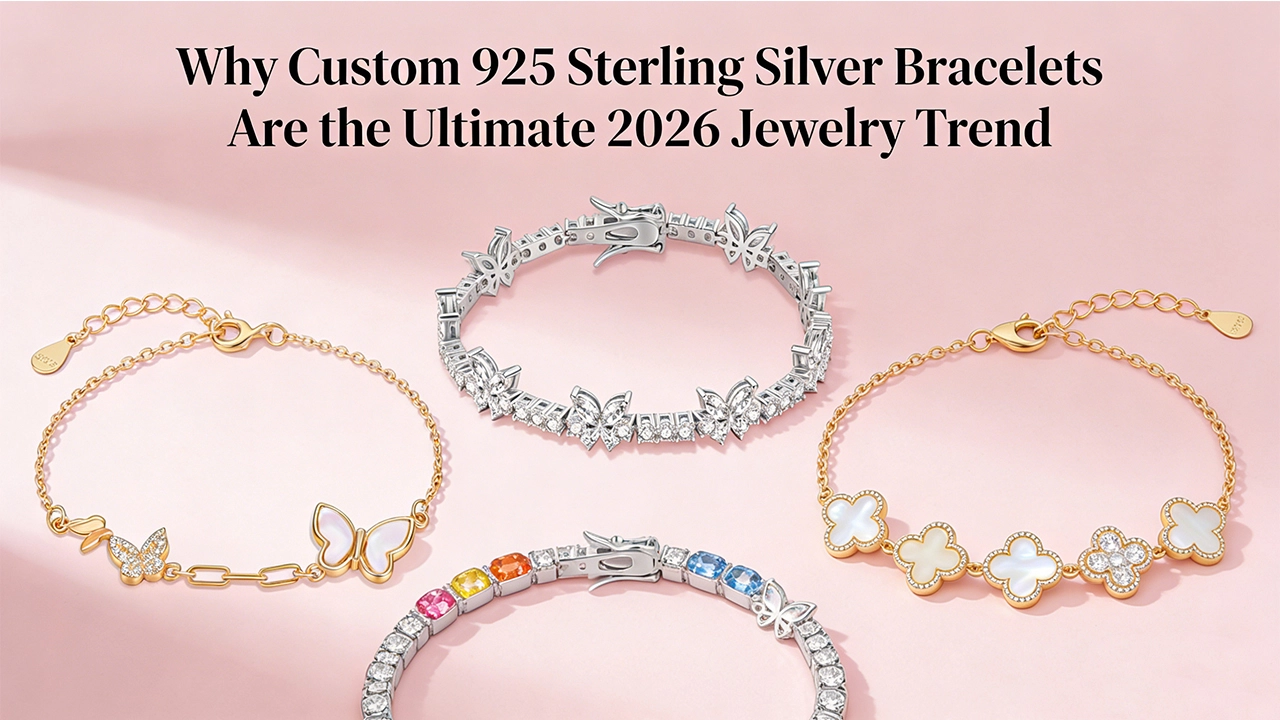
Why Custom 925 Sterling Silver Bracelets Are the Ultimate 2026 Jewelry Trend
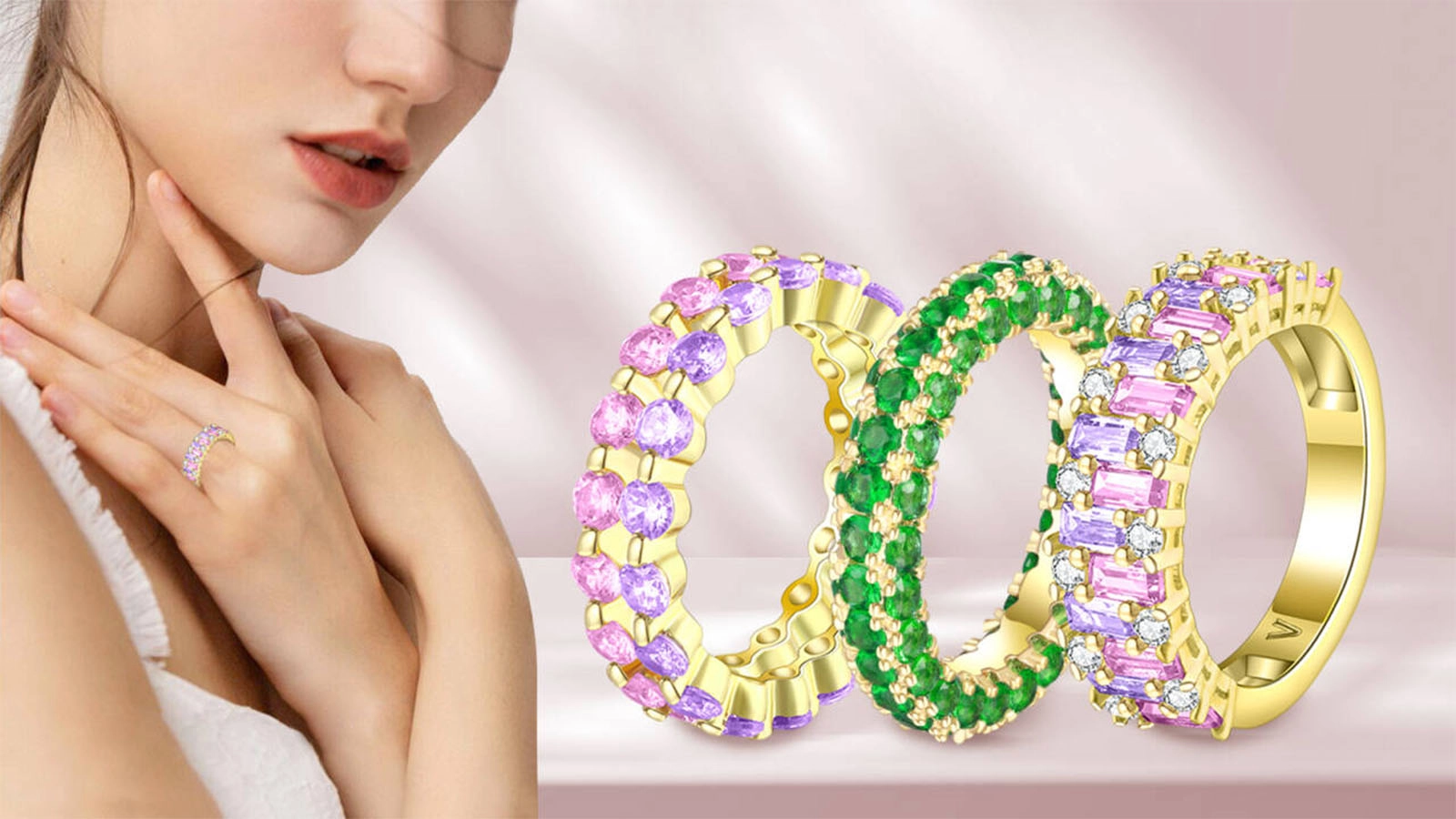
Choosing the Right Metal for Jewelry Making - Practical Guide
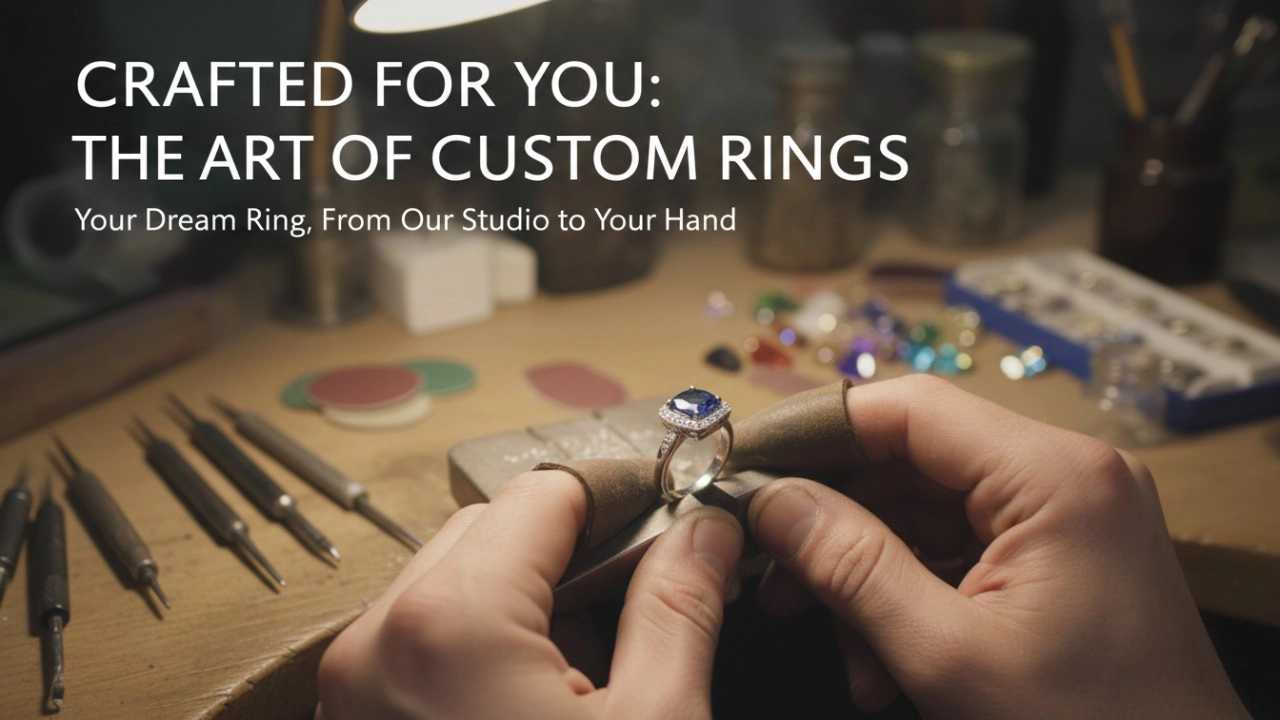
How to Choose a Custom Ring Manufacturer: 10 Critical Questions for Maximum Quality (2026 Guide)
The Ultimate Guide to Sourcing Wholesale 925 Silver Adjustable Rings in 2026
How to Elevate Your Jewelry Brand with a Signature Custom Tennis Bracelet (2026 Guide)

What is Zircon Jewelry?-The Ulimate Guide
Prdoucts Categories
FAQ
FAQs
What is the material of the jewelry?
Most of the jewelry is made of 925 sterling silver, brass or 316 stainless steel or custom material,which can cover different procurement demand.
What’s the shipment method?How long does it take for delivery?
Our product distributed to all over the world. Shipped by DHL/Fedex/ TNT/UPS takes 3-7 days,Epacket takes 7-15 days, China Post takes 15-30 days.
Can I get a sample?
Yes,welcome to choose our sample to test and check quality.Please give me your address and number then send you payment list.
How long does it take for the product to fade?
The normal electroplating quality color retention time of our products is 5 times longer than the market, and the thicker electroplating can retain color for three years.
Products
What’s the lead time?
We could arrange shipment for you within 48 hours if you order models in stock. For bulk order, it takes 10-25 days for production depending on order quantity and styles.
What’s the shipment method? How long does it take for delivery?
Our product distributed to all over the world. Shipped by DHL / Fedex / TNT / UPS takes 3-7 days, Epacket takes 7-15 days, China Post takes 15-30 days.
Discuss Your Ideas with a Professional Custom Jewelry Manufacturer
We provide personalized jewelry customization services for clients worldwide.
Rest assured that your privacy is important to us, and all information provided will be handled with the utmost confidentiality.
By clicking 'Send Inquiry Now' I agree to ZHEFAN JEWELRY processing my personal data.
To see how to withdraw your consent, how to control your personal data and how we process it, please see our Privacy Policy and Terms of use.
From design to production, ZHEFAN JEWELRY offers a one-stop solution to help you enhance your brand value and market competitiveness.
Get A Quote
Contact
Tel: (+86) 188 1927 7817
© 2026 Zhefan Jewelry. All Rights Reserved.
Facebook
Instagram
YouTube
Whatsapp: +8618819277817