






Email: sales3@zhefanjewelry.com
Which supply chain risks affect bulk 925 silver bracelet sourcing? | Insights by Zhefan Jewelry
A practical guide for buyers and merchandisers explaining six under‑addressed supply‑chain risks when sourcing bulk sterling 925 silver bracelets — authenticity, traceability, price volatility, testing, customs/tariffs, and contract/insurance controls — with actionable mitigation steps.
- 1. How can I verify that '925' bulk bracelets from a low‑cost factory are truly solid sterling and not silver‑plated base metal?
- 2. What documentation and chain‑of‑custody evidence should I require to prove ethical sourcing for silver used in bulk 925 bracelets?
- 3. How do silver price volatility and currency fluctuations affect quotes, MOQs, and contract terms when sourcing 925 bracelets in bulk?
- 4. Which lab tests (non‑destructive and destructive) reliably confirm 92.5% silver content for bulk lots before shipment?
- 5. What customs classification and tariff pitfalls can cause sudden extra costs for imported 925 silver bracelets (HS codes, misclassification, anti‑dumping duties)?
- 6. How should I structure supplier agreements, payment terms, and insurance to mitigate fraud, shipment loss, or quality failures for bulk 925 bracelet orders?
- Concluding summary: advantages of a risk‑managed approach to bulk 925 silver bracelet sourcing
Which supply chain risks affect bulk 925 silver bracelet sourcing?
Buying bulk sterling (925) silver bracelets brings specific sourcing risks that many beginner buyers underestimate. This article answers six highly specific, long‑tail questions often missing deep, up‑to‑date guidance online. Each section explains the risk, why it matters, practical verification steps, sampling and testing methods, contract language to use, and compliance references (REACH, LBMA, FTC, ISO sampling or third‑party inspection).
1. How can I verify that '925' bulk bracelets from a low‑cost factory are truly solid sterling and not silver‑plated base metal?
Why this matters: Many buyers find a lower price per piece but discover rapid plating wear or a copper core under a thin silver plating — causing returns, reputational damage, and regulatory non‑compliance (misleading hallmarking).
How to verify before shipment (practical steps):
- Require a detailed product spec sheet that lists composition (Ag 92.5% + base alloy) and manufacturing method (solid sterling vs silver plated over brass/copper).
- Ask the factory for mill certificates or supplier invoices for the silver feedstock (casting grain, wire, or sheet) showing silver content and supplier name. Genuine sterling producers can usually provide these.
- Perform non‑destructive testing (NDT) on a statistically representative sample using an XRF analyzer (handheld). XRF will read surface composition; for plated pieces it will show the presence of underlying metals if plating is thin but may be fooled by heavy plating on the sample surface. Use XRF as a first line of defense.
- Confirm with a destructive test on a small, randomly selected subset: fire assay or ICP‑OES (inductively coupled plasma optical emission spectroscopy) gives full‑lot verification of Ag percentage and is the industry standard for metallurgy accuracy.
- Inspect production photos: cross‑section images showing solder joints, broken edges, or castings will reveal cores if plating is present.
- Check hallmark and marking method: laser‑engraved hallmarks for sterling 925 are more reliable than shallow stamped marks. Request magnified photos of the hallmark area.
Sampling & acceptance: Use an ISO 2859‑1 or AQL‑based sampling plan for lot sizes (for example, 2–5% sample plus a small destructive subset); record results in a pre‑shipment inspection (PSI) report from a recognized inspection firm (SGS, Intertek, Bureau Veritas).
Contract clauses to reduce risk: explicitly state “material composition: 92.5% silver (Ag) by mass; non‑plated unless specified; samples to be verified by third‑party lab; non‑conforming lots subject to rejection, replacement, or price adjustment.” Require supplier indemnity for mis‑marking or false claims.
2. What documentation and chain‑of‑custody evidence should I require to prove ethical sourcing for silver used in bulk 925 bracelets?
Why this matters: Retailers and brands face growing regulatory and buyer pressure to demonstrate traceability, ethical sourcing, and responsible supply‑chain due diligence. Vague assurances are increasingly insufficient for compliance and for large retailer onboarding.
Essential documentation and verification steps:
- Supplier declarations: a written declaration of origin for the silver (country/mines/refiner) and invoices for the bullion or recycled silver used in the lot.
- Refiner certification: request the refiner’s accreditation — LBMA, RJC (Responsible Jewellery Council), or equivalent — and chain‑of‑custody certificates. LBMA or RJC certified refiners offer stronger assurances of sourcing standards.
- Chain‑of‑custody records: transport documents (waybills), purchase invoices, and any internal lot numbers linking the raw silver to the manufactured bracelets.
- Third‑party due diligence: evidence of supplier adherence to OECD due diligence guidance (adapted for precious metals), environmental permits for mining/refining where applicable, and any independent audits (SMETA/SEDEX or RJC audit reports) for labor and environmental compliance.
- Recycled silver claims: if supplier claims recycled silver, require a Chain of Custody certificate (e.g., RJC CoC) and documentation of how the recycled material was segregated or mixed.
Red flags to watch for: vague origin claims (“imported silver”), refusal to provide invoices from the refiner, inconsistent lot numbers, or lack of independent audits. If you sell in the EU, check REACH obligations related to substances used in coatings or sold components; ask legal counsel about “due diligence” obligations in buyer jurisdictions.
3. How do silver price volatility and currency fluctuations affect quotes, MOQs, and contract terms when sourcing 925 bracelets in bulk?
Why this matters: Sterling bracelets are metal‑intensive. Raw silver price swings and FX moves can turn a profitable quote into a loss quickly. Suppliers often protect themselves with price‑adjustment clauses or higher MOQs, while buyers risk sudden price increases or long lead times.
- Benchmark and hedge thinking: use a public spot index (LBMA silver price) or a recognized exchange reference as a price index in your contract. Avoid vague “market rate” terms.
- Common contract mechanisms:
- Fixed price with deposit: supplier holds price for a limited window (e.g., 14–30 days) after deposit. After that, an adjustment tied to a clear index applies.
- Price adjustment clause: price = base unit price + (delta% × silver index movement) measured between quotation date and invoice date. Define formula and caps (e.g., ±5%).
- Escalator with cap/floor: protects both sides by limiting adjustment magnitude.
- MOQs & lead times: suppliers increase MOQs to reduce transaction frequency and price risk. If you cannot meet MOQs, negotiate split deliveries with price re‑settlement windows or consider forward contracts with the refiner or financial hedges (for large volumes).
- Currency risk: price denominated in supplier local currency shifts FX risk. Fix currency in contract (e.g., USD) or use a currency clause; consider a FX forward if exposure is material.
Practical tips: For first orders, accept a slightly higher quote that includes a short price‑guarantee window, or insist on a formula tied to LBMA silver fixing. For large recurring purchases, consider a rolling monthly contract or a supplier consignment program to stabilize prices.
4. Which lab tests (non‑destructive and destructive) reliably confirm 92.5% silver content for bulk lots before shipment?
Why this matters: Buyers need unambiguous verification of sterling composition to avoid counterfeit, regulatory penalties, and consumer complaints. Different tests have trade‑offs: speed, cost, accuracy, and whether they are non‑destructive.
Recommended tests and their uses:
- XRF (X‑ray fluorescence) — non‑destructive, fast, and cost‑effective for surface composition verification. Good for first‑line screening and for detecting plating. Caveat: XRF reads the surface layer; thick plating or surface enrichment can mask core composition.
- ICP‑OES or ICP‑MS — destructive (requires dissolved sample) and highly accurate for bulk analysis; suitable when full confidence is required. Laboratories can test small samples from a lot and report exact elemental percentages.
- Fire assay — classical destructive method that is highly accurate for silver/gold; often used where legally required or for high‑value lots.
- Acid tests and touchstone — low cost but less accurate and subjective; not recommended as sole verification for bulk shipments.
- Microsection/cross‑section microscopy — useful to detect plating thickness and adhesion; used alongside XRF for plated suspicion.
Sampling protocol: Base sample size on lot quantity using an AQL/ISO statistical plan. Typical approach: perform NDT XRF on a random sample of 2–5% of pieces, and send 2–5 pieces or more for destructive ICP/OES or fire assay depending on lot size and value. For flagged lots do an expanded sample or full destructive audit.
Third‑party labs and certification: Use accredited labs with ISO/IEC 17025 accreditation. For pre‑shipment assurance, order a PSI with chemical testing included; insist on issuing a Certificate of Analysis (CoA) and retain original lab reports.
5. What customs classification and tariff pitfalls can cause sudden extra costs for imported 925 silver bracelets (HS codes, misclassification, anti‑dumping duties)?
Why this matters: Mistaken HS classification, omitted duties, or new anti‑dumping measures can convert a low landed cost into a major unforeseen expense. Customs classification determines duty rates, VAT, and possible surveillance.
- HS code accuracy: Jewelry can fall under different subs depending on material content (e.g., precious metal articles vs. base metal with plating). If pieces are actually silver‑plated over base metal, you may be liable for a different, often higher, tariff or face penalties for misclassification.
- Documentation: keep material CoA, supplier declarations of origin, and the manufacturing flow (to prove material content). Customs may require proof that an item is at least X% precious metal to qualify for a precious‑metal HS code.
- Anti‑dumping & trade remedies: check current trade remedy lists for the exporting country. Authorities periodically impose duties on jewelry from specific countries. Use official government tariff lookups (e.g., U.S. Harmonized Tariff Schedule, EU TARIC) before import.
- Preferential origin & free trade agreements (FTAs): if you plan to use duty preferential claims (e.g., GSP), ensure supplier documentation supports origin and local content rules.
- Customs valuation: declared FOB/CIF values must match commercial invoices and transfer pricing rules; undervaluation can trigger audits and fines.
Practical steps: ask your customs broker to pre‑classify a sample using the exact spec sheet and CoA, and get a binding ruling if you foresee recurring imports. Maintain an import compliance file with technical data, lab certificates, and supplier source documents.
6. How should I structure supplier agreements, payment terms, and insurance to mitigate fraud, shipment loss, or quality failures for bulk 925 bracelet orders?
Why this matters: Jewelry shipments are high value with concentrated risk. Payment and contractual safeguards reduce exposure to fraud, non‑delivery, or quality shortfalls.
Key contractual and transactional controls:
- Payment terms: prefer letter of credit (L/C) with inspection clause or split payments (deposit + balance after inspection). L/Cs reduce payment fraud risk but add banking cost; escrow services or third‑party marketplaces can also help for first orders.
- Inspection & acceptance: require pre‑shipment inspection (PSI) by a named third‑party inspector. Define acceptance criteria (composition, plating, finish, weight tolerance, clasp/fastener tests) and remedies (rework, replacement, refund) in the contract.
- Insurance: require the supplier to insure to the agreed Incoterm (i.e., CIF means supplier insures to destination). For FOB you must arrange marine cargo insurance. Specify minimum coverage (all‑risk, warehouse‑to‑warehouse) and named loss payee if applicable.
- Title & risk transfer: clarify who bears risk at what point (Incoterms 2020). For precious metal goods, many buyers prefer DDP (delivered duties paid) only when they have strong trust in supplier and logistics partners; otherwise CIF or FCA with inspection works better.
- Performance guarantees & penalties: include clauses for late delivery, failing inspection, and sample mismatch. Consider retention fees or bank guarantees for very large contracts.
- Intellectual property & counterfeit protection: include marks usage, trademark protections, and non‑compete clauses to prevent suppliers from selling identical designs to competitors without consent.
Operational security tips: split high‑value shipments, use bonded/secure transport for door‑to‑door delivery, and use tamper‑evident packaging. For very high values consider registered/insured couriers or armored logistics partners. Keep shipments traceable with track & trace and require immediate notification of exceptions.
Concluding summary: advantages of a risk‑managed approach to bulk 925 silver bracelet sourcing
Adopting a risk‑managed sourcing approach delivers measurable advantages: predictable landed cost, fewer post‑sale returns, regulatory compliance, and stronger brand trust. Key wins come from combining technical verification (XRF + ICP/OES), contractual clarity (price adjustment formula, inspection, insurance), traceability documentation (refiner certificates and chain‑of‑custody), and operational safeguards (third‑party PSI and secure logistics). This approach reduces surprises related to silver price volatility, customs classification, plating fraud, and quality failures, while enabling scalable, repeatable procurement for retail or private‑label production.
If you need supplier vetting, third‑party testing, or a tailored sourcing contract template, contact our team for a quote — we handle bulk 925 silver bracelet sourcing with documented compliance and tested inspection workflows. Visit www.zhefanjewelry.com or email sales3@zhefanjewelry.com.
Standards & references cited in guidance above: sterling 92.5% definition; LBMA silver pricing indices as market benchmarks; ISO/IEC 17025 accreditation for testing labs; ISO 2859‑1/AQL sampling concepts; EU REACH and nickel release restrictions for jewelry; OECD due diligence guidance and Responsible Jewellery Council (RJC) chain‑of‑custody best practices.
Recommended for you
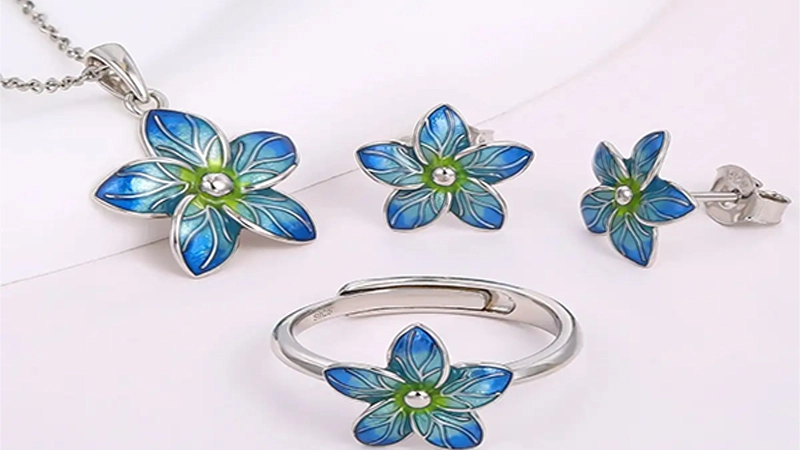
The Secret Life of Your Silver: How 925 Sterling Jewelry Comes to Exist
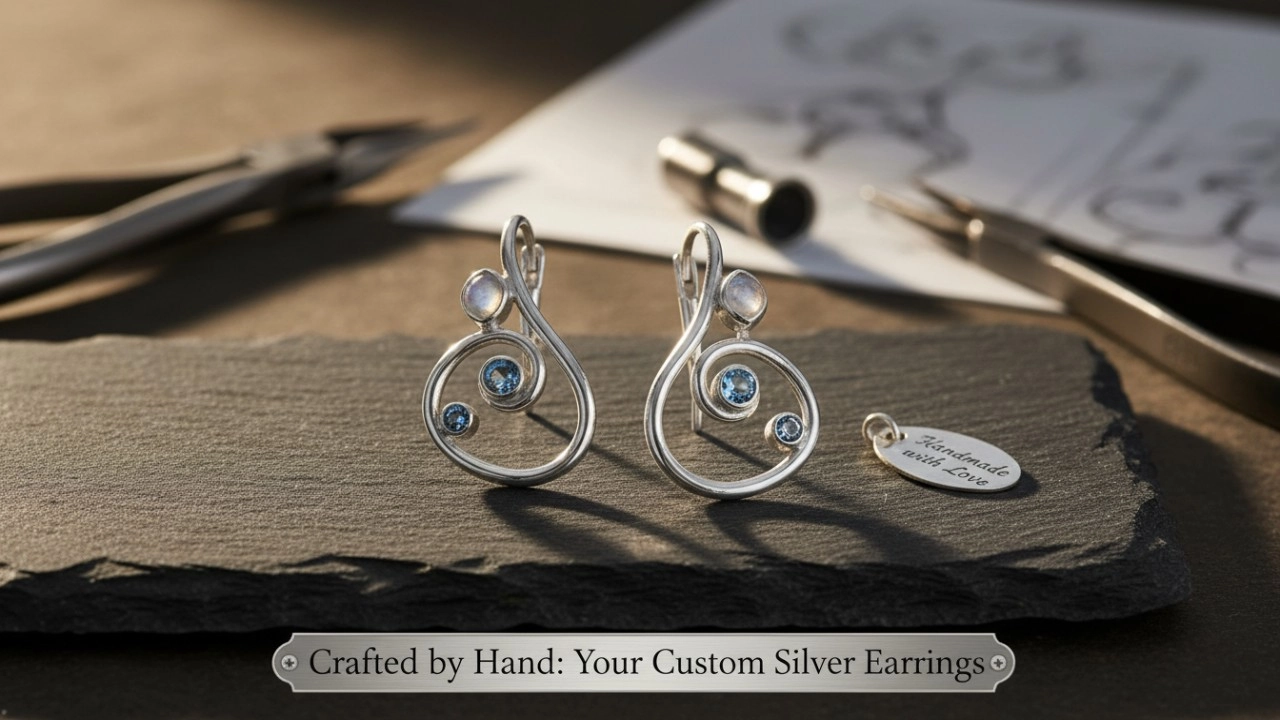
The Ultimate Guide to Ordering Custom Made Silver Earrings: How to Get Perfection Every Time (2026 Edition)
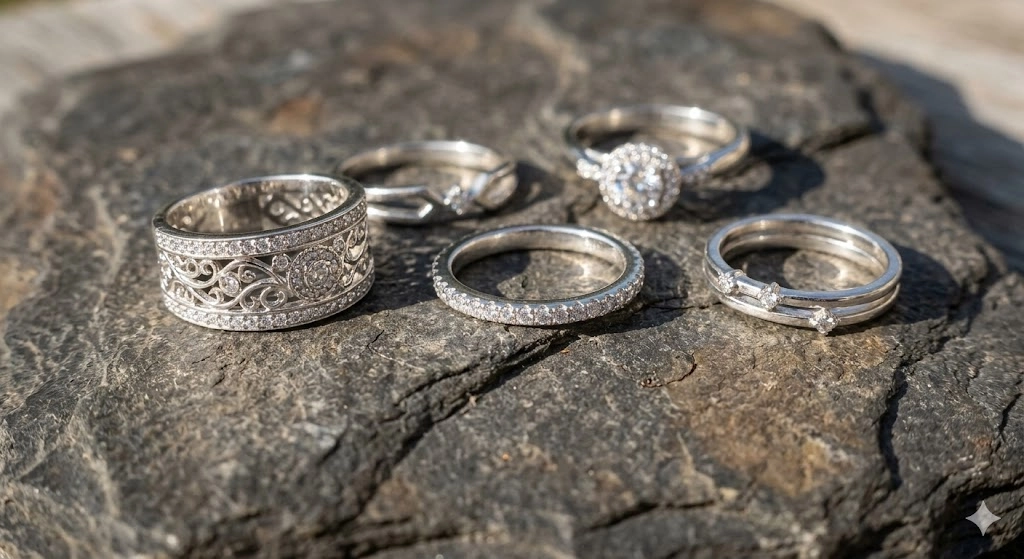
2026 Wholesale Trends: Why Your Brand Needs Custom Sterling Silver Jewelry
The Ultimate 2026 Guide to Stainless Steel Ring Jewelry: Why It Outshines Traditional Metals
5 Costly Mistakes to Avoid When Sourcing Custom Sterling Silver Jewelry

The Ultimate Buyer's Guide to Custom Wholesale Brass Huggie Earrings in China
Prdoucts Categories
FAQ
Products
What can you buy from us?
Rings, Necklace, Earrings, Bracelet, Pendant, Anklet, Brooch, Jewelry.
What's the packaging of your jewelry?
Normally we use OPP bag, bubble bag and paper box to pack the goods,custom packaging is acceptable as well.
What's themonthly production capacity?
600,000 pcs per month.
FAQs
What’s the shipment method?How long does it take for delivery?
Our product distributed to all over the world. Shipped by DHL/Fedex/ TNT/UPS takes 3-7 days,Epacket takes 7-15 days, China Post takes 15-30 days.
Can we visit your factory?
Yes, pls contact seller to arrange meeting, we will pick you up to our factory.
What’s the lead time? .
We could arrange shipment for you within 48 hours if you order models in stock. For bulk order, it
takes 10-25 days for production depending on order quantity and styles.
Discuss Your Ideas with a Professional Custom Jewelry Manufacturer
We provide personalized jewelry customization services for clients worldwide.
Rest assured that your privacy is important to us, and all information provided will be handled with the utmost confidentiality.
By clicking 'Send Inquiry Now' I agree to ZHEFAN JEWELRY processing my personal data.
To see how to withdraw your consent, how to control your personal data and how we process it, please see our Privacy Policy and Terms of use.
From design to production, ZHEFAN JEWELRY offers a one-stop solution to help you enhance your brand value and market competitiveness.
Get A Quote
Contact
Tel: (+86) 188 1927 7817
© 2026 Zhefan Jewelry. All Rights Reserved.
Facebook
Instagram
YouTube
Whatsapp: +8618819277817