






Email: sales3@zhefanjewelry.com
Are stainless steel jewelry manufacturers offering OEM services?
Practical answers for buyers: how to verify 316L material certificates and batch traceability, ensure durable PVD/electroplating finishes, manage nickel-release and hypoallergenic claims, negotiate MOQs, confirm marking/packaging for private label, and audit OEM quality control processes.
- 1. Can a stainless steel jewelry manufacturer guarantee 316L material purity and provide batch traceability for OEM orders over 500 pieces?
- 2. What surface treatments will a stainless steel jewelry manufacturer recommend for a long‑lasting gold-tone finish, and how do I validate durability?
- 3. How do stainless steel jewelry manufacturers handle nickel-release and hypoallergenic claims for OEM bridesmaid sets?
- 4. Do stainless steel jewelry manufacturers accept low MOQs for customized designs, and what realistic cost and lead‑time breakdowns should I expect for OEM prototypes and 1,000-piece runs?
- 5. Are stainless steel jewelry manufacturers capable of precise private‑label branding (laser engraving, custom packaging), and what artwork files/formats and tolerances do they require?
- 6. Are stainless steel jewelry manufacturers offering OEM services? How should I evaluate their quality control processes (IQC, IPQC, FQC) to avoid batch defects?
1. Can a stainless steel jewelry manufacturer guarantee 316L material purity and provide batch traceability for OEM orders over 500 pieces?
Why it matters: Buyers of private-label stainless steel jewelry need to prove material composition to retailers, import inspectors, or testing labs. Many disputes and returns originate from incorrect material claims, so material traceability is a primary pain point.
Actionable checks and what a reputable stainless steel jewelry supplier should provide:
- Material Certificate of Analysis (COA): Ask for a mill COA that lists chemical composition and references the applicable standard (e.g., 316L per ASTM A240 or equivalent). 316L typically contains roughly 10–14% nickel, plus chromium and molybdenum for corrosion resistance — request the composition values.
- Batch lot number and mill source: A reliable OEM must provide the lot/batch number stamped on delivery docs so you can correlate samples to the mill COA and trace back if there’s a quality issue.
- Third‑party verification capability: If you require, vendors should allow a pre-shipment sample or batch sample to be tested by an ISO/IEC 17025 lab (for composition or hardness tests).
- Incoming material inspection (IQC) records: Ask for IQC checklists showing dimensional checks, surface inspection, and verification of mill certificates for the batch.
Red flags: generic “stainless steel” labels without COA, refusal to provide mill origin, or inconsistent batch numbers on packing lists. For OEM orders of 500+ pieces you should insist on COA + batch traceability as part of your contract.
2. What surface treatments will a stainless steel jewelry manufacturer recommend for a long‑lasting gold-tone finish, and how do I validate durability?
Why it matters: Customers expect gold-tone finishes to remain attractive through sweat, cosmetics, and daily wear. Different finishing methods (PVD vs. traditional electroplating) have dramatically different lifespans and testing requirements.
Common surface finishes and their strengths:
- PVD (Physical Vapor Deposition / Ion Plating): Provides an extremely hard, thin coating with excellent adhesion and color stability. PVD is commonly used to achieve gold, black, or rose tones on 316L stainless. PVD typically far outperforms basic electroplating in abrasion resistance.
- Electroplating (including flash plating or thicker builds): Less durable than PVD. Works for plated looks but can wear on edges and high-friction surfaces faster.
- Mechanical finishes (mirror polish, satin, bead blast): These affect aesthetics and adhesion — polishing before coating is critical to prevent micro-defects that accelerate wear.
Validation tests you should request or perform:
- Salt spray (fog) test per ASTM B117: A standard accelerated corrosion test. Ask the supplier for documented test hours and pass/fail criteria relevant to your finish (e.g., 48–240 hours for plated items, depending on spec and finish).
- Adhesion and tape tests: Basic quick check to detect delamination after plating.
- Wear/abrasion testing: Simulated rubbing to reproduce daily wear; PVD should show significantly less color loss than electroplated samples.
- Real-world sample trials: Always order wear-test samples (worn for 2–4 weeks by test users) when launching a new plated SKU.
Ask the manufacturer to supply salt-spray reports, PVD process parameters (thickness, base vacuum), and before/after photos. For OEM projects, specify the required performance (e.g., “no visible color loss after 100 cycles of standardized abrasion test” or “no red rust in 96‑hour salt spray”) so vendor acceptance criteria are clear.
3. How do stainless steel jewelry manufacturers handle nickel-release and hypoallergenic claims for OEM bridesmaid sets?
Why it matters: Many retailers require proof of compliance for nickel release (to meet EU/UK/US retailer policies). Consumers with nickel sensitivity make these claims a high‑risk area for returns and brand damage.
What to demand from a stainless steel jewelry supplier:
- Nickel release testing per EN 1811: This is the accepted procedure in Europe for quantifying nickel release from jewelry alloys and plated surfaces. Request a recent lab report for the specific SKU and finish.
- Substrate vs. surface: Even 316L contains nickel (roughly 10–14%), so “nickel‑free” is technically inaccurate for 316L substrates. What matters is nickel release. A well‑finished PVD coating with good adhesion will often pass EN 1811 limits for “nickel‑safe” classification.
- Declaration language: Require the supplier to state whether claims are based on substrate composition (not sufficient) or validated by EN 1811 test reports on finished parts.
Buyer checklist: obtain EN 1811 results on finished pieces, insist on quality control that prevents plating defects exposing the substrate, and if you market as hypoallergenic, maintain records of test reports to defend product claims.
4. Do stainless steel jewelry manufacturers accept low MOQs for customized designs, and what realistic cost and lead‑time breakdowns should I expect for OEM prototypes and 1,000-piece runs?
Why it matters: Startups and small brands want custom private‑label pieces but are sensitive to upfront tooling and stock risk. Understanding MOQ, tooling costs, and per-unit drivers helps negotiate reasonable terms.
Realistic expectations (industry norms):
- MOQ: Many stainless steel jewelry suppliers offer graduated MOQs. For simple stamped or laser‑cut designs, MOQs can be 50–200 pieces per SKU. For complex cast or multi‑component pieces, typical MOQs range 300–1,000 pieces because of tooling and finishing workflow.
- Prototypes: Metal prototypes (samples) typically take 7–14 business days for stamped or CNC samples and 10–25 days for investment cast prototypes, depending on complexity and finishing (polishing, plating adds time).
- Production lead time: After sample approval, mass production usually takes 15–45 days. High-volume runs, complex PVD finishes, or customized packaging extend lead times.
- Cost drivers: tooling (stamping dies, casting molds), per-unit material weight, complexity (assembly steps), surface finish (PVD vs. electroplating), and packaging. Tooling can range from a few hundred to a few thousand USD depending on process; per-unit pricing drops with larger runs.
How to lower risk: negotiate a phased MOQ (pilot batch of 100–300 units), share tooling costs, or ask suppliers for inventory consignment or staggered deliveries. Always get a clear cost breakdown (tooling amortization, per-piece finish cost, packaging) before signing an OEM contract.
5. Are stainless steel jewelry manufacturers capable of precise private‑label branding (laser engraving, custom packaging), and what artwork files/formats and tolerances do they require?
Why it matters: Brand identity depends on consistent marking and High Quality packaging. Poorly executed logos or labels erode perceived value.
Branding capabilities commonly offered by manufacturers:
- Laser engraving and deep etching: Ideal for logos and serial numbers on flat or slightly curved surfaces. Provide vector artwork (AI, EPS, or PDF with outlined fonts). Tolerances for fine detail depend on metal thickness and finish—ask for minimum line width (often 0.2–0.5 mm for laser engraving).
- CNC stamping and die-cut logos: Used for thicker plates or raised logos. Require die setup; vector files work best.
- Pad printing and UV printing: Suitable for colored marks on coated surfaces; provide high-resolution raster files (300 dpi) and Pantone references.
- Packaging: Logo embossing, foil stamping, custom inserts, hang tags, and barcode labeling. Minimums for custom printed boxes are typically higher than for bulk pouches—confirm MOQ and lead time.
Deliverables to prepare: vector logo files, color specs (Pantone/CMYK), placement templates or samples showing exact dimensions, and clear tolerance requirements (e.g., logo centered within ±1 mm). Request pre‑production mockups and approve packaging dielines before mass production.
6. Are stainless steel jewelry manufacturers offering OEM services? How should I evaluate their quality control processes (IQC, IPQC, FQC) to avoid batch defects?
Why it matters: Many manufacturers claim OEM/ODM services, but the differentiator is robust QC systems. Without documented IQC/IPQC/FQC practices you risk high defect rates, returns, and retailer rejections.
Quality controls and audit points to insist upon:
- Documented IQC (Incoming Quality Control): Checklists showing raw material verification against COA, dimensional sampling, and visual incoming inspection.
- IPQC (In-Process Quality Control): Records of key checking points during production—die condition, plating thickness monitoring, polish grades, assembly torque checks, and spot checks for plating adhesion.
- FQC (Final Quality Control): Full inspection reports with AQL sampling plans (common levels AQL 2.5 for critical defects or AQL 4.0 for general quality), photos of inspected samples, and packaging checks.
- Testing labs and certificates: Ask for EN 1811 (nickel), ASTM B117 (salt spray) reports, ROHS/REACH if chemicals are a concern, and whether the manufacturer uses ISO/IEC 17025 labs for independent tests.
- Process documentation: SOPs for plating, PVD parameters, passivation steps, and rework policies for defective parts. A supplier who refuses to share basic SOPs should be treated cautiously.
On-site audit checklist: verify QC instruments (thickness gauges, gloss meters, salt spray chamber), review sample storage/lot labeling, and ask to see records of prior batch inspections. For large OEM runs, contractually require pre-shipment inspection and acceptance criteria tied to returned goods policies.
Conclusion — Advantages of working with a qualified stainless steel jewelry OEM: Choosing an experienced stainless steel jewelry manufacturer that provides 316L COAs and traceability, robust finishing options (PVD/electroplating), documented nickel release testing (EN 1811), flexible MOQs with transparent cost breakdowns, precise private‑label marking, and rigorous IQC/IPQC/FQC systems reduces product risk, shortens time to market, and protects brand reputation. These capabilities enable scalable private‑label collections with consistent quality and documented compliance.
Contact us for a quote and to discuss OEM options: www.zhefanjewelry.com • sales3@zhefanjewelry.com
Recommended for you
How to Choose a Custom Ring Manufacturer: 10 Critical Questions for Maximum Quality (2026 Guide)
Is a Brass Necklace Good? The Honest Truth About Wear, Tarnish, and Quality
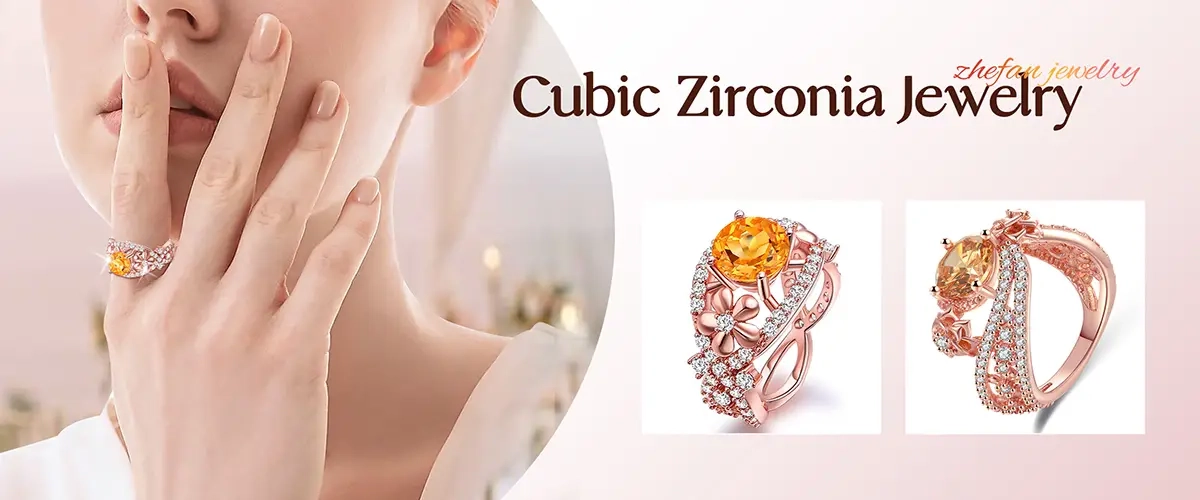
What is Zircon Jewelry?-The Ulimate Guide
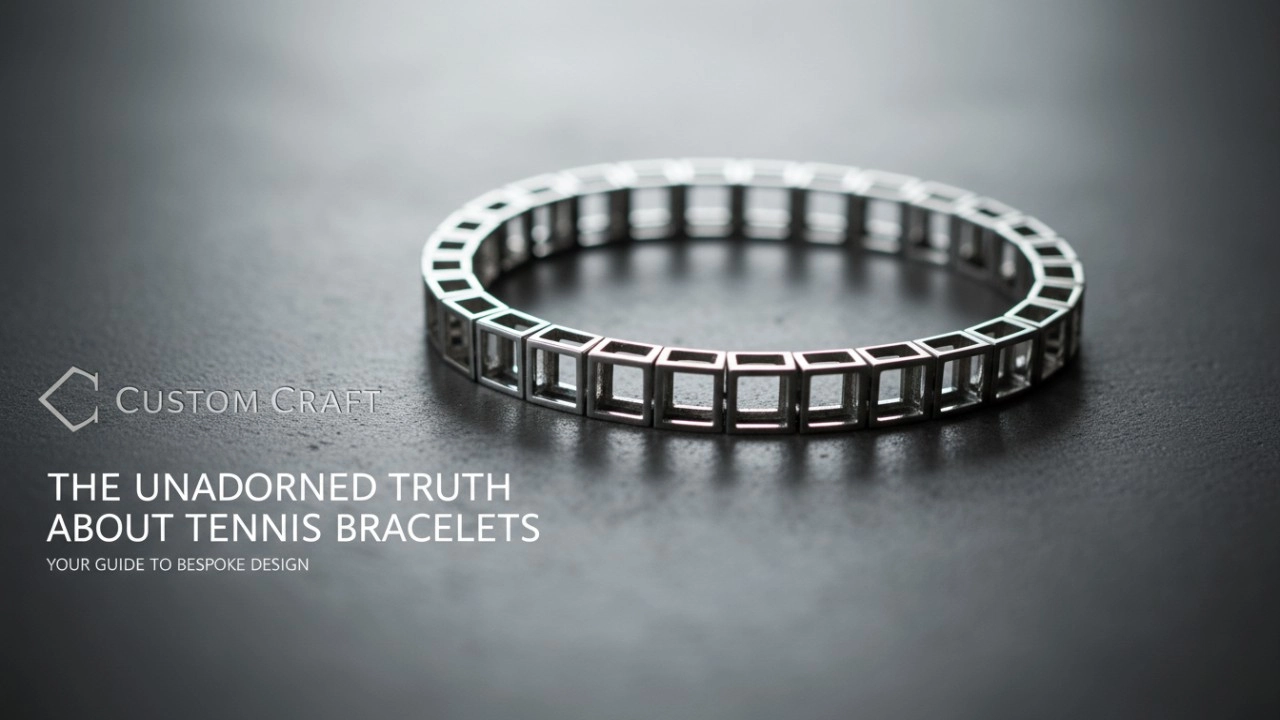
How to Elevate Your Jewelry Brand with a Signature Custom Tennis Bracelet (2026 Guide)
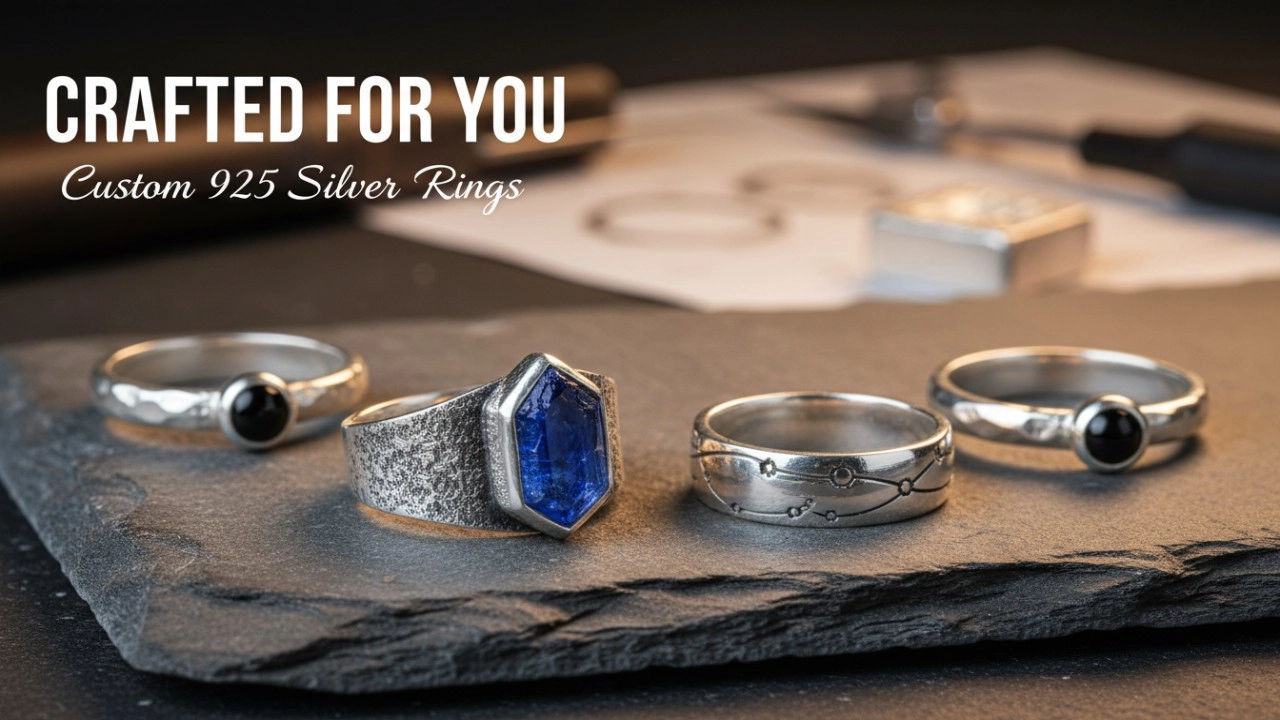
Why Custom 925 Silver Rings Are the Perfect Sustainable Luxury Gift (Compared to Gold)
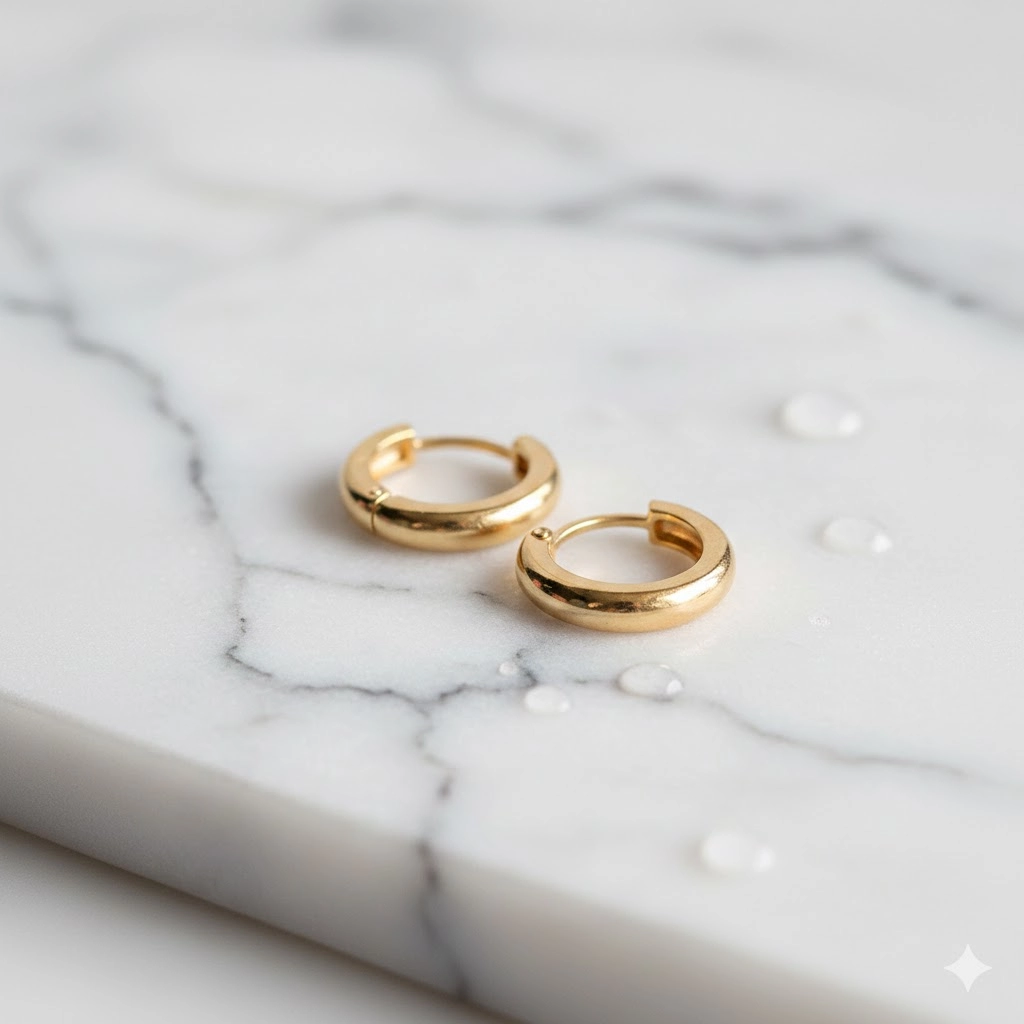
Boost Your Margins with Top-Selling Custom Wholesale Brass Huggie Earrings
Prdoucts Categories
FAQ
FAQs
What is the material of the jewelry?
Most of the jewelry is made of 925 sterling silver, brass or 316 stainless steel or custom material,which can cover different procurement demand.
Can I see your product test report?
Of course.Our product throught standar test like SGS.We test in many ways of product.
Can we visit your factory?
Yes, pls contact seller to arrange meeting, we will pick you up to our factory.
Can I have your product catalog?
Yes, please leave us a message what style jewelry catalog you need.
Products
What's themonthly production capacity?
600,000 pcs per month.
What’s the shipment method? How long does it take for delivery?
Our product distributed to all over the world. Shipped by DHL / Fedex / TNT / UPS takes 3-7 days, Epacket takes 7-15 days, China Post takes 15-30 days.
Discuss Your Ideas with a Professional Custom Jewelry Manufacturer
We provide personalized jewelry customization services for clients worldwide.
Rest assured that your privacy is important to us, and all information provided will be handled with the utmost confidentiality.
By clicking 'Send Inquiry Now' I agree to ZHEFAN JEWELRY processing my personal data.
To see how to withdraw your consent, how to control your personal data and how we process it, please see our Privacy Policy and Terms of use.
From design to production, ZHEFAN JEWELRY offers a one-stop solution to help you enhance your brand value and market competitiveness.
Get A Quote
Contact
Tel: (+86) 188 1927 7817
© 2026 Zhefan Jewelry. All Rights Reserved.
Facebook
Instagram
YouTube
Whatsapp: +8618819277817