





Email: sales3@zhefanjewelry.com
What are the trends in stainless steel jewelry manufacturing?
Detailed, buyer-focused answers for sourcing stainless steel jewelry: 316L vs 304 durability, realistic MOQs and tooling costs for OEM stainless steel jewelry, EN 1811 nickel testing, finishing longevity (PVD vs electroplating), QC/AQL best practices, and emerging manufacturing trends.
- 1) How do I choose between 316L and 304 stainless steel for rings and bracelets that get daily sweat and pool exposure?
- 2) What are realistic MOQs, tooling costs, and per-piece price ranges for OEM stainless steel jewelry with PVD rose-gold plating for a small brand?
- 3) How can I verify nickel release and biocompatibility (EN 1811) from suppliers that only provide limited lab paperwork?
- 4) Which finishing—polishing, brushing, PVD, electroplating—best resists scratches and perspiration? How to estimate coating lifespan?
- 5) What specific in-line quality control checks, AQL levels and sample sizes should I require to avoid costly recalls or returns?
- 6) What are the current trends in stainless steel jewelry manufacturing and how will they affect lead times and pricing?
As professional buyers and brand founders move into stainless steel jewelry, they need precise technical guidance. This post answers six long-tail, hard-to-find questions beginners face when selecting a stainless steel jewelry manufacturer, covering materials, tests, MOQ tooling, finishing durability, QC metrics and current manufacturing trends like PVD and 3D-printed patterns.
1) How do I choose between 316L and 304 stainless steel for rings and bracelets that get daily sweat and pool exposure?
What matters: chloride (pool/sea) resistance, biocompatibility, and surface stability. 316L (marine-grade) contains molybdenum, which markedly improves corrosion resistance to chlorides compared with 304. For daily-wear jewelry—rings, bracelets, body jewelry—316L is the industry standard because it better resists pitting and crevice corrosion in chlorinated water and heavy perspiration.
- Practical recommendation: specify 316L (sometimes labeled 316LVM for medical-grade variants) for pieces marketed as water-safe, hypoallergenic or long-term wear. Use 304 only for low-cost fashion pieces where exposure is minimal.
- Production requirement: request passivation per ASTM A967 to remove free iron and promote a chromium-oxide protective layer—this reduces surface corrosion and enhances plating adhesion.
- Testing to demand: ASTM B117 salt spray for comparative corrosion resistance (24–96 hours for acceptance screening) and EN 1811 nickel release testing if skin contact claims are made.
Bottom line: For reliable, long-term wear and to reduce customer complaints, require 316L + passivation from your stainless steel jewelry manufacturer.
2) What are realistic MOQs, tooling costs, and per-piece price ranges for OEM stainless steel jewelry with PVD rose-gold plating for a small brand?
Costs vary with design complexity, production method (stamped, CNC, investment cast), and finishing (PVD vs electroplating). Typical, evidence-based industry expectations:
- MOQ ranges: for stamped or laser-cut flat pieces – 100–500 pcs per SKU; for CNC-machined or investment-cast 3D pieces – 200–1,000 pcs per SKU. Some contract manufacturers support low-volume pilot runs of 30–100 pieces at a High Quality.
- Tooling/prototype costs: a simple stamping die or CNC fixture can be $150–$800; master tooling for investment casting (3D-printed wax patterns, tooling setups) often ranges $300–$2,000 depending on complexity. Prototype 3D-printed samples typically cost $50–$400 each.
- PVD and finishing High Qualitys: PVD rose-gold adds a measurable High Quality versus unplated stainless or conventional electroplating—expect $0.50–$5 extra per piece depending on batch size and color process, with setup costs pooled across the order.
- Typical per-piece price (industry ranges): simple stamped 316L pendant $1–$4; detailed cast ring $3–$12; plated prices increase accordingly. Exact quotes require CAD and sample specifics.
Recommendation for buyers: request a detailed cost breakdown (tooling, prototyping, finishing, testing, packaging), get 2–3 quotes, and negotiate pilot-run MOQs. Ask suppliers to amortize tooling over future reorders and clarify re-run tooling fees.
3) How can I verify nickel release and biocompatibility (EN 1811) from suppliers that only provide limited lab paperwork?
Many suppliers provide third-party lab reports, but buyers need to validate scope and sample traceability. EN 1811 defines a reference method for nickel release; the legal threshold (EU Nickel Directive) requires nickel release ≤0.5 μg/cm²/week for items in direct skin contact. Steps to verify:
- Request complete lab reports with: sample identification (SKU, batch number), testing lab accreditation (e.g., ISO/IEC 17025), date, and exact method used (EN 1811 version).
- Ask for a Certificate of Analysis (COA) that links the tested sample to the production batch (photos, production date, lot number). If the supplier cannot link test samples to your lot, insist on a production-sample test.
- If lab documents are absent or unaccredited, require the supplier to commission an independent ISO/IEC 17025 lab. Typical turnaround for nickel testing is 7–14 days; budget $150–$400 per test depending on lab and sample count.
- For medical/implant-grade claims or sensitive markets, consider additional biocompatibility screening (patch tests or ISO 10993 consult), but for fashion jewelry EN 1811 is the market standard for nickel release.
Do not accept generic statements like nickel-free without EN 1811 lab evidence tied to your production lot. That is a major buyer risk.
4) Which finishing—polishing, brushing, PVD, electroplating—best resists scratches and perspiration? How to estimate coating lifespan?
Finishing choice defines long-term appearance and warranty costs. Key facts based on industry performance:
- PVD (Physical Vapor Deposition): superior adhesion and abrasion resistance versus traditional electroplating. PVD produces thin, dense coatings (often sub-micron to a few microns) that are highly wear-resistant and come in stable colors (gold, black, rose, blue). Best for High Quality plated stainless steel jewelry claims like durable rose gold finish.
- Electroplating (wet plating): cheaper, can provide thicker decorative layers but tends to have poorer adhesion on stainless unless well-prepared and backed by underlayers (nickel flash—note: this affects nickel-sensitive customers). Electroplating typically shows faster color fade and edge wear in high-friction zones.
- Mechanical finishes: high-gloss polishing resists tarnish visually but reveals scratches quickly; brushed or matte finishes mask micro-scratches better for everyday wear.
- Predicting lifespan: a well-executed PVD finish on 316L can retain acceptable appearance for 1–5+ years depending on wear patterns and exposure (swimming, abrasive contact). Electroplated finishes often show wear in months to a couple years under daily wear. Use accelerated tests: Taber abrasion and ASTM B117 salt spray for corrosion resistance; combine with real-life wear testing (100–500 wear cycles) to model performance.
Buyer action items: specify PVD for High Quality SKUs, require passivation and surface pretreatment, and ask manufacturers for Taber or equivalent abrasion test data plus a wear simulation protocol that matches your target customer behavior.
5) What specific in-line quality control checks, AQL levels and sample sizes should I require to avoid costly recalls or returns?
Implementing precise QC checkpoints reduces defects and liability. Recommended QC process and numbers rooted in industry practice:
- Incoming material inspection (IQC): verify material certificates for 316L (metal grade, mill test report), and check for surface defects after passivation.
- First article inspection (FAI): require a certified sample from the first production run with full dimensional reports (CMM for critical tolerances), plating thickness measurements, and appearance photos.
- In-line checks: critical dimension (CMM or caliper), plating thickness spot checks (XRF or coulometric), visual appearance checks under standardized light booth, and functional checks for clasps and mechanisms.
- Final random inspection (AQL): common AQLs for consumer jewelry are 2.5 for major defects and 4.0 for minor defects; for High Quality or regulated items tighten to 1.5 (major) / 2.5 (minor). Use a recognized AQL sampling table; for container lots of several hundred pieces, sample sizes typically 80–200 pieces depending on lot size and desired AQL.
- Critical acceptance criteria: zero tolerance for metal purity mismatch, unacceptable nickel release (EN 1811 exceedance), and structural failures (broken clasps). Allow minimal superficial blemishes depending on finish specification.
Require the manufacturer to provide an inspection report with photos and measurement logs for every batch. If items are for regulated markets, include retention samples and a 3rd-party lab audit clause.
6) What are the current trends in stainless steel jewelry manufacturing and how will they affect lead times and pricing?
Key trends shaping supplier selection and procurement strategies in 2024–2026:
- Shift to PVD and ion plating for color-stable, durable finishes—this increases unit finishing cost but reduces returns and improves perceived value.
- Digital manufacturing: 3D printing (direct metal printing or 3D-printed wax/resin patterns for investment casting) accelerates prototyping, reduces tooling iterations, and lowers time-to-market for bespoke SKUs. Prototype lead times often fall from 2–4 weeks to 3–10 days depending on technology used.
- Micro-batching and on-demand production: manufacturers are offering smaller MOQs with a High Quality via optimized CNC and short-run casting workflows—great for limited-edition drops but slightly higher per-piece costs.
- Sustainability and traceability: demand for recycled stainless feedstock and supply-chain transparency has increased. Expect suppliers to provide mill certificates for recycled content and to adopt QR-code traceability for High Quality lines. Sustainable sourcing can add 3–10% to cost depending on certification and material High Qualitys.
- Advanced marking and personalization: laser engraving, pad printing, and micro-etching integrated with digital order systems allow mass-customization with minimal added lead time, though set-up for personalized SKUs may extend production by a few days.
Impact on procurement: expect modest price increases for PVD and recycled-material SKUs, but improved customer satisfaction and lower warranty costs. Faster prototypes and digital proofs reduce time-to-market, so budget allocation should shift from large initial tooling spends to flexible digital prototyping.
Concluding summary: stainless steel jewelry produced by a reputable stainless steel jewelry manufacturer delivers long-term value through durable 316L material, proper passivation (ASTM A967), and modern finishes like PVD. By enforcing EN 1811 nickel testing, ASTM B117 corrosion screening, defined AQL sampling, and precise tooling agreements, buyers minimize risk, control costs, and achieve consistent product quality. Emerging trends—3D printing for prototypes, PVD finishes, and sustainable recycled feedstock—improve speed-to-market and brand differentiation while slightly adjusting cost structures.
For reliable OEM stainless steel jewelry, transparent QC, and accurate cost breakdowns, contact us for a quote at www.zhefanjewelry.com or email sales3@zhefanjewelry.com.
Recommended for you
2026 Wholesale Trends: Why Your Brand Needs Custom Sterling Silver Jewelry
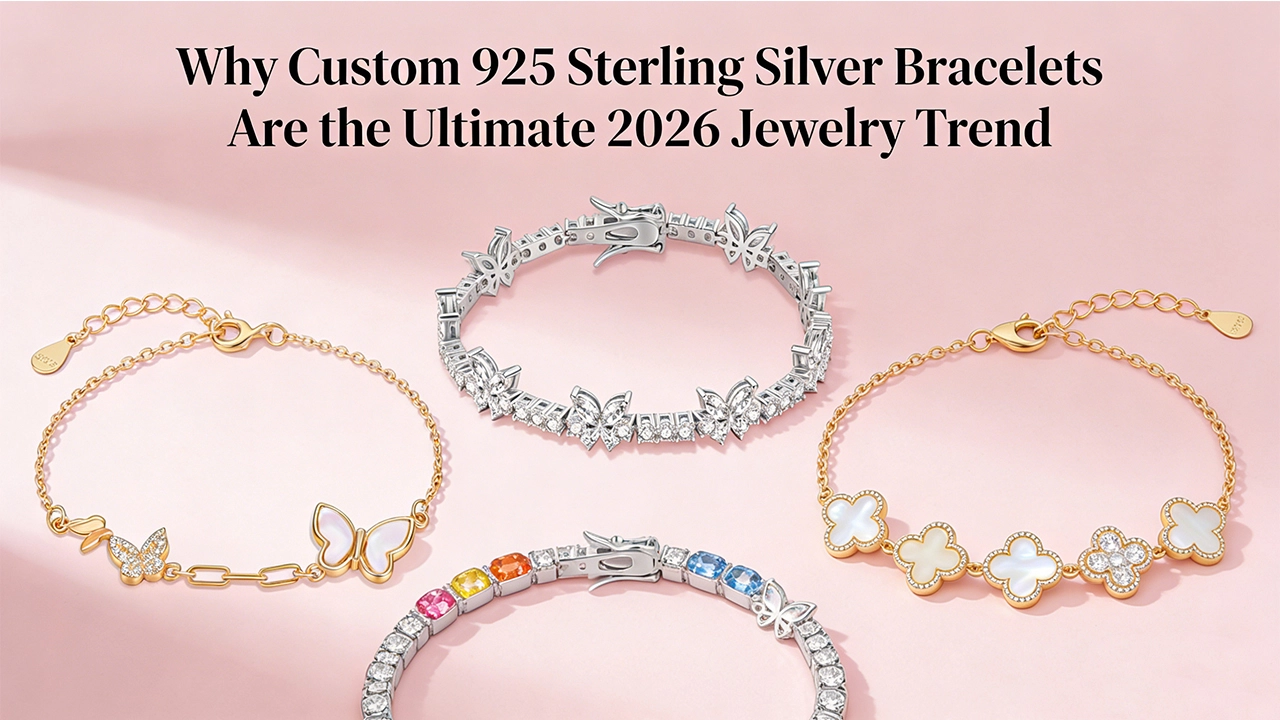
Why Custom 925 Sterling Silver Bracelets Are the Ultimate 2026 Jewelry Trend
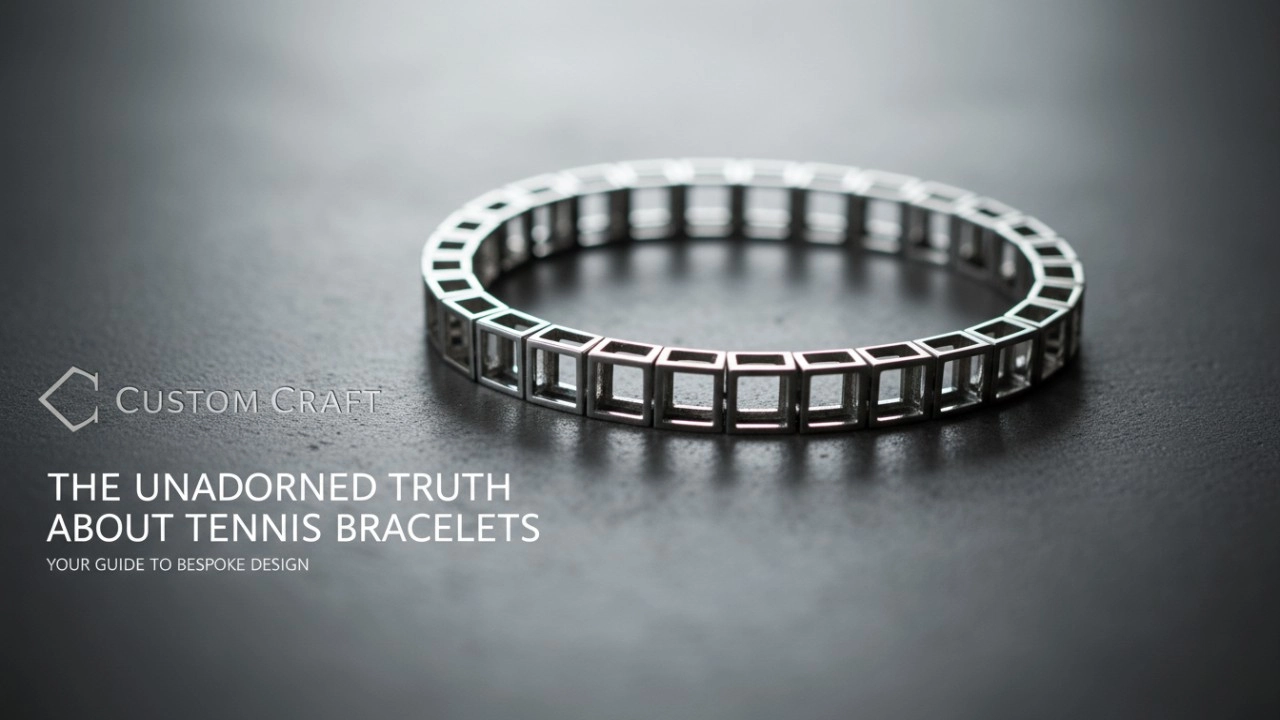
How to Elevate Your Jewelry Brand with a Signature Custom Tennis Bracelet (2026 Guide)
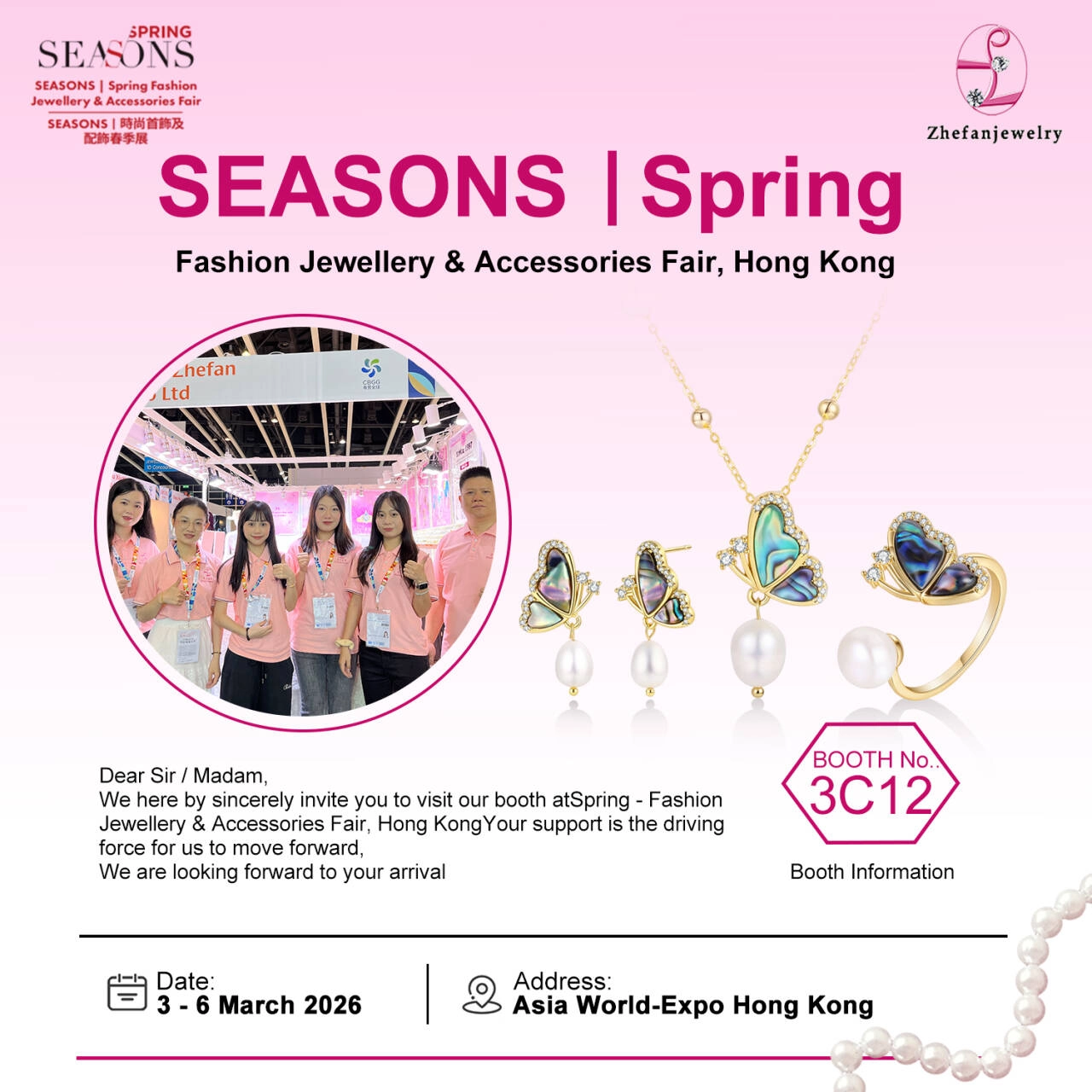
Zhefan Jewelry Invites You to Attend the Hong Kong Jewellery Exhibition 2026
The Ultimate Guide to Sourcing Wholesale 925 Silver Adjustable Rings in 2026
The Secret Behind Premium Quality: 7 International Standards for 925 Sterling Silver Rings
Prdoucts Categories
FAQ
FAQs
How long does it take for the product to fade?
The normal electroplating quality color retention time of our products is 5 times longer than the market, and the thicker electroplating can retain color for three years.
Can I get a sample?
Yes,welcome to choose our sample to test and check quality.Please give me your address and number then send you payment list.
Do you do customer design?
Do you do customer design? Yes,we are good at this way.Most of our customer do their customize.And we have cooperate with them when they are new brand, but now they become the top sell on Amazon, more than 32,000 five star comment.
Products
What is your minimum order quantity?
We offer low MOQ from 2 to 30 depending on models. Send your favor model to get details from Trade Manager.
What can you buy from us?
Rings, Necklace, Earrings, Bracelet, Pendant, Anklet, Brooch, Jewelry.
What’s the lead time?
We could arrange shipment for you within 48 hours if you order models in stock. For bulk order, it takes 10-25 days for production depending on order quantity and styles.
Discuss Your Ideas with a Professional Custom Jewelry Manufacturer
We provide personalized jewelry customization services for clients worldwide.
Rest assured that your privacy is important to us, and all information provided will be handled with the utmost confidentiality.
By clicking 'Send Inquiry Now' I agree to ZHEFAN JEWELRY processing my personal data.
To see how to withdraw your consent, how to control your personal data and how we process it, please see our Privacy Policy and Terms of use.
From design to production, ZHEFAN JEWELRY offers a one-stop solution to help you enhance your brand value and market competitiveness.
Get A Quote
Contact
Tel: (+86) 188 1927 7817
© 2026 Zhefan Jewelry. All Rights Reserved.
Facebook
Instagram
YouTube
Whatsapp: +8618819277817