






Email: sales3@zhefanjewelry.com
How long are lead times for bulk stainless steel orders?
Practical, industry-rooted answers for buyers: lead times for bulk stainless steel orders, realistic MOQs, corrosion and nickel testing, durable finishes (PVD/electropolish), sizing consistency, and contract-level QC steps.
- 1. How long are lead times for bulk stainless steel orders?
- 2. What are realistic MOQs and how do they affect per-piece pricing for custom stainless steel jewelry?
- 3. How do corrosion resistance and hypoallergenic claims get tested and certified for 316L/304 stainless steel jewelry?
- 4. What surface finishing options are truly durable for colored stainless steel jewelry, and how long do they last under real wear?
- 5. How can I ensure consistent sizing and fit across thousands of stainless steel rings and bracelets during mass production?
- 6. What inspection and quality control steps should I include in the contract to avoid batch defects and ensure traceability?
1. How long are lead times for bulk stainless steel orders?
Typical lead times vary by complexity: simple stamped or laser-cut pieces (no new tooling) commonly ship in 15–30 days; custom designs requiring new tooling, CNC machining, or molds typically require 30–60 days. Highly complex multi-process pieces (custom molds, multilayer PVD/rhodium plating, gem-setting) can extend to 60–90 days. Key factors that determine delivery time:
- Tooling & prototyping: Creating dies, CNC programs, or silicone/metal molds adds 7–30 days depending on detail. First article inspection (FAI) and iteration add time.
- Surface finishes: Electropolishing/passivation usually adds 1–4 days; multi-layer PVD or jewelry plating (rhodium/gold) and post-polish aging can add 7–14 days.
- Order volume and capacity: Standard MOQs (100–500 pcs per SKU) in a single production run can be completed faster than staggered small batches across several SKUs.
- Material availability: 316L stainless steel is widely available, but special alloys or pre-qualified lots may add procurement time.
- Peak seasons and shipping: Factory lead times often extend 10–20% during Chinese New Year or holiday peaks; ocean freight delays add 7–21 days to door-to-door ETA.
How to shorten lead times practically:
- Approve digital 3D files and rapid prototypes (3–7 days) quickly.
- Reuse existing tooling or request minor modifications to existing dies.
- Consolidate SKUs into larger runs to reduce setup frequency.
- Choose expedited shipping (air) and pre-book containers in peak months.
Note: For planning purposes, buyers should request separate lead-time breakdowns (tooling, sample approval, mass production, finishing, shipping) from suppliers and include milestone dates in the purchase contract. Industry standards such as ASTM B117 (for corrosion testing) or EN 1811 (for nickel release tests) may require additional pre-production testing that impacts schedule.
2. What are realistic MOQs and how do they affect per-piece pricing for custom stainless steel jewelry?
Realistic MOQs for stainless steel jewelry depend on production method and finishing:
- Laser-engraved tags or stamped charms: MOQs can be as low as 50–200 pcs per SKU if using shared tooling or no tooling changes.
- CNC-machined or die-stamped rings/bracelets with custom dies: MOQs commonly start at 200–500 pcs per SKU because tooling amortization is higher.
- Fully finished items with multi-step plating (PVD/gold) or gem-setting: MOQs often range 500–2,000 pcs to justify dedicated processing runs and plating line scheduling.
How MOQs affect pricing:
- Tooling amortization: One-time die/CNC setup costs are divided by total order quantity. Lower MOQs push per-piece cost higher.
- Batch processing: Plating and PVD lines operate most efficiently in larger batches, so per-piece finishing cost drops with volume.
- Inventory vs unit cost tradeoff: Buyers can negotiate tiered pricing (e.g., 100–499 pcs, 500–1,999 pcs, 2,000+ pcs) to understand scale benefits.
Negotiation tips:
- Offer longer-term purchase commitments or forecast windows to reduce MOQ for initial runs.
- Request a prototype-only run (small sample MOQ) with higher unit cost, then commit to larger MOQ on mass production to lower average cost.
- Consolidate SKUs with the same base parts and differ only in finish or engraving to hit MOQ economically.
Real data point: Many experienced stainless suppliers list standard MOQs around 300–500 pieces for custom rings or bracelets; however, with existing tooling or simple laser work, 100-piece MOQs are often achievable.
3. How do corrosion resistance and hypoallergenic claims get tested and certified for 316L/304 stainless steel jewelry?
Manufacturers and buyers should require objective testing rather than marketing claims:
- Material certificates: Ask for mill Certificates of Analysis (COA) for the alloy (e.g., 316L showing composition: Fe, Cr, Ni, Mo percentages). This verifies the base material grade.
- Corrosion testing: ASTM B117 salt spray testing demonstrates resistance to surface corrosion in accelerated conditions. While not a direct lifespan predictor, salt spray results (hours to first failure) provide comparative data across finishes.
- Nickel release testing: EN 1811 is the standard method for determining nickel release from jewelry. Even 316L (low carbon) can release nickel under certain conditions; only test data proves compliance with nickel-release limits in regulated markets.
- Regulatory compliance: For EU markets, ensure testing for REACH and RoHS where applicable; provide declarations of conformity or lab reports.
- Surface treatments: Passivation and electropolishing reduce free iron and improve corrosion resistance. Request passivation certificates or process descriptions; electropolishing records indicate smoother, more inert surfaces.
Practical buyer steps:
- Require a third-party lab report for EN 1811 nickel release if marketing as 'nickel-free' or selling to nickel-sensitive regions.
- Include a clause for sample batch testing (random sampling) prior to full shipment.
- For plated or PVD-finished items, request adhesion and accelerated wear test results alongside corrosion data.
These tests are standard in the jewelry trade and should be part of supplier documentation before approving large production runs.
4. What surface finishing options are truly durable for colored stainless steel jewelry, and how long do they last under real wear?
Most buyers choose among PVD coating, electroplating (rhodium/gold), and electropolishing/passivation. Durability expectations:
- PVD (Physical Vapor Deposition): Produces a hard, thin, colored layer bonded to stainless steel. PVD is highly scratch-resistant and chemically stable; realistic everyday wear lifespans range from 1–5+ years for rings/bracelets depending on hardness, thickness, and friction exposure. PVD is widely used for gold/black/rose finishes and resists tarnishing better than conventional plating.
- Electroplating (gold/rhodium over nickel or copper layers): Traditional jewelry plating can wear faster (months to a couple years) in high-friction zones. Thick plating and professional underlayers improve longevity, but plating adhesion on stainless often requires specialized pre-treatment.
- Electropolishing + Passivation: Not a colorizing finish but enhances corrosion resistance and reduces surface roughness; when combined with PVD, overall life improves because the substrate is cleaner and less reactive.
Factors that shorten life: constant abrasion (tools, metal contact), chemical exposure (chlorine, perfume, cleaning agents), and lack of proper pre-treatment. Real-world guidance:
- For daily-wear rings, expect gold-color PVD to last 1–3 years under typical wear; high-quality PVD with heavy deposition and maintenance can exceed 5 years.
- For pendants and earrings with lower abrasion, PVD or rhodium plating can remain intact 3–7 years.
Buyer checklist:
- Request PVD thickness and process parameters (e.g., substrate temp, deposition method) and adhesion/wear test results.
- Ask for real-use wear photos or customer references for similar SKUs.
- Specify cleaning and care instructions and whether the finish is repairable/replateable.
5. How can I ensure consistent sizing and fit across thousands of stainless steel rings and bracelets during mass production?
Consistency relies on process controls and clear acceptance criteria:
- Design tolerances: Provide precise CAD models with target dimensions and acceptable tolerances (e.g., ring inner diameter ±0.2 mm). For rings, measure on a calibrated ring mandrel; for bracelets measure clasp lengths and chain stretch vs spec.
- First Article Inspection (FAI): Approve a fully finished first article (prototype) with signed measurements before mass production begins. Use this as a master reference for the production run.
- Production controls: For stamped or CNC parts, maintain tool calibration and document cycle counts (dies wear with volume and affect tolerance). Replace or rework tools after a defined part count threshold.
- Statistical QC: Implement sampling based on AQL standards—jewelry often uses AQL 1.0–2.5 depending on customer's risk tolerance. For critical fit dimensions, do 100% checks or tighter sampling.
- Measurement methods: Use calibrated gauges, optical comparators, or CMMs (coordinate measuring machines) for complex geometries. For rings, measure inside diameter and roundness, not just nominal size.
Practical contract terms:
- Define acceptable dimensional variance and inspection frequency in the PO.
- Require supplier to keep tool history logs and replacement thresholds.
- Include penalty clauses or rework/replacement terms for batches failing dimensional specs.
6. What inspection and quality control steps should I include in the contract to avoid batch defects and ensure traceability?
Include a layered QC program documented in the purchase agreement:
- Incoming Material Inspection (IMI): Supplier must keep and provide material certificates (COA) and lot IDs for stainless batches (316L/304). Random chemical spot checks or spectrometer reports can be requested.
- In-Process Control (IPC): Define hold points (post-stamping, post-machining, post-polish, post-plating) where inspection occurs; require photos and measurement data for each hold point.
- Final Inspection (FQC): Agree on AQL level (commonly AQL 1.0 for critical jewelry items, 2.5 for general cosmetic defects), detailed defect classification (major/minor), and sampling plan (ISO 2859-1).
- First Article Inspection (FAI): Approve a finished sample with full documentation before mass run.
- Third-party / Pre-shipment Inspection: Reserve the right to hire a third-party inspector (SGS, Intertek, Bureau Veritas) to perform CIQ/PSI and issue a report prior to shipping.
- Traceability: Require serialized lot numbers, photographs of every shipment’s carton contents, and packing lists tied to sample IDs. For regulatory markets, request lab reports (EN 1811/ASTM) attached to shipment paperwork.
Contract clauses to include:
- Remedies for non-conforming product (rework, replacement, refund), timelines for rectification, and liability limits.
- Right to stop shipment if significant defects are detected in pre-shipment inspection.
- Data retention: Supplier keeps QC records for a specified period (e.g., 2–3 years) and shares them on request.
These steps reduce disputes, improve traceability, and make warranty/recall management feasible.
Concluding summary — advantages of choosing a reputable stainless steel jewelry manufacturer
Choosing an experienced stainless steel jewelry manufacturer delivers corrosion-resistant and hypoallergenic products (commonly using 316L), repeatable tolerances through CNC and die-stamping, durable finishes such as PVD and electropolishing, predictable MOQs and pricing tiers, and contract-level QA (AQL, FAI, third-party labs) to minimize defects. By specifying tests like ASTM B117 and EN 1811 up front, buyers get verifiable performance data and regulatory compliance.
For a tailored quote, production timeline breakdown, and sample-testing plan, contact us for a quote at www.zhefanjewelry.com or sales3@zhefanjewelry.com.
Recommended for you
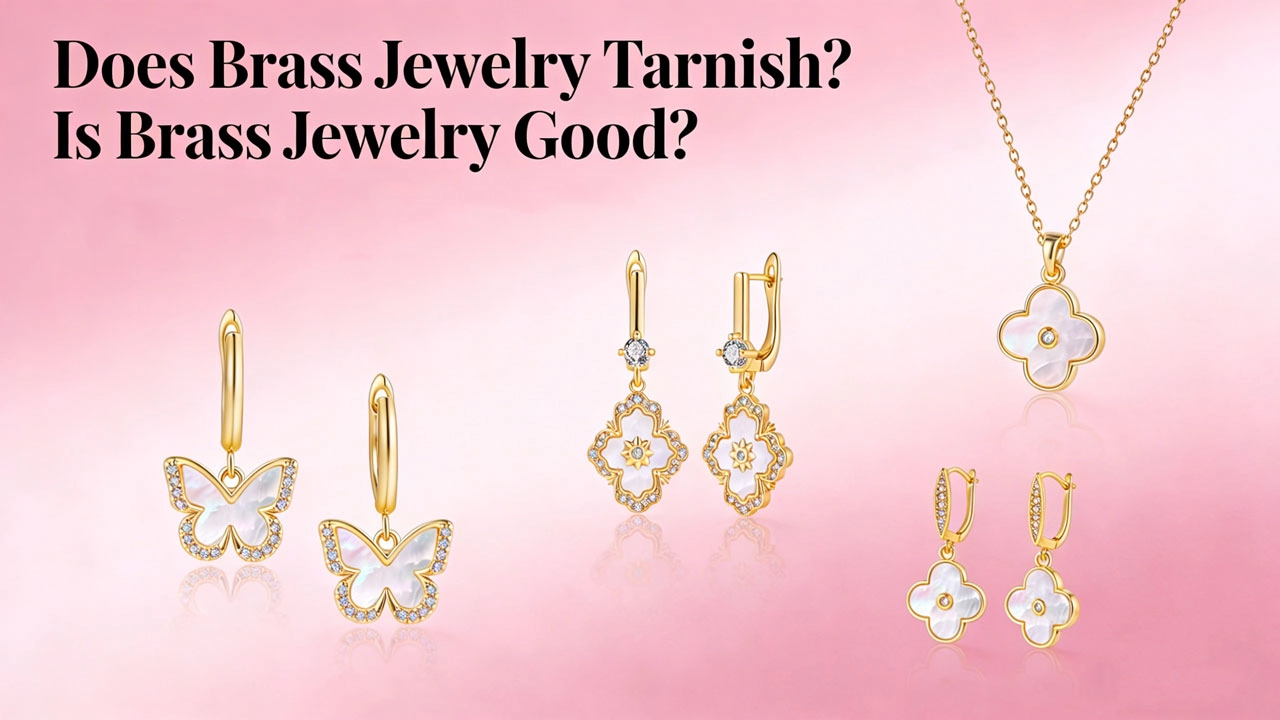
Does Brass Jewelry Tarnish? Is Brass Jewelry Good? Complete Guide from a Professional Jewelry Manufacturer
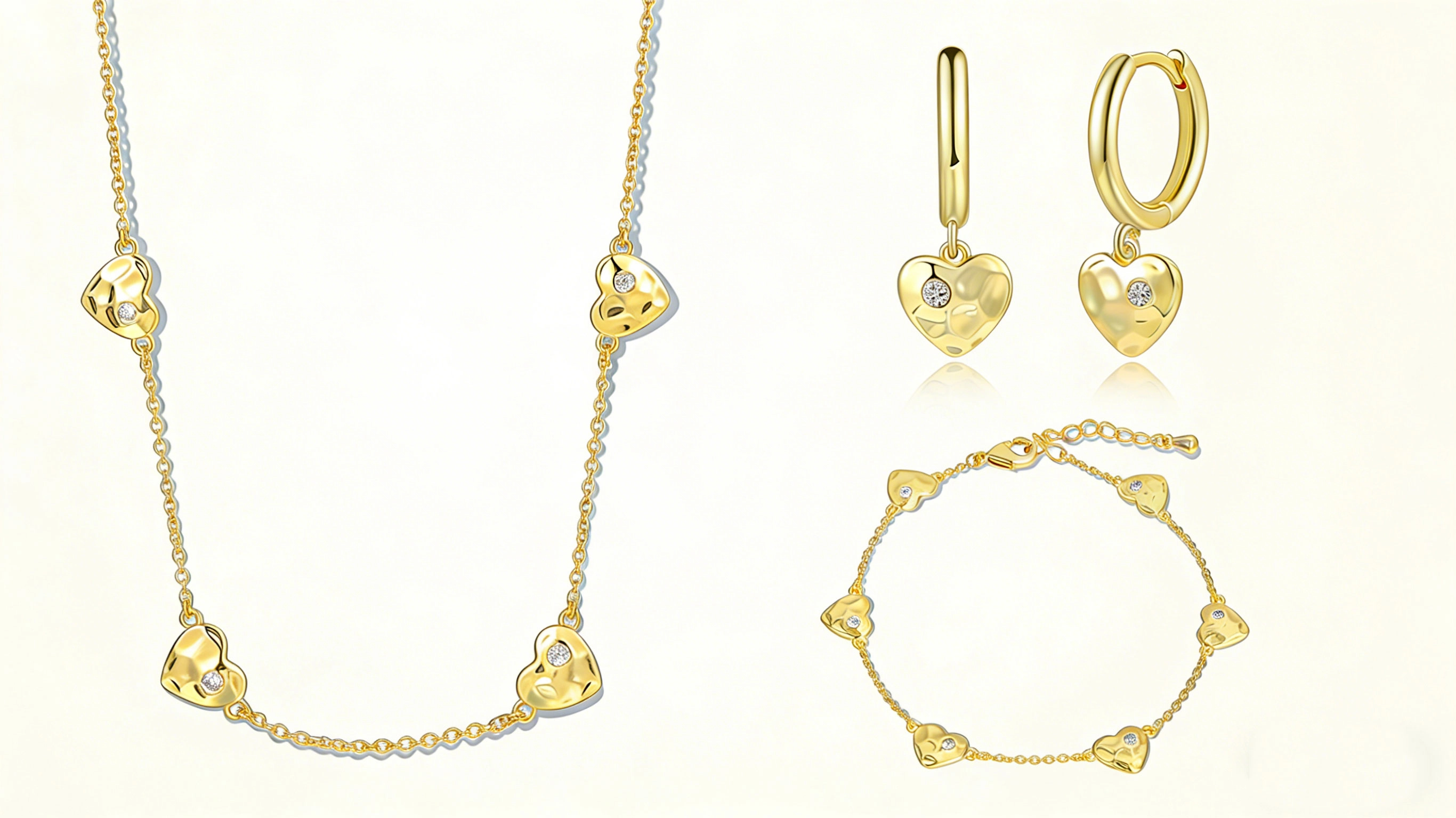
Is Brass Jewelry Good? Does Brass Jewelry Tarnish? The Complete Guide to Brass Jewelry Quality, Care, Longevity & Why It’s Trending
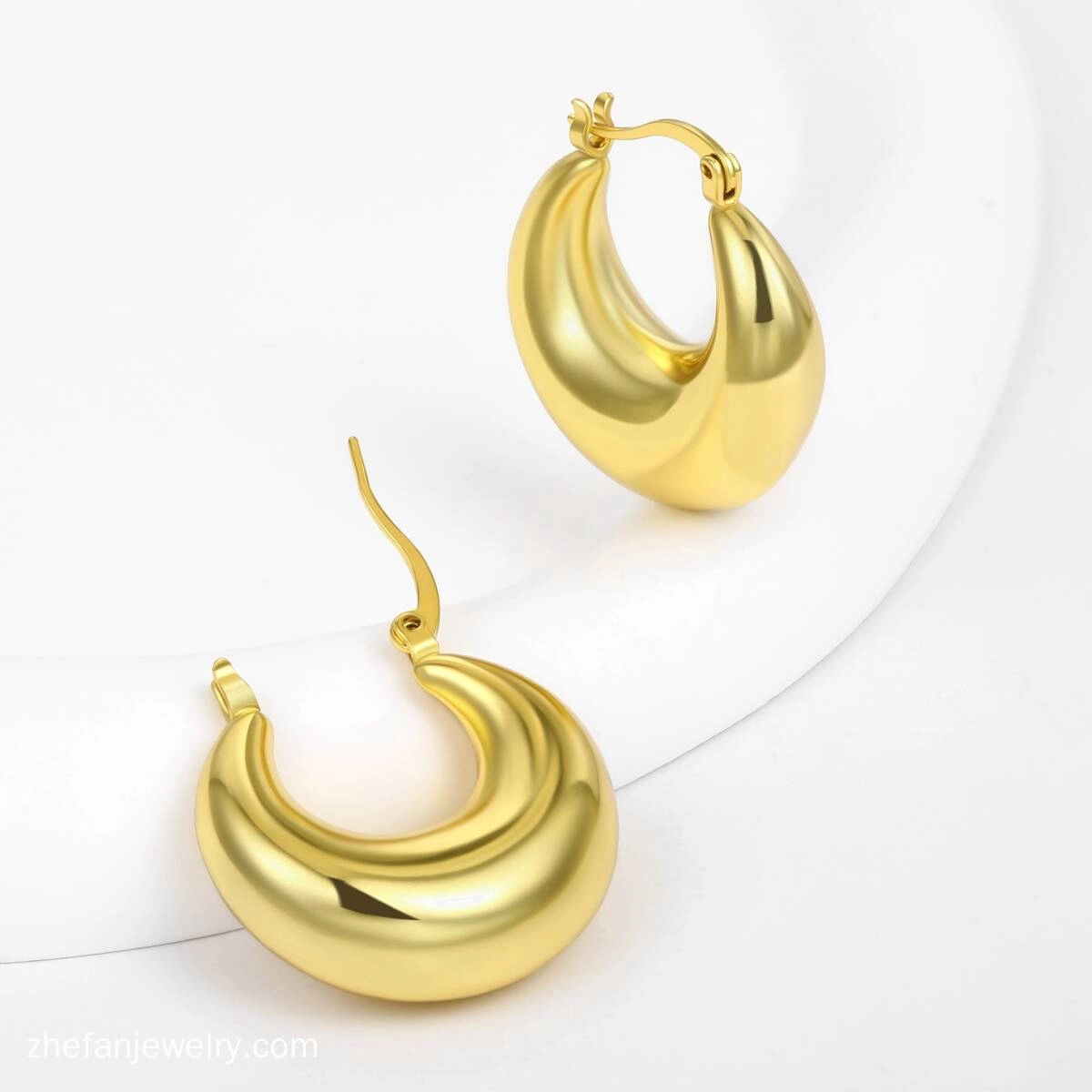
Launch Your Brand: A Guide to Sourcing Custom Wholesale Brass Huggie Earrings
How to Choose a Custom Ring Manufacturer: 10 Critical Questions for Maximum Quality (2026 Guide)
Zhefan Jewelry Will Attend Hong Kong Jewelry Fair
How to Choose the Right Jewelry for Your Skin Tone
Prdoucts Categories
FAQ
Products
Do you offer free sample for quality check?
Sample order is welcome, but sample fee need to be paid. It will be deducted when you place an bulk order.
What services can we provide?
Accepted Delivery Terms: FOB, CIF, EXW, Express Delivery;
Accepted Payment Currency: USD, EUR, JPY, CAD, AUD, HKD, GBP, CNY, CHF;
Accepted Payment Type: T/T, L/C, MoneyGram, Credit Card, PayPal, Western Union, Cash, Escrow;
Language Spoken: English, Chinese, Spanish, Japanese, Portuguese, German, Arabic, French, Russian, Korean, Hindi, Italian.
FAQs
How long does it take for the product to fade?
The normal electroplating quality color retention time of our products is 5 times longer than the market, and the thicker electroplating can retain color for three years.
Can we visit your factory?
Yes, pls contact seller to arrange meeting, we will pick you up to our factory.
What’s the shipment method?How long does it take for delivery?
Our product distributed to all over the world. Shipped by DHL/Fedex/ TNT/UPS takes 3-7 days,Epacket takes 7-15 days, China Post takes 15-30 days.
Can I have your product catalog?
Yes, please leave us a message what style jewelry catalog you need.
Discuss Your Ideas with a Professional Custom Jewelry Manufacturer
We provide personalized jewelry customization services for clients worldwide.
Rest assured that your privacy is important to us, and all information provided will be handled with the utmost confidentiality.
By clicking 'Send Inquiry Now' I agree to ZHEFAN JEWELRY processing my personal data.
To see how to withdraw your consent, how to control your personal data and how we process it, please see our Privacy Policy and Terms of use.
From design to production, ZHEFAN JEWELRY offers a one-stop solution to help you enhance your brand value and market competitiveness.
Get A Quote
Contact
Tel: (+86) 188 1927 7817
© 2026 Zhefan Jewelry. All Rights Reserved.
Facebook
Instagram
YouTube
Whatsapp: +8618819277817