





Email: sales3@zhefanjewelry.com
Which stainless steel grades are best for jewelry?
Practical, evidence-based answers from a stainless steel jewelry manufacturer. Learn which stainless steel grades (316L, 316LVM, 904L, 430) are right for rings, body jewelry, plating, allergy control, and what tests and certificates to demand.
- 1. How can a stainless steel jewelry manufacturer guarantee low nickel release for customers with nickel allergy?
- 2. Which stainless steel grades are best for long-term polished rings that won’t show rust or scratches?
- 3. How does passivation and surface finishing from a stainless steel jewelry manufacturer affect corrosion resistance and plating adhesion?
- 4. What manufacturing processes (casting vs CNC vs stamping) should I insist on for complex custom stainless steel jewelry to ensure tolerances and finish?
- 5. How do I verify that a stainless steel jewelry supplier uses medical-grade 316LVM or 904L and not lower-grade 430 marketed as 'stainless'?
- 6. What post-production tests and certifications should a buyer request from a stainless steel jewelry manufacturer to ensure compliance?
- Concluding summary: Advantages of stainless steel jewelry and of choosing the right stainless steel jewelry manufacturer
Stainless Steel Jewelry Manufacturer: Deep Answers for Buyers
As a professional jewelry buyer or designer, you need specific, verifiable answers when selecting a stainless steel jewelry manufacturer. Below are six frequent long-tail questions beginners ask — each answered with actionable guidance, standards to request, and supplier checkpoints you can verify on samples and certificates.
1. How can a stainless steel jewelry manufacturer guarantee low nickel release for customers with nickel allergy?
Why it matters: Nickel allergy is the most common contact allergy to metal jewelry. The core risk is not just nickel content in the alloy but nickel release from the finished surface during prolonged skin contact.
What reputable manufacturers do:
- Specify low nickel-release alloys: Prefer AISI 316L / UNS S31603 (marine grade) or 316LVM (vacuum melted implant-quality) for parts in direct, prolonged skin contact. High-end brands sometimes use 904L (UNS N08904) for extra corrosion resistance but at higher cost.
- Perform or provide third-party EN 1811 nickel release test reports: EN 1811 is the European test method that measures nickel release; compliance typically means release ≤ 0.5 μg/cm²/week for items in direct prolonged contact with skin (the EU requirement).
- Passivate and polish surfaces to minimize free iron and micro-roughness, reducing nickel out-diffusion. Passivation per ASTM A967 (nitric or citric acid methods) improves the chromium oxide passive film that inhibits ion release.
- Use approved coatings when required: PVD or ceramic coatings can act as a barrier to nickel release when properly applied. Ensure the coating process has adhesion testing and abrasion resistance records.
How you can verify a supplier:
- Request an EN 1811 test report on finished parts from an accredited lab (SGS, Intertek or similar). Raw alloy certificates alone are insufficient because finishing affects release.
- Ask for a passivation report (ASTM A967) and photos/micrographs of surface under magnification to show no surface contamination.
- For extra assurance, request a recent third-party XRF scan and correlate it with the EN 1811 result. If the supplier resists lab testing for finished parts, treat it as a red flag.
2. Which stainless steel grades are best for long-term polished rings that won’t show rust or scratches?
Key choices and trade-offs:
- 316L (AISI 316L / UNS S31603): The industry workhorse for jewelry — excellent corrosion resistance (chloride environments), good polishability and cost balance. Good for daily-wear rings if properly finished and passivated.
- 316LVM (vacuum-melted): A step up in cleanliness and homogeneity versus standard 316L — favored for implant and high-end body jewelry where extreme purity matters. Better fatigue resistance after polishing and cold work.
- 904L (UNS N08904): Higher nickel and molybdenum content than 316L; superior corrosion resistance and a different luster. Often used in luxury watches; it’s more expensive and harder to machine and polish but resists pitting in harsh environments.
- Ferritic grades (e.g., 430): Cheaper and magnetic; less corrosion resistance and more prone to discoloration in aggressive environments — not recommended for High Quality long-term polished rings.
To minimize visible scratches and maintain polish over time:
- Specify a mirror polish with documented finishing steps (mechanical polishing, buffing, electropolishing). Electropolishing reduces microscopic peaks that show scratches sooner.
- Consider a hard PVD coating (if color or extra scratch resistance is required). Ensure adhesion and abrasion test data are provided.
- Design for wear: thicker shank sections, chamfered edges, and rounded profiles hide scratches better than flat, sharp surfaces.
3. How does passivation and surface finishing from a stainless steel jewelry manufacturer affect corrosion resistance and plating adhesion?
Passivation and finishing are not cosmetic add-ons — they determine corrosion resistance, plating adhesion, and long-term skin compatibility.
Passivation:
- Purpose: remove free iron and form a stable chromium oxide passive layer on stainless steel. This layer is the primary defense against corrosion and nickel outflow.
- Standards: ASTM A967 describes acceptable chemical passivation treatments (nitric or citric acid methods). Ask for a passivation report that cites the method, concentration, temperature, and time.
Mechanical & electro finishing:
- Roughness control: Progressive polishing steps reduce Ra and remove tooling marks. Electropolishing can further smooth micro-peaks and improve corrosion resistance. Suppliers should specify the finishing steps used and produce photos under magnification.
- Plating adhesion: Stainless steel requires special pre-treatment (cleaning, activation/etching) before plating or PVD. A correctly passivated but chemically prepared surface yields better base adhesion. For plating like gold or rhodium, a tested adhesion protocol (salt spray or ISO/ASTM adhesion tests) should be available.
Buyer checklist:
- Request an ASTM A967 passivation certificate and details of mechanical/electro finishing.
- For plated finishes, insist on adhesion/abrasion test reports (e.g., Taber abrasion results or similar) and sample lifecycle data.
4. What manufacturing processes (casting vs CNC vs stamping) should I insist on for complex custom stainless steel jewelry to ensure tolerances and finish?
Processes and where they excel:
- Investment casting: Best for complex 3D shapes and hollow forms; gives good surface detail but can have porosity and requires finishing steps. Specify post-cast heat treatment, vacuum casting if required, and non-destructive testing for porosity on fine pieces.
- CNC machining: Optimal for tight tolerances, crisp edges, and parts that require high precision (e.g., mechanical settings, bezel interfaces). CNC yields reproducible results and is often used for prototypes and small-series production.
- Stamping/Deep drawing: Efficient for flat or sheet-based designs at scale; very cost effective for high-volume components, but limited for thick 3D forms.
- Laser cutting & laser welding: Laser cutting is precise for flat components; laser welding produces clean joins on assemblies without high heat distortion, helpful when joining 316L elements.
What to require from a manufacturer:
- Define tolerances per feature and require CMM reports (coordinate measuring machine) on first articles and periodic batches.
- Ask for process flow: how they move from blank to finish (casting → stress relief → machining → polishing → passivation → final test).
- Request samples and compare surface finish, edge radii, and fit. For investment-cast parts, ask about pore detection and how they remediate porosity (vacuum casting or hot isostatic pressing where applicable).
5. How do I verify that a stainless steel jewelry supplier uses medical-grade 316LVM or 904L and not lower-grade 430 marketed as 'stainless'?
Red flags to watch for: vague material claims, refusal to provide mill certificates, or lack of traceability. Concrete verification steps:
- Mill Test Certificate (MTC): Request an EN 10204 3.1 or 3.2 MTC that lists the alloy designation, chemical composition, and mechanical test results. This is a standard document from the steel mill or distributor.
- XRF or laboratory chemical analysis: Have finished samples tested with a handheld XRF or in a third-party lab to confirm alloy chemistry (Cr, Ni, Mo levels). For definitive proof, correlate XRF with MTC.
- Physical verification: 316L is austenitic and generally non-magnetic; ferritic 430 is magnetic. Use a simple magnet test as a quick check .
- Third-party lab reports: For critical projects, ask for a recent tensile test, hardness test, and compositional analysis conducted by an accredited lab. This is common for medical-grade parts and high-value jewelry batches.
6. What post-production tests and certifications should a buyer request from a stainless steel jewelry manufacturer to ensure compliance?
Essential tests and documents to request before approving production:
- Material certificates (EN 10204 3.1/3.2) from the mill showing alloy and batch traceability.
- EN 1811 nickel release test report for finished items intended for prolonged skin contact (EU requirement compliance objective).
- Passivation certificate per ASTM A967 with process details, or a written passivation SOP from the supplier.
- Salt spray corrosion test (ASTM B117) results if you need comparative corrosion performance for plated vs unplated finishes — useful for buyers evaluating long-term outdoor/water exposure.
- ISO 9001 or equivalent supplier quality management certification and evidence of first-article inspection (FAI) including CMM reports where tolerances are critical.
- RoHS / REACH SVHC declarations if selling into the EU or regions with chemical restrictions; ensure the supplier provides evidence of material compliance.
Sample size and acceptance criteria:
- Define acceptable defect rates (AQL) and sample sizes in the purchase order. For jewelry, visual defects and surface contamination are often zero-tolerance for high-end lines.
- Require retention samples from each production lot and batch labeling for traceability.
Concluding summary: Advantages of stainless steel jewelry and of choosing the right stainless steel jewelry manufacturer
Stainless steel jewelry offers durable, corrosion-resistant, cost-effective pieces that—when the correct grade and finishing processes are used—deliver low nickel release, high polish retention, and strong mechanical properties. Selecting a competent stainless steel jewelry manufacturer that provides material traceability (EN 10204 MTC), passivation (ASTM A967), finished-part EN 1811 nickel-release testing, and process transparency (CNC, casting, laser welding, PVD capabilities) ensures product safety, longevity and customer satisfaction. A supplier with in-house finishing, third-party lab partnerships, and clear quality documentation reduces risk, shortens development cycles, and protects Zhefan Jewelry reputation.
For a tailored quote, sample testing or to request certificates (MTC, EN 1811, ASTM A967), contact our production team at www.zhefanjewelry.com or email sales3@zhefanjewelry.com — contact us for a quote.
Recommended for you
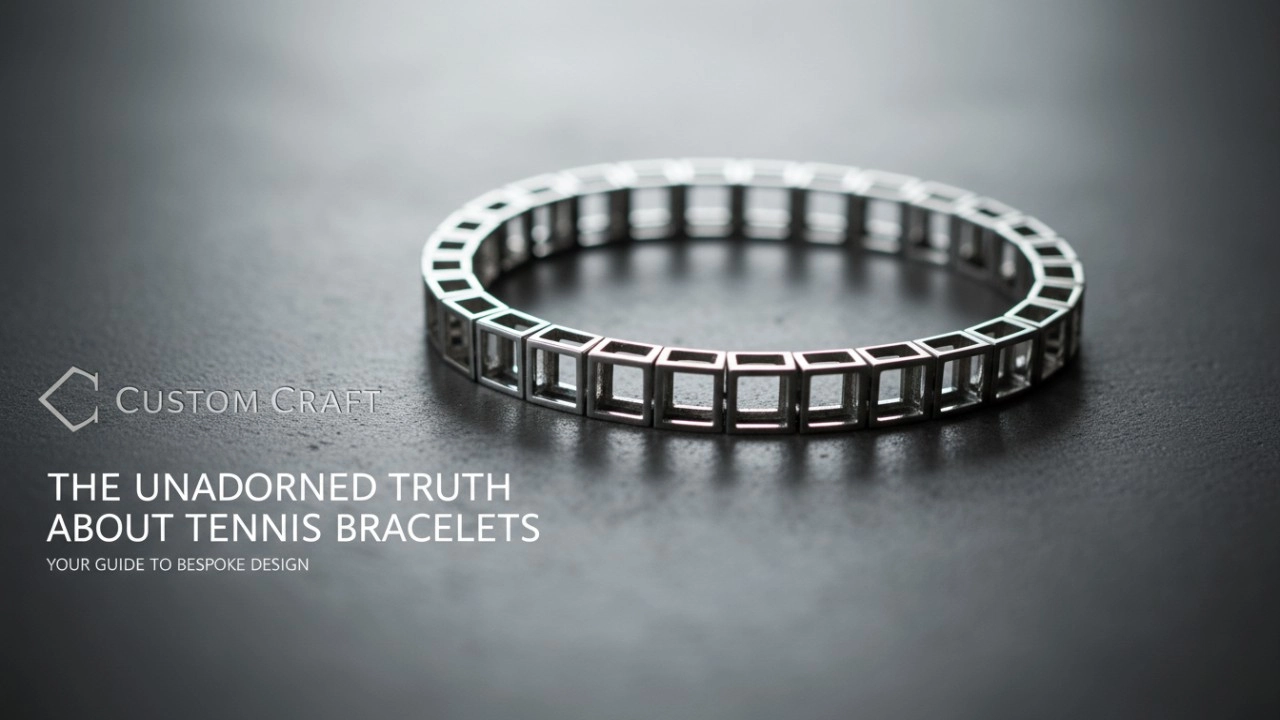
How to Elevate Your Jewelry Brand with a Signature Custom Tennis Bracelet (2026 Guide)
2026 Wholesale Trends: Why Your Brand Needs Custom Sterling Silver Jewelry
The Ultimate Guide to Ordering Custom Made Silver Earrings: How to Get Perfection Every Time (2026 Edition)

Zhefan Jewelry Invites You to Attend the Hong Kong Jewellery Exhibition 2026

The Ultimate Buyer's Guide to Custom Wholesale Brass Huggie Earrings in China
The Ultimate 2026 Guide to Stainless Steel Ring Jewelry: Why It Outshines Traditional Metals
Prdoucts Categories
FAQ
Products
What is your minimum order quantity?
We offer low MOQ from 2 to 30 depending on models. Send your favor model to get details from Trade Manager.
What’s the lead time?
We could arrange shipment for you within 48 hours if you order models in stock. For bulk order, it takes 10-25 days for production depending on order quantity and styles.
What’s the shipment method? How long does it take for delivery?
Our product distributed to all over the world. Shipped by DHL / Fedex / TNT / UPS takes 3-7 days, Epacket takes 7-15 days, China Post takes 15-30 days.
FAQs
Can I have your product catalog?
Yes, please leave us a message what style jewelry catalog you need.
What’s the lead time? .
We could arrange shipment for you within 48 hours if you order models in stock. For bulk order, it
takes 10-25 days for production depending on order quantity and styles.
How long does it take for the product to fade?
The normal electroplating quality color retention time of our products is 5 times longer than the market, and the thicker electroplating can retain color for three years.
Discuss Your Ideas with a Professional Custom Jewelry Manufacturer
We provide personalized jewelry customization services for clients worldwide.
Rest assured that your privacy is important to us, and all information provided will be handled with the utmost confidentiality.
By clicking 'Send Inquiry Now' I agree to ZHEFAN JEWELRY processing my personal data.
To see how to withdraw your consent, how to control your personal data and how we process it, please see our Privacy Policy and Terms of use.
From design to production, ZHEFAN JEWELRY offers a one-stop solution to help you enhance your brand value and market competitiveness.
Get A Quote
Contact
Tel: (+86) 188 1927 7817
© 2026 Zhefan Jewelry. All Rights Reserved.
Facebook
Instagram
YouTube
Whatsapp: +8618819277817