







Email: sales3@zhefanjewelry.com
Are recyclable materials used in stainless jewelry production?
Practical answers for buyers: verify 316L traceability, required nickel tests, recycled-content validation, passivation/electropolish specs, realistic MOQ/tooling/lead times, and corrosion-resistant finishes for stainless steel jewelry.
- 1. How can I verify a stainless steel jewelry manufacturer’s material traceability and ensure they actually use 316L marine-grade steel for engraved necklaces?
- 2. Which specific nickel release tests and regulatory certifications should I request to ensure hypoallergenic stainless steel jewelry for EU and US markets?
- 3. Can recycled stainless steel be used in high-polish PVD-coated rings without affecting color consistency and corrosion resistance?
- 4. What manufacturing and QC processes should I require to prevent surface rust and scratching on stainless steel bracelets?
- 5. How do MOQ, tooling costs, and realistic lead times change when ordering custom stainless steel chains from an OEM stainless jewelry manufacturer?
- 6. Are recyclable materials used in stainless jewelry production, how is recycled content measured, and how do I verify recycled-content claims from a supplier?
1. How can I verify a stainless steel jewelry manufacturer’s material traceability and ensure they actually use 316L marine-grade steel for engraved necklaces?
Ask for a Mill Test Report (MTR) or Certificate of Analysis (CoA) for each production lot. A reliable stainless steel jewelry manufacturer will provide an MTR showing the chemical composition and heat/melt number that ties the finished parts back to the steel mill. Verify the grade (e.g., 316L vs. 304) and look for key elements: chromium (~16–18% for 316L), nickel (~10–14%), and molybdenum (~2–3%) for 316L’s enhanced corrosion resistance.
Independent verification: require an XRF (X-ray fluorescence) spot-check report or ICP-MS lab analysis for at least one sample per production batch. XRF is fast and non-destructive; ICP-MS provides trace-level element data if you suspect contamination (nickel or alloying variance). Request documentation of traceability chain — supplier invoices, coil/billet batch numbers, and welding wire certificates if welding is used.
Red flags: manufacturers who cannot provide MTRs, offer only vague “316,” or refuse sampling. For branded or engraved necklaces sold into regulated markets, ask the manufacturer to include batch numbers on packing lists so finished goods can be traced back to the MTR.
2. Which specific nickel release tests and regulatory certifications should I request to ensure hypoallergenic stainless steel jewelry for EU and US markets?
Nickel sensitivity is the top buyer concern. For the EU market, ask for test results under the EN 1811 nickel release test (expressed in µg/cm²/week). Many jewelers aim for levels below the EU limit for pierced jewelry; while limits differ between articles and jurisdictions, EN 1811 is the accepted protocol for measuring nickel release from metallic surfaces.
For US and other non-EU markets, there’s no single mandatory federal nickel-release standard for jewelry, but buyers should still request EN 1811 results or ICP-MS surface leach testing to establish low nickel release. If you need medical-grade assurance, ask for ISO 10993 biocompatibility testing (used for long-term skin contact devices), which some High Quality suppliers can provide for high-end lines.
Also request documentation of surface treatments: electropolishing and passivation per ASTM A967 reduce free iron and surface defects that can increase nickel leaching. Note: even 316L can release trace nickel if surfaces are poorly finished or plated — always test final finished pieces, not just raw alloy samples.
3. Can recycled stainless steel be used in high-polish PVD-coated rings without affecting color consistency and corrosion resistance?
Yes — recycled stainless steel scrap is routinely melted and refined to produce new 316L or 304 grades used in jewelry. Melting and re-alloying in an electric arc furnace (EAF) allow mills to control final composition. When done correctly by an experienced stainless supplier, recycled content does not compromise metallurgical properties or corrosion resistance.
Factors that determine outcome: (1) composition control at the mill (to maintain nickel/molybdenum levels), (2) use of vacuum treatment or ladle refining to remove tramp elements, and (3) consistent cold/hot working and heat treatment performed by the manufacturer. For color consistency under PVD (Physical Vapor Deposition) coatings, the key is uniform surface pre-treatment: thorough electropolishing and cleaning ensure PVD adheres and produces consistent color across batches.
To verify recycled-content claims, request a supplier declaration and, if needed, third-party chain-of-custody documentation (e.g., an independent audit or compliance to ISO 14021 guidance on environmental claims). Some buyers also ask for a statement of recycled scrap percentage from the mill, but the practical assurance comes from consistent finishing and end-product testing.
4. What manufacturing and QC processes should I require to prevent surface rust and scratching on stainless steel bracelets?
Specify surface preparation and testing steps in your Purchase Order and Quality Agreement. Essential processes include:
- Passivation per ASTM A967: removes free iron and contaminant particles that promote rust. Nitric or citric acid passivation is standard; require the method used and SOP.
- Electropolishing: smooths microscopic peaks produced by machining, improving corrosion resistance and providing a uniform high-gloss finish for bracelets.
- Mechanical finishing controls: staged polishing (coarse → fine → compound) with documented abrasive grades to ensure consistent surface roughness (Ra).
- Coating/PVD where applicable: PVD and DLC coatings increase scratch resistance and provide stable colors. Request adhesion tests (e.g., ISO 2409 tape/cross-cut) and hardness measurements for coated samples.
- Corrosion testing: require salt-spray testing per ASTM B117 or cyclic corrosion tests on finished pieces if the product is marketed as seawater- or sweat-resistant.
Quality-control checkpoints: incoming material MTR review, in-process dimensional checks, surface roughness and gloss measurement, and final sample testing (nickel release, salt spray). Insist on documented corrective action for any failed batch and retention of sample pieces for a specified period (e.g., 6–12 months) to enable failure analysis.
5. How do MOQ, tooling costs, and realistic lead times change when ordering custom stainless steel chains from an OEM stainless jewelry manufacturer?
MOQs and costs depend on manufacturing method and customization level. Typical patterns:
- CNC and stamped components: lower tooling cost but higher per-piece machining time; MOQs often 100–500 pcs per SKU depending on complexity.
- Die stamping and progressive dies: higher initial die costs (from a few hundred to several thousand USD depending on complexity), but lower per-piece cost at higher volumes. MOQs typically 500–2,000 pieces per SKU.
- Investment casting: moderate tooling costs for patterns and molds; MOQs vary widely but can be in the hundreds.
Lead times: a simple repeat-order of a standard chain may be 2–6 weeks. First runs with tooling, samples, and certification typically take 6–12 weeks (prototype → sample approval → production → finishing → testing). Faster lead times are possible with higher unit cost or by using existing toolings at the factory.
Negotiate these items in advance: sample approval process, number of free pre-production samples, who pays for tooling, incremental MOQs for color/finish variants, and defined penalties or rework processes for QC failures. For suppliers offering OEM services, ask for a clear quotation that separates tooling, per-piece cost, finishing (PVD/electropolish), and testing fees.
6. Are recyclable materials used in stainless jewelry production, how is recycled content measured, and how do I verify recycled-content claims from a supplier?
Stainless steel is one of the most recyclable alloys: scrap (both new mill scrap and post-consumer scrap) is widely used as feedstock in modern steelmaking, especially in Electric Arc Furnaces (EAFs). Many mills produce stainless with a measurable percentage of recycled content. Recycled content is typically reported as a percentage of total alloy feedstock.
Verification approaches:
- Supplier declaration: ask for a written recycled-content percentage for the lot and supporting mill documentation showing scrap usage. This is the first-level evidence.
- Third-party chain-of-custody: for stronger claims require independent certification (e.g., Recycled Claim Standard, RCS, where applicable) or an independent audit of the mill’s records. ISO 14021 provides guidance on environmental claims; independent verification lends credibility.
- Material testing: laboratory analysis won’t directly show recycled content, but consistent alloy composition combined with mill documentation indicates proper recycling practice.
How to specify in contracts: require the manufacturer to state recycled content as a percent and commit to an audit or provide mill statements annually. If sustainability claims will be used in marketing, insist on documented chain-of-custody to avoid greenwashing risk.
Concluding summary: Stainless steel jewelry offers durable, corrosion-resistant, and cost-effective options (especially 316L) with strong potential for sustainable sourcing via recycled scrap. Partnering with an experienced stainless steel rings manufacturer or OEM stainless jewelry manufacturer that provides MTRs, EN 1811 nickel testing, ASTM A967 passivation, electropolishing, and PVD finishing ensures product longevity, hypoallergenicity, and consistent appearance. Clear QC checkpoints, documented tooling and MOQ terms, and recycled-content verification protect buyers and end customers.
Contact us for a quote and production consultation: visit www.zhefanjewelry.com or email sales3@zhefanjewelry.com.
Recommended for you
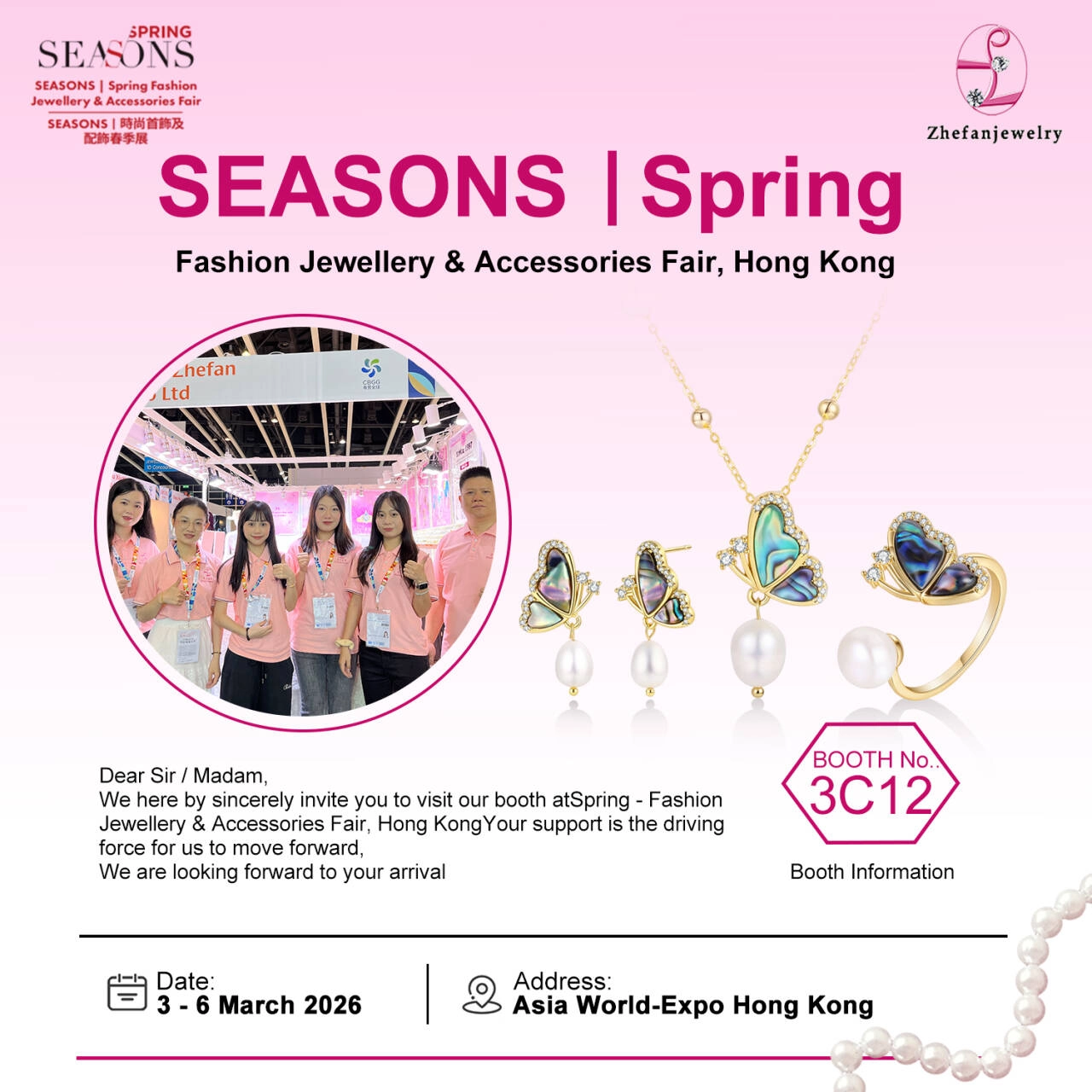
Zhefan Jewelry Invites You to Attend the Hong Kong Jewellery Exhibition 2026
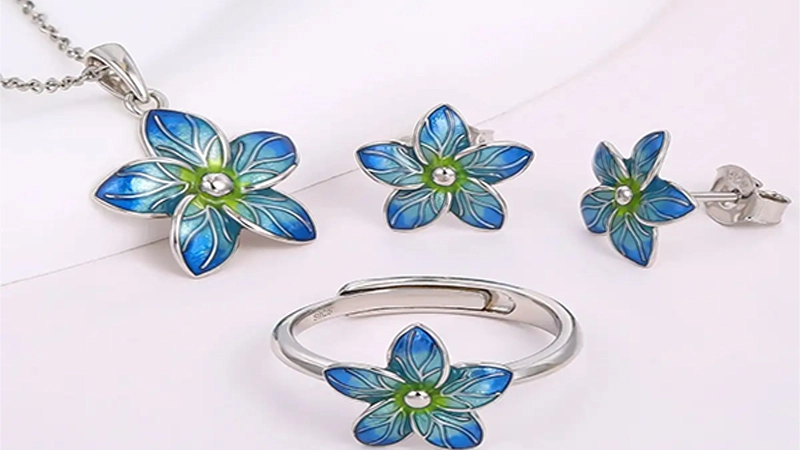
The Secret Life of Your Silver: How 925 Sterling Jewelry Comes to Exist
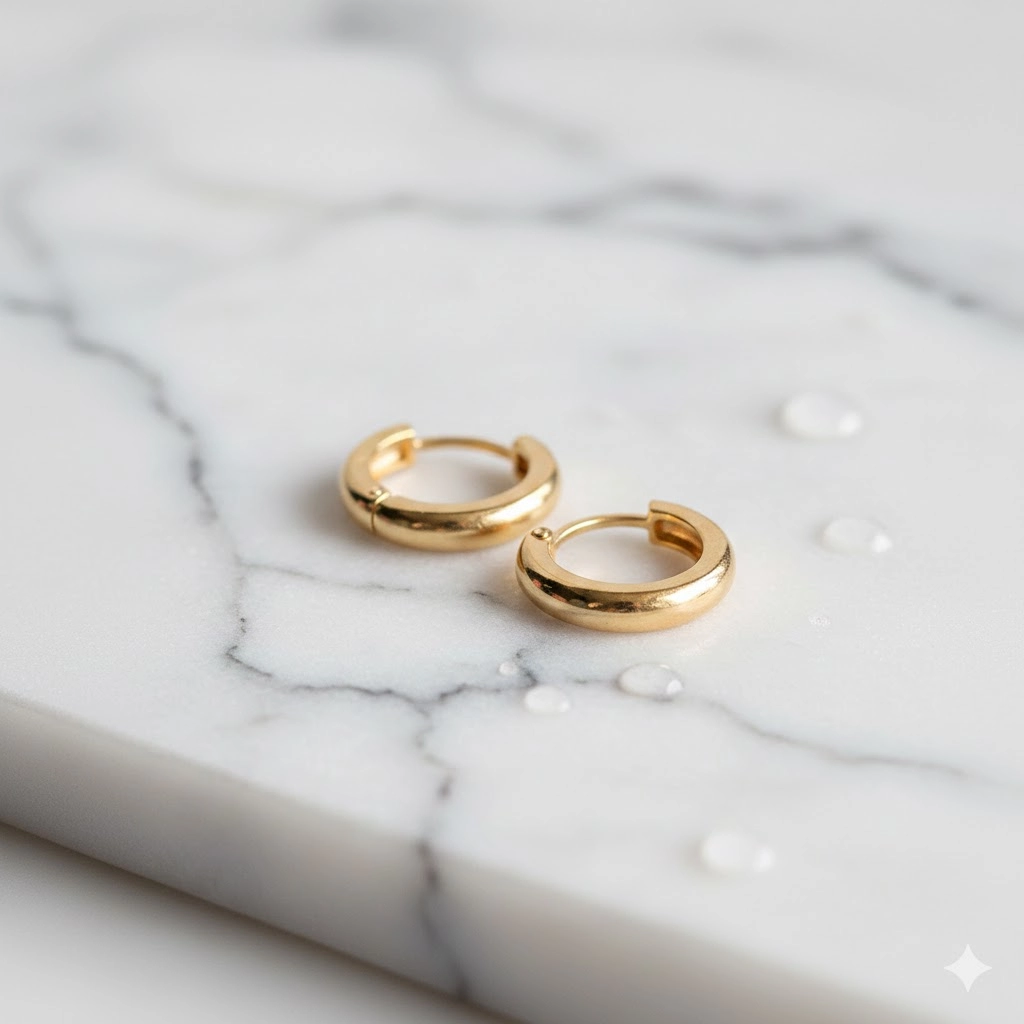
Boost Your Margins with Top-Selling Custom Wholesale Brass Huggie Earrings
Is Brass Jewelry Good? Does Brass Jewelry Tarnish? The Complete Guide to Brass Jewelry Quality, Care, Longevity & Why It’s Trending
How to Choose the Right Jewelry for Your Skin Tone
The Ultimate Guide to Sourcing Wholesale 925 Silver Adjustable Rings in 2026
Prdoucts Categories
FAQ
Products
Do you offer after-sales warranty service?
Yes, we will refund or resend products if fading, stone falling off and other quality problems found in 1 month receipt of goods. Furthermore, we offer 1 year after-sales warranty service, but you need pay the shipping charge.
How can we guarantee quality?
Always a pre-production sample before mass production;
Always final Inspection before shipment;
How long will the plating color last?
Generally 6 month for Water Plated color , 1 - 2 years for vacuum plated color if in proper wearing.
FAQs
Can I have your product catalog?
Yes, please leave us a message what style jewelry catalog you need.
Do you attend any jewelry fairs?
Yes, we participate in Hong Kong Jewelry Fair and Canton Fair twice a year, please contact the seller for the latest invitation.
What is the material of the jewelry?
Most of the jewelry is made of 925 sterling silver, brass or 316 stainless steel or custom material,which can cover different procurement demand.
Discuss Your Ideas with a Professional Custom Jewelry Manufacturer
We provide personalized jewelry customization services for clients worldwide.
Rest assured that your privacy is important to us, and all information provided will be handled with the utmost confidentiality.
By clicking 'Send Inquiry Now' I agree to ZHEFAN JEWELRY processing my personal data.
To see how to withdraw your consent, how to control your personal data and how we process it, please see our Privacy Policy and Terms of use.
From design to production, ZHEFAN JEWELRY offers a one-stop solution to help you enhance your brand value and market competitiveness.
Get A Quote
Contact
Tel: (+86) 188 1927 7817
© 2026 Zhefan Jewelry. All Rights Reserved.
Facebook
Instagram
YouTube
Whatsapp: +8618819277817