






Email: sales3@zhefanjewelry.com
Can I source eco-friendly wholesale brass rings? | Insights by Zhefan Jewelry
Practical guide for buyers: how to source eco-friendly wholesale brass rings with verified recycled content, lead- and nickel-safe finishes, low-impact plating, realistic MOQs and lead times, supplier audits without travel, and true end-of-life recyclability.
- 1) Can I source wholesale brass rings made from certified recycled brass with verifiable recycled-content percentages?
- 2) How can I ensure wholesale brass rings are truly low-allergen and nickel/lead-safe for EU and US markets?
- 3) What eco-friendly plating and sealing options exist for brass rings that avoid toxic wastewater and improve durability?
- 4) What realistic minimum order quantities, unit cost ranges, and lead times should I expect when ordering eco-friendly wholesale brass rings from reputable factories?
- 5) How do I verify a brass ring supplier’s environmental management and supply chain traceability without visiting factories?
- 6) Can recycled brass rings be recycled again after plating, and how does plating affect recyclability and end-of-life circularity?
- Concluding summary
Can I Source Eco-Friendly Wholesale Brass Rings? A Practical Buyer’s Guide
As jewelers and wholesale buyers prioritize sustainability, sourcing eco-friendly wholesale brass rings requires technical know-how beyond simple marketing claims. Below are six specific, buyer-focused questions beginners often ask but rarely find detailed, practical answers to. Each section explains what to request from suppliers, what tests and certificates matter, and step-by-step actions you can take to reduce risk while scaling.
1) Can I source wholesale brass rings made from certified recycled brass with verifiable recycled-content percentages?
Why it’s a pain point: Many suppliers claim recycled brass but don’t provide proof of recycled content or a chain-of-custody. Buyers need precise recycled-content percentages to meet corporate sustainability commitments or customer transparency requests.
How to verify:
- Request a material Certificate of Conformity (CoC) that specifies recycled content by weight (e.g., 70% recycled copper/zinc feedstock). Genuine suppliers will show the percentage or give a documented recycled-metal batch ID.
- Ask for supplier certification or chain-of-custody documentation from recognized schemes (for base metals this may include ISO 14001 environmental management, or supplier-specific recycling documentation). While formal recycled-metal labels are less standardized than for gold/silver, documented purchasing records from secondary metal recyclers are acceptable evidence.
- Use independent lab verification when needed: third-party elemental analysis (ICP-OES) can confirm metal composition and detect unexpected contaminants. XRF screening is a fast in-factory check to confirm consistent zinc/copper ratios typical for brass alloys.
- Request proof of feedstock origin for higher transparency: receipts or contracts showing purchase of recycled copper/zinc rather than new primary metal. Reprocessed brass is widely available; reusable brass is technically recyclable indefinitely.
Practical checklist to include in RFQ: recycled-content % required; CoC and batch IDs; ability to perform or accept ICP/OES or XRF testing; supplier environmental management documentation. If a supplier hesitates to provide this, treat the recycled claim as unverified.
2) How can I ensure wholesale brass rings are truly low-allergen and nickel/lead-safe for EU and US markets?
Why it’s a pain point: Allergens (nickel) and toxic metals (lead, cadmium) are regulated or cause retailer liability. Online info is often generic and lacks actionable testing steps.
Key steps and standards to request:
- Ask for specific test reports: nickel release testing (for nickel-sensitive markets such as EU) and lead/cadmium content tests. Reputable labs (SGS, Intertek, TÜV, Bureau Veritas) can provide these reports.
- Know regulatory triggers: in the EU, nickel release limits and other consumer-safety rules require testing of articles intended for prolonged skin contact. In the US, California’s Proposition 65 requires warnings for products with lead or cadmium above specified thresholds. Request lab reports that reference the test method used and the limits.
- Specify alloy and plating: modern jewelry-grade brass should be low-lead or lead-free. Ask for the exact alloy spec (e.g., CZ108/C360 equivalents) and lead content. For electroplating, request a nickel-free barrier or specify nickel-free plating if nickel allergy avoidance is required; also request plating thickness and a nickel-release test if nickel is present.
- Insist on accelerated wear testing results (simulated wear or salt spray/abrasion tests) to understand how plating will behave and whether base-metal exposure may occur over time, which can affect allergen exposure.
Actionable language for RFQs: Provide third-party lab test reports for nickel release, lead and cadmium content (include method, lab, date, and sample IDs). Confirm brass alloy spec and % lead by weight. If plated, provide plating stack details and plating thickness in microns.
3) What eco-friendly plating and sealing options exist for brass rings that avoid toxic wastewater and improve durability?
Why it’s a pain point: Traditional electroplating uses hazardous chemistries and produces wastewater; buyers want low-impact finishes that last for customers.
Practical plating/sealing choices to evaluate:
- PVD (Physical Vapor Deposition): a dry process producing durable, thin metal coatings with minimal liquid effluent. PVD finishes (gold-tone, titanium-based colors, black) are harder and more wear-resistant than standard wet electroplating and are increasingly available for fashion jewelry.
- Barrier and multiple-layer stacks: for brass base metals, a barrier (e.g., copper-free or nickel-free barrier) followed by inert plating (rhodium or PVD) and a final seal improves wear life and reduces base metal exposure. Ask suppliers for the full plating stack and for proof that they treat plating baths and wastewater per local environmental regulations (chemical consumption records, wastewater treatment certificates).
- Low-VOC clear lacquers and eco-friendly passivation: water-based lacquer coatings can reduce tarnish and provide a physical seal without heavy metal plating. These are less durable than PVD but may be acceptable for lower-cost lines and reduce hazardous waste streams.
- Supplier environmental practices: request evidence of proper wastewater treatment (local permits, waste treatment contractor records) and ask whether the factory uses best practices such as closed-loop rinse systems, wastewater neutralization, and chemical recycling.
What to ask suppliers for: plating method (PVD vs. electroplating), full plating stack, plating thickness, environmental permits/wastewater treatment evidence, and lab results for wear testing. Choosing PVD or well-documented, responsibly managed wet-plating with effective wastewater treatment improves both eco-credentials and product longevity.
4) What realistic minimum order quantities, unit cost ranges, and lead times should I expect when ordering eco-friendly wholesale brass rings from reputable factories?
Why it’s a pain point: Buyers often find inconsistent MOQ/pricing claims and are unsure how sustainability requirements affect cost and scheduling.
Typical expectations (practical guidance):
- MOQ: For custom brass ring SKUs, typical factory MOQs commonly range from 50–500 pieces per design. Simpler stamped or cut-and-form rings can be supplied at lower MOQs; cast or electroformed complex rings often require higher MOQs due to tooling costs.
- Samples: Expect sample fees and lead times. Prototype/sample availability often takes 7–21 days depending on complexity; expedited sample services may cost more.
- Lead times: Production lead times often range from 3–8 weeks after sample approval and payment, but this depends on finishing (e.g., PVD and elaborate plating add days). Seasonal demand and material sourcing (certified recycled brass) may add extra time—plan buffers into launch schedules.
- Cost considerations: Eco-friendly inputs (recycled feedstock, PVD, wastewater treatment compliance) increase per-unit cost relative to basic costume jewelry. Expect higher pricing for verified recycled-content brass and PVD finishes. Provide your budget range and ask suppliers for cost-breakdown: base metal, plating, finish, and any environmental compliance surcharge so you can compare quotes transparently.
Negotiation tips: Consolidate SKUs to reach volume pricing, agree on staggered deliveries, and request an itemized quotation that separates tooling, per-piece cost, packaging, and testing fees. For small brands trying to stay sustainable, many factories will accept lower MOQ for a High Quality or by combining several customers’ orders (consolidation).
5) How do I verify a brass ring supplier’s environmental management and supply chain traceability without visiting factories?
Why it’s a pain point: Travel may be costly or impossible, but buyers need confidence in environmental claims and product traceability.
Remote verification methods buyers should use:
- Request documentation: ISO 14001 (environmental management) and ISO 9001 (quality) certificates, wastewater treatment permits, and recent third-party audit reports. While not every supplier will have ISO 14001, it’s a strong signal when present.
- Third-party inspection and audit: hire reputable inspection firms (SGS, Intertek, Bureau Veritas) to conduct supplier audits and on-site checks and provide photo/video evidence, worker interviews, and verification of workplace practices.
- Material and lab testing: require batch CoCs, XRF spot checks, and third-party lab testing (ICP-OES) on production samples to confirm composition and absence of restricted substances. Independent laboratory reports are high-trust evidence buyers can rely on without visiting the factory.
- Supplier transparency tools: request factory production photos, video walkthroughs, process videos, and traceability documentation that shows where raw metal is purchased. Ask for supplier references from other international buyers and verified transactions.
- Contracts and penalties: include contract clauses requiring compliance with agreed environmental practices and allow sample testing; specify remedies if products fail tests (replacement, refund).
Practical step sequence: 1) Ask for certificates and CoCs up front; 2) commission a third-party inspection/audit (video + report); 3) obtain independent lab testing of pre-shipment samples; 4) include contractual quality and sustainability clauses. This combination gives a high level of assurance without a physical visit.
6) Can recycled brass rings be recycled again after plating, and how does plating affect recyclability and end-of-life circularity?
Why it’s a pain point: Buyers promoting circularity need to know whether plated brass can be recycled and whether plating contaminants complicate downstream recycling.
Key realities and practical advice:
- Brass metal itself is highly recyclable and can be re-melted indefinitely. The copper and zinc in brass are valuable to secondary smelters, which makes brass widely recycled in metal recycling streams.
- Plating complicates but does not make recycling impossible. Plated brass (gold-tone, rhodium, PVD, lacquered) can be processed by scrap metal recyclers; during melting and refining, surface coatings are burned off or removed and valuable base metals are recovered. The economic value of the recovered brass helps ensure it enters the recycling stream rather than landfill.
- However, some plating chemistries and coatings introduce contaminants—certain passivation layers, lacquer polymers, or heavy plating metals in large volumes can complicate processing. The practical implication: choose plating and coatings that recyclers recognize as manageable (e.g., common gold-tone plating, rhodium, PVD). Avoid experimental or unknown polymer coatings if end-of-life recycling is a priority.
- Ask recyclers about acceptability: if circularity is core to Zhefan Jewelry promise, speak with local or regional metal recyclers to confirm they accept plated brass jewelry. For high-recycled-content claims, document how your post-consumer or production scrap is collected and returned to certified scrap processors.
Takeaway: plated recycled brass rings are still recyclable; selecting conventional, well-documented plating and creating a take-back or recycling program will materially improve circularity and provide stronger sustainability claims.
Concluding summary
Sourcing eco-friendly wholesale brass rings is fully achievable but requires clear requests for documentation, specific testing, and supplier transparency. Prioritize verified recycled content, third-party testing for nickel/lead safety, low-impact finishing methods (PVD or responsibly managed electroplating), and contractual protections for quality and environmental compliance. These steps reduce regulatory and reputational risk while improving product durability and circularity.
Advantages of sourcing verified eco-friendly wholesale brass rings include lower lifecycle environmental impact, stronger consumer trust, fewer regulatory surprises, and potential cost-savings from durable finishes and scrap-metal recovery. If you need supplier verification, accredited testing, or a quote for custom eco-friendly brass rings, contact us for a tailored proposal.
Contact for quotes: www.zhefanjewelry.com • sales3@zhefanjewelry.com
Recommended for you
What is Zircon Jewelry?-The Ulimate Guide
Is Stainless Steel a Good Type of Jewelry? Pros, Cons, and Why Brands Choose Stainless Steel Jewelry
Boost Your Margins with Top-Selling Custom Wholesale Brass Huggie Earrings
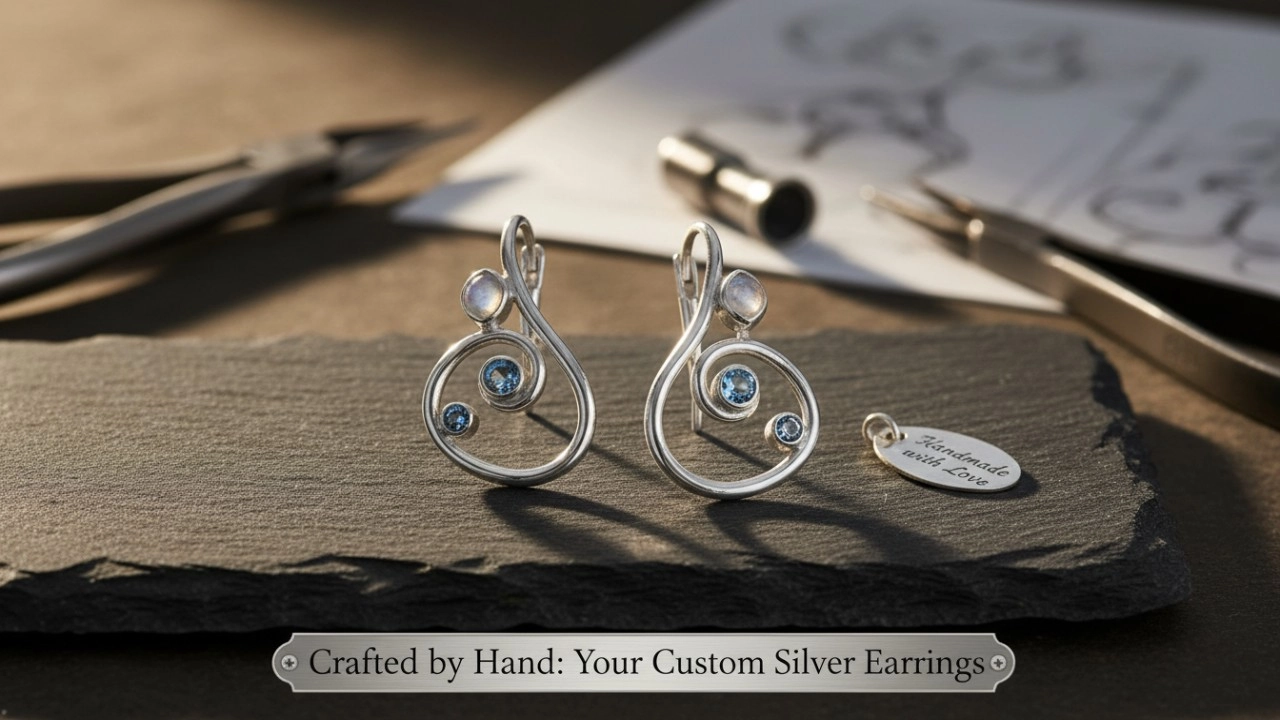
The Ultimate Guide to Ordering Custom Made Silver Earrings: How to Get Perfection Every Time (2026 Edition)
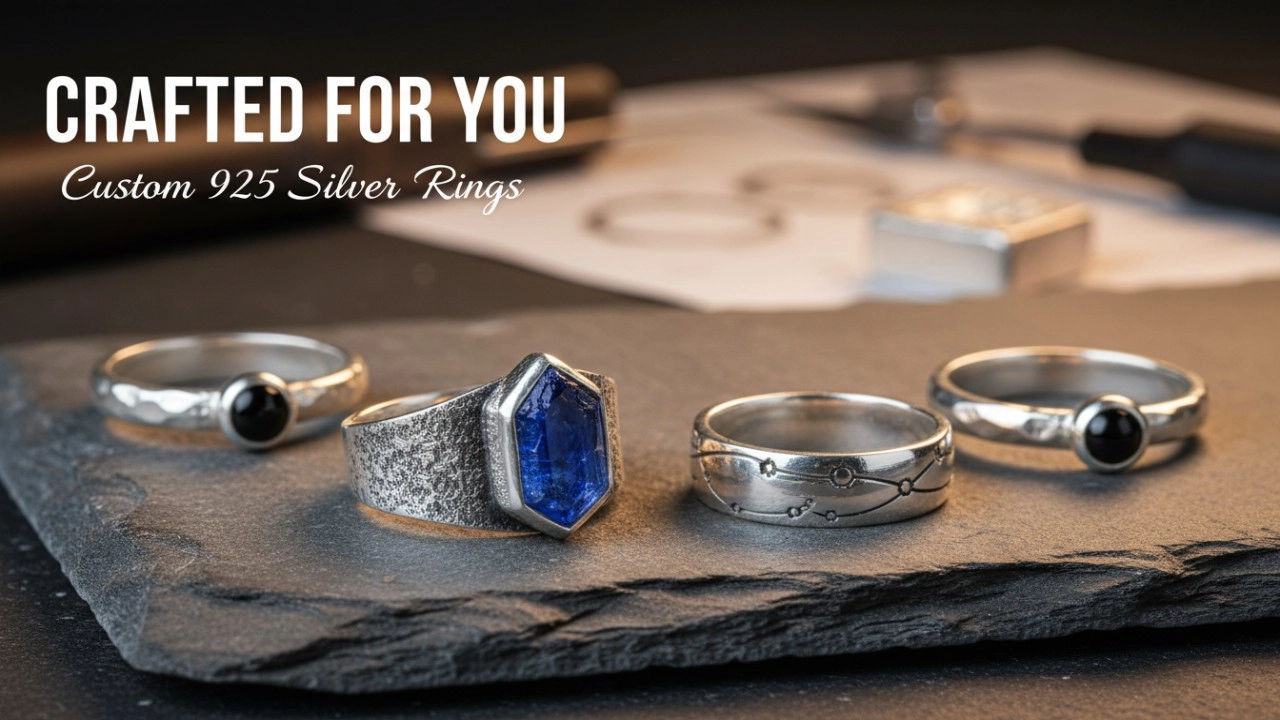
Why Custom 925 Silver Rings Are the Perfect Sustainable Luxury Gift (Compared to Gold)
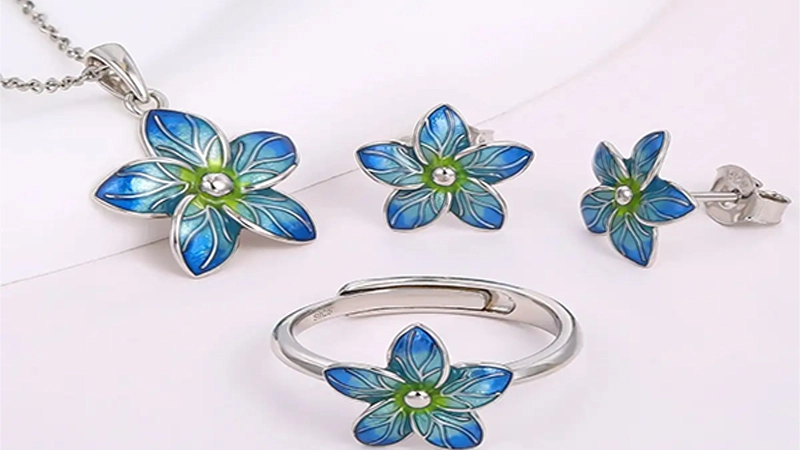
The Secret Life of Your Silver: How 925 Sterling Jewelry Comes to Exist
Prdoucts Categories
FAQ
Products
Can you engrave my logo on the jewelry ?Do you supply OEM/ODM service?
Yes. Custom logo and OEM/ODM are both accepted.Our factory specializes in jewelry manufacturing for 25 years.We can produce jewelry by your sample, design, pictures, even by an idea.Please feel free to contact us for more details. Custom order process: Inquiry-Confirm products details-Pay mold fee -Confirm CAD draft-Quote-Initial payment-Produce mold & sample-Confirm Sample-Mass production-Balance payment-Shipment-Track shipment-delivery.
How long will the plating color last?
Generally 6 month for Water Plated color , 1 - 2 years for vacuum plated color if in proper wearing.
What is the material of the jewelry?
Most of the jewelry is made of 925 sterling silver, brass or 316 stainless steel or custom material,which can cover different procurement demand.
What’s the shipment method? How long does it take for delivery?
Our product distributed to all over the world. Shipped by DHL / Fedex / TNT / UPS takes 3-7 days, Epacket takes 7-15 days, China Post takes 15-30 days.
Do you offer after-sales warranty service?
Yes, we will refund or resend products if fading, stone falling off and other quality problems found in 1 month receipt of goods. Furthermore, we offer 1 year after-sales warranty service, but you need pay the shipping charge.
FAQs
Do you attend any jewelry fairs?
Yes, we participate in Hong Kong Jewelry Fair and Canton Fair twice a year, please contact the seller for the latest invitation.
Discuss Your Ideas with a Professional Custom Jewelry Manufacturer
We provide personalized jewelry customization services for clients worldwide.
Rest assured that your privacy is important to us, and all information provided will be handled with the utmost confidentiality.
By clicking 'Send Inquiry Now' I agree to ZHEFAN JEWELRY processing my personal data.
To see how to withdraw your consent, how to control your personal data and how we process it, please see our Privacy Policy and Terms of use.
From design to production, ZHEFAN JEWELRY offers a one-stop solution to help you enhance your brand value and market competitiveness.
Get A Quote
Contact
Tel: (+86) 188 1927 7817
© 2026 Zhefan Jewelry. All Rights Reserved.
Facebook
Instagram
YouTube
Whatsapp: +8618819277817