






Email: sales3@zhefanjewelry.com
Can 925 silver bracelets receive rhodium plating for durability? | Insights by Zhefan Jewelry
Practical, industry-tested answers for buyers and makers: how rhodium plating interacts with 925 sterling silver bracelets, expected wear life, underplate choices, plating thickness, maintenance, and costs — plus production tips to maximize durability and hypoallergenicity.
- 1. Will rhodium plating on a 925 silver bracelet hide or damage the 925 hallmark and affect resale value?
- 2. How long will rhodium plating last on a 925 silver bracelet under daily wear, and what plating thickness ensures better durability?
- 3. Will rhodium plating prevent tarnish on 925 sterling silver bracelets made with high-copper alloys or lower-grade silver?
- 4. What underplate (barrier) should be used between 925 silver and rhodium to ensure adhesion and avoid nickel allergy risks?
- 5. Can rhodium plating be reliably applied to complicated bracelet designs (hollow, woven, with soldered seams) without weak points or flaking?
- 6. What maintenance, cleaning, and re-plating schedule should buyers expect for rhodium-plated 925 silver bracelets, and what are typical costs?
- Concluding summary — Advantages of Rhodium Plating on 925 Silver Bracelets
Can 925 Silver Bracelets Receive Rhodium Plating for Durability?
Rhodium plating is a common finishing choice to improve brightness, tarnish resistance, and scratch resistance on silver jewelry. Below are six specific, beginner-focused but industry-level questions about rhodium plating 925 sterling silver bracelets — each followed by an in-depth, practical answer drawing on plating practice, materials science, and maintenance guidance. Semantic keywords such as sterling silver, rhodium plating, plating thickness, electroplating, underplate, tarnish resistance, re-plating, and nickel allergy are used throughout to help both buyers and suppliers make informed decisions.
1. Will rhodium plating on a 925 silver bracelet hide or damage the 925 hallmark and affect resale value?
Short answer: No — rhodium plating does not remove the 925 hallmark or inherently reduce assay value, but it can mask the mark visually and, in some cases, affect perceived value depending on collector preferences.
Detailed explanation and guidance:
- Stamp integrity: The 925 hallmark is a physical stamp in the metal. Rhodium electroplating deposits a thin metallic layer (typically measured in microns) on top of the surface; it does not alter or remove the stamped impression beneath. When plating wears off, the stamp remains intact.
- Visual masking: A bright rhodium finish (a reflective white finish) can make hallmarks harder to read without magnification. For resale or appraisal, a jeweler can remove a small area of plating to reveal the mark or simply examine edges or inside surfaces that may be less plated during production.
- Perceived value vs. assay value: Assay value (material content) is unchanged. Some collectors prefer natural patina on sterling silver; for those buyers, rhodium-plated pieces may be less desirable. For mainstream consumers, the scratch- and tarnish-resistant look often increases perceived value and marketability.
- Production tip: If hallmark visibility is important, ask platers to avoid plating deeply recessed stamps or to leave the inside of a clasp or an inner link lightly masked. Alternatively, request a light plating (or a micro-mask over the stamp) so the mark remains legible while the exterior benefits from rhodium’s properties.
2. How long will rhodium plating last on a 925 silver bracelet under daily wear, and what plating thickness ensures better durability?
Short answer: Typical consumer wear life ranges from 6 months to 3+ years depending on thickness, contact areas, and lifestyle. A plating thickness of ~0.5–2.0 microns (500–2000 nm) balances cost and durability for bracelets; thicker deposits improve wear life but increase cost and may change detail definition.
Detailed explanation and expectations:
- Typical thickness ranges: In jewelry electroplating, commercial rhodium coatings commonly range from about 0.5 to 2 microns. For delicate pieces or where details must remain sharp, labs sometimes use thinner layers near 0.2–0.5 microns; for heavy-wear items (rings, bracelets) 0.8–2.0 microns is recommended to extend life.
- Wear-life factors: High-contact zones such as clasps, chain links, and the underside where the bracelet rubs the wrist wear faster. Daily-worn bracelets typically show first visible wear in 6–18 months at ~0.5–0.8 microns, while heavier 1–2 micron plating can last 2–4 years for many wearers before noticeable loss of sheen in high-contact spots.
- Environmental factors: Exposure to chemicals (chlorine, cosmetics, perspiration, household cleaners), abrasive surfaces, and frequent flexing accelerate plating loss. Rhodium resists tarnish chemically but is thin — mechanical abrasion is the primary failure mode.
- Practical recommendation: For a store-selling ready-to-wear bracelet intended for daily wear, specify at least 0.8–1.2 microns of rhodium in high-wear areas or consider selective thicker plating on contact zones. Always ask your plating shop for measured thickness (they should use XRF or coulometric stripping for quality control in production runs).
3. Will rhodium plating prevent tarnish on 925 sterling silver bracelets made with high-copper alloys or lower-grade silver?
Short answer: Rhodium plating significantly improves tarnish resistance on sterling silver regardless of copper content by creating a chemically inert surface, but base alloy quality still affects long-term outcomes if plating is compromised.
Detailed explanation and caveats:
- How plating prevents tarnish: Tarnish on sterling silver is a surface chemical reaction (typically silver sulfide formation). Rhodium is highly corrosion-resistant and does not react with sulfur compounds, so a continuous rhodium layer blocks the silver surface and prevents visible tarnish.
- Role of base alloy: All sterling silver is 92.5% silver + 7.5% other metals (usually copper). High-copper sterling or alloys with other reactive additives can cause internal migration of ions to the surface (e.g., copper bleeding) which can promote localized underplating discoloration if the rhodium coating is compromised. Proper cleaning and underplate preparation minimize this risk.
- Edge and scratch vulnerability: If the rhodium plating is scratched or wears through, the exposed silver/copper will tarnish and the contrast may be more noticeable than on unplated silver because the bright rhodium finish accentuates the darker tarnished spots once exposed.
- Manufacturing control: Ensure the workpiece is thoroughly cleaned, degreased, and bright-dipped before plating. Inconsistent finishing or trapped flux/contaminants under joints lead to early failure. For alloys suspected to have higher reactivity, add a thin barrier underplate (see Question 4) to reduce diffusion and improve adhesion.
4. What underplate (barrier) should be used between 925 silver and rhodium to ensure adhesion and avoid nickel allergy risks?
Short answer: For sterling silver, a copper flash followed by a palladium or silver strike is a common, safe adhesion approach; avoid nickel underplates for finished consumer jewelry unless the product is marked and sold for users without nickel sensitivity. Palladium underplates combine good adhesion with lower allergy risk but are more costly.
Detailed options and trade-offs:
- Copper underplate (low-cost): A thin copper flash (micro-layer) improves current flow and uniformity but can accelerate visible discoloration if rhodium fails. Copper is inexpensive and common in production.
- Palladium or silver strike (preferred for hypoallergenic finishes): A palladium strike followed by rhodium provides excellent adhesion and acts as a stable diffusion barrier without involving nickel. Palladium is a platinum-group metal and significantly reduces migration-related discoloration; it’s more expensive but chemically compatible with silver and rhodium.
- Nickel underplate (adhesion vs. allergy): Nickel gives excellent leveling and adhesion but introduces potential for nickel release and allergic reactions. EU and several national regulations strictly limit nickel release in jewelry intended for prolonged skin contact (e.g., REACH Annex XVII, EU Nickel Directive). Using nickel underplate can be risky for bracelets intended for markets with strict nickel release rules unless you guarantee the rhodium layer thickness and can certify nickel release tests (EN 12472 or EN 1811).
- Best practice: For retail sterling silver bracelets, specify a palladium or silver strike under the rhodium—not nickel—unless you’re producing fashion pieces where nickel is disclosed and compliance testing is performed. Request documentation from your plater on underplate chemistry and offer nickel-free certification where required.
5. Can rhodium plating be reliably applied to complicated bracelet designs (hollow, woven, with soldered seams) without weak points or flaking?
Short answer: Yes — but complex geometry requires tailored surface preparation, masking, and sometimes multiple plating steps. Hollow and woven constructions are more prone to early wear because of thin walls, movement-induced abrasion, and variable current distribution during electroplating.
Detailed production considerations and solutions:
- Electrical continuity and current distribution: Electroplating requires electrical contact. Hollow pieces or intricate woven bracelets can suffer from uneven current distribution causing thin spots. Platers use auxiliary anodes, rack designs, and plating aids (conductive paints or temporary copper attachments) to ensure even coverage.
- Internal cavities and hollow items: For hollow bracelets, ensure any internal pressure issues are addressed (venting during plating) and that the item is supported to avoid deformation. Internal surfaces may receive plating if electrically connected, sometimes leading to trapped solutions; professional platers have fixtures to manage this safely.
- Solder joints and seams: Areas around solder joints can be metallurgically different and may exhibit different plating behavior. Thorough cleaning and possibly selective thicker plating near joints improve durability. Avoid leaving flux residues; bright dips and ultrasonic cleaning are typical pre-plating steps.
- Woven/flexible designs: Flex points see higher abrasion. Consider specifying heavier plating in articulations or designing bracelets so high-wear components (clasps, link ends) are replaceable or built from harder alloys. Another strategy is partial plating—apply rhodium only to the visible surface while allowing inner links to remain unplated to reduce cost and maintain flexibility.
- Quality control: For production runs, require the plater to perform adhesion (tape) and thickness mapping tests, and inspect representative samples for continuity, flaking, and flex fatigue before approving full runs.
6. What maintenance, cleaning, and re-plating schedule should buyers expect for rhodium-plated 925 silver bracelets, and what are typical costs?
Short answer: Maintenance is minimal — avoid chlorine, harsh cleaners, and abrasives; clean gently with mild soap and soft cloth. Expect re-plating intervals from 6 months to several years depending on wear; consumer re-plating cost typically ranges $20–$80 per piece (retail, region-dependent).
Practical care and cost breakdown:
- Daily care: Remove bracelets before swimming, heavy cleaning, or applying lotions/perfumes. Wipe with a soft microfiber cloth after wear to remove oils and salts that can accelerate abrasive wear.
- Cleaning method: Use warm water, mild soap, and a soft brush for crevices. Do NOT use silver dips, baking soda scrubs, or ultrasonic cleaning if the piece is rhodium plated—these can abrade or chemically attack a thin rhodium layer. If unsure, ask the manufacturer for a recommended cleaning method.
- When to re-plate: Watch for loss of the bright white finish or darker spots at contact points. Many wearers re-plate when 10–30% of surface shows wear. For rings that receive the most friction, re-plating is more frequent; bracelets vary but usually need attention every 1–3 years depending on thickness defined at production.
- Cost estimates: Retail re-plating for a bracelet commonly ranges $20–$80 in North America/Europe; in some markets it can be lower ($10–$30) or higher depending on required cleaning, underplate work, or complexity. For manufacturers doing batch production, in-house re-plating per unit cost is often lower but requires capital equipment and quality-control staffing.
- Warranty and services: As a seller, consider offering a paid re-plating service or warranty (e.g., discounted re-plating within a defined period) to increase buyer confidence. Transparently communicate expected lifetime, recommended care, and the option for re-plating services.
Concluding summary — Advantages of Rhodium Plating on 925 Silver Bracelets
Rhodium plating on 925 sterling silver bracelets delivers a bright, white, tarnish-resistant finish and improved scratch resistance that appeals to mainstream consumers. Properly executed plating with the right underplate (palladium or silver strike preferred), measured plating thickness (commonly 0.5–2.0 microns for wear items), and rigorous surface preparation will maximize adhesion and longevity. Be mindful of design-specific issues—hollow items, woven links and high-flex areas need special fixturing and potentially thicker or selective plating. Avoid nickel underplates for skin-contact jewelry unless nickel compliance testing and disclosure are in place. Finally, educate end users on gentle cleaning and offer re-plating services to extend product lifetime and customer satisfaction.
For a production quote, plating specifications, or to discuss nickel-free underplate options and measured thickness requirements, contact us for a tailored solution and pricing. Visit www.zhefanjewelry.com or email sales3@zhefanjewelry.com for quotes and technical support.
Recommended for you
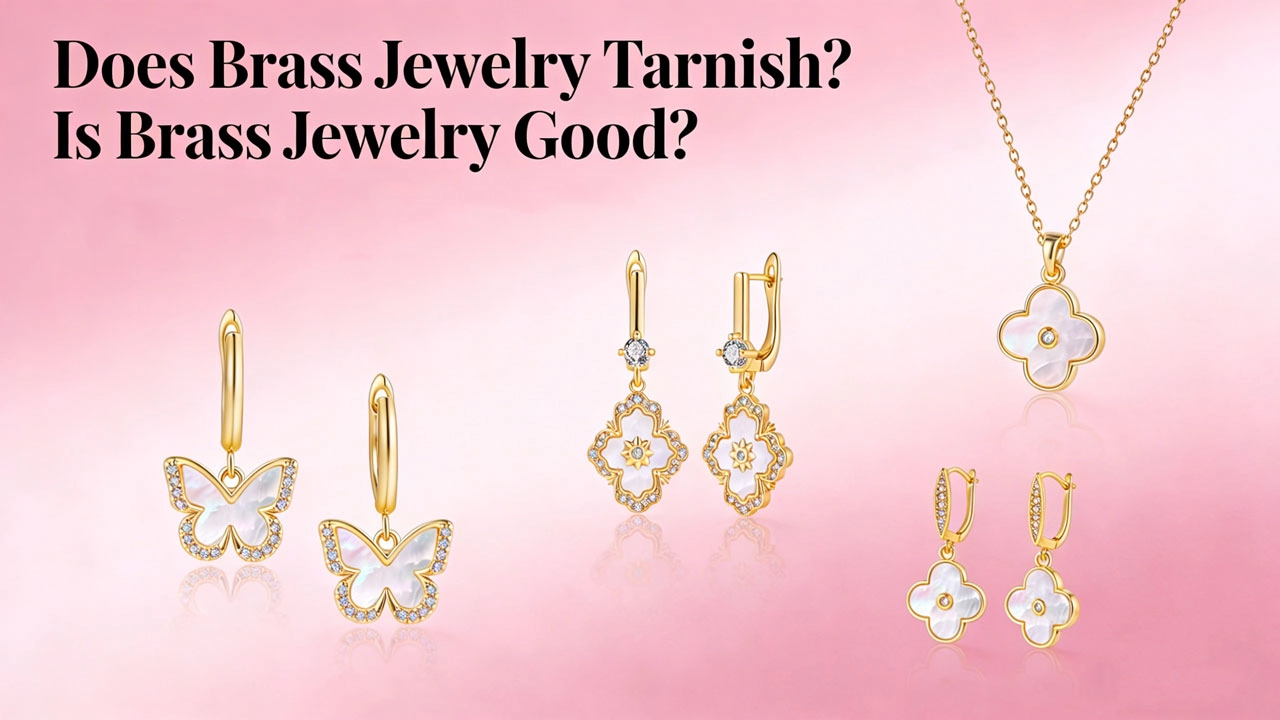
Does Brass Jewelry Tarnish? Is Brass Jewelry Good? Complete Guide from a Professional Jewelry Manufacturer
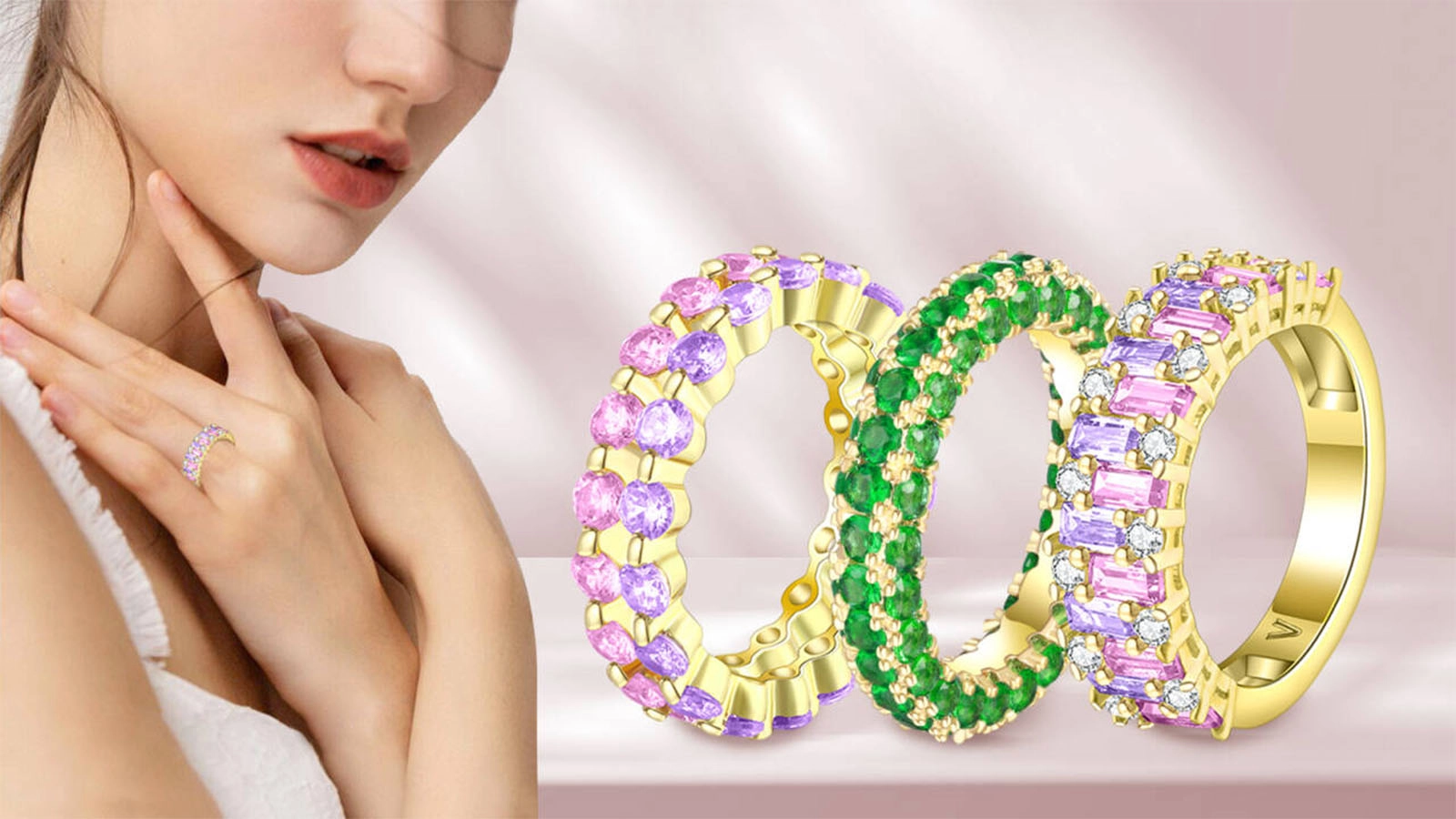
Choosing the Right Metal for Jewelry Making - Practical Guide
The Secret Behind Premium Quality: 7 International Standards for 925 Sterling Silver Rings
What is Zircon Jewelry?-The Ulimate Guide
The Ultimate 2026 Guide to Stainless Steel Ring Jewelry: Why It Outshines Traditional Metals
Is a Brass Necklace Good? The Honest Truth About Wear, Tarnish, and Quality
Prdoucts Categories
FAQ
Products
What's themonthly production capacity?
600,000 pcs per month.
What’s the shipment method? How long does it take for delivery?
Our product distributed to all over the world. Shipped by DHL / Fedex / TNT / UPS takes 3-7 days, Epacket takes 7-15 days, China Post takes 15-30 days.
FAQs
What is the material of the jewelry?
Most of the jewelry is made of 925 sterling silver, brass or 316 stainless steel or custom material,which can cover different procurement demand.
Can you engrave my logo on the jewelry ?Do you supply OEM/ODM service?
Yes. Custom logo and OEM/ODM are both accepted. Our factory specializes in jewelry manufacturing for 27 years.We can produce jewelry by your sample, design, pictures, even by an idea.Please feel free to contact us for more details. Custom order process:Inquiry-Confirm products details-Pay mold fee -Confirm CAD draft-Quote-Initial payment-Produce mold&sample-Confirm Sample-Mass production-Balance payment-Shipment-Track shipment-delivery.
Can I see your product test report?
Of course.Our product throught standar test like SGS.We test in many ways of product.
How long does it take for the product to fade?
The normal electroplating quality color retention time of our products is 5 times longer than the market, and the thicker electroplating can retain color for three years.
Discuss Your Ideas with a Professional Custom Jewelry Manufacturer
We provide personalized jewelry customization services for clients worldwide.
Rest assured that your privacy is important to us, and all information provided will be handled with the utmost confidentiality.
By clicking 'Send Inquiry Now' I agree to ZHEFAN JEWELRY processing my personal data.
To see how to withdraw your consent, how to control your personal data and how we process it, please see our Privacy Policy and Terms of use.
From design to production, ZHEFAN JEWELRY offers a one-stop solution to help you enhance your brand value and market competitiveness.
Get A Quote
Contact
Tel: (+86) 188 1927 7817
© 2026 Zhefan Jewelry. All Rights Reserved.
Facebook
Instagram
YouTube
Whatsapp: +8618819277817