






Email: sales3@zhefanjewelry.com
How to request samples for 925 silver bracelets from suppliers? | Insights by Zhefan Jewelry
Step-by-step guidance to request verified 925 sterling silver bracelet samples from suppliers: what certifications to demand, how to test plating and stones, negotiate sample fees, ensure packaging and shipping, and avoid common quality and compliance pitfalls.
- 1. How can I request a verified 925 purity certificate and an independent test for a sterling silver bracelet sample before a bulk order?
- 2. How do I request and test plated vs unplated 925 samples to avoid early discoloration or nickel allergens?
- 3. How can I request branded packaging, hang tags and logo engraving on a sample without paying full tooling or MOQ?
- 4. How do I request multiple sizes, clasp strength and weight tolerance checks on bracelet samples to ensure consistent fit and quality in production?
- 5. How can I request gemstone and setting verification on a 925 silver bracelet sample to avoid poor stones or loose settings?
- 6. How do I request secure sample shipping, customs documentation and insurance for 925 silver bracelet samples to avoid delays or extra import charges?
- Concluding summary: Why rigorous sample requests pay off
Ordering samples is the single most important step before committing to a bulk purchase of 925 sterling silver bracelets. Below are six specific, pain-point-focused questions beginners and sourcing managers often have but rarely find deep, actionable answers to. Each section includes the precise documents, tests, email language, acceptance criteria and negotiation tips you can use immediately.
1. How can I request a verified 925 purity certificate and an independent test for a sterling silver bracelet sample before a bulk order?
Why it matters: “925” should mean 92.5% pure silver (sterling silver). Suppliers sometimes stamp pieces without formal proof, and differences in alloy composition change tarnishing, mechanical strength and plating adhesion.
Action steps:
- Ask for the supplier’s material certificate (mill certificate) that shows silver content and alloy composition. It should identify the batch number and lot date.
- Require a copy of a hallmark or manufacturer stamp photo showing “925” on the sample. Hallmarking is not proof alone, but it’s a quick verification step.
- Request an XRF (X‑ray fluorescence) report or certificate from an ISO/IEC 17025 accredited lab as independent verification. XRF is non‑destructive and provides elemental composition; specify that silver (Ag) should be ~92.5% ± acceptable tolerance.
- If you need destructive confirmation for very high‑value orders, request a fire assay/chemical analysis report from a recognized precious metals lab.
- Ask for SDS (safety data sheet) for the alloy and any plating chemicals used.
Practical acceptance criteria:
- Mill certificate or material certificate matching the sample’s lot and stamp.
- XRF report from an accredited lab showing Ag ≈ 92.5% and listing other alloying elements.
- Visible “925” hallmark or clear image of the internally stamped number on the clasp or inner band.
Sample email snippet you can send:
We need a 925 sterling silver sample with mill certificate and an XRF report from an ISO/IEC 17025 lab verifying Ag ≈ 92.5%. Please provide: photos of the 925 hallmark, mill certificate (lot number), XRF/PDF, SDS, sample fee and lead time. Sample fee refundable on first production run?
2. How do I request and test plated vs unplated 925 samples to avoid early discoloration or nickel allergens?
Why it matters: Silver pieces are often rhodium‑plated, black‑oxidized or PVD coated to meet design or hypoallergenic needs. Plating quality (thickness, adhesion) and presence of nickel in base alloy or plating layers affect durability and regulatory compliance.
Action steps:
- Specify the exact finish: rhodium plate (thickness in microns), black rhodium, PVD, matte, or oxidized. Request as‑sample and unplated versions to compare base alloy behavior and plating adhesion.
- Ask for plating spec sheet: plating chemistry, thickness (e.g., 0.1–0.5 μm for rhodium is common; ask for measured values), and method (electro‑plating vs PVD).
- Request accelerated wear testing data or provide tests to run on the sample: rubbing test (crockmeter), salt spray (for corrosion resistance when applicable), and a simulated sweat test (5% NaCl + lactic acid) to check discoloration and nickel release.
- Confirm nickel release testing if you target EU consumers (EU Nickel Directive). Ask for EN 1811 test reports or lab letter if plating or base alloy may contain nickel.
How to evaluate the sample:
- Inspect under a loop for plating uniformity, edge lift, or pooling at joints.
- Rub high‑contact areas with a soft cloth for 100 cycles to check for color transfer.
- If you have concerns, send the sample to a third‑party lab for nickel release and plating thickness measurement.
3. How can I request branded packaging, hang tags and logo engraving on a sample without paying full tooling or MOQ?
Why it matters: Buyers need to validate brand presentation and packaging quality without investing in full production tooling or meeting high minimum order quantities.
Practical strategy:
- Ask the supplier for a pre‑production mockup: digital mockups (high‑res render) and one physical sample with printed tag and sticker logo. Many factories will apply a sticker or laser‑print a logo for a low fee.
- Request temporary low‑cost methods: proof sticker, heat‑transfer label, laser engraving on one sample or a metal tag attached with a jump ring. These avoid die tooling costs.
- Negotiate a sample packaging fee that is offset against the first purchase order (e.g., sample and packaging fee refunded after a confirmed order ≥ MOQ). Put this in writing in the pro forma invoice.
- If custom molds or dies are required (for unique clasps or charm shapes), ask for a CAD proof and 3D‑printed prototype before ordering machining or casting to reduce risk and tooling costs.
Sample email language:
Please provide 1 physical sample with our logo applied via sticker or laser mark; include a sample hang tag and retail box mockup. Quote for sample packaging fee and confirm if fee is refundable against first PO of . If a custom die/CAD is needed, provide 3D proof and cost breakdown.
4. How do I request multiple sizes, clasp strength and weight tolerance checks on bracelet samples to ensure consistent fit and quality in production?
Why it matters: Fit variability, weight deviations and weak clasps are common causes of customer returns and warranty claims.
What to request from the supplier:
- Samples in the sizes you sell (e.g., 16, 17, 18 cm) rather than only a single size; ask for each size to be checked for length, clasp position and comfort fit.
- Specify acceptable weight tolerance (for silver jewelry many buyers accept ±5–7% depending on process). Ask supplier to weigh each sample and include grams and tolerance on the sample label.
- For closure testing, request a mechanical test report or video: clasp open/close cycles (e.g., 500 cycles) and a pull/tensile check showing clasp integrity. Videos are quicker than waiting for lab reports and provide evidence of assembly quality.
- Ask for measurements in mm for thickness, link dimensions, and jump ring internal diameters so you can verify fit with charms or connectors.
Acceptance checklist:
- Each size sample weighed and labelled with gram value.
- Clasp passes cycle test or video proof provided.
- Dimensional photos with ruler or caliper scale confirming tolerances.
5. How can I request gemstone and setting verification on a 925 silver bracelet sample to avoid poor stones or loose settings?
Why it matters: Poorly set stones or misrepresented gem types (lab‑created vs natural) directly affect product value and returns.
Actionable steps to request and evaluate:
- Ask the supplier to state the gemstone origin: CZ, synthetic, lab‑grown, or natural. Request corresponding paperwork or supplier declaration.
- For precious or semi‑precious stones, request grading or identification reports for high‑value stones (gemological lab report) or ask for batch photos with a 10x loupe and microscopy images to verify inclusions.
- Request pull/pressure tests for prong settings (video) and a close‑up video showing each stone rotated under light to detect glue residue or misalignment.
- If stone durability is a concern, ask for Mohs hardness references and for the supplier to run abrasion or drop tests on a small batch of samples.
Red flags:
- Visible glue or inconsistent prong heights.
- Supplier evasive on stone origin or refusing to provide close‑up verification.
6. How do I request secure sample shipping, customs documentation and insurance for 925 silver bracelet samples to avoid delays or extra import charges?
Why it matters: Precious metal samples are high value and can be held up by customs if documentation is incomplete or misdeclared. Unexpected duties, VAT or broker fees can erode margins.
Best practices for logistics:
- Ask the supplier to ship via a reputable courier (DHL, FedEx, UPS) with full tracking, and require signature on delivery.
- Request complete paperwork: commercial invoice stating correct HS code for silver jewelry (typically under Chapter 71 HS codes for precious metal jewelry), declared value for customs (you can request lower commercial value for samples, but ensure it’s legal and accurate), and any export licenses if required by the origin country.
- Get the supplier to provide a pro forma invoice for samples clearly marked “Sample – Not for Resale” if you want to mitigate customs duties; check your country’s customs rules first—some authorities still levy duties on samples.
- Ask for insurance covering transit loss/damage up to the declared value. Make sure the policy name and claim process are included on the shipping paperwork.
- If you have a customs broker, ask the supplier to coordinate documents with your broker in advance; provide the broker’s contact details on the PO.
Local compliance notes:
- If selling into the EU or UK, ensure metal composition, nickel release testing and labeling meet local directives; request the supplier’s compliance declarations.
- Keep digital copies of all test reports, mill certificates and shipping docs for product traceability and audit purposes.
Sample shipping request language:
Please ship sample via DHL with full tracking and insurance for USD . Include commercial/pro forma invoice marked 'Sample - Not for Resale', mill certificate, XRF report, SDS and suggested HS code. Notify our customs broker: .
Concluding summary: Why rigorous sample requests pay off
Requesting thoroughly verified samples for 925 silver bracelets reduces product risk, protects brand reputation and saves money on returns and rework. Demand mill certificates and independent XRF/ISO‑accredited lab reports for silver purity, test plating durability and nickel release, obtain clear photographic and video proof of clasp and setting integrity, and negotiate refundable sample or packaging fees. Proper shipping, documentation and insurance avoid customs delays and unexpected costs. Following the steps above helps you turn one verified sample into a reliable production run and a consistent supply chain.
For a tailored quote, sample policy, or to request verification documents for any 925 sterling silver bracelet sample, contact us at www.zhefanjewelry.com or email sales3@zhefanjewelry.com. Contact us for a quote.
Recommended for you
How to Choose a Custom Ring Manufacturer: 10 Critical Questions for Maximum Quality (2026 Guide)
The Ultimate Buyer's Guide to Custom Wholesale Brass Huggie Earrings in China
12 Unique Custom 925 Silver Bracelet Ideas That Go Beyond Basic Engraving (2026 Guide)
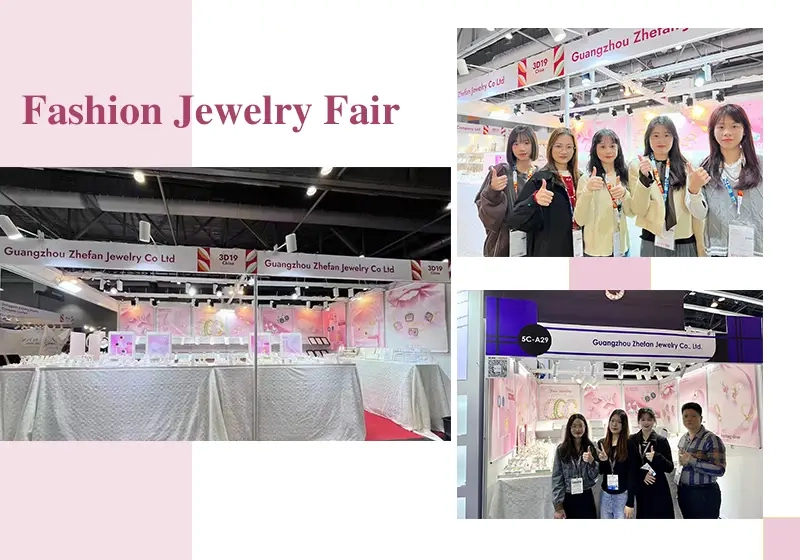
Zhefan Jewelry Will Attend Hong Kong Jewelry Fair
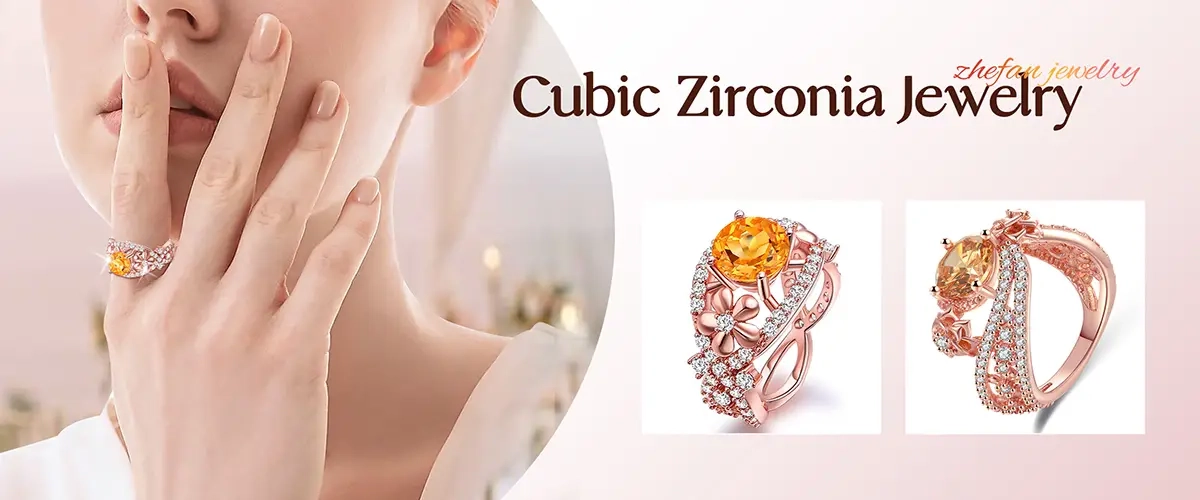
What is Zircon Jewelry?-The Ulimate Guide
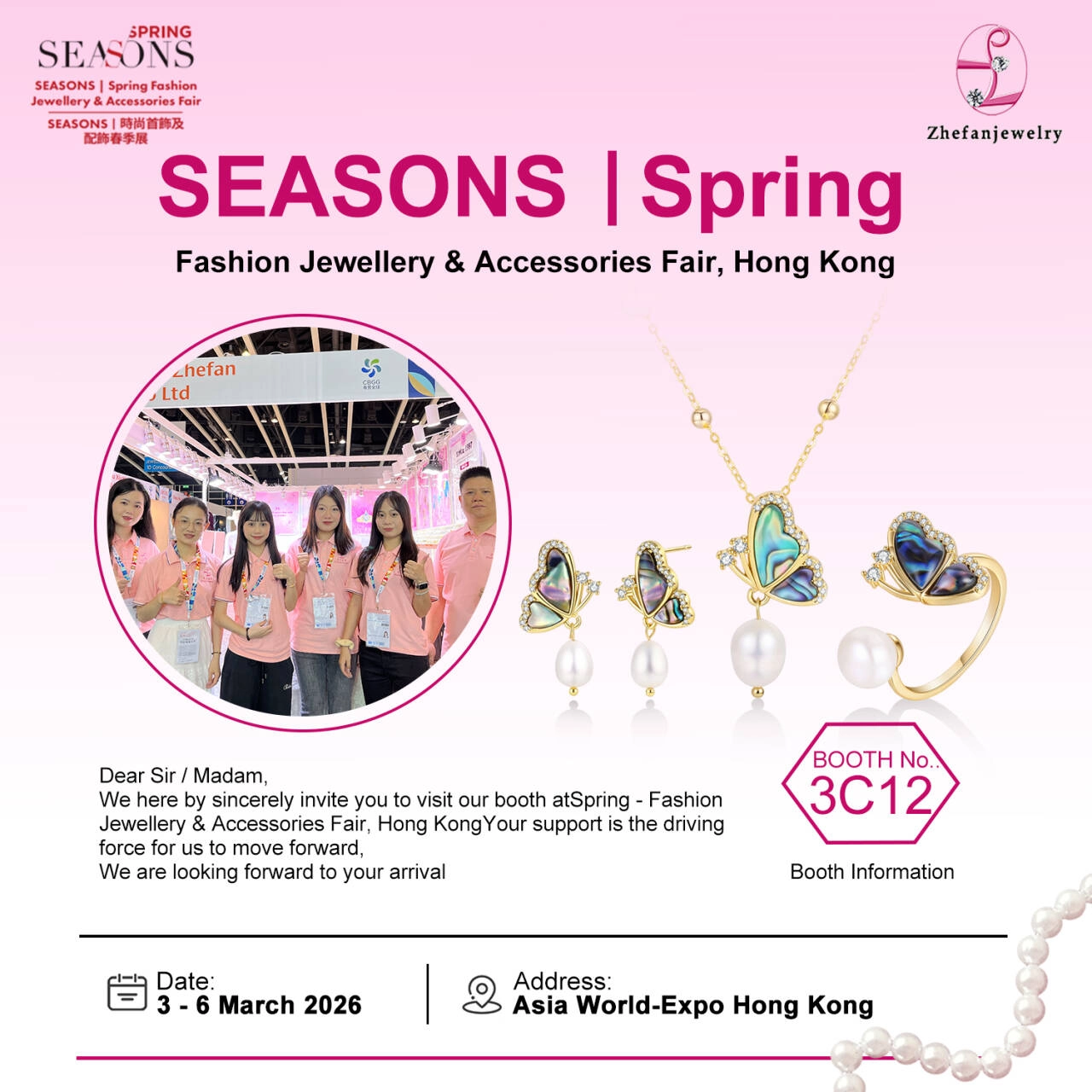
Zhefan Jewelry Invites You to Attend the Hong Kong Jewellery Exhibition 2026
Prdoucts Categories
FAQ
FAQs
Do you do customer design?
Do you do customer design? Yes,we are good at this way.Most of our customer do their customize.And we have cooperate with them when they are new brand, but now they become the top sell on Amazon, more than 32,000 five star comment.
Can I get a sample?
Yes,welcome to choose our sample to test and check quality.Please give me your address and number then send you payment list.
Products
What services can we provide?
Accepted Delivery Terms: FOB, CIF, EXW, Express Delivery;
Accepted Payment Currency: USD, EUR, JPY, CAD, AUD, HKD, GBP, CNY, CHF;
Accepted Payment Type: T/T, L/C, MoneyGram, Credit Card, PayPal, Western Union, Cash, Escrow;
Language Spoken: English, Chinese, Spanish, Japanese, Portuguese, German, Arabic, French, Russian, Korean, Hindi, Italian.
How long will the plating color last?
Generally 6 month for Water Plated color , 1 - 2 years for vacuum plated color if in proper wearing.
What can you buy from us?
Rings, Necklace, Earrings, Bracelet, Pendant, Anklet, Brooch, Jewelry.
Do you offer after-sales warranty service?
Yes, we will refund or resend products if fading, stone falling off and other quality problems found in 1 month receipt of goods. Furthermore, we offer 1 year after-sales warranty service, but you need pay the shipping charge.
Discuss Your Ideas with a Professional Custom Jewelry Manufacturer
We provide personalized jewelry customization services for clients worldwide.
Rest assured that your privacy is important to us, and all information provided will be handled with the utmost confidentiality.
By clicking 'Send Inquiry Now' I agree to ZHEFAN JEWELRY processing my personal data.
To see how to withdraw your consent, how to control your personal data and how we process it, please see our Privacy Policy and Terms of use.
From design to production, ZHEFAN JEWELRY offers a one-stop solution to help you enhance your brand value and market competitiveness.
Get A Quote
Contact
Tel: (+86) 188 1927 7817
© 2026 Zhefan Jewelry. All Rights Reserved.
Facebook
Instagram
YouTube
Whatsapp: +8618819277817