




Email: sales3@zhefanjewelry.com
What is MOQ for wholesale brass rings? | Insights by Zhefan Jewelry
A practical guide to MOQ for wholesale brass rings: realistic minimums for stock vs. custom designs, how tooling, plating and size runs affect orders, compliance testing, landed-cost examples, and tactics to lower MOQs. Ideal for jewelry buyers and resellers.
- 1) What is the realistic MOQ for custom-designed brass rings (unique mold) including size runs and plating?
- 2) Can I order small quantities (under 100 pcs) of plated, nickel-free brass rings that meet EU/US compliance (REACH/nickel release)?
- 3) How does adding gemstones, bezel setting, or hand-finishing change the MOQ and price for brass rings?
- 4) How can I reduce MOQ for wholesale brass rings without sacrificing acceptable pricing or quality?
- 5) What are the true landed costs per piece at different MOQs for brass rings (tooling, plating, QC, packaging, shipping)? Provide an example.
- 6) What sample policies and lead times should I expect from factories when deciding on MOQ?
1) What is the realistic MOQ for custom-designed brass rings (unique mold) including size runs and plating?
Answer: For fully custom brass rings that require a new master and mold (lost-wax or rubber mold) the typical manufacturer MOQs are driven by tooling amortization and production economics. Industry practice (manufacturers listed on B2B platforms and factory quotes) commonly places custom cast/ring-mold MOQs at about 200–500 pieces per SKU/design. Key drivers:
- Tooling cost: creating a new master or CNC/wax model and a rubber/metal mold usually costs the buyer or is amortized into unit price. Typical small-jewelry tooling ranges from about $50–$500 depending on complexity. Suppliers spread tooling over the MOQ—larger MOQs reduce per-piece tooling burden.
- Size runs: If you require full size runs (e.g., US sizes 5–9 across five sizes), many factories expect MOQ per size or a combined size-run MOQ (e.g., 200 pieces split across sizes). A typical ask is 30–50 pcs per size when size variation is required.
- Plating/finishing: Batch processes like electroplating/oxidation have minimum batch sizes; combined with tooling this often pushes MOQ upward. Expect a plating-friendly MOQ of 200+ to optimize bath chemistry and color consistency.
Negotiation tip: offer to pay tooling up-front to lower per-piece price or allow mix-and-match across related SKUs to meet the factory’s minimums.
2) Can I order small quantities (under 100 pcs) of plated, nickel-free brass rings that meet EU/US compliance (REACH/nickel release)?
Answer: Yes, but with caveats. Small orders (10–100 pcs) are possible if you source stock designs or ring blanks that already have compliant finishes and certification. Key points:
- Pre-certified stock: Many wholesalers sell nickel-free brass rings or rings with certified plating that meet nickel-release limits (EU Nickel Directive/REACH). Buying pre-certified stock avoids batch testing costs and lets you order lower quantities (often 10–50 pcs per SKU).
- Testing cost: If you request batch testing (EN 1811/ISO for nickel release, RoHS heavy metals screening), third-party lab testing typically costs several hundred dollars per test. Suppliers will either roll that into MOQ pricing or require larger orders to justify testing.
- Supplier documentation: Ask for lab reports, material data sheets, and earlier batch test results. Suppliers experienced with exports will often supply an SDS and past compliance certificates; for children’s jewelry in the U.S., additional CPSIA/lead testing may be required.
Practical approach: For under-100 orders, insist on pre-certified finishes or accept higher per-piece pricing to cover testing and finishing setup. Request a small compliance affidavit and, if necessary, order a single paid sample and run your own lab test before committing to production.
3) How does adding gemstones, bezel setting, or hand-finishing change the MOQ and price for brass rings?
Answer: Added handwork or stone-setting materially affects MOQ and unit cost. Reasons and typical impacts:
- Labor intensity: Setting stones (prong, bezel, channel) or performing hand-polish/antique finishing adds labor time. Small batches increase per-piece labor cost, prompting suppliers to raise MOQ or per-piece price.
- Component sourcing: If stones or crystals are not stocked, minimum purchase quantities for stones/beads can add to overall MOQ or require minimum spend.
- Quality control: Hand-set items often need more inspection; suppliers prefer larger batches to streamline QA.
Typical effect: For simple glass/crystal set rings MOQ might stay near 100–300 pieces, but for high-touch settings or mixed-stone patterns MOQ can rise to 300–1000 pieces or require a higher unit price for smaller lots. To control MOQ, standardize on a single stone size/shape and select stocked components.
4) How can I reduce MOQ for wholesale brass rings without sacrificing acceptable pricing or quality?
Answer: There are several practical tactics buyers use to lower MOQs while maintaining reasonable prices and quality:
- Buy stock designs or ring blanks: Stocked finished rings or unplated blanks often have MOQs as low as 10–50 units.
- Mix-and-match across SKUs: Ask the factory to allow a combined MOQ across several designs (e.g., 200 pcs total across four SKUs) rather than 200 per SKU.
- Pay tooling or split tooling costs: Offer to pay tooling up-front in exchange for lower per-piece price or lower MOQ.
- Use trading companies or consolidators: They can aggregate small orders from multiple buyers to meet factory MOQs, though unit price may be higher.
- Accept higher unit price: Many factories will reduce or waive MOQ if you accept a higher unit cost to compensate for setup inefficiency.
- Choose simpler finishes: Avoid unique plating colors or hand antiquing; standard plating colors (gold, rhodium, rose gold, black IP) make small-batch production cheaper.
Negotiation tip: Show projected reorder frequency and a multi-order forecast. Reliable reorder cadence often convinces factories to accept reduced initial MOQ.
5) What are the true landed costs per piece at different MOQs for brass rings (tooling, plating, QC, packaging, shipping)? Provide an example.
Answer: Landed cost includes unit production, tooling amortization, plating/finishing, QC/inspection, packaging, and freight/import duties. Below is a realistic example scenario (numbers illustrative but within common industry ranges):
Assumptions for a simple brass ring with single plating finish:
- Tooling (master & mold): $300 one-time
- Factory unit production (raw cast + basic polish): $1.20/pc
- Plating & coating: $0.80/pc
- Quality control and packaging: $0.40/pc
- Air freight + import duty + local delivery per unit (for small orders): $1.50/pc
Scenario A — MOQ 200 pcs:
- Tooling per-piece: $300 / 200 = $1.50
- Total per-piece production (1.20 + 0.80 + 0.40) = $2.40
- Freight & duties = $1.50
- Final landed unit cost = $1.50 + $2.40 + $1.50 = $5.40/pc
Scenario B — MOQ 500 pcs:
- Tooling per-piece: $300 / 500 = $0.60
- Production = $2.40
- Freight & duties (economy sea freight) ≈ $0.70/pc
- Final landed unit cost ≈ $0.60 + $2.40 + $0.70 = $3.70/pc
Takeaway: Increasing order quantity commonly reduces per-piece landed cost by spreading tooling and freight. Use this model to request quotes and verify each supplier’s assumptions (plating bath minimums, packaging weight, INCOTERM FOB vs. CIF influences freight accounting).
6) What sample policies and lead times should I expect from factories when deciding on MOQ?
Answer: Sample and lead time policies are critical when validating MOQ decisions. Typical timings and practices:
- Pre-production sample (PPS): 7–21 business days depending on whether a new mold/wax is needed. If the factory uses existing stock or blanks, samples can be shipped in 3–7 days.
- Production lead time: For customized runs, 15–35 days after sample approval for quantities under 1,000 pcs; for complex finishes or assemblies lead time can extend to 45–60 days.
- Rush options: Many factories offer expedited production for an added fee (often 10–25% surcharge). Air freight increases cost but shortens transit time.
- Sample cost policies: Suppliers usually charge for samples (material + labor + shipping). Some refund sample cost against the first production order if the buyer commits to MOQ.
- Quality checks: Expect a pre-shipment inspection offer (AQL or full inspection) — typically a paid service; third-party inspections run $150–$450 depending on location and scope.
Practical workflow: Order a paid sample and run a lab test for compliance if needed, adjust the design based on sample feedback, then approve a pre-production sample (PPS) before authorizing full production to the agreed MOQ.
Advantages of buying wholesale brass rings from a reliable supplier
Buying wholesale brass rings from an experienced supplier yields several clear advantages: lower per-unit costs through economies of scale, predictable quality controls and certifications (RoHS/REACH/nickel-release), better lead-time planning, access to stocked SKUs for low-MOQ buying, and the ability to scale custom lines with predictable tooling amortization. A reputable partner also helps manage compliance documentation, third-party testing, and logistics (FOB/CIF options) so you can focus on retailing and design differentiation.
For an accurate MOQ assessment and a tailored quote—including sample options, tooling estimates, compliance test fees and landed cost calculations—contact Zhefan Jewelry at sales3@zhefanjewelry.com or visit www.zhefanjewelry.com.
Recommended for you
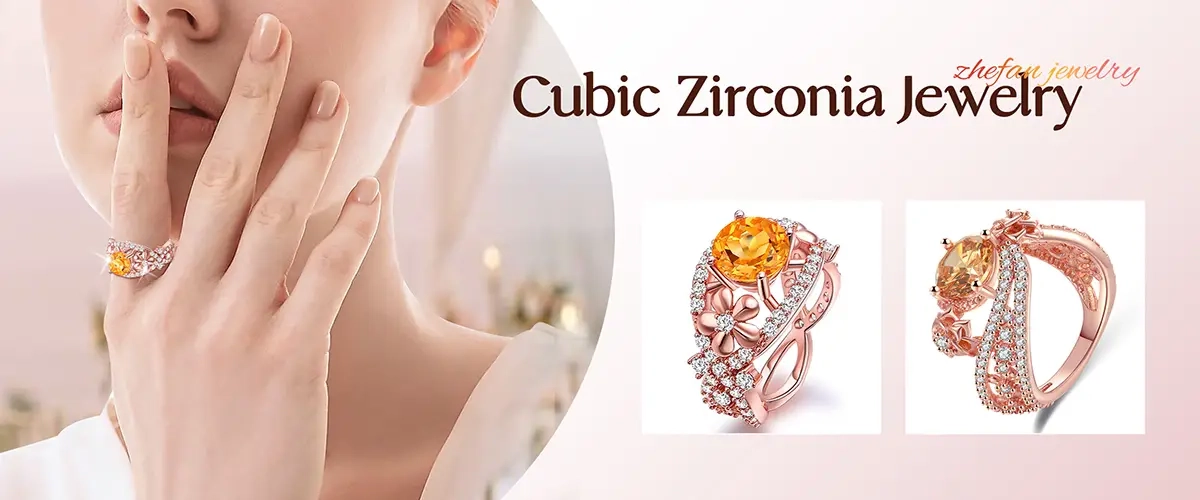
What is Zircon Jewelry?-The Ulimate Guide
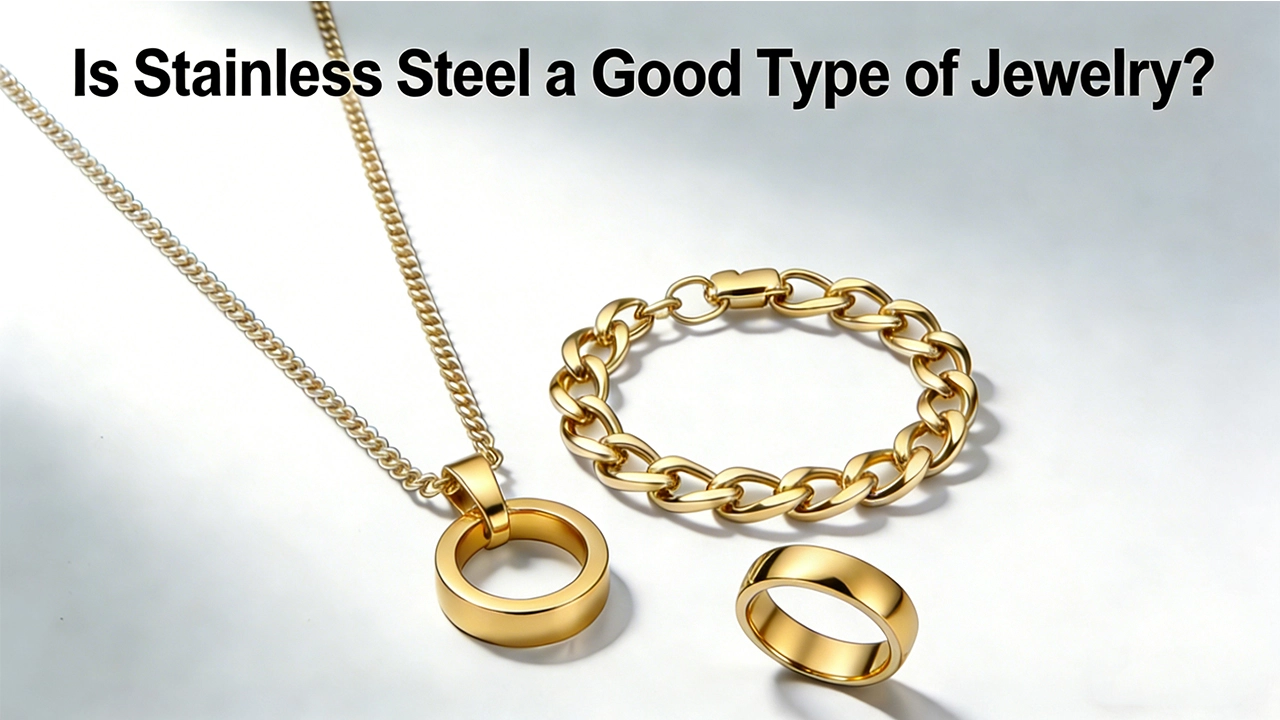
Is Stainless Steel a Good Type of Jewelry? Pros, Cons, and Why Brands Choose Stainless Steel Jewelry
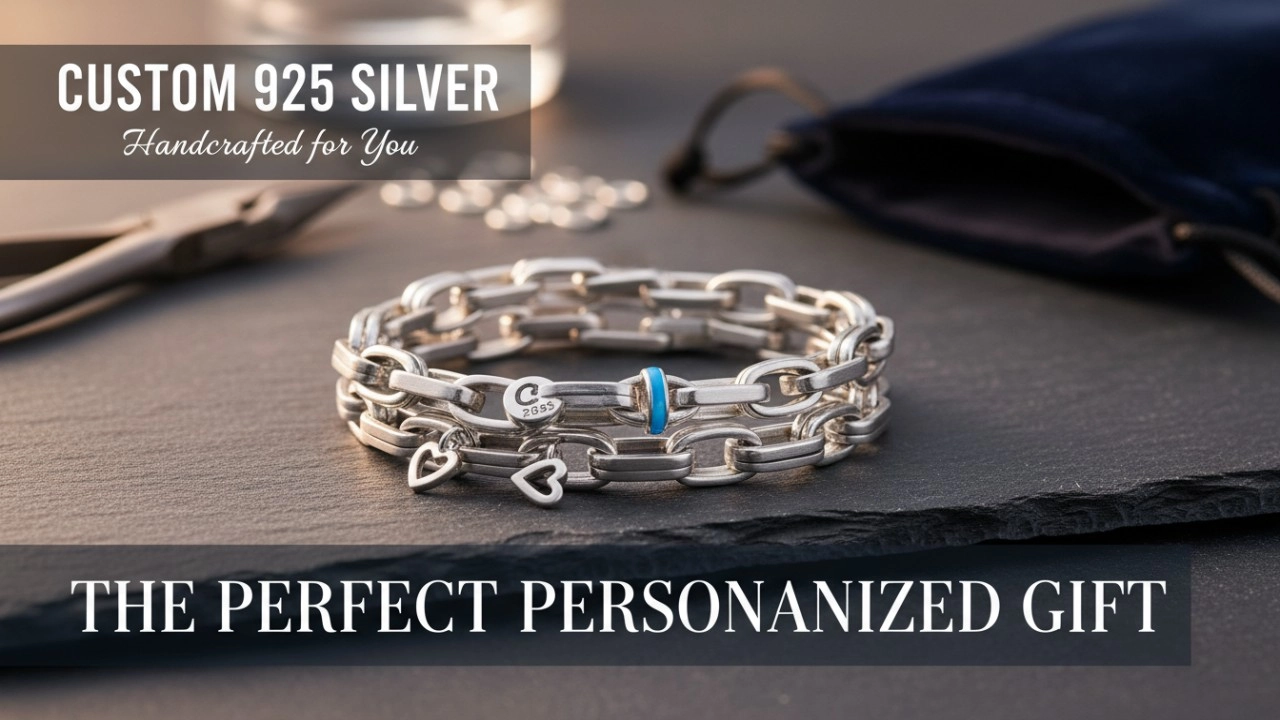
12 Unique Custom 925 Silver Bracelet Ideas That Go Beyond Basic Engraving (2026 Guide)
The Secret Behind Premium Quality: 7 International Standards for 925 Sterling Silver Rings
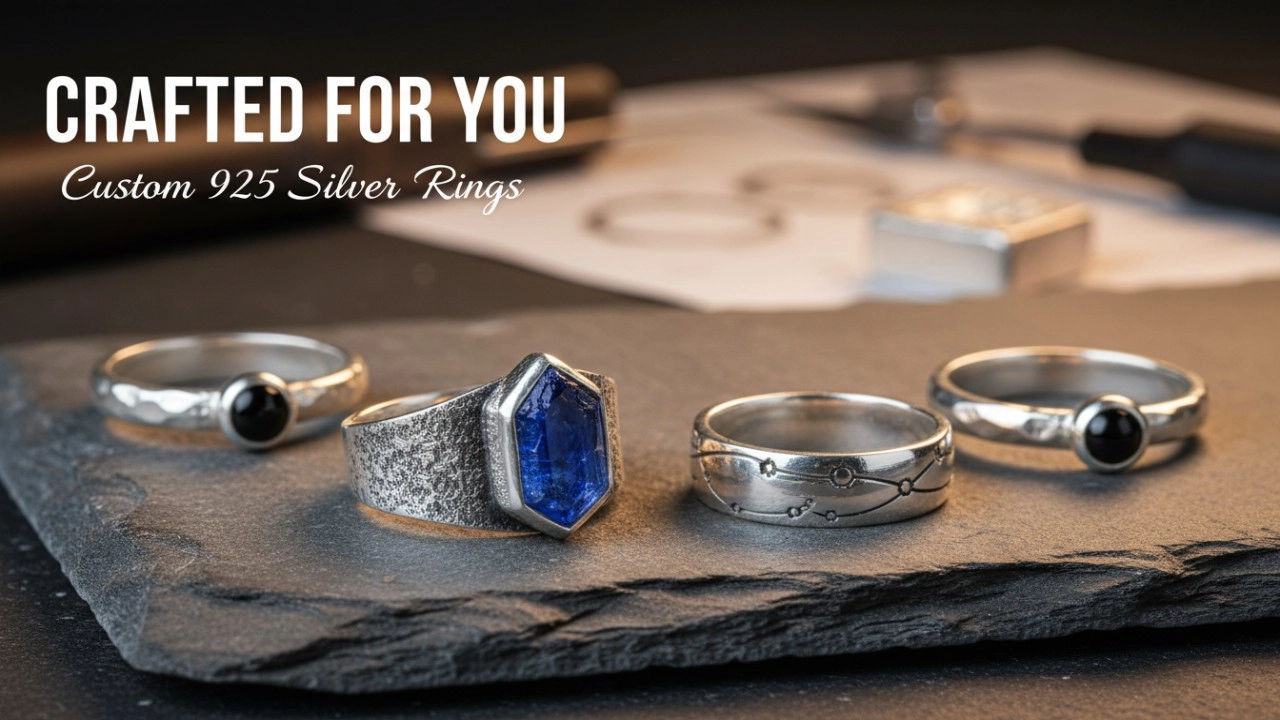
Why Custom 925 Silver Rings Are the Perfect Sustainable Luxury Gift (Compared to Gold)
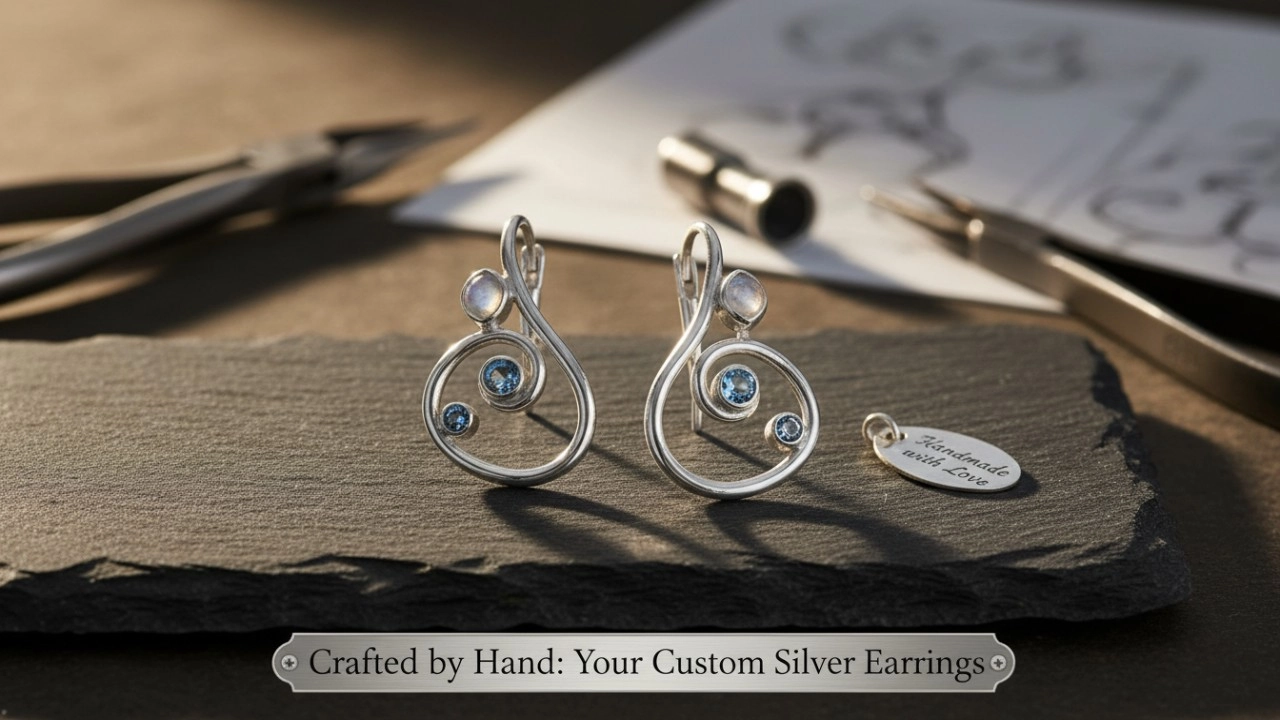
The Ultimate Guide to Ordering Custom Made Silver Earrings: How to Get Perfection Every Time (2026 Edition)
Prdoucts Categories
FAQ
Products
How can we guarantee quality?
Always a pre-production sample before mass production;
Always final Inspection before shipment;
What's the packaging of your jewelry?
Normally we use OPP bag, bubble bag and paper box to pack the goods,custom packaging is acceptable as well.
Can you engrave my logo on the jewelry ?Do you supply OEM/ODM service?
Yes. Custom logo and OEM/ODM are both accepted.Our factory specializes in jewelry manufacturing for 25 years.We can produce jewelry by your sample, design, pictures, even by an idea.Please feel free to contact us for more details. Custom order process: Inquiry-Confirm products details-Pay mold fee -Confirm CAD draft-Quote-Initial payment-Produce mold & sample-Confirm Sample-Mass production-Balance payment-Shipment-Track shipment-delivery.
What can you buy from us?
Rings, Necklace, Earrings, Bracelet, Pendant, Anklet, Brooch, Jewelry.
What is your minimum order quantity?
We offer low MOQ from 2 to 30 depending on models. Send your favor model to get details from Trade Manager.
Do you offer after-sales warranty service?
Yes, we will refund or resend products if fading, stone falling off and other quality problems found in 1 month receipt of goods. Furthermore, we offer 1 year after-sales warranty service, but you need pay the shipping charge.
Discuss Your Ideas with a Professional Custom Jewelry Manufacturer
We provide personalized jewelry customization services for clients worldwide.
Rest assured that your privacy is important to us, and all information provided will be handled with the utmost confidentiality.
By clicking 'Send Inquiry Now' I agree to ZHEFAN JEWELRY processing my personal data.
To see how to withdraw your consent, how to control your personal data and how we process it, please see our Privacy Policy and Terms of use.
From design to production, ZHEFAN JEWELRY offers a one-stop solution to help you enhance your brand value and market competitiveness.
Get A Quote
Contact
Tel: (+86) 188 1927 7817
© 2026 Zhefan Jewelry. All Rights Reserved.
Facebook
Instagram
YouTube
Whatsapp: +8618819277817