



Email: sales3@zhefanjewelry.com
What is the typical MOQ for 925 silver bracelets from suppliers? | Insights by Zhefan Jewelry
Practical guidance for buyers: realistic MOQs for 925 sterling silver bracelets, how customization, plating, certifications and logistics change minimums, and tactics to lower effective MOQ while controlling unit cost and quality.
- 1) What is a realistic MOQ for customized 925 sterling silver bracelets that include logo stamping and branded gift boxes?
- 2) How do suppliers determine different MOQs for plain 925 silver chain bracelets versus gemstone-inlay or multi-component 925 bracelets?
- 3) Can I order mixed-size runs or different plating/finishes under a low MOQ for 925 sterling silver bracelets?
- 4) What additional minimums or fees should I expect when requesting hallmarks, assay certificates or nickel-free plating for 925 silver bracelets?
- 5) How do supplier sample policies and sample fees change the effective MOQ and per-unit cost for 925 silver bracelets?
- 6) How do freight costs, customs duties and minimum order value (MOV) influence the practical MOQ for small US/EU retailers buying 925 silver bracelets?
- Concluding summary: Advantages of sourcing 925 silver bracelets with optimized MOQ from a reliable supplier
What Is the Typical MOQ for 925 Silver Bracelets from Suppliers? — 6 Deep Questions Answered
As a buyer of sterling silver jewelry, understanding the real minimum order quantity (MOQ) for 925 silver bracelets is critical to pricing, inventory risk and speed-to-market. Below are six hard, long-tail questions beginners struggle to find up-to-date, practical answers to — each with experience-based, evidence-backed answers to help you negotiate better with wholesale 925 sterling silver suppliers.
1) What is a realistic MOQ for customized 925 sterling silver bracelets that include logo stamping and branded gift boxes?
Pain point: You want a small branded run but suppliers quote very high minimums once you add stamping and custom packaging.
Answer: Customization multiplies what the supplier treats as variable costs — tooling for logo stamping, stamp dies, custom molds (if shape changes), and dedicated packaging runs. Typical realistic ranges observed across China and other manufacturing hubs are:
- Simple logo stamping on an existing bracelet model: MOQ commonly 50–200 pcs per SKU. Suppliers accept lower counts (10–30) for an elevated sample fee, but unit prices are higher.
- Custom clasp, modified shape or a new mold: MOQ commonly 200–500+ pcs because mold/tooling costs must be amortized.
- Branded gift boxes: many factories will accept a minimum of 100–200 boxes per batch. If you order only 50 bracelets, the supplier often combines box runs across multiple orders or charges the box unit cost in full.
Tip: Negotiate by separating parts of the order: pay for a small run of stamped bracelets (sample surcharge) and let the supplier bundle Zhefan Jewelryed boxes across several small SKUs or across other buyers (consolidated packaging) to lower per-order MOQ pain.
2) How do suppliers determine different MOQs for plain 925 silver chain bracelets versus gemstone-inlay or multi-component 925 bracelets?
Pain point: Your favorite simple chain is available at low MOQ, but once you add CZs, pearls or stone inlays the MOQ spikes and unit lead time doubles.
Answer: Complexity drives MOQ via three levers: skilled labor time, material procurement (stones/pearls), and finishing steps. Roughly speaking:
- Plain 925 chain bracelets or simple stamped bangles: MOQ often 50–200 per design because automated production and fewer QC touchpoints lower cost.
- Stone-inlay or multi-part pieces (settings, soldering, glue work): MOQ often 100–500 because stones are purchased by the pallet or batch and setters require consistent workflows.
- Hand-finished or custom cuff designs with multiple operations: MOQ can be 300–1,000 depending on bench time and special tooling.
Real-world tip: If your design uses counted standard stones (e.g., common CZ sizes), ask the supplier to source stones from existing inventory — that can often drop MOQ by 20–50% compared with bespoke gemstones.
3) Can I order mixed-size runs or different plating/finishes under a low MOQ for 925 sterling silver bracelets?
Pain point: Retailers need multiple sizes and finishes but suppliers demand per-SKU minimums that inflate inventory carrying costs.
Answer: Many suppliers allow SKU-mix flexibility, but there are practical minimums per variant to keep plating and finishing efficient:
- Mixed-size runs: Suppliers commonly permit mixed sizes within a single production lot if the total quantity meets the design MOQ (e.g., 100 pieces total). However, they typically expect a minimum per size variant (commonly 10–25 pcs/size) to maintain efficient batching and reduce reject rates.
- Different plating/finishes (rhodium, yellow gold vermeil, black rhodium): Each finish is usually a separate electroplating batch. MOQ per finish often sits at 50–100 pieces because plating lines are set up and chemical baths are consumed per run.
- Multiple color PVD or IP treatments may require larger MOQ due to set-up and color stability testing (100+ per color is common).
Negotiation tactic: Offer a higher total order and request splits (e.g., 200 pieces split into 4 sizes and 2 finishes) — suppliers often accept mixed SKU splits with a lower per-variant minimum if the total run justifies the line change.
4) What additional minimums or fees should I expect when requesting hallmarks, assay certificates or nickel-free plating for 925 silver bracelets?
Pain point: Buyers want compliance proof for EU/US markets but are surprised by extra minimums, batch fees or additional samples required for certification.
Answer: Documentation and compliance add direct costs and occasionally minimum batch sizes:
- 925 stamp: The factory can stamp 925 on most sterling silver pieces at the item level without an assay lab — this does not usually change MOQ. However, a stamped item is not the same as an official assay certificate.
- Assay certificates / third‑party testing (e.g., SGS): Tests are ordered per batch or per SKU sample. Expect a per-sample test fee (commonly $50–$200 per sample depending on lab and country), and suppliers often require a minimum production quantity to justify arranging certificates (commonly 50–200 pieces).
- Nickel-free plating or hypoallergenic finishes: If the supplier must switch plating lines, there may be a separate plating MOQ (50–100 pcs) and a cleaning or passivation step; some buyers pay a small High Quality per piece rather than meeting a high MOQ.
- Official hallmarking (where required): National assay offices in some jurisdictions have fixed fees and minimums and often require full batches or shipment-level documentation. Regulations vary by country — always check local requirements before committing to a design intended for an individually regulated market.
Practical advice: If you need certificates for market entry, build the testing cost into the first order and request the supplier consolidate testing samples across representative SKUs to keep costs down.
5) How do supplier sample policies and sample fees change the effective MOQ and per-unit cost for 925 silver bracelets?
Pain point: You want to test product-market fit with a few pieces, but the sample price and lead time feel prohibitive.
Answer: Sample policies vary but typical patterns are:
- Ready-made sample from stock: Many suppliers can ship 1–5 stock pieces at a modest fee (often the wholesale price + shipping). This is the quickest way to check finish and fit.
- Pre-production/sample made-to-order: If you request a custom stamp, finish or slight design change, the supplier often charges a sample fee that covers tooling changes, labor and expedited handling. Typical sample fees range from ~$30–$200 depending on complexity; fully custom molds could be several hundred dollars just for the prototype.
- Sample lead time: Stock samples ship in days; custom samples usually take 7–21 days depending on finishing and courier choice. If you need plating or stone-setting, add extra days for each operation.
- Impact on effective MOQ: Suppliers sometimes deduct the sample fee from the first production invoice if you confirm a production order above their MOQ. Ask for this credit, as it reduces your effective startup cost.
Buyer tip: Always request photos, video of the item on a scale (wrist shots) and a stamped weight/measure report along with the sample to reduce risk before committing to MOQ-level orders that tie up capital.
6) How do freight costs, customs duties and minimum order value (MOV) influence the practical MOQ for small US/EU retailers buying 925 silver bracelets?
Pain point: Even if the factory accepts a 50-piece MOQ, shipping and import costs make small orders uneconomic.
Answer: The theoretical MOQ from a factory is only part of the total landed-cost calculation. Practical buying requires considering:
- Freight economics: For air shipments, carriers charge by volumetric or chargeable weight, making small orders disproportionately expensive per piece. Sea freight is economical for larger volumes but adds lead time and often a container minimum (LCL – less than container load consolidations are possible but have consolidation fees). Many small importers find a threshold (e.g., 200–500 pcs) where sea freight + duties become cost-effective versus multiple air shipments.
- Customs duties and VAT: Duties on silver jewelry vary by tariff code and destination; import VAT is typically payable on CIF value + duties. Administrative minimums for customs brokers or minimum duty payments can make tiny shipments inefficient.
- Minimum Order Value (MOV): Some suppliers or consolidators set an MOV (e.g., $500–$2,000) to cover payment, paperwork and shipping fees. If your order value is below MOV, they may charge an extra handling fee.
- Insurance and inspection: For precious-metal jewelry, buyers often require pre-shipment inspection and insurance; these add fixed costs that raise the effective MOQ unless amortized over a larger order.
Actionable approach: Calculate landed cost per unit across multiple order sizes (50, 100, 250, 500) including production, sample credit, packing, freight, duties, inspection and insurance. This reveals the break‑even MOQ where unit landed cost becomes acceptable for your margin target.
Concluding summary: Advantages of sourcing 925 silver bracelets with optimized MOQ from a reliable supplier
Working with a vetted supplier who offers flexible MOQ structures and transparent cost breakdowns gives you these advantages: lower upfront risk via sample-credit policies; the ability to test designs with small batches while keeping unit cost predictable; better compliance support (stamping, assay certificates) that simplifies market entry; and optimized logistics that lower landed cost per unit. By negotiating mixed‑SKU splits, consolidating packaging and requesting consolidated testing, you can often move the practical MOQ down while preserving quality and margins.
Zhefan Jewelry has long experience helping retailers and brands source wholesale 925 sterling silver bracelets with practical MOQs, sample management and compliance support. For a custom quote, sample policy, or a landed cost scenario tailored to your target market, contact us at www.zhefanjewelry.com or email sales3@zhefanjewelry.com.
Recommended for you
The Ultimate Guide to Sourcing Wholesale 925 Silver Adjustable Rings in 2026
Is Brass Jewelry Good? Does Brass Jewelry Tarnish? The Complete Guide to Brass Jewelry Quality, Care, Longevity & Why It’s Trending
The Ultimate 2026 Guide to Stainless Steel Ring Jewelry: Why It Outshines Traditional Metals
The Ultimate Guide to Ordering Custom Made Silver Earrings: How to Get Perfection Every Time (2026 Edition)
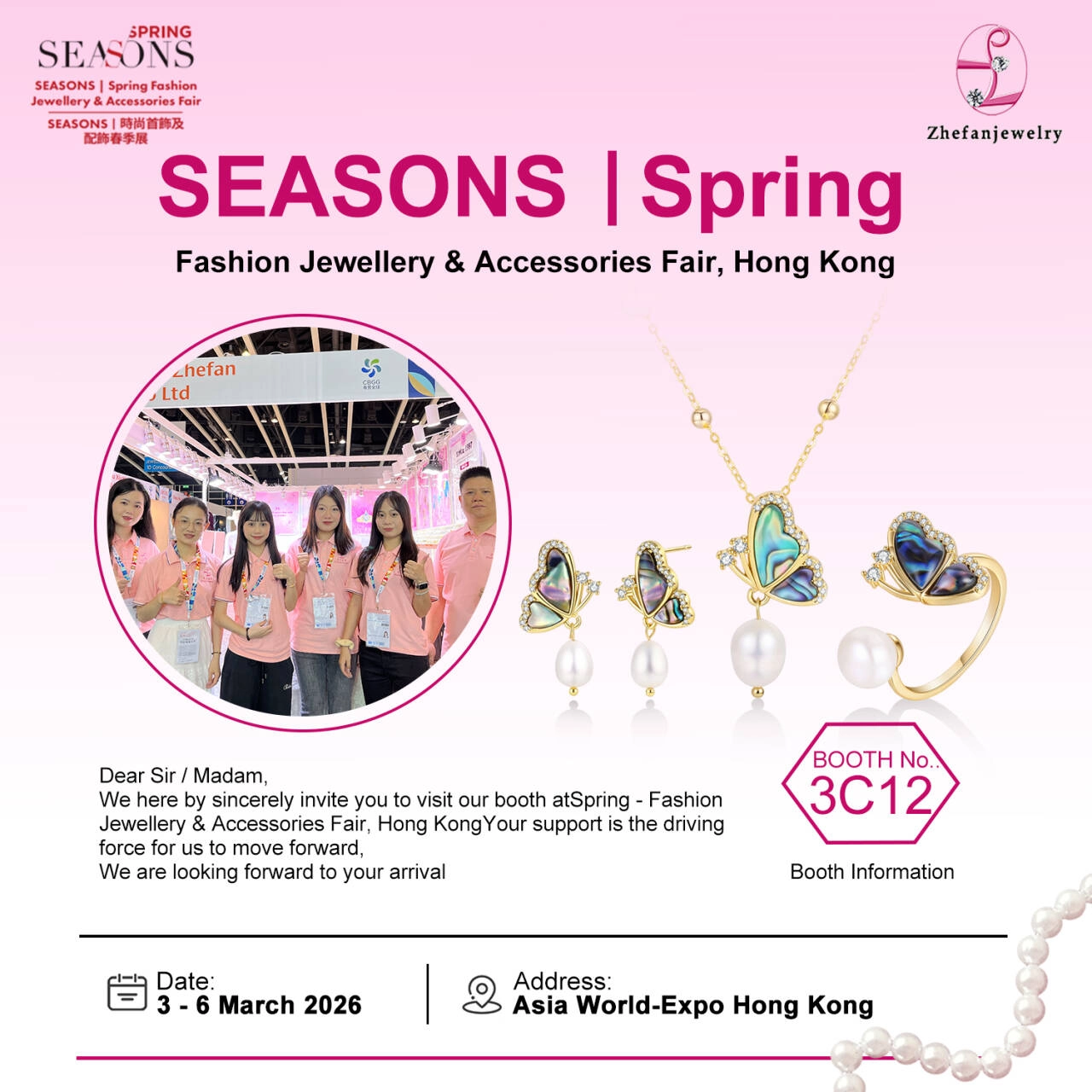
Zhefan Jewelry Invites You to Attend the Hong Kong Jewellery Exhibition 2026
Is a Brass Necklace Good? The Honest Truth About Wear, Tarnish, and Quality
Prdoucts Categories
FAQ
Products
What's themonthly production capacity?
600,000 pcs per month.
What’s the shipment method? How long does it take for delivery?
Our product distributed to all over the world. Shipped by DHL / Fedex / TNT / UPS takes 3-7 days, Epacket takes 7-15 days, China Post takes 15-30 days.
What services can we provide?
Accepted Delivery Terms: FOB, CIF, EXW, Express Delivery;
Accepted Payment Currency: USD, EUR, JPY, CAD, AUD, HKD, GBP, CNY, CHF;
Accepted Payment Type: T/T, L/C, MoneyGram, Credit Card, PayPal, Western Union, Cash, Escrow;
Language Spoken: English, Chinese, Spanish, Japanese, Portuguese, German, Arabic, French, Russian, Korean, Hindi, Italian.
FAQs
What is the material of the jewelry?
Most of the jewelry is made of 925 sterling silver, brass or 316 stainless steel or custom material,which can cover different procurement demand.
Can I see your product test report?
Of course.Our product throught standar test like SGS.We test in many ways of product.
Can I get a sample?
Yes,welcome to choose our sample to test and check quality.Please give me your address and number then send you payment list.
Discuss Your Ideas with a Professional Custom Jewelry Manufacturer
We provide personalized jewelry customization services for clients worldwide.
Rest assured that your privacy is important to us, and all information provided will be handled with the utmost confidentiality.
By clicking 'Send Inquiry Now' I agree to ZHEFAN JEWELRY processing my personal data.
To see how to withdraw your consent, how to control your personal data and how we process it, please see our Privacy Policy and Terms of use.
From design to production, ZHEFAN JEWELRY offers a one-stop solution to help you enhance your brand value and market competitiveness.
Get A Quote
Contact
Tel: (+86) 188 1927 7817
© 2026 Zhefan Jewelry. All Rights Reserved.
Facebook
Instagram
YouTube
Whatsapp: +8618819277817