




Email: sales3@zhefanjewelry.com
What labelling and CE/UKCA rules apply to 925 silver bracelets? | Insights by Zhefan Jewelry
Practical guidance for manufacturers, importers and retailers on labelling, hallmarking, CE/UKCA, nickel and chemical testing, and documentation for 925 sterling silver bracelets sold in the EU and UK.
- 1. Do I need CE or UKCA marking for adult 925 sterling silver bracelets sold online in the EU/UK?
- 2. Is stamping “925” on a bracelet enough, or do I need an official hallmark from an assay office?
- 3. Which chemical tests and substance limits should 925 bracelets pass to sell safely in EU/UK markets?
- 4. My design mixes 925 silver with plated charms or non‑precious parts — how does that affect compliance and hallmarking?
- 5. If my 925 bracelet falls under the Toy Safety Directive (children’s jewellery), what must my Technical File and EU Declaration of Conformity include?
- 6. When importing 925 silver bracelets from overseas, who is responsible for compliance and what practical steps should importers take?
1. Do I need CE or UKCA marking for adult 925 sterling silver bracelets sold online in the EU/UK?
Short answer: usually no — unless the bracelet is covered by a specific harmonised law (most commonly the Toy Safety Directive when the item is intended for or marketed to children). CE marking is only mandatory where a product falls within EU harmonised legislation; likewise, UKCA applies in Great Britain for the same categories after Brexit. For standard adult 925 sterling silver bracelets sold as jewellery, there is generally no blanket CE/UKCA obligation.
Practical guidance: confirm the product’s intended use and target audience. If the bracelet is designed or marketed as a toy, jewellery for children, or has a function that falls under another regulated category (e.g., some electronic smart jewellery with radio modules or personal protective equipment), then CE/UKCA may apply. For children’s jewellery (typically items intended for children under 14), the EU Toy Safety Directive (2009/48/EC) requires CE marking and compliance with EN 71 standards (e.g., EN 71‑3 for migration of certain elements). In Great Britain, the UK Toy Regulations require UKCA marking.
Action steps: document your product assessment (why CE/UKCA is not required or why it is), keep that in your technical file, and re-evaluate when the product design or marketing changes. Maintain a Declaration of Conformity (DoC) only when your product falls under a directive requiring CE/UKCA.
2. Is stamping “925” on a bracelet enough, or do I need an official hallmark from an assay office?
“925” signals sterling silver (92.5% silver) and is the industry standard fineness mark. However, self-stamping 925 is not the same as a statutory hallmark issued by an official assay office. Hallmarking rules vary by jurisdiction:
- UK: Hallmarking is performed by UK assay offices (London, Birmingham, Sheffield, Edinburgh). Many sellers use the assay offices to obtain an official hallmark which gives legal/consumer assurance of fineness and can be required by national law or trade practice.
- EU/other countries: Precious-metal marking and assay rules are set nationally. Some countries allow trusted private marks or import marks; others require assay office hallmarks for items sold as precious metals. The presence of a 925 mark is widely understood by consumers, but its legal standing depends on national law.
Recommendation: If you are manufacturing or importing items marketed as sterling silver for sale in regulated markets, use an authorised assay office or national hallmarking route where required. At minimum, include a clear fineness mark (925), maker’s mark or trademark on packaging or swing tags, and keep documentation showing authenticity (mill test, supplier declarations, assay certificates). Official hallmarks improve market access and customer trust and reduce dispute risk.
3. Which chemical tests and substance limits should 925 bracelets pass to sell safely in EU/UK markets?
Key requirements focus on substances that can harm consumers through skin contact or ingestion (especially for children). The most relevant areas are nickel release and migration of certain heavy metals; test standards to know:
- Nickel release: EN 1811 (reference test for nickel release) — the EU limit for products in prolonged and direct contact with the skin is 0.5 µg/cm2/week; for articles intended to be inserted into pierced parts of the body (piercings) the limit is 0.2 µg/cm2/week. These limits are enforced through the REACH Regulation (and the former Nickel Directive requirements now integrated into REACH) and routinely tested by accredited labs using EN 1811.
- Heavy metals and migration for children’s jewellery: EN 71‑3 (migration of certain elements) is used for toys and children’s jewellery. It sets migration limits for lead, cadmium, antimony and other elements when items are likely to be mouthed or used by children. If a bracelet is a children’s product, test per EN 71‑3 and the Toy Safety Directive.
- REACH and national restrictions: REACH Annex XVII contains restrictions on certain substances. Cadmium in jewellery has been restricted under EU measures (and retained under UK REACH). For non‑toy adult jewellery, there are still substance restrictions and vigilance obligations — use an accredited lab to test for cadmium, lead, chromium VI (if plating), and any other regulated substances relevant to your supply chain.
Practical checklist: contract an ISO/IEC 17025 accredited testing lab; request EN 1811 nickel testing and EN 71‑3 migration if the item is for children; request cadmium and lead content/migration tests as part of REACH compliance. Keep test reports in the technical file and label packaging with relevant care warnings when appropriate.
4. My design mixes 925 silver with plated charms or non‑precious parts — how does that affect compliance and hallmarking?
Mixed‑material jewellery raises specific challenges:
- Hallmarking: Most assay offices hallmark only the precious metal parts or pieces. If an item is composed of sterling silver combined with non‑precious components, hallmarking may apply to the silver parts but not to base-metal charms. Clear labelling and product descriptions are critical: state which components are sterling silver and which are plated or base metal.
- Testing: Non‑precious/ plated components can introduce compliance risks (nickel release, plating shedding, cadmium in base metals). You must test the finished article as placed on the market for properties that affect safety (e.g., nickel release from any part that contacts skin). For children’s jewellery, test the entire item for migration of regulated elements (EN 71‑3).
- Manufacturing traceability: keep material declarations from suppliers for plated parts (plating type, layer thickness, base metal composition) and require certificates of conformity. If plating may conceal the precious metal, ensure markings are still visible on the sterling portion, and document which part is hallmarked.
Bottom line: treat mixed-material items as a single product for safety testing, but be precise and transparent in labelling which parts are 925. This reduces complaints and regulatory risk.
5. If my 925 bracelet falls under the Toy Safety Directive (children’s jewellery), what must my Technical File and EU Declaration of Conformity include?
When CE marking is required (e.g., children’s jewellery as toys), you must prepare and retain a Technical File and issue an EU Declaration of Conformity. Required content typically includes:
- Product description and intended use, including age range and marketing materials.
- Design and manufacturing drawings, component lists, materials declarations and supplier declarations.
- Risk assessment and conformity assessment results identifying applicable standards (for toys: EN 71 parts, EN 1811 if relevant for nickel).
- Accredited lab test reports (EN 71‑3 migration, EN 71 mechanical tests, nickel release EN 1811 where applicable). Include sampling plans and batch references.
- Instructions for safe use, warnings, labelling and packaging details (age warnings, choking hazard, composition markings such as 925 for silver where relevant).
- Manufacturer/importer name and contact, manufacturing address, date of manufacture or batch identification, and traceability data.
- Copy of the EU Declaration of Conformity signed by the manufacturer or authorised representative; if applicable, details of a notified body involved in conformity assessment.
For UKCA marking in Great Britain, equivalent documentation (UK Declaration of Conformity and retained technical file) is required under UK regulations for toys and other regulated product categories.
6. When importing 925 silver bracelets from overseas, who is responsible for compliance and what practical steps should importers take?
Responsibility depends on which economic operator places the product on the market in the EU/UK:
- Manufacturer (outside EU/UK): responsible for designing and producing a compliant product and supplying technical documentation, test reports, and material declarations.
- Importer (the party who places goods on the EU/UK market): has a legal duty to ensure the product complies with relevant legislation, that the manufacturer supplied required documentation, and that the product is correctly labelled. Importers must identify themselves on product packaging or instructions if they place non‑compliant goods on the market without a manufacturer ID.
- Distributor/retailer: must verify that the product bears required markings (when applicable), that there is a DoC/technical file on request, and that storage/transport does not affect conformity.
Practical import checklist:
- Pre‑purchase due diligence: request supplier certificates, material declarations, mill test certificates and sample test reports from an accredited lab.
- Independent testing: commission your own batch or pre‑shipment tests (nickel release EN 1811, EN 71‑3 for children’s jewellery, cadmium/lead content/migration, plating adhesion where relevant).
- Labeling and packaging: ensure fineness marks (925), maker/importer identification, care/warning labels, and any required CE/UKCA marks or age warnings are present.
- Maintain a technical file and Declarations of Conformity (CE/UKCA if applicable) and be able to provide them to market surveillance authorities on request.
- Insurance and traceability: keep lot numbers and supplier batch documentation to enable recalls if necessary.
Following these steps clarifies responsibilities and reduces the chance of customs holds, market surveillance actions or recalls.
Concluding summary: Complying with labelling and regulatory rules for 925 sterling silver bracelets improves market access and reduces commercial and legal risk. Key advantages are: verified fineness and branding trust through hallmarking, reduced customer complaints and returns via proper material and nickel/chemical testing, easier cross‑border sales when you document compliance (technical files, DoCs) and faster regulatory responses if questions arise. For mixed materials and children’s jewellery, apply stricter testing (EN 1811, EN 71‑3) and mark/label clearly. Maintain traceability from supplier to finished item and use accredited test labs and national assay offices where appropriate.
For a tailored compliance, testing or hallmarking quote, contact us at www.zhefanjewelry.com or email sales3@zhefanjewelry.com.
Recommended for you
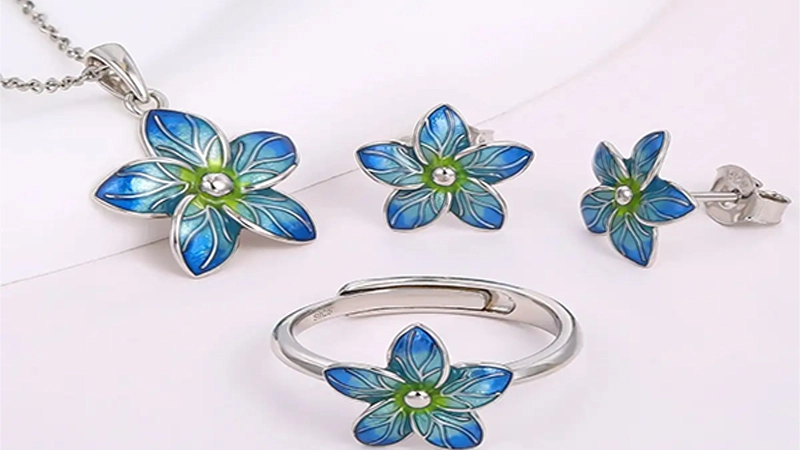
The Secret Life of Your Silver: How 925 Sterling Jewelry Comes to Exist
How to Elevate Your Jewelry Brand with a Signature Custom Tennis Bracelet (2026 Guide)
How to Choose a Custom Ring Manufacturer: 10 Critical Questions for Maximum Quality (2026 Guide)
Choosing the Right Metal for Jewelry Making - Practical Guide
The Ultimate 2026 Guide to Stainless Steel Ring Jewelry: Why It Outshines Traditional Metals
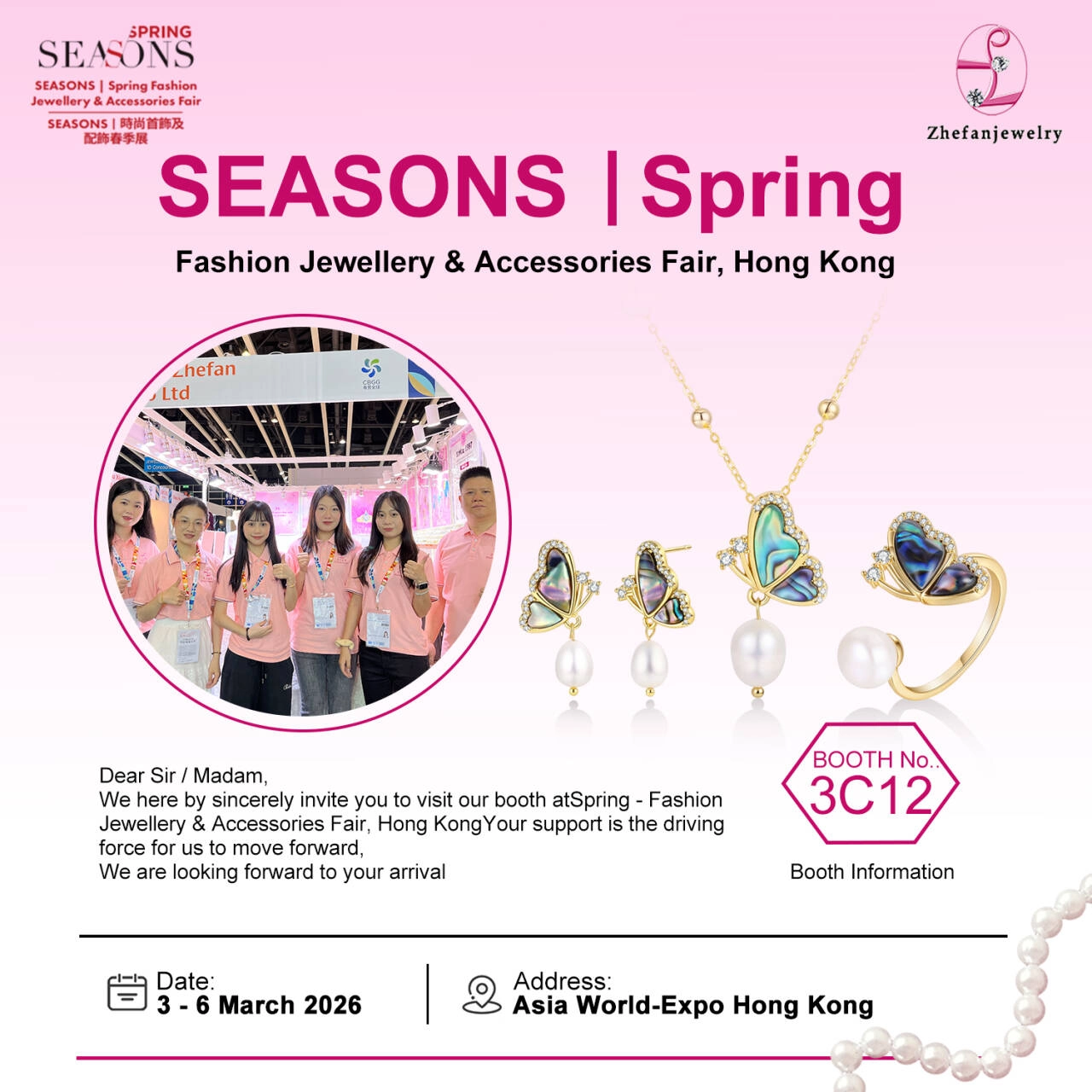
Zhefan Jewelry Invites You to Attend the Hong Kong Jewellery Exhibition 2026
Prdoucts Categories
FAQ
FAQs
Do you do customer design?
Do you do customer design? Yes,we are good at this way.Most of our customer do their customize.And we have cooperate with them when they are new brand, but now they become the top sell on Amazon, more than 32,000 five star comment.
Can you engrave my logo on the jewelry ?Do you supply OEM/ODM service?
Yes. Custom logo and OEM/ODM are both accepted. Our factory specializes in jewelry manufacturing for 27 years.We can produce jewelry by your sample, design, pictures, even by an idea.Please feel free to contact us for more details. Custom order process:Inquiry-Confirm products details-Pay mold fee -Confirm CAD draft-Quote-Initial payment-Produce mold&sample-Confirm Sample-Mass production-Balance payment-Shipment-Track shipment-delivery.
Products
What’s the lead time?
We could arrange shipment for you within 48 hours if you order models in stock. For bulk order, it takes 10-25 days for production depending on order quantity and styles.
What services can we provide?
Accepted Delivery Terms: FOB, CIF, EXW, Express Delivery;
Accepted Payment Currency: USD, EUR, JPY, CAD, AUD, HKD, GBP, CNY, CHF;
Accepted Payment Type: T/T, L/C, MoneyGram, Credit Card, PayPal, Western Union, Cash, Escrow;
Language Spoken: English, Chinese, Spanish, Japanese, Portuguese, German, Arabic, French, Russian, Korean, Hindi, Italian.
What is your minimum order quantity?
We offer low MOQ from 2 to 30 depending on models. Send your favor model to get details from Trade Manager.
How long will the plating color last?
Generally 6 month for Water Plated color , 1 - 2 years for vacuum plated color if in proper wearing.
Discuss Your Ideas with a Professional Custom Jewelry Manufacturer
We provide personalized jewelry customization services for clients worldwide.
Rest assured that your privacy is important to us, and all information provided will be handled with the utmost confidentiality.
By clicking 'Send Inquiry Now' I agree to ZHEFAN JEWELRY processing my personal data.
To see how to withdraw your consent, how to control your personal data and how we process it, please see our Privacy Policy and Terms of use.
From design to production, ZHEFAN JEWELRY offers a one-stop solution to help you enhance your brand value and market competitiveness.
Get A Quote
Contact
Tel: (+86) 188 1927 7817
© 2026 Zhefan Jewelry. All Rights Reserved.
Facebook
Instagram
YouTube
Whatsapp: +8618819277817