




Email: sales3@zhefanjewelry.com
How to identify counterfeit 925 silver bracelets before purchase? | Insights by Zhefan Jewelry
Practical, expert guidance to spot fake 925 sterling silver bracelets before you buy. Learn non-destructive home tests, what photos and certificates to request online, how to calculate expected weight/price, and when to insist on XRF or assay verification.
- 1) How can I verify a 925 hallmark on an online bracelet listing without seeing the bracelet in person?
- 2) Which non-destructive home tests reliably distinguish solid sterling silver from silver-plated or base-metal bracelets?
- 3) How do I calculate the expected weight and fair price for a solid 925 silver bracelet to spot impossible bargains?
- 4) How can I detect silver-plated, filled or counterfeit items deceptively stamped 925?
- 5) When should I insist on professional testing (XRF or assay) before buying a high-value 925 bracelet, and what certification should I expect?
- 6) How do I inspect solder seams, clasps and joinery to tell if a 925 bracelet is solid sterling silver, hollow, or repaired in a way that reduces value?
- Concluding summary: advantages of these verification methods
How to Identify Counterfeit 925 Silver Bracelets Before Purchase
As a professional jewelry specialist, I help buyers avoid counterfeit or misrepresented 925 sterling silver bracelets. Below are six specific, buyer-focused questions beginners often ask but rarely find comprehensive answers to online. Each answer includes step-by-step checks you can use in-person or when purchasing online, plus realistic limits of each method. Semantic terms such as silver hallmark verification, sterling silver testing, XRF testing, nitric acid test, and specific gravity test are used naturally within the guidance.
1) How can I verify a 925 hallmark on an online bracelet listing without seeing the bracelet in person?
Problem: Sellers often post photos of a 925 stamp; counterfeiters either digitally add stamps or photograph a stamped item that is not the one shipped. You need verifiable proof beyond a single photo.
Practical steps:
- Request high-resolution photos and a short video (20–30 seconds) showing the hallmark from multiple angles under natural light and under a jeweler's loupe or macro camera. Ask the seller to include today’s newspaper or a handwritten note with the date and their username in the video frame to prove the footage is current.
- Ask for exact weight (grams), bracelet length, width, and if beads are solid or hollow. Weight plus dimensions helps detect plated or hollow items using density checks (see specific gravity test below).
- Request provenance: purchase receipt, maker mark, or assay/XRF report if available. Genuine retailers often keep records or can provide a non-destructive XRF composition report on request.
- Check seller reputation: independent reviews, marketplace dispute history, and whether they accept returns or third-party escrow. A seller unwilling to accept a reasonable return for authenticity disputes is a red flag.
- If still unsure, insist on a documented independent test (XRF) or buy through a marketplace that offers authentication services.
Why this works: photographic proof alone can be manipulated; combining video, up-to-date evidence, weight and dimensions, and third-party documentation raises the cost and complexity for a counterfeiter and gives you actionable data.
2) Which non-destructive home tests reliably distinguish solid sterling silver from silver-plated or base-metal bracelets?
Problem: Many buyers prefer methods they can use at home without damaging the item. Several non-destructive techniques are effective when used together.
Reliable non-destructive checks:
- Magnet test: Sterling silver is not magnetic. A strong magnet sticking to the bracelet suggests ferrous cores or magnetic plating. Note: some base metals are weakly non-magnetic, so this is a quick screening, not definitive.
- Ice or thermal conductivity test: Silver conducts heat rapidly; an ice cube placed on solid silver will begin to melt faster than on plated or base-metal pieces. This works best on flat surfaces and is low-risk.
- Visual inspection under magnification: Use a 10x loupe or smartphone macro lens to examine seams, clasp insides, and edges. Look for exposed base metal color (yellow or copper) at worn edges — classic silver-plate wear.
- Sound test: A thin, solid sterling bracelet may produce a higher-pitched ring when tapped gently; plated pieces or items with hollow beads typically dull the sound. This test is subjective but useful in combination.
- Specific gravity test (low-risk if careful): Using an accurate jeweler’s scale (0.01 g) and a small beaker of water, you can compute density. Sterling silver density ≈ 10.36 g/cm3 (pure silver 10.49 g/cm3). If measured density is far lower, the piece may be hollow or plated. Instructions: weigh in air (Wa), weigh submerged in water (Ww). Volume = Wa - Ww; Density = Wa / Volume.
Limitations: None of the above is individually conclusive. Use 2–3 tests in combination, and escalate to professional testing when results conflict or the item is high value.
3) How do I calculate the expected weight and fair price for a solid 925 silver bracelet to spot impossible bargains?
Problem: A very low price can indicate a counterfeit or silver-plated product. Buyers need a quick method to estimate expected weight and baseline material value.
Steps to estimate:
- Weigh the bracelet in grams. If buying online, ask the seller for exact grams.
- Calculate approximate silver content: sterling = 92.5% silver by mass. Silver mass = total weight × 0.925.
- Compare against current silver spot price (search latest spot price). Material minimum value ≈ silver mass (troy ounces conversion) × spot price. Remember 1 troy ounce = 31.1035 grams. Example formula: material value = (weight_g × 0.925 / 31.1035) × spot_price_USD_per_troy_oz.
- Factor in manufacturing and retail margins: finished jewelry typically sells for many times raw material alone—often 2–6x or more depending on design and maker. If the asking price is below scrap-value estimate (material value) or implausibly low compared to comparable items, treat it as a red flag.
- For chain and bracelet types, hollow tubing or beads reduce weight dramatically. Compare seller-stated weight with typical weights for the design (ask reputable sellers for comparable references).
Why it helps: This method gives you a baseline to identify items priced beneath reasonable material value. It won’t catch skillful fraud (plated heavy items), so use together with visual and non-destructive tests.
4) How can I detect silver-plated, filled or counterfeit items deceptively stamped 925?
Problem: Fraudsters often stamp base-metal or plated pieces with 925 to deceive buyers. Detecting plating and filled constructions is a common buyer pain point.
Detection checklist:
- Edge and clasp inspection: Look for discoloration at joints, inside clasps, and edges. Copper or brass showing through is clear plating wear. A loupe is essential.
- Wearing points: Check the underside of links and the back of pendants; plating wears faster here and reveals base metal.
- Nitric acid test (semi-destructive): Professional jewellers may use a diluted nitric acid kit. Sterling silver produces a creamy/white reaction; base metals often give green/blue stains. Use a trained pro for accuracy—acid tests can harm finishes and are not recommended without experience.
- Look for maker’s marks and assay marks: Genuine sterling often has consistent hallmarks (925, S925, .925, ‘‘STERLING’’) plus a maker mark or assay office stamp in countries where hallmarking is regulated. Lack of consistent hallmarks does not prove fraud, but suspicious fonts, misaligned stamps, or poor stamping depth can indicate aftermarket stamping.
- Ask for XRF testing: Portable XRF testing provides a non-destructive elemental breakdown (Ag percentage). A proper XRF report showing ~92.5% Ag is strong proof. If the seller refuses for a high-priced item, that’s a warning.
Remember vermeil and silver-plated definitions: vermeil is gold-plated over sterling silver (legitimate and valuable in its category) and should be labeled. Silver-plated base metal or ‘‘silver tone’’ items should not be marked 925.
5) When should I insist on professional testing (XRF or assay) before buying a high-value 925 bracelet, and what certification should I expect?
Problem: Knowing when to escalate to professional, non-destructive testing protects both buyers and reputable sellers and avoids unnecessary expense for low-value items.
When to insist:
- High-value purchase threshold: For bracelets with asking prices above the equivalent of several weeks of local median wages, or when the material value exceeds a few hundred USD/EUR (adjust for local market), insist on independent verification.
- Disputed hallmark or inconsistent seller documentation: if the hallmark looks altered, or seller can’t provide weight, maker information, or photos, require testing.
- Unusual design or heavy price discount: a complex or heavy piece sold at steep discount deserves verification.
What to expect from certification:
- XRF testing: Non-destructive, provides elemental composition by percentage. A reliable report for sterling should show Ag ≈92.5%. XRF cannot detect some surface treatments precisely (e.g., very thin surface plating can skew readings), but it is industry-accepted for alloy composition.
- Assay office hallmarking: In countries with hallmark offices (UK, parts of EU), an official assay mark and maker’s mark are strong legal proof of metal content. Ask for scanned assay certificates if available.
- Independent appraiser report: A GIA-trained or accredited jewelry appraiser can provide an itemized report including metal verification method. For the highest-value purchases, combine appraiser opinion with XRF/assay paperwork.
Cost-benefit: XRF or assay costs are typically modest compared with the price of high-end pieces and are well worth the security they offer. If a seller refuses verification for a high-value bracelet, treat the sale with caution.
6) How do I inspect solder seams, clasps and joinery to tell if a 925 bracelet is solid sterling silver, hollow, or repaired in a way that reduces value?
Problem: Hidden repairs, hollow construction, and poor joinery can drastically reduce a bracelet’s durability and resale value. Buyers often overlook these construction details.
Inspection checklist:
- Solder seams: Under 10x magnification, good sterling work shows smooth, well-blended solder beads with no gaps. Rough, lumpy or underfilled solder, or visible different-colored filler metal, indicates amateur repair or poor build quality.
- Clasp and jump rings: Check inside the clasp and jump rings for solder finish and thickness. Thin, flimsy clasps are often added to plated or fashion pieces; hallmarked sterling pieces typically have clasps consistent in quality to the rest of the bracelet.
- Hollow sections and bead interiors: Light weight relative to size, hollow-sounding taps, or visible pinholes are signs of hollow construction. Hollow beads or tubes reduce durability and value even if the metal is sterling.
- Consistent patina: Sterling silver develops a uniform tarnish pattern over time. Patches of bright metal surrounded by dark areas may indicate plating over a different core metal.
- Maker’s construction signatures: Recognizable brands and reputable silversmiths often have consistent soldering style and construction details. Research maker marks and images of authentic pieces to compare.
When in doubt: ask for a detailed set of photos showing inside and back surfaces, and have a local jeweler inspect the piece before finalizing a high-value purchase.
Concluding summary: advantages of these verification methods
Contact us for a quote at www.zhefanjewelry.com or sales3@zhefanjewelry.com. Using a layered approach—photo/video verification, seller documentation, non-destructive home tests (magnet, ice, sound), specific gravity checks, and professional XRF or assay when needed—gives you a high-confidence path to avoid counterfeit 925 sterling silver bracelets. These methods reduce risk, help you spot plating or hollow constructions, ensure value for money, and protect you against fraudulent listings. For high-value or unusual items, insist on an XRF report or assay certificate and a clear seller return policy before purchase.
If you need help verifying a bracelet or want a professional XRF check, contact our team at Zhefan Jewelry. We provide pre-sale verification services and transparent documentation to buyers and retailers.
Recommended for you
The Secret Behind Premium Quality: 7 International Standards for 925 Sterling Silver Rings
12 Unique Custom 925 Silver Bracelet Ideas That Go Beyond Basic Engraving (2026 Guide)
2026 Wholesale Trends: Why Your Brand Needs Custom Sterling Silver Jewelry
Sourcing Guide: How to Maximize Margins with Custom Sterling Silver Jewelry
How to Elevate Your Jewelry Brand with a Signature Custom Tennis Bracelet (2026 Guide)
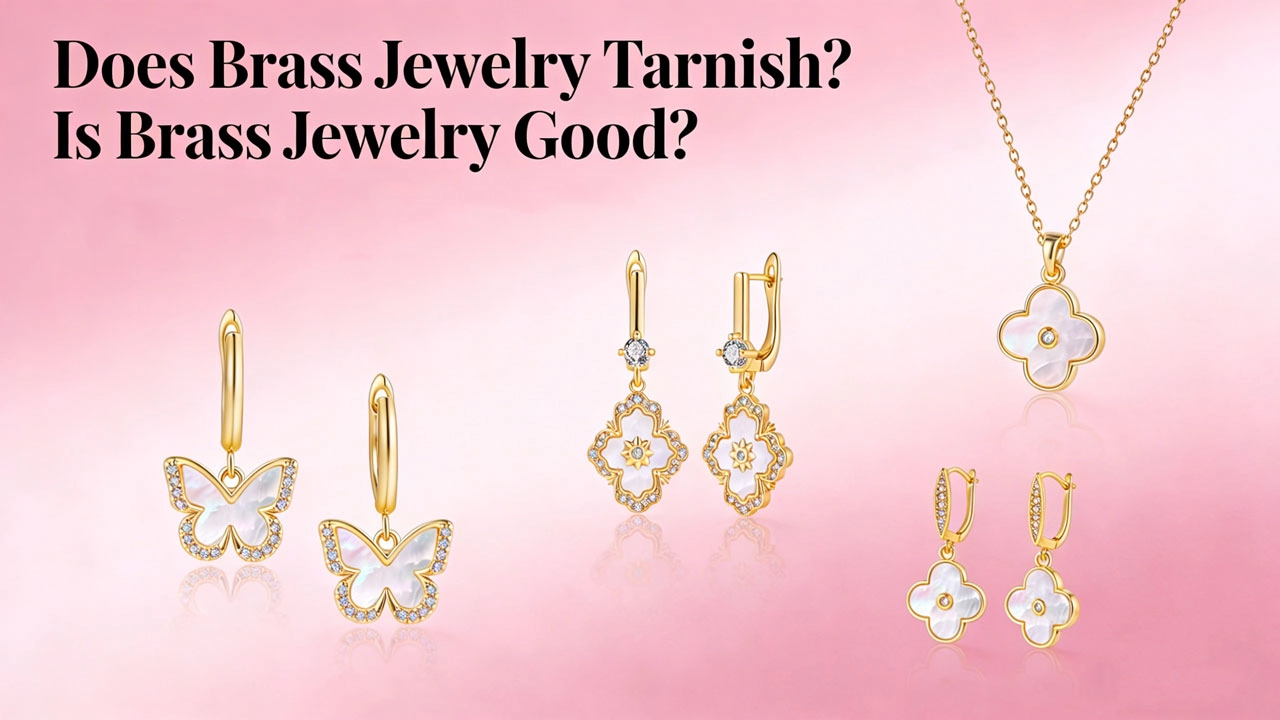
Does Brass Jewelry Tarnish? Is Brass Jewelry Good? Complete Guide from a Professional Jewelry Manufacturer
Prdoucts Categories
FAQ
FAQs
What is the material of the jewelry?
Most of the jewelry is made of 925 sterling silver, brass or 316 stainless steel or custom material,which can cover different procurement demand.
Can you engrave my logo on the jewelry ?Do you supply OEM/ODM service?
Yes. Custom logo and OEM/ODM are both accepted. Our factory specializes in jewelry manufacturing for 27 years.We can produce jewelry by your sample, design, pictures, even by an idea.Please feel free to contact us for more details. Custom order process:Inquiry-Confirm products details-Pay mold fee -Confirm CAD draft-Quote-Initial payment-Produce mold&sample-Confirm Sample-Mass production-Balance payment-Shipment-Track shipment-delivery.
Can I have your product catalog?
Yes, please leave us a message what style jewelry catalog you need.
Products
Do you offer free sample for quality check?
Sample order is welcome, but sample fee need to be paid. It will be deducted when you place an bulk order.
How long will the plating color last?
Generally 6 month for Water Plated color , 1 - 2 years for vacuum plated color if in proper wearing.
Can you engrave my logo on the jewelry ?Do you supply OEM/ODM service?
Yes. Custom logo and OEM/ODM are both accepted.Our factory specializes in jewelry manufacturing for 25 years.We can produce jewelry by your sample, design, pictures, even by an idea.Please feel free to contact us for more details. Custom order process: Inquiry-Confirm products details-Pay mold fee -Confirm CAD draft-Quote-Initial payment-Produce mold & sample-Confirm Sample-Mass production-Balance payment-Shipment-Track shipment-delivery.
Discuss Your Ideas with a Professional Custom Jewelry Manufacturer
We provide personalized jewelry customization services for clients worldwide.
Rest assured that your privacy is important to us, and all information provided will be handled with the utmost confidentiality.
By clicking 'Send Inquiry Now' I agree to ZHEFAN JEWELRY processing my personal data.
To see how to withdraw your consent, how to control your personal data and how we process it, please see our Privacy Policy and Terms of use.
From design to production, ZHEFAN JEWELRY offers a one-stop solution to help you enhance your brand value and market competitiveness.
Get A Quote
Contact
Tel: (+86) 188 1927 7817
© 2026 Zhefan Jewelry. All Rights Reserved.
Facebook
Instagram
YouTube
Whatsapp: +8618819277817