






Email: sales3@zhefanjewelry.com
How to ask for OEM services for wholesale brass rings? | Insights by Zhefan Jewelry
Practical, step-by-step guidance for buyers asking for OEM services for wholesale brass rings — covering tooling costs, negotiable MOQs, plating durability tests, material specs, OEM specification sheets, and QC/AQL during shipment. Actionable checklists and negotiation tips from ZheFan Jewelry.
- 1. How do I calculate realistic tooling and mold costs for custom brass ring OEMs when designs have complex undercuts or multiple sizes?
- 2. What minimum order quantity (MOQ) can I realistically negotiate for wholesale brass rings if I want multiple SKUs and finishes?
- 3. How to verify plating durability for brass rings — which tests should I request and what acceptance criteria are realistic?
- 4. What exact material specs and metallurgical properties should I require in brass to avoid tarnish and allergic reactions?
- 5. How to structure a detailed OEM specification sheet — exactly what measurements, tolerances, and artwork files do manufacturers need for accurate brass ring production?
- 6. How to manage quality control during shipping: pre-shipment checks, AQL levels, and how to document nonconformities for OEMs?
When you need custom OEM brass rings at wholesale scale, vague emails and generic requests waste time and money. Below are six specific, buyer-focused questions beginners ask but rarely find in-depth answers to online. Each answer gives exact steps, tests and document templates you can use when communicating with a custom brass ring manufacturer or brass jewelry supplier.
1. How do I calculate realistic tooling and mold costs for custom brass ring OEMs when designs have complex undercuts or multiple sizes?
Why this matters: Tooling is often your largest one-time cost for custom wholesale brass rings. Undercuts, gemstone settings, and multi-size masters raise costs dramatically unless you plan and specify them up front.
How to calculate and control costs (step-by-step):
- Identify the production method the OEM will use (lost-wax casting, die-stamping, CNC machining or investment casting). Each has different tooling needs: lost-wax needs master wax & silicone dies, die-stamping needs steel dies, CNC needs fixturing and toolpaths.
- Ask for a detailed tooling quote itemized by: master pattern/model, silicone/plaster molds, steel die (if stamping), CNC programming, and sample finishing. Require separate line items for “per-size tooling” versus “one-time model tooling.”
- Request 2 cost scenarios: (A) single-size production with resizing after casting; (B) pre-made tools for each size. Many factories price a master model (one-time) + per-size finishing. If you plan 3–6 sizes, ask the OEM to amortize the tool across SKUs.
- Estimate amortized tooling cost per ring: divide total tooling by planned first-batch quantity. Example: if tooling = $800 and first order = 800 pieces, tooling adds $1.00 per ring. Use this to compare quotes from multiple suppliers.
- Negotiate complexity: simplify geometry (reduce undercuts, avoid deep filigree) or accept plated surface details instead of engraved reliefs to cut die costs. Prototype with a resin 3D print to confirm design before committing to metal tooling.
- Ask whether the OEM offers “soft tool” (silicone/plaster) for initial runs (cheaper) vs. hardened steel die for long runs (expensive but durable). Soft tools can reduce initial tooling by 30–70% for low-volume testing.
What to request in the PO and contract:
- Exact tooling deliverables and ownership (who retains molds/dies after production and whether there’s a reuse fee).
- Number of test/sample iterations included and cost for additional revisions.
- Tooling lead time and the payment schedule (commonly 30–50% of tooling up front, balance before delivery of samples).
2. What minimum order quantity (MOQ) can I realistically negotiate for wholesale brass rings if I want multiple SKUs and finishes?
Why this matters: Many beginners assume a single low MOQ across colors and sizes; in reality MOQ differs by process and finish (unplated brass, gold plating, enamel, stone-setting).
Practical negotiation strategy:
- Break down your SKU matrix by design × size × finish. Ask the supplier for the MOQ per finished SKU rather than per design. Common market ranges from factories (2023–2024): 50–300 pcs per finished SKU. Complex finishes (PVD, thick gold plating, multiple enamel colors) typically start at 100–300 pcs per SKU.
- Propose a tiered MOQ trial: lower MOQ for the first order (e.g., 30–50 pcs per SKU) in exchange for a higher unit price or willingness to accept longer lead times. The factory often accommodates trial runs at an increased per-unit cost.
- Consolidate SKUs to reduce MOQ impact: produce a core set of sizes and finishes first, then roll out additional SKUs in subsequent batches using the same tooling. This reduces per-SKU tooling amortization.
- Bundle orders across collections or partner brands: some OEMs let you combine different designs into one run to meet MOQ while maintaining SKU variety.
What to confirm with the OEM:
- Exact MOQ per SKU for each finishing process (plated, PVD, rhodium, antique finishing, enamel, stone-set).
- Price breaks at common quantity steps (50 / 100 / 300 / 500) and any setup fees for each finish.
- Lead-time implications of smaller MOQs (shorter runs often have longer per-unit production times).
3. How to verify plating durability for brass rings — which tests should I request and what acceptance criteria are realistic?
Why this matters: Brass without proper plating or protection will tarnish, wear and can cause allergic reactions. Buyers need objective tests, not just vendor claims like “long-lasting plating.”
Tests to request (and how to read results):
- Salt spray (corrosion) test – ASTM B117: measures corrosion resistance of plating/finish. Ask the supplier for hours passed (e.g., 24/48/96 h). For fashion brass jewelry, 24–96 hours in neutral salt spray (ASTM B117) is a useful benchmark; higher-end jewelry often looks for >96 h for base corrosion protection.
- Wear/rub test – Taber abrasion or supplier-specific rub cycles: request the protocol (number of cycles, load, wheel type) and photos before/after. Ask for a minimum retention of coating (e.g., no bare brass exposed across 10–30 standardized cycles for plated fashion pieces).
- Adhesion test – cross-hatch test or pull-off where applicable: ensures plating bonds to the brass substrate and won’t flake under normal use.
- Nickel migration and allergen testing – request test reports complying with your target market’s rules (EU Nickel Directive/REACH, and if relevant, California Prop 65 warnings). For parts in prolonged skin contact, ask for nickel release test results and confirm compliance reporting.
- For mass-market fashion brass rings: 24–48 h salt spray + basic rub cycles may be adequate if positioned as short-season jewelry.
- For High Quality pieces or repeat retail lines: expect 72–96+ h salt spray, clear adhesion test reports, and a documented rub-cycle protocol. If you target sensitive-skin customers, require nickel release testing showing compliance with EU limits.
- Alloy designation: request the alloy name or code (ask for common jewelry alloys such as 260/270/360 family if the supplier uses them). If you require lead-free brass for sensitive markets, explicitly state maximum lead ppm and request a material certificate (mill test report).
- Surface condition: annealed vs. spring-temper (hardness target). For rings that need to hold stones or maintain shape, request a target hardness (e.g., Brinell or Vickers number) or tensile range.
- Surface roughness and machining allowance: define Ra values if plating adhesion is critical; smoother surfaces typically plate more uniformly but may hide micro-porosity.
- Surface passivation or pre-treatment: ask whether the OEM uses anti-tarnish chemical passivation and if they provide a protective lacquer or nano-coating option in addition to plating.
- Impurity limits: request specs for nickel and lead ppm if your market requires low allergen content. For children’s jewelry or EU market, specify compliance with applicable regulations.
- Mill test reports (MTRs) for the brass ingot or sheet used.
- Certificates of analysis for plating baths (if relevant) and any passivation chemicals used.
- Third-party test reports for nickel migration or lead content when required for your markets.
- Product code / SKU
- High-resolution artwork: vector files (AI/PDF/SVG) for logos/engraving, and STL/OBJ for 3D shapes. 3D files reduce misinterpretation for rings with sculpted profiles.
- Exact ring sizes and size system (US/UK/EU/Japan) with inner diameter and tolerance per size (e.g., ±0.15 mm). For stackable or fitted rings, tighter tolerances may be required.
- Dimensions: band width, thickness, profile radii, stone seat dimensions (if applicable) with tolerances spelled out (critical / major / minor).
- Material and finish: base alloy, target hardness, plating type, plating thickness (for example, 0.3–0.8 µm for fashion gold flash; 2–5 µm for thicker gold plating if required), and any lacquer or PVD details.
- Surface finish and texture: polished, matte, hammered, brushed; include close-up reference photos or texture maps at measurable scale.
- Stone specifications: stone size, setting type, stone tolerance, and acceptable replacement stones if the primary source is unavailable.
- Packing and labeling requirements: individual polybags, hangtags, jewelry cards, inner boxes, export carton specs, and barcode/label text.
- Quality acceptance levels: AQL thresholds for critical/major/minor defects and sample inspection plan.
- Send the spec sheet and 3D model together. Ask the factory to return a marked-up version confirming they can meet each tolerance and finish.
- Include a sign-off step: supplier signs the spec sheet before tooling begins. This becomes your reference if rework is required.
- In-process inspection checkpoints: after casting/forming, after plating/finishing, and before packing. Request photo evidence at each checkpoint.
- Final random inspection (FRI) with agreed AQL levels. For jewelry, a common approach is: Critical = 0 (no critical defects tolerated), Major = AQL 2.5, Minor = AQL 4.0. Put these numbers in your contract as binding targets.
- Pre-shipment sample retention: request the factory hold 3–5 samples from the production batch for 30–90 days so you can compare if quality issues arise after receipt.
- Third-party inspection: hire a QC firm (SGS, Bureau Veritas or local inspection companies) for a pre-shipment inspection when placing high-volume orders or first-time suppliers. Independent inspection reports reduce disputes.
- Inspection report template: require photos of defective parts, batch numbers, defect counts by SKU and box, and a statement of conformity to the spec sheet.
- Define remediation timelines in the contract: e.g., supplier must propose correction within 5 business days, with replacement, rework, or refund options detailed.
- Holdback clause: retain a portion of payment (often 5–10%) until final acceptance or until corrective actions are verified.
- Clear shipping hold rules: goods should not be shipped without passing FRI unless you formally accept a conditional shipment in writing with agreed penalty terms.
- Specify inner packaging (polybag vs. foam trays) to avoid scratches during transit. For plated brass rings, a soft anti-tarnish card or silica gel can significantly reduce tarnish risk in long sea transit.
- Insist on carton packing lists and box labeling that match your purchase order SKU codes to speed customs clearance and warehouse put-away.
How to set acceptance criteria:
Contract language: require raw test reports from certified labs (internal lab results are useful but ask for third-party lab verification for high-risk SKUs). Include acceptance criteria and remediation steps in the contract if batches fail tests.
4. What exact material specs and metallurgical properties should I require in brass to avoid tarnish and allergic reactions?
Why this matters: “Brass” is a family of copper–zinc alloys. Alloy choice, surface hardness, and surface treatments affect tarnish rate, plating adhesion and skin compatibility.
Material specification checklist you should send to the OEM:
Documentation to request:
5. How to structure a detailed OEM specification sheet — exactly what measurements, tolerances, and artwork files do manufacturers need for accurate brass ring production?
Why this matters: Vague drawings or low-resolution images cause misinterpretation, increased samples and unexpected revisions. A precise spec sheet prevents delays and hidden costs.
Minimum fields to include in your OEM spec sheet (use a spreadsheet or PDF template):
How to deliver files and confirm understanding:
6. How to manage quality control during shipping: pre-shipment checks, AQL levels, and how to document nonconformities for OEMs?
Why this matters: Many disputes arise after goods arrive because QC steps were not specified. An agreed inspection protocol prevents rejection surprises and speeds remediation.
Pre-shipment QC steps to require (practical checklist):
How to document and escalate nonconformities:
Packaging & logistics notes:
Example contractual clause (short): “Supplier to conduct Final Random Inspection to AQL levels Critical: 0, Major: 2.5, Minor: 4.0. No shipment shall leave factory without signed FRI report or written buyer acceptance. Nonconforming quantities greater than 2% of order must be corrected at supplier cost.”
Closing summary:
Asking for OEM services for wholesale brass rings requires precise, test-backed requests: specify tooling ownership and amortization, negotiate realistic MOQs by SKU/finish, demand objective plating and wear testing (ASTM B117 salt spray plus documented wear protocols), define brass alloy and surface specs with MTRs, provide a complete OEM specification sheet (3D files + tolerances), and lock QC & AQL processes into the contract with pre-shipment inspections and remediation rules. These steps reduce surprises, speed approvals and protect margins when scaling a brass jewelry line.
ZheFan Jewelry (www.zhefanjewelry.com) is experienced in OEM brass ring manufacturing and can produce sample prototypes, provide lab test reports and draft an OEM specification template for your first batch. Contact us for a quote: sales3@zhefanjewelry.com
Recommended for you
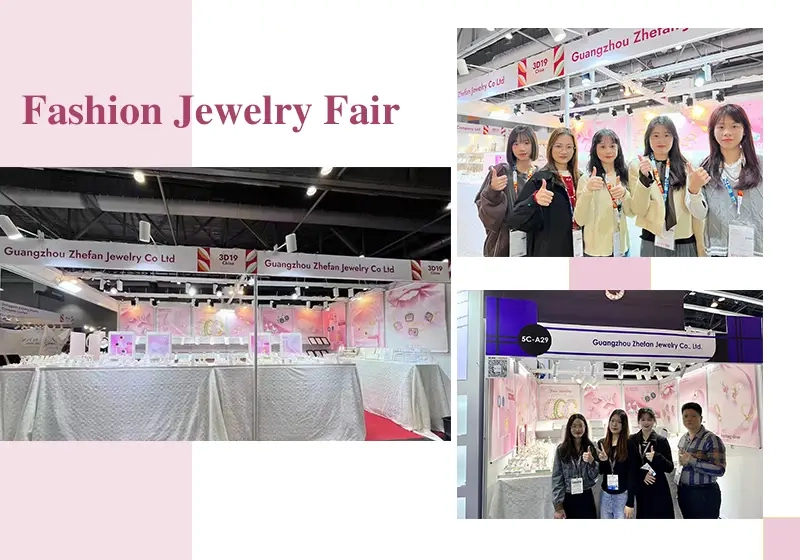
Zhefan Jewelry Will Attend Hong Kong Jewelry Fair
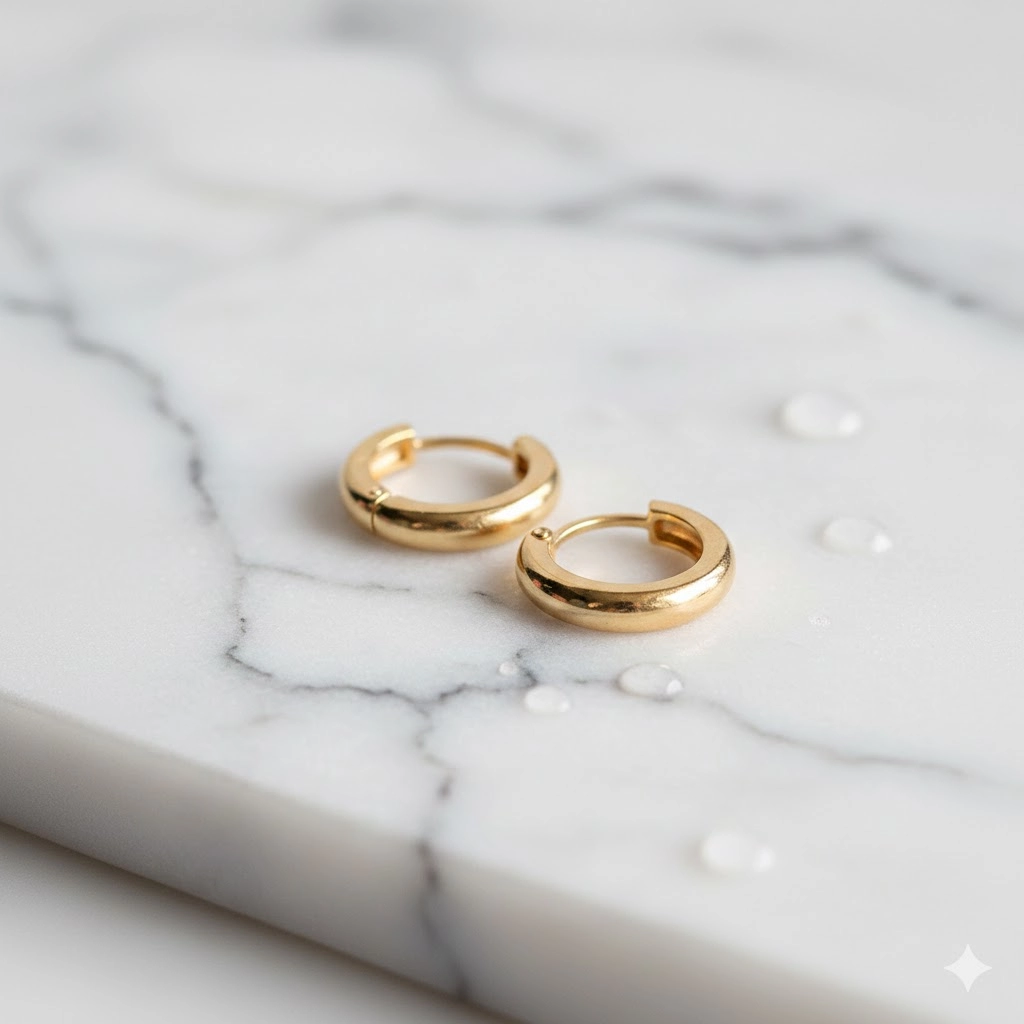
Boost Your Margins with Top-Selling Custom Wholesale Brass Huggie Earrings
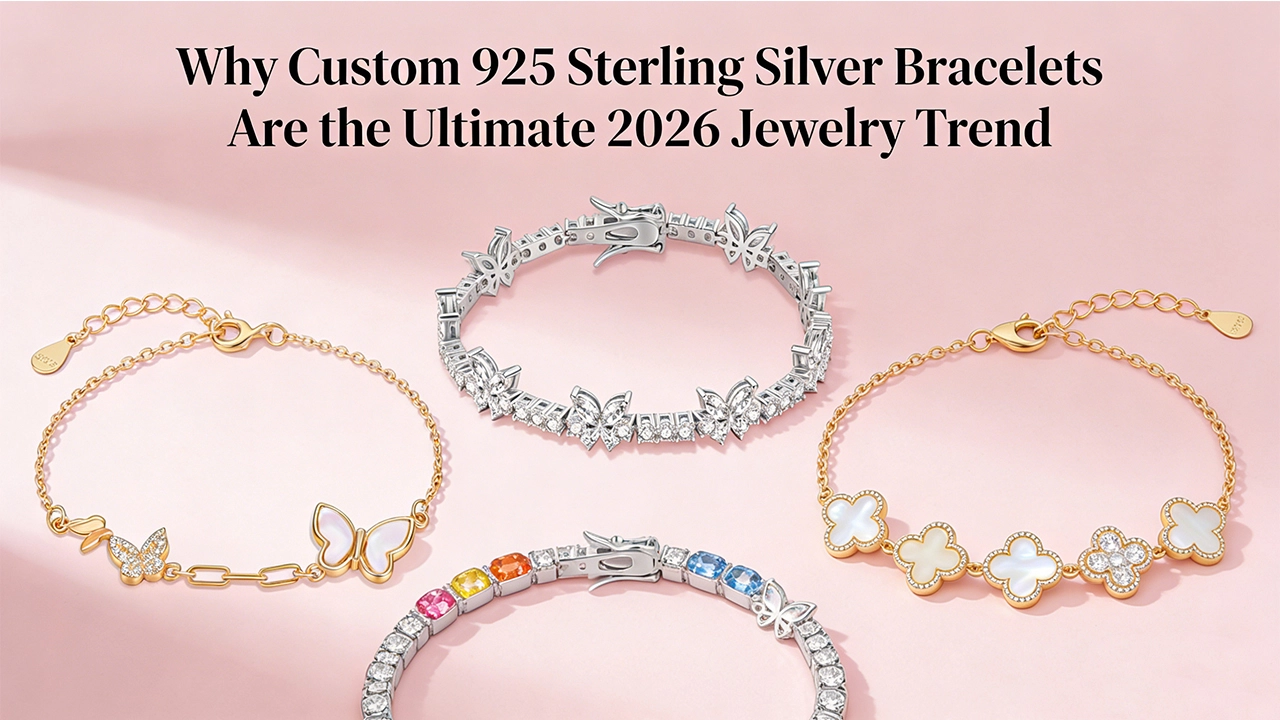
Why Custom 925 Sterling Silver Bracelets Are the Ultimate 2026 Jewelry Trend
Is Stainless Steel a Good Type of Jewelry? Pros, Cons, and Why Brands Choose Stainless Steel Jewelry
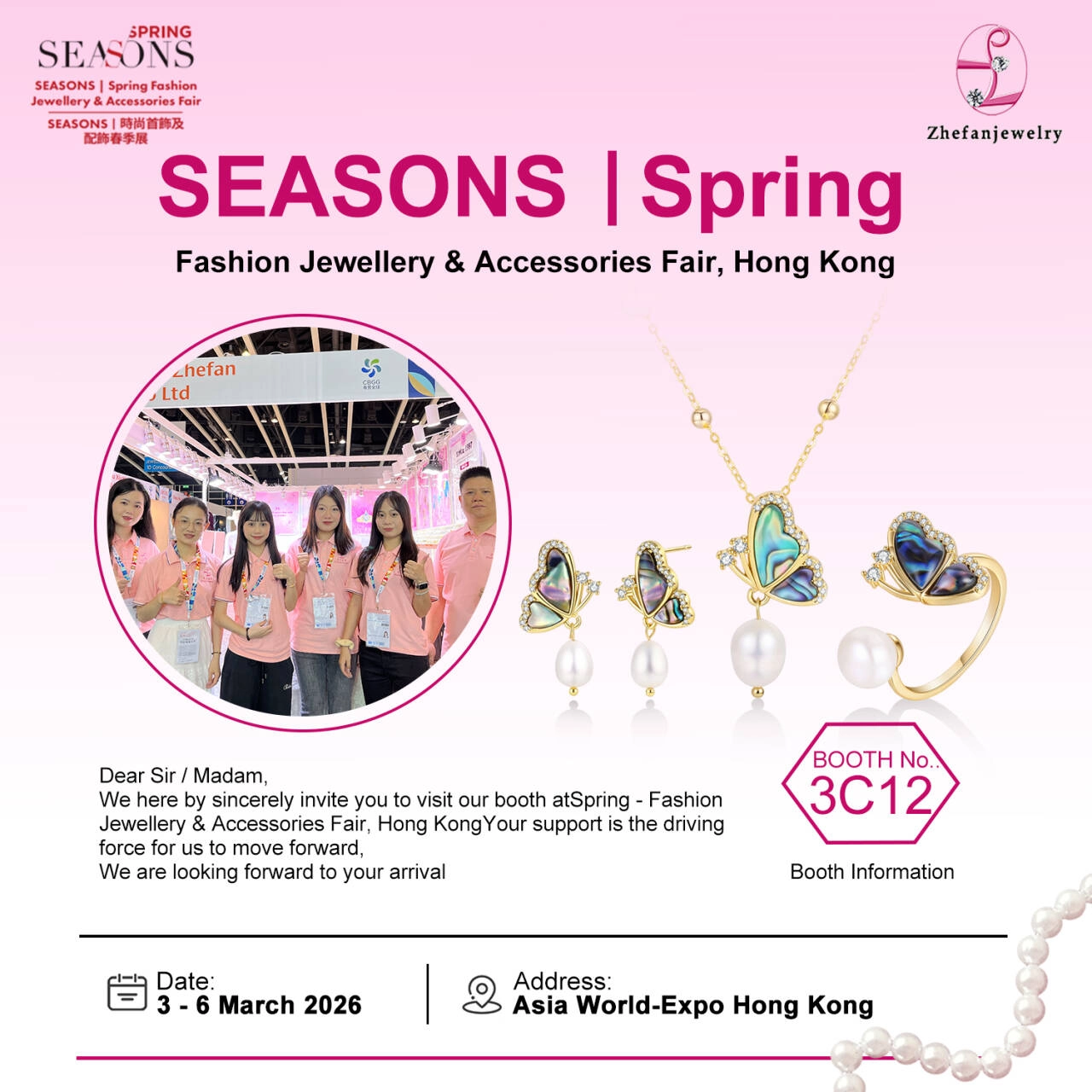
Zhefan Jewelry Invites You to Attend the Hong Kong Jewellery Exhibition 2026
The Secret Behind Premium Quality: 7 International Standards for 925 Sterling Silver Rings
Prdoucts Categories
FAQ
Products
What services can we provide?
Accepted Delivery Terms: FOB, CIF, EXW, Express Delivery;
Accepted Payment Currency: USD, EUR, JPY, CAD, AUD, HKD, GBP, CNY, CHF;
Accepted Payment Type: T/T, L/C, MoneyGram, Credit Card, PayPal, Western Union, Cash, Escrow;
Language Spoken: English, Chinese, Spanish, Japanese, Portuguese, German, Arabic, French, Russian, Korean, Hindi, Italian.
Do you offer free sample for quality check?
Sample order is welcome, but sample fee need to be paid. It will be deducted when you place an bulk order.
What is your minimum order quantity?
We offer low MOQ from 2 to 30 depending on models. Send your favor model to get details from Trade Manager.
How can we guarantee quality?
Always a pre-production sample before mass production;
Always final Inspection before shipment;
FAQs
Can I see your product test report?
Of course.Our product throught standar test like SGS.We test in many ways of product.
Can you engrave my logo on the jewelry ?Do you supply OEM/ODM service?
Yes. Custom logo and OEM/ODM are both accepted. Our factory specializes in jewelry manufacturing for 27 years.We can produce jewelry by your sample, design, pictures, even by an idea.Please feel free to contact us for more details. Custom order process:Inquiry-Confirm products details-Pay mold fee -Confirm CAD draft-Quote-Initial payment-Produce mold&sample-Confirm Sample-Mass production-Balance payment-Shipment-Track shipment-delivery.
Discuss Your Ideas with a Professional Custom Jewelry Manufacturer
We provide personalized jewelry customization services for clients worldwide.
Rest assured that your privacy is important to us, and all information provided will be handled with the utmost confidentiality.
By clicking 'Send Inquiry Now' I agree to ZHEFAN JEWELRY processing my personal data.
To see how to withdraw your consent, how to control your personal data and how we process it, please see our Privacy Policy and Terms of use.
From design to production, ZHEFAN JEWELRY offers a one-stop solution to help you enhance your brand value and market competitiveness.
Get A Quote
Contact
Tel: (+86) 188 1927 7817
© 2026 Zhefan Jewelry. All Rights Reserved.
Facebook
Instagram
YouTube
Whatsapp: +8618819277817