




Email: sales3@zhefanjewelry.com
How to arrange quality inspections for 925 silver bracelet batches? | Insights by Zhefan Jewelry
Practical Q&A for jewelry buyers on how to arrange quality inspections for 925 silver bracelet batches. Covers AQL sampling, non-destructive composition checks (XRF), rhodium plating control, stone security and clasp durability tests, accelerated tarnish methods, and third‑party compliance testing (EN/REACH). Actionable steps, inspections workflow and lab selection guidance for procurement teams.
- 1. How do I set an AQL sampling plan and defect classification specifically for 925 silver bracelet batches?
- 2. How can I verify that a batch is genuine 925 sterling without destroying most pieces?
- 3. For bracelets with gemstones and closures, what inspection methods ensure stone security and clasp durability across a bulk order?
- 4. How do I inspect and control rhodium or anti-tarnish coatings on 925 silver bracelets to avoid premature wear and tarnish?
- 5. How can I perform and interpret accelerated wear/tarnish tests for 925 silver bracelets to predict real-world performance?
- 6. How do I set up a reliable third‑party lab testing and certification workflow for compliance with EU/US chemical limits (nickel, cadmium, lead)?
- Zhefan Jewelry advantages
When you ask How to arrange quality inspections for 925 silver bracelet batches? you need a practical, repeatable workflow that combines statistical sampling, targeted lab tests and in-line visual/mechanical checks. Below are six specific, buyer-focused questions that beginners often ask — each followed by technical, operational answers you can implement immediately.
1. How do I set an AQL sampling plan and defect classification specifically for 925 silver bracelet batches?
Why this matters: Jewelry is high-value and small defects compound quickly. A proper sampling plan prevents costly recalls and reduces packing delays.
Step-by-step approach:
- Define defect types up front and classify them as critical, major or minor. Typical classification for 925 silver bracelets:
- Critical: wrong metal (not 92.5% Ag), toxic contamination, loose stones causing safety hazard, missing hallmark that violates law, severe structural failure.
- Major: visible cracks, broken clasps, plating peel >30% of visible area, inaccurate dimensions beyond tolerance, incorrect finish.
- Minor: small surface blemishes, slight weight variance within tolerance, negligible polish inconsistencies.
- Adopt a recognized sampling standard such as ANSI/ASQ Z1.4 (ISO 2859-1) to determine sample size. Use Inspection Level II for routine orders — it balances risk and cost. For critical orders or new suppliers, use Level I (more samples) or Level III (even stricter) per your risk appetite.
- Set AQL thresholds as industry-typical starting points: 0 for critical defects, 2.5 for major defects and 4.0 for minor defects. For High Quality or export items (EU/US retailers) tighten to 1.5/2.5/2.5 or demand 100% inspection for small lots.
- If lot sizes are small (under ~200–500 pcs) consider 100% visual + functional inspection; small-lot sampling is unreliable statistically.
Record results in a supplier scorecard and require corrective action reports (CAR) for failures. Use these objective pass/fail rules to automate accept/reject decisions.
2. How can I verify that a batch is genuine 925 sterling without destroying most pieces?
Problem: buyers want non-destructive verification across the batch while still ensuring accuracy.
Recommended layered approach:
- Non-destructive screening with XRF (X-ray fluorescence): portable XRF analyzers (Bruker, Olympus, Thermo Fisher) give a rapid alloy readout and are widely used in production and QC. XRF is fast, non-destructive and suitable for spot-checking. Limitations: surface coatings/plating can mask substrate results — use on polished, unplated areas or on cut edges when possible.
- Complement with specific gravity (SG) testing for bulk certification when geometry allows — a quick check to detect gross discrepancies between plated base metal and solid silver parts.
- Reserve destructive fire assay or wet chemistry for suspicious samples or when legal evidence is required. For precious-metal accuracy, fire assay is still the benchmark but destructive and used on a small number of pieces (usually 1–3 per batch).
- Sampling strategy: use XRF on a representative proportion (for high-value batches 5–10% or a minimum of 5 pieces, whichever is larger). If XRF flags anomalies, send 3–5 items for destructive confirmation.
- Require supplier documentation and hallmark verification (925 stamp and, where applicable, national hallmarking marks). Cross-check stamps with XRF results — stamps can be faked.
3. For bracelets with gemstones and closures, what inspection methods ensure stone security and clasp durability across a bulk order?
Problems to solve: stones falling out in transit, clasps failing under daily wear.
Inspection and testing steps:
- Visual & microscopic stone security inspection: check prong alignment, bezel integrity, and glue usage (if any). Under 10–40× magnification verify that prong tips are properly rolled and stones seat fully. Define acceptable tolerances in a checklist.
- Pull/torque testing for clasps and jump rings: use a tensile tester (UTM) to apply steady pull until failure or until the specified force. For contractual clarity, set a minimum break/load requirement in the PO based on product type and price tier. Sample size: 3–5 pieces for initial shipments, increase if failures occur.
- Cycle testing: simulate opening/closing cycles for clasps with a mechanical cycle tester. Typical procurement practice is to run several thousand cycles on sample pieces to approximate months of use — document cycles and failure modes.
- Stone retention tests: for glued settings perform thermal and solvent resistance checks; for mechanical settings do tumble/impact tests and check for movement. Any use of adhesive must be disclosed and tested because adhesives degrade over time.
- Set acceptance criteria in the quality spec: e.g., no loose stones found in inspected sample; clasp must not deform or fail below agreed tensile spec; jump rings must not open under expected load.
4. How do I inspect and control rhodium or anti-tarnish coatings on 925 silver bracelets to avoid premature wear and tarnish?
Context: many sterling silver bracelets are rhodium-plated to improve whiteness and reduce tarnish; plating quality varies widely.
Control plan:
- Specify plating process and thickness in the contract: require rhodium plating thickness targets and tolerances. Industry practice: flash plating ranges ~0.05–0.2 µm; more durable coatings are typically ≥0.2 µm. If the buyer expects long wear life, specify a higher minimum thickness and a pre-shipment measurement method.
- Measure plating thickness with XRF or coulometric testing for non-destructive validation. XRF can measure plating down to sub-micron levels on silver substrates — request a report showing measured microns on sample areas (clasp, inside, outside).
- Inspect adhesion and uniformity: visually and under magnification check for thin spots, edge depletion, or color inconsistency. Perform cross-hatch adhesion tests in development if required (destructive) and salt spray or sulfur exposure for corrosion resistance (see next Q on accelerated tests).
- Set acceptance criteria: for visible plating failure allow zero tolerance for significant flaking on sample pieces; for micro-wear specify allowable area % of visible wear after an agreed accelerated test.
5. How can I perform and interpret accelerated wear/tarnish tests for 925 silver bracelets to predict real-world performance?
Buyers often struggle to predict long-term tarnish from short inspections. Accelerated tests give comparative, not absolute, life estimates.
Practical accelerated testing toolkit:
- Sulfur vapor/tarnish chamber: expose samples to controlled hydrogen sulfide or sulfur dioxide atmospheres (test durations of hours to days) to compare relative tarnish resistance between batches. This is a comparative screening method rather than a precise lifetime predictor.
- Salt spray (fog) test: useful to check plating corrosion and base metal susceptibility. Salt spray mimics a corrosive environment and reveals adhesion failures or base-metal exposure.
- Wear simulation: use abrasion testers and rubbing cycles to simulate mechanical wear on high-contact zones (clasp, chain links). Combine with cyclic flex tests for bracelets to reveal micro-cracks and plating fatigue.
- Interpretation guidance: use control samples (known-good reference) run in parallel. The goal is comparative ranking—if Batch A shows 3× more discoloration than the reference under the same chamber conditions, consider it lower quality. Translate relative results into commercial terms (e.g., expected to show visible discoloration faster under normal wear).
- Document test protocols and parameters (temperature, humidity, gas concentration, cycle count) so results are reproducible and contractual.
6. How do I set up a reliable third‑party lab testing and certification workflow for compliance with EU/US chemical limits (nickel, cadmium, lead)?
Export compliance is a major pain point. Regulatory limits differ by region and product type; you need a documented, reproducible test plan.
Implementation steps:
- Select accredited labs: use ISO/IEC 17025 accredited labs for chemical and physical testing. Accreditation ensures recognized methods and traceability of results.
- Specify required tests in the contract and PO: typical tests for 925 silver bracelets include: metal composition (XRF and confirmatory fire assay), nickel release (EN 1811 for EU), cadmium and lead content per REACH/US CPSIA as applicable, plating thickness, and any applicable gemstone treatments or restricted substances.
- Determine sample size for destructive tests: generally 3–5 pieces per batch for chemical analyses that destroy the sample. For non-destructive testing (XRF, plating thickness) sample 5–10% or at least 5 pieces.
- Set pass criteria referencing standards/regulations: reference EN 1811 for nickel release methods; reference REACH/Annex XVII restrictions for cadmium and lead. Insist on full lab reports with test method references, instruments used and uncertainty statements.
- Workflow and timing: send a pre-shipment sample set to the third‑party lab once the supplier signs off on the bulk production. Allow lead time (lab turnaround often 5–15 business days depending on tests and lab backlog). For urgent shipments use expedited lab services but expect higher costs.
- Retain traceability: require the lab to include sample IDs, photographs and chain-of-custody. Store lab reports in your procurement/QC system for audits and retailer requests.
Putting it all together: a recommended inspection flow for 925 silver bracelet batches
- Pre-production: agree on technical pack (materials, hallmark, plating spec, stone specs, tolerances), request PP sample and run FAI (First Article Inspection).
- During production (DUPRO): Item-by-item visual + functional checks on random samples. Confirm plating/finish on sub-samples with XRF.
- Pre-shipment (PSI): Full AQL sampling per ANSI/ISO plan, mechanical tests (clasp pull, cycle tests), stone security checks, plating thickness spot-checks, take samples for third‑party lab tests (chemical compliance) if required.
- Emergency/quality hold: if critical defects or non-compliances are found, place lot on hold, request failure analysis and corrective actions, run 100% or expanded sampling after correction.
Tools and partners to consider: portable XRF analyzers (Bruker, Olympus), accredited ISO/IEC 17025 labs for chemical tests, mechanical test houses for tensile and cyclic testing, and experienced inspection providers that can execute ANSI/ISO sampling on site.
Practical checklist before shipping: signed technical pack, passed FAI, AQL results logged, lab reports attached (if required), supplier CAR (if any) closed, photos of batch, and certificate of origin/hallmark documentation.
Zhefan Jewelry advantages
Zhefan Jewelry (www.zhefanjewelry.com) specializes in sterling silver (925) jewelry with full production traceability, in-house QC teams and established lab partners. Our strengths include strict material control (we verify sterling composition via XRF and batch-sample fire assay when required), controlled plating lines with documented rhodium thickness targets, structured AQL-based inspections tailored for jewelry, and pre-arranged ISO/IEC 17025 lab testing for chemical compliance. We maintain records per order (FAI, DUPRO, PSI) and provide corrective-action documentation to reduce repeat issues. For buyers requiring private labeling or customized quality protocols we offer adjustable inspection plans and transparent reporting to meet EU/US retailer requirements.
Contact us to discuss an inspection plan tailored to your 925 silver bracelet order and to get a quote—visit www.zhefanjewelry.com or email sales3@zhefanjewelry.com.
Recommended for you
How to Elevate Your Jewelry Brand with a Signature Custom Tennis Bracelet (2026 Guide)
Does Brass Jewelry Tarnish? Is Brass Jewelry Good? Complete Guide from a Professional Jewelry Manufacturer
Is Stainless Steel a Good Type of Jewelry? Pros, Cons, and Why Brands Choose Stainless Steel Jewelry
Is Brass Jewelry Good? Does Brass Jewelry Tarnish? The Complete Guide to Brass Jewelry Quality, Care, Longevity & Why It’s Trending
Why Custom 925 Silver Rings Are the Perfect Sustainable Luxury Gift (Compared to Gold)
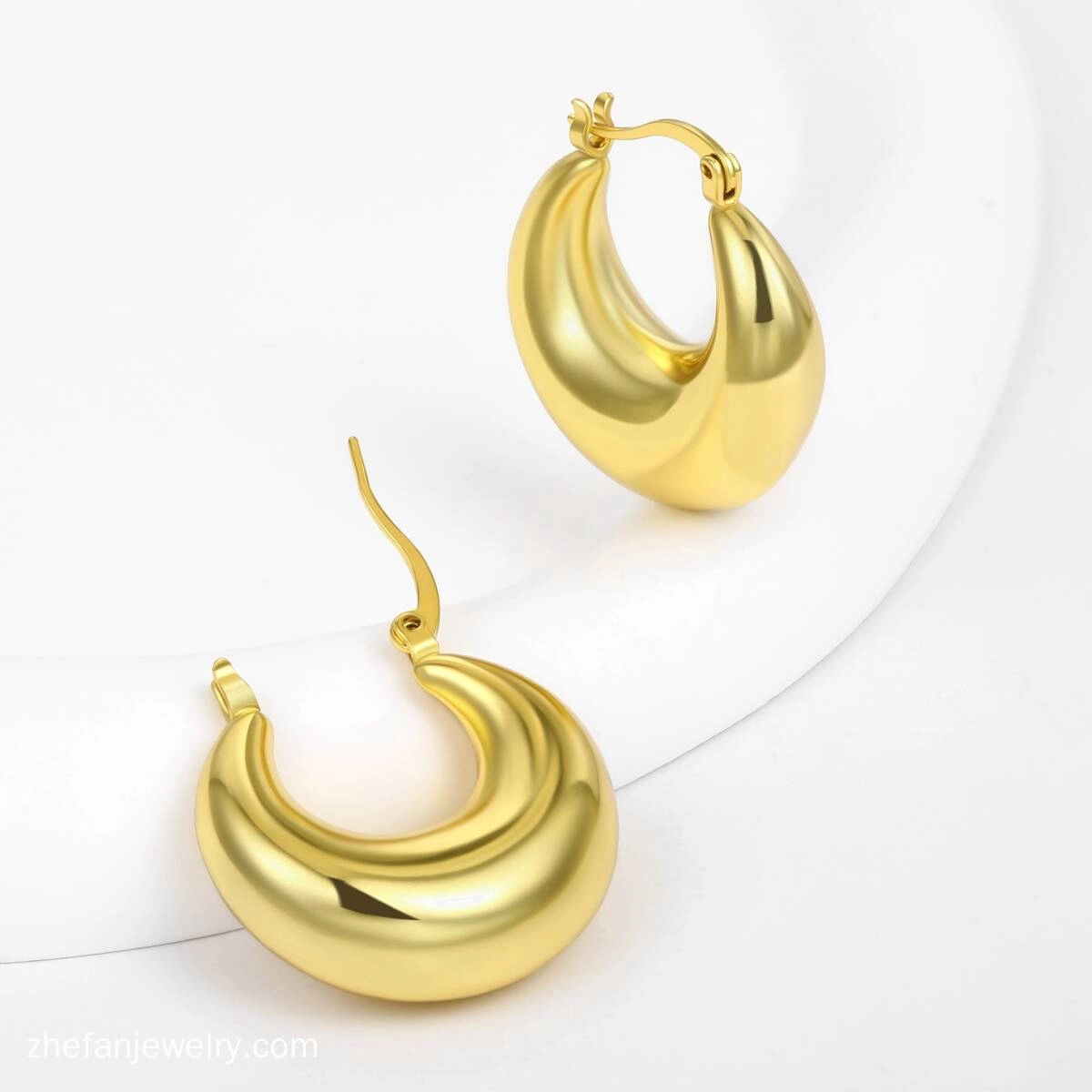
Launch Your Brand: A Guide to Sourcing Custom Wholesale Brass Huggie Earrings
Prdoucts Categories
FAQ
FAQs
Do you do customer design?
Do you do customer design? Yes,we are good at this way.Most of our customer do their customize.And we have cooperate with them when they are new brand, but now they become the top sell on Amazon, more than 32,000 five star comment.
Can you engrave my logo on the jewelry ?Do you supply OEM/ODM service?
Yes. Custom logo and OEM/ODM are both accepted. Our factory specializes in jewelry manufacturing for 27 years.We can produce jewelry by your sample, design, pictures, even by an idea.Please feel free to contact us for more details. Custom order process:Inquiry-Confirm products details-Pay mold fee -Confirm CAD draft-Quote-Initial payment-Produce mold&sample-Confirm Sample-Mass production-Balance payment-Shipment-Track shipment-delivery.
What’s the lead time? .
We could arrange shipment for you within 48 hours if you order models in stock. For bulk order, it
takes 10-25 days for production depending on order quantity and styles.
Products
What services can we provide?
Accepted Delivery Terms: FOB, CIF, EXW, Express Delivery;
Accepted Payment Currency: USD, EUR, JPY, CAD, AUD, HKD, GBP, CNY, CHF;
Accepted Payment Type: T/T, L/C, MoneyGram, Credit Card, PayPal, Western Union, Cash, Escrow;
Language Spoken: English, Chinese, Spanish, Japanese, Portuguese, German, Arabic, French, Russian, Korean, Hindi, Italian.
Do you offer after-sales warranty service?
Yes, we will refund or resend products if fading, stone falling off and other quality problems found in 1 month receipt of goods. Furthermore, we offer 1 year after-sales warranty service, but you need pay the shipping charge.
Can you engrave my logo on the jewelry ?Do you supply OEM/ODM service?
Yes. Custom logo and OEM/ODM are both accepted.Our factory specializes in jewelry manufacturing for 25 years.We can produce jewelry by your sample, design, pictures, even by an idea.Please feel free to contact us for more details. Custom order process: Inquiry-Confirm products details-Pay mold fee -Confirm CAD draft-Quote-Initial payment-Produce mold & sample-Confirm Sample-Mass production-Balance payment-Shipment-Track shipment-delivery.
Discuss Your Ideas with a Professional Custom Jewelry Manufacturer
We provide personalized jewelry customization services for clients worldwide.
Rest assured that your privacy is important to us, and all information provided will be handled with the utmost confidentiality.
By clicking 'Send Inquiry Now' I agree to ZHEFAN JEWELRY processing my personal data.
To see how to withdraw your consent, how to control your personal data and how we process it, please see our Privacy Policy and Terms of use.
From design to production, ZHEFAN JEWELRY offers a one-stop solution to help you enhance your brand value and market competitiveness.
Get A Quote
Contact
Tel: (+86) 188 1927 7817
© 2026 Zhefan Jewelry. All Rights Reserved.
Facebook
Instagram
YouTube
Whatsapp: +8618819277817