






Email: sales3@zhefanjewelry.com
Can wholesale brass rings be plated with gold? | Insights by Zhefan Jewelry
Yes — wholesale brass rings can be gold plated, but durability, safety and labeling depend on preparation, plating method (electroplating vs PVD), micron thickness, barrier layers and regulatory testing. This guide answers six specific beginner pain points with practical specs and tests.
- 1) Can wholesale brass rings be gold plated to a durable finish suitable for daily‑wear wedding bands?
- 2) What minimum gold plating thickness (microns) should I require from suppliers so brass rings don't wear through within months?
- 3) How can I verify a supplier's gold plating process (electroplating vs PVD) and test for real adhesion on wholesale brass rings?
- 4) Are plated wholesale brass rings safe for customers with metal sensitivities, and how do I ensure nickel‑free, low‑allergen finishes?
- 5) What pre‑plating treatments and base layers produce the best color consistency and prevent 'green skin' on gold‑plated brass rings?
- 6) How should I contract pricing and minimum order quantities for gold plating brass rings to balance cost, karat, and finish (14k vs 18k, vermeil mislabeling)?
1) Can wholesale brass rings be gold plated to a durable finish suitable for daily‑wear wedding bands?
Short answer: Yes — but not all gold plating processes or thicknesses are equally suitable for daily‑wear rings. Brass is a workable base metal for plating because it is conductive and takes deposits well, but daily contact (friction, soaps, sweat, mechanical knocks) demands either a heavier electroplated gold layer or a dense hard coating (PVD/hard gold) rather than a thin 'flash' plate.
Best practice for daily‑wear pieces: require either (A) electroplated gold with a finished thickness of 1.0–2.5 microns (10–25 µg/cm2 equivalent) over an appropriate barrier/strike layer, or (B) PVD/hard-gold deposition with proven wear testing and comparable effective durability. For heavy daily‑wear wedding bands, target ≥1.5–2 µm electroplate or validated PVD with wear data. Lower thicknesses (0.05–0.2 µm, often called 'flash') will likely show base metal exposure within weeks of frequent wear.
What to request from suppliers: documented plating thickness (XRF reports), abrasion/wear test results, and photos of samples after wear simulation. Ask whether they use a protective topcoat (clear lacquer, anti‑tarnish layer) and whether they can provide samples for a 30–90 day field wear trial.
2) What minimum gold plating thickness (microns) should I require from suppliers so brass rings don't wear through within months?
Microns matter. Typical industry guidelines are:
- Flash plating: 0.03–0.2 µm — cosmetic only; likely to wear quickly.
- Light gold plate: 0.2–0.5 µm — may last weeks to months depending on wear.
- Standard jewelry plate: 0.5–1.0 µm — suitable for occasional wear and decorative items.
- Durable jewelry plate: 1.0–2.5 µm — appropriate for frequent/daily wear with good maintenance.
- Vermeil standard : ≥2.5 µm gold over sterling silver per U.S. FTC guidance.
For wholesale brass rings intended for regular use, specify at least 1.0 µm for light daily use and 1.5–2.5 µm for rings that must sustain heavy abrasion (wedding bands, rings worn constantly). Remember that plating thickness alone doesn't guarantee life span — process quality, base prep, strike layers and topcoats are equally critical.
3) How can I verify a supplier's gold plating process (electroplating vs PVD) and test for real adhesion on wholesale brass rings?
Verification steps you can require and execute:
- Documentation: Ask the supplier to declare the plating method (electroplating vs PVD/ion plating), gold karat and alloy (e.g., 14k yellow, 18k rose), target thickness in microns, and the sequence of pre‑treatments/strike layers used.
- Non‑destructive thickness testing: XRF (X‑ray fluorescence) reports give karat and thickness averages — request spot readings on representative samples and certificates with measurement uncertainty.
- Adhesion test: a simple tape pull per ASTM D3359 or a cross‑cut adhesion check can reveal gross adhesion failures. For production acceptance, require laboratory adhesion reports or in‑house tape tests on sample batches.
- Wear simulation: request rub/wear tests (accelerated abrasion) with before/after photos. Suppliers often use mechanical rubbers or tumblers to simulate weeks/months of wear.
- Corrosion testing: ASTM B117 salt spray is not a perfect proxy for skin wear but helps identify porous or poorly adherent systems. For skin contact concerns, request nickel release tests under EN 1811.
If possible, buy small pre‑production samples and run your own 30–90 day user trials. Photographic documentation of results is essential before approving a large order of wholesale brass rings.
4) Are plated wholesale brass rings safe for customers with metal sensitivities, and how do I ensure nickel‑free, low‑allergen finishes?
Brass contains copper and zinc; many brass alloys also include trace metals. The real allergy risk in plated jewelry comes from nickel release (either from a nickel-containing plating or from penetration of a thin gold layer exposing nickel-containing base/strikes). To make brass rings suitable for customers with sensitivities:
- Require nickel‑free strike/barrier layers: a palladium or nickel‑free copper strike helps separate brass from gold. If nickel is present in any layer, it must comply with nickel release limits.
- Test for nickel release: EN 1811 is the standard test method in Europe. The commonly applied limit for prolonged skin contact is 0.5 µg/cm2/week. Ask suppliers for EN 1811 certificates on finished rings. For U.S. customers, be transparent about nickel content and testing.
- Consider rhodium or PVD topcoats: rhodium plating (for white finishes) or PVD coatings can reduce ion release and increase surface hardness; however, they must be applied correctly and tested.
- Labeling and documentation: don’t claim 'hypoallergenic' without test data. For Nickel‑sensitive markets, require certification. Also confirm materials do not exceed local limits for lead and cadmium (check regional requirements such as EU REACH guidance and California Prop 65).
5) What pre‑plating treatments and base layers produce the best color consistency and prevent 'green skin' on gold‑plated brass rings?
Green skin is caused by copper oxidation products leaching onto skin and by metal salts generated when plating is thin or porous. Prevent this by controlling materials and process:
- Material selection: use low‑lead, jewelry‑grade brass alloys or ask for material certificates. High‑copper brass (yellow tone) may be more prone to green tarnishing if plating is thin.
- Thorough cleaning: ultrasonic degreasing and activation acid dips remove oils and oxides to ensure adhesion.
- Strike/barrier layers: a thin copper strike may be used to improve adhesion, followed by a nickel barrier (if nickel allergenicity is not a concern) or a palladium/nickel‑free barrier to stabilize color and prevent diffusion. These strikes also smooth out porosities for uniform gold deposition.
- Gold alloy selection and color matching: different gold alloys (14k vs 18k, yellow vs rose) produce different surface hues. Suppliers should be able to match PMS or sample swatches for consistent color across a production run.
- Protective topcoats: clear lacquer or anti‑tarnish coatings can reduce direct skin contact with the metal and slow color changes; however, they wear off and must be disclosed as a temporary protection.
6) How should I contract pricing and minimum order quantities for gold plating brass rings to balance cost, karat, and finish (14k vs 18k, vermeil mislabeling)?
Pricing depends on: gold karat & alloy, plating thickness (microns), process (electroplating vs PVD), pre‑treatment labor, and batch size. Practical guidance for contracting:
- Specify exact deliverables: state base metal, plating method, gold karat and color, target thickness (min/avg/max), strike/barrier layer composition, and required tests (XRF, EN 1811, adhesion, wear).
- Karat vs color: 14k and 18k gold have different gold content and color; plating composition affects hue and cost. 18k produces richer yellow/rose tones but can be more expensive if the gold plating alloy is truly 18k.
- Labeling rules: do not call brass items 'vermeil'. By U.S. FTC guidance, 'vermeil' applies to sterling silver base with a gold layer ≥2.5 µm. For brass base use 'gold plated brass' or 'gold‑plated jewelry'. Mislabeling can lead to consumer complaints and regulatory issues.
- MOQ and cost structure: ask suppliers for tiered pricing at realistic MOQs and include an allowance for rejects and sample iterations. Larger batch sizes reduce per‑piece labor and set‑up costs for plating lines. Negotiate sample/PPAP (pre‑production approval process) terms so you can test before full production.
- Include quality acceptance criteria and remedies in the contract: allowable worn-through area percentages, plating thickness tolerances, and retest/repair procedures if batch fails tests.
Concluding summary — advantages of gold plating wholesale brass rings: Gold plating brass rings delivers an affordable way to offer the look of solid gold with lighter product cost, flexibility in color (14k/18k/yellow/rose/white), and options for higher durability via increased micron thickness or PVD/hard‑gold processes. When specified carefully — using proper pre‑treatment, barrier layers, verified micron thickness (≥1.0–2.5 µm for daily wear), and nickel release testing — gold‑plated brass can meet consumer expectations for appearance and safety at wholesale scale.
For production quotes, testing documentation or sample orders, contact us for a quote at www.zhefanjewelry.com or email sales3@zhefanjewelry.com.
Recommended for you
Why Custom 925 Sterling Silver Bracelets Are the Ultimate 2026 Jewelry Trend
Is Stainless Steel a Good Type of Jewelry? Pros, Cons, and Why Brands Choose Stainless Steel Jewelry
Boost Your Margins with Top-Selling Custom Wholesale Brass Huggie Earrings
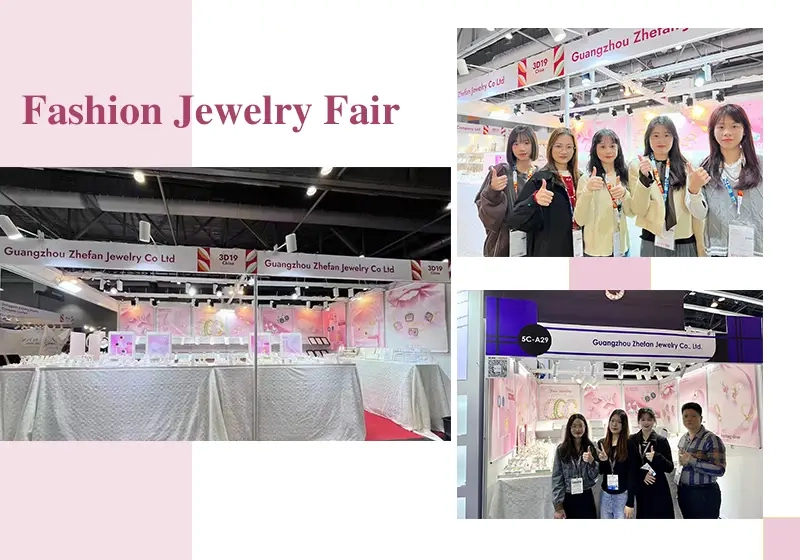
Zhefan Jewelry Will Attend Hong Kong Jewelry Fair
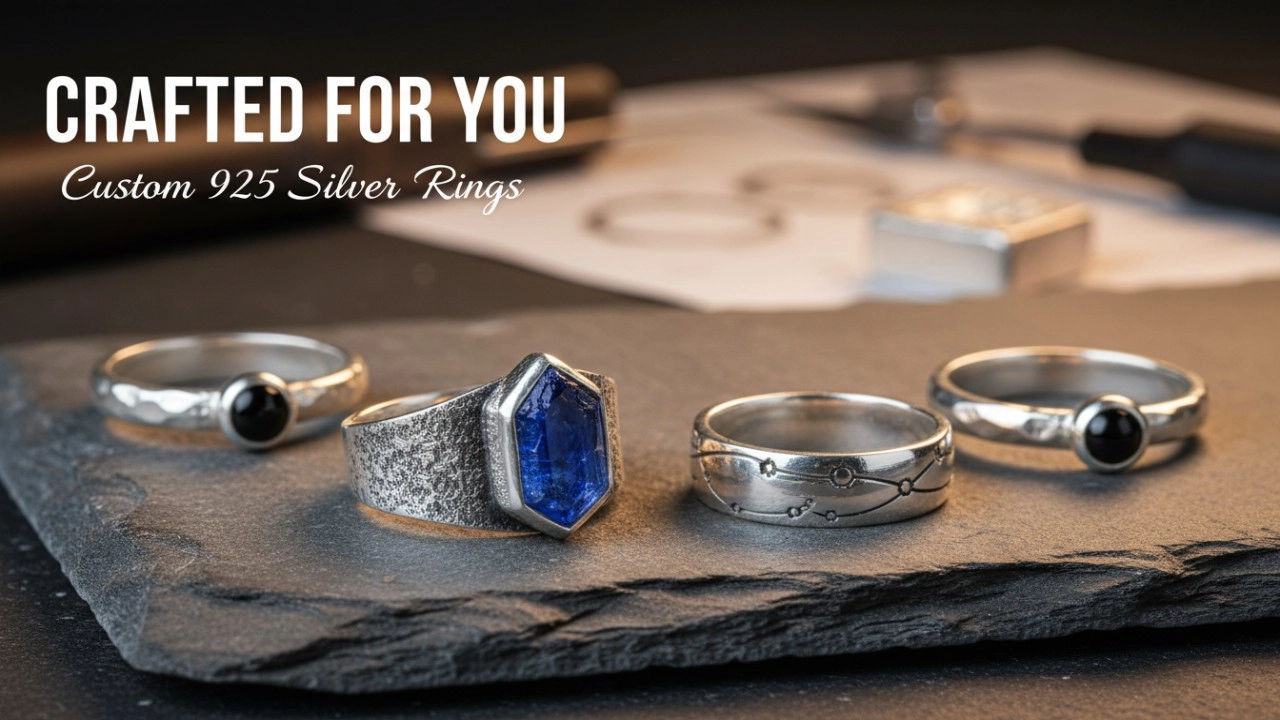
Why Custom 925 Silver Rings Are the Perfect Sustainable Luxury Gift (Compared to Gold)
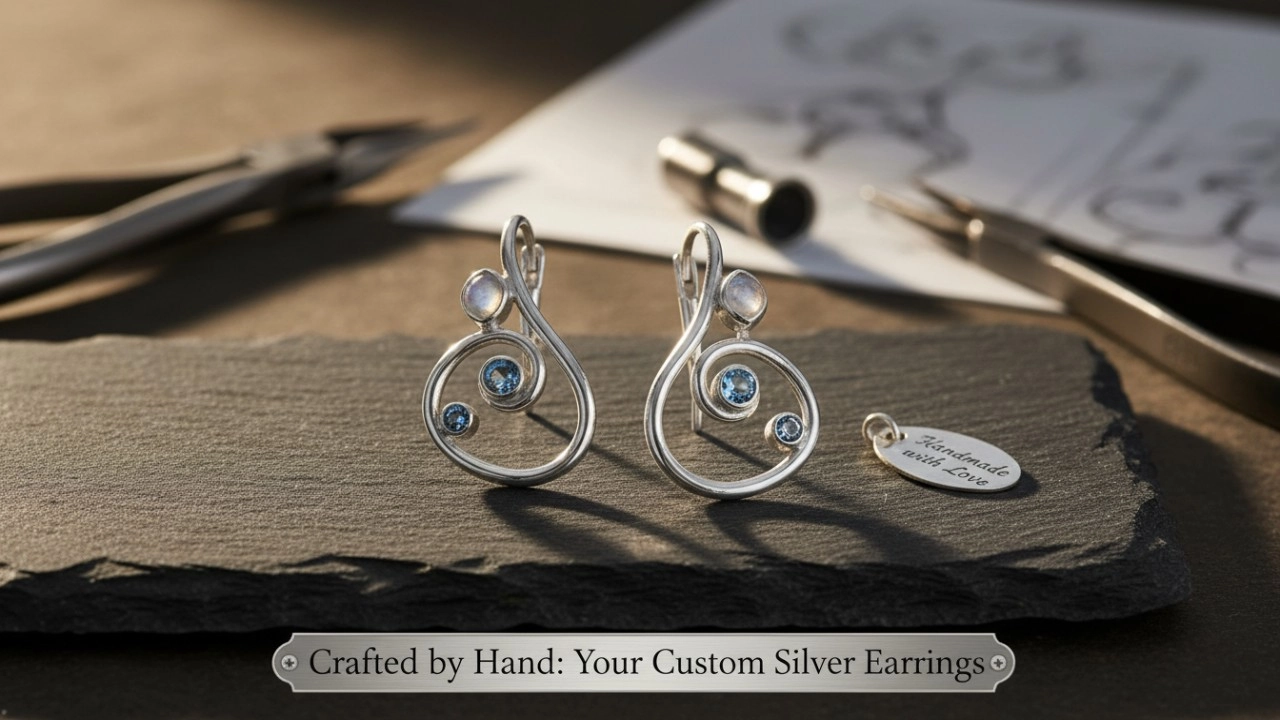
The Ultimate Guide to Ordering Custom Made Silver Earrings: How to Get Perfection Every Time (2026 Edition)
Prdoucts Categories
FAQ
FAQs
What is the material of the jewelry?
Most of the jewelry is made of 925 sterling silver, brass or 316 stainless steel or custom material,which can cover different procurement demand.
What’s the shipment method?How long does it take for delivery?
Our product distributed to all over the world. Shipped by DHL/Fedex/ TNT/UPS takes 3-7 days,Epacket takes 7-15 days, China Post takes 15-30 days.
Can we visit your factory?
Yes, pls contact seller to arrange meeting, we will pick you up to our factory.
Products
What’s the shipment method? How long does it take for delivery?
Our product distributed to all over the world. Shipped by DHL / Fedex / TNT / UPS takes 3-7 days, Epacket takes 7-15 days, China Post takes 15-30 days.
What is your minimum order quantity?
We offer low MOQ from 2 to 30 depending on models. Send your favor model to get details from Trade Manager.
What’s the lead time?
We could arrange shipment for you within 48 hours if you order models in stock. For bulk order, it takes 10-25 days for production depending on order quantity and styles.
Discuss Your Ideas with a Professional Custom Jewelry Manufacturer
We provide personalized jewelry customization services for clients worldwide.
Rest assured that your privacy is important to us, and all information provided will be handled with the utmost confidentiality.
By clicking 'Send Inquiry Now' I agree to ZHEFAN JEWELRY processing my personal data.
To see how to withdraw your consent, how to control your personal data and how we process it, please see our Privacy Policy and Terms of use.
From design to production, ZHEFAN JEWELRY offers a one-stop solution to help you enhance your brand value and market competitiveness.
Get A Quote
Contact
Tel: (+86) 188 1927 7817
© 2026 Zhefan Jewelry. All Rights Reserved.
Facebook
Instagram
YouTube
Whatsapp: +8618819277817