





Email: sales3@zhefanjewelry.com
How to evaluate plating durability tests for rhodium on 925 silver? | Insights by Zhefan Jewelry
Practical, evidence-based guidance for evaluating rhodium plating durability on sterling 925 silver — from thickness measurement (XRF/coulometry) and adhesion tests to Taber abrasion, salt spray correlation, and protocols for sensitive stones.
- 1. How thick should rhodium plating be on 925 silver to survive daily wear on engagement rings?
- 2. How to non-destructively measure rhodium thickness on finished 925 silver pieces at scale?
- 3. Which accelerated lab tests best predict real-world rhodium wear on 925 silver bracelets and chains?
- 4. How do surface pretreatment and residual silver tarnish affect rhodium adhesion — and how should adhesion be tested for plated 925 silver?
- 5. How should I interpret salt spray (corrosion) and chemical exposure results for rhodium on 925 silver sold to coastal or humid markets?
- 6. For jewelry with porous or moisture-sensitive gemstones (opal, turquoise), what plating durability protocols avoid stone damage while ensuring rhodium longevity?
- Practical QA checklist and acceptance thresholds you can adopt now
- Concluding summary — advantages of professional rhodium durability testing and optimized plating for 925 silver
How to Evaluate Plating Durability Tests for Rhodium on 925 Silver
As a jewelry professional, you need reliable plating durability data that predict real-world performance for rhodium-plated 925 sterling silver. Below are six specific, practitioner-focused questions beginners ask but rarely find thorough answers to — each followed by step-by-step, technical guidance you can use in purchasing, QA, or specifying finishes.
1. How thick should rhodium plating be on 925 silver to survive daily wear on engagement rings?
Why this matters: rings, especially engagement rings, experience concentrated friction (finger-to-finger, ring-to-ring, stone settings) so plating life is the main driver of customer complaints and re-plating cost.
Industry guidance and best practice:
- Target thickness ranges (practical industry ranges):
- Light-wear items (pendants, earrings): 0.05–0.12 µm (50–120 nm)
- Moderate-wear items (most rings, bracelets): 0.12–0.25 µm (120–250 nm)
- High-wear items (men’s rings, signet rings, rings with heavy contact): 0.25–0.5 µm (250–500 nm)
- Why thickness matters: rhodium is a thin, very hard surface layer. At <0.1 µm you get the bright white finish but limited mechanical protection; above ~0.15–0.2 µm you achieve meaningful wear life on rings without excessive material cost.
- Cost/benefit: plating cost rises with thickness. For retail pieces, specify thickness by SKU based on expected wear rather than one-size-fits-all plating.
- Practical acceptance criteria: for an engagement ring specify no visible substrate exposure under 10× loupe after standardized abrasion testing (see Taber/abrasion below) and a measured coating thickness within ±15% of spec by XRF or coulometric check.
2. How to non-destructively measure rhodium thickness on finished 925 silver pieces at scale?
Why this matters: manufacturers and buyers need fast, reproducible methods for production-line QA that don’t destroy samples.
Recommended measurement strategy:
- XRF (X-ray fluorescence): the workhorse for non-destructive thickness checks on precious metal platings. Modern handheld and benchtop XRF units can read thin rhodium layers on silver with typical resolution down to ~10–20 nm depending on instrument settings. Use XRF for batch sampling and real-time control.
- Coulometric (stripping) or gravimetric methods: destructive but more accurate for calibration. Use these periodically to validate XRF calibration and to quantify layer mass and composition when tight tolerances are required.
- Microscopy: stereo microscope (10–50×) to inspect plating uniformity and edge coverage. For root-cause failure analysis use SEM/EDS if available to measure morphology and detect porosity or interdiffusion.
- Process control: implement a two-tier QA — XRF spot checks on random samples per lot (e.g., 5–10% sampling), and quarterly destructive validation (coulometric) or whenever process changes are made.
3. Which accelerated lab tests best predict real-world rhodium wear on 925 silver bracelets and chains?
Why this matters: bracelets and chains rub against clothing, skin, and other metal — abrasion patterns are different from rings and must be simulated correctly.
Test types and how to interpret them:
- Taber abrasion / rotating abrasive wheel (accelerated wear testing): simulates mechanical rubbing. Use a CS-10 or equivalent wheel with a standardized load; record cycles to first visible substrate breakthrough. For bracelets/chains, aim for >500 cycles before breakthrough for quality retail expectations; High Quality items should exceed 1,000 cycles. Correlate cycles to months of wear using customer-use studies where possible.
- Dry/wet rub test (crockmeter style): simulates skin oils and perspiration; perform both dry and artificial-sweat wet rubs to capture loss due to chemical + mechanical action.
- Repeated flexing for chains: perform bend/flex cycles on links to identify microcrack initiation in plating at stress concentrators like solder joints or link contact points.
- Complement with visual and 10× microscopic inspection after testing to document pitting, thinning, and substrate exposure.
4. How do surface pretreatment and residual silver tarnish affect rhodium adhesion — and how should adhesion be tested for plated 925 silver?
Why this matters: poor adhesion from incomplete cleaning or residual corrosion products is the #1 root cause of early plating failure.
Key pretreatment controls:
- Mechanical polish: ensure consistent pre-plate surface roughness; extreme smoothing (mirror finish) can reduce mechanical interlocking and make adhesion more dependent on chemistry.
- Degreasing and ultrasonic cleaning: remove oils and polishing compounds. Ultrasonic in alkaline cleaner followed by deionized water rinse is common practice.
- Acid activation/pickle: remove oxides and surface sulfides immediately prior to plating; avoid long atmospheric exposure after activation.
- Strike layer: thin nickel or silver strike may be used to improve adhesion in multi-metal stacks — but avoid incompatible interlayers that cause corrosion or allergic issues.
Adhesion tests and acceptance:
- Cross-cut/tape adhesion test (ISO 2409 / ASTM D3359-style): make a fine lattice of cuts through the coating, apply standardized tape, and remove. Acceptance for jewelry: ISO rating 0–1 (0 = no detachment) for High Quality pieces; anything worse indicates process change or poor cleaning.
- Edge pull and bend tests: localized mechanical stress tests to check for flaking at solder joints, prongs, and edges. Inspect under microscope for hairline cracks.
- Root-cause follow-up: if adhesion fails, perform SEM/EDS to check for contamination, porosity, or diffusion layers between rhodium and silver.
5. How should I interpret salt spray (corrosion) and chemical exposure results for rhodium on 925 silver sold to coastal or humid markets?
Why this matters: coastal humidity and chloride exposure accelerate tarnish and undercutting of thin platings.
How to test and interpret:
- Salt spray (neutral salt fog, ASTM B117 / ISO 9227): useful for comparing process batches and plating chemistries. Typical jewelry tests run 24–72 hours; failure modes for rhodium on silver are often blistering or substrate discoloration once the rhodium is breached or porous. If samples show visible undercutting or tarnish after 24–48 hours, re-evaluate plating thickness, bath additives, and sealing.
- Artificial sweat exposure: ISO/EN artificial perspiration solutions identify discoloration and ion migration issues more representative of body-worn conditions. Combine with rubbing to simulate real use.
- Interpretation guidance: salt spray results are comparative, not absolute predictors of field life. Use them to qualify process changes and select plating thicknesses: if two processes show similar abrasion resistance but different salt spray endurance, prefer the one with better salt spray performance for coastal markets.
6. For jewelry with porous or moisture-sensitive gemstones (opal, turquoise), what plating durability protocols avoid stone damage while ensuring rhodium longevity?
Why this matters: many traditional plating baths and pretreatments can damage porous or hydrated gems; buyers often assume every piece can be plated identically.
Best-practice protocol and tests:
- Protective masking: mechanical masking (low-residue, solvent-safe tapes) or gasket-fixture plating to isolate fragile stones and inlays. Do not rely solely on chemical resistance of the stone.
- Use low-temperature, low-stress plating cycles for pieces with sensitive gems; avoid prolonged ultrasonic cleaning after plating that could draw salts into pores.
- Pre- and post-plate humidity/swell tests: for porous stones, perform water uptake and drying tests to ensure plating cycle does not trap moisture; use controlled drying protocols post-plate to prevent blistering.
- Durability acceptance: visual inspection at magnification and wet rub testing to ensure plating near bezels/prongs remains intact after simulated wear. For stones that cannot be masked, consider plating only settings (selective plating) rather than the whole piece.
Practical QA checklist and acceptance thresholds you can adopt now
Here’s a short checklist to include in purchase orders and QA plans so your supplier’s rhodium plating meets expectations:
- Specify plating thickness by SKU and intended use (see thickness ranges above). Require XRF batch reports with mean ± SD and periodic coulometric validation.
- Require cross-cut adhesion rating 0–1 on sample coupons and production lots.
- Define abrasion acceptance: e.g., Taber cycles to first visible substrate exposure ≥500 for rings; document test parameters (wheel type, load, cycles).
- Salt fog baseline: no visible undercutting or blistering after 48 hours for coastal-market SKUs; combine with artificial sweat for body-worn items.
- Masking protocol for sensitive stones and documented pre/post-plate inspections at 10× magnification.
- Require manufacturer corrective actions for any lot failing acceptance, and trend analysis reports quarterly.
Embedding these tests in procurement statements and technical specifications reduces returns, protects brand reputation, and ensures predictable replating costs.
Concluding summary — advantages of professional rhodium durability testing and optimized plating for 925 silver
Structured, technical durability testing for rhodium on 925 silver delivers clear benefits: it allows you to specify the right plating thickness for the intended wear profile (reducing cost without sacrificing life), verify adhesion and uniformity non-destructively (XRF checks + microscopy), and anticipate environmental risks (salt spray and artificial sweat for coastal and active wearers). Combining abrasion tests (Taber/dry-wet rub), adhesion tests (cross-cut), and corrosion exposure gives a robust, evidence-based picture of field performance. For pieces with sensitive gems, selective plating and controlled protocols prevent stone damage while preserving plating longevity. In short: rigorous testing improves product consistency, lowers returns, and helps you justify tiered pricing based on proven durability.
If you’d like a written specification template, batch test plan, or sample-testing quote, contact us at www.zhefanjewelry.com or email sales3@zhefanjewelry.com for a tailored quote.
Recommended for you
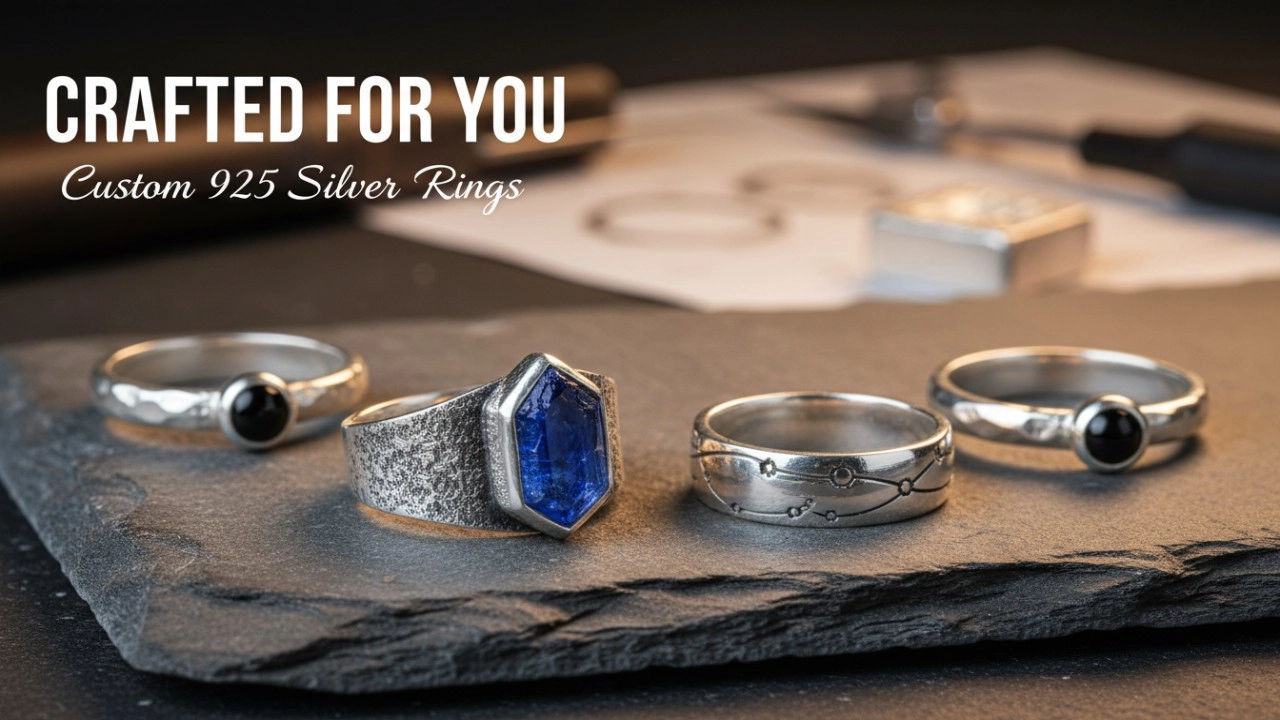
Why Custom 925 Silver Rings Are the Perfect Sustainable Luxury Gift (Compared to Gold)
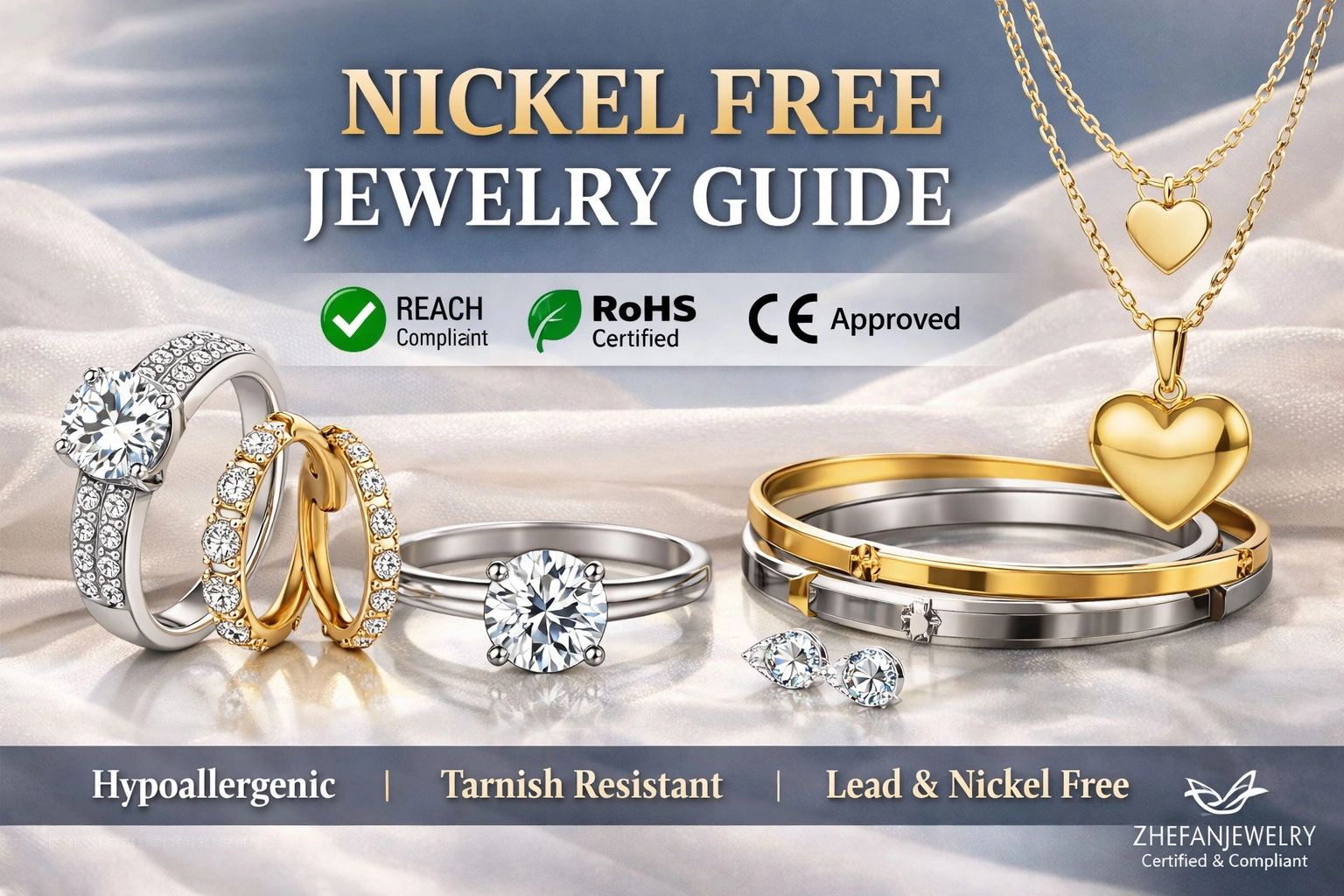
What Is Nickel Free Jewelry? Meaning, Benefits & Does It Tarnish? (Complete Guide 2026)
What is Zircon Jewelry?-The Ulimate Guide
5 Costly Mistakes to Avoid When Sourcing Custom Sterling Silver Jewelry
How to Elevate Your Jewelry Brand with a Signature Custom Tennis Bracelet (2026 Guide)
Launch Your Brand: A Guide to Sourcing Custom Wholesale Brass Huggie Earrings
Prdoucts Categories
FAQ
Products
What's themonthly production capacity?
600,000 pcs per month.
Do you offer after-sales warranty service?
Yes, we will refund or resend products if fading, stone falling off and other quality problems found in 1 month receipt of goods. Furthermore, we offer 1 year after-sales warranty service, but you need pay the shipping charge.
What is the material of the jewelry?
Most of the jewelry is made of 925 sterling silver, brass or 316 stainless steel or custom material,which can cover different procurement demand.
What can you buy from us?
Rings, Necklace, Earrings, Bracelet, Pendant, Anklet, Brooch, Jewelry.
FAQs
Do you do customer design?
Do you do customer design? Yes,we are good at this way.Most of our customer do their customize.And we have cooperate with them when they are new brand, but now they become the top sell on Amazon, more than 32,000 five star comment.
What is the material of the jewelry?
Most of the jewelry is made of 925 sterling silver, brass or 316 stainless steel or custom material,which can cover different procurement demand.
Discuss Your Ideas with a Professional Custom Jewelry Manufacturer
We provide personalized jewelry customization services for clients worldwide.
Rest assured that your privacy is important to us, and all information provided will be handled with the utmost confidentiality.
By clicking 'Send Inquiry Now' I agree to ZHEFAN JEWELRY processing my personal data.
To see how to withdraw your consent, how to control your personal data and how we process it, please see our Privacy Policy and Terms of use.
From design to production, ZHEFAN JEWELRY offers a one-stop solution to help you enhance your brand value and market competitiveness.
Get A Quote
Contact
Tel: (+86) 188 1927 7817
© 2026 Zhefan Jewelry. All Rights Reserved.
Facebook
Instagram
YouTube
Whatsapp: +8618819277817