





Email: sales3@zhefanjewelry.com
How to ensure durability in plated custom sterling silver jewelry?
Practical, industry-backed answers for buyers and makers of plated custom sterling silver jewelry. Learn what specifications, plating methods, tests and care steps you must require to maximize longevity and avoid common failures.
- 1. What exact plating specifications should I request from a supplier to avoid early wear on a sterling silver ring or pendant?
- 2. Which plating metal and method give the best durability and hypoallergenic performance on sterling silver?
- 3. What laboratory tests and certificates should I require to verify plating adhesion, thickness and safety (e.g., nickel release)?
- 4. How should I design custom sterling silver jewelry to minimize plating wear where contact and friction are highest?
- 5. What realistic lifespan should I expect for rhodium- or gold-plated sterling silver pieces, and how do usage patterns change that expectation?
- 6. What maintenance and consumer-care instructions should I include with sold pieces to maximize plated sterling silver durability?
Buying or producing custom sterling silver jewelry that is plated (rhodium, gold, PVD, etc.) raises specific durability challenges. Below are six highly specific beginner questions—each with in-depth, actionable answers—so you can specify, test and care for plated sterling silver pieces that last.
1. What exact plating specifications should I request from a supplier to avoid early wear on a sterling silver ring or pendant?
When ordering plated custom sterling silver jewelry, be explicit in your purchase specifications rather than relying on general terms like “gold-plated” or “rhodium finish.” At minimum request:
- Base metal: Sterling silver (925)—this indicates 92.5% silver content, the industry standard for sterling.
- Plating metal and process: specify rhodium (electroplated) or gold plating (electroplated) or PVD (Physical Vapor Deposition). PVD coatings are generally harder and more wear-resistant than conventional electroplating and are preferred for high-wear items.
- Plating thickness (in microns): ask the supplier to state the nominal thickness and acceptable tolerance. Typical jewelry practices vary widely (from thin flash plating to heavy plating). For high-contact items like rings and bracelets, request heavier plating or PVD rather than unspecified flash plating.
- Pre-treatment and barrier layers: request details on surface preparation (cleaning, activation) and any adhesion or barrier layers used (e.g., nickel-free flash silver/buffer layers). Proper pre-treatment increases bonding and reduces early peeling.
- Finish and post-treatment: specify polishing, burnishing, or anti-tarnish lacquer if desired; these treatments affect appearance and wear.
- Quality documentation: material certificates, plating thickness report, and customer-specific test results (see tests in question 3).
Actionable step: include these specs in your purchase order or tech pack. Don’t accept vague terms—require a numeric plating thickness and process name so you can compare suppliers and expect consistent durability.
2. Which plating metal and method give the best durability and hypoallergenic performance on sterling silver?
Choice of plating metal and method greatly affects both durability and wearer safety:
- Rhodium plating: popular over sterling silver for its bright white, reflective finish and improved scratch resistance. Rhodium is also inert and hypoallergenic, reducing contact allergy risk compared with some base alloys.
- Gold plating and vermeil: gold plated over sterling silver gives warm color options. Note the US vermeil definition: sterling silver base with a gold plating of at least 2.5 microns. For wear resistance, vermeil (≥2.5 μm of gold) is far more durable than thin flash gold plating.
- PVD (Physical Vapor Deposition): PVD coatings bond at the atomic level, producing thin, very hard layers (commonly used for black, ruthenium, titanium nitride finishes or enhanced gold hues). PVD can outperform traditional electroplating in abrasion resistance and color stability.
Recommendation: for high-contact custom pieces (rings, signet styles, bracelets), prefer PVD or specify a heavier electroplated layer (and, for gold, meet vermeil standards). For hypoallergenic needs, choose rhodium or PVD over nickel-containing processes and request nickel release testing (see question 3).
3. What laboratory tests and certificates should I require to verify plating adhesion, thickness and safety (e.g., nickel release)?
Insist on measurable, documented QC rather than verbal assurances. Key tests and certificates to request:
- Plating thickness report: measured in microns. Ask for the measurement method (X-ray fluorescence (XRF) is non-destructive and widely used) and recorded values for representative samples.
- Adhesion test: suppliers often use tape/bend tests or rub/abrasion cycles. Ask for the test method description and results (e.g., tape test outcome or cycles to failure in an accelerated wear test).
- Nickel release testing: if you market to allergy-sensitive consumers, require nickel-release testing per the EN 1811 reference method (European standard) and certification showing compliance with local regulations (e.g., EU REACH limits). This confirms the plating and any barrier layers prevent nickel migration.
- Gold vermeil confirmation (if applicable): for vermeil, require documentation that the gold layer meets the minimum 2.5 μm thickness and gold purity (usually ≥10K or specified karat).
- Material composition certificate and 925 mark verification: ask for metal assay or supplier declaration showing sterling silver composition; require visible stamping (.925) on finished items where possible.
- Optional accelerated corrosion or abrasion testing reports: some manufacturers provide salt spray (ASTM B117) or abrasion test data—useful for comparing processes but interpret salt spray carefully as it targets corrosion, not daily wear characteristics.
Actionable step: make acceptance contingent on receipt of XRF thickness readings and a passed EN 1811 nickel test. If allergy-free marketing is a priority, require these before approving bulk production.
4. How should I design custom sterling silver jewelry to minimize plating wear where contact and friction are highest?
Design decisions strongly influence plated finish life. Consider these design rules used by experienced jewelers:
- Increase metal thickness at high-contact zones: ring shanks, pendant bails, clasps and bracelet links should be sturdier (not hollow or extremely thin). Thicker base metal slows down the time-to-exposure of the silver beneath the plating.
- Avoid sharp edges and narrow inside corners: plating tends to thin at sharp radii. Rounded profiles distribute wear more evenly and retain plating longer.
- Minimize moving metal-on-metal contact: design clasps and links with low-friction tolerances and use protective inserts or rivets where possible to reduce abrasion.
- Place visible plating surfaces where they won’t be constantly rubbed by clothing or other jewelry: for example, consider finishing the inner band of rings differently from the outer surface.
- Secure settings and solder joints: loose stones or weak joins cause movement that accelerates surface wear. Use robust soldering and finishing practices.
By combining prudent specs (see Q1–Q3) with smart mechanical design, you reduce the likelihood that thin plated layers at stress points will fail prematurely.
5. What realistic lifespan should I expect for rhodium- or gold-plated sterling silver pieces, and how do usage patterns change that expectation?
Shelf life and real-life durability depend on multiple factors—plating method and thickness, base metal prep, wear frequency, wearer habits and environmental exposure. Typical ranges many professionals share:
- Thin flash plating (common low-cost finishes): weeks to a few months of visible wear on rings or bracelets under daily use.
- Heavier electroplating or vermeil (for gold): months to a few years for pieces under moderate use; vermeil with ≥2.5 μm gold will usually significantly outlast flash-plated items.
- PVD and high-quality rhodium finishes with proper pre-treatment: often a year or more in normal wear; these finishes show slower scratch and color loss.
Usage pattern examples that shorten or extend life:
- Shortened life: constant contact with water/chemicals (chlorinated pools, soaps), friction against hard surfaces, sleeping or heavy manual work in jewelry.
- Extended life: removing jewelry for cleaning, showering and sports; storing in anti-tarnish pouches; avoiding direct contact with perfumes or cosmetics.
Actionable expectation setting: specify the intended use with your manufacturer (e.g., “daily-wear signet ring”) so they can recommend PVD or heavier plating and package testing that reflects the real wear scenario.
6. What maintenance and consumer-care instructions should I include with sold pieces to maximize plated sterling silver durability?
Clear, practical care instructions reduce warranty claims and improve customer satisfaction. Provide buyers with concise do’s and don’ts and simple maintenance steps:
- Do remove plated silver jewelry before showering, swimming (chlorine), exercising intensely, and applying lotions, perfumes or hairspray. Chemicals accelerate plating wear and cause tarnish on underlying silver.
- Do clean gently: use a soft, dry microfiber or jeweler’s polishing cloth. Avoid abrasive cleaners, toothpaste or ultrasonic cleaners for plated surfaces, as they can abrade the plating.
- Don’t use harsh chemicals or household cleaners. Acids, bleach and ammonia strip plating fast.
- Do store pieces individually in anti-tarnish pouches or lined boxes to prevent rubbing and moisture exposure. Silica gel packs in packaging slow down corrosion.
- Offer restoration options: remind customers that plating can be renewed. Rhino or gold re-plating restores appearance—budget this as part of lifetime care options for higher-end custom pieces.
Include simple printed care cards and a maintenance/repair policy with each custom order; educated customers preserve finishes longer and return for paid refinishing rather than complaining about natural wear.
Final checklist for buyers and makers: demand numeric plating thickness and process name; require XRF thickness and EN 1811 nickel tests for sensitive markets; specify PVD or heavy electroplating for daily-wear items; design for rounded edges and solid joins; provide clear consumer-care instructions and an option for re-plating.
Advantages of plated custom sterling silver jewelry include cost-effective color and finish variety, hypoallergenic options (rhodium/PVD), recyclability of sterling silver, and the ability to create bespoke designs quickly. When you combine correct specs (925 base, defined plating metal and thickness, verified tests) with good design and consumer care, plated sterling silver pieces can be both beautiful and durable—offering great value to clients.
For a custom quote, sample specifications or to request plating test reports, contact Zhefan Jewelry at www.zhefanjewelry.com or email sales3@zhefanjewelry.com. Contact us today for a quote.
Recommended for you
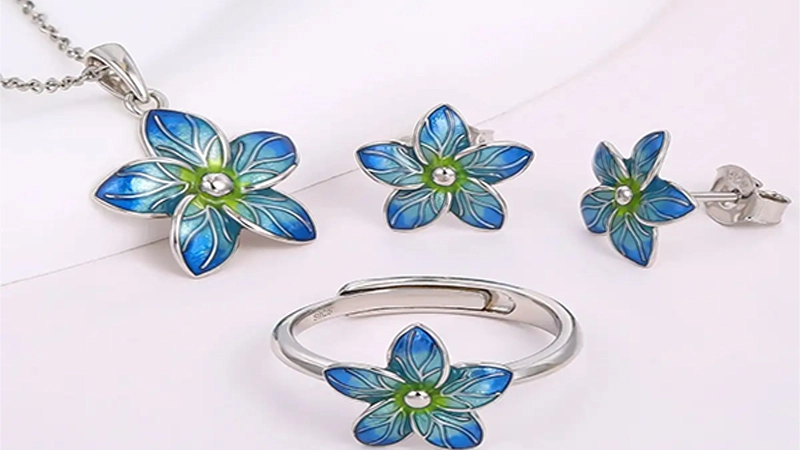
The Secret Life of Your Silver: How 925 Sterling Jewelry Comes to Exist
The Secret Behind Premium Quality: 7 International Standards for 925 Sterling Silver Rings
The Ultimate Guide to Sourcing Wholesale 925 Silver Adjustable Rings in 2026
How to Choose the Right Jewelry for Your Skin Tone
Why Custom 925 Silver Rings Are the Perfect Sustainable Luxury Gift (Compared to Gold)
2026 Wholesale Trends: Why Your Brand Needs Custom Sterling Silver Jewelry
Prdoucts Categories
FAQ
FAQs
Can you engrave my logo on the jewelry ?Do you supply OEM/ODM service?
Yes. Custom logo and OEM/ODM are both accepted. Our factory specializes in jewelry manufacturing for 27 years.We can produce jewelry by your sample, design, pictures, even by an idea.Please feel free to contact us for more details. Custom order process:Inquiry-Confirm products details-Pay mold fee -Confirm CAD draft-Quote-Initial payment-Produce mold&sample-Confirm Sample-Mass production-Balance payment-Shipment-Track shipment-delivery.
Can I see your product test report?
Of course.Our product throught standar test like SGS.We test in many ways of product.
Do you attend any jewelry fairs?
Yes, we participate in Hong Kong Jewelry Fair and Canton Fair twice a year, please contact the seller for the latest invitation.
What is the material of the jewelry?
Most of the jewelry is made of 925 sterling silver, brass or 316 stainless steel or custom material,which can cover different procurement demand.
Products
How can we guarantee quality?
Always a pre-production sample before mass production;
Always final Inspection before shipment;
What is your minimum order quantity?
We offer low MOQ from 2 to 30 depending on models. Send your favor model to get details from Trade Manager.
Discuss Your Ideas with a Professional Custom Jewelry Manufacturer
We provide personalized jewelry customization services for clients worldwide.
Rest assured that your privacy is important to us, and all information provided will be handled with the utmost confidentiality.
By clicking 'Send Inquiry Now' I agree to ZHEFAN JEWELRY processing my personal data.
To see how to withdraw your consent, how to control your personal data and how we process it, please see our Privacy Policy and Terms of use.
From design to production, ZHEFAN JEWELRY offers a one-stop solution to help you enhance your brand value and market competitiveness.
Get A Quote
Contact
Tel: (+86) 188 1927 7817
© 2026 Zhefan Jewelry. All Rights Reserved.
Facebook
Instagram
YouTube
Whatsapp: +8618819277817