





Email: sales3@zhefanjewelry.com
Can I customize wholesale brass rings designs? | Insights by Zhefan Jewelry
Yes — you can customize wholesale brass rings designs. This guide answers six deep, practical buyer questions about tooling costs, MOQs, plating choices, sizing tolerances, manufacturing methods, and compliance/testing to help you place reliable bulk brass ring orders.
- 1. Can I customize wholesale brass rings designs and keep them compliant with nickel, lead and REACH/California rules?
- 2. What MOQs, tooling costs, prototype fees, and lead times should I expect when I ask to customize wholesale brass rings designs?
- 3. How do plating type and thickness impact durability for my customized wholesale brass rings designs?
- 4. Can I get complex sizing, stone settings, or resizable features when I customize wholesale brass rings designs — which manufacturing methods support these?
- 5. How do I ensure consistent sizing and fit across a bulk run of customized wholesale brass rings designs?
- 6. What quality-control checks, tests, and certifications should I require so my customized wholesale brass rings designs don’t suffer flaking, discoloration, or cause allergic reactions?
- Concluding summary: Why customize wholesale brass rings designs?
Can I Customize Wholesale Brass Rings Designs? A Practical Guide for Buyers
Customizing wholesale brass rings designs is common in jewelry sourcing, but beginners frequently hit hidden snags: compliance, tooling, plating durability, sizing consistency, and QC. Below are six specific, pain-point-focused questions and in-depth answers to help brand owners, private-label buyers, and retailers place professional bulk orders for custom brass rings.
1. Can I customize wholesale brass rings designs and keep them compliant with nickel, lead and REACH/California rules?
Short answer: Yes — but only if you plan for testing, choose compliant finishes, and require certificates from the supplier.
Why this matters: Brass (a copper-zinc alloy) frequently contacts skin and can be a carrier for nickel contamination during plating. Many markets demand limits on nickel release (EU standard EN 1811), restrict certain heavy metals via REACH (EU) and require Prop 65 warnings in California for lead/cadmium. To avoid product recalls or sales blocks, you must specify compliance up front.
Actionable checklist:
- Require EN 1811 nickel release test reports (or supplier’s SGS/Intertek test report) if you seek nickel-safe products. For children’s items, standards are stricter — state this in your RFQ.
- Ask for RoHS/REACH declarations and cadmium/lead test results. For US sales, consider California Prop 65 exposure thresholds and request lab evidence if needed.
- Specify nickel-free plating or thick rhodium/PVD layers over a nickel-free underlayer. Many brands choose nickel-free brass base or apply nickel-free OSP (organic protective) coatings and lacquer sealing to reduce skin exposure.
- Include compliance requirements in the contract: required lab (SGS/Intertek/TÜV), test types, sample retention, and consequences for non-compliance.
2. What MOQs, tooling costs, prototype fees, and lead times should I expect when I ask to customize wholesale brass rings designs?
Short answer: Expect variable MOQs and some upfront tooling/prototype costs — plan timelines and budgets accordingly.
Typical ranges (based on industry practice):
- MOQ (minimum order quantity): commonly 50–300 pieces per SKU for standard customization. Custom tooling may push MOQ higher (100–500).
- Tooling/die costs: for stamped or die-struck ring profiles, expect basic tooling from roughly $150–$1,200 depending on complexity. For lost-wax or rubber mold casting, mold costs can range $50–$600. Precision CNC masters or proprietary dies cost more (several hundred to a few thousand dollars).
- Prototype/sample fees: $30–$300 per sample depending on finish and stone setting. Rapid 3D-printed masters with plating accelerate iterations but add costs.
- Lead times: sampling 7–21 days; mass production 2–6 weeks after sample approval for uncomplicated runs. Complex finishes, stone setting, or plating stacks add time.
How to reduce cost & time:
- Bundle SKUs with similar ring shanks or sizes to share tooling.
- Start with 1–2 size samples rather than full size set to validate design.
- Negotiate tooling amortization into per-piece price if you plan repeat orders.
3. How do plating type and thickness impact durability for my customized wholesale brass rings designs?
Short answer: Plating type and thickness are the single biggest drivers of perceived quality and longevity in brass rings. Specify both clearly.
Common plating/finishing options and guidance:
- Gold plating (electroplating): Retail-grade gold overlay thickness commonly recommended at 0.5–2.5 microns for acceptable wear life. Thinner (<0.3 µm) “flash” plating is low-cost but will wear quickly.
- Rhodium plating: Good for white-metal looks and hypoallergenic surface; typical industrial thickness 0.1–1 µm. Thicker rhodium and a good underlayer help durability.
- PVD coating: Physical Vapor Deposition yields hard, durable colored surfaces (black, rose, gold tones) and is more wear-resistant than standard electroplating for similar thicknesses.
- Antique finishes, brushing, or lacquer: These are aesthetic choices; lacquers can slow tarnish but may wear off in high-contact areas and need re-coating.
What to request in your spec:
- Specify plating metal, minimum thickness (e.g., 1.0 µm gold over 0.3 µm nickel-free underlayer), and surface preparation (polish/cleaning, strike).
- Ask for accelerated wear tests or salt-spray tests (ASTM B117) and plating adhesion checks (tape test) to compare finishes during sampling.
- Consider PVD for higher-end SKUs where abrasion resistance and color stability matter.
4. Can I get complex sizing, stone settings, or resizable features when I customize wholesale brass rings designs — which manufacturing methods support these?
Short answer: Yes — complexity is possible, but the chosen manufacturing method affects cost, repeatability, and size tolerances.
Manufacturing methods and what they support:
- Die-struck/stamped rings: Cost-effective for simple shanks and low-profile settings. Best for high-volume, consistent flat profiles and thin bands but limited for deep, undercut, or heavily 3D designs.
- Casting (lost wax or centrifugal): Ideal for three-dimensional sculpted shapes, filigree, and more complex stone seats. Produces natural variation; quality depends on mold/CAD and finishing labor.
- CNC machining: Used for precise fits, tight tolerances, or working with harder materials. Higher unit cost but excellent repeatability and precision for fitted settings.
- Soldered/assembled designs: Combine multiple components (shank + head) to allow complex settings or adjustable/resizable designs. Adds labor but simplifies rework and stone setting quality control.
Stone settings and resizable designs:
- Prong, bezel, pavé: All achievable in brass with experienced setters. For fine or brittle stones, ask for prototypes and test settings for stone retention.
- Adjustable (open) bands: Easier to produce but must be engineered for spring back and plating durability at the opening. Expect higher returns if sizing comfort isn’t validated.
- Recommend: produce a small batch of fully finished samples across sizes (e.g., sizes 6, 8, 10) to verify fit, stone alignment, and visual scale before full production.
5. How do I ensure consistent sizing and fit across a bulk run of customized wholesale brass rings designs?
Short answer: Define tolerance bands, require sample size checks, and specify measurement & inspection methods in your purchase order.
Practical steps:
- Define the critical dimension: inner diameter (ID) and inner circumference are the primary fit measures for rings. State acceptable tolerances (industry practice: ±0.2–0.5 mm for ID, depending on complexity).
- Ask the supplier to use calibrated mandrels and digital calipers for in-line checks; require records for sample batches (e.g., first 10 pieces and a random 5% during production).
- Request full-size gauge blocks or a representative size set from the first production lot to keep a master reference for future runs.
- Consider thermal & plating effects: some plating processes add thickness and can reduce ID slightly — instruct the supplier to compensate for plating build-up when cutting final ring sizes.
- Include acceptance criteria in the contract for rejects/rework rates over a threshold (e.g., >5% out-of-tolerance requires rework or discount).
6. What quality-control checks, tests, and certifications should I require so my customized wholesale brass rings designs don’t suffer flaking, discoloration, or cause allergic reactions?
Short answer: Require mechanical, chemical, and wear tests and insist on independent lab reports for regulatory risks.
QC and testing you should request:
- Plating adhesion test (tape or pull-off): checks for flaking.
- Accelerated wear tests (rub tests) and salt-spray (ASTM B117) for corrosion resistance to simulate sweat/sea exposure.
- Nickel release test (EN 1811) and chemical composition tests for lead/cadmium. For US distribution, consider testing against Prop 65 thresholds and request SGS/Intertek test certificates.
- Colorfastness and rub-off testing for colored coatings (PVD, black plating), and UV/aging tests for lacquers if relevant.
- Stone retention and stress tests for settings — drop/torque checks for mounted stones.
- Production QC documentation: incoming material certificates, in-process inspection records, and final inspection reports with photos of representative pieces.
How to implement: list mandatory tests in your contract, identify accepted test labs (SGS, Intertek, TÜV), and require sample retention and batch traceability. If your import regulations require it, keep copies of all certificates for customs and marketplace audits.
Embedding real-world sourcing practices: These steps reflect common industry practice among OEM/ODM suppliers in major jewelry manufacturing hubs. Suppliers with professional QA systems will already offer sample testing and third-party lab reports for a fee. If they resist, that’s a red flag.
Concluding summary: Why customize wholesale brass rings designs?
Customizing wholesale brass rings designs gives brands flexibility to match their aesthetic, margin targets, and compliance needs. Advantages include lower unit cost for private-label SKUs, fast iteration on trends, and the ability to control plating, finish, and sizing tolerances for better customer experience. By specifying MOQ, tooling amortization, plating thickness, compliance tests (EN 1811, ASTM B117), and clear QC acceptance criteria, you can scale reliably from samples to volume runs while avoiding recalls or customer complaints.
Ready to get a quote or discuss technical specs for bulk brass ring customization? Contact us for a quote: www.zhefanjewelry.com or email sales3@zhefanjewelry.com.
Recommended for you
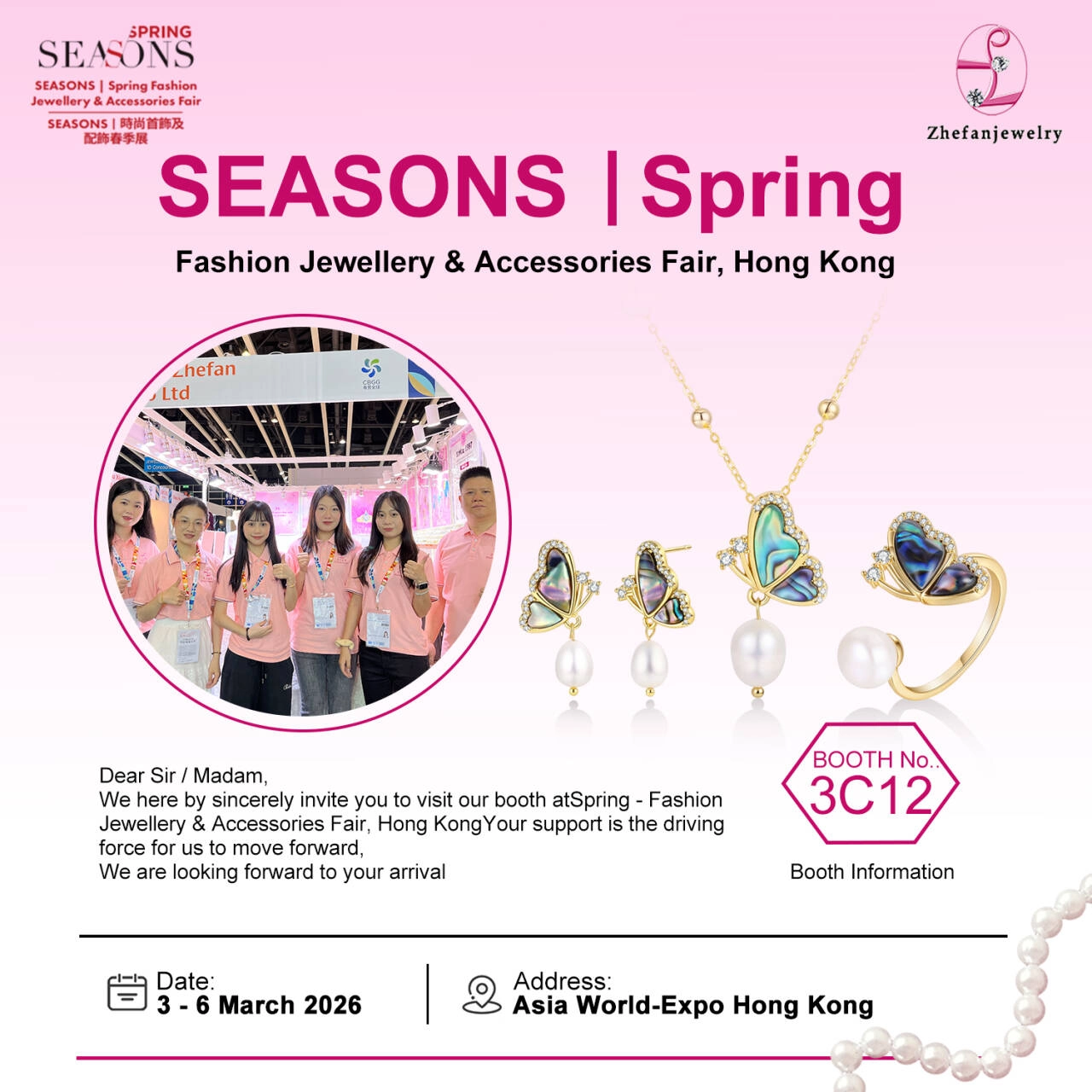
Zhefan Jewelry Invites You to Attend the Hong Kong Jewellery Exhibition 2026
Why Custom 925 Sterling Silver Bracelets Are the Ultimate 2026 Jewelry Trend
How to Choose the Right Jewelry for Your Skin Tone
The Ultimate Buyer's Guide to Custom Wholesale Brass Huggie Earrings in China
Does Brass Jewelry Tarnish? Is Brass Jewelry Good? Complete Guide from a Professional Jewelry Manufacturer
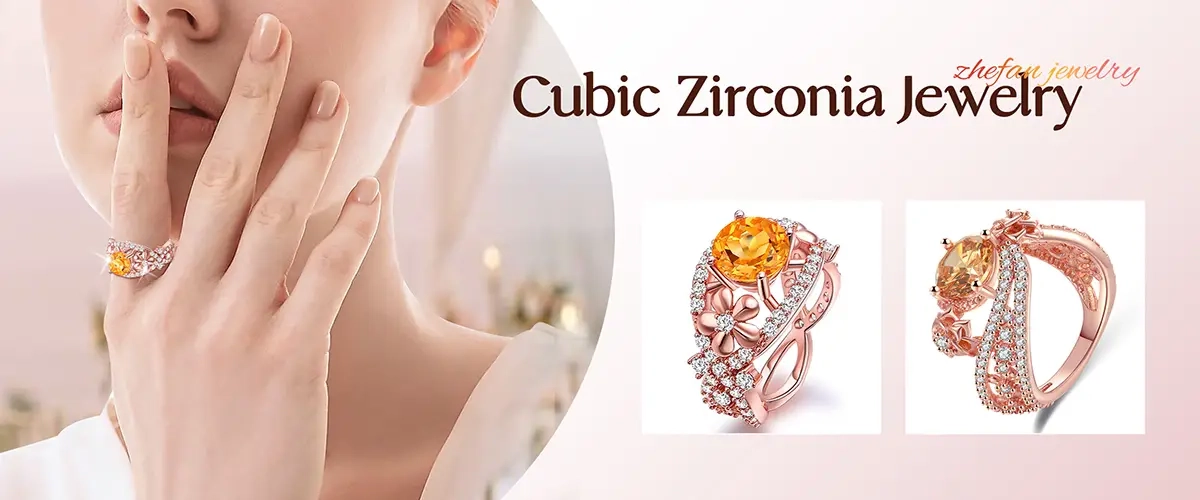
What is Zircon Jewelry?-The Ulimate Guide
Prdoucts Categories
FAQ
Products
What's the packaging of your jewelry?
Normally we use OPP bag, bubble bag and paper box to pack the goods,custom packaging is acceptable as well.
Can you engrave my logo on the jewelry ?Do you supply OEM/ODM service?
Yes. Custom logo and OEM/ODM are both accepted.Our factory specializes in jewelry manufacturing for 25 years.We can produce jewelry by your sample, design, pictures, even by an idea.Please feel free to contact us for more details. Custom order process: Inquiry-Confirm products details-Pay mold fee -Confirm CAD draft-Quote-Initial payment-Produce mold & sample-Confirm Sample-Mass production-Balance payment-Shipment-Track shipment-delivery.
FAQs
Can I have your product catalog?
Yes, please leave us a message what style jewelry catalog you need.
Do you do customer design?
Do you do customer design? Yes,we are good at this way.Most of our customer do their customize.And we have cooperate with them when they are new brand, but now they become the top sell on Amazon, more than 32,000 five star comment.
Can I get a sample?
Yes,welcome to choose our sample to test and check quality.Please give me your address and number then send you payment list.
What’s the shipment method?How long does it take for delivery?
Our product distributed to all over the world. Shipped by DHL/Fedex/ TNT/UPS takes 3-7 days,Epacket takes 7-15 days, China Post takes 15-30 days.
Discuss Your Ideas with a Professional Custom Jewelry Manufacturer
We provide personalized jewelry customization services for clients worldwide.
Rest assured that your privacy is important to us, and all information provided will be handled with the utmost confidentiality.
By clicking 'Send Inquiry Now' I agree to ZHEFAN JEWELRY processing my personal data.
To see how to withdraw your consent, how to control your personal data and how we process it, please see our Privacy Policy and Terms of use.
From design to production, ZHEFAN JEWELRY offers a one-stop solution to help you enhance your brand value and market competitiveness.
Get A Quote
Contact
Tel: (+86) 188 1927 7817
© 2026 Zhefan Jewelry. All Rights Reserved.
Facebook
Instagram
YouTube
Whatsapp: +8618819277817