





Email: sales3@zhefanjewelry.com
Why choose custom sterling silver jewelry for private label brands?
A practical guide for private label brands and beginners on custom sterling silver jewelry. Covers MOQ and pricing, plating and tarnish resistance, regulatory hallmarking, manufacturing methods, sourcing recycled 925 silver, and design-for-quality to reduce returns.
- 1. How do I set realistic MOQs and pricing for private label custom sterling silver jewelry without overstocking?
- 2. Which plating or finishing holds up best long-term for private label sterling silver (rhodium dip, lacquer, oxidized patina)?
- 3. How can I ensure my custom sterling silver jewelry meets hallmarking, import, and marketplace regulations across the US, EU, and UK?
- 4. Which manufacturing method (lost-wax casting, 3D printing + casting, stamping, CNC) gives the best balance of detail, cost, and turnaround for custom sterling silver pieces?
- 5. How to source ethically recycled sterling silver and verify suppliers so my private label meets sustainability claims?
- 6. How can I design custom sterling silver jewelry to minimize post-production quality issues (tarnish, stone loss, plating wear) and returns for e-commerce?
1. How do I set realistic MOQs and pricing for private label custom sterling silver jewelry without overstocking?
Setting realistic minimum order quantities (MOQs) and accurate pricing is the top pain point for new private label brands. Successful pricing balances metal cost (925 sterling silver), labor, finishing, and overhead while MOQs protect manufacturers’ setup costs.
Actionable steps:
- Break down landed unit cost: metal value (sterling is 92.5% pure silver), workmanship (handcrafted vs. cast), finishing (polishing, rhodium dip, oxidized patina), stones/settings, and packaging. Ask suppliers for a cost build-up per SKU so you can model margins.
- Expect flexible MOQs: typical factory ranges are 30–500 pieces per SKU depending on complexity. Simple stamped or laser-cut items can be lower (30–100); high-detail lost-wax cast pieces or multi-stone settings often need 200+ to amortize tooling and finishing. Negotiate pilot runs (sample batches of 20–50) at slightly higher per-piece costs to validate demand.
- Use tiered pricing: define pricing tiers at 50, 100, 250, 500 units. This lets you forecast reorder thresholds and retail markup (common retail keystones vary by channel—2.5–4x wholesale for DTC vs. different margins for marketplace and wholesale).
- Build inventory safety with pre-orders: minimize risk by offering limited pre-order runs or made-to-order windows to validate designs before full production.
- Factor silver price volatility: track spot silver and include a metal-surcharge clause in contracts for long lead times. For transparency, communicate surcharges to buyers if prices move significantly.
Checklist for negotiation with a custom jewelry manufacturer:
- Get an itemized quote (metal, labor, finishing, stones, packaging).
- Ask for sample lead time and sample cost (including shipping).
- Request MOQ tiers and pilot-run pricing.
- Confirm tooling or casting charges and amortization policy.
- Include quality acceptance criteria and reject/repair policy.
These steps reduce overstock risk while letting you scale inventory sensibly.
2. Which plating or finishing holds up best long-term for private label sterling silver (rhodium dip, lacquer, oxidized patina)?
Tarnish and finish wear are primary after-sale complaints. Choosing the right finish depends on desired aesthetics and durability needs.
Finishes and best-use cases:
- Rhodium dip: provides a bright white, highly reflective surface and improves tarnish resistance. Common for pieces meant to mimic white gold. Works well for rings, necklaces, and pieces that see frequent handling. Confirm the rhodium application process and request a defined thickness and adhesion test protocol from your supplier.
- Anti-tarnish lacquer/clearcoat: inexpensive and preserves antique or matte looks while protecting from oxidation. Good for complex surfaces where re-plating is difficult. Note: lacquer can scratch and may yellow over long time in hot conditions.
- Oxidized/patina: deliberate darkening (oxidation) for contrast and texture. It’s a surface effect that will wear over time on high-contact areas; that's expected and sometimes desirable as part of the aesthetic.
- Uncoated polished sterling: keeps the closest feel to pure silver but requires consumer education about maintenance and anti-tarnish storage.
Quality controls to demand from manufacturers:
- Specify finish type and acceptance criteria in the contract (appearance, adhesion, discoloration limits).
- Request accelerated wear tests (abrasion/wear cycles) and humidity/tarnish tests reports or run independent XRF/visual tests on pilot samples.
- Ask for re-plating/re-coating service options and costs for warranty/aftercare plans.
For private label brands selling High Quality lines, combine rhodium dip on high-touch components (clasps, rings) with anti-tarnish packaging (treated jewelry pouches, sulfur-free tissue) to reduce returns and complaints.
3. How can I ensure my custom sterling silver jewelry meets hallmarking, import, and marketplace regulations across the US, EU, and UK?
Regulatory compliance is a common blind spot. Mis-labeled metal content can result in customs holds, marketplace delisting, and liability.
Key compliance steps:
- Label metal accurately: sterling silver must be 92.5% silver. Use the 925 mark where required or customary. In many markets the 925 hallmark is expected; in some jurisdictions (e.g., certain EU countries) official assay/hallmarking may be required for precious metal articles above specific weight thresholds. Research local rules in your target markets.
- Use non-destructive testing (XRF) and/or assay reports: ask suppliers for XRF scans or independent assay certificates for batches. XRF machines provide rapid verification of metal content and are standard in QC.
- Confirm gemstone conflict/nickname regulations where relevant: for precious stones, ensure proper disclosure and certificates where required (e.g., lab-grown vs natural).
- Prepare customs documentation: include material declaration, country of origin, weight, and HS codes. If you source recycled silver, keep chain-of-custody documentation for sustainability claims.
- Marketplace compliance: platforms like Amazon and Etsy require accurate metal content claims and may request proof for precious metal listings. Keep records to respond quickly.
Operational safeguards:
- Define acceptance criteria and a sampling plan (e.g., 2–5% batch XRF sampling) in purchase contracts.
- Work with logistics partners experienced in jewelry imports to avoid delays and fines.
4. Which manufacturing method (lost-wax casting, 3D printing + casting, stamping, CNC) gives the best balance of detail, cost, and turnaround for custom sterling silver pieces?
The manufacturing method determines per-piece cost, surface detail, and reproducibility.
Comparative overview:
- Lost-wax casting (traditional or 3D printed wax): best for complex, organic forms and high-detail work. It scales well when you reach stable MOQs but requires more finish work (sprue removal, polishing). Ideal for mid- to high-end custom pieces.
- 3D printing + direct casting (resin or wax): excellent for rapid design iteration and low to mid-run production. It reduces tooling lead time and enables intricate details. Use CAD design and SLA/printed-wax workflows for consistent results.
- Stamping/blanking: cost-effective for thin, simple shapes and flat pendants/earrings. Low per-piece cost at higher volumes but limited to relatively simple geometries.
- CNC machining: precise for geometric designs and heavier gauge pieces where subtractive manufacturing is more efficient. Higher material waste but precise tolerances.
Decision framework:
- For prototypes and quick market tests: 3D print + casting offers the fastest iteration.
- For detailed jewelry with organic textures: lost-wax casting (traditional or printed wax) yields superior surface quality.
- For high-volume, simple shapes: stamping or die-cut is most economical.
Quality tips:
- Always ask for production samples and first-article inspection reports (dimensional/visual checks) before full runs.
- Define tolerances in drawings (e.g., ±0.5 mm for fit-critical parts) and stone seat dimensions to reduce rework.
5. How to source ethically recycled sterling silver and verify suppliers so my private label meets sustainability claims?
Ethical sourcing is a growing purchase driver. Consumers expect traceability for sustainable private label jewelry.
Practical sourcing and verification steps:
- Ask for chain-of-custody documentation: reputable suppliers can provide certificates showing recycled content or the refinery origin. Look for recognized standards or memberships (e.g., Responsible Jewellery Council membership, though RJC covers broader practices).
- Request proof of recycled content: suppliers should provide mill or refinery certificates indicating recycled sterling silver batches. Keep these on file for marketing claims.
- Audit suppliers: perform virtual or in-person audits where possible. Check worker conditions, environmental controls, and waste management practices.
- Use third-party verification: consider independent lab verification (XRF for composition, third-party sustainability audits) for high-margin lines where claims are central to branding.
- Transparent marketing: avoid overbroad statements. State facts (e.g., made from certified recycled 925 sterling silver sourced from X refinery) and keep documentation for audits and marketplace policies.
Sourcing sustainably also impacts pricing—recycled silver can be comparable to mined silver depending on market conditions, but documentation and auditing add overhead. Plan for those costs in your pricing model.
6. How can I design custom sterling silver jewelry to minimize post-production quality issues (tarnish, stone loss, plating wear) and returns for e-commerce?
Design for manufacturability (DFM) and durability reduces returns and after-sale service costs. Focus on weak points: thin joins, stone seats, clasps, and finishing.
Design and specification best practices:
- Robust settings: design bezel or low-profile prongs for stones to protect against snagging. Define minimum metal thicknesses around stone seats and joint areas; for rings and high-stress parts, specify reinforced shanks and soldering strategies.
- Tolerances and fit: provide CAD files with clear tolerances, especially for hinged items, clasp fitment, and earring posts. Specify post diameters and lengths to accepted standards to avoid fit-related returns.
- Wear-path planning: identify high-contact surfaces and specify finishes accordingly (rhodium dip or hardened polish) or design with removable elements to allow re-plating.
- Avoid overly thin elements: sharp edges and hairline components will deform and accelerate tarnish or breakage. For dangles and chains, specify link gauges that balance movement and durability.
- QA and inspection standards: define inspection parameters—stone security checks, plating uniformity, hallmark placement, surface finish acceptance. Request photos or inspection reports for each production lot.
- Packaging and care instructions: supply anti-tarnish pouches, silica packets, and clear care cards (how to clean, avoid chlorine and cosmetics) to reduce misuse-related returns.
Operational QA:
- Implement double-checks: incoming material checks (XRF for metal), in-process inspection points (stone seating check), and final inspection for plating and finish before shipment.
- Warranty and aftercare options: offer modest re-plating or repair options to build brand trust without large upfront quality costs.
These preventive measures lower return rates and protect brand reputation.
Conclusion — Advantages of Custom Sterling Silver Jewelry for Private Label Brands
Custom sterling silver jewelry (925 sterling, handcrafted or cast) gives private label brands an excellent blend of affordability, design flexibility, and High Quality feel. Advantages include lower material costs than gold while retaining perceived value, rapid prototyping through CAD and 3D print workflows, the ability to offer sustainable recycled silver lines, and straightforward hallmarking practices. With the right supplier controls—clear MOQs, finish specifications (rhodium dip, anti-tarnish coatings), XRF verification, and DFM guidelines—you can launch high-quality private label collections with predictable margins and lower return rates.
For a custom quote and pilot-run options tailored to Zhefan Jewelry, contact us to discuss MOQ, finishes, CAD services, and sustainable sourcing at www.zhefanjewelry.com or email sales3@zhefanjewelry.com.
Recommended for you
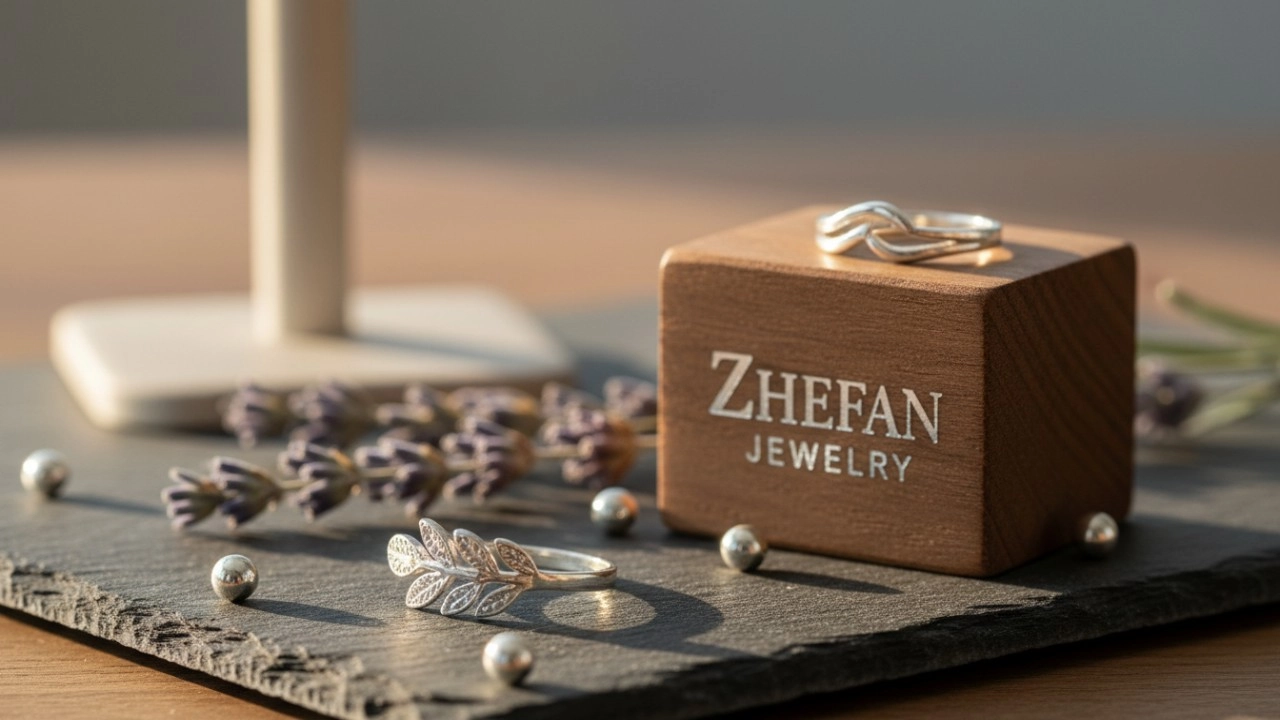
The Ultimate Guide to Sourcing Wholesale 925 Silver Adjustable Rings in 2026
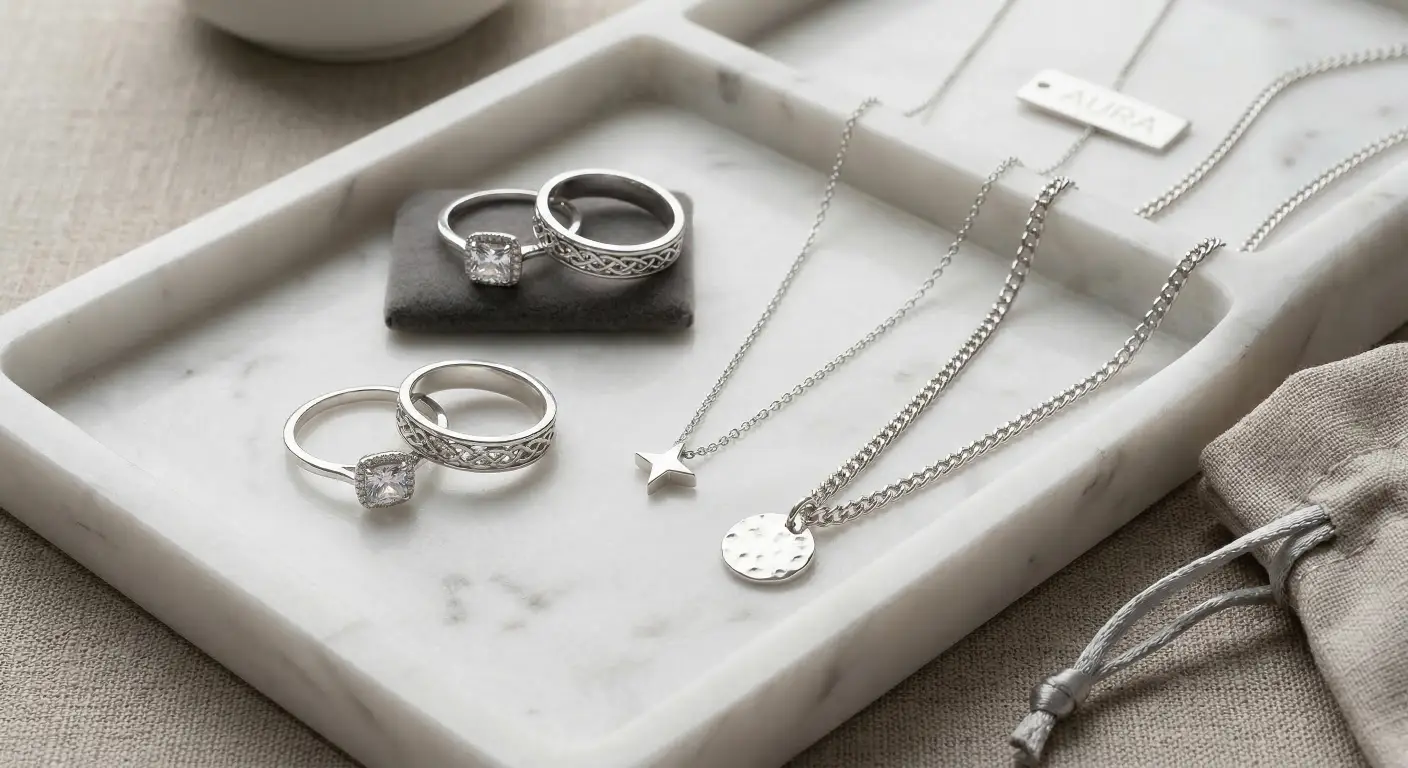
Sourcing Guide: How to Maximize Margins with Custom Sterling Silver Jewelry
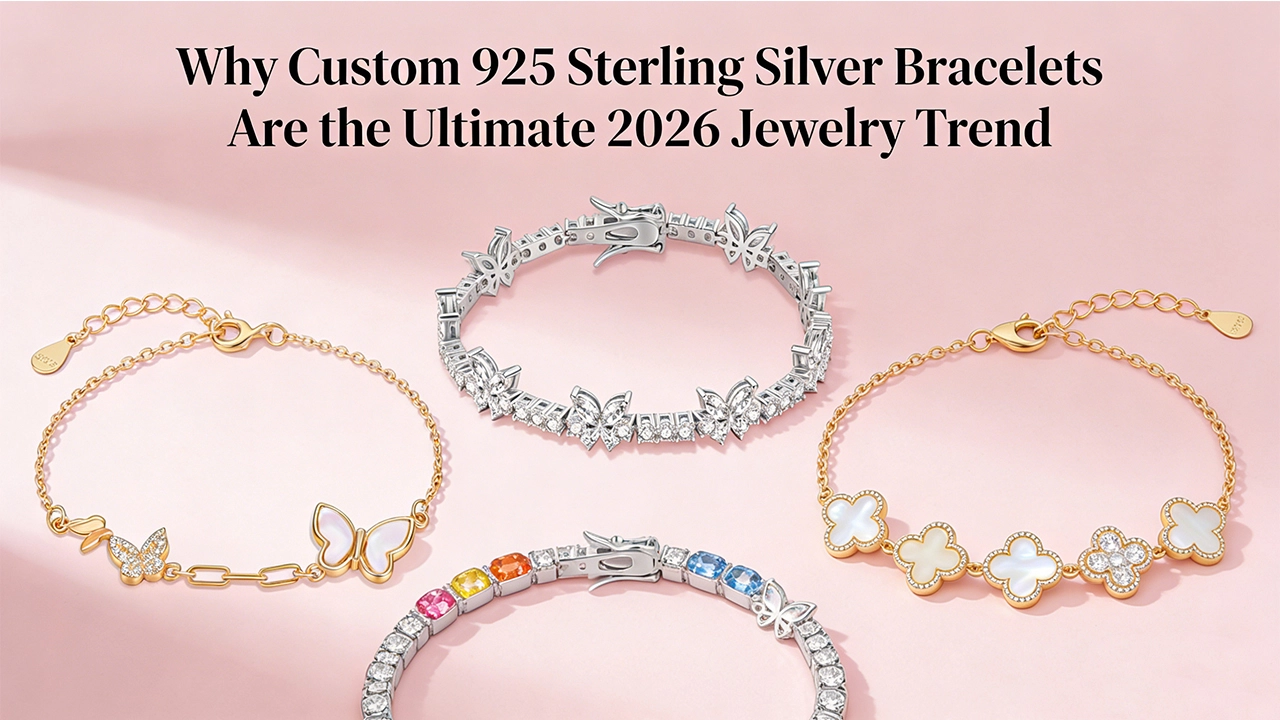
Why Custom 925 Sterling Silver Bracelets Are the Ultimate 2026 Jewelry Trend
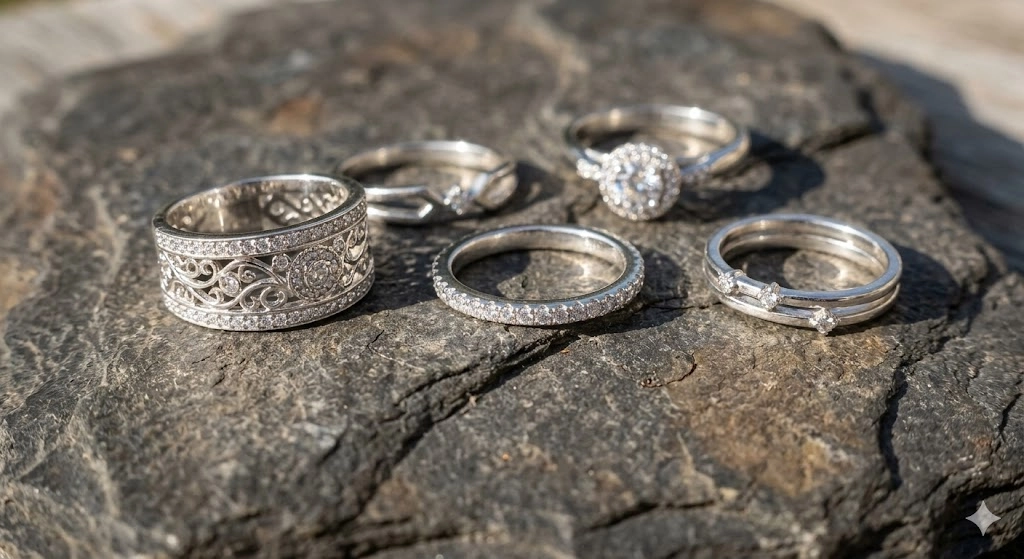
2026 Wholesale Trends: Why Your Brand Needs Custom Sterling Silver Jewelry
The Secret Behind Premium Quality: 7 International Standards for 925 Sterling Silver Rings
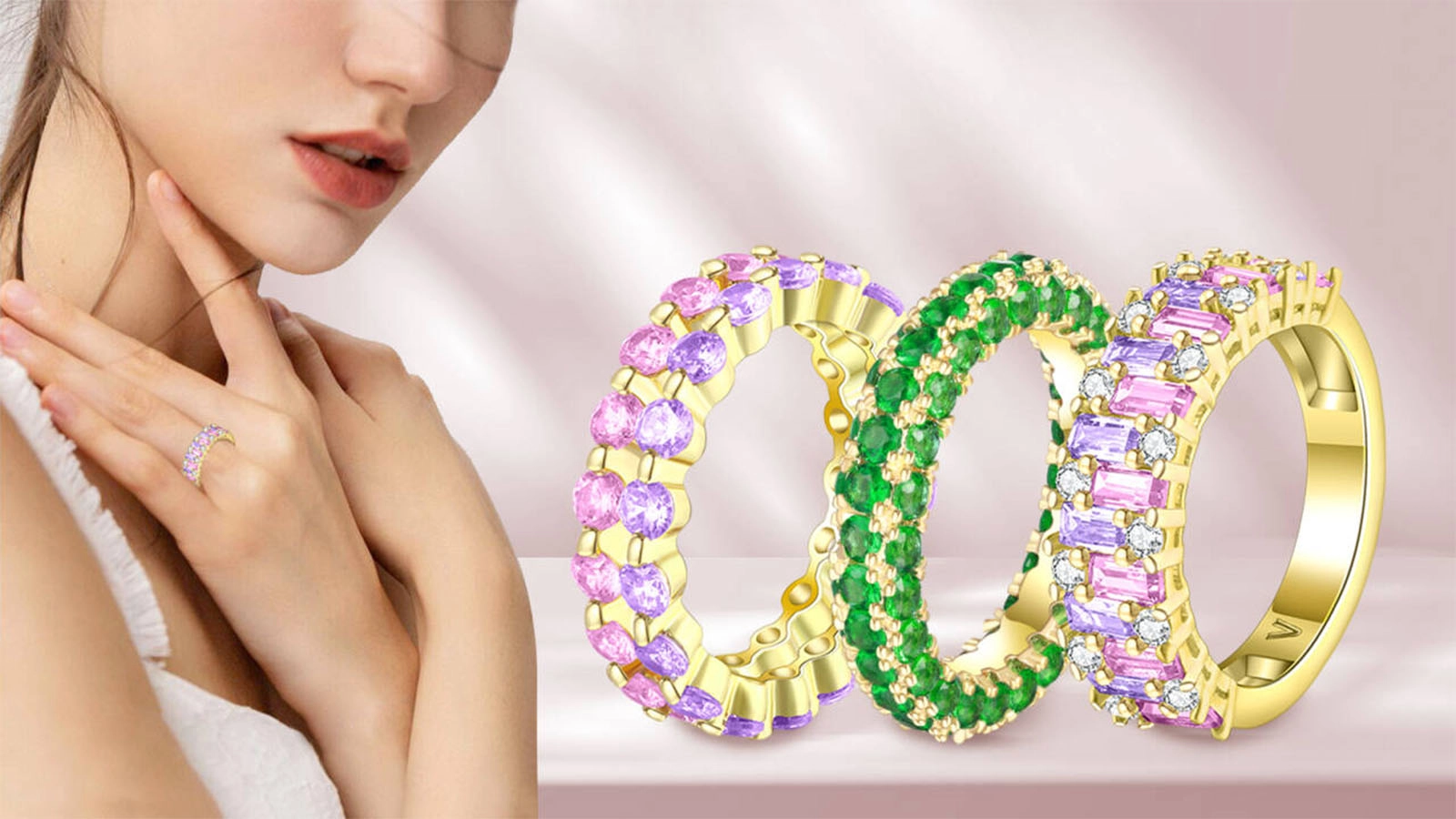
Choosing the Right Metal for Jewelry Making - Practical Guide
Prdoucts Categories
FAQ
Products
What is the material of the jewelry?
Most of the jewelry is made of 925 sterling silver, brass or 316 stainless steel or custom material,which can cover different procurement demand.
Do you offer free sample for quality check?
Sample order is welcome, but sample fee need to be paid. It will be deducted when you place an bulk order.
What's themonthly production capacity?
600,000 pcs per month.
FAQs
What’s the shipment method?How long does it take for delivery?
Our product distributed to all over the world. Shipped by DHL/Fedex/ TNT/UPS takes 3-7 days,Epacket takes 7-15 days, China Post takes 15-30 days.
Can I have your product catalog?
Yes, please leave us a message what style jewelry catalog you need.
Can I get a sample?
Yes,welcome to choose our sample to test and check quality.Please give me your address and number then send you payment list.
Discuss Your Ideas with a Professional Custom Jewelry Manufacturer
We provide personalized jewelry customization services for clients worldwide.
Rest assured that your privacy is important to us, and all information provided will be handled with the utmost confidentiality.
By clicking 'Send Inquiry Now' I agree to ZHEFAN JEWELRY processing my personal data.
To see how to withdraw your consent, how to control your personal data and how we process it, please see our Privacy Policy and Terms of use.
From design to production, ZHEFAN JEWELRY offers a one-stop solution to help you enhance your brand value and market competitiveness.
Get A Quote
Contact
Tel: (+86) 188 1927 7817
© 2026 Zhefan Jewelry. All Rights Reserved.
Facebook
Instagram
YouTube
Whatsapp: +8618819277817