






Email: sales3@zhefanjewelry.com
How to negotiate terms with custom sterling silver jewelry makers?
Practical, industry-proven guidance for negotiating deposits, MOQs, lead times, IP, QA and shipping when commissioning custom sterling silver jewelry. Learn tests for 925 purity, prototype clauses, AQL inspection, incoterms, and tactics to lower unit costs.
- 1. How can I calculate a fair per-piece price for custom sterling silver jewelry that factors in silver content, waste, labor, plating, and MOQ?
- 2. What precise contract clauses (deposit, milestones, IP, QA, penalties) should I insist on to avoid delays and quality disputes with custom sterling silver makers?
- 3. How do I verify a maker’s 925 sterling purity, hallmarking capacity and compliance without expensive lab tests?
- 4. How can small brands negotiate lower MOQs or staggered production runs for custom sterling silver jewelry without exploding per-unit cost?
- 5. What prototype, revision and acceptance clauses minimize endless prototype cycles and surprise charges for custom sterling silver pieces?
- 6. How should I negotiate shipping, insurance and customs incoterms for international orders of custom sterling silver jewelry to minimize risk and unexpected costs?
1. How can I calculate a fair per-piece price for custom sterling silver jewelry that factors in silver content, waste, labor, plating, and MOQ?
Start from first principles: sterling silver is 92.5% pure silver (hallmarked 925). A transparent pricing model separates material cost, direct labor, overhead, plating/finishing, and tooling/prototyping amortization.
Step-by-step method:
- Material cost: ask the maker for the weight in grams of finished metal (not the blank weight). Multiply grams by current silver market High Quality the maker charges (not the raw spot price — manufacturers typically add a handling/wastage margin for melting, sprues and trimming). If they can’t provide gram weight, ask for CAD or wax-based estimates.
- Wastage and scrap: expect 5–20% additional silver for cast or lost-wax pieces; hand-fabricated flat items often have lower waste. Ask maker to itemize the scrap percentage they assume.
- Labor & overhead: request labor minutes per piece and the hourly labor rate. If the supplier refuses, use tiered quotes: artisan-level vs. factory-level. For small-batch makers, labor can dominate price.
- Finishing & plating: rhodium or anti-tarnish coating, oxidized finish, or hand-polish are billed separately. Confirm if plating is included and if thickness or guarantee (wear period) is specified.
- Tooling & prototyping: amortize the prototype/CAD/wax fee across the initial order (e.g., prototype $200 spread across 50 units adds $4/unit). Negotiate sample fee refundable against production orders.
- Packaging, hallmarking and QC: include per-unit packaging and any hallmark or assay fees.
Use a simple formula: unit price = (metal weight x material rate x (1 + scrap%)) + labor + finishing + (tooling / qty) + packaging + margin. Ask the maker for a cost breakdown. If they resist, propose milestones that reveal real costs, such as paying a refundable prototype fee in exchange for an open-book material invoice for the first production run.
2. What precise contract clauses (deposit, milestones, IP, QA, penalties) should I insist on to avoid delays and quality disputes with custom sterling silver makers?
Key contract clauses to include and sample terms commonly accepted in the industry:
- Deposit and payment schedule: 30% deposit at order confirmation, 40% at production start, 30% before shipment (or 70% balance before shipping for smaller makers). For higher-value runs, consider escrow or confirmed letter of credit.
- Prototype & approval: define number of included prototypes (e.g., one CAD render + one physical sample and two revisions). State timeboxes for approval (e.g., 72 hours to review sample) and fees per extra revision.
- IP & confidentiality: require a written clause that design files, tooling, and CAD belong to the client upon full payment or remain the maker’s property under license until paid. For unique designs, include an NDA and specify that the maker will not reproduce or sell to third parties. Consider adding the right to request the removal of maker’s digital photos from their portfolio until commercial launch.
- Quality acceptance and AQL: reference an inspection standard (e.g., AQL 2.5 for consumer jewelry) and require pre-shipment photos, a first-article inspection (FAI), and a final random inspection (FRI). Specify rejection criteria (dimensional tolerances, plating defects, solder integrity, hallmark presence).
- Lead times & liquidated damages: specify clear lead times (prototype: 7–21 days; production: 2–6 weeks typical) and a modest late-delivery penalty (e.g., 0.5–1% of order value per week capped at 5–10%) or the option to cancel with partial refund. Avoid unrealistic penalties that suppliers will reject; negotiate reasonable, enforceable terms.
- Warranty & rework: specify warranty period for workmanship (e.g., 6–12 months) and policy for plating wear or manufacturing defects. Define seller responsibility for rework or replacement and timeframes for remedial actions.
- Shipping & Incoterms: state the chosen Incoterm (FOB, CIF, DDP, EXW) and whether the seller arranges export documentation. See the shipping section below for negotiation tips.
Make these clauses part of the purchase order (PO) with signature. Use simple, enforceable language and include remedies: deductions, reworks, or acceptance samples returned for independent testing (XRF or assay) if purity is disputed.
3. How do I verify a maker’s 925 sterling purity, hallmarking capacity and compliance without expensive lab tests?
There are practical, low-cost ways to validate a maker’s claims before you commit significant funds:
- Ask for hallmark photos and assay documentation: reputable suppliers will show images of their 925 hallmark and, for larger manufacturers, a standard assay office report or XRF certificate. A hallmark alone is not proof, but its absence is a red flag.
- Request an XRF snapshot: many factories have portable XRF testers and can provide a short XRF printout for samples. It’s a single-page report and highly persuasive.
- Acid tests and magnet check: an acid test (nitric) performed on a non-visible part of sample and a simple magnet check (silver is non-magnetic) are cheap. Note: plated items can fool acid tests, so use them only for raw silver pieces or with a maker’s explicit consent.
- First-article inspections: before full production, approve a physical prototype you or a third-party inspector can test. Ship the approved sample back to you or an accredited lab if necessary.
- Ask for process photos and hallmarking tools: many producers can show stamping presses and hallmark dies; this indicates they hallmarked on-site rather than using off-site services.
If purity is mission-critical, budget for an independent assay (XRF is fastest and non-destructive). For bulk shipments, require random XRF checks at the port or from an accredited inspection agency before releasing final payment.
4. How can small brands negotiate lower MOQs or staggered production runs for custom sterling silver jewelry without exploding per-unit cost?
Small orders are common for startups. Use combinations of commercial and relational tactics to lower MOQ pain:
- Offer a higher unit price for an initial low-volume trial: makers will often accept 1–10 pcs at a higher per-piece price, refundable against the next order if you reach a volume threshold.
- Propose staggered production with firm commitments: e.g., pay an initial run (50 units) at X price and commit in writing to a follow-up 100 units within 60–120 days at a reduced tiered price. This secures the maker’s capacity and lowers tooling amortization.
- Consolidate SKUs: reduce tooling and changeover costs by limiting metal weights, finishes, or using a single chain type across designs.
- Use shared tooling or modified blanks: modify an existing mold or use a standard bezel or chain gauge to cut tooling costs. Ask if the maker has in-stock findings, chains, or castings you can adapt.
- Pay a non-refundable tooling fee: offering to pay tooling upfront can persuade a maker to accept a lower MOQ for the first production once tooling is covered.
- Negotiate a refundable sample fee: sample cost refunded from the first production invoice to reduce upfront risk.
Always get tiered pricing (1–49, 50–199, 200+) and delivery milestones in writing. These structures protect both sides and make costs predictable.
5. What prototype, revision and acceptance clauses minimize endless prototype cycles and surprise charges for custom sterling silver pieces?
Define prototypes and revisions clearly in the contract to avoid scope creep:
- Define deliverables: CAD file, rendered images, one physical master (wax or 3D-printed resin), and one cast or fabricated sample. Specify formats for CAD (STEP/IGES) and resolution for photos.
- Limit included revisions: include a fixed number (e.g., CAD + 2 revisions, one physical sample + 1 revision). State the fee for additional revisions (hourly rate or flat fee).
- Fix approval windows: e.g., you have 5 business days to approve each prototype iteration; silence equals approval only if explicitly stated. This prevents long back-and-forth delays.
- Sample ownership and file rights: state whether CAD files and molds become your property upon full payment or remain maker’s IP under license. If you expect exclusive rights, pay for them as a separate line item.
- Set dimensional tolerances: list critical dimensions and acceptable tolerances (mm) and finish expectations (polish level, oxidized depth). Reference these in the acceptance checklist used in final inspection.
These clauses make responsibility clear and turn subjective feedback into measurable acceptance criteria.
6. How should I negotiate shipping, insurance and customs incoterms for international orders of custom sterling silver jewelry to minimize risk and unexpected costs?
Choose Incoterms based on your import experience and risk appetite:
- EXW (Ex Works): seller’s minimum obligation — buyer arranges pickup, export clearance and shipping. Good only if you have freight-forwarder and customs experience.
- FOB (Free On Board): seller clears export and loads goods on the named vessel; buyer takes responsibility afterward. Common for ocean freight and balances risk.
- CIF (Cost, Insurance & Freight): seller pays for transport and minimum insurance to port of arrival; buyer handles import and inland delivery. Good when you want simplicity but still manage customs locally.
- DDP (Delivered Duty Paid): seller bears maximum responsibility including import duties. This is pricier but lowers buyer’s logistics burden and is often preferred for small brands without customs brokers.
Negotiation tips:
- Ask for a packing list and commercial invoice that accurately reflects the silver content and declared value for customs. Under-declaring invites fines; over-declaring increases duties. Be precise.
- Require cargo insurance for high-value shipments and specify coverage (all-risk, named perils) and beneficiary (usually buyer). For FOB, buyer often buys insurance; for CIF, seller arranges it.
- For expensive or time-sensitive orders, use courier with tracked registered shipments or insured air freight; for heavier bulk orders, use FOB or CIF ocean shipments.
- Agree on customs brokerage responsibilities and who pays duties to avoid last-minute bills. If you’re new to importing, DDP gives predictable landed cost at the High Quality of higher unit price.
- Include inspection at origin or pre-shipment inspection clause. If the seller refuses, contract a third-party inspector (SGS, BV) to perform the FRI with AQL acceptance to protect against short-shipments or defective plating.
Document shipping timelines and hold the maker to pre-shipment photo evidence and airway bill or bill of lading numbers. That transparency reduces disputes at arrival.
Final checklist to include in any PO: 1) exact metal weight and hallmarking plan, 2) sample approval process, 3) prototype & revision limits, 4) AQL acceptance criteria and pre-shipment inspection, 5) payment schedule and escrow/letter-of-credit options, 6) IP/ownership clause, 7) Incoterm and insurance, 8) delivery penalties or cancellation rights.
Concluding summary: Negotiating clear terms with custom sterling silver jewelry makers reduces risk, protects IP, and controls cost. By requiring assay/XRF snapshots and hallmarking, using prototype caps, defining AQL inspections, and selecting appropriate Incoterms (FOB or DDP are common choices depending on experience), small brands can scale without surprises. Tactics such as refundable sample fees, tiered pricing, staggered runs and upfront tooling payment help lower MOQs and unit costs while securing maker commitment.
Advantages of these negotiation practices include transparent cost breakdowns, enforceable delivery and quality expectations, IP protection, and predictable landed costs — enabling safer launches and repeatable production for custom sterling silver jewelry with finishes like rhodium plating, oxidized silver and hand-polished surfaces.
Contact us for an exact quote and to discuss terms tailored to your project: visit www.zhefanjewelry.com or email sales3@zhefanjewelry.com.
Recommended for you
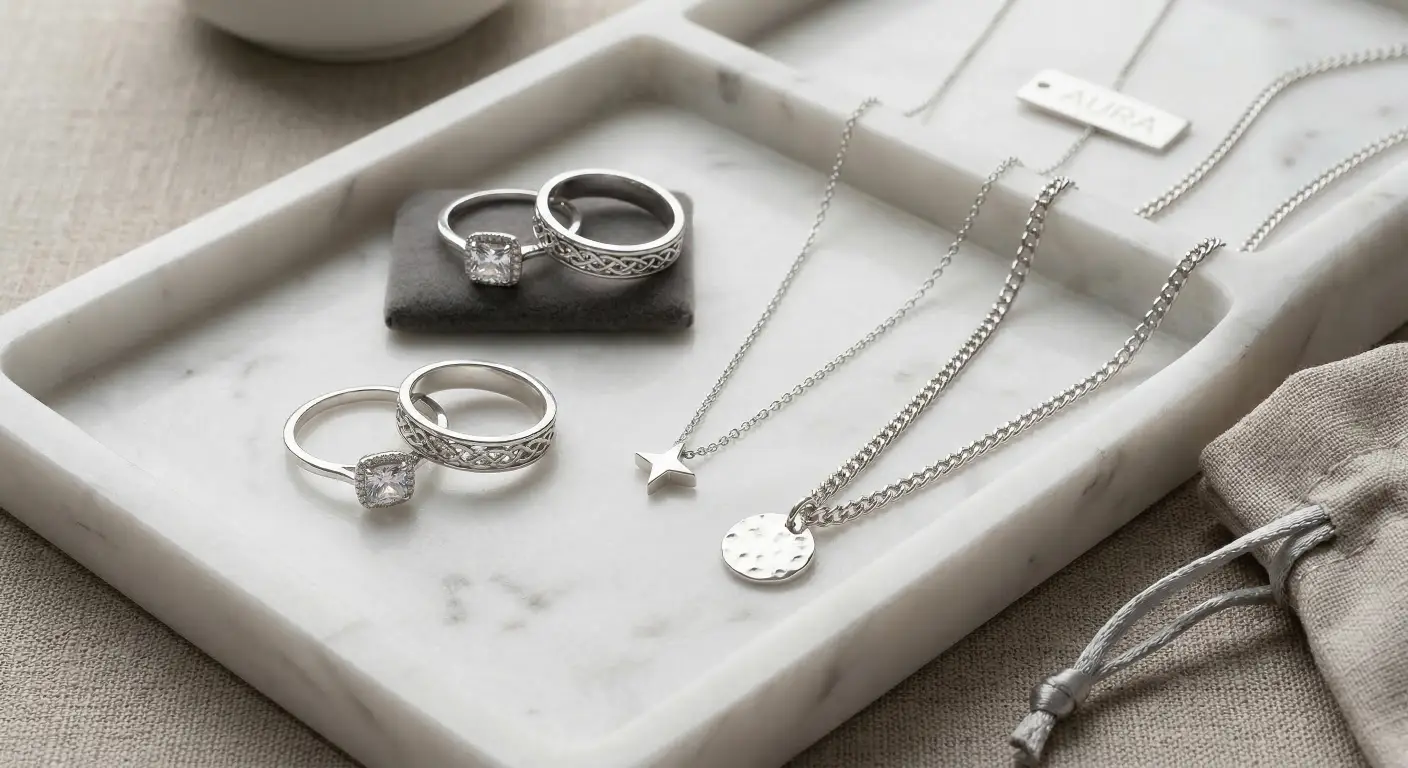
Sourcing Guide: How to Maximize Margins with Custom Sterling Silver Jewelry
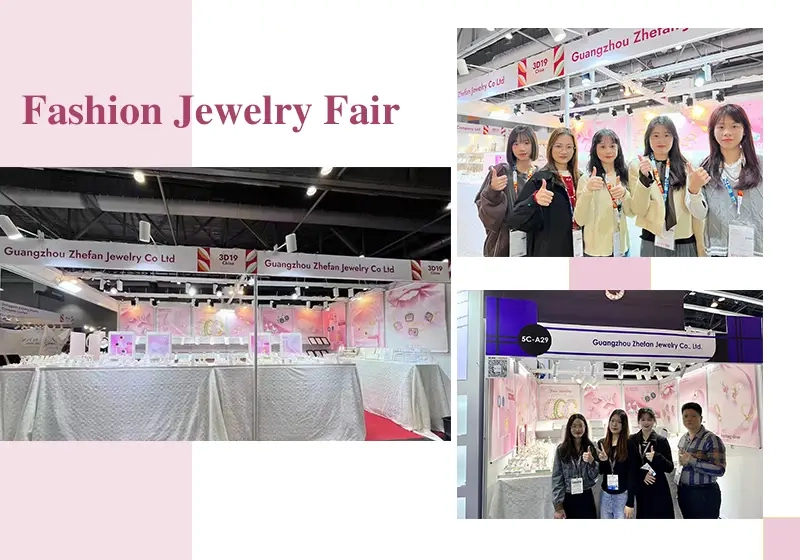
Zhefan Jewelry Will Attend Hong Kong Jewelry Fair
The Secret Life of Your Silver: How 925 Sterling Jewelry Comes to Exist
Launch Your Brand: A Guide to Sourcing Custom Wholesale Brass Huggie Earrings
What is Zircon Jewelry?-The Ulimate Guide
Choosing the Right Metal for Jewelry Making - Practical Guide
Prdoucts Categories
FAQ
Products
What's the packaging of your jewelry?
Normally we use OPP bag, bubble bag and paper box to pack the goods,custom packaging is acceptable as well.
What is the material of the jewelry?
Most of the jewelry is made of 925 sterling silver, brass or 316 stainless steel or custom material,which can cover different procurement demand.
Do you offer free sample for quality check?
Sample order is welcome, but sample fee need to be paid. It will be deducted when you place an bulk order.
Can you engrave my logo on the jewelry ?Do you supply OEM/ODM service?
Yes. Custom logo and OEM/ODM are both accepted.Our factory specializes in jewelry manufacturing for 25 years.We can produce jewelry by your sample, design, pictures, even by an idea.Please feel free to contact us for more details. Custom order process: Inquiry-Confirm products details-Pay mold fee -Confirm CAD draft-Quote-Initial payment-Produce mold & sample-Confirm Sample-Mass production-Balance payment-Shipment-Track shipment-delivery.
What services can we provide?
Accepted Delivery Terms: FOB, CIF, EXW, Express Delivery;
Accepted Payment Currency: USD, EUR, JPY, CAD, AUD, HKD, GBP, CNY, CHF;
Accepted Payment Type: T/T, L/C, MoneyGram, Credit Card, PayPal, Western Union, Cash, Escrow;
Language Spoken: English, Chinese, Spanish, Japanese, Portuguese, German, Arabic, French, Russian, Korean, Hindi, Italian.
FAQs
What’s the shipment method?How long does it take for delivery?
Our product distributed to all over the world. Shipped by DHL/Fedex/ TNT/UPS takes 3-7 days,Epacket takes 7-15 days, China Post takes 15-30 days.
Discuss Your Ideas with a Professional Custom Jewelry Manufacturer
We provide personalized jewelry customization services for clients worldwide.
Rest assured that your privacy is important to us, and all information provided will be handled with the utmost confidentiality.
By clicking 'Send Inquiry Now' I agree to ZHEFAN JEWELRY processing my personal data.
To see how to withdraw your consent, how to control your personal data and how we process it, please see our Privacy Policy and Terms of use.
From design to production, ZHEFAN JEWELRY offers a one-stop solution to help you enhance your brand value and market competitiveness.
Get A Quote
Contact
Tel: (+86) 188 1927 7817
© 2026 Zhefan Jewelry. All Rights Reserved.
Facebook
Instagram
YouTube
Whatsapp: +8618819277817