





Email: sales3@zhefanjewelry.com
Can I mix metals when ordering custom sterling silver jewelry?
Practical, maker-level answers for beginners ordering custom sterling silver jewelry and wondering about mixing metals, plating choices (vermeil, gold-filled, rhodium), soldering methods, allergen risks, Argentium vs 925, production timelines and realistic MOQs.
- 1) Can I mix metals when ordering custom sterling silver jewelry without causing galvanic corrosion or accelerated tarnish?
- 2) If I want gold accents on a sterling silver ring, should I use gold-filled, vermeil, solid gold inlay, or gold plating for longevity and value?
- 3) How does Argentium silver compare to traditional 925 sterling for mixed-metal custom pieces and what manufacturing changes should I expect?
- 4) What are the best soldering and joining techniques for mixing sterling silver with gold, copper, or brass in custom jewelry to ensure durable joints?
- 5) Will combining plated metals with sterling silver affect hypoallergenic claims—what's safe for nickel-sensitive customers?
- 6) What are realistic timelines, MOQs, and pricing expectations when ordering small-batch custom sterling silver jewelry with mixed metals and plating?
- Concluding summary: Advantages of choosing custom sterling silver jewelry and mixing metals thoughtfully
Can I Mix Metals When Ordering Custom Sterling Silver Jewelry? Answers & Practical Guidance
Written for buyers and designers planning custom sterling silver jewelry—rings, pendants, bracelets, or custom engagement rings—this article gives maker-grade, evidence-based answers on mixing metals, plating options (vermeil, rhodium-plated silver, gold-filled), soldering and laser joining, allergy risks, Argentium vs traditional 925, production timelines and small-batch MOQs. ZheFan Jewelry provides manufacturing guidance and quoting—contact us for a quote at www.zhefanjewelry.com or sales3@zhefanjewelry.com.
1) Can I mix metals when ordering custom sterling silver jewelry without causing galvanic corrosion or accelerated tarnish?
Short answer: Yes—but only with intentional design, proper isolation or finishing, and an understanding of electrochemical differences. Sterling silver (marked .925) is 92.5% silver + typically 7.5% copper; copper makes silver more reactive than gold. When dissimilar metals physically contact and encounter an electrolyte (sweat, saltwater, humid conditions), galvanic corrosion can occur—less noble metals (copper, brass, base alloys) will corrode faster at contact points.
Practical controls to prevent problems:
- Choose compatible metals: gold (solid 14k/18k) and silver are relatively close in nobility, so junction corrosion risk is lower than pairing silver with brass/copper.
- Use a barrier: apply rhodium plating, gold vermeil, or a hard clear lacquer to the contact area to prevent electrochemical coupling. Note rhodium plating is thin (typically 0.05–0.2 µm) and may wear off in high-friction areas; vermeil is thicker gold plating on sterling (minimum 2.5 µm).
- Prefer mechanical joins or laser welding rather than long solder seams when joining very different alloys; avoid leaving exposed base metal edges in contact with skin.
- Design for drainage and cleaning—avoid crevices where salt and moisture accumulate.
Conclusion: mixing metals is common and safe when you specify isolation finishes, select compatible alloys, and accept potential maintenance (replating/re-polishing) for plated surfaces.
2) If I want gold accents on a sterling silver ring, should I use gold-filled, vermeil, solid gold inlay, or gold plating for longevity and value?
Choice depends on budget, wear expectations, and where the gold will sit (high-wear vs decorative area):
- Gold vermeil: sterling silver base with at least 2.5 µm of gold (FTC/industry standard). Good balance of appearance and cost for decorative accents; durable but will wear on high-friction faces—expect replating in heavy wear zones over years.
- Gold-filled: thicker mechanically bonded layer (often 5%+ by weight gold). More durable than typical electroplating for pieces with daily abrasion; heavier and often costlier than vermeil but superior lifespan for bands/edges that rub frequently.
- Solid gold inlay or overlay: micro-inlays, channels, or solid segments made of 14k or 18k gold are the most durable and hypoallergenic options. Lab work is more complex and costs increase due to different melting points and soldering requirements, but longevity and perceived value are highest.
- Standard gold plating (thin electroplate): cheapest but thinnest (often 0.05–0.3 µm). Best for low-wear decorative pieces or fashion jewelry; not recommended where durability is required.
Recommendation: For everyday rings, prefer gold-filled or solid gold accents. For pendants or earrings with lighter wear, vermeil offers an excellent tradeoff of price and look. Specify plating thickness (microns) and whether the gold is 14k/18k when requesting quotes.
3) How does Argentium silver compare to traditional 925 sterling for mixed-metal custom pieces and what manufacturing changes should I expect?
Argentium silver is a modern sterling variant that replaces part of the copper with germanium (typical formulations contain ~0.2–1.5% germanium). The practical benefits for custom work:
- Improved tarnish resistance: Argentium forms a transparent germanium oxide layer that slows oxidation compared with traditional sterling 925, reducing maintenance for mixed-metal jewelry.
- Cleaner soldering and less firestain: germanium reduces firestain during heating, making Argentium attractive where visible joins or multiple heat cycles are needed.
- Work-hardening differences: Argentium can be softer in some tempers and may require adjusted annealing/finishing processes.
Manufacturing notes: solder alloy selection, flux, and annealing cycles should be optimized—experienced production teams (like ZheFan Jewelry) will adjust torching and pick appropriate solders or laser techniques. If you need heavy plating (vermeil), Argentium is fully compatible as a base for gold vermeil or rhodium plating.
4) What are the best soldering and joining techniques for mixing sterling silver with gold, copper, or brass in custom jewelry to ensure durable joints?
Joining dissimilar metals requires controlling heat, avoiding brittle intermetallics, and protecting finishes. Common professional techniques:
- Laser welding: localized heat, minimal heat-affected zone, excellent for precious metal joins and for repairing plated surfaces without removing plating in adjacent areas. Great for adding gold accents to silver pieces without large-scale annealing.
- Brazing with appropriate filler alloys: use solders with melting temps below the alloys being joined; when joining silver to gold, pick solders that wet both metals. Be aware of diffusion layers—overheating can form brittle intermetallic compounds.
- Mechanical joining: rivets, tabs, dovetails, or screw fittings isolate metals and eliminate electrochemical join problems. Especially useful when a plated surface must remain intact.
- Interlayer strategies: deposit a thin barrier layer (e.g., fine silver or nickel-free barrier plating) before final plating to reduce migration and color bleeding at joints.
Design tip: if you plan post-plating repairs, request that the manufacturer leave extra metal in non-visible areas for future laser repairs or replating. Always specify whether you want joints finished to take plating or left for mechanical concealment.
5) Will combining plated metals with sterling silver affect hypoallergenic claims—what's safe for nickel-sensitive customers?
Nickel allergy is a leading cause of contact dermatitis in jewelry wearers. If you or customers are nickel-sensitive, pay attention to:
- Base alloy composition: sterling silver is usually nickel-free (copper alloy). However, some low-cost ‘silver-tone’ metals and base alloys (nickel silver, brass) contain nickel—avoid these.
- Plating and barrier layers: high-quality vermeil (gold on sterling) and rhodium plating over sterling are typically nickel-free on the surface; however, if plating is thin or worn, the underlying base might be exposed. For durable hypoallergenic performance, specify solid precious metals (gold, platinum) at skin contact points or thicker plating standards and barrier layers.
- Regulations and testing: the EU nickel restriction sets strict migration limits (commonly cited 0.5 µg/cm2/week for prolonged skin contact). If you need legally certified hypoallergenic claims, request migration or patch testing certificates from your manufacturer.
Best practice: for customers with allergies, design contact surfaces in solid silver (.925), Argentium, solid gold, or thick gold-filled layers and ask your maker for a certificate of composition or nickel-release test if needed.
6) What are realistic timelines, MOQs, and pricing expectations when ordering small-batch custom sterling silver jewelry with mixed metals and plating?
Typical production variables depend on complexity (CAD & prototyping, tooling, casting vs hand fabrication), finishing (vermeil thickness, rhodium plating, hand-polished oxidized finishes), and quantity.
Ranges you can expect (industry-typical; final numbers vary by supplier):
- Prototyping (CAD + 3D printed prototype): 5–14 days for design revisions.
- Sample casting and finishing: 10–21 days depending on plating and stone-setting.
- Small-batch MOQs: many manufacturers accept MOQs as low as 5–20 pieces for hand-fabricated runs; for cast pieces requiring production molds, MOQs may be 20–100 pieces depending on tooling amortization.
- Lead times for plated mixed-metal pieces: 2–6 weeks after sample approval; adding thick vermeil or complex inlays can add 1–2 weeks.
- Pricing drivers: metal weight, plating thickness (vermeil minimum 2.5 µm), gemstone setting labor, solder/laser joining complexity, and finishing (oxidized/antique patina requires extra steps). Expect per-piece cost to fall as quantity rises due to setup amortization.
Recommendation: ask suppliers for an itemized quote that separates setup/tooling, prototype, per-piece manufacturing, plating thickness (microns), and QA/testing (hallmarking, nickel release testing). At ZheFan Jewelry we provide transparent quotes—contact us for a tailored cost breakdown.
Concluding summary: Advantages of choosing custom sterling silver jewelry and mixing metals thoughtfully
Custom sterling silver jewelry offers excellent value, strong design flexibility (handmade silver rings, sterling silver pendants, oxidized silver finishes), and suitability for sophisticated mixed-metal designs when executed properly. Advantages include lower base material cost vs gold, ready compatibility with vermeil and rhodium-plating for two-tone looks, and the availability of improved alloys (Argentium) that reduce tarnish and firestain. Mixing metals expands aesthetic and functional options—gold accents for warmth, rhodium for high-contrast bright white finishes, and mechanical joins or laser welding for durable connections. The keys to long-term satisfaction are: specifying plating thickness and type (vermeil vs gold-filled vs thin plating), choosing compatible alloys, designing for maintenance, and partnering with a manufacturer experienced with soldering, laser welding and plating protocols.
If you need a quote, prototype or CAD consultation for custom sterling silver jewelry with mixed metals, contact ZheFan Jewelry at www.zhefanjewelry.com or sales3@zhefanjewelry.com. Our production team can provide plated options (gold vermeil, rhodium-plated silver), Argentium alternatives, MOQs and a precise timeline tailored to your design.
Recommended for you

Zhefan Jewelry Invites You to Attend the Hong Kong Jewellery Exhibition 2026
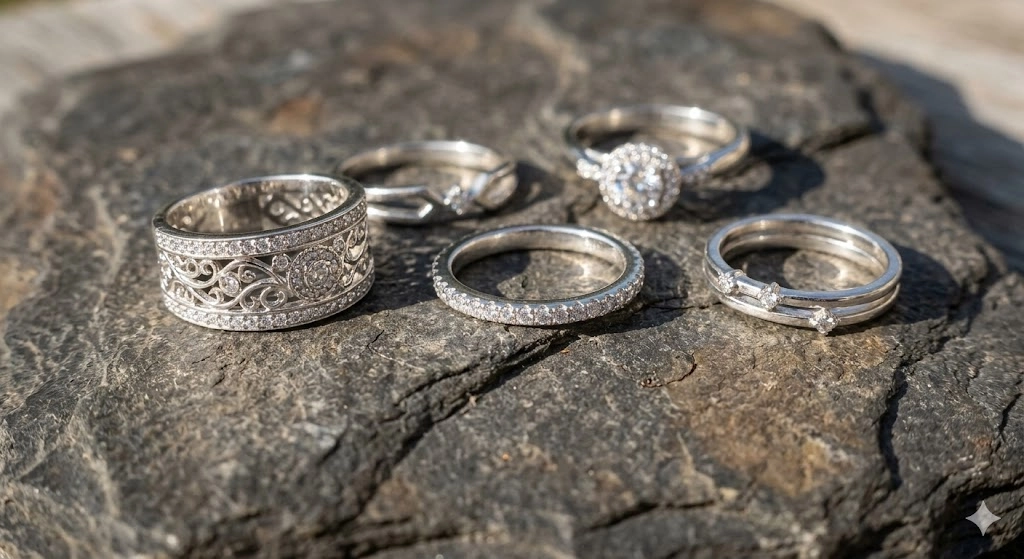
2026 Wholesale Trends: Why Your Brand Needs Custom Sterling Silver Jewelry
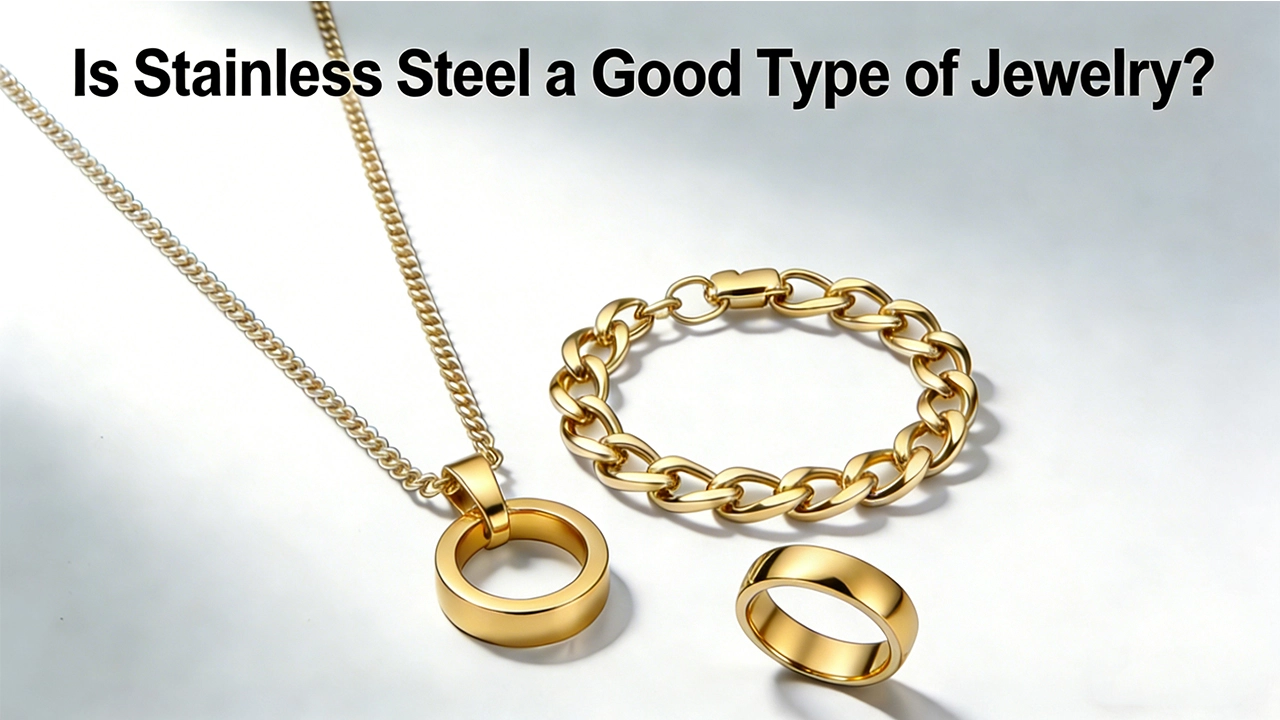
Is Stainless Steel a Good Type of Jewelry? Pros, Cons, and Why Brands Choose Stainless Steel Jewelry
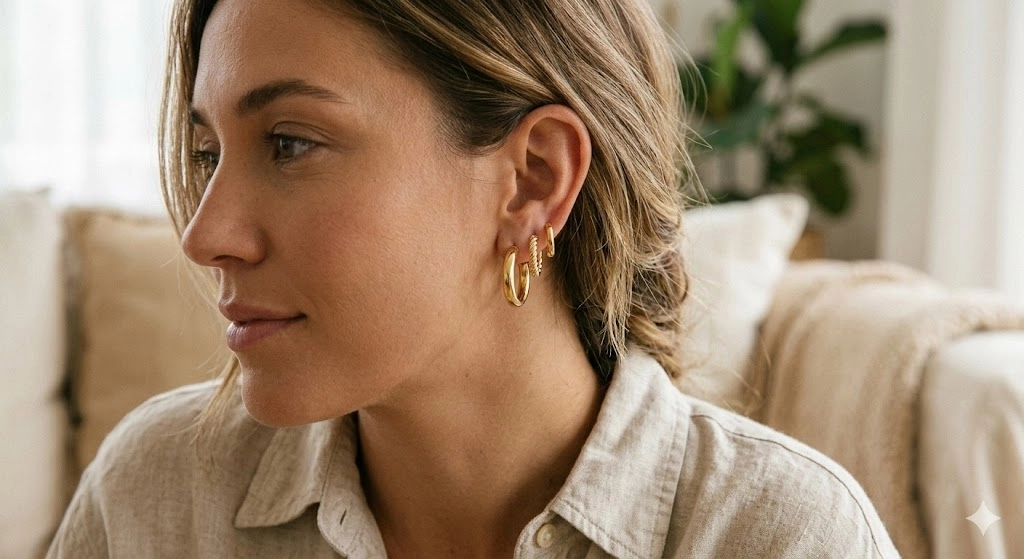
The Ultimate Buyer's Guide to Custom Wholesale Brass Huggie Earrings in China
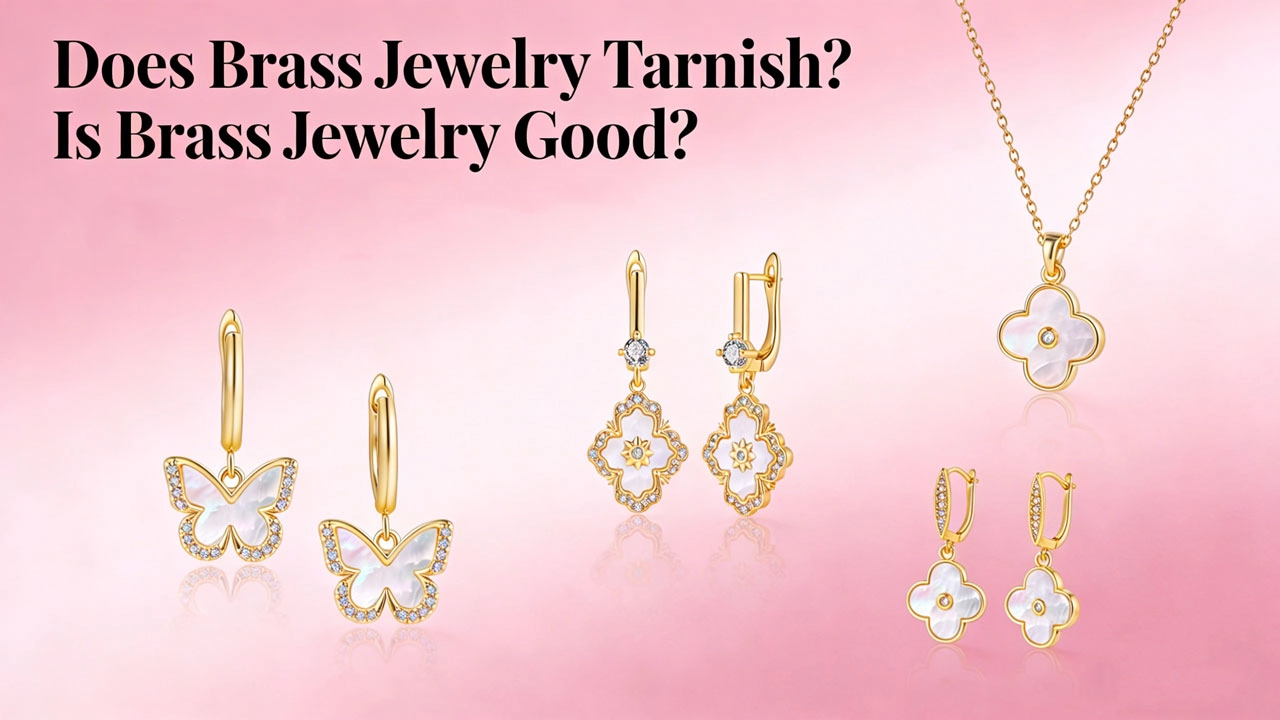
Does Brass Jewelry Tarnish? Is Brass Jewelry Good? Complete Guide from a Professional Jewelry Manufacturer
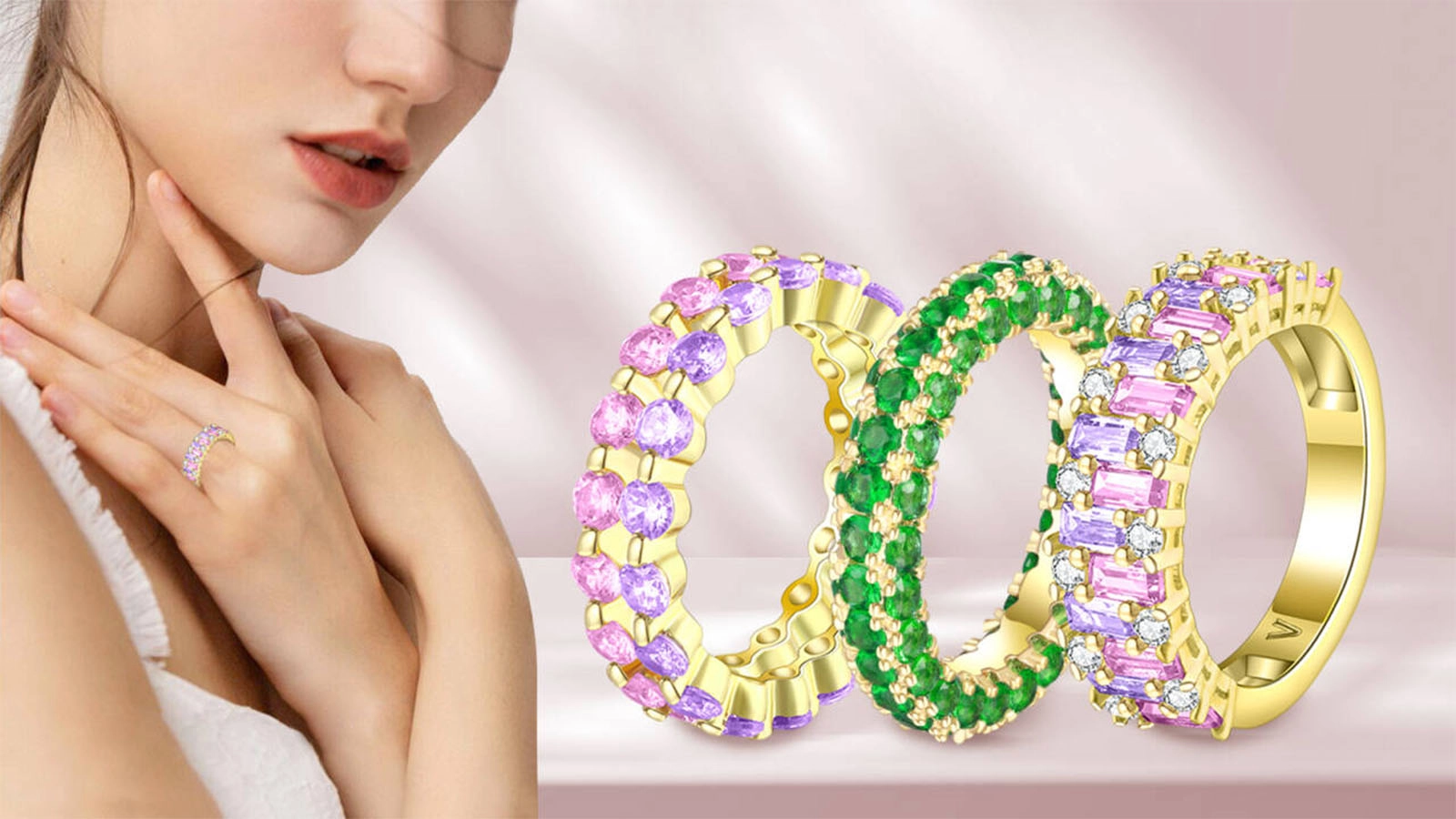
Choosing the Right Metal for Jewelry Making - Practical Guide
Prdoucts Categories
FAQ
Products
What's the packaging of your jewelry?
Normally we use OPP bag, bubble bag and paper box to pack the goods,custom packaging is acceptable as well.
How can we guarantee quality?
Always a pre-production sample before mass production;
Always final Inspection before shipment;
FAQs
What’s the shipment method?How long does it take for delivery?
Our product distributed to all over the world. Shipped by DHL/Fedex/ TNT/UPS takes 3-7 days,Epacket takes 7-15 days, China Post takes 15-30 days.
Can I see your product test report?
Of course.Our product throught standar test like SGS.We test in many ways of product.
Do you do customer design?
Do you do customer design? Yes,we are good at this way.Most of our customer do their customize.And we have cooperate with them when they are new brand, but now they become the top sell on Amazon, more than 32,000 five star comment.
Do you attend any jewelry fairs?
Yes, we participate in Hong Kong Jewelry Fair and Canton Fair twice a year, please contact the seller for the latest invitation.
Discuss Your Ideas with a Professional Custom Jewelry Manufacturer
We provide personalized jewelry customization services for clients worldwide.
Rest assured that your privacy is important to us, and all information provided will be handled with the utmost confidentiality.
By clicking 'Send Inquiry Now' I agree to ZHEFAN JEWELRY processing my personal data.
To see how to withdraw your consent, how to control your personal data and how we process it, please see our Privacy Policy and Terms of use.
From design to production, ZHEFAN JEWELRY offers a one-stop solution to help you enhance your brand value and market competitiveness.
Get A Quote
Contact
Tel: (+86) 188 1927 7817
© 2026 Zhefan Jewelry. All Rights Reserved.
Facebook
Instagram
YouTube
Whatsapp: +8618819277817