





Email: sales3@zhefanjewelry.com
What customization options exist for sterling silver jewelry?
Practical, expert answers for beginners on custom sterling silver jewelry: costs, production times, patina stability, allergy-safe 925 silver, plating effects, and engraving longevity—actionable guidance for buyers and small retailers.
- 1. How do I estimate the true cost to customize a 925 sterling silver engagement ring (including bezel-set gemstone, resizing, and hallmarking)?
- 2. How long does an oxidized (blackened) finish on sterling silver last, and how do I preserve it without erasing the patina?
- 3. Can I require nickel-free sterling silver and get valid documentation (for allergy-sensitive retail customers)?
- 4. What are realistic production times and minimum order quantities (MOQs) for custom sterling silver pieces when buying as a small business?
- 5. How does adding rhodium or gold vermeil plating over sterling silver affect long-term durability and repair options?
- 6. How fine can laser engraving be on 925 sterling silver, and how will polishing or resizing affect engraved details?
- Conclusion: Advantages of Custom Sterling Silver Jewelry
Custom Sterling Silver Jewelry: 6 Beginner Questions Answered by Experts
Creating or buying custom sterling silver jewelry (925 sterling silver, handmade silver pendants, custom silver rings) raises specific technical and commercial questions that general guides often miss. Below are six pain-point questions beginners ask that lack up-to-date, practical answers—and the expert guidance you need.
1. How do I estimate the true cost to customize a 925 sterling silver engagement ring (including bezel-set gemstone, resizing, and hallmarking)?
Beginners often only see a single retail price and don’t understand the components that determine a fair quote. Use a component-based pricing approach to evaluate any custom sterling silver jewelry quote.
- Material cost: sterling silver is 92.5% pure silver. Calculate metal cost by weight: ring weight (grams) × current silver spot price per gram × 0.925. Because silver spot fluctuates, ask the jeweler whether they use daily spot or a fixed rate during production.
- Stone cost: bezel-set gemstones vary widely—lab-created vs. natural, carat size, and quality. Confirm if the quote includes sourcing, certification (if applicable), and stone setting labor.
- Labor and craftsmanship: hand-fabrication, lost-wax casting, bezel fabrication, setting, finishing, and polishing are labor-intensive. For custom work, skilled labor often accounts for 30–60% of the final price. Ask how much time (hours) the bench work requires and the bench rate.
- Finishing and special treatments: patina/oxidation, rhodium/gold plating, deep engraving, or stone securing add costs. Each additional finish should be listed separately on the quote.
- Resizing and post-production adjustments: resizing after setting can disturb bezels and stones. Confirm whether one free resizing is included and the range allowed (commonly ±1–2 sizes for rings). Additional resizes should be charged separately and may require re-finishing or re-hallmarking.
- Hallmarking, testing and certification: depending on jurisdiction, hallmarking (e.g., UK Assay Office marks) or material certificates cost extra. In some markets, an assay or lab test (ISO 17025 lab) might be requested for export or retail—request this cost upfront.
- Overhead and shipping: designs with custom CAD, prototypes, or small-batch runs frequently include tooling or setup fees. For international orders, factor in customs, VAT, and insured shipping.
Practical evaluation tip: Ask the jeweler to provide a line-item quote showing estimated weight, silver rate used, labor hours, stone cost, finishing, hallmarking/testing, and any setup/MOQ fees. If they cannot break down costs, treat the quote with caution.
2. How long does an oxidized (blackened) finish on sterling silver last, and how do I preserve it without erasing the patina?
Oxidized finishes are popular for contrast and antiqued looks, but buyers often find patinas fade prematurely with wear or amateur polishing. The answer depends on method, surface protection, and wearer habits.
- Methods of oxidation: chemical (liver of sulfur), electrochemical, or heat-based patination. Chemical darkening penetrates surface micro-porosities; electrochemical methods can be more controllable for consistency.
- Longevity factors: body oils, friction, exposure to cleaners, and polishing remove patina. Areas of high contact (ring shank underside, bracelets where metal rubs) will lighten first.
- Protection options: lacquer, micro-crystalline wax, or clear coatings prolong patina but change the tactile feel. Lacquers (clear protective coatings) can add months to years of protection depending on thickness and wear—yet they may need renewal and are visible under magnification.
- Maintenance: recommend customers avoid ultrasonic cleaners, abrasive polishing cloths, and strong detergents. For light maintenance, use a soft cloth and, when patina has worn, re-oxidize locally using a mild patina solution or ask your jeweler for spot re-darkening.
- Design choices to extend patina life: recessed oxidized areas (engraved lines, crevices, and textured recesses) keep darker tones longer than flat polished surfaces. For high-wear pieces, specify recessed patina zones or partial patination rather than full-body oxidation.
Practical advice: If you want a guaranteed long-lasting black finish for high-wear jewelry, consider blackened vermeil or plating over a prepared surface and confirm maintenance and re-plating costs in the contract.
3. Can I require nickel-free sterling silver and get valid documentation (for allergy-sensitive retail customers)?
Allergy-safe claims are a major sales point, but “nickel-free” needs verification. Sterling silver (925) by composition should not intentionally contain nickel; however, manufacturing processes, solder, and alloys may introduce traces.
- Regulations and testing: In the EU and many markets, nickel release is regulated (REACH) and testing uses standards such as EN 1811 (nickel release test). Requesting a nickel-release test certificate (EN 1811) or a supplier declaration referencing testing from an ISO/IEC 17025-accredited lab is the correct route for commercial assurance.
- Material declarations vs. testing: A material declaration from a reputable manufacturer is helpful but not definitive. For retail labeling of “nickel-free,” obtain either batch testing results or a certificate of compliance.
- Solder and findings: Toggle clasps, jump rings, or solder wires may contain different alloys. Specify in writing that all parts touching skin must comply with nickel-release limits and be part of the test scope.
- Practical procurement step: Include in your order contract a requirement for one of the following: (a) batch test report for nickel release; (b) third-party lab certificate for the finished piece; or (c) a supplier warranty for allergy-safe composition with corrective terms if claims arise.
Buyer tip: For sensitive customers, recommend polished 925 silver with a hypoallergenic coating (clear lacquer) or consider alternative metals specified for dermatological safety like implant-grade titanium or 14k+ gold for certain pieces.
4. What are realistic production times and minimum order quantities (MOQs) for custom sterling silver pieces when buying as a small business?
Small brands frequently need realistic expectations for lead times and MOQs. Answers vary by workshop capacity, tooling needs, and whether work is handmade or cast from a master.
- Single custom piece / prototype: For one-off pieces—CAD approval, 3D-printed wax, casting, finishing, and setting—a reasonable timeline is 7–21 business days for straightforward designs. Complex multi-stone or engraved prototypes can be 3–6 weeks.
- Small production runs (5–100 pcs): If the design requires tooling or a master mold, expect setup and casting cycles. Typical lead times: 3–8 weeks depending on complexity, finishing, and plating. MOQs often start at 5–20 units for bespoke styles, though some suppliers accept single-piece production at higher per-unit cost.
- Larger commercial runs (100+ pcs): Lead times increase for finishing, quality checks, hallmarking, and packaging—plan 6–12 weeks. MOQs are often negotiated while factoring tooling amortization and batch finishing efficiencies.
- Factors that extend time: gemstone sourcing (certified stones add procurement time), custom CAD edits, regulatory testing (nickel-release, hallmarking), and seasonal demand spikes (e.g., holidays).
- Quality control and consistency: Ask about sample pre-production (PPS samples), pre-shipment inspection (PSI), and tolerance specifications. For stone-set items, require a sample sign-off to avoid rework and delays.
Negotiation tip: For small businesses, offer a phased order—pay for a prototype and small pilot run to verify production and quality, then scale to larger MOQs once standards are confirmed.
5. How does adding rhodium or gold vermeil plating over sterling silver affect long-term durability and repair options?
Plating is common to prevent tarnish, change color, or simulate higher-value metal. However, plating affects maintenance, repair, and perceived longevity.
- Gold vermeil standard: In the US, vermeil requires a sterling silver base with at least 2.5 microns of gold plating (and gold of at least 10k). Ask for plating thickness in microns on quotes—thickness determines longevity: 2.5 microns will outlast thin commercial plating but will wear over time in high-friction zones.
- Rhodium plating: Rhodium (a hard, reflective white metal) is commonly used on silver to give a bright white finish. Rhodium layers are typically shallower (0.05–0.5 microns) than vermeil and will show wear faster on rings and bracelets. It’s excellent for short-to-medium term color stability.
- Repair and re-plating: Plated pieces are re-platable. Discuss re-plating pricing and expected frequency based on wear: heavy daily wear pieces may need re-plating every 6–24 months; occasional wearers much less often. Confirm whether re-plating requires replacement of stones or disassembly.
- Impact on resizing and soldering: Plating is lost at solder seams during resizing. Re-sizing typically requires re-finishing and re-plating as part of aftercare; ask if the jeweler’s resizing fee includes touch-up plating.
- Customer communication: Always disclose plating type (rhodium, vermeil, PVD, or electroplating), thickness in microns, and expected care instructions. Transparency reduces returns and warranty claims.
6. How fine can laser engraving be on 925 sterling silver, and how will polishing or resizing affect engraved details?
Engraving is a popular customization option, but fine detail expectations must be managed—especially for pieces that will be polished or resized after engraving.
- Engraving methods and resolution: Modern fiber or pulsed fiber laser systems can reliably engrave fine detail down to ~0.05–0.2 mm stroke widths on metal. Depth typically ranges from 0.05 to 0.3 mm depending on settings and alloy. Hand engraving produces deeper cuts but is limited in ultra-fine replicated fonts.
- Durability and polishing: Shallow engraving (<0.1 mm) will be lightened or disappear with aggressive polishing or re-finishing. For pieces that may be re-polished (rings, bracelets), request engraving depths of 0.2–0.4 mm or recessed engraving that is then patinated to preserve contrast.
- Resizing considerations: When rings are resized, the engraving on the shank may be cut or distorted—avoid placing crucial text or micro-logos across seams or choose internal engraving inside the cup where resizing won’t remove material. If resizing range is likely, ask the jeweler to engrave after final sizing.
- Legibility and font choice: Select fonts designed for small scale (simple sans-serif or classic block fonts). Script or ornate fonts require larger engraving areas to remain legible over time.
Practical recommendation: For meaningful or warranty-critical text (serial numbers, warranty codes), specify deeper engraving and request a post-polish sample photo. For surface personalization (names, dates), consider interior engraving or recessed/patinated engraving for longevity.
Conclusion: Advantages of Custom Sterling Silver Jewelry
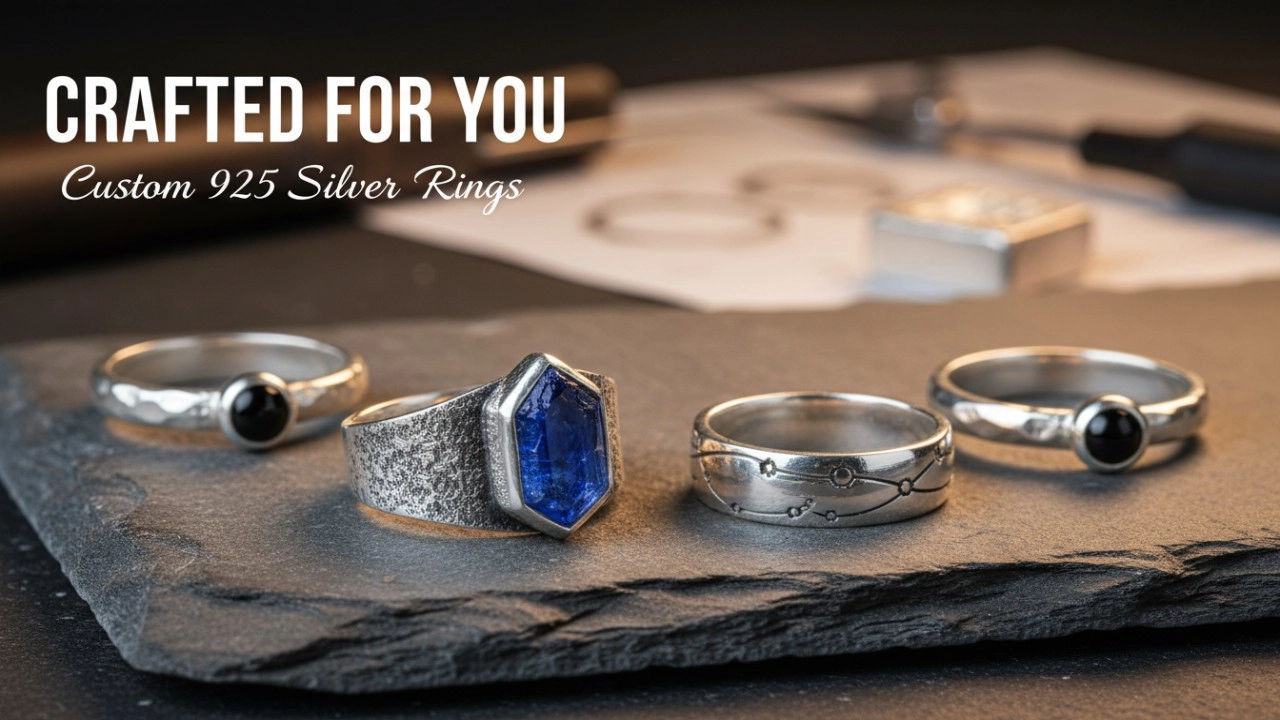
Custom sterling silver jewelry offers excellent value: 925 sterling silver is durable, repairable, relatively affordable, and highly adaptable to finishes—oxidized patinas, rhodium plating, vermeil, engraving, and bespoke stone settings. For retailers and buyers, the benefits include precise control over design, allergy-safe sourcing (when documented), and straightforward repair/replating paths that keep pieces sellable for years. Proper specification—material certificates, plating thickness, engraving depth, and sample approvals—minimizes post-sale issues and protects margins.
Contact us for a tailored quote and production timeline: visit www.zhefanjewelry.com or email sales3@zhefanjewelry.com.
Recommended for you
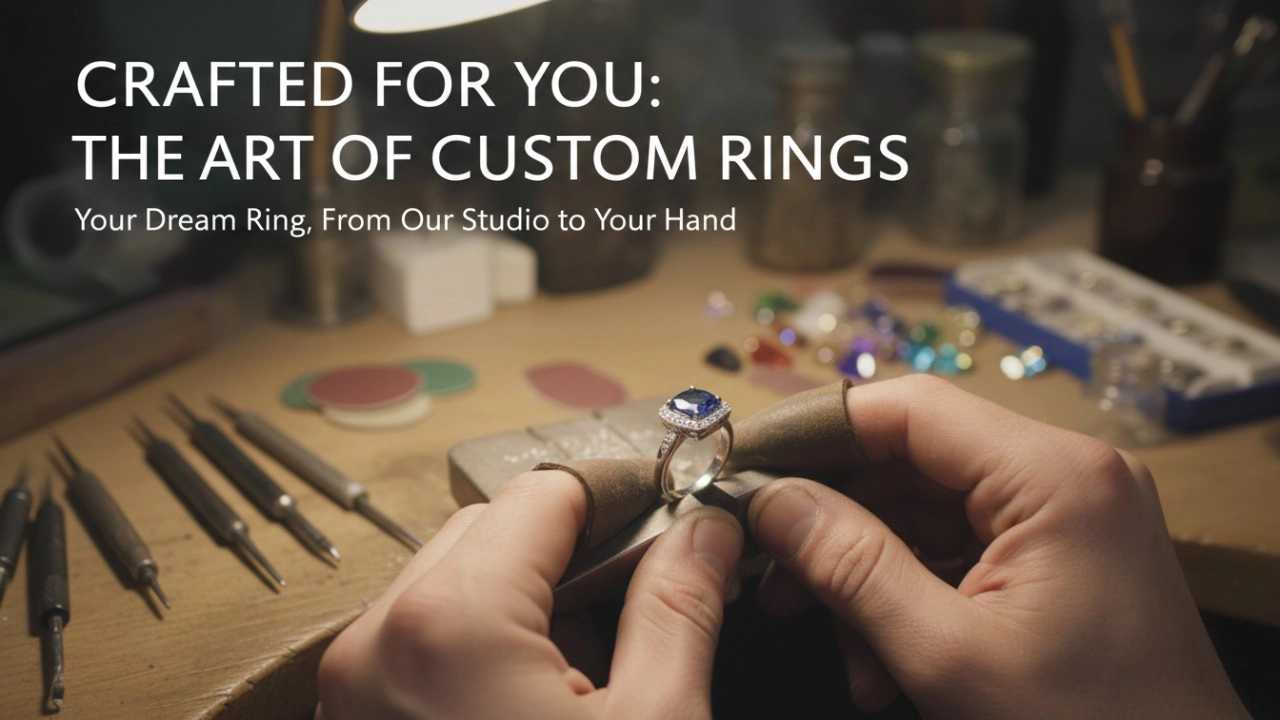
How to Choose a Custom Ring Manufacturer: 10 Critical Questions for Maximum Quality (2026 Guide)
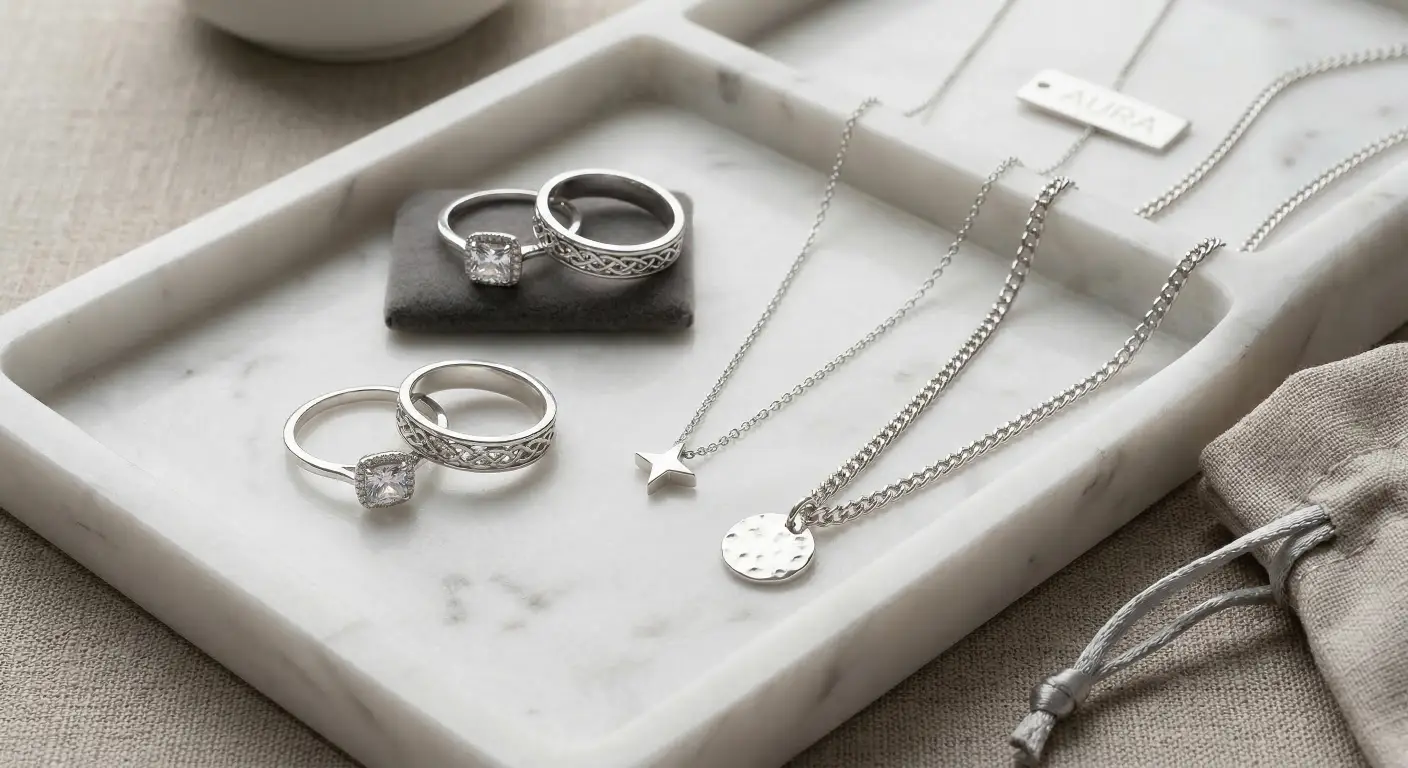
Sourcing Guide: How to Maximize Margins with Custom Sterling Silver Jewelry
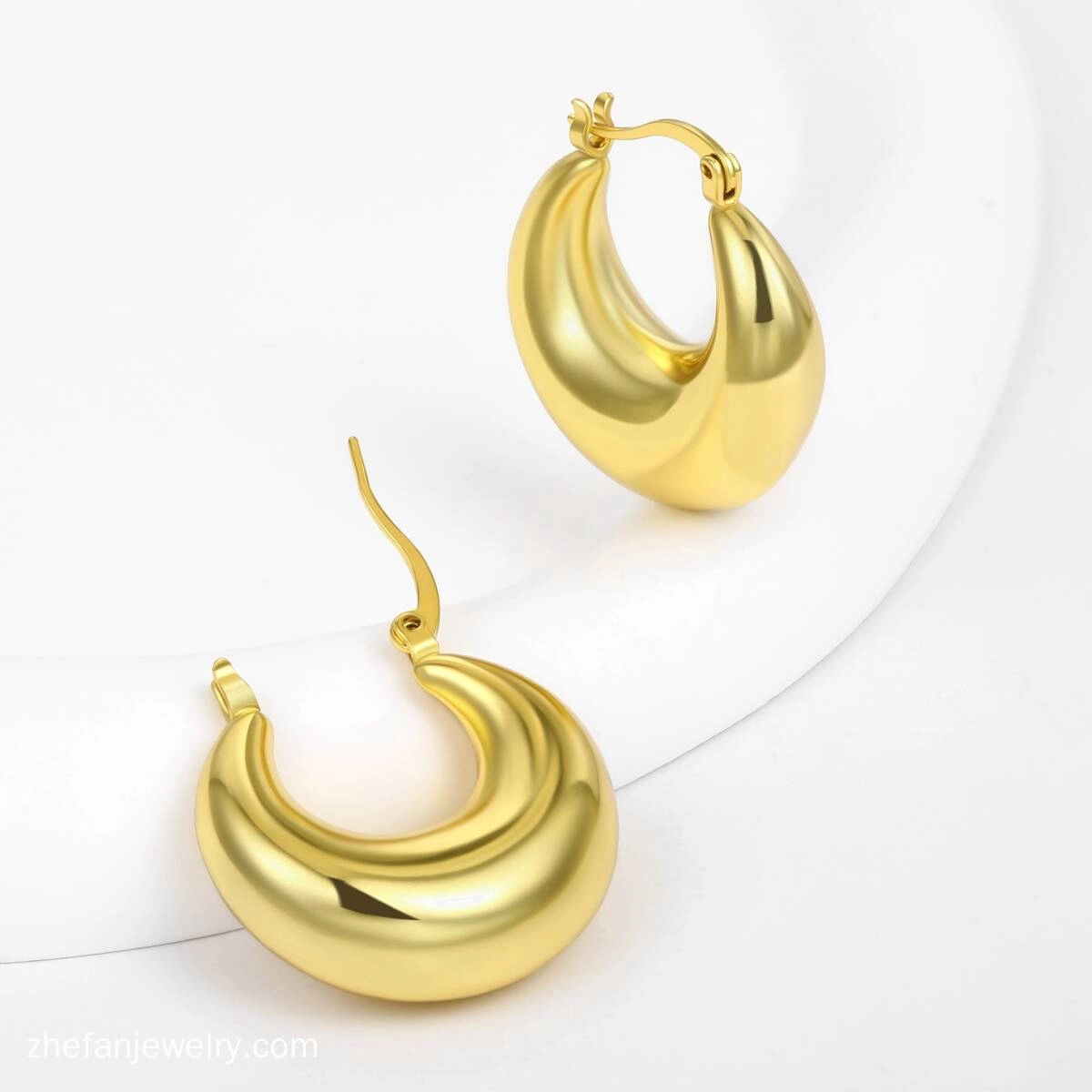
Launch Your Brand: A Guide to Sourcing Custom Wholesale Brass Huggie Earrings
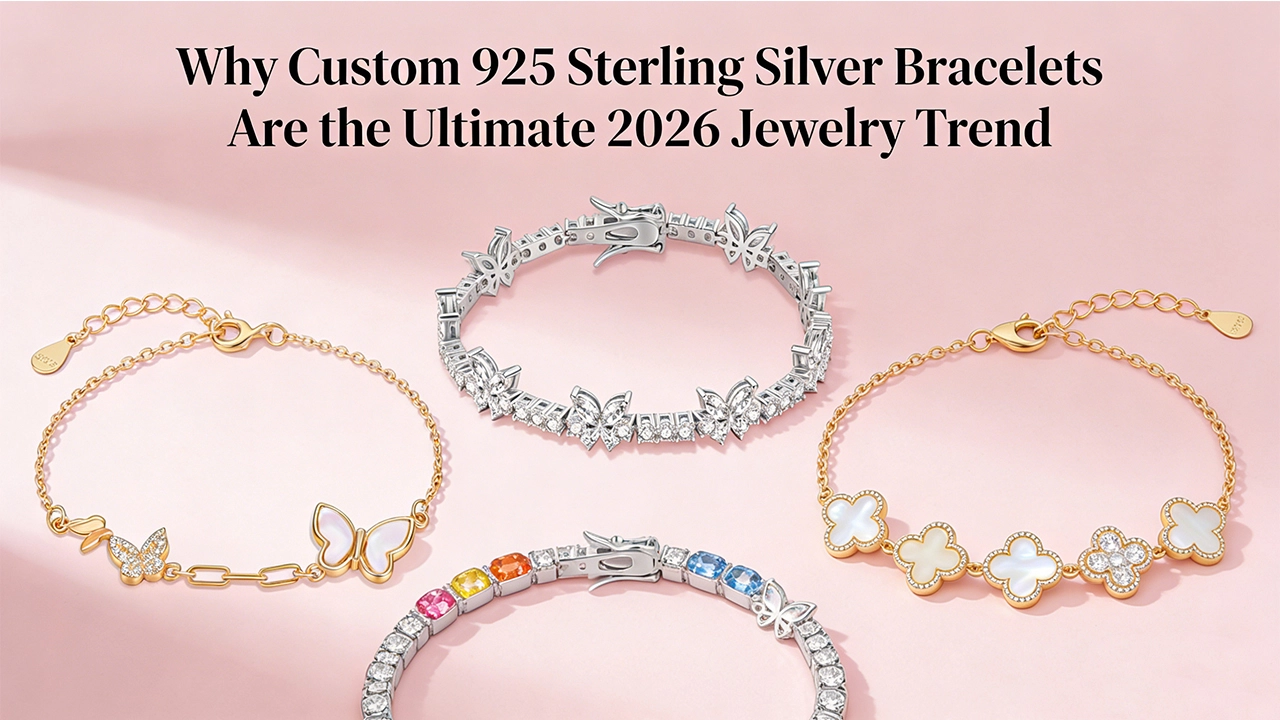
Why Custom 925 Sterling Silver Bracelets Are the Ultimate 2026 Jewelry Trend
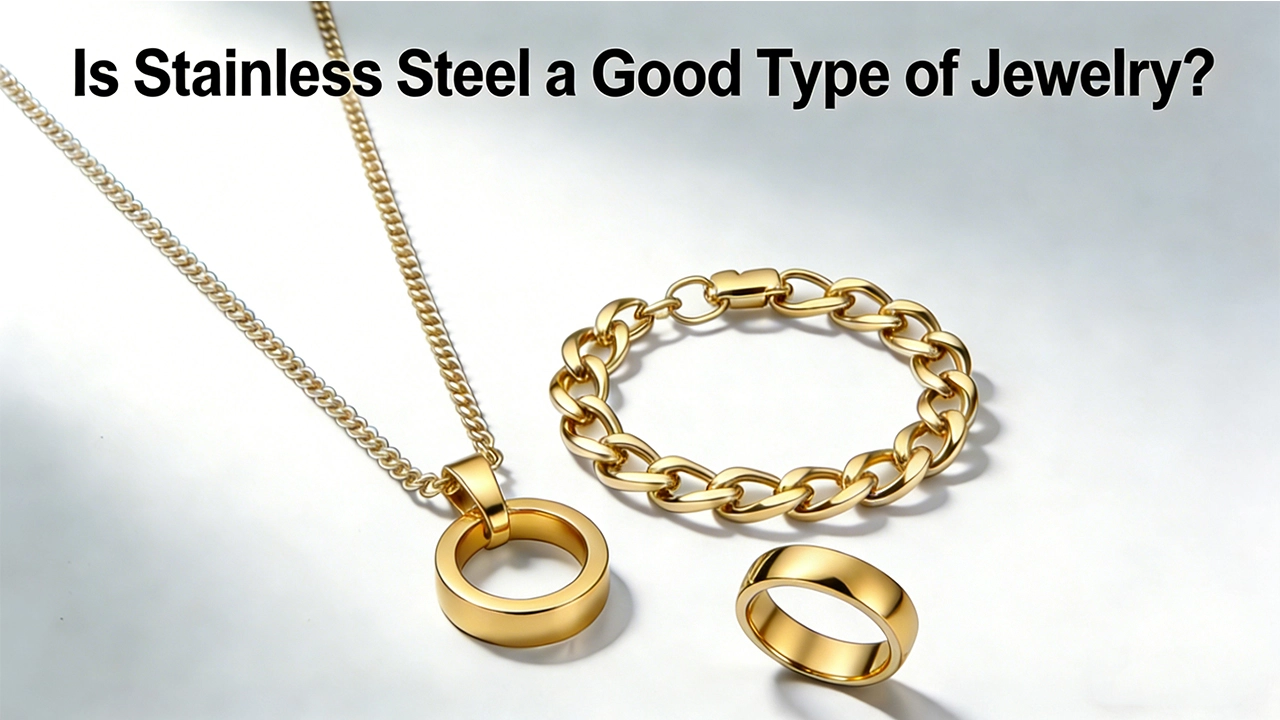
Is Stainless Steel a Good Type of Jewelry? Pros, Cons, and Why Brands Choose Stainless Steel Jewelry
Why Custom 925 Silver Rings Are the Perfect Sustainable Luxury Gift (Compared to Gold)
Prdoucts Categories
FAQ
FAQs
Can you engrave my logo on the jewelry ?Do you supply OEM/ODM service?
Yes. Custom logo and OEM/ODM are both accepted. Our factory specializes in jewelry manufacturing for 27 years.We can produce jewelry by your sample, design, pictures, even by an idea.Please feel free to contact us for more details. Custom order process:Inquiry-Confirm products details-Pay mold fee -Confirm CAD draft-Quote-Initial payment-Produce mold&sample-Confirm Sample-Mass production-Balance payment-Shipment-Track shipment-delivery.
Do you do customer design?
Do you do customer design? Yes,we are good at this way.Most of our customer do their customize.And we have cooperate with them when they are new brand, but now they become the top sell on Amazon, more than 32,000 five star comment.
Can I see your product test report?
Of course.Our product throught standar test like SGS.We test in many ways of product.
What’s the shipment method?How long does it take for delivery?
Our product distributed to all over the world. Shipped by DHL/Fedex/ TNT/UPS takes 3-7 days,Epacket takes 7-15 days, China Post takes 15-30 days.
Products
What's themonthly production capacity?
600,000 pcs per month.
What is your minimum order quantity?
We offer low MOQ from 2 to 30 depending on models. Send your favor model to get details from Trade Manager.
Discuss Your Ideas with a Professional Custom Jewelry Manufacturer
We provide personalized jewelry customization services for clients worldwide.
Rest assured that your privacy is important to us, and all information provided will be handled with the utmost confidentiality.
By clicking 'Send Inquiry Now' I agree to ZHEFAN JEWELRY processing my personal data.
To see how to withdraw your consent, how to control your personal data and how we process it, please see our Privacy Policy and Terms of use.
From design to production, ZHEFAN JEWELRY offers a one-stop solution to help you enhance your brand value and market competitiveness.
Get A Quote
Contact
Tel: (+86) 188 1927 7817
© 2026 Zhefan Jewelry. All Rights Reserved.
Facebook
Instagram
YouTube
Whatsapp: +8618819277817