




Email: sales3@zhefanjewelry.com
How to add gemstones to custom sterling silver jewelry orders?
Practical, expert answers for buyers and designers on adding gemstones to custom sterling silver jewelry. Covers Mohs hardness, setting choices, heat-safe workflows, certification, pricing, plating, CAD/tolerance specs and safe shipping to ensure durable, certified 925 silver pieces.
- Intro
- 1) How do I specify gemstone hardness and setting type to ensure longevity for a custom sterling silver engagement ring ordered online?
- 2) Can you add fragile gemstones (opal, pearl, turquoise) to a sterling silver ring that requires soldering, and what protective steps do craftsmen take?
- 3) What are the cost components and pricing formula for adding natural gemstones vs lab-created stones to custom sterling silver pieces?
- 4) How do I request and verify gemstone origin, treatment disclosures, and certifications for custom sterling silver jewelry orders?
- 5) What mounting and finishing options prevent tarnish and allergic reactions on sterling silver with added gemstones?
- 6) How should I provide stone dimensions, cut, and files (STL/dim) to ensure the stone fits in a custom sterling silver bezel or prong setting for a remote order?
- Conclusion: Advantages of custom sterling silver jewelry with gemstones
Intro
Custom sterling silver jewelry (925 silver) is a cost-effective, versatile base for adding gemstones to rings, pendants, and bracelets. Below are six specific buyer-questions beginners often ask but which need deeper, up-to-date answers. Each section explains real-world tolerances, workshop workflows, testing, certification, and practical instructions to reduce rework, minimize risk to fragile stones, and ensure durable finished pieces.
1) How do I specify gemstone hardness and setting type to ensure longevity for a custom sterling silver engagement ring ordered online?
What you need to provide and why: specify the stone name, cut, exact dimensions (diameter, height), and Mohs hardness. Sterling silver alloys (standard 925 = 92.5% Ag + normally 7.5% Cu) are soft relative to gold and platinum; that makes the choice of setting and protection essential.
Rules of thumb based on Mohs hardness and wear:
- Daily-wear rings: prefer stones with Mohs ≥ 7 (e.g., sapphire, ruby, spinel). Stones between 6–7 (e.g., amethyst) can work with protective bezel settings. Softer stones (opal 5.5–6.5, turquoise 5–6, pearl 2.5–4.5) require protective bezels, halo guards, or reserved use pieces.
- Setting recommendations: use bezel or full-cup settings for softer stones; prong settings with at least 4 fine prongs for hard stones (Mohs ≥ 8). For pavé, choose stones with consistent girdle thickness and minimal internal fractures.
- Tolerance: for purchased cut stones, communicate exact stone diameter to ±0.1 mm; the jeweler will size the seat with final burnishing tolerance of ~0.05–0.2 mm depending on setting style.
What to ask the maker: request a written setting plan (bezel vs prong) and confirm whether the stone will be set before or after any soldering/assembly. For engagement rings, insist on a protective design (raised shoulders, bezel lip or halo) if you choose a softer stone.
2) Can you add fragile gemstones (opal, pearl, turquoise) to a sterling silver ring that requires soldering, and what protective steps do craftsmen take?
Yes — but only with controlled workshop procedures. Silver soldering involves localized heat; while sterling silver melts at ~961.8°C, solders flow at much lower temperatures. Fragile stones can crack or lose polish when exposed to heat, chemicals, ultrasonic cleaning or flame.
Common protective steps:
- Sequence: most jewelers complete metal joins and surface finish before setting fragile stones. That avoids exposing the stone to heat or pickle solutions.
- Heat protection: if setting before soldering is unavoidable, use heat sinks (wet soldering clamps or copper blocks), heat shields, or low-temperature solders. Still, this is risky for opal/pearl and generally avoided.
- Mechanical restraint: bezel or cup settings are formed after soldering; the stone is seated and the bezel is burnished to close without further torch exposure.
- Cleaning precautions: avoid ultrasonic and steam cleaners for fragile or fracture-filled stones; use gentle warm soapy water and a soft brush.
Buyer checklist: if sending your own stone, mark whether it’s stabilized or treated. For opals/pearls/turquoise, ask the maker to confirm they will finish the piece and do setting as the final step, and request non-ultrasonic cleaning instructions on delivery.
3) What are the cost components and pricing formula for adding natural gemstones vs lab-created stones to custom sterling silver pieces?
Cost is a combination of materials, labor, treatment/certification and risk. Typical breakdowns (percent ranges) for a custom sterling silver piece adding a gemstone:
- Gemstone cost: 30–70% (natural stones vary widely by carat, clarity, origin); lab-created typically 10–40% of natural’s price for similar appearance.
- Setting labor: 20–40% (stone setting, seat preparation, burnishing, polishing).
- Metal cost & finishing: 5–15% (silver price fluctuations are modest compared to gold, but include plating if requested).
- Certification, treatments disclosure, shipping/insurance: 5–15% (GIA/IGI reports are costlier for diamonds; lab reports for colored stones are optional but recommended for higher-value orders).
- Design/prototyping (CAD, wax, 3D print, sample): fixed or amortized per order; for one-off, expect design and CAD fees unless waived.
Practical notes: lab-grown diamonds/sapphires reduce stone cost and give predictable color/clarity. For natural colored stones, origin and treatment increases price: heated sapphires or oil-treated emeralds are cheaper than untreated equivalents with origin certificates. Ask the maker for a written quote that lists each cost line (stone, setting labor, plating, certification, shipping).
4) How do I request and verify gemstone origin, treatment disclosures, and certifications for custom sterling silver jewelry orders?
Start by requesting documentation before purchase. For diamonds >0.25–0.5 ct, ask for a GIA or IGI report with the exact report number. For colored stones, reputable labs include GIA, AGL, SSEF, or AGL; these labs can confirm treatments (heating, fracture filling, diffusion) and sometimes origin.
Verification steps:
- Ask the vendor to provide a lab report or a professional gemologist’s report that lists treatments. Insist on full disclosure — treatments materially affect value and durability.
- For high-value stones, cross-check the report number with the issuing lab’s online database (e.g., GIA report check).
- CITES/Export rules: if your piece uses coral, certain shells, or rare woods, confirm export/import compliance; many corals and ivory analogues are regulated or banned.
- If the seller sources stones on your behalf, request origin/treatment statements and an option to receive the stone’s certificate with the finished piece.
Red flags: vague descriptions like “untreated-looking” or “no paperwork” for high-value stones. A trustworthy maker will either supply certification or explain why a stone lacks one (e.g., small melee stones rarely come with reports).
5) What mounting and finishing options prevent tarnish and allergic reactions on sterling silver with added gemstones?
Sterling silver (925) tarnishes because of copper content reacting with sulfur compounds and moisture. Finishes and plating improve appearance and reduce skin reactions for sensitive wearers.
Finishing options:
- Rhodium plating: commonly applied to silver to give a bright white, scratch-resistant surface and reduce tarnish. Rhodium is hypoallergenic, but plating will wear over high-contact areas over months to years depending on wear pattern; re-plating is a normal maintenance task.
- Vermeil (gold over sterling silver): requires at least 2.5 microns of gold by US standards; gives a yellow/gold finish while retaining silver base. Good for gold appearance without solid gold cost.
- Anti-tarnish coatings & sealants: thin lacquer or proprietary anti-tarnish films for non-wear surfaces (not ideal for rings where friction removes coating).
- Nikkel-free solder & alloys: confirm no nickel was used in any plating or alloy if the wearer is nickel-allergic. Sterling silver alloys are usually copper-based and nickel-free, but always confirm with the maker.
Maintenance advice for buyers: store in dry anti-tarnish pouches, avoid chlorinated water and cosmetics, and request care instructions specific to the stone (pearls vs sapphires). If you require permanent hypoallergenic plating, ask upfront and budget for periodic re-plating.
6) How should I provide stone dimensions, cut, and files (STL/dim) to ensure the stone fits in a custom sterling silver bezel or prong setting for a remote order?
Providing precise data prevents rework. If you supply a loose stone, give these measurements (or include a certificate that lists them): shape & cut, diameter (for round), length × width × depth (for fancy cuts), girdle thickness and crown height if available. For diamonds and many gem reports, carat + measurements are listed on the lab report.
For CAD/CAM or remote production:
- Send an STL or STEP file of your final jewelry design at 1:1 scale. The stone model should be separate or clearly named; indicate the intended setting geometry and required tolerances (±0.05–0.15 mm typical for well-set stones).
- Seat clearance: designers often allow a 0.05–0.1 mm clearance between stone girdle and seat to account for slight variances and finishing. For very tight seats (snap-fit), specify tighter tolerance but accept a slight extra fitting fee.
- Provide photos and a measurement sheet if an STL is not possible: a clear, calibrated photo with a ruler and front/side views plus the EXACT diameter/depth is often sufficient.
- Ask the maker to send a seat proof (ring mandrel-fit or 3D-printed test) if precision is critical; small orders may include a nominal prototyping fee.
Communication tip: name files clearly (e.g., ring_right_shank_6mm_cabochon.stl) and include the stone’s certificate if applicable. This minimizes back-and-forth and speeds production.
Conclusion: Advantages of custom sterling silver jewelry with gemstones
Custom sterling silver jewelry offers excellent value, design flexibility, and suitability for many gemstones — especially when you follow the guidance above: choose the right stone hardness for intended wear, use protective settings for fragile gems, request certification, require explicit CAD/tolerance files, elect appropriate plating, and insure shipments. These steps reduce risk, control costs, and produce heirloom-quality silver pieces with beautiful gemstones.
For a custom quote, production timeline, or to submit stone files and certificates, contact Zhefan Jewelry at www.zhefanjewelry.com or email sales3@zhefanjewelry.com — we will provide a written quote and setting plan tailored to your stones and design.
Recommended for you
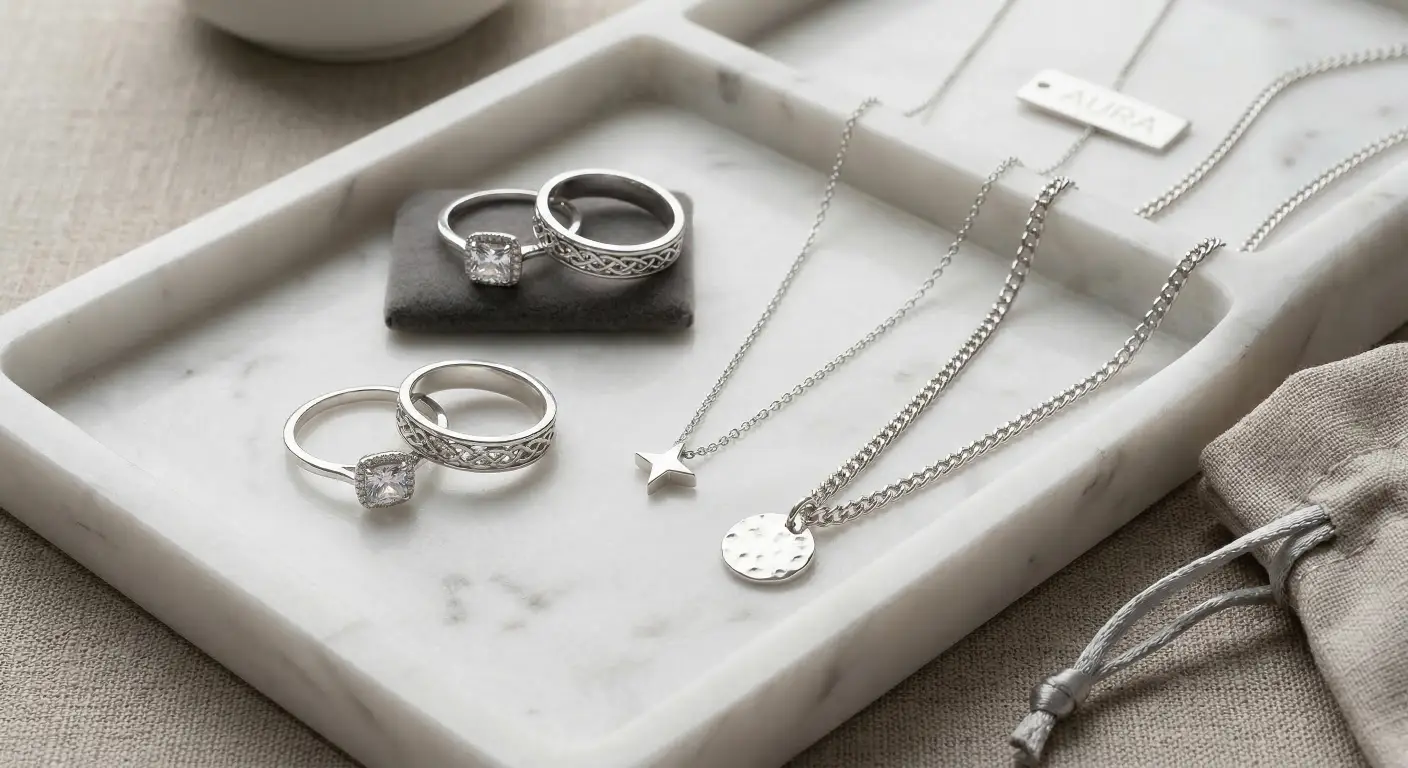
Sourcing Guide: How to Maximize Margins with Custom Sterling Silver Jewelry
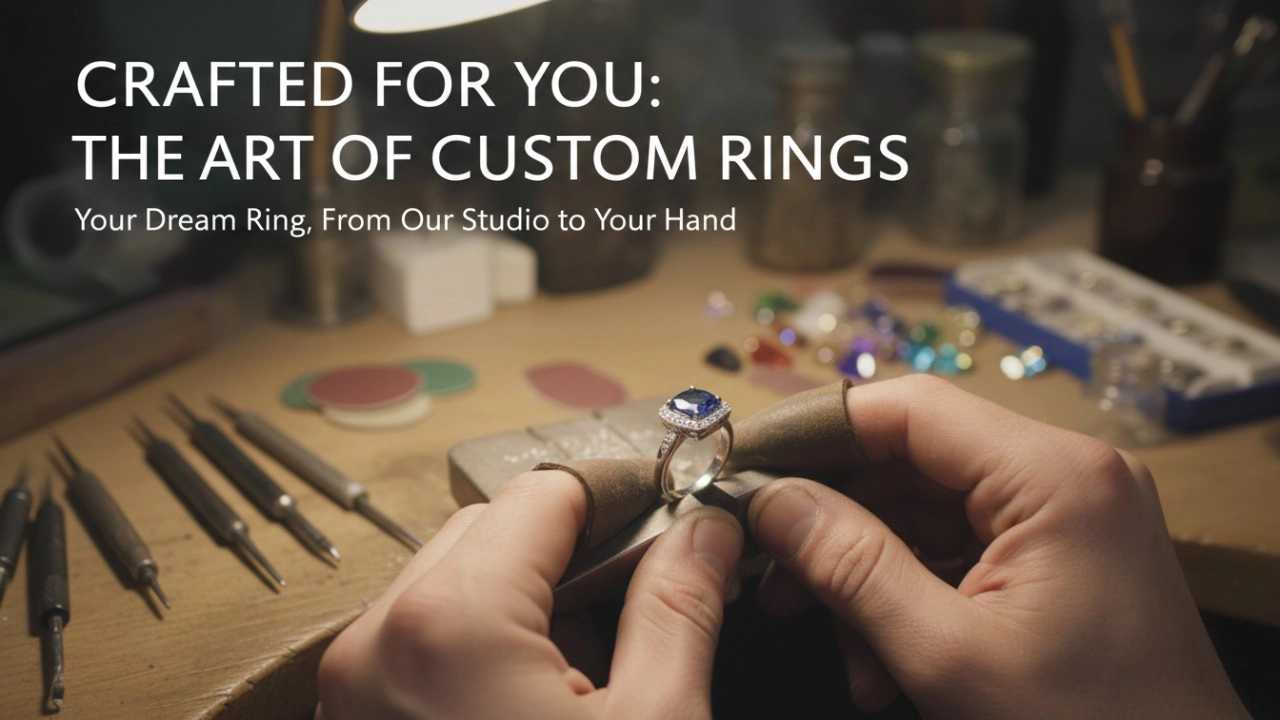
How to Choose a Custom Ring Manufacturer: 10 Critical Questions for Maximum Quality (2026 Guide)
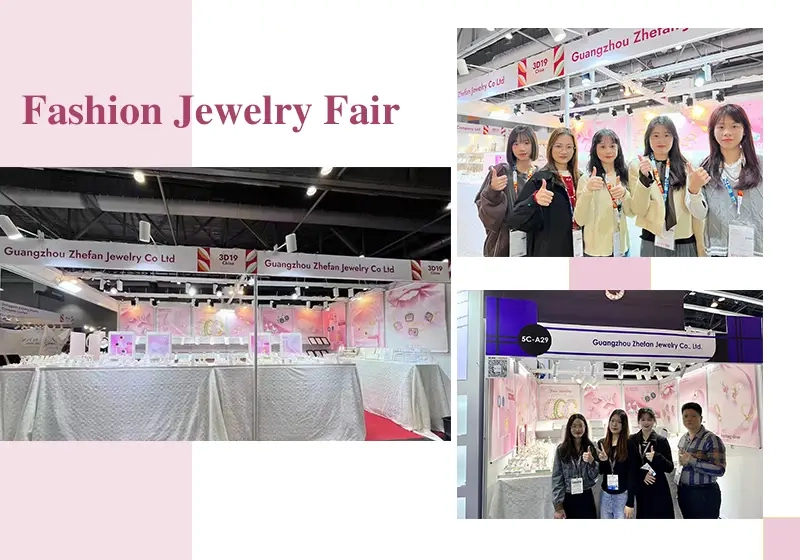
Zhefan Jewelry Will Attend Hong Kong Jewelry Fair
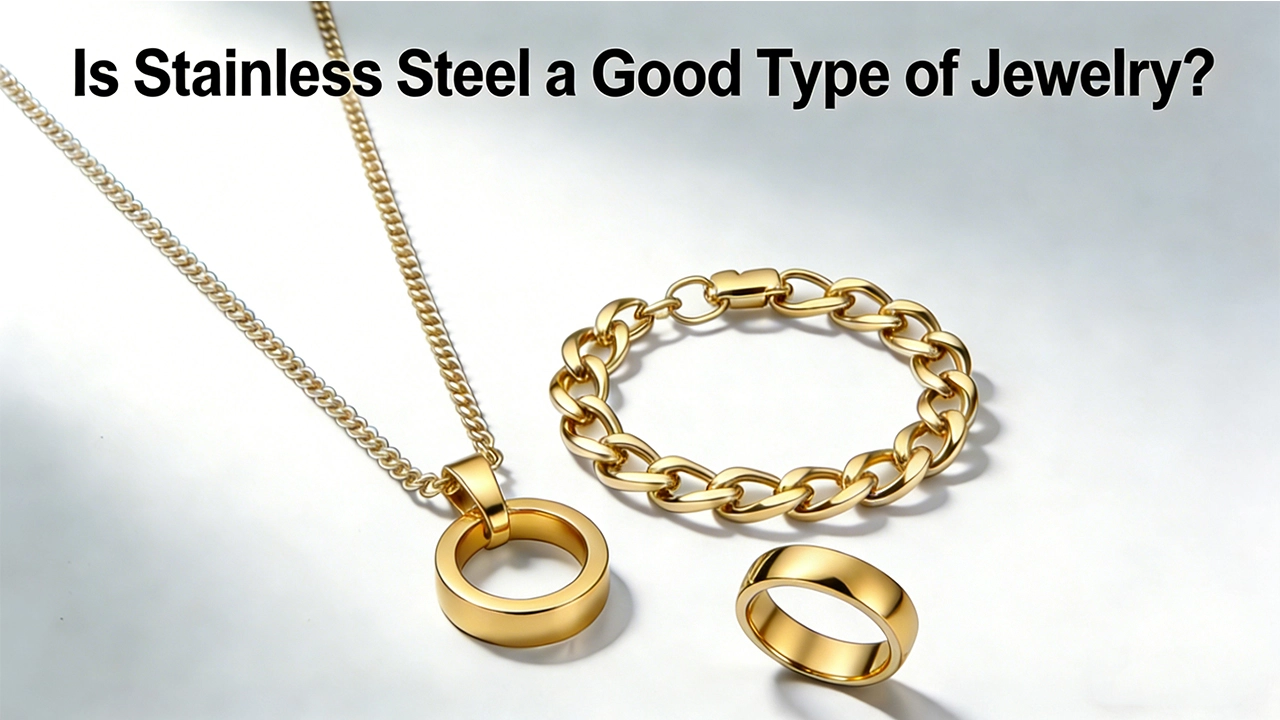
Is Stainless Steel a Good Type of Jewelry? Pros, Cons, and Why Brands Choose Stainless Steel Jewelry
12 Unique Custom 925 Silver Bracelet Ideas That Go Beyond Basic Engraving (2026 Guide)
2026 Wholesale Trends: Why Your Brand Needs Custom Sterling Silver Jewelry
Prdoucts Categories
FAQ
Products
What's themonthly production capacity?
600,000 pcs per month.
What’s the lead time?
We could arrange shipment for you within 48 hours if you order models in stock. For bulk order, it takes 10-25 days for production depending on order quantity and styles.
What is your minimum order quantity?
We offer low MOQ from 2 to 30 depending on models. Send your favor model to get details from Trade Manager.
FAQs
Do you attend any jewelry fairs?
Yes, we participate in Hong Kong Jewelry Fair and Canton Fair twice a year, please contact the seller for the latest invitation.
Do you do customer design?
Do you do customer design? Yes,we are good at this way.Most of our customer do their customize.And we have cooperate with them when they are new brand, but now they become the top sell on Amazon, more than 32,000 five star comment.
How long does it take for the product to fade?
The normal electroplating quality color retention time of our products is 5 times longer than the market, and the thicker electroplating can retain color for three years.
Discuss Your Ideas with a Professional Custom Jewelry Manufacturer
We provide personalized jewelry customization services for clients worldwide.
Rest assured that your privacy is important to us, and all information provided will be handled with the utmost confidentiality.
By clicking 'Send Inquiry Now' I agree to ZHEFAN JEWELRY processing my personal data.
To see how to withdraw your consent, how to control your personal data and how we process it, please see our Privacy Policy and Terms of use.
From design to production, ZHEFAN JEWELRY offers a one-stop solution to help you enhance your brand value and market competitiveness.
Get A Quote
Contact
Tel: (+86) 188 1927 7817
© 2026 Zhefan Jewelry. All Rights Reserved.
Facebook
Instagram
YouTube
Whatsapp: +8618819277817