







Email: sales3@zhefanjewelry.com
Are eco-friendly options available for custom sterling silver jewelry?
Practical guide answering six overlooked beginner questions about buying custom sterling silver jewelry: verifying 925 purity, hallmarks, cost calculations, hypoallergenic alloys, sustainable recycled silver sourcing, production tech-packs and realistic turnaround times.
- 1. How can I reliably verify '925' sterling silver purity and avoid plated or filled jewelry when ordering custom pieces from overseas suppliers?
- 2. What exact hallmarks, maker marks, and paperwork should I insist on for custom sterling silver jewelry to support resale and regulatory compliance?
- 3. How should I estimate the final cost for a custom sterling silver piece—including metal, labor, plating, gemstones, and minimum order quantities—so I don’t underprice or get surprised?
- 4. Are eco-friendly recycled sterling silver options available and how can I verify 'recycled' claims without trusting marketing copy?
- 5. How do I ensure custom sterling pieces are truly nickel-free and hypoallergenic for sensitive customers?
- 6. What should I include in a technical pack (tech pack) for custom sterling silver jewelry to minimize revisions, ensure accurate plating and reduce production time?
Custom Sterling Silver Jewelry: Eco-Friendly Options & Buyer FAQs
This guide answers six specific, often-misunderstood buyer questions about ordering custom sterling silver jewelry, including how to verify sterling 925, request eco-friendly recycled silver, manage costs, ensure nickel-free pieces, write a precise tech pack, and set realistic production timelines. Practical checklists, certification pointers, and finishing/plating recommendations included.
1. How can I reliably verify '925' sterling silver purity and avoid plated or filled jewelry when ordering custom pieces from overseas suppliers?
Problem: Many beginners receive items advertised as sterling that are actually silver-plated base metal or silver-filled hollow pieces. This causes disappointment, allergic reactions, and rapid wear.
Actionable verification steps:
- Request a millesimal fineness stamp and maker mark: genuine sterling uses the 925 stamp (92.5% pure silver). Ask for the placement photo and exact dimensions of the stamp so it can be checked against the finished part.
- Ask for assay or third-party testing: if you require proof, request XRF (X-ray fluorescence) alloy reports or a certificate from an independent lab. XRF is non-destructive and widely used to verify silver content. Reputable suppliers will share an XRF scan showing silver % (expected ~92.5%).
- Confirm manufacturing route in writing: distinguish between solid 925 sterling, silver-filled (thick silver layer over base), and silver-plated (thin electroplate). Specify solid 925 sterling silver, no plating, no filling in the contract if you want solid silver.
- Check the weight: solid sterling pieces will weigh noticeably more than plated versions. For repetitive SKUs, request target gross weight per item in grams in the tech pack.
- Request a prototype and perform simple at-home checks: magnet test (silver is non-magnetic), visual inspection for wear-through, and a jeweler's loupe check for base metal exposure at edges after a light bend test. These are not substitutes for lab testing but help spot obvious fakes.
- Prefer suppliers who provide assay office hallmarking where available: UK/European assay offices (London, Birmingham, Sheffield, Edinburgh) and other jurisdictions offer hallmark services that add another layer of authenticity. In the U.S., hallmarking is less centralized, so insist on testing documentation.
Why this matters: specifying test methods and documentation up front prevents disputes and ensures you receive solid 925 sterling silver rather than plated or filled alternatives.
2. What exact hallmarks, maker marks, and paperwork should I insist on for custom sterling silver jewelry to support resale and regulatory compliance?
Problem: Buyers later discover missing hallmarks or unclear origin details that hurt resale value and compliance with consumer protection rules.
Required markings and documentation checklist:
- 925 millesimal stamp: the basic indicator of sterling silver (92.5%). Include exact stamp location and max/min dimensions in your tech pack.
- Maker's mark: a unique identifier for the manufacturer or brand—important for traceability and warranty claims.
- Assay or hallmark (if available): where applicable, request official assay marks from recognized assay offices. For UK/EU customers, assay hallmarking is a recognized route to certify purity.
- Chain-of-custody/Refiner declaration: for eco or recycled silver, request a refiner or recycler statement that names the refiner, batch number, and recycled content percentage.
- XRF or lab report: for high-value or export items, include XRF reports or lab certificates in the shipment paperwork.
- Material safety and plating specs: include plating metal (rhodium/fine silver), plating thickness (microns), solder alloy and any flux or chemicals used—important for customs and allergy declarations.
Practical tip: have the supplier affix a small hangtag or internal certificate sheet with the 925 stamp photo, maker mark, and certificate number. This helps customers and aftermarket buyers verify authenticity.
3. How should I estimate the final cost for a custom sterling silver piece—including metal, labor, plating, gemstones, and minimum order quantities—so I don’t underprice or get surprised?
Problem: Beginners often quote or budget based on metal price only and ignore labor, setup, stone setting, QC, packaging and shipping.
Cost components and a practical calculation method:
- Material cost (metal): metal_cost = gross_weight_grams × (spot_price_per_gram × alloy_factor) + refinery/High Quality. Obtain live silver spot price from market sources (Kitco, LBMA) at order time. Sterling uses 92.5% silver, so apply the alloy factor to account for non-silver content.
- Labor & overhead: designing, CAD, wax printing, casting, finishing, stone setting and QC. For custom work, this is often the largest variable. Obtain per-piece labor quotes and include setup fees for tooling or die-making.
- Stones & findings: include certified stones (with certificates for natural gems), bezel/prong complexity and total carat weight in your quote.
- Plating & treatments: rhodium or fine-silver plating, patinas, or anti-tarnish coatings. Add plating cost per piece and specify plating thickness (e.g., rhodium 0.05–0.20 µm typical for silver) and expected wear life—plating adds recurring cost for re-plating later.
- Packing, shipping, duties & insurance: for international orders include freight, customs duties, and insured shipping rates.
- MOQ & unit pricing: tool/setup costs amortized over MOQ. Ask suppliers for price breaks at common MOQs (e.g., 10, 50, 100 pieces) and calculate break-even quantity.
Example workflow: get a supplier quote that itemizes each line (metal grams, silver cost per gram at live rate, labor hours, stone cost, plating cost, packaging, and per-piece freight). Require a written quote with validity period and change terms if silver moves more than an agreed percentage.
4. Are eco-friendly recycled sterling silver options available and how can I verify 'recycled' claims without trusting marketing copy?
Problem: Recycled silver is commonly promoted but supply-chain transparency varies; buyers need verifiable proof to claim sustainable credentials.
How to buy truly eco-friendly recycled sterling silver:
- Ask for a refiner certificate and chain-of-custody: reputable refiners provide batch-level documentation stating recycled content and may be audited. The document should include refiner name, batch ID and recycled percentage.
- Prefer suppliers certified by recognized bodies: the Responsible Jewellery Council (RJC) provides standards and third-party audits for responsible sourcing and chain-of-custody. Ask whether the refiner or supplier holds RJC certification or equivalent third-party audit reports.
- Request ISO/Environmental management evidence: ISO 14001 certification of the refinery or manufacturer indicates an environmental management system, though it does not alone certify recycled content.
- Ask for physical origin details: post-consumer recycled (PCR) silver vs. industrial scrap vs. mine-milled—post-consumer content is generally more desirable for sustainability messaging.
- Confirm whether any new metal is added: 100% recycled sterling is possible, but often recycled silver is blended. Demand transparency in alloy composition and recycled percentage.
- Supply-chain audits: for brands seeking consumer trust, commissioning a third-party supply-chain audit or providing a published supplier list greatly increases credibility.
Practical language for contracts: Material to be 92.5% silver from certified recycled sources. Supplier to provide refiner certificate, batch number and chain-of-custody documentation prior to first shipment. This reduces greenwashing risk and supports marketing claims.
5. How do I ensure custom sterling pieces are truly nickel-free and hypoallergenic for sensitive customers?
Problem: Allergic reactions often come from nickel or other trace alloy elements, and some suppliers use nickel-containing alloys or nickel-bearing plating.
Steps to ensure hypoallergenic custom sterling jewelry:
- Specify alloy composition: request standard sterling (92.5% Ag, balance typically copper) or alternatives such as Argentium silver (a registered alloy with germanium) which is more tarnish-resistant and can reduce sensitizing impurities.
- Request a Nickel Declaration: require a written declaration that no nickel-bearing alloys, solders, or platings are used and request an element analysis or XRF report for confirmation.
- Choose plating carefully: if you request rhodium plating to reduce tarnish, confirm plating bath chemistry and that no nickel is present. Rhodium plating over silver is common and reduces skin contact with base alloy.
- Use nickel-free solders and findings: clasps, jump rings and posts must be nickel-free; insist these components carry documentation or use precious metal (solid 925) components instead of base-metal findings.
- Labeling and testing: for high-risk audiences, perform patch testing or offer nickel-free certificates. For retail, clear labeling helps sensitive customers choose safely.
Note: true nickel-free claims should be backed by testing. Argentium silver is a practical alloy choice for durability and reduced tarnish with good hypoallergenic performance compared to some traditional sterling mixes.
6. What should I include in a technical pack (tech pack) for custom sterling silver jewelry to minimize revisions, ensure accurate plating and reduce production time?
Problem: Vague specifications lead to multiple prototypes, misplating, incorrect weights or missing hallmarks—delays and extra cost.
Essential tech pack checklist (exact specs to include):
- CAD files and 3D STL: provide high-resolution CAD, .STL or .STEP files and indicate whether files are watertight and ready for printing.
- Target gross weight (grams) and tolerance: e.g., 6.8g ±5% per ring. This helps verify actual silver content against quote.
- Dimensions and critical tolerances: ring shank width, thickness in mm, stone seat dimensions with tolerances in tenths of mm for tight fits.
- Finish and surface treatment: specify matte, high-polish, brushed, hammered, or oxidized finishes. Define expected surface roughness where relevant.
- Plating specs: plating metal (rhodium/fine silver), intended color, and plating thickness in microns (or µm/µm ranges). Example: rhodium plating 0.05–0.20 µm expected—state acceptable wear-life and re-plating intervals.
- Stones and findings: exact gem specs (size, cut, quality grade), number of stones, setting type, and certified stones to be accompanied by certificates if required.
- Hallmark placement and maker mark: location, size and depth of stamp; whether the supplier will apply hallmarking and provide photos.
- Packing & labeling: retail box dimensions, hang tags, certificates, anti-tarnish strips, and barcodes or SKU labels.
- QC acceptance criteria: include a clear acceptance checklist and defect classification to avoid ambiguity (scratches, weight variance, plating wear, stone security tests).
Why this reduces time: a thorough tech pack prevents back-and-forth on prototypes and protects you from hidden cost adjustments during production.
Concluding summary — Advantages of choosing custom sterling silver jewelry (especially eco-friendly recycled options):
Custom sterling silver jewelry offers affordable luxury, excellent design versatility (intricate casting and fine stone settings), and faster prototyping compared with precious gold or platinum. Choosing certified recycled sterling reduces environmental impact, strengthens brand trust, and often simplifies regulatory compliance when backed by refiner statements or RJC/audit documentation. Using Argentium or rhodium plating can improve wear-resistance and reduce tarnishing, while a precise tech pack and required hallmarks/XRF tests protect buyers from mislabeling and quality issues. Overall, a documented, test-backed approach yields durable, hypoallergenic, and marketable custom sterling pieces with clear sustainability credentials.
If you’d like a personalized quote or to discuss recycled sterling options, contact us at www.zhefanjewelry.com or email sales3@zhefanjewelry.com — we’ll provide a written material certificate and prototype timeline.
Recommended for you
How to Choose a Custom Ring Manufacturer: 10 Critical Questions for Maximum Quality (2026 Guide)
How to Choose the Right Jewelry for Your Skin Tone
12 Unique Custom 925 Silver Bracelet Ideas That Go Beyond Basic Engraving (2026 Guide)
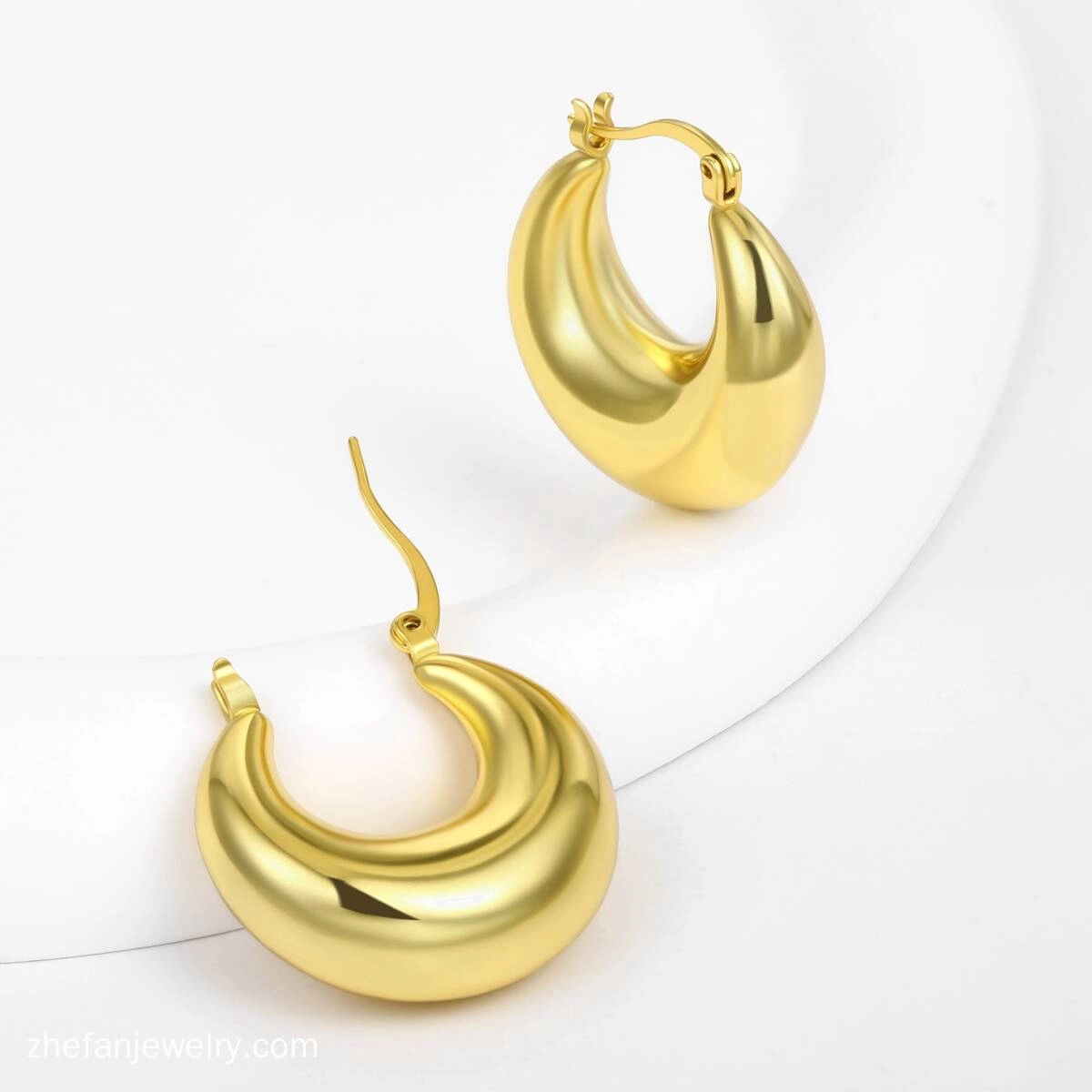
Launch Your Brand: A Guide to Sourcing Custom Wholesale Brass Huggie Earrings
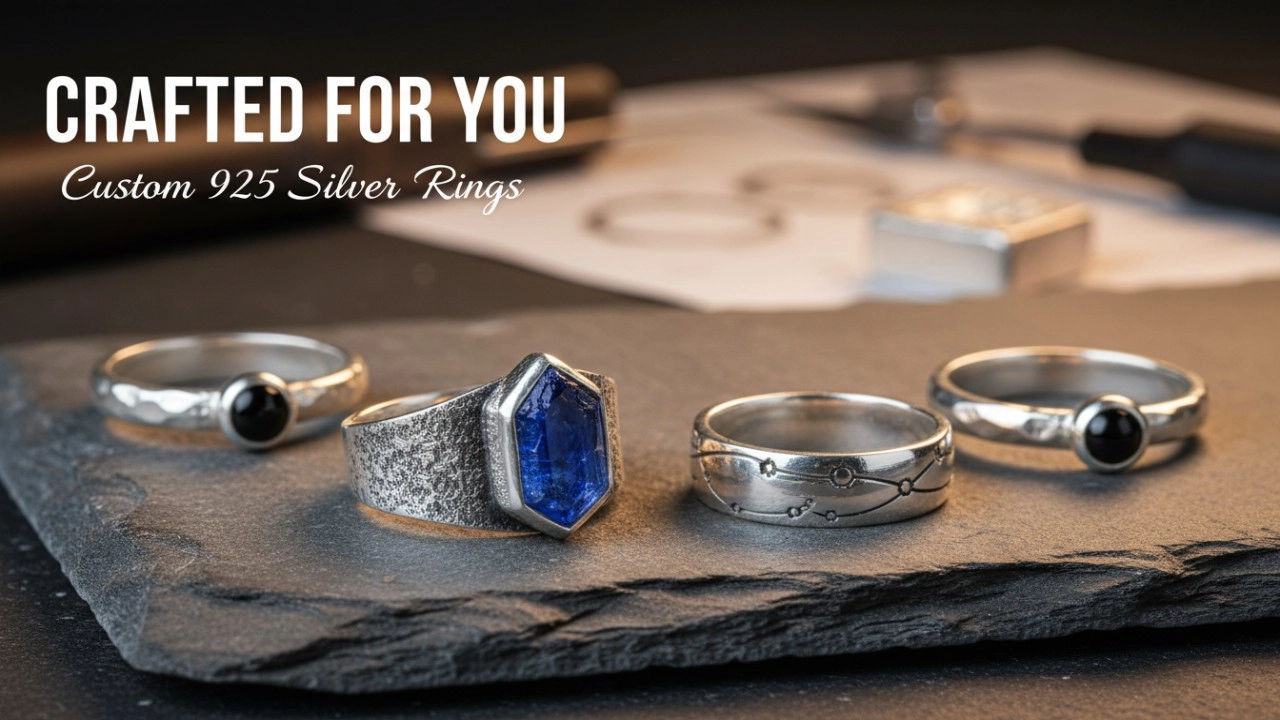
Why Custom 925 Silver Rings Are the Perfect Sustainable Luxury Gift (Compared to Gold)
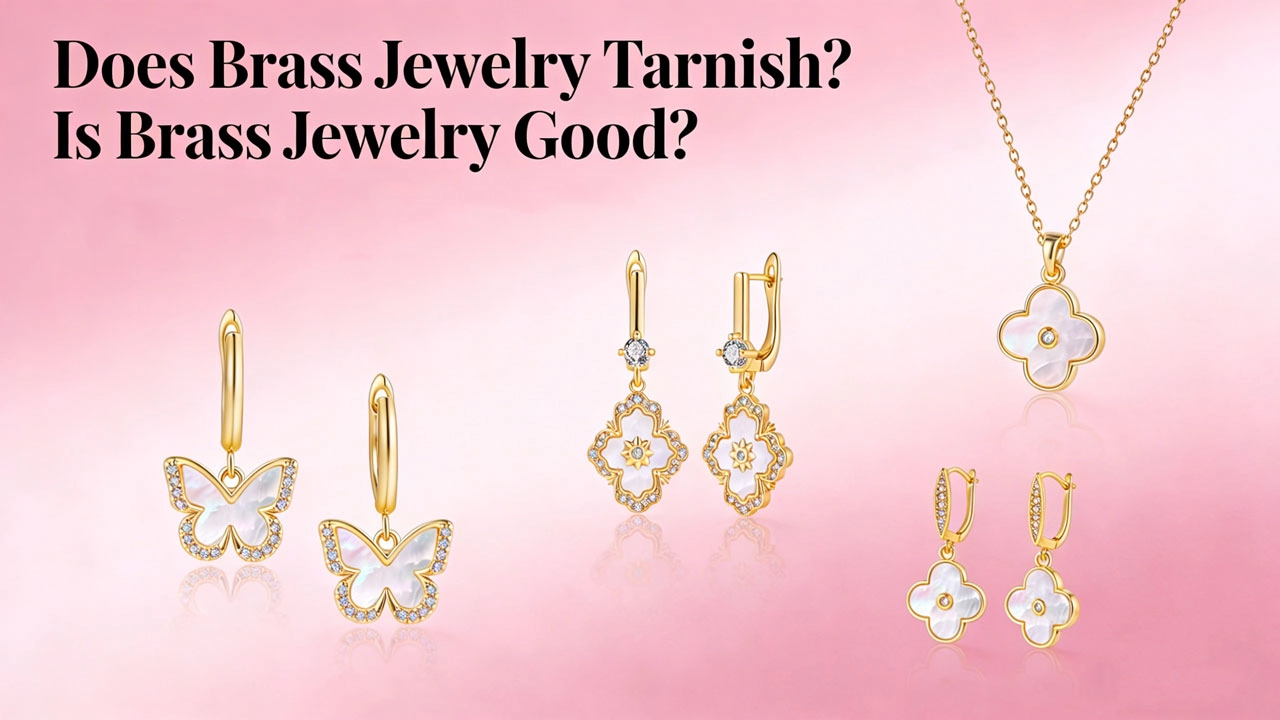
Does Brass Jewelry Tarnish? Is Brass Jewelry Good? Complete Guide from a Professional Jewelry Manufacturer
Prdoucts Categories
FAQ
FAQs
Do you do customer design?
Do you do customer design? Yes,we are good at this way.Most of our customer do their customize.And we have cooperate with them when they are new brand, but now they become the top sell on Amazon, more than 32,000 five star comment.
Can I have your product catalog?
Yes, please leave us a message what style jewelry catalog you need.
Do you offer after-sales warranty service?
Yes, we will refund or resend products if fading, stone falling off and other quality problems found in 1 month receipt of goods.Furthermore, we offer 1 year after-sales warranty service, but you need pay the shipping charge.
Do you attend any jewelry fairs?
Yes, we participate in Hong Kong Jewelry Fair and Canton Fair twice a year, please contact the seller for the latest invitation.
How long does it take for the product to fade?
The normal electroplating quality color retention time of our products is 5 times longer than the market, and the thicker electroplating can retain color for three years.
Products
How can we guarantee quality?
Always a pre-production sample before mass production;
Always final Inspection before shipment;
Discuss Your Ideas with a Professional Custom Jewelry Manufacturer
We provide personalized jewelry customization services for clients worldwide.
Rest assured that your privacy is important to us, and all information provided will be handled with the utmost confidentiality.
By clicking 'Send Inquiry Now' I agree to ZHEFAN JEWELRY processing my personal data.
To see how to withdraw your consent, how to control your personal data and how we process it, please see our Privacy Policy and Terms of use.
From design to production, ZHEFAN JEWELRY offers a one-stop solution to help you enhance your brand value and market competitiveness.
Get A Quote
Contact
Tel: (+86) 188 1927 7817
© 2026 Zhefan Jewelry. All Rights Reserved.
Facebook
Instagram
YouTube
Whatsapp: +8618819277817