





Email: sales3@zhefanjewelry.com
Are custom molds required for wholesale brass rings? | Insights by Zhefan Jewelry
Deciding whether to invest in custom molds for wholesale brass rings depends on design complexity, volume, tolerances, plating needs and MOQ. This guide answers six buyer-focused questions—tooling costs, production methods, resizing, quality control, plating compatibility and lead times—to help jewelry buyers make data-driven sourcing decisions.
- 1. Do I need a custom mold for a new brass ring design, or can I adapt stock ring blanks?
- 2. How do custom mold tooling costs and MOQ affect the per-unit cost for wholesale brass rings?
- 3. Which production methods require custom molds and which allow mold-free or low-tooling options?
- 4. How do shrinkage, tolerances and mold design affect plating and finishing quality for brass rings?
- 5. Can I offer multiple ring sizes without making a full new mold for every size?
- 6. How do I protect my design and ensure prototypes match mass production (sampling, IP and quality control)?
- Conclusion: Advantages of using custom molds for wholesale brass rings
When sourcing wholesale brass rings, the question Are custom molds required? comes up constantly. The right answer depends on design detail, production method, volume and finish expectations. Below are six specific, beginner-oriented long-tail questions with practical, industry-grounded answers to help you decide whether to invest in custom molds.
1. Do I need a custom mold for a new brass ring design, or can I adapt stock ring blanks?
Short answer: It depends on design complexity, edge detail and finishing requirements. Stock ring blanks (plain bands, basic profiles) can significantly reduce tooling and lead time when your design is a simple band, stamped shape or uses standard stone settings. However, custom three-dimensional forms, undercuts, deep textures, openwork (filigree), integrated settings, or sculptural features almost always require a custom pattern and mold.
How to decide practically:
- Compare your CAD or sketch to available stock blanks. If the blank only needs minor machining or stamping to accept stones or textures, you can avoid a mold.
- If your ring includes continuous 3D elements (e.g., animal heads, woven details, or asymmetrical profiles) you should plan for a custom mold (wax pattern → investment cast or metal tooling) to reproduce details consistently in brass alloy.
- Consider finishing and plating: highly detailed textures may trap plating chemicals and affect plating uniformity; custom molds let you design in small escape features for finishing.
Practical recommendation: Request photos/specs for available stock blanks from your supplier. If the match is within 70–80% of your intended visual, modifying a stock blank may be cost-effective. If not, invest in a custom mold to protect design fidelity and reduce downstream rework.
2. How do custom mold tooling costs and MOQ affect the per-unit cost for wholesale brass rings?
Tooling cost is an upfront capital expense that you amortize over the production run. Typical tooling types include silicone/wax injection molds (lower cost for samples/small runs) and steel molds or dies for high-volume production (higher upfront cost but greater durability). Soft tooling can be used for prototyping; metal tooling is used for long-term runs.
Cost factors and typical ranges (industry practice):
- Soft/silicone or 3D-printed molds for wax patterns: usually the most economical for samples and small runs (tooling cost often from a few hundred USD to low thousands depending on complexity).
- Steel tooling/dies for mass production (die casting or injection): higher durability and precision; tooling costs can range from several thousand to tens of thousands USD depending on cavity count and complexity.
- MOQ: Suppliers commonly set MOQs to justify tooling — small soft-tooling runs might have MOQs under 100–500 pieces; metal tooling MOQs often start at 500–2,000 pieces or more.
How to calculate per-unit tooling impact:
Per-unit tooling impact = Tooling cost / Order quantity.
Example framework (hypothetical): if tooling is USD 2,000 and your order quantity is 2,000 units, tooling adds USD 1.00 per ring. Use this formula with supplier quotes to model scenarios and choose between soft tooling + multiple small runs vs. costly metal tooling for large volumes.
3. Which production methods require custom molds and which allow mold-free or low-tooling options?
Understanding production methods helps you choose the right path for brass rings:
- Investment (lost-wax) casting: common for brass jewelry. You can use 3D-printed wax patterns or wax injection molds. For unique shapes, a custom wax mold or single-use 3D-printed pattern is normal. Investment casting preserves fine detail and is a go-to for custom molds.
- Centrifugal/sand casting: used for heavier or rustic brass pieces; may require custom molds but tolerates some surface texture.
- Die casting: less common for intricate jewelry but used for high-volume costume jewelry. Requires metal dies (higher tooling cost) but gives fast cycles and consistent parts.
- CNC machining and stamping: possible for simple bands or profiles. Stamping from brass sheet or CNC from bar stock can avoid complex molds but may limit 3D detailing and undercuts.
- 3D printing + plating: for very low-volume or rapid prototyping, direct 3D printing (resin or metal) can bypass traditional molds. However, for brass base metal you often still need a casting step or metal printing; 3D printing is excellent for samples or limited editions.
Rule of thumb: the more three-dimensional and detailed your design, the more likely you will need a custom mold and an investment casting workflow. If the design can be produced as a stamped or turned part, you may avoid expensive metal tooling.
4. How do shrinkage, tolerances and mold design affect plating and finishing quality for brass rings?
Brass alloys (common jewelry grades include free-machining grades like C360/C260 in manufacturing) exhibit thermal shrinkage and dimensional tolerances after casting. Poorly compensated molds produce rings that are out of size, have uneven wall thickness, or retain casting seams that affect plating adhesion and wear.
Key technical points:
- Shrinkage compensation: mold designers add shrinkage offsets to the mold or wax pattern based on the chosen brass alloy and casting method. Typical shrinkage varies with process; your caster should provide the correct percentage for their process.
- Tolerances: for rings, inner diameter tolerance is critical to fit. Ask suppliers for achievable tolerances (commonly ±0.1–0.3 mm in many jewelry processes) and specify if you need tighter tolerances.
- Surface preparation: plating adhesion depends on proper cleaning, polishing and anti-tarnish pre-treatment. Complex textures and deep crevices require extra cleaning cycles; design molds with accessible surfaces to improve finishing yields.
- Plating considerations: plating thickness (measured in microns) and base metal porosity affect durability. Brass base plus a nickel barrier or appropriate surface treatment can improve adhesion before gold or rhodium plating. Buyers should require plating spec sheets and test reports for abrasion/cycling where durability matters.
Recommendation: Provide your plating spec (desired metal, target thickness in microns, and expected wear class) to suppliers up front. Ask for sample tests (salt spray, abrasion, or simulated wear) on production samples before approving full runs.
5. Can I offer multiple ring sizes without making a full new mold for every size?
Yes — manufacturers commonly use a few approaches to produce different ring sizes without building a separate full mold for each size:
- Scaling wax patterns: in investment casting, you can scale wax patterns within limits, but scaling changes detail and wall thickness, so it's not always ideal for large size ranges.
- Multiple-cavity tooling with size inserts: for high-volume production, tooling can be designed with interchangeable inserts or multiple cavities sized for common ring sizes (e.g., sizes 6, 7, 8). This raises tooling cost but reduces per-size retooling later.
- Post-casting sizing: simple bands can be sized by stretching or compressing, or by cutting and re-soldering. This is suitable for plain bands but not for fully sculpted or set pieces where resizing damages details or settings.
- CNC finishing: for semi-finished castings, an automated CNC step can bring inner diameter to exact tolerance across sizes, avoiding separate molds for tiny size increments.
Best practice: choose an initial size matrix (a limited set of master sizes) and confirm whether your design tolerates post-casting sizing. For bespoke or high-detail designs, plan on separate patterns or inserts for each size you intend to wholesale regularly.
6. How do I protect my design and ensure prototypes match mass production (sampling, IP and quality control)?
Design protection and consistency are frequent buyer concerns. Take structured steps:
- Non-disclosure & tooling agreements: include IP clauses and tooling ownership in your purchase order or a separate tooling agreement. Clarify who owns molds, who pays for storage, and re-order rights.
- Approve staged samples: require a 3D CAD approval, then a 3D-printed resin/wax prototype, then a cast sample with final plating/finish. Each stage reduces risk. Typical supplier practice: CAD → prototype (3–7 days) → master wax/sample (7–21 days) → production sample (lead depends on process).
- Quality control: specify acceptance criteria (visual tolerance, plating thickness range in microns, stone setting security, weight tolerance). Ask for first-article inspection (FAI) reports and photos before mass runs.
- Testing: require plating adhesion/abrasion tests or third-party lab reports for nickel release if selling to regulated markets (EU regulations and nickel testing standards such as EN 1811 are commonly requested by European buyers; REACH/RoHS compliance is relevant for certain jurisdictions).
- Tracking & batch control: request batch traces for alloy, plating bath records and QC checklists. For large customers, a small pre-production lot may be run to validate consistency.
Note: IP protection laws vary by region. Consult local counsel for patent/design registration if the design is commercially sensitive. In practice, a combination of contracts, documented approval stages, and physical sample sign-off provides strong operational protection.
Conclusion: Advantages of using custom molds for wholesale brass rings
Custom molds are essential when your design demands three-dimensional fidelity, tight tolerances, repeatable finishing, and consistent mass-production quality. Advantages include repeatable detail, lower per-unit cost at scale (after amortizing tooling), optimized mold design for finishing and plating, and better fit and sizing control. For low-volume or frequently changing SKUs, soft tooling and 3D-printed patterns reduce upfront risk. Align your choice with projected volumes, required plating specs, and the degree of sculptural detail.
If you want an accurate quote, tooling options analysis, or help choosing the best production method for your brass ring line, contact Zhefan Jewelry for a detailed proposal and sample plan: www.zhefanjewelry.com or sales3@zhefanjewelry.com. Contact us for a quote.
Recommended for you
How to Choose the Right Jewelry for Your Skin Tone
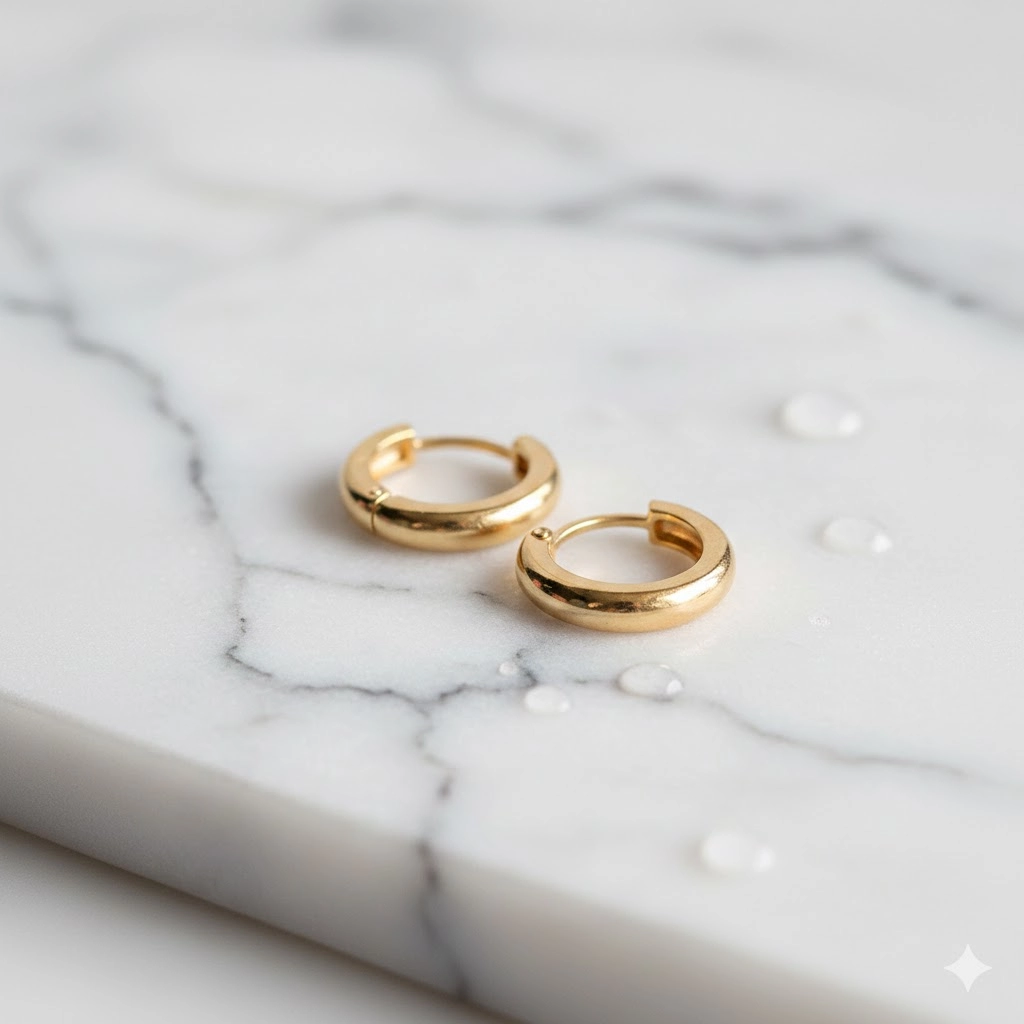
Boost Your Margins with Top-Selling Custom Wholesale Brass Huggie Earrings
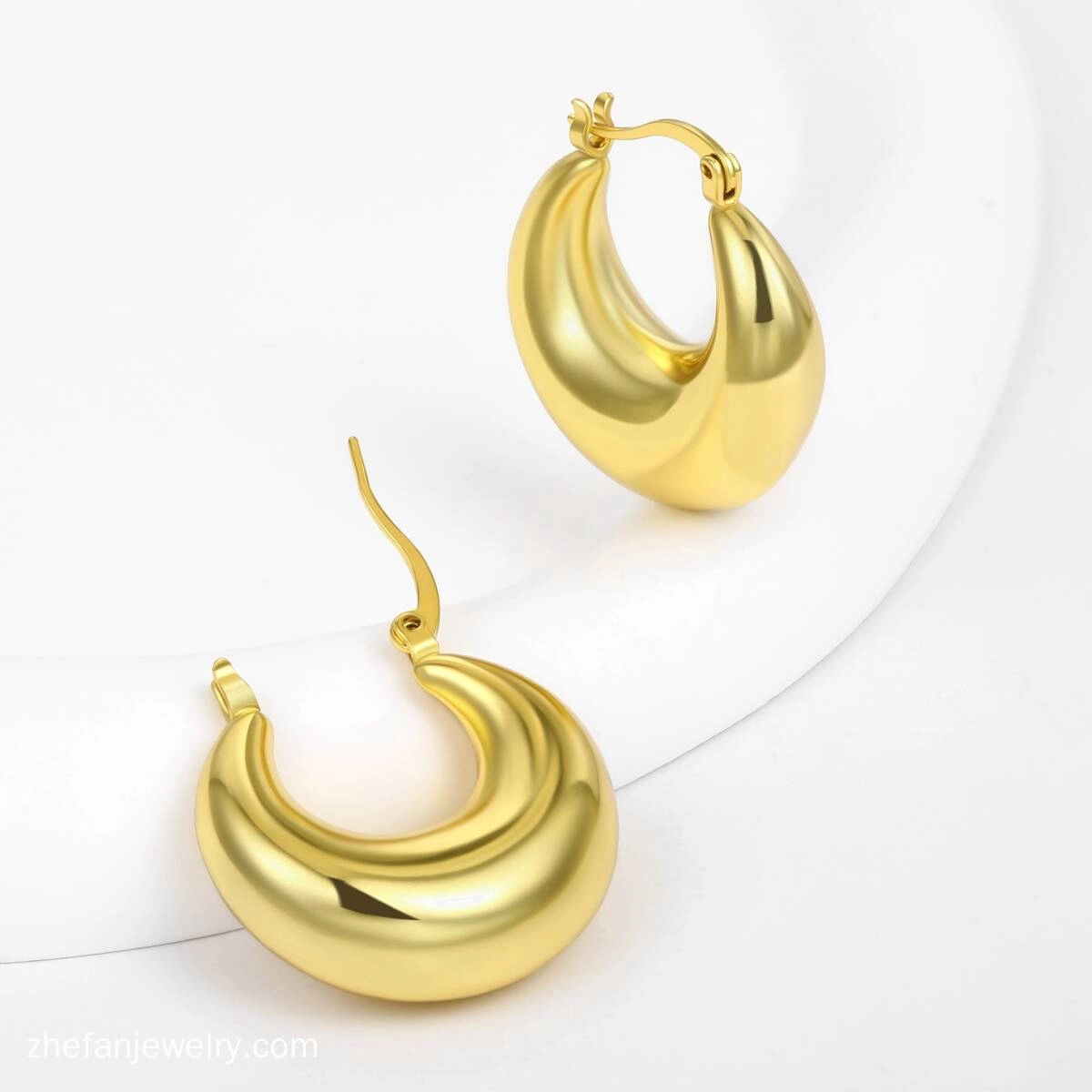
Launch Your Brand: A Guide to Sourcing Custom Wholesale Brass Huggie Earrings
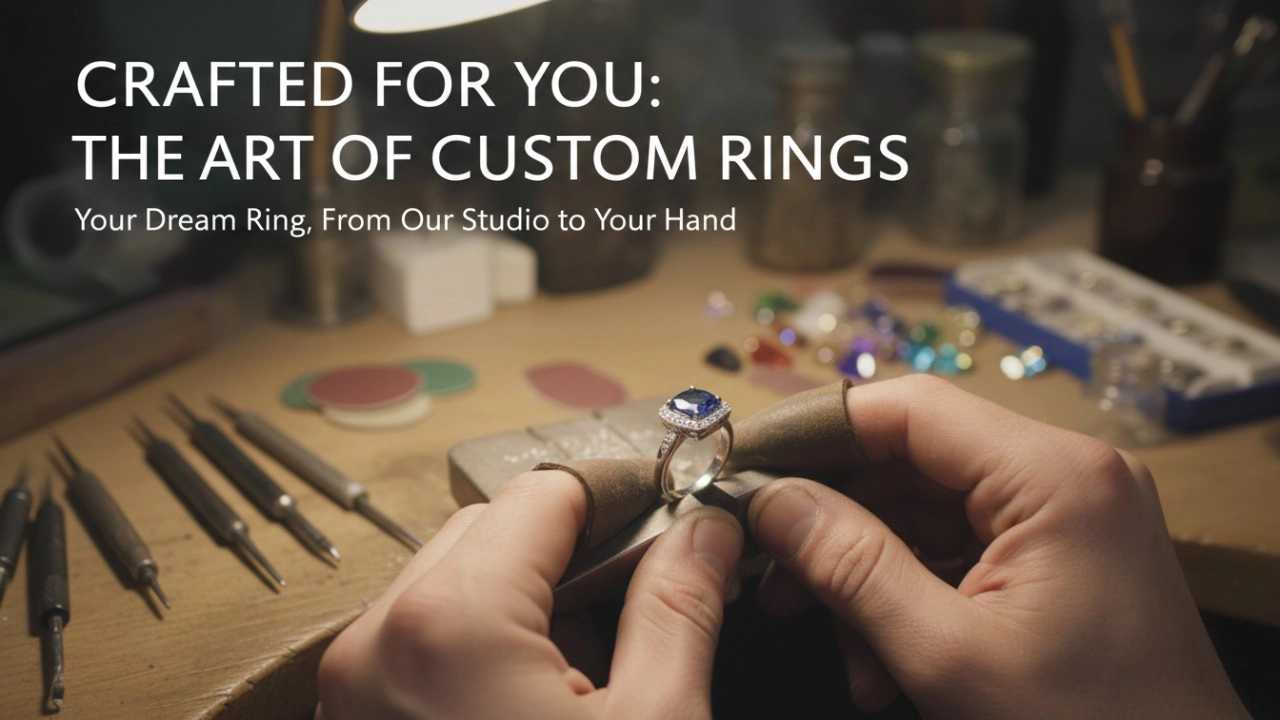
How to Choose a Custom Ring Manufacturer: 10 Critical Questions for Maximum Quality (2026 Guide)
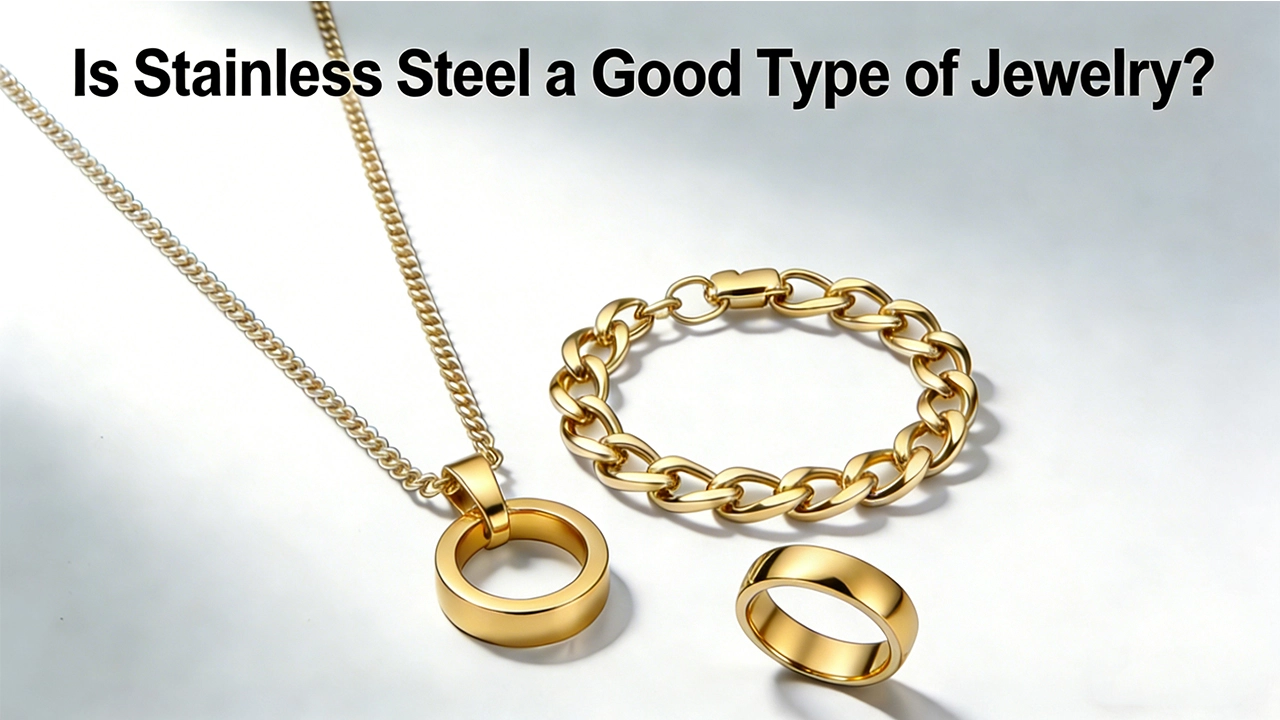
Is Stainless Steel a Good Type of Jewelry? Pros, Cons, and Why Brands Choose Stainless Steel Jewelry
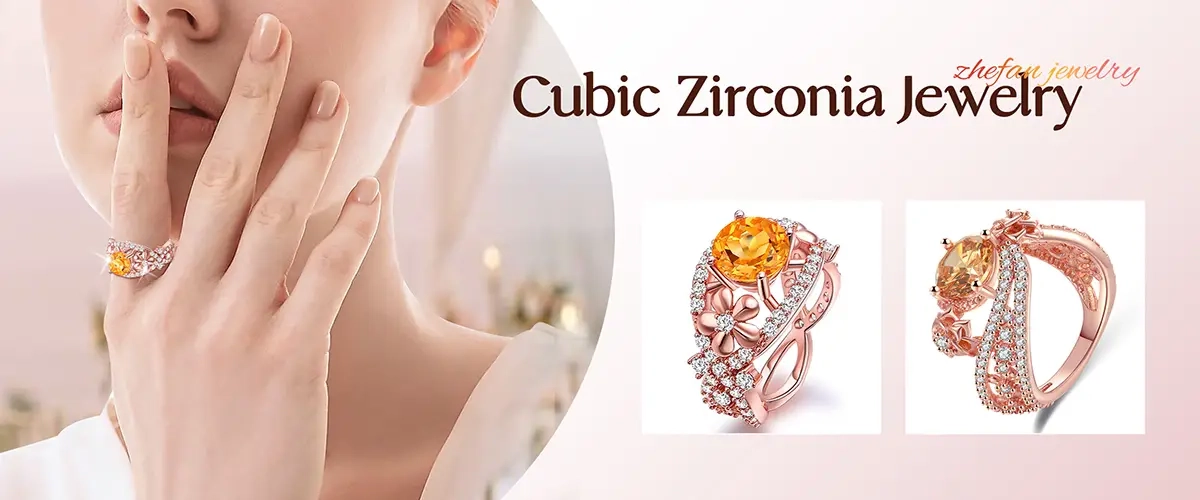
What is Zircon Jewelry?-The Ulimate Guide
Prdoucts Categories
FAQ
Products
What can you buy from us?
Rings, Necklace, Earrings, Bracelet, Pendant, Anklet, Brooch, Jewelry.
What’s the lead time?
We could arrange shipment for you within 48 hours if you order models in stock. For bulk order, it takes 10-25 days for production depending on order quantity and styles.
What is your minimum order quantity?
We offer low MOQ from 2 to 30 depending on models. Send your favor model to get details from Trade Manager.
FAQs
What’s the lead time? .
We could arrange shipment for you within 48 hours if you order models in stock. For bulk order, it
takes 10-25 days for production depending on order quantity and styles.
Do you do customer design?
Do you do customer design? Yes,we are good at this way.Most of our customer do their customize.And we have cooperate with them when they are new brand, but now they become the top sell on Amazon, more than 32,000 five star comment.
How long does it take for the product to fade?
The normal electroplating quality color retention time of our products is 5 times longer than the market, and the thicker electroplating can retain color for three years.
Discuss Your Ideas with a Professional Custom Jewelry Manufacturer
We provide personalized jewelry customization services for clients worldwide.
Rest assured that your privacy is important to us, and all information provided will be handled with the utmost confidentiality.
By clicking 'Send Inquiry Now' I agree to ZHEFAN JEWELRY processing my personal data.
To see how to withdraw your consent, how to control your personal data and how we process it, please see our Privacy Policy and Terms of use.
From design to production, ZHEFAN JEWELRY offers a one-stop solution to help you enhance your brand value and market competitiveness.
Get A Quote
Contact
Tel: (+86) 188 1927 7817
© 2026 Zhefan Jewelry. All Rights Reserved.
Facebook
Instagram
YouTube
Whatsapp: +8618819277817