







Email: sales3@zhefanjewelry.com
Which plating thickness is best for durable gold plated earrings?
Practical guide for buyers and designers: learn real-world plating thickness recommendations (microns), when to choose gold vermeil or gold-filled, PVD vs electroplating, base-metal effects, QC tests (XRF, cross-section), and maintenance to maximize lifespan of custom gold plated earrings.
- 1. How many microns of gold plating do custom gold plated earrings need to survive daily wear for at least one year?
- 2. Is PVD or electroplating better for custom gold plated earrings on brass or stainless steel if I want allergy-free, long-lasting results?
- 3. How does the base metal (sterling silver vs brass vs stainless steel) affect the required plating thickness for long-lasting gold plated earrings?
- 4. If I request 18k gold color plating at 2 microns, will the color and tarnish resistance match solid 18k gold?
- 5. What manufacturing and quality‑control tests should I require from a supplier to verify plating thickness and adhesion on custom gold plated earrings?
- 6. How does environmental exposure (sweat, chlorine, cosmetics) reduce plating life, and what realistic maintenance or re‑plating schedule should I budget for?
As a buyer or brand creating custom gold plated earrings, you face specific durability, allergy, and cost trade-offs. This guide provides technical, purchase‑ready answers rooted in industry standards and common manufacturing practice so you can specify plating thickness and processes with confidence. Semantic concepts like gold vermeil, gold-filled, PVD gold plating, thick gold plating, nickel-free plating, and XRF thickness testing are used throughout to keep the recommendations practical.
1. How many microns of gold plating do custom gold plated earrings need to survive daily wear for at least one year?
Short answer: specify 2.5–5 microns on a sterling silver base for reliable 12+ months of frequent wear; for brass or base metals, choose 3–5 microns or preferred PVD/coating and expect more frequent re‑plating unless you use gold-filled construction.
Explanation and evidence:- Industry benchmarks: the U.S. definition of gold vermeil requires a sterling silver base and a minimum of 2.5 microns of gold plating (and at least 10k gold). That 2.5 μm threshold is widely treated as the minimum for long‑term wear when the underlying metal is sterling silver.- For non‑silver bases (brass, copper, plated alloys), plating adhesion and galvanic corrosion risk are higher; manufacturers commonly specify 3–5 μm to compensate. - Standard fashion electroplating is often 0.3–1 μm (300–1000 nm), which looks good but typically wears within weeks to months under daily use (contact with skin, friction, cosmetics).- Gold‑filled is an alternative: mechanically bonded gold layers (commonly 1/20 14k GF) provide the longevity of a thick gold layer without the cost of solid gold, and are substantially more durable than thin electroplating.Practical rule: if the product will be worn daily and exposed to sweat/cosmetics, require at least 2.5 μm on sterling (vermeil) or move to gold-filled or thicker (3–5 μm) plating on base metals. For occasional wear pieces, 0.5–1 μm may be acceptable to meet low cost targets.
2. Is PVD or electroplating better for custom gold plated earrings on brass or stainless steel if I want allergy-free, long-lasting results?
PVD (Physical Vapor Deposition) generally provides superior wear and corrosion resistance and can be applied to stainless steel or titanium for truly hypoallergenic results; electroplating is more traditional and can be cost‑effective but may wear faster and expose underlying base metals that cause reactions.
Why this matters:- PVD produces a dense, hard, bonded coating that resists abrasion and tarnish better than thin electroplated layers; it's common in watchmaking and higher‑end fashion jewelry for that reason. PVD coatings are often available in stable gold tones and are typically nickel‑free when specified.- Electroplating deposits a relatively softer layer of gold. If the plating is thin (<1 μm) or has poor adhesion, wear will reveal the base metal (brass, copper) and can trigger allergic reactions in nickel‑sensitive users.- Best practice for allergy‑sensitive customers: use a stainless steel or sterling silver base, specify nickel‑free plating chemistry, or choose PVD on hypoallergenic metals. Also request an XRF certificate or third‑party test verifying no detectable nickel release when needed.Cost vs durability: PVD is more expensive up front but reduces re‑plating frequency. For large custom runs where durability and hypoallergenic claims matter, PVD or gold-filled are preferable over basic electroplating.
3. How does the base metal (sterling silver vs brass vs stainless steel) affect the required plating thickness for long-lasting gold plated earrings?
The base metal controls adhesion, corrosion behavior, and the visual effect when the plating thins: choose thicker plating or different construction depending on the base.
Practical comparisons:- Sterling silver: the best familiar base for gold vermeil. It accepts gold well and avoids green skin discoloration. Minimum 2.5 μm plating (vermeil) is the standard for long life; 2.5–3 μm delivers solid durability for daily wear.- Stainless steel: excellent corrosion resistance and hypoallergenic. PVD gold on stainless steel is a top choice. If using electroplating, you’ll need rigorous pre‑treatments and thicker gold (3+ μm) to prevent undercutting.- Brass/copper: cheaper and easy to work but prone to greening and galvanic action. If using brass, specify barrier layers (nickel-free flash or copper/tarnish inhibitors) plus 3–5 μm of gold or choose gold-filled/PVD to avoid problems.Recommendation: for High Quality custom gold plated earrings specify sterling silver + 2.5 μm (vermeil) or stainless steel + PVD; for budget runs, design with gold-filled or plan for 3–5 μm plating and clear re‑plating expectations.
4. If I request 18k gold color plating at 2 microns, will the color and tarnish resistance match solid 18k gold?
Short: color can be matched but tarnish and long‑term performance will not equal solid 18k gold; thickness and plating alloy composition both matter.
Details:- Color matching: plating alloys (pure gold vs 18k/14k alloy) determine hue. Platers can use alloys or mixed baths to match 18k yellow tones. A 2 μm 18k plating can visually match 18k solid gold initially.- Durability and tarnish: solid 18k gold has bulk properties that resist mechanical rubbing and corrosion; a 2 μm plated layer is still thin relative to a solid item and will wear through in high‑friction areas (ear posts, clasps) sooner. Tarnish resistance depends on both the gold alloy and the underlying metal. If the base corrodes, the plated layer may fail even if gold itself doesn’t tarnish.- For color + extended life: increase thickness to 2.5–5 μm or choose gold-filled constructions, or use PVD with an 18k‑tone finish on stainless steel.Expectation management: specify the target karat color, request sample swatches, and require adhesion and wear tests (Taber abrasion or simulated wear) to understand how the 2 μm finish will perform in real use.
5. What manufacturing and quality‑control tests should I require from a supplier to verify plating thickness and adhesion on custom gold plated earrings?
Ask for measurable, documented QC: non‑destructive XRF thickness readings, cross‑section microscope images, adhesion tests, and salt spray or abrasion tests where appropriate.
Key tests and what they show:- XRF (X‑ray fluorescence): a fast, non‑destructive way to read gold layer thickness in microns (with tolerances). Ask for XRF spot readings across sample pieces and a report showing mean and min values.- Cross‑section metallography: destructive but definitive—used to show layer structure and exact thicknesses under microscope. Useful for first‑run sign‑off.- Adhesion test: tape or bend testing can reveal delamination. Standards vary; ask your manufacturer to demonstrate adhesion after environmental cycling.- Wear/abrasion testing: Taber abrasion or controlled rubbing tests help estimate real‑world wear life. Suppliers can provide accelerated wear data.- Corrosion testing: salt spray (ASTM B117) or humidity tests demonstrate resistance to environmental tarnish; important when you use base metals susceptible to corrosion.Supply requirements: include a QA clause in your purchase order requiring XRF certificates for each batch, a minimum average thickness and minimum allowed thickness, and acceptance criteria for adhesion and visual defects. For hypoallergenic claims, require nickel release testing or confirmation of nickel‑free chemistry where relevant.
6. How does environmental exposure (sweat, chlorine, cosmetics) reduce plating life, and what realistic maintenance or re‑plating schedule should I budget for?
Environmental factors accelerate wear and chemical attack; realistic lifetime depends on plating thickness, base metal, and user habits. Budget re‑plating cycles and provide care instructions to customers.
Effects and timelines:- Sweat and cosmetics: acids, fragrances, and oils can degrade plating adhesion and abrade surfaces. Frequent exposure shortens life markedly—pieces worn daily to the gym will fail much sooner than pieces worn occasionally.- Chlorine and pools: chlorine is highly aggressive and will quickly strip thin gold plating and damage base metals; advise customers to remove plated earrings before swimming.- Friction: posts, backs, and hoop contact zones see the highest wear and often determine overall life.Maintenance and re‑plating expectations:- For 0.3–1 μm electroplate: expect visible wear within weeks to a few months under daily use.- For 2.5–3 μm vermeil on sterling silver: many users report 6–24 months of good appearance with normal care; high abrasion zones may need earlier touch‑ups.- For 3–5 μm or gold‑filled/PVD: several years of normal wear are reasonable; gold-filled pieces can last many years before re‑plating is considered.Practical steps: recommend a care card with each pair—avoid chemicals, remove before sleep/exercise/swimming, dry and store in anti‑tarnish pouches. Offer a re‑plating or refurbishment program in the product terms; many brands set a 12–24 month re‑plating budget for fashion lines and longer for High Quality lines.
Concluding summary: choosing the right construction for custom gold plated earrings comes down to intended wear, allergy needs, and budget. For frequent wearers or High Quality custom lines, specify gold vermeil (sterling silver + ≥2.5 μm), gold‑filled, or PVD on a hypoallergenic base. For cost‑sensitive fashion runs, require clear minimum thickness (and XRF batch verification), barrier layers and a documented re‑plating policy. Proper care and realistic expectations will extend life; design details (contact points, posts) should use solid or thicker gold components where possible to avoid early wear.
Advantages of following these recommendations: improved customer satisfaction, fewer returns, credible hypoallergenic claims, and predictable lifecycle costs for re‑plating. For a customized quote, material choices, and sample approvals, contact us and we’ll provide XRF reports and production QA: www.zhefanjewelry.com or sales3@zhefanjewelry.com.
Recommended for you
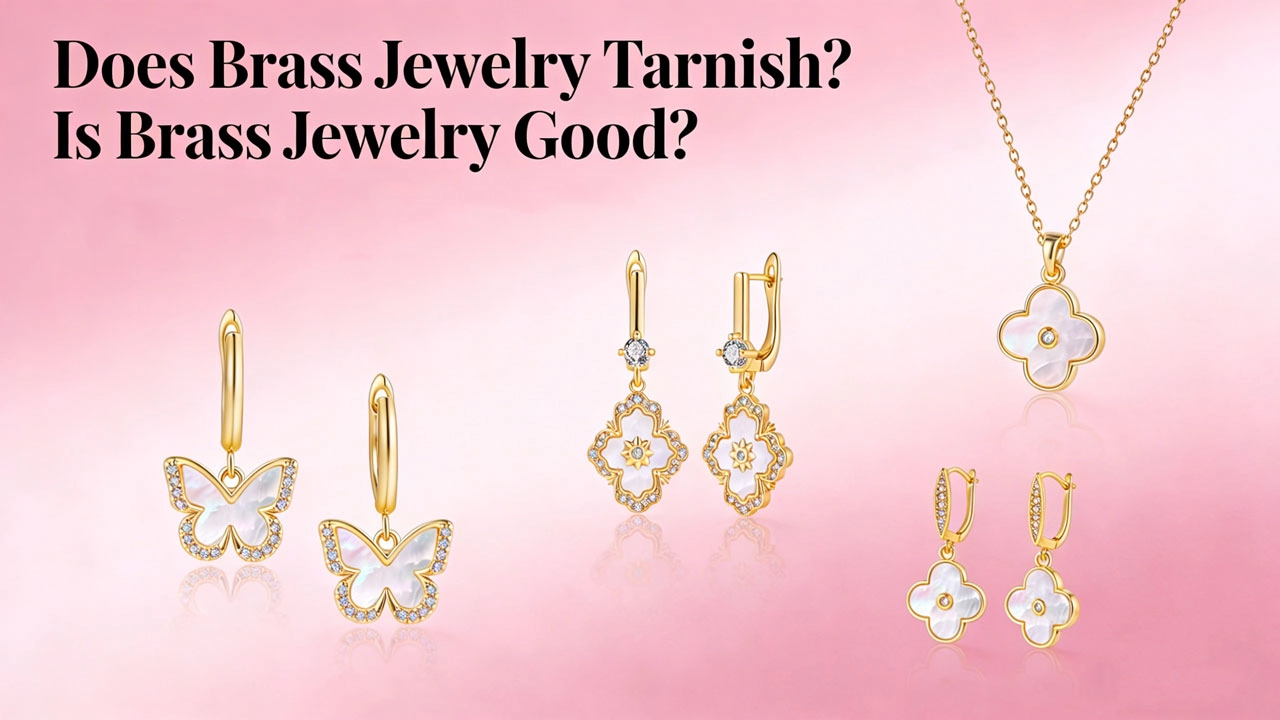
Does Brass Jewelry Tarnish? Is Brass Jewelry Good? Complete Guide from a Professional Jewelry Manufacturer
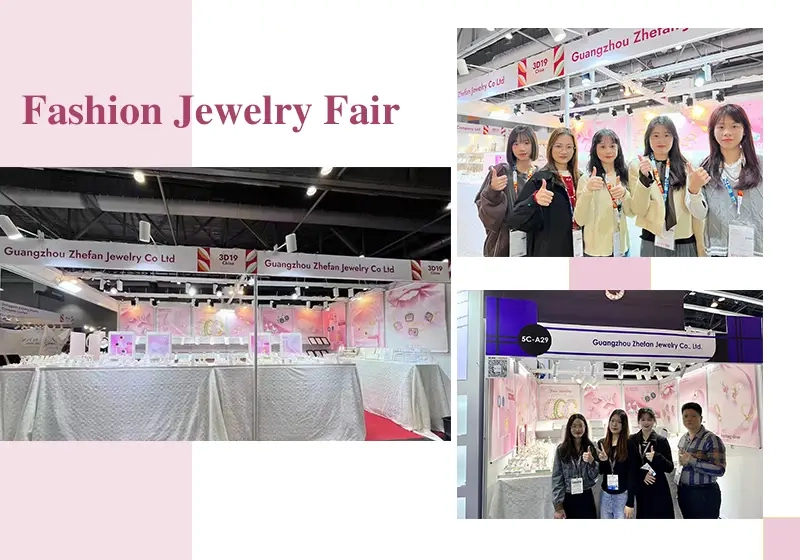
Zhefan Jewelry Will Attend Hong Kong Jewelry Fair
How to Elevate Your Jewelry Brand with a Signature Custom Tennis Bracelet (2026 Guide)
12 Unique Custom 925 Silver Bracelet Ideas That Go Beyond Basic Engraving (2026 Guide)
The Secret Life of Your Silver: How 925 Sterling Jewelry Comes to Exist
What is Zircon Jewelry?-The Ulimate Guide
Prdoucts Categories
FAQ
Products
What is the payment method?
Our payment method are Alibaba Trade Assurance(MasterCard, visa, e-Checking, PAYLATER, T/T),T/T, PayPal,Western Union.
How can we guarantee quality?
Always a pre-production sample before mass production;
Always final Inspection before shipment;
What's themonthly production capacity?
600,000 pcs per month.
What’s the lead time?
We could arrange shipment for you within 48 hours if you order models in stock. For bulk order, it takes 10-25 days for production depending on order quantity and styles.
Do you offer free sample for quality check?
Sample order is welcome, but sample fee need to be paid. It will be deducted when you place an bulk order.
FAQs
What’s the shipment method?How long does it take for delivery?
Our product distributed to all over the world. Shipped by DHL/Fedex/ TNT/UPS takes 3-7 days,Epacket takes 7-15 days, China Post takes 15-30 days.
Discuss Your Ideas with a Professional Custom Jewelry Manufacturer
We provide personalized jewelry customization services for clients worldwide.
Rest assured that your privacy is important to us, and all information provided will be handled with the utmost confidentiality.
By clicking 'Send Inquiry Now' I agree to ZHEFAN JEWELRY processing my personal data.
To see how to withdraw your consent, how to control your personal data and how we process it, please see our Privacy Policy and Terms of use.
From design to production, ZHEFAN JEWELRY offers a one-stop solution to help you enhance your brand value and market competitiveness.
Get A Quote
Contact
Tel: (+86) 188 1927 7817
© 2026 Zhefan Jewelry. All Rights Reserved.
Facebook
Instagram
YouTube
Whatsapp: +8618819277817