







Email: sales3@zhefanjewelry.com
How to scale production from sample to mass earring orders?
A practical, expert guide for jewelry designers and buyers on scaling custom gold plated earrings from prototype to mass orders. Covers plating thickness, QC tests, tooling, lead times, MOQ negotiation, sustainable plating (PVD/vermeil), and step-by-step production scaling.
- 1. What minimum gold thickness and base-metal specs should I insist on when ordering custom gold plated earrings to prevent early flaking?
- 2. How to calculate realistic lead times and per-piece cost when scaling from a 5-piece sample to 5,000 pairs?
- 3. Which quality control tests (and acceptable thresholds) should I require on mass orders to ensure plating durability across batches?
- 4. What tooling and manufacturing changes are necessary to move complex earring designs (stones, movable parts) from hand-sample to automated mass lines without quality loss?
- 5. How can I negotiate MOQ, tooling fees, and payment terms with overseas gold plated earring suppliers while protecting IP?
- 6. Which sustainable or hypoallergenic plating methods (PVD, vermeil, rhodium) reduce returns and command higher retail prices for custom gold plated earrings?
- Concluding summary
Scaling Custom Gold Plated Earrings: From Sample to Mass Production
As designers and brands move from a hand-made sample pair to thousands of custom gold plated earrings, common questions arise about plating durability, cost, lead times, tooling, inspection, and sustainable finishes. Below are six specific, practitioner-focused questions beginners frequently ask — each answered with actionable, industry-based guidance you can apply to reduce risk, control costs, and preserve design integrity at scale.
1. What minimum gold thickness and base-metal specs should I insist on when ordering custom gold plated earrings to prevent early flaking?
Why this matters: Early flaking, discoloration and allergic reactions are the top causes of returns for gold plated jewelry. The root causes are inadequate plating thickness, poor surface preparation, wrong base metal or incompatible alloys, and missing barrier layers.
Actionable specs and rationale:
- Gold thickness: Use industry benchmarks. Flash plating is typically 0.05–0.3 µm and suited only for costume pieces. Standard commercial gold plating is commonly 0.3–2.5 µm. For a High Quality retail feel and longer wear, target 0.8–2.5 µm. For vermeil (US standard) require ≥2.5 µm over sterling silver.
- Base metal choices: Sterling silver (925) for vermeil; jeweler’s brass (Cu-Zn alloy) or nickel-free brass are common for cost-efficient pieces. Avoid unknown mixed alloys with high zinc or iron content that accelerate corrosion under the plating layer.
- Barrier and adhesion layers: Require a copper or nickel strike (or nickel-free equivalent) when appropriate to improve adhesion. For hypoallergenic lines, substitute nickel strike with palladium/cobalt or use passivation and properly engineered multilayer systems. Specify whether the supplier will apply a passivation/anti-tarnish layer post-plating.
- Surface prep tolerance: Specify ultrasonic cleaning, degreasing, micro-etch or acid dip depending on alloy. Poor surface prep leads to pitting and blistering after a few wears.
How to contract it: Put thickness, base-metal alloy, and barrier-layer steps into the purchase order or technical pack. Require XRF or cross-section plating reports for the first mass batch (see QC question below).
2. How to calculate realistic lead times and per-piece cost when scaling from a 5-piece sample to 5,000 pairs?
Why this matters: Buyers underestimate fixed costs (tooling, setup, certification) and overestimate variable cost reductions. Unexpected lead time bottlenecks (plating capacity, rework, second-article approvals) are frequent causes of missed launch dates.
Cost and time components to model:
- Tooling and molds: For stamped or cast components, tooling typically ranges from $150–$2,500 per die/stone-setting jig for simple parts to $5,000–$20,000 for complex multi-cavity investment-casting masters or CNC fixtures. Amortize tooling over the projected lifetime run (e.g., if tooling is $2,000 and expected volume is 10,000 pairs, add $0.20 per pair).
- Sample & approval cycle: Allow 7–21 days for initial prototype (hand sample), and then 7–14 days per revised sample. If you require multiple finish samples (different gold karat colors or PVD vs electroplating), add 3–7 days each.
- Batch plating capacity: Plating houses run batches; turnaround depends on plating lines and whether they use barrel plating (cheaper, for small parts) vs rack plating (higher quality, more labor). Expect plating lead times of 3–10 days per batch, plus time for drying and passivation.
- Per-piece manufacturing cost: For custom gold plated earrings, finished landed costs vary widely depending on complexity and materials. As a rule of thumb, small simple brass studs plated with 0.5 µm gold can range from $0.80–$3.00 per pair factory price at reasonable MOQs; higher plating thicknesses, sterling silver bases, and fine stones will push factory price into $5–$25+ per pair. Ask your supplier for a cost breakdown (base metal, finishing, plating, stones, assembly, packing).
- Logistics and certification: Add 7–21 days for shipping (air vs sea), plus customs clearance and any testing certificates requested (e.g., RoHS/REACH, nickel release reports). Expedited air reduces time but increases freight cost drastically.
Simple timeline example for 5,000 pairs:
- Prototype & sample approvals: 2–5 weeks
- Tooling & small pre-production run: 1–3 weeks
- Mass production (including plating cycles): 2–5 weeks depending on capacity
- Packed and shipped: 1–4 weeks depending on freight method
Tip: Ask suppliers for a Gantt-style manufacturing plan showing slot times for plating, QC inspection, packaging, and shipping so you can anticipate cashflow needs and consumer launch dates.
3. Which quality control tests (and acceptable thresholds) should I require on mass orders to ensure plating durability across batches?
Why this matters: Visual inspection alone misses subsurface adhesion problems. Requiring objective lab-backed tests prevents large recall-level failures and keeps warranty returns low.
Essential QC tests and what they diagnose:
- XRF thickness mapping: Non-destructive X-ray fluorescence can verify surface gold thickness and confirm the presence of barrier layers. For gold vermeil insist on an XRF report for a sampling of the first production lot. Ask for mean and min values across tested pieces and define acceptable minimums in the contract.
- Adhesion and tape test: ASTM D3359-style tape tests identify poor adhesion and delamination before shipping. Define acceptable results (no visible flake-off or specified score rating).
- Salt spray (corrosion) test: ASTM B117 salt spray testing evaluates underlying corrosion resistance. Typical jewelry targets range from 24 to 96 hours depending on intended wear (fashion vs high-end). Use this along with abrasion testing to approximate lifetime performance.
- Abrasion/wear testing: Taber abrasion or standardized rubbing tests simulate wear. Require supplier to report cycles to show how plating holds up; pair this with visual Delta E color measurement if color change is critical.
- Material composition: ICP-OES/ICP-MS for base-metal composition and allergen content (nickel release testing where relevant under regional regulations). For EU/UK markets confirm REACH compliance and nickel release standards as required by law.
- Dimensional inspection: Use calipers/CMM checks against the approved CAD drawing with tolerances clearly stated (e.g., ±0.1 mm for studs, ±0.3 mm for complex parts). This avoids fitting issues with earring backs, clasps, and stones.
Sampling plan and acceptance criteria:
- First Article Inspection (FAI): 100% of first production batch gets full testing (XRF, adhesion, visual and dimensional).
- Mass production: Use ANSI/ISO AQL sampling (e.g., AQL 2.5) tailored to jewelry — but raise standards for plating and adhesion defects (tighter AQL or 100% checks for critical features).
- Contractual clause: Define rework & scrap policy, re-inspection timelines, and who pays for third-party lab verification if disputes arise.
4. What tooling and manufacturing changes are necessary to move complex earring designs (stones, movable parts) from hand-sample to automated mass lines without quality loss?
Why this matters: Small design elements that look fine on a hand-made sample (thin prongs, organic textures, loose hinges) often fail or drive up costs at scale because they are difficult to hold, finish, or assemble on automated lines.
Design for Manufacturability (DFM) checklist:
- Simplify attachment points: Convert tiny solder joints to designed tabs, rivets or snap features that automated tooling can place and secure consistently.
- Specify tolerances: Indicate critical fits for posts, backs, and hinges. For automated assembly, tolerances often need to be relaxed slightly (e.g., ±0.1–0.2 mm) or use precision fixtures to hold pieces during assembly.
- Choose scalable production methods: Decide between die-stamping (fast for thin sheet metal), investment casting (great for 3D detail but needs post-CNC finishing), or CNC machining (high precision but higher cost). Stone-set pieces may require pre-drilled settings or laser peening steps for consistent seat depth.
- Jigs, fixtures and gauging: Expect upfront investment in assembly jigs and stone-setting fixtures. These reduce labor variation and are often cheaper than repeated hand work once amortized.
- Automation vs hand-finishing: Plan hybrid processes — automated forming, casting and plating, followed by selective hand-finishing for delicate tasks (stone setting, burnishing). This keeps costs down while maintaining quality.
Testing before full-scale run: Produce a pre-series of 200–500 pairs to validate automated assembly, plating uniformity and packing. Use lessons to adjust tooling/cavity designs, plating racks, and fixture tolerances before committing to full production.
5. How can I negotiate MOQ, tooling fees, and payment terms with overseas gold plated earring suppliers while protecting IP?
Why this matters: Beginners often accept high MOQs and full tooling fees or fail to protect their designs. Smart negotiation can reduce upfront costs and protect intellectual property while securing reasonable lead times.
Negotiation levers and IP protection tactics:
- Staggered MOQs and phased production: Propose a staged order (pilot 300–1,000 pairs, then tranche production) so tooling costs are amortized gradually. Suppliers often accept slightly higher unit prices on small orders.
- Shared tooling or tooling loan: Offer to share tooling costs with future purchase commitments or request amortization over multiple SKUs. Some factories will defer a portion of tooling cost against confirmed orders.
- Payment terms: Negotiate 30% deposit, 60% before plating, 10% on delivery, or use deposit + LC for larger runs. For trusted suppliers ask for 30/70 or 30/60/10 split to manage cashflow.
- Protecting IP: Use NDAs for technical packs and watermark images in initial communications. For higher-risk designs, withhold master CAD or 3D files until a deposit is paid. Consider registering designs in target markets and using contractual clauses that ban transfer of tooling to third parties without your consent.
- Factory audits and legal recourse: Include clear warranty terms, inspection rights, and arbitration clauses in contracts. Wherever possible, work with suppliers experienced in international retail markets and ask for client references.
6. Which sustainable or hypoallergenic plating methods (PVD, vermeil, rhodium) reduce returns and command higher retail prices for custom gold plated earrings?
Why this matters: Consumers increasingly expect hypoallergenic and longer-lasting finishes. Selecting the right finish can reduce returns, justify higher price points, and open High Quality distribution channels.
Options and pros/cons:
- Gold vermeil (≥2.5 µm gold over sterling silver): Legally defined in several markets (notably the U.S.). Offers a High Quality feel and longer wear life than thin plating. Works well for higher-margin lines and customers seeking perceived value of precious metal content.
- PVD (Physical Vapor Deposition): A vacuum deposition process that creates a dense, hard, and uniform coating. PVD gold or titanium nitride finishes are more abrasion-resistant than conventional electroplating and are an excellent hypoallergenic option. PVD requires different equipment and typically costs more per piece but delivers superior durability.
- Rhodium plating: Commonly used over white gold and silver to enhance whiteness and wear resistance; good for preventing tarnish on silver-based pieces. Rhodium must be reapplied over time and is usually part of a multi-plate system (nickel/palladium strike + rhodium topcoat).
- Nickel-free electroplating with barrier layers: For cost-effective hypoallergenic lines, specify nickel-free alloy systems and testing for nickel release per relevant standards.
Marketing and pricing impact: PVD and vermeil positioning allow you to command higher MSRP and lower returns due to increased durability. Make sure claims are verifiable: e.g., advertise vermeil with 2.5 µm gold or PVD-coated for enhanced abrasion resistance, and attach supporting lab test summaries to retailer partners if requested.
Concluding summary
Scaling custom gold plated earrings from sample to mass orders requires marrying technical specifications (plating thickness, base metal, barrier layers), realistic cost/time modeling (tooling amortization, plating batch cycles), robust QC (XRF, adhesion, salt spray), and manufacturing preparation (DFM, jigs). Choosing the right finish — whether gold vermeil, PVD or nickel-free electroplating — affects durability, retail positioning, and returns. Negotiating MOQs, phased tooling payments and contractual QC requirements protects both design integrity and cashflow while you scale.
Advantages of following these best practices include lower return rates, predictable lead times and costing, consistent finish quality across batches, stronger IP protection, and better margins through High Quality finishes (vermeil/PVD). For tailored production plans, certified testing protocols, and a quote for custom gold plated earrings, contact us at sales3@zhefanjewelry.com or visit www.zhefanjewelry.com.
Recommended for you
Does Brass Jewelry Tarnish? Is Brass Jewelry Good? Complete Guide from a Professional Jewelry Manufacturer
How to Choose a Custom Ring Manufacturer: 10 Critical Questions for Maximum Quality (2026 Guide)
12 Unique Custom 925 Silver Bracelet Ideas That Go Beyond Basic Engraving (2026 Guide)
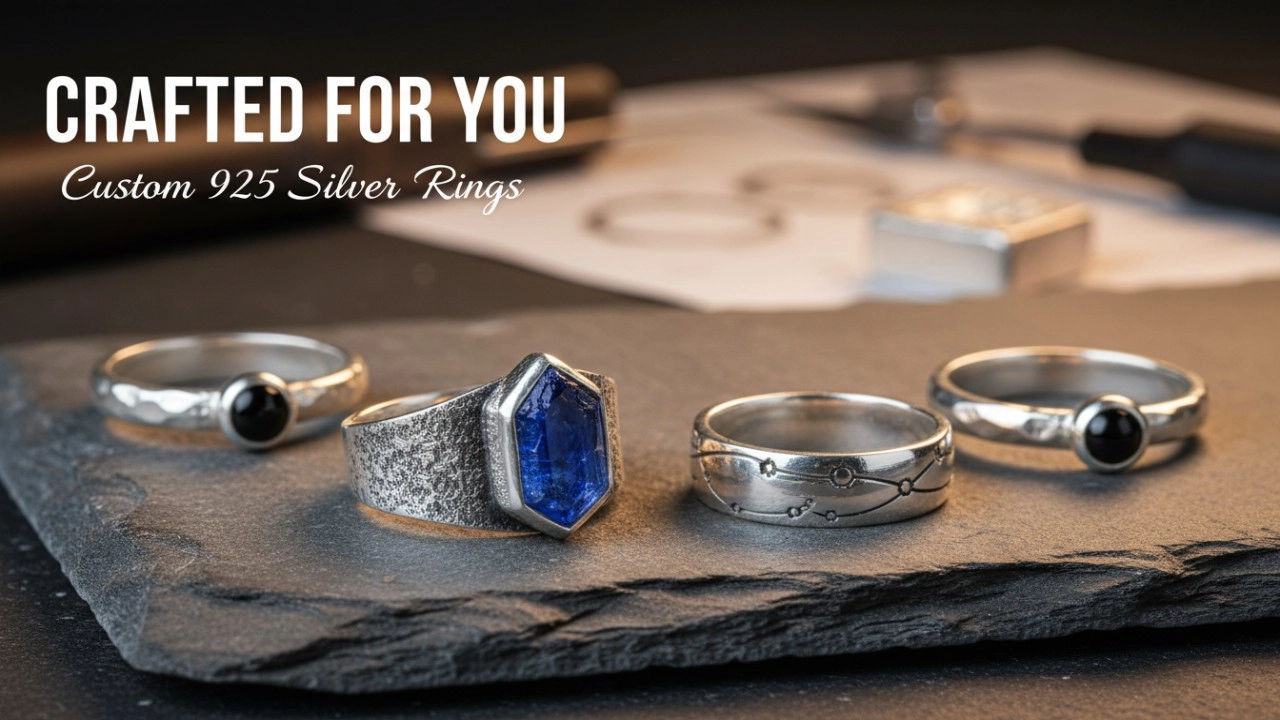
Why Custom 925 Silver Rings Are the Perfect Sustainable Luxury Gift (Compared to Gold)

The Ultimate Buyer's Guide to Custom Wholesale Brass Huggie Earrings in China
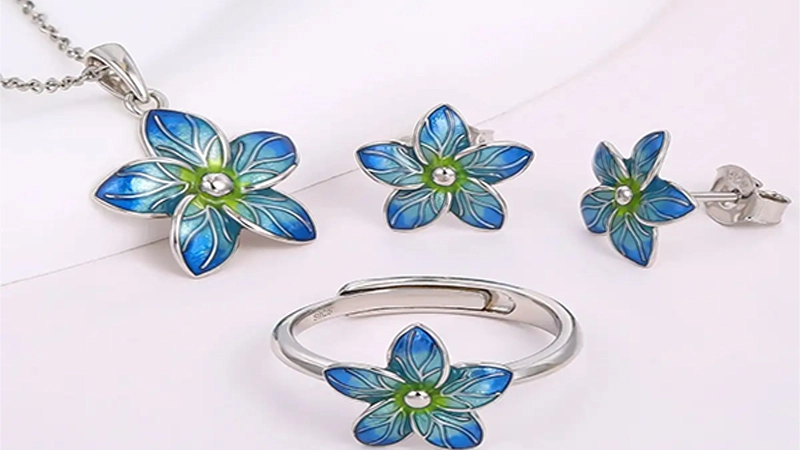
The Secret Life of Your Silver: How 925 Sterling Jewelry Comes to Exist
Prdoucts Categories
FAQ
Products
Can you engrave my logo on the jewelry ?Do you supply OEM/ODM service?
Yes. Custom logo and OEM/ODM are both accepted.Our factory specializes in jewelry manufacturing for 25 years.We can produce jewelry by your sample, design, pictures, even by an idea.Please feel free to contact us for more details. Custom order process: Inquiry-Confirm products details-Pay mold fee -Confirm CAD draft-Quote-Initial payment-Produce mold & sample-Confirm Sample-Mass production-Balance payment-Shipment-Track shipment-delivery.
What's the packaging of your jewelry?
Normally we use OPP bag, bubble bag and paper box to pack the goods,custom packaging is acceptable as well.
Do you offer free sample for quality check?
Sample order is welcome, but sample fee need to be paid. It will be deducted when you place an bulk order.
FAQs
Can I get a sample?
Yes,welcome to choose our sample to test and check quality.Please give me your address and number then send you payment list.
What’s the lead time? .
We could arrange shipment for you within 48 hours if you order models in stock. For bulk order, it
takes 10-25 days for production depending on order quantity and styles.
Can I see your product test report?
Of course.Our product throught standar test like SGS.We test in many ways of product.
Discuss Your Ideas with a Professional Custom Jewelry Manufacturer
We provide personalized jewelry customization services for clients worldwide.
Rest assured that your privacy is important to us, and all information provided will be handled with the utmost confidentiality.
By clicking 'Send Inquiry Now' I agree to ZHEFAN JEWELRY processing my personal data.
To see how to withdraw your consent, how to control your personal data and how we process it, please see our Privacy Policy and Terms of use.
From design to production, ZHEFAN JEWELRY offers a one-stop solution to help you enhance your brand value and market competitiveness.
Get A Quote
Contact
Tel: (+86) 188 1927 7817
© 2026 Zhefan Jewelry. All Rights Reserved.
Facebook
Instagram
YouTube
Whatsapp: +8618819277817