







Email: sales3@zhefanjewelry.com
How to design branded gold plated earrings for retail?
Practical, technical guide for retailers and designers on custom gold plated earrings. Covers plating thickness, base-metal choice, QC tests, logo placement, landed cost and retail pricing, compliance and packaging—actionable checklists and industry standards.
- 1) What minimum gold plating thickness guarantees retail-grade durability for daily-wear custom gold plated earrings (not vermeil)?
- 2) How to choose the best base metal (sterling silver vs brass vs stainless steel) for branded gold plated earrings to balance cost, tarnish resistance and hypoallergenic claims?
- 3) What exact production steps and QC tests should I require from a manufacturer to avoid color fading, flaking or blistering in custom gold plated earrings?
- 4) How can I design logo placement and branding on tiny earring surfaces so the branding remains legible and durable after plating?
- 5) How do I calculate landed cost, wholesale/retail pricing and target margin for custom gold plated earrings when ordering low MOQs (50–300 pairs)?
- 6) Which packaging, labeling and regulatory marks are required or expected by retailers and consumers for branded gold plated earrings?
- Concluding summary: advantages of branded custom gold plated earrings for retail
Designing Branded Custom Gold Plated Earrings for Retail
This practical guide answers six specific, frequently-asked long-tail questions beginners rarely find well-answered online about custom gold plated earrings, branded gold plated collections, plating durability, manufacturing QC, branding on small pieces, pricing and regulatory compliance. It embeds key terms such as custom gold plated earrings, gold plating thickness, vermeil, PVD coating, nickel-free testing, sterling silver base and retail-ready packaging so you can use this as a step-by-step checklist when working with manufacturers. For a bespoke quote, contact www.zhefanjewelry.com or sales3@zhefanjewelry.com.
1) What minimum gold plating thickness guarantees retail-grade durability for daily-wear custom gold plated earrings (not vermeil)?
Why this matters: beginners see photos of shiny gold pieces but don’t understand how plating thickness (measured in microns) determines how long gold plated earrings keep color and resist wear from skin oils, sweat, and friction.
Practical answer & industry benchmarks:
- Flash plating (0.03–0.2 µm): cosmetic finish only — suitable for fashion jewelry sold as short-term seasonal pieces. Expect visible wear within weeks to a few months with daily wear.
- Standard electroplating (0.3–1.0 µm): entry-level retail grade. With an appropriate undercoat and good surface prep, expect 3–12 months of everyday consumer use before noticeable wear on high-contact points (posts, fronts).
- Heavy gold plating (1.0–2.5 µm): professional retail grade for longer-life fashion lines. Designed for multi-season wear; often acceptable when clients want durable plated color but cannot afford vermeil.
- Vermeil (≥2.5 µm over sterling silver and minimum 10k gold in the U.S. definition): High Quality standard for plated items. Vermeil offers the best balance of price and durability for everyday-use earrings under FTC rules.
Recommendation for branded collections: for daily-wear custom gold plated earrings aimed at repeat customers, specify at least 1.0 µm if using a non-silver base (brass/stainless) and 2.5 µm if you want to sell them as vermeil (only possible over sterling silver). Always request XRF plating-thickness reports for the first production run and random XRF checks on each batch.
2) How to choose the best base metal (sterling silver vs brass vs stainless steel) for branded gold plated earrings to balance cost, tarnish resistance and hypoallergenic claims?
Why this matters: the base metal affects final weight, tarnish behavior, plating adhesion and whether you can legally call the result vermeil or claim nickel-free.
Comparison and recommended use-cases:
- Sterling silver (925): best for vermeil. Pros: High Quality feel, good plating adhesion, perceived higher value. Cons: higher material cost; requires anti-tarnish finishing and sometimes rhodium undercoats to prevent silver show-through on thin plating.
- Brass (Cu-Zn alloys): cost-effective and easy to cast or stamp; widely used for fashion lines. Pros: low cost, predictable plating surface. Cons: potential nickel content depending on alloy and suppliers; requires reliable nickel-free baths and post-plating passivation for hypoallergenic claims.
- Stainless steel (e.g., 316L): best for hypoallergenic, corrosion-resistant base where post strength and longevity matter. Pros: low corrosion, strong posts, lower risk of green discoloration. Cons: harder to plate (surface prep and undercoating needed), slightly higher production cost and heavier weight.
Decision matrix for retailers:
- If you want vermeil and High Quality positioning: choose sterling silver and specify ≥2.5 µm gold.
- If price sensitivity is high but you still want reasonable durability: choose brass with 1–2 µm plating, with clear nickel-free certification.
- If allergy resistance and structural strength (posts, leverbacks) are priorities: choose 316L stainless steel with PVD or heavy electroplating and insist on EN 1811 nickel release testing.
3) What exact production steps and QC tests should I require from a manufacturer to avoid color fading, flaking or blistering in custom gold plated earrings?
Why this matters: surface defects are expensive to fix, damage brand reputation, and often stem from skipped prep steps or poor QC.
Must-have production steps (ask manufacturers to document each step):
- Surface prep: ultrasonic cleaning, degreasing and micro-etch to remove oils and create adhesion profile.
- Base coating/strike: a thin nickel-free copper or nickel strike (or compliant alternative) to improve adhesion — only if you will not claim nickel-free unless that layer is tested and certified.
- Leveling/thickening steps: barrel or rack plating sequence to achieve specified gold thickness. For PVD, ensure sputtering parameters and vacuum documentation.
- Passivation and anti-tarnish treatment: final rinse and protective top finish, and optional clear coatings (must be described if used as they change feel and re-plating options).
- Polish/prepack conditioning: final buffing with clean-room cloths and anti-tarnish cards for packaging.
QC tests to demand (documented lab reports preferred):
- XRF thickness measurement (microns) for plated gold on a representative sample from each production batch.
- Salt spray (ASTM B117) or humidity exposure for adhesion baseline — used for process control, not an absolute predictor of wear but helps catch contamination.
- Adhesion tape test (ASTM D3359) or equivalent — to confirm plating doesn't delaminate under a forceful adhesion test.
- Crocking/rub wear test: simulated rubbing cycles to check color transfer and fade rate on clasp, post and surface.
- Nickel release EN 1811 lab report if claiming nickel-free in EU/UK sales. In the EU, nickel migration must be ≤0.5 µg/cm²/week for items in direct and prolonged contact with skin.
- Material certificate (COA) and composition statement for base metals and solders; CA Prop 65 (lead/cadmium) screening where you sell in California.
Checklist to include in your purchase order (PO): plating thickness, acceptable tolerance (+/−), required lab tests, sample approval procedure (pre-production sample, PP sample, final bulk inspection), and rework policy. Insist on third-party lab reports for critical claims (vermeil, nickel-free).
4) How can I design logo placement and branding on tiny earring surfaces so the branding remains legible and durable after plating?
Why this matters: beginners expect logos on tiny studs and find the text gets lost after plating or during production. Smart placement and methods keep Zhefan Jewelry visible and legally defensible.
Practical approaches and pros/cons:
- Stamp/hallmark on the ear post shank or inner surface of a hoop: small but durable; the post gets plated last in many processes so the mark can survive. Use a 1–2 mm simple logo or initials rather than full words.
- Laser engraving: precise and legible. Best applied before plating or with a shallow engraving after plating (may expose base metal if done too deep). For plated surfaces, use laser annealing to darken fine marks rather than deep ablation.
- Embossed/relief logo on the reverse face: create a recessed area that can be filled with enamel or left as negative space — plating thickness must be adjusted slightly to maintain relief visibility.
- Logo on packaging and hang tag: for very small pieces, make the packaging the primary brand canvas — use stamped metal tags attached to earring cards, branded anti-tarnish paper, and QR codes linking to authenticity/care pages.
Design rules:
- Minimum reproducible feature size: keep strokes ≥0.3 mm for stamping and ≥0.15 mm for high-resolution laser engraving; test a prototype to confirm legibility after plating thickness is applied.
- Place markings in low-friction zones (backs of earrings, inside hoops, posts) to reduce wear on branding.
- For plated logos, avoid intricate openwork that can trap plating chemicals and produce uneven color.
Production tip: order a physical prototype with the intended plating and surface finish before bulk production. Request clear photos and a microscopic image of the logo area after plating to confirm you can still read or recognize the mark.
5) How do I calculate landed cost, wholesale/retail pricing and target margin for custom gold plated earrings when ordering low MOQs (50–300 pairs)?
Why this matters: pricing mistakes either undercut margins or set unrealistic retail prices that don’t sell. Beginners often forget hidden costs (plating surcharges, customs, inspection, packaging, returns).
Step-by-step costing formula:
Landed unit cost = Unit cost (manufacturing, casting/stamping) + plating surcharge (per pair) + finishing & QC per pair + packaging per pair + per-unit share of tooling and dies + shipping & insurance per pair + duties & import fees per pair + inspection and compliance testing amortized.
Typical cost ranges (industry-observed ranges — verify with your supplier):
- Unit manufacture (basic stamped or cast earring, unplated): $0.70–$4.00 per pair depending on complexity and metal choice.
- Plating surcharge: flash to standard electroplating $0.10–$1.50/pair; heavy plating/PVD or vermeil 2.5 µm can add $1.50–$6.00/pair. (These are typical ranges—ask your vendor for exact per-pair quotes.)
- Packaging (branded card, polybag, hang tag, anti-tarnish inserts): $0.30–$2.50/pair depending on quality.
- Shipping, duties and inspection: variable by origin and destination; budget 5–15% of CIF value as a planning range for moderate international shipments.
Pricing strategy:
- Wholesale price = Landed unit cost × desired wholesale markup. Jewelry wholesale often targets 1.5–3× landed cost depending on category and brand position.
- Suggested retail price = Wholesale × 2–2.5 (keystone to keystone-plus). Jewelry often uses keystone (2×) but fashion and branded pieces commonly use retail multipliers of 2.5–3× to cover retail overhead and promotions.
Example (rounded): if landed cost = $4.50/pair and you seek 60% gross margin at wholesale, wholesale ≈ $11.25; retail at keystone 2× = $22.50. Adjust for brand position, production scale and realistic competitor pricing.
Negotiation levers when MOQs are low:
- Consolidate SKUs (fewer styles/finishes) to hit volume discounts.
- Accept longer lead times to reduce rush surcharges.
- Offer repeat-order commitments in exchange for reduced per-unit plating surcharges.
6) Which packaging, labeling and regulatory marks are required or expected by retailers and consumers for branded gold plated earrings?
Why this matters: regulatory noncompliance or missing retail-ready elements prevents listing in marketplaces, triggers returns, or harms buyer trust.
Compliance marks and tests to secure before selling:
- Vermeil labeling: in the U.S. to sell as vermeil, the piece must use sterling silver (925) as the base and have at least 2.5 µm of gold plating (and minimum 10k gold). Use the term vermeil only when you meet these criteria under FTC guidance.
- Nickel release test (EN 1811): required for EU markets if you claim nickel-safe items. Request lab documentation showing migration ≤0.5 µg/cm²/week.
- REACH/Restricted Substances: screen for lead, cadmium, and other controlled substances depending on your market; test reports or supplier COA will be required by some retailers.
- CA Prop 65 warning: if sold in California and lead or other listed chemicals exceed thresholds, include compliant warnings on packaging or listings.
Retail-ready packaging checklist:
- Branded earring card with SKU, material summary (e.g., Gold plated over sterling silver or Gold plated brass), care instructions and country of origin.
- Hang tag or polybag with UPC/EAN/GTIN barcode if selling through larger retailers or marketplaces.
- Anti-tarnish paper/card insert and sealed polybag for multi-month display life in stores.
- Certificate of authenticity or small care card for High Quality lines (vermeil/sterling bases) to justify higher price points.
Customer-facing claims routine:
- Only claim nickel-free or hypoallergenic with supporting lab test.
- Use exact material descriptions — e.g., Gold plated (1 µm) over brass — this transparency reduces returns and builds trust.
Concluding summary: advantages of branded custom gold plated earrings for retail
Custom gold plated earrings let retailers and designers offer the look and brand identity of fine jewelry at lower unit cost and faster time to market. By selecting the right base metal (sterling silver for vermeil, stainless for hypoallergenic lines, brass for budget collections), specifying appropriate plating thickness (1 µm+ for durable fashion, ≥2.5 µm for vermeil), and enforcing QC tests (XRF thickness, nickel release EN 1811, adhesion and rub tests), you can build a reliable, retail-ready collection. Smart logo placement (post stamps, laser engraving, reverse embossing) and professional packaging (anti-tarnish cards, UPCs) increase perceived value and reduce returns. For first production runs, insist on pre-production samples with documented lab reports and a clear PO that covers rework policies and acceptance criteria.
For tailored cost breakdowns, plating options (electroplating vs PVD), and a production plan with MOQ and lead-time estimates for your specific designs, contact www.zhefanjewelry.com or email sales3@zhefanjewelry.com for a quote and sample timeline.
Recommended for you
Is Stainless Steel a Good Type of Jewelry? Pros, Cons, and Why Brands Choose Stainless Steel Jewelry
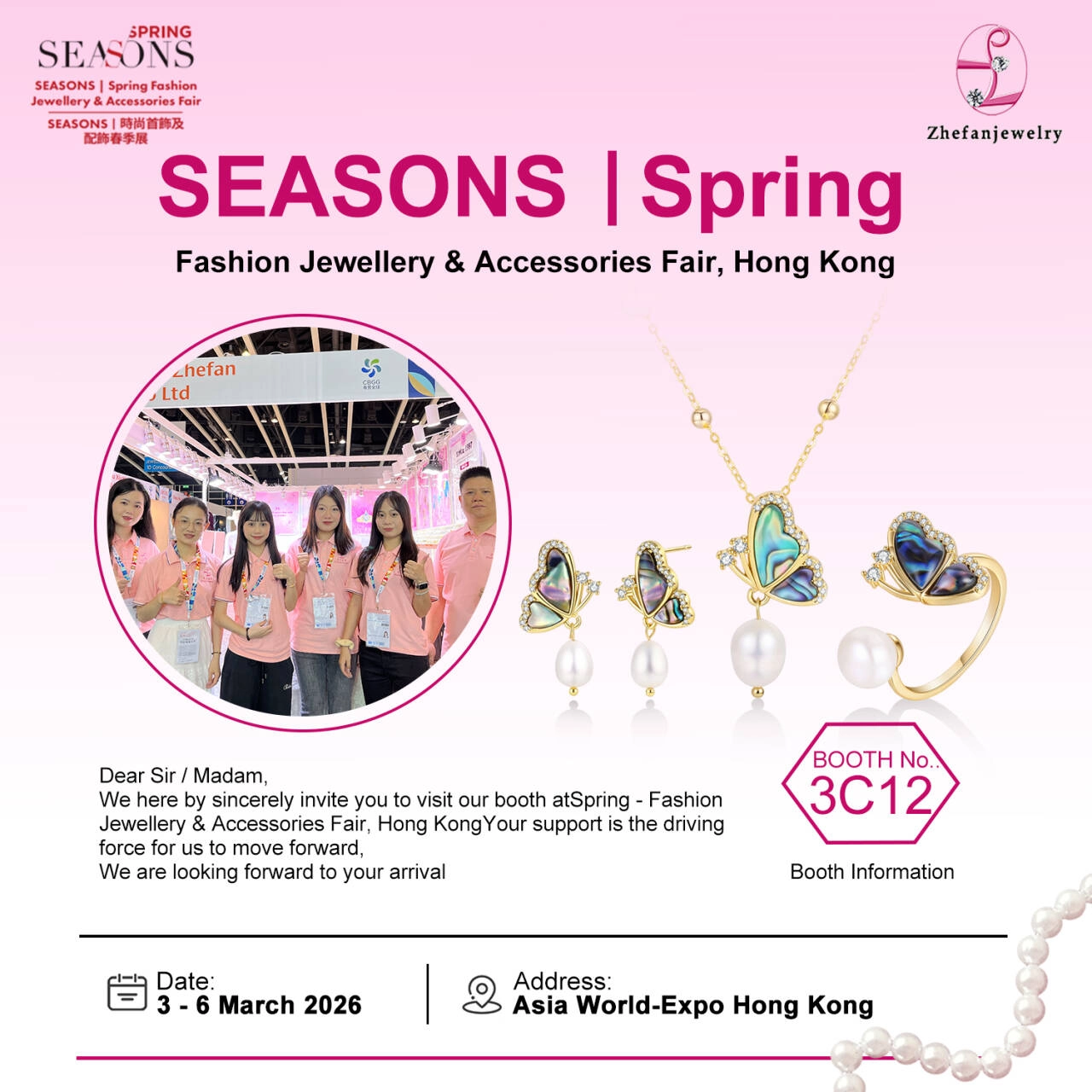
Zhefan Jewelry Invites You to Attend the Hong Kong Jewellery Exhibition 2026
The Ultimate Guide to Ordering Custom Made Silver Earrings: How to Get Perfection Every Time (2026 Edition)
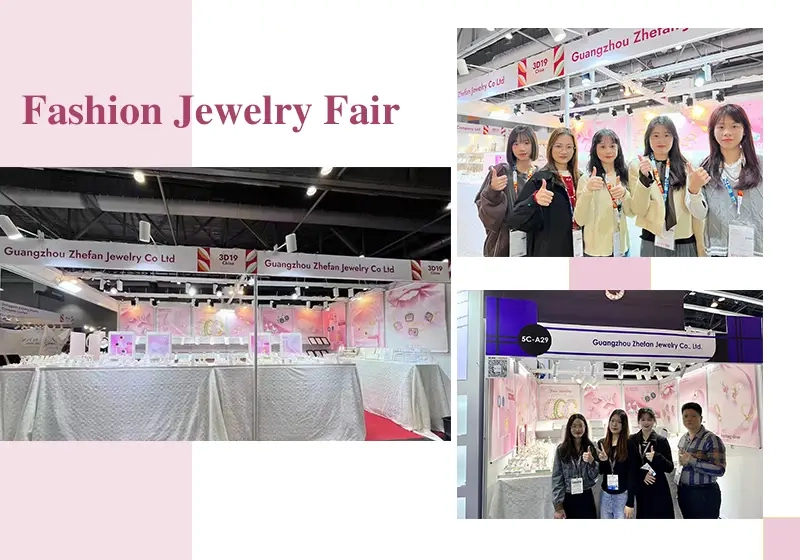
Zhefan Jewelry Will Attend Hong Kong Jewelry Fair
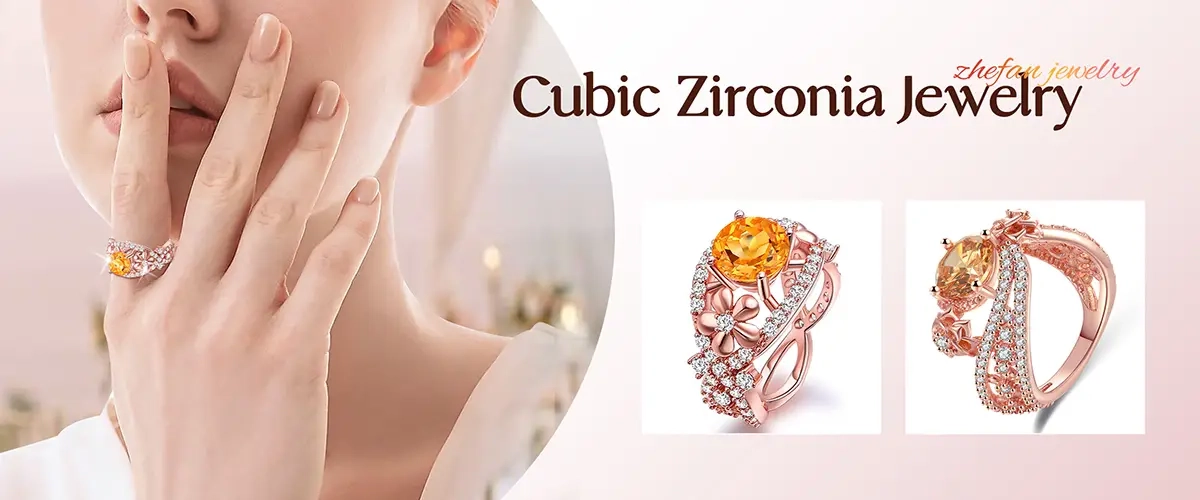
What is Zircon Jewelry?-The Ulimate Guide
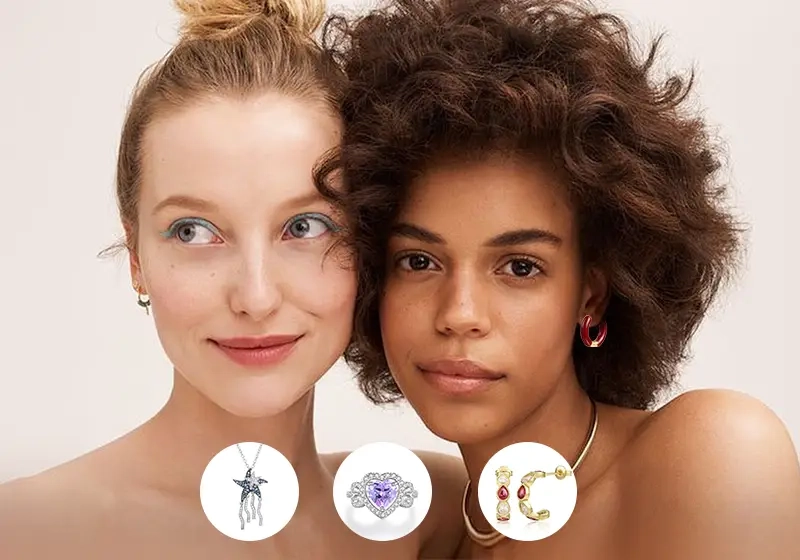
How to Choose the Right Jewelry for Your Skin Tone
Prdoucts Categories
FAQ
FAQs
What is the material of the jewelry?
Most of the jewelry is made of 925 sterling silver, brass or 316 stainless steel or custom material,which can cover different procurement demand.
Can I get a sample?
Yes,welcome to choose our sample to test and check quality.Please give me your address and number then send you payment list.
Do you do customer design?
Do you do customer design? Yes,we are good at this way.Most of our customer do their customize.And we have cooperate with them when they are new brand, but now they become the top sell on Amazon, more than 32,000 five star comment.
Products
Can you engrave my logo on the jewelry ?Do you supply OEM/ODM service?
Yes. Custom logo and OEM/ODM are both accepted.Our factory specializes in jewelry manufacturing for 25 years.We can produce jewelry by your sample, design, pictures, even by an idea.Please feel free to contact us for more details. Custom order process: Inquiry-Confirm products details-Pay mold fee -Confirm CAD draft-Quote-Initial payment-Produce mold & sample-Confirm Sample-Mass production-Balance payment-Shipment-Track shipment-delivery.
How can we guarantee quality?
Always a pre-production sample before mass production;
Always final Inspection before shipment;
What can you buy from us?
Rings, Necklace, Earrings, Bracelet, Pendant, Anklet, Brooch, Jewelry.
Discuss Your Ideas with a Professional Custom Jewelry Manufacturer
We provide personalized jewelry customization services for clients worldwide.
Rest assured that your privacy is important to us, and all information provided will be handled with the utmost confidentiality.
By clicking 'Send Inquiry Now' I agree to ZHEFAN JEWELRY processing my personal data.
To see how to withdraw your consent, how to control your personal data and how we process it, please see our Privacy Policy and Terms of use.
From design to production, ZHEFAN JEWELRY offers a one-stop solution to help you enhance your brand value and market competitiveness.
Get A Quote
Contact
Tel: (+86) 188 1927 7817
© 2026 Zhefan Jewelry. All Rights Reserved.
Facebook
Instagram
YouTube
Whatsapp: +8618819277817