






Email: sales3@zhefanjewelry.com
Can you get private label packaging for custom gold plated earrings?
Practical answers for small brands: how thick gold plating should be, best base metals for hypoallergenic results, realistic MOQs, costs and lead times for private label packaging, testing protocols, compliance requirements, and finish-related wear expectations.
- 1. How thick should the gold layer be on custom gold plated earrings to reliably last at least a year with regular wear?
- 2. What base metals should I specify for custom gold plated earrings to minimize allergic reactions and ensure plating adhesion?
- 3. Can you get private label packaging for custom gold plated earrings — what MOQs, costs, and realistic lead times should I expect?
- 4. How should I test durability and colorfastness on sample batches of custom gold plated earrings before placing a full order?
- 5. What private‑label compliance and labeling requirements must I check when selling custom gold plated earrings in the US and EU?
- 6. How do matte (satin) vs. high-gloss gold-plated finishes compare for wear and how often will each need re-plating?
- Concluding summary: Advantages of private label packaging for custom gold plated earrings
Custom Gold Plated Earrings: Durability, Testing & Private Label Packaging Answers
Are you sourcing custom gold plated earrings and wondering about plating durability, hypoallergenic choices, private label packaging MOQs, testing, and compliance? Below are six specific, buyer-focused questions with up-to-date, actionable answers. Contact us for a quote: www.zhefanjewelry.com | sales3@zhefanjewelry.com
1. How thick should the gold layer be on custom gold plated earrings to reliably last at least a year with regular wear?
Short answer: Specify a plating thickness appropriate to the product tier and base metal. For fashion/fast-turn pieces, 0.05–0.3 microns (flash plating) is common; for higher durability request ≥0.5–1.0 microns; for long-lasting, High Quality pieces order vermeil (≥2.5 microns over sterling silver). The U.S. Federal Trade Commission (FTC) recognizes vermeil as gold plating of at least 2.5 microns over sterling silver, which is a useful benchmark when you need 12–24 months or more of good performance under moderate wear.
Factors that change real-world lifespan:
- Base metal: sterling silver with 2.5+ µm plating (vermeil) typically outperforms plated brass because sterling is less corrosive and holds plating better.
- Plating method: thicker electrodeposition (electroplating) vs. PVD (physical vapor deposition). PVD coatings are extremely thin but atomically bonded and often more scratch- and fade-resistant than comparable electroplating layers.
- Topcoats: lacquer or clear protective layers prolong wear by reducing abrasion and chemical exposure.
- Wear patterns: studs and posts take more abrasion at contact points; hoops and clasps often lose plating faster.
Recommendation for buyers:
- For entry-level gold plated earrings intended as fashion pieces: accept 0.1–0.5 µm plating but set expectations for seasonal wear (6–12 months).
- For High Quality lines marketed as long-lasting: order vermeil (≥2.5 µm over sterling silver) or gold-filled construction. Ask suppliers to state plating thickness in microns and to provide sample-life photos after wear tests.
- Consider PVD finishes for high-wear items if you require long-term color retention; verify PVD chemistry and adhesion tests from the factory.
2. What base metals should I specify for custom gold plated earrings to minimize allergic reactions and ensure plating adhesion?
Choose your base metal based on cost, hypoallergenic performance, and plating adhesion:
- Sterling silver (925): Excellent plating adhesion and hypoallergenic for most wearers. Best paired with vermeil gold layers for a High Quality result.
- Brass (copper-zinc alloy): Widely used and cost-effective. Good adhesion when nickel-free brass is properly prepared, but some wearers sensitive to copper may react. Recommend nickel-free, deoxidized brass and sealing topcoat.
- Stainless steel (316L): Very corrosion-resistant and hypoallergenic; plating adhesion is more challenging—ask for proper pre-treatment and sometimes an intermediate copper or nickel-free barrier layer.
- Copper: inexpensive and plates well but more likely to cause skin discoloration or reactions; avoid for hypoallergenic lines unless heavily sealed and plated thickly.
Practical buying checklist:
- Request material certificates (COC) or test reports for base metals.
- Specify nickel-free or compliance with local nickel regulations and ask for EN 1811 or equivalent nickel release test reports for EU sales.
- For posts and ear wires, prefer sterling silver, 316L steel, or gold-filled posts to protect sensitive skin.
3. Can you get private label packaging for custom gold plated earrings — what MOQs, costs, and realistic lead times should I expect?
Yes. Private label packaging is widely available but the economics depend on the format (pouches, folding boxes, rigid boxes) and level of customization (printing, embossing, foil, inserts).
Typical MOQ and cost ranges (industry averages — actuals vary by supplier and features):
- Paper pouches or organza bags: MOQ 50–200 units. Cost: $0.10–$0.80 per unit.
- Printed folding jewelry boxes (kraft or coated stock): MOQ 200–500. Cost: $0.5–$2.50 per unit depending on print, size, and inner inserts.
- Rigid/hinged boxes with foam or velvet inserts: MOQ 300–1,000. Cost: $1.50–$6+ per unit (tooling and die-cut inserts increase cost).
- Custom-embossed or foil-stamped boxes: tooling/setup adds $150–$800 one-time; unit cost rises accordingly.
Lead times:
- Stock (no print) items: 3–10 business days.
- Custom printed folding boxes: 10–25 business days after artwork approval.
- Rigid boxes and specialty finishes (metallic foil, embossing): 3–8 weeks including tooling.
Ways to reduce MOQ and speed time-to-market:
- Start with stock boxes and add custom logo labels or stickers (low MOQ, fast lead time).
- Use a generic jewelry box and provide a custom inner card or hang tag for branding.
- Request digital mockups and one-prototype before committing to large runs.
Ask vendors for packaging samples and compare print quality, foam cuts, and branding realism. If you require sustainable or recycled materials, specify minimum recycled content and request FSC/eco certificates; expect slightly longer lead times and potentially higher unit costs.
4. How should I test durability and colorfastness on sample batches of custom gold plated earrings before placing a full order?
Create a practical test protocol combining in-house checks with accredited lab testing:
In-house quick checks (do these first):
- Rub test: Rub plated areas with a damp white cloth and mild detergent repeatedly to see color transfer.
- Sweat/saline exposure: Soak samples in warm saline or simulated sweat solution (0.9% saline or a standard artificial sweat per ISO) for 24–48 hours; then inspect for discoloration or delamination.
- Perfume/chemical exposure: Apply alcohol-based perfume to a sample and evaluate after 24 hours for color change.
- Mechanical wear: Use a soft brush or fabric to simulate repeated abrasion on edges and posts.
Third-party lab tests to request for compliance and objective durability metrics:
- Plating thickness measurement (microns) using XRF or cross-section analysis.
- Adhesion and abrasion tests (e.g., Taber Abrasion ASTM D4060) to quantify wear resistance.
- Salt spray/corrosion test (ASTM B117) for corrosion-prone base metals and plating under humid conditions.
- Nickel release testing (EN 1811) and chemical content testing for lead/cadmium per applicable regulations.
Procurement tip: Require the supplier to provide a small pre-production run (10–20 pcs) for your in-house wear and presentation checks. If you need certified compliance for marketplaces (EU, US), insist on accredited lab reports from ISO/IEC 17025 labs.
5. What private‑label compliance and labeling requirements must I check when selling custom gold plated earrings in the US and EU?
Regulatory requirements vary by market and depend on product materials and claims. Key areas to verify:
- Metal/content claims: Don’t mislabel gold-plated items as solid gold. Use accurate terms like gold plated, gold vermeil (if ≥2.5 µm over sterling silver), or gold-filled (meets national definition, e.g., 5% precious metal by weight in the U.S.).
- Nickel and chemical safety: In the EU, nickel release in consumer products is regulated; sellers commonly provide EN 1811 test reports. For the UK/EU, ensure compliance with REACH for restricted substances. For the U.S., there is no federal nickel rule for adults but many retailers require nickel-free certification and test reports.
- Heavy metals: California Prop 65 requires warnings when products expose consumers to listed chemicals above safe-harbor levels (lead, cadmium, etc.). Use lab testing to determine if a Prop 65 warning is needed for California sales.
- Labeling and country-of-origin: Provide accurate country-of-origin labeling where required and keep traceability documents for audits.
Action steps for buyers:
- Request test reports (EN 1811 or equivalent for nickel, ICP-MS for heavy metals, XRF for plating thickness) from the supplier before purchase.
- If selling in the EU, ask for a Declaration of Conformity for REACH where applicable.
- Keep Chain of Custody and Certificate of Analysis files available for marketplaces and customs.
6. How do matte (satin) vs. high-gloss gold-plated finishes compare for wear and how often will each need re-plating?
Finish affects perceived durability and maintenance more than inherent plating lifetime. Key differences:
- High-gloss/polished finishes show scratches and wear more readily because light reflects uniformly; micro-abrasions are visible. They often require more frequent cosmetic re-plating or polishing to look new.
- Matte/satin finishes visually hide small scratches and fingerprints, making them appear to wear better, but the plating layer underneath still thins with abrasion.
- Certain finishing processes (e.g., brushed textures) can slightly reduce contact area and abrasion, modestly extending service life, but not replacing the need for sufficient plating thickness or protective topcoats.
Re-plating frequency (rule-of-thumb):
- Light wearable items with 0.1–0.5 µm plating: may need re-plating every 6–18 months depending on wear.
- Vermeil (≥2.5 µm over sterling): often lasts multiple years before re-plating is considered, especially with proper care.
- PVD coatings may never need re-plating for aesthetic reasons and are often chosen for long-term color retention.
For private label brands: choose matte finishes if you want lower perceived maintenance, and high-gloss where high shine is core to the brand promise but accept higher aftercare or re-plating expectations. Always show actual wear photographs in product listings and supply care guidance.
Concluding summary: Advantages of private label packaging for custom gold plated earrings
Private label packaging elevates product perceived value, protects plated surfaces in transit, and helps you differentiate brand identity through tactile elements (inserts, foil, embossing). It enables consistent unboxing experiences that increase repeat purchase rates and works as a marketing touchpoint (sustainable packaging can also attract eco-conscious customers). Strategically selecting packaging type (pouches, folding boxes, rigid boxes), balancing MOQ with cost, and using stock solutions plus custom inner cards can dramatically reduce initial investment while delivering professional presentation.
If you’d like supplier recommendations, sample kits, or a tailored quote for private label packaging and custom gold plated earrings production, contact us: www.zhefanjewelry.com or sales3@zhefanjewelry.com
Recommended for you
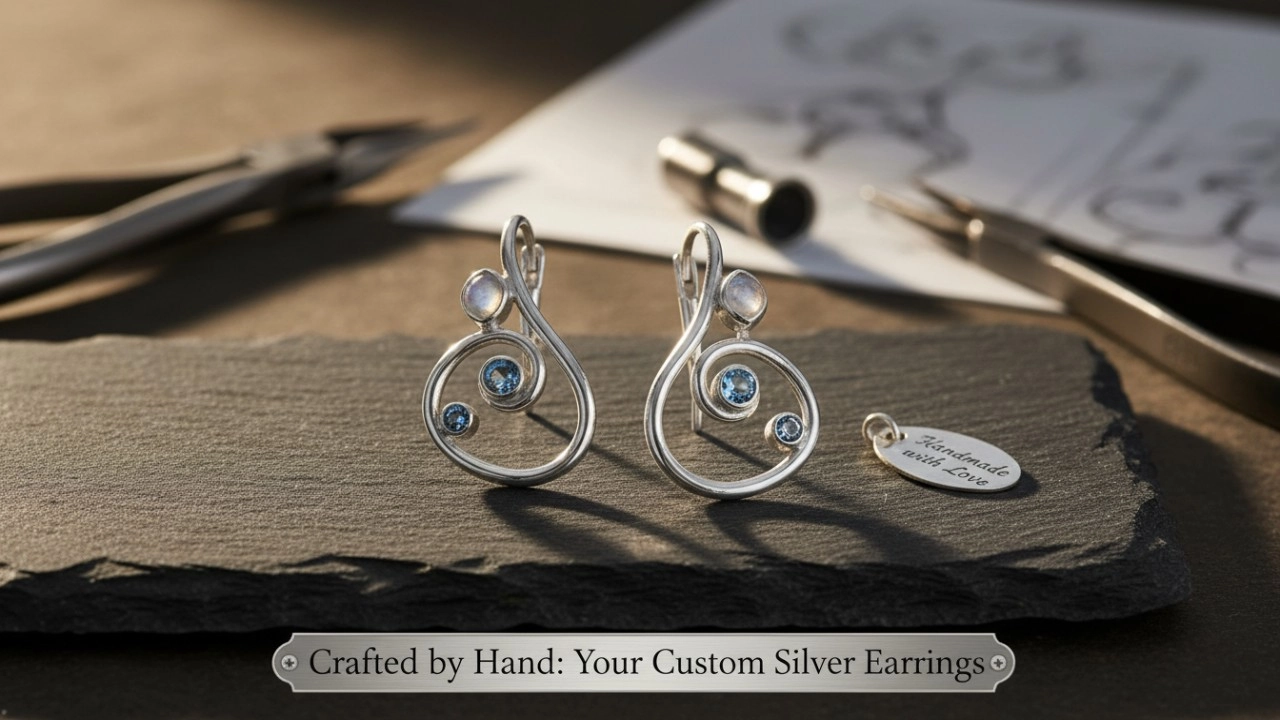
The Ultimate Guide to Ordering Custom Made Silver Earrings: How to Get Perfection Every Time (2026 Edition)
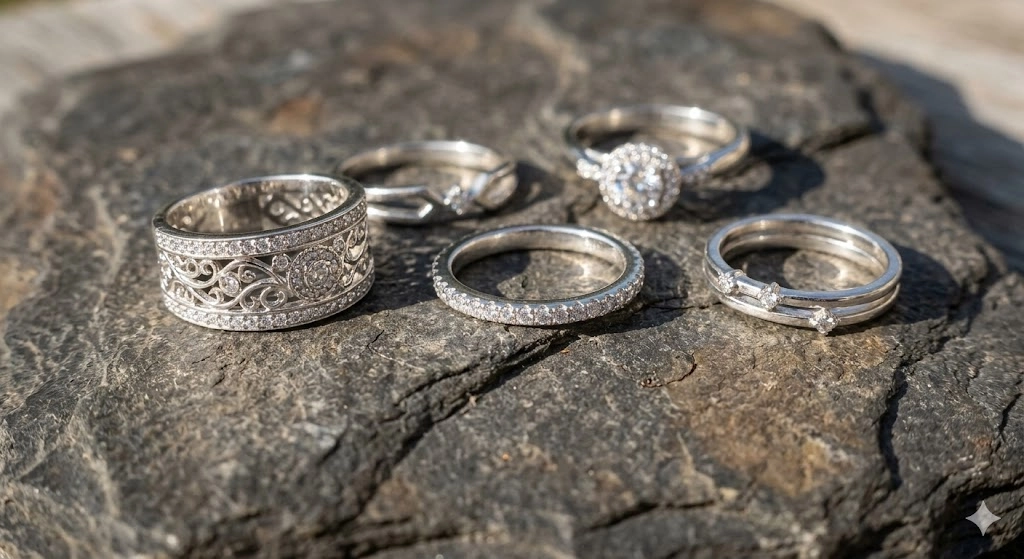
The Secret Behind Premium Quality: 7 International Standards for 925 Sterling Silver Rings
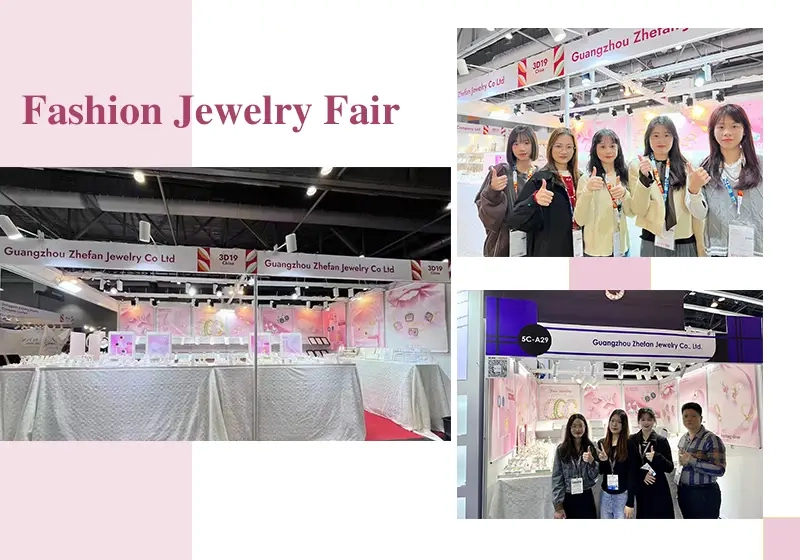
Zhefan Jewelry Will Attend Hong Kong Jewelry Fair
Choosing the Right Metal for Jewelry Making - Practical Guide
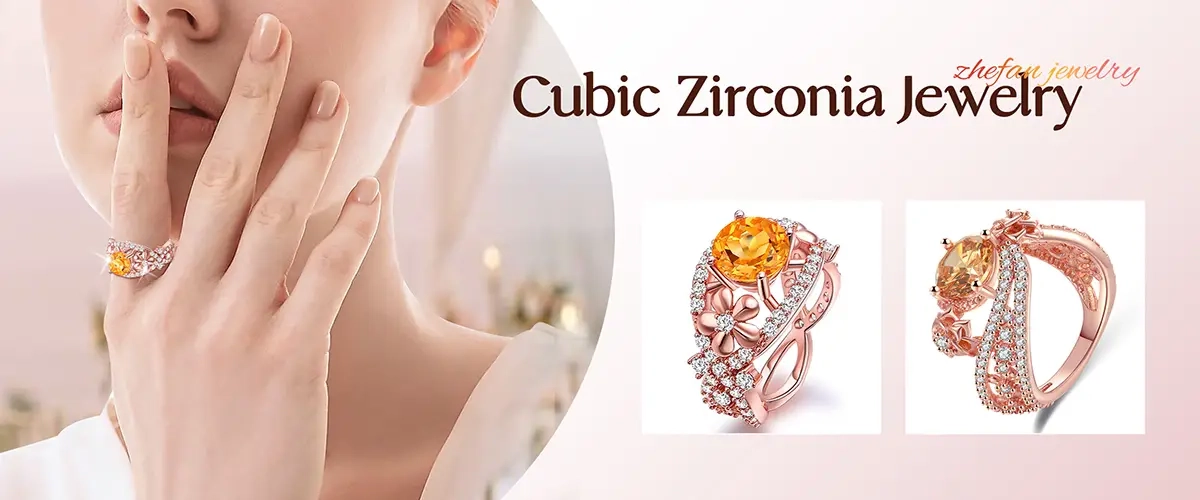
What is Zircon Jewelry?-The Ulimate Guide
2026 Wholesale Trends: Why Your Brand Needs Custom Sterling Silver Jewelry
Prdoucts Categories
FAQ
Products
How can we guarantee quality?
Always a pre-production sample before mass production;
Always final Inspection before shipment;
What's themonthly production capacity?
600,000 pcs per month.
Can you engrave my logo on the jewelry ?Do you supply OEM/ODM service?
Yes. Custom logo and OEM/ODM are both accepted.Our factory specializes in jewelry manufacturing for 25 years.We can produce jewelry by your sample, design, pictures, even by an idea.Please feel free to contact us for more details. Custom order process: Inquiry-Confirm products details-Pay mold fee -Confirm CAD draft-Quote-Initial payment-Produce mold & sample-Confirm Sample-Mass production-Balance payment-Shipment-Track shipment-delivery.
What's the packaging of your jewelry?
Normally we use OPP bag, bubble bag and paper box to pack the goods,custom packaging is acceptable as well.
FAQs
Can I see your product test report?
Of course.Our product throught standar test like SGS.We test in many ways of product.
How long does it take for the product to fade?
The normal electroplating quality color retention time of our products is 5 times longer than the market, and the thicker electroplating can retain color for three years.
Discuss Your Ideas with a Professional Custom Jewelry Manufacturer
We provide personalized jewelry customization services for clients worldwide.
Rest assured that your privacy is important to us, and all information provided will be handled with the utmost confidentiality.
By clicking 'Send Inquiry Now' I agree to ZHEFAN JEWELRY processing my personal data.
To see how to withdraw your consent, how to control your personal data and how we process it, please see our Privacy Policy and Terms of use.
From design to production, ZHEFAN JEWELRY offers a one-stop solution to help you enhance your brand value and market competitiveness.
Get A Quote
Contact
Tel: (+86) 188 1927 7817
© 2026 Zhefan Jewelry. All Rights Reserved.
Facebook
Instagram
YouTube
Whatsapp: +8618819277817