





Email: sales3@zhefanjewelry.com
What are typical lead times for gold plated earring orders?
Practical answers for buyers: realistic lead times, required plating thickness, base metal impacts, hypoallergenic testing, plating methods (electro, PVD, vermeil), and QC documents to request when ordering custom gold plated earrings.
- 1) How thick should gold plating be on custom gold plated earrings to survive 12+ months of everyday wear?
- 2) How can I ensure custom gold plated earrings are hypoallergenic and comply with EU/US rules (nickel, lead, cadmium)?
- 3) What are realistic lead times for prototypes vs bulk runs for gold plated earring orders?
- 4) How does the choice of base metal (brass, sterling silver, stainless steel) change plating adhesion, skin reaction risk, and cost?
- 5) Which plating processes (electroplating, PVD, vermeil, gold filled) give the best durability for thin hoop or small stud designs?
- 6) What QC tests, documentation, and certificates must I request before approving a custom gold plated earring production run?
- Concluding summary: advantages of choosing custom gold plated earrings
Custom Gold Plated Earrings: Lead Times, Thickness & QC Guide
Buying custom gold plated earrings raises specific, technical questions that beginner buyers rarely find clear, up-to-date answers to online. Below are six focused, pain-point‑oriented questions with in‑depth, practical answers — covering plating thickness (microns), hypoallergenic compliance, production timelines, base metal tradeoffs, best plating technologies for durability, and the exact QC documentation and tests you should demand before and after production.
1) How thick should gold plating be on custom gold plated earrings to survive 12+ months of everyday wear?
Gold plating thickness is the single biggest predictor of how long a plated finish will last. Thickness is measured in microns (µm). Typical industry ranges you will encounter are:
- Standard electroplating: 0.3–0.6 µm — economical, visible wear in months with daily wear.
- Enhanced/heavy gold plating: 1.0–2.5 µm — markedly better durability; months to a few years depending on care.
- Gold vermeil (U.S. definition): minimum 2.5 µm gold over sterling silver — one of the most durable plated options for fine‑looking pieces.
- Gold filled: mechanically bonded layer where gold makes up a defined fraction of the item (U.S. gold‑filled standard commonly 1/20 by weight or 5%) — far thicker than plating and gives long‑lasting performance similar to solid gold in many cases.
If you want a finish that routinely withstands 12+ months of everyday wear for earrings, target at least 1 µm for lower‑friction designs (studs, small hoops). For frequently handled pieces (clasps, links, thin edges) or if the consumer wears earrings in shower/sweat, specify 2.0–2.5 µm or request vermeil over sterling silver. Note: actual lifespan depends on wear patterns, exposure to chemicals (perfume, chlorine, sweat), and the base metal’s surface preparation.
Ask your factory for an XRF thickness report (non‑destructive) after plating sampling to confirm plating microns before bulk run.
2) How can I ensure custom gold plated earrings are hypoallergenic and comply with EU/US rules (nickel, lead, cadmium)?
‘Hypoallergenic’ is a marketing term — what buyers really need are objective test results. Key checks and regulations to request:
- Nickel release testing: EN 1811 (EU) for nickel release; many retailers require nickel release below the EN limit for piercings and direct skin contact. Specify ‘nickel‑free plating’ and request EN 1811 test reports for pierced components if selling in EU/UK markets.
- Lead and cadmium: for children’s jewelry in the U.S., CPSIA sets lead content limits (100 ppm for children’s products). For adult jewelry, EU and other jurisdictions restrict levels and often require REACH compliance. Request lab certificates showing total lead and cadmium concentrations and compliance statements for your target markets.
- Material declaration: request a full bill of materials (BOM) listing base metal (brass, stainless steel, sterling silver), plating alloy (e.g., 18k gold alloy), and plating thickness in microns. Prefer stainless steel or sterling silver bases for pierced items to reduce metal ion migration through thin plating.
Finally, ask for independent lab reports (third‑party labs using XRF plus wet chemistry when required) rather than only factory self‑certificates. That protects you and aligns with buyer expectations for sensitive skin and regulatory compliance.
3) What are realistic lead times for prototypes vs bulk runs for gold plated earring orders?
Typical realistic lead‑time ranges (factory to factory varies; these are industry norms as of 2024):
- Sample/prototype (making a new mold/cut sample + plating): 7–21 calendar days. If you require special plating (heavy gold or vermeil), add 3–7 days for plating cycles and QA.
- Small bulk orders (50–500 pairs): 2–4 weeks production after sample approval — plating bath scheduling and drying/cure times usually govern this.
- Medium bulk (500–2,000 pairs): 4–6 weeks production, especially for complex finishes, custom packaging, or multi‑step plating and polishing.
- Large runs (2,000+ pairs or complex assemblies): 6–12 weeks. This includes tooling, casting runs, batch plating setup, and full QC sampling.
Important timeline drivers and how they affect dates:
- Plating thickness: heavier plating requires more cycles and bath time — expect 2–7 extra days for thick/varied finishes.
- MOQ and batching: small orders may be held until a plating batch is full to reduce cost, which adds wait time unless you pay a batch surcharge.
- Testing/QC: requesting XRF reports, adhesion tests, or third‑party compliance adds time (2–7 days) but is recommended for first batches and any market‑sensitive products.
- Shipping and customs: expedited air freight adds cost but shortens delivery; factor in 3–14 days depending on destination and mode.
For critical launches, plan backwards from your launch date: allow time for 1–2 iterative prototypes, then the full production lead time plus QC and shipping margins. Communicate fixed dates with your supplier and get them in writing.
4) How does the choice of base metal (brass, sterling silver, stainless steel) change plating adhesion, skin reaction risk, and cost?
Base metal selection impacts adhesion, durability, perceived value and regulatory complexity:
- Brass (most economical): Good plating adhesion when properly prepared (degreasing, strike plating). Higher risk of greening if plating wears. Often used for fashion jewelry; lower material cost but requires thicker plating or sealed topcoats to improve longevity.
- Sterling silver (925): Excellent substrate for vermeil or fine plating — bonds well and provides a high‑quality finish. Slightly higher material cost but better long‑term aesthetics. Ideal where gold vermeil is specified (>=2.5 µm gold).
- Stainless steel (316L): Corrosion resistant and hypoallergenic base; excellent for people with sensitive skin. More challenging to plate due to passive oxide layer — requires pre‑treatment but gives good adhesion and longevity when done properly. Often chosen for studs and posts that touch skin.
Cost tradeoffs: brass < stainless steel < sterling silver (material cost scale). For pierced earrings, prioritize stainless steel or sterling silver bases for reduced skin‑reaction risk. For statement earrings not in direct contact with pierced skin, brass with proper plating and sealant is acceptable and cost‑efficient.
5) Which plating processes (electroplating, PVD, vermeil, gold filled) give the best durability for thin hoop or small stud designs?
Process strengths and recommended uses:
- Electroplating (traditional gold plating): most common and economical. Best for decorative surfaces and when you control plating thickness and passivation steps. For thin hoops/studs, request thicker plating (1–2.5 µm) and a topcoat (clear lacquer or anti‑tarnish) to extend life.
- PVD (Physical Vapor Deposition): a vapor deposition method producing a very hard, wear‑resistant colored metal film. PVD coatings adhere strongly and resist abrasion better than thin electroplating; excellent for high‑wear items like ring shanks and hoops. Cost is higher and PVD color is slightly different from traditional gold plating (warmer or more uniform tone).
- Gold vermeil: gold electroplated over sterling silver, minimum 2.5 µm — ideal for fine jewelry feel at a lower cost than solid gold. Great for studs and small hoops when you demand a fine‑jewelry standard in plating thickness.
- Gold filled: mechanically bonded thicker layer — best durability overall, approximately equivalent to repeated re‑plating not required for years. For High Quality collections where longevity matters, gold‑filled is a top recommendation.
Recommendation: For thin hoops and studs meant for daily wear, combine a corrosion‑resistant base (316L stainless or sterling), a heavier plating spec (>=1 µm, ideally 2.5 µm for vermeil), and either a PVD finish or a protective clear topcoat to minimize abrasion.
6) What QC tests, documentation, and certificates must I request before approving a custom gold plated earring production run?
Demanding the right documentation prevents returns, compliance failures and consumer complaints. Build this QC checklist into purchase orders and quality agreements:
- Pre‑production sample approval: keep signed photographs, notes on finish, CAD/drawing approvals, and target plating thickness (in microns).
- XRF thickness report on production samples: non‑destructive verification of gold layer microns and alloy composition. Acceptable for routine verification.
- Adhesion test (tape test or ASTM D3359): demonstrates plating adhesion to the substrate.
- Nickel release report (EN 1811) for pierced/contact components and a certificate if you market as ‘nickel‑free’. For US markets, specify requirements if intended for ears or direct skin contact.
- Lead and cadmium testing: especially for children’s products or California/US distribution. Request total lead/cadmium concentration lab reports and compliance statements (CPSIA/REACH/Prop 65 where applicable).
- Salt spray/corrosion or wear simulation tests (optional but useful for high‑wear SKU vetting): shows comparative resistance to tarnish and wear cycles.
- Full BOM and certificate of origin (COO) for customs and labeling compliance; any alloy karat statement for vermeil or gold alloys.
- Final random inspection photos and a QC report with agreed sampling level (e.g., AQL 2.5/4.0) and defect definitions.
Insist these deliverables before release for shipment. If you target regulated markets, commission a third‑party lab to run required tests and retain those reports for customer inquiries.
Concluding summary: advantages of choosing custom gold plated earrings
Custom gold plated earrings let brands offer on‑trend designs with attractive margins by combining aesthetic flexibility, faster time‑to‑market and lower price points than solid gold. When you select the right substrate (sterling silver or stainless steel for skin contact), specify a practical plating thickness (1–2.5 µm or vermeil where appropriate), and require objective QC (XRF, adhesion, nickel/lead testing), you get a product that balances durability, compliance and cost. Advanced finishes such as PVD or gold‑filled constructions further extend wear life for High Quality collections.
For a precise quote, lead‑time estimate, MOQ and to request sample testing (XRF, EN 1811, CPSIA), please contact us for a custom production plan and pricing. Visit www.zhefanjewelry.com or email sales3@zhefanjewelry.com to get started.
Recommended for you

Zhefan Jewelry Invites You to Attend the Hong Kong Jewellery Exhibition 2026
What is Zircon Jewelry?-The Ulimate Guide
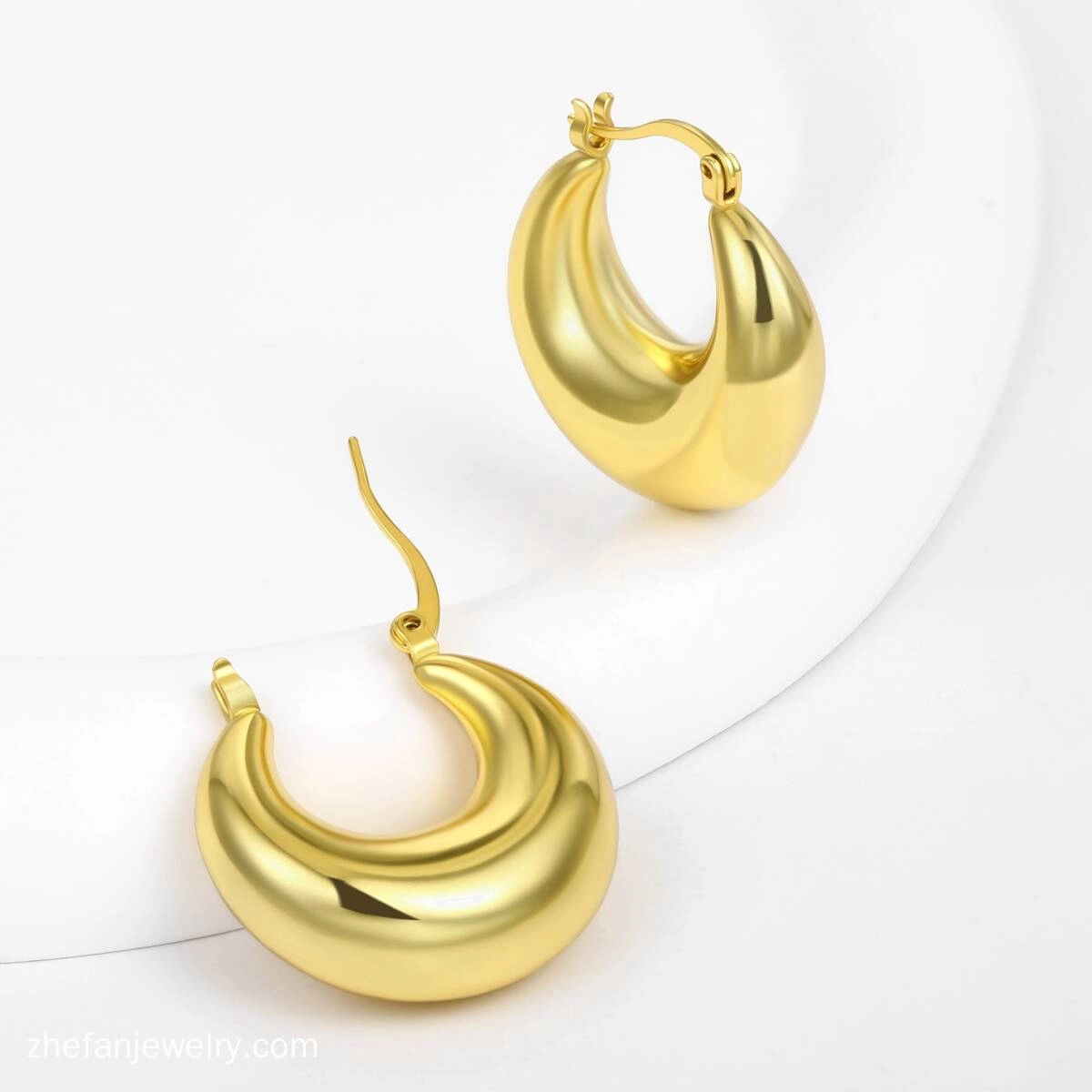
Launch Your Brand: A Guide to Sourcing Custom Wholesale Brass Huggie Earrings
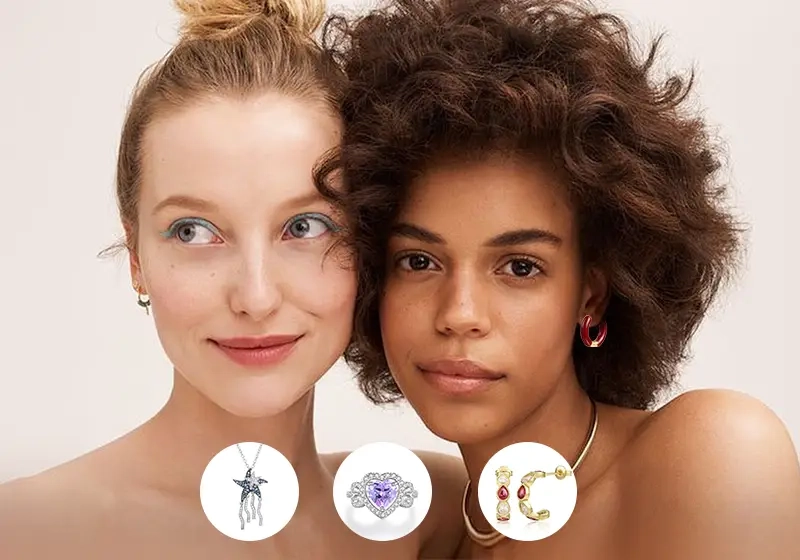
How to Choose the Right Jewelry for Your Skin Tone
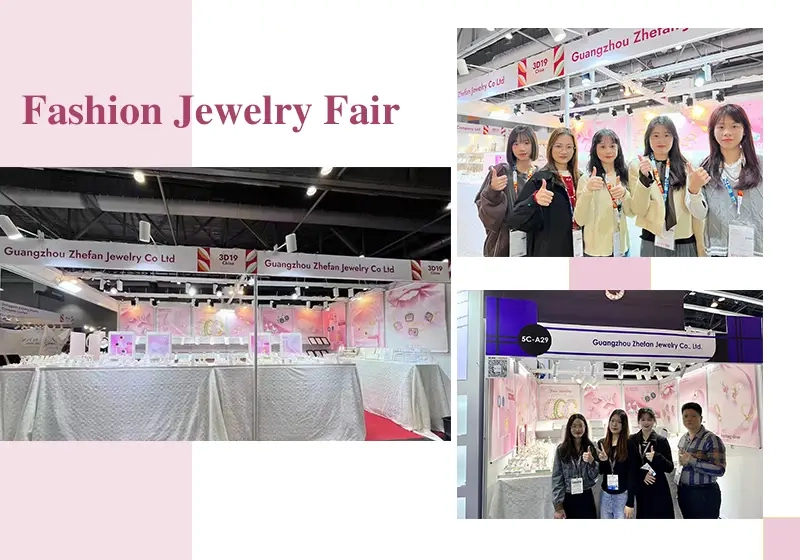
Zhefan Jewelry Will Attend Hong Kong Jewelry Fair
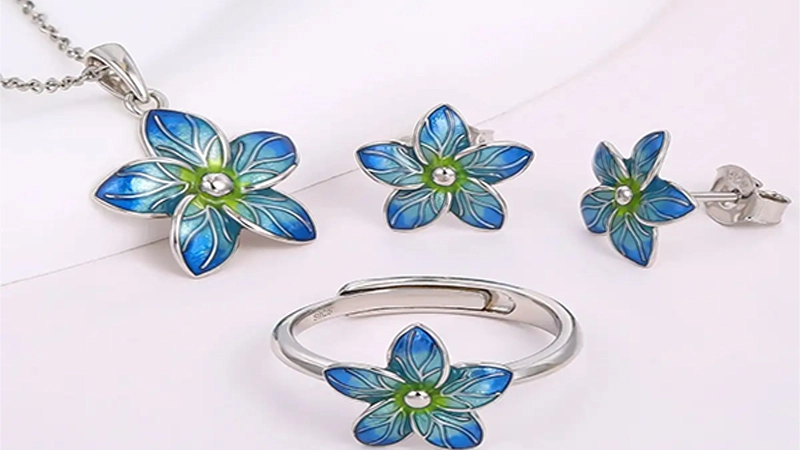
The Secret Life of Your Silver: How 925 Sterling Jewelry Comes to Exist
Prdoucts Categories
FAQ
Products
What services can we provide?
Accepted Delivery Terms: FOB, CIF, EXW, Express Delivery;
Accepted Payment Currency: USD, EUR, JPY, CAD, AUD, HKD, GBP, CNY, CHF;
Accepted Payment Type: T/T, L/C, MoneyGram, Credit Card, PayPal, Western Union, Cash, Escrow;
Language Spoken: English, Chinese, Spanish, Japanese, Portuguese, German, Arabic, French, Russian, Korean, Hindi, Italian.
What can you buy from us?
Rings, Necklace, Earrings, Bracelet, Pendant, Anklet, Brooch, Jewelry.
What’s the shipment method? How long does it take for delivery?
Our product distributed to all over the world. Shipped by DHL / Fedex / TNT / UPS takes 3-7 days, Epacket takes 7-15 days, China Post takes 15-30 days.
FAQs
Can I see your product test report?
Of course.Our product throught standar test like SGS.We test in many ways of product.
What is the material of the jewelry?
Most of the jewelry is made of 925 sterling silver, brass or 316 stainless steel or custom material,which can cover different procurement demand.
How long does it take for the product to fade?
The normal electroplating quality color retention time of our products is 5 times longer than the market, and the thicker electroplating can retain color for three years.
Discuss Your Ideas with a Professional Custom Jewelry Manufacturer
We provide personalized jewelry customization services for clients worldwide.
Rest assured that your privacy is important to us, and all information provided will be handled with the utmost confidentiality.
By clicking 'Send Inquiry Now' I agree to ZHEFAN JEWELRY processing my personal data.
To see how to withdraw your consent, how to control your personal data and how we process it, please see our Privacy Policy and Terms of use.
From design to production, ZHEFAN JEWELRY offers a one-stop solution to help you enhance your brand value and market competitiveness.
Get A Quote
Contact
Tel: (+86) 188 1927 7817
© 2026 Zhefan Jewelry. All Rights Reserved.
Facebook
Instagram
YouTube
Whatsapp: +8618819277817