






Email: sales3@zhefanjewelry.com
Can custom gold plated earrings be made with real gemstones?
Practical guide for buyers and small brands on custom gold plated earrings: plating types (vermeil, gold-filled, PVD), micron thickness, base metals, real-gemstone setting risks, hypoallergenic choices, care, re-plating and realistic MOQs and costs.
- 1. How long will custom gold plated earrings last with daily wear — how do micron thickness and the base metal determine real-world longevity?
- 2. Can custom gold plated earrings be made with real gemstones without risking damage during plating and finishing?
- 3. How can I ensure custom gold plated earrings won’t trigger allergies — what base metals, testing and claims should I require from suppliers?
- 4. What’s the difference between vermeil, gold-filled, PVD and standard gold plating for custom earrings — and which should I choose for small-batch orders?
- 5. How should I design custom gold plated earrings to make future re-plating and repairs easy without losing details or settings?
- 6. What realistic MOQs, lead times and cost breakdowns should I expect when ordering custom gold plated earrings from a manufacturer?
- Concluding summary: Advantages of choosing custom gold plated earrings
Can Custom Gold Plated Earrings Be Made with Real Gemstones? A Practical Buyer’s Guide
This guide answers six detailed, industry-focused questions beginners often search for when ordering custom gold plated earrings. It covers plating types (vermeil, PVD, gold-filled), micron thickness, base metals, setting methods for genuine gemstones, hypoallergenic strategies, care, re‑plating and realistic MOQs and lead times.
1. How long will custom gold plated earrings last with daily wear — how do micron thickness and the base metal determine real-world longevity?
Durability of gold plated earrings depends primarily on three measurable factors: the thickness of the gold layer (microns), the plating method (electroplating vs PVD vs vermeil standard), and the base metal (sterling silver, brass, copper). Typical industry ranges and what they mean in practice:
- Flash plating (≈0.05–0.3 µm): least durable. With daily wear, expect visible wear within weeks to a few months.
- Standard electroplating (≈0.5–1.0 µm): moderate durability. Light everyday wear typically shows signs in 6–18 months depending on exposure to moisture, sweat and friction.
- Heavier plating / vermeil threshold (≥2.5 µm on sterling silver): significantly more durable. Vermeil coatings (sterling silver + ≥2.5 µm gold, 10K+) regularly last 1–5+ years under normal wear before re-plating is advisable for aesthetic reasons.
- PVD (Physical Vapor Deposition) coatings: not measured the same way as electroplating thickness alone, but PVD produces a harder, more adherent gold-tone layer resistant to scratching and discoloration. PVD often outperforms standard electroplating in high-wear situations.
Base metal matters: sterling silver is a preferred base because it does not rust and is compatible with the vermeil standard; nickel-containing brass or plated copper can tarnish beneath the gold layer and cause color bleed once plating wears. For longevity and hypoallergenic performance, request nickel-free brass or sterling silver base and specify target micron thickness or PVD if you need extended life.
2. Can custom gold plated earrings be made with real gemstones without risking damage during plating and finishing?
Yes — with careful design and communication — but there are important constraints many beginners miss. The main risks are chemical exposure during electroplating, mechanical stress during finishing (polishing, tumbling), and adhesives/setting methods that are incompatible with plating workflows.
Practical recommendations:
- Specify that stones should be set after plating when possible. For prong and bezel settings, manufacturers commonly plate the metal parts first, then set the stones afterwards to avoid chemical exposure and avoid trapping plating residue beneath stones.
- If stones must be set before plating (rare), choose heat-and-chemical-stable gems (diamonds, sapphires, rubies — Mohs 9–10) and insulate or mask the stones. Soft or porous gems (pearls, opals, turquoise, amber) should never be plated or submerged during plating; they will be damaged.
- Avoid glued settings for genuine stones in plated fashion jewelry; solvent exposure can weaken glue during production or future cleaning. Mechanical settings (bezel, secure prong) are preferred for longevity and for re-setting during re-plating services.
- Discuss post-plating stone setting with your manufacturer to ensure they use appropriate adhesives or mechanical settings compatible with future re‑plating and repairs.
Bottom line: you can absolutely have genuine gemstones in custom gold plated earrings, but insist the manufacturer outlines whether stones are set before or after plating, what masking is used, and whether an artisan will hand-set delicate stones after plating to avoid damage.
3. How can I ensure custom gold plated earrings won’t trigger allergies — what base metals, testing and claims should I require from suppliers?
“Hypoallergenic” is not a regulated term in many markets, so you must specify materials and testing. Key actions to reduce allergic risk:
- Request nickel-free base metals. Common safe choices: sterling silver (925), titanium posts, surgical stainless steel (316L) or nickel-free brass alloys. If brass is used, ask for nickel-free certification.
- Consider vermeil (sterling silver + thick gold plating) or gold-filled (mechanically bonded thicker gold layer — often 5% by weight), both present much lower surface nickel exposure than thin plated brass pieces.
- Ask suppliers for material test reports or third-party assay results (XRF testing is common) verifying sterling silver content, nickel absence or levels below regulatory thresholds (e.g., EU REACH nickel release limits where applicable).
- For ear posts, choose solid sterling silver, gold-filled, or titanium posts rather than plated posts. Posts are the primary skin-contact point and are where reactions most often occur.
Insist on clear material declarations in your purchase terms; if your market requires CE or REACH compliance, request documentation. For direct-to-consumer sales, specifying “sterling silver posts, nickel-free base, and vermeil or PVD finish” gives buyers confidence and reduces returns due to skin reactions.
4. What’s the difference between vermeil, gold-filled, PVD and standard gold plating for custom earrings — and which should I choose for small-batch orders?
Understanding the differences helps match cost, durability and perceived value to your product goals:
- Vermeil: sterling silver base with at least 2.5 µm of gold (usually ≥10K gold). Offers excellent value-perceived quality and is a recognized standard in many markets. Best when you want a High Quality finish without solid gold cost.
- Gold-filled: a mechanically bonded layer of gold (thicker than plating) — often around 5% of the total weight — very durable and long-lasting. Not the same as vermeil because base metal can be brass or other; gold-filled is heavier and more expensive than plating.
- PVD (Physical Vapor Deposition): a vacuum process that deposits a thin but hard and strongly adherent gold-colored layer. PVD is more scratch-resistant and resists discoloration better than conventional electroplating for many metals. It’s a strong choice for high-wear earring components and colored gold tones (rose, black-gold tones) with consistent results.
- Standard electroplating: cost-effective and flexible (many colors, finishes) but typically thinner and less durable unless you specify heavier micron builds.
For small-batch production: artisans and smaller manufacturers can do single-piece or low-MOQ vermeil or PVD runs, but cost per unit increases. If you need High Quality perceived value and mid‑term durability, specify vermeil on sterling silver or PVD on a nickel-free base. If budget is tight and the target is fashion jewelry with occasional wear, standard electroplating with 0.8–1.2 µm and protective lacquer may be sufficient.
5. How should I design custom gold plated earrings to make future re-plating and repairs easy without losing details or settings?
Design decisions at the drafting stage influence serviceability later. Key design guidelines:
- Avoid glued-in stones sitting in pockets that trap plating residue. Prefer mechanical settings (bezel, prong) that can be opened/closed for stone removal and re-setting.
- Minimize deep undercuts, hidden cavities and multiple dissimilar-metal joins that make stripping and re-plating difficult. Simple join points and solder access are easier to disassemble for repair.
- Use removable components where possible (screw-in posts, detachable hoops) so highly worn parts can be replaced or re-plated independently.
- Specify plating edges and areas: ask the factory to leave internal cavities or set collars unplated if that preserves adhesion or avoids stone damage. Document these choices in the production spec sheet so re-plating shops know the intended scope.
- Keep prongs slightly larger on plated pieces to account for metal removal during reworking. Experienced setters will account for plating thickness when closing prongs after re-plating.
Providing clear tech drawings and requesting a pre-production sample (PPS) will prevent surprise issues when re-plating or repairing later. Ask the manufacturer whether they offer a re‑plating and repair program and what parts are considered replaceable versus refundable.
6. What realistic MOQs, lead times and cost breakdowns should I expect when ordering custom gold plated earrings from a manufacturer?
MOQs, lead times and pricing vary widely by region and vendor type (artisan bench vs factory). Typical real-world ranges to use for planning:
- MOQ:
- Independent artisans: 1–20 pairs (higher unit cost, useful for samples and one-off custom work).
- Small factories/trade suppliers: 50–200 pairs per style is common for electroplated custom runs; vermeil and gold-filled may have higher MOQs depending on tooling.
- Larger contract manufacturers: MOQs of several hundred to thousands for specialized tooling or very specific plating specifications.
- Lead times:
- Prototype/sample: 7–21 days depending on complexity and stone setting needs.
- Small-batch production: 2–6 weeks typical (includes plating time, stone setting and QC).
- Larger runs or complex vraiment (vermeil/PVD + gem setting): 4–12 weeks possible.
- Cost factors (per pair rough contributors):
- Raw component costs (base metal, findings, gemstone type and cut).
- Plating type and thickness: flash plating (low cost), heavier electroplating or vermeil (mid cost), PVD (higher cost). Typical incremental plating cost can range from under $1 (flash) to several dollars per piece for heavier builds or PVD — final costs vary by region and volume.
- Stone setting labor: hand-setting genuine stones adds labor and cost; complex settings raise the price more than flat-set CZs or glass.
- Finishing, packaging, and quality control: factor these into per-unit pricing as they scale with volume.
If you need firm numbers, request a detailed quote that itemizes mold/tooling, plating method (and target micron), type of gemstones (synthetic vs natural, carat and cut), labor for setting, and packaging. Compare quotes that include re-plating options or lifetime care plans to understand total cost of ownership for the product line.
Concluding summary: Advantages of choosing custom gold plated earrings
Custom gold plated earrings balance cost, design flexibility and perceived luxury: they allow full customization in shape, plating color (yellow, rose, white), and the incorporation of genuine gemstones while keeping costs far below solid gold. By specifying a quality base metal (sterling silver or nickel-free alloys), selecting appropriate plating technology (heavier electroplating, vermeil, or PVD), and designing for serviceability (mechanical settings, removable components), buyers can achieve durable, hypoallergenic and repairable pieces that are suitable for retail or brand launches. Regular care and a plan for re‑plating extend lifetime and protect customer satisfaction.
For custom quotes, plating specifications, or to discuss setting genuine gemstones in plated designs, contact Zhefan Jewelry at www.zhefanjewelry.com or email sales3@zhefanjewelry.com. Contact us for a quote.
Recommended for you
How to Choose a Custom Ring Manufacturer: 10 Critical Questions for Maximum Quality (2026 Guide)
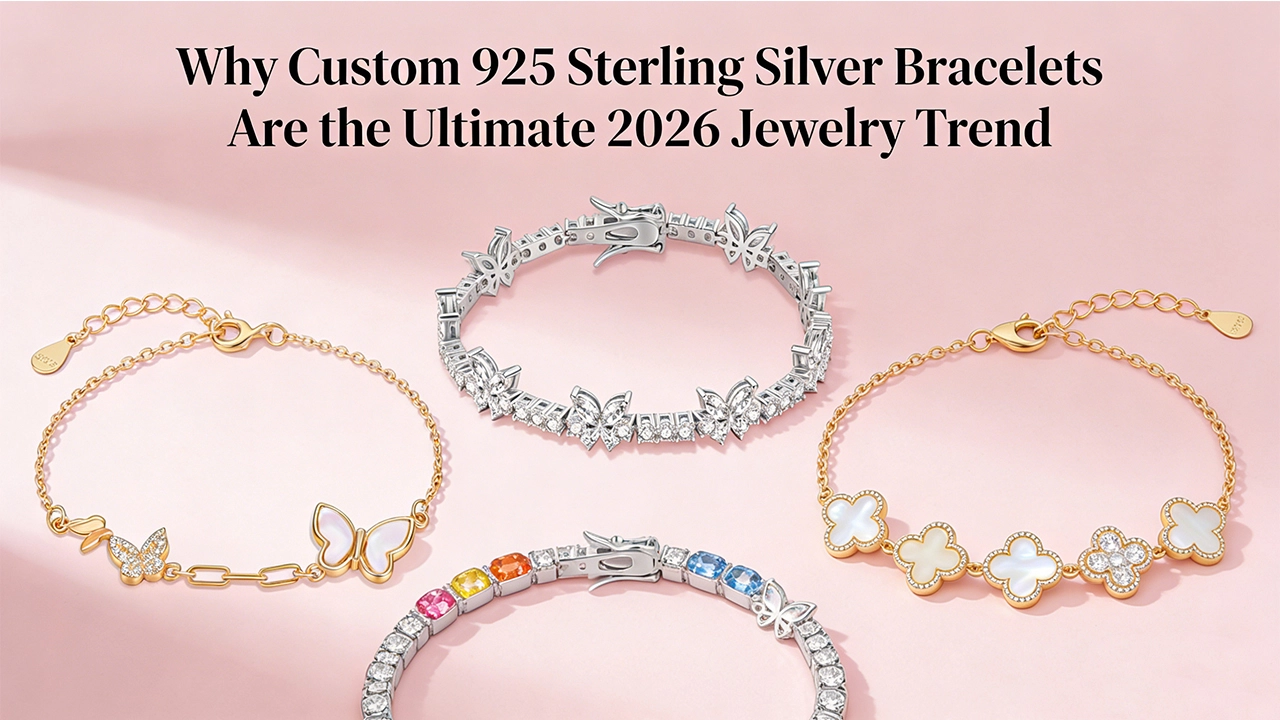
Why Custom 925 Sterling Silver Bracelets Are the Ultimate 2026 Jewelry Trend
2026 Wholesale Trends: Why Your Brand Needs Custom Sterling Silver Jewelry
The Secret Behind Premium Quality: 7 International Standards for 925 Sterling Silver Rings
12 Unique Custom 925 Silver Bracelet Ideas That Go Beyond Basic Engraving (2026 Guide)
How to Choose the Right Jewelry for Your Skin Tone
Prdoucts Categories
FAQ
FAQs
Can I see your product test report?
Of course.Our product throught standar test like SGS.We test in many ways of product.
What’s the lead time? .
We could arrange shipment for you within 48 hours if you order models in stock. For bulk order, it
takes 10-25 days for production depending on order quantity and styles.
How long does it take for the product to fade?
The normal electroplating quality color retention time of our products is 5 times longer than the market, and the thicker electroplating can retain color for three years.
Can you engrave my logo on the jewelry ?Do you supply OEM/ODM service?
Yes. Custom logo and OEM/ODM are both accepted. Our factory specializes in jewelry manufacturing for 27 years.We can produce jewelry by your sample, design, pictures, even by an idea.Please feel free to contact us for more details. Custom order process:Inquiry-Confirm products details-Pay mold fee -Confirm CAD draft-Quote-Initial payment-Produce mold&sample-Confirm Sample-Mass production-Balance payment-Shipment-Track shipment-delivery.
Products
How long will the plating color last?
Generally 6 month for Water Plated color , 1 - 2 years for vacuum plated color if in proper wearing.
Do you offer after-sales warranty service?
Yes, we will refund or resend products if fading, stone falling off and other quality problems found in 1 month receipt of goods. Furthermore, we offer 1 year after-sales warranty service, but you need pay the shipping charge.
Discuss Your Ideas with a Professional Custom Jewelry Manufacturer
We provide personalized jewelry customization services for clients worldwide.
Rest assured that your privacy is important to us, and all information provided will be handled with the utmost confidentiality.
By clicking 'Send Inquiry Now' I agree to ZHEFAN JEWELRY processing my personal data.
To see how to withdraw your consent, how to control your personal data and how we process it, please see our Privacy Policy and Terms of use.
From design to production, ZHEFAN JEWELRY offers a one-stop solution to help you enhance your brand value and market competitiveness.
Get A Quote
Contact
Tel: (+86) 188 1927 7817
© 2026 Zhefan Jewelry. All Rights Reserved.
Facebook
Instagram
YouTube
Whatsapp: +8618819277817