






Email: sales3@zhefanjewelry.com
What customization options exist for gold plated earring designs?
Practical, expert answers for designers and buyers about plating thickness, hypoallergenic bases, PVD vs electroplating, MOQs, post design, and care for custom gold plated earrings to reduce returns and extend wear.
- 1. How many microns of gold plating should I specify for custom gold plated earrings to balance durability and cost?
- 2. Which base metals and hypoallergenic options should I choose for custom gold plated earrings to avoid nickel reactions?
- 3. Should I specify PVD (Physical Vapor Deposition) or traditional electroplating for color consistency and scratch resistance?
- 4. What realistic MOQ, lead times and cost drivers should I expect when ordering custom gold plated earrings with CZ stones and engraving?
- 5. How should I design posts, backs and attachment points for custom gold plated stud earrings to prevent bending, corrosion and premature wear?
- 6. What finishing, QA and care instructions should I give buyers to reduce returns and align customer expectations for custom gold plated earrings?
1. How many microns of gold plating should I specify for custom gold plated earrings to balance durability and cost?
Specify plating by both thickness (microns) and method. In industry practice, a reliable baseline is: flash plating (very thin, fractions of a micron) for fashion pieces, standard plating (~0.3–1 µm) for short-term wear, heavy plating (~1–3 µm) for extended wear, and vermeil (≥2.5 µm over sterling silver) where US vermeil standards apply. The Federal Trade Commission definition used in the U.S. requires at least 2.5 microns of gold over sterling silver for vermeil labeling; this is a useful benchmark if you want a High Quality feel without solid gold.
Tradeoffs: thicker gold (higher microns) increases wear-resistance and reduces visible base-metal exposure on high-friction areas (posts, edges), but raises cost and may require longer plating cycles. For everyday-wear studs and hoops that customers will wear daily, aim for heavy plating (1–3 µm) or PVD (see next question). For occasional-wear costume earrings, standard plating may be acceptable.
Actions for buyers/designers: specify target microns in the tech pack and ask suppliers to confirm measurement method (XRF or coulometry). If longevity is critical, require a prototype with declared thickness plus an adhesion/salt-spray report or XRF scan before bulk release.
2. Which base metals and hypoallergenic options should I choose for custom gold plated earrings to avoid nickel reactions?
Nickel allergies are the most common metal-sensitivity issue. Base-metal choice matters: sterling silver (925 silver), 316L surgical stainless steel, and titanium are the safest mainstream bases. Sterling silver + vermeil is hypoallergenic for many wearers. 316L stainless steel is durable and widely accepted as allergy-safe when nickel release is controlled. Titanium is the top hypoallergenic option but costs more and is more complex to plate.
If you must use brass for cost reasons, specify nickel-free brass and ask for nickel-release testing or a nickel-free declaration. Another practical approach is to plate critical contact points (posts, ear wires) with solid-filled posts (gold-filled or gold-soldered posts) or use separate stainless/sterling posts attached to the plated body. Adding a thin inert underlayer (e.g., rhodium or nickel-free copper underplating) can improve adhesion and prevent galvanic reactions—though avoid nickel underplating if targeting allergy-sensitive markets.
3. Should I specify PVD (Physical Vapor Deposition) or traditional electroplating for color consistency and scratch resistance?
PVD and electroplating are different technologies. Electroplating deposits gold via an electrolytic process; it’s cost-effective and standard for most fashion jewelry. PVD is a vapor-deposition process producing an extremely dense, well-adhered metallic film that resists abrasion and fading better than comparable-thickness electroplating.
Decision factors:- Durability: PVD generally outperforms electroplating in scratch resistance and color stability, especially for warm gold tones and black/rose alternatives.- Cost: PVD is more expensive per piece but can reduce returns and warranty repairs.- Thickness: PVD coatings are usually thin but very dense; verify supplier lifespan data rather than microns alone.- Color options: PVD gives consistent color batches; electroplating can vary with bath chemistry and maintenance.
Recommendation: For higher-end custom collections where longevity and consistent tone matter, specify PVD or PVD topcoat over electroplating. For budget lines, specify heavier electroplating microns, rigorous plating-bath maintenance, and a protective lacquer or topcoat.
4. What realistic MOQ, lead times and cost drivers should I expect when ordering custom gold plated earrings with CZ stones and engraving?
Typical supplier ranges (industry-observed): MOQ often sits between 100–500 pairs for fully custom tooling. Some factories offer low-MOQ programs (50–100 pairs) but may include higher unit costs or tooling surcharges. Lead times: rapid sample/prototype runs can take 1–3 weeks; tooling and production typically add 4–8 weeks depending on complexity, plating schedules, and stone-setting workloads.
Main cost drivers:- Tooling and dies (one-time cost for stamped or forged shapes)- Plating method and thickness (PVD vs heavy electroplating)- Base metal selection (sterling/titanium vs brass)- Stone type and setting method (lab-CZ vs natural stones; pave vs single-set)- Surface finishes, engraving or laser personalization- Packaging, QC standards, and small-batch runs
To control costs: consolidate SKUs, specify modular designs (same base shape with different finishes), agree on clear tolerances, and request a detailed cost breakdown from your manufacturer (tooling amortization, plating cycles, stone-setting labor).
5. How should I design posts, backs and attachment points for custom gold plated stud earrings to prevent bending, corrosion and premature wear?
Design decisions that reduce returns:- Post Material: Use 316L stainless or sterling silver posts for strength and hypoallergenic performance. If the earring body is plated brass, attach a separate post that is soldered or laser-welded into place and then plated to match the finish.- Post Gauge: Choose thicker posts (e.g., 0.8–0.9 mm for studs; 0.9–1.2 mm for heavier designs) to prevent bending. Match the gauge to ear comfort expectations for your market.- Attachment Method: Mechanical press-fit is cheaper but less durable than soldering or laser welding. Soldered or welded joints resist fatigue from repeated insertions.- Backs: Provide options—friction push backs for fashion lines, secure screw backs or locking backs for High Quality pieces. Specify back material to match hypoallergenic needs.- Corrosion Protection: Where base metals contact skin, consider gold-filled or solid-gold posts, or apply a thin PVD or rhodium topcoat to contact surfaces. This prevents galvanic corrosion and reduces color transfer on skin.
6. What finishing, QA and care instructions should I give buyers to reduce returns and align customer expectations for custom gold plated earrings?
Provide a clear, printed care card and QC checklist. Components of a good care card:- Wear guidance: avoid sleeping, showering, swimming, or applying perfumes/lotions while wearing plated jewelry.- Cleaning: wipe with a lint-free microfiber after wear; mild soap and water for light cleaning; avoid ultrasonic cleaners on some plated surfaces and glued stones.- Storage: store in anti-tarnish pouches or individual compartments to limit abrasion and moisture exposure.- Expected lifespan: provide an honest range based on plating type (e.g., months for flash plating; 1–3+ years for heavy electroplate or PVD under normal wear). Avoid promising solid-gold lifespans.
Quality Assurance steps suppliers should follow (ask for these reports): measurement of plating thickness by XRF, adhesion/salt-spray or wear-simulation tests, visual batch inspections under magnification, stone security checks, and tensile/tear tests for attachments. Requiring these checks reduces returns and supports warranty claims.
Concluding paragraph: Custom gold plated earrings give designers and retailers a high-value, lower-cost alternative to solid gold when you use the right base metal, specify adequate plating (or PVD), design robust posts and settings, and communicate realistic care and warranty expectations. The advantages include attractive price-to-look ratio, fast styling flexibility, and the ability to offer hypoallergenic or vermeil variants for High Quality segmentation—while minimizing returns through clear technical specs and QA requirements.
For a custom quote, prototype timelines, or to request plating and material certificates, contact us at www.zhefanjewelry.com or email sales3@zhefanjewelry.com.
Recommended for you
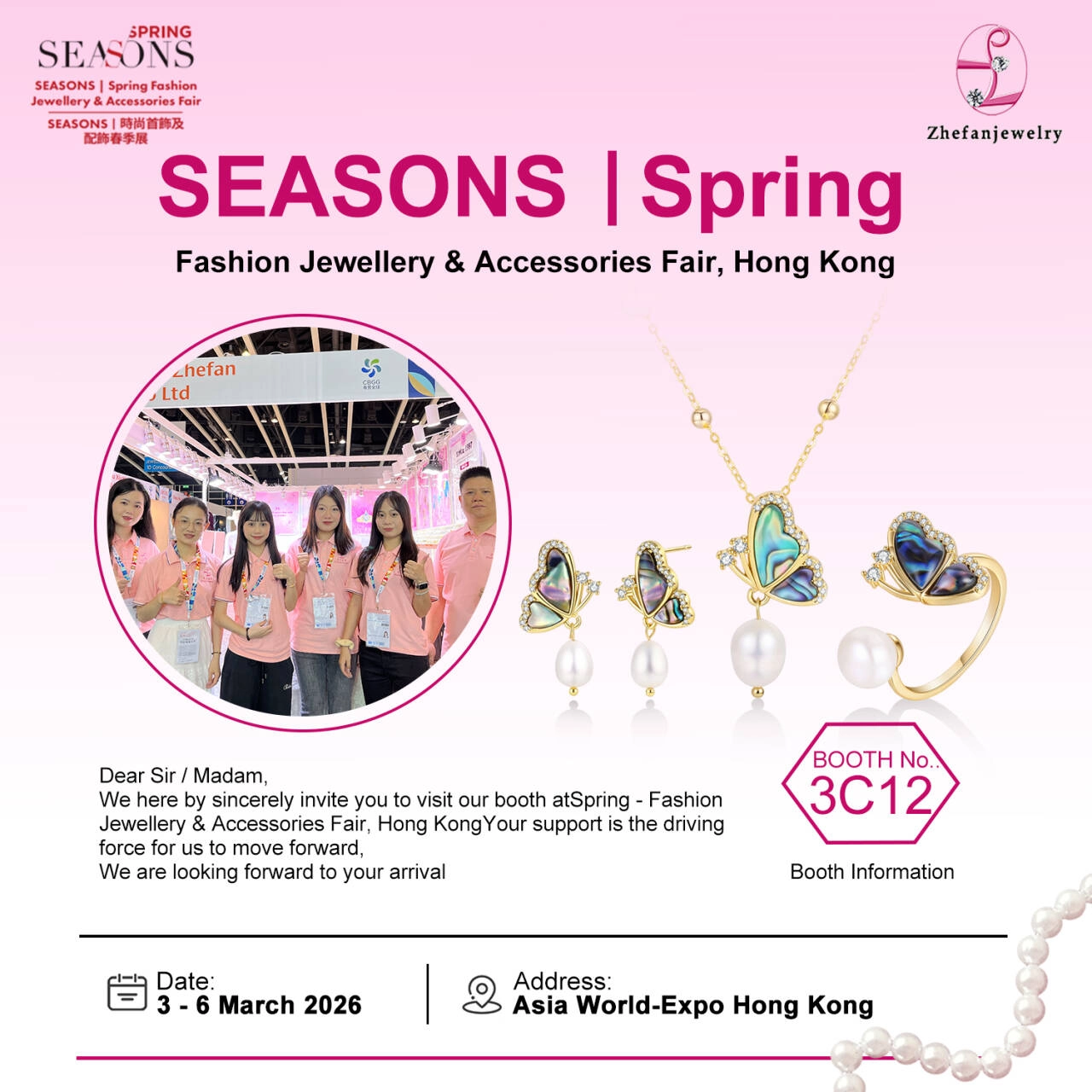
Zhefan Jewelry Invites You to Attend the Hong Kong Jewellery Exhibition 2026
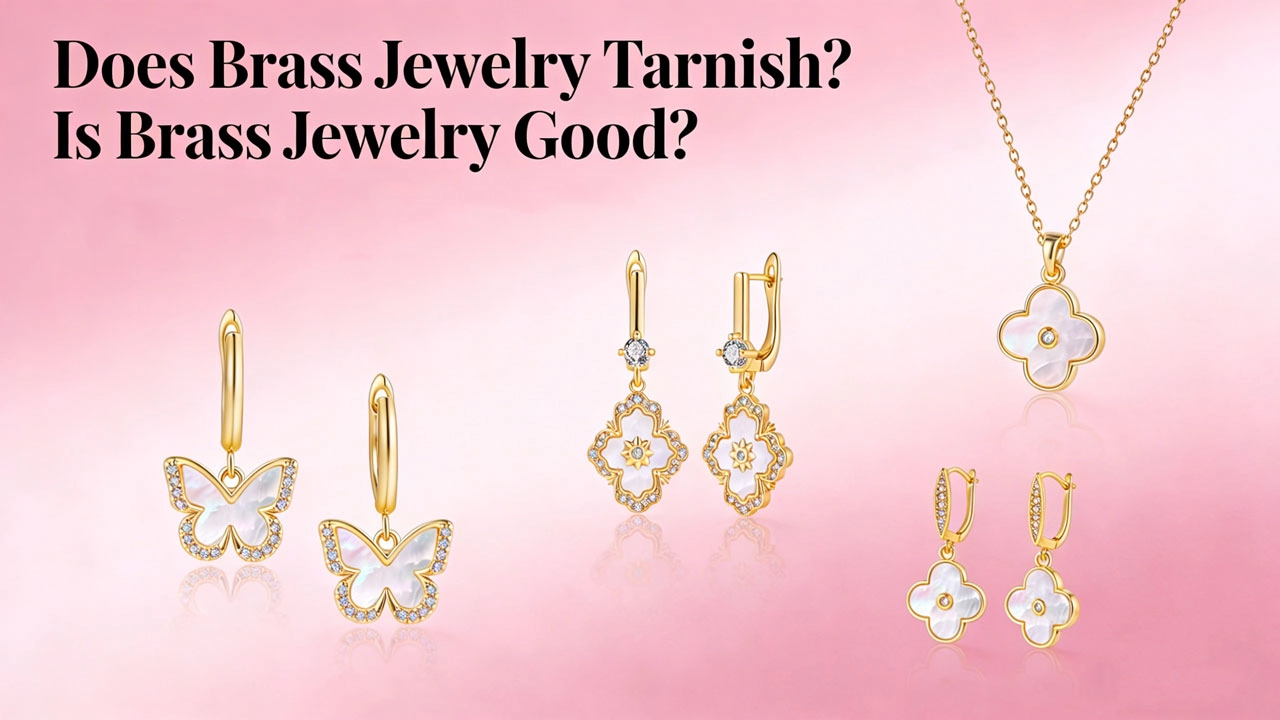
Does Brass Jewelry Tarnish? Is Brass Jewelry Good? Complete Guide from a Professional Jewelry Manufacturer
Choosing the Right Metal for Jewelry Making - Practical Guide
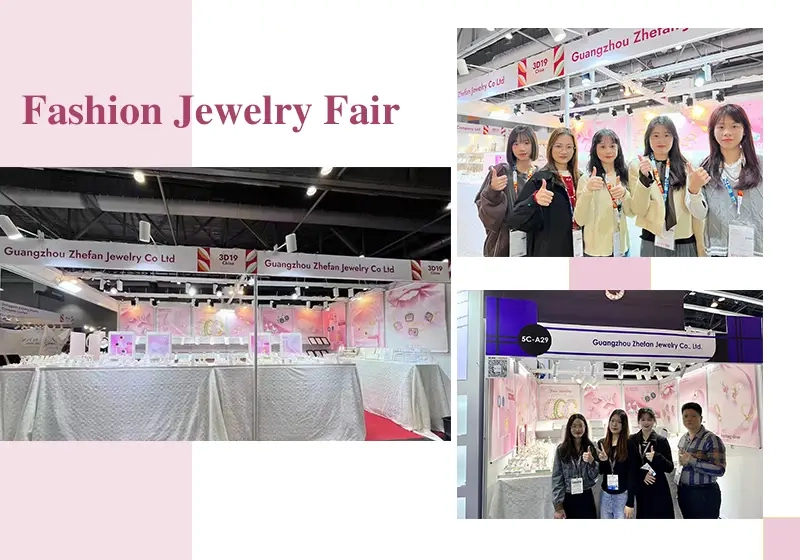
Zhefan Jewelry Will Attend Hong Kong Jewelry Fair
The Secret Life of Your Silver: How 925 Sterling Jewelry Comes to Exist
2026 Wholesale Trends: Why Your Brand Needs Custom Sterling Silver Jewelry
Prdoucts Categories
FAQ
Products
What’s the lead time?
We could arrange shipment for you within 48 hours if you order models in stock. For bulk order, it takes 10-25 days for production depending on order quantity and styles.
How long will the plating color last?
Generally 6 month for Water Plated color , 1 - 2 years for vacuum plated color if in proper wearing.
Can you engrave my logo on the jewelry ?Do you supply OEM/ODM service?
Yes. Custom logo and OEM/ODM are both accepted.Our factory specializes in jewelry manufacturing for 25 years.We can produce jewelry by your sample, design, pictures, even by an idea.Please feel free to contact us for more details. Custom order process: Inquiry-Confirm products details-Pay mold fee -Confirm CAD draft-Quote-Initial payment-Produce mold & sample-Confirm Sample-Mass production-Balance payment-Shipment-Track shipment-delivery.
What is your minimum order quantity?
We offer low MOQ from 2 to 30 depending on models. Send your favor model to get details from Trade Manager.
What is the payment method?
Our payment method are Alibaba Trade Assurance(MasterCard, visa, e-Checking, PAYLATER, T/T),T/T, PayPal,Western Union.
FAQs
Do you offer after-sales warranty service?
Yes, we will refund or resend products if fading, stone falling off and other quality problems found in 1 month receipt of goods.Furthermore, we offer 1 year after-sales warranty service, but you need pay the shipping charge.
Discuss Your Ideas with a Professional Custom Jewelry Manufacturer
We provide personalized jewelry customization services for clients worldwide.
Rest assured that your privacy is important to us, and all information provided will be handled with the utmost confidentiality.
By clicking 'Send Inquiry Now' I agree to ZHEFAN JEWELRY processing my personal data.
To see how to withdraw your consent, how to control your personal data and how we process it, please see our Privacy Policy and Terms of use.
From design to production, ZHEFAN JEWELRY offers a one-stop solution to help you enhance your brand value and market competitiveness.
Get A Quote
Contact
Tel: (+86) 188 1927 7817
© 2026 Zhefan Jewelry. All Rights Reserved.
Facebook
Instagram
YouTube
Whatsapp: +8618819277817