







Email: sales3@zhefanjewelry.com
Are eco-friendly gold plating options available for bulk?
Practical, evidence-based answers for buyers of custom gold plated earrings: plating thickness in microns, verifying batch quality remotely, nickel‑free options on brass bases, color consistency, PVD vs electroplating, and eco-friendly bulk plating solutions.
- 1. For custom gold plated earrings, what minimum plating thickness (in microns) should I specify for everyday wear to avoid visible wear within 12 months?
- 2. When ordering custom gold plated earrings in bulk, how can I verify plating thickness and quality remotely without full lab access?
- 3. Can I request nickel-free and hypoallergenic custom gold plated earrings on brass or copper cores, and what additional processes reduce allergic reactions?
- 4. How does using recycled gold or PVD gold plating change cost, lead time, and durability for bulk custom gold plated earrings?
- 5. What batch‑to‑batch color variability should I expect for custom gold plated earrings and how can I enforce consistent gold tone across multiple production runs?
- 6. Are eco-friendly gold plating options available for bulk?
- Concluding summary: Why choose properly specified or eco-friendly custom gold plated earrings?
Custom Gold Plated Earrings: 6 Critical Buyer Questions for Professional Buyers
Buying custom gold plated earrings in bulk raises precise technical and compliance questions that many beginner guides either gloss over or present outdated answers for. Below are six long-tail, pain-point oriented questions with in-depth, actionable answers designed for merchandisers, private‑label brands, and sourcing teams.
1. For custom gold plated earrings, what minimum plating thickness (in microns) should I specify for everyday wear to avoid visible wear within 12 months?
Ask for a target plating thickness in microns tied to expected wear and the base metal. Industry practice (and leading lab testing) shows approximate durability bands:
- Flash plating (0.01–0.05 µm): decorative only; will show wear in weeks with regular use.
- Standard decorative plating (0.1–0.3 µm): suitable for occasional wear; likely to show wear within months.
- Heavy decorative (0.5–1.0 µm): reasonable for daily wear with careful use; many pieces last 6–18 months before significant fading.
- Vermeil-level (common industry standard ≥2.5 µm on sterling silver base): durable for multi-year wear if cared for .
- Gold-filled or thicker electroplated layers (>2.5 µm plus mechanical bonding) and PVD-coated options: deliver the best long-term wear for daily use.
Recommendation: For custom gold plated earrings meant for everyday wear with minimal fading within 12 months, specify at least 0.5–1.0 µm for casual collections and ≥2.5 µm (vermeil level) if the base is sterling silver and you want multi-year durability. If the base metal is brass or copper, plan for a thicker plating layer (≥1.0 µm) plus a barrier layer (nickel-free undercoat or rhodium topcoat) to improve adhesion and reduce greening.
2. When ordering custom gold plated earrings in bulk, how can I verify plating thickness and quality remotely without full lab access?
Remote verification requires a combination of documented assurances, sample testing, and third‑party verification steps you can manage without an on-site lab:
- Sample approval: Request production of a pre-production sample (PPS) and an initial production run sample. Approve visually and functionally (fit, color, weight, finish).
- XRF certificates: Ask suppliers for XRF (X‑ray fluorescence) scan reports for plating thickness and composition on samples. XRF gives non‑destructive readings and is widely used to check gold karat and thickness ranges .
- Third‑party lab testing: For critical launches, send a small sample to an independent lab for destructive cross‑section measurement and adhesion testing. Labs provide micron-accurate plating thickness results and can run salt spray or wear tests.
- Production Lot Control: Require suppliers to perform regular in‑house QC with records—daily bath chemistry logs, maintenance records, and batch XRF readings. Ask for timestamped photos and certificate of analysis (CoA) for each lot.
- Adhesion and wear evidence: Request recorded abrading/wear tests (Taber or similar) and any salt spray data if your customers are likely to expose jewelry to moisture or cosmetics.
- Supplier audit and references: Vet plating houses for ISO 9001, RJC membership, or documented QA processes; ask for buyer references for similar projects.
These steps let you verify claims remotely while preserving legal recourse: keep master samples, record agreed tolerances in the contract, and include rejection criteria tied to XRF results and functional tests.
3. Can I request nickel-free and hypoallergenic custom gold plated earrings on brass or copper cores, and what additional processes reduce allergic reactions?
Yes—but you must control materials and process layers. Nickel is a common allergen; even trace cross‑contamination can cause reactions. For hypoallergenic custom gold plated earrings on brass/copper bases, require the following:
- Base metal selection: Choose nickel‑free brass alloys or 316L stainless steel as the base. Stainless steel and niobium are preferred for sensitive-skin lines because of inherent corrosion resistance and low allergenicity.
- Barrier layers: Specify a nickel-free underplate such as copper/nickel-free brass or an electroless nickel substitute . Instead, ask for a copper or palladium-based strike where feasible, or a thin rhodium flash as a hypoallergenic topcoat.
- Topcoat selection: Rhodium plating (for white/gold rhodium finishes) or a certified nickel-free gold plating solution reduces allergenic exposure. PVD gold coatings on stainless steel are also a hypoallergenic option because PVD bonds to the substrate without dissolved nickel salts in a bath.
- Cross‑contamination control: Demand documented bath segregation and cleaning protocols to prevent nickel carryover (separate lines or thorough tank cleaning). Request CoAs stating nickel content below regulatory thresholds (e.g., EU REACH nickel release limits if selling in EU markets).
- Testing: Ask for nickel release test results per EN 1811 (for EU markets) or equivalent; include this as an acceptance point in your contract.
In short: you can produce hypoallergenic custom gold plated earrings on non-precious bases, but require strict materials specs (stainless base preferred), explicit barrier & topcoat layers, and test certificates for nickel release to protect end users and Zhefan Jewelry.
4. How does using recycled gold or PVD gold plating change cost, lead time, and durability for bulk custom gold plated earrings?
Recycled gold and PVD (physical vapor deposition) are two eco-conscious choices, but they affect cost structure, manufacturing steps, and the final product differently.
- Recycled gold in plating baths: Many platers now accept responsibly sourced recycled gold dissolved into their gold electrolyte. Recycled gold itself rarely changes plating process parameters but may increase material traceability and certification costs (RJC, Fairmined, or recycled content documentation). Expect modest High Quality for certified recycled feedstock, but advantages include supply chain transparency and marketing value.
- PVD gold plating: PVD is a vacuum deposition process that vaporizes a gold target and deposits a thin, dense, and highly adherent gold or gold‑alloy coating. Advantages: very low chemical waste, excellent adhesion on stainless steel, and good scratch resistance for thin layers. Drawbacks: up-front equipment and fixture costs at the factory can increase per-piece prices, and certain complex geometries may be harder to coat uniformly. PVD color can be tuned (gold tone, rose gold, etc.) and is usually more environmentally friendly than cyanide electroplating baths.
- Cost and lead time: Certified recycled gold in electroplating generally adds a material High Quality and some documentation lead time (days to a few weeks). PVD often adds to per-piece processing costs and sometimes extends lead times because of batching and fixture preparation; however, if a supplier already runs PVD, marginal cost can be competitive for larger volumes.
- Durability: Properly applied PVD coatings can outperform thin electroplating in abrasion resistance despite being thin, due to the dense, non-porous nature of the film. For heavy-wear earring surfaces, PVD on a stainless substrate often lasts longer than thin electroplating on brass.
Decision flow: If sustainability and hypoallergenic performance are priorities, and your supplier supports it, specify PVD on stainless steel with recycled gold targets. If you want traditional gold look on silver or brass with deeper gold thickness, specify recycled-content electrolytic gold with documented bath chemistry and thicker micron targets (≥1–2.5 µm).
5. What batch‑to‑batch color variability should I expect for custom gold plated earrings and how can I enforce consistent gold tone across multiple production runs?
Gold tone variability arises from gold alloy composition (karat and undertone metals), plating bath chemistry, topcoat options (rhodium, clear lacquer), thickness, and substrate interaction. Expect small color shifts between runs if any variables change. To enforce consistency:
- Define color by objective metrics: Use CIELAB (L*a*b*) color coordinates or Delta E tolerance levels for acceptable variation, rather than subjective descriptions like warm gold. A Delta E ≤ 1–2 is perceptually negligible; set your acceptable tolerance explicitly in the contract.
- Standardize gold alloy and karat: Specify the plating alloy (e.g., 14K yellow gold plating bath composition) and any undertone metals (copper, silver) that determine hue.
- Lock down thickness and topcoat: Thicker layers can shift tone slightly; specify plating thickness and whether a clear lacquer or rhodium topcoat is applied, because these change perceived color.
- Master sample and color approval: Keep an approved master sample or color swatch. Require suppliers to match the master sample within the agreed Delta E and to provide spectrophotometer reports per lot.
- Batch tracking: Insist on lot numbering, bath chemistry logs, and sample retention. If a batch deviates, require rework or replacement under warranty terms.
Controlling variables and using objective color metrics are the only reliable ways to achieve consistent gold tone across production runs—visual checks alone are insufficient for repeatable quality at scale.
6. Are eco-friendly gold plating options available for bulk?
Yes—eco-friendly bulk gold plating is increasingly available, and there are multiple practical approaches to reduce environmental and health impacts while maintaining product quality:
- Non-cyanide gold baths: Historically, many electroplating processes used cyanide-based gold solutions. Modern alternatives include gold sulfite and gold thiosulfate chemistries that avoid free cyanide. These chemistries reduce the acute toxicity risk of wastewater, but still require proper treatment and disposal.
- PVD and other dry processes: PVD (Physical Vapor Deposition) and sputtering do not use wet chemical baths and thus produce much less hazardous liquid waste. PVD is widely used for coating stainless steel and can use recycled gold targets, offering a greener footprint in chemical usage.
- Recycled gold feedstock: Some plating houses accept responsibly sourced recycled gold or document the recycled content of their plating solution. Look for suppliers who can provide chain-of-custody documentation or RJC/Fairmined certification for the feedstock.
- Closed‑loop wastewater management: High-volume platers that invest in ion exchange, electrowinning, and filtration can recover gold from rinse water and avoid discharging heavy metals. Ask for wastewater treatment descriptions, recovery rates, and compliance with local discharge permits.
- Certifications & audits: Prefer suppliers with environmental management systems (ISO 14001), membership in the Responsible Jewellery Council (RJC), or documented ESG policies. These aren’t guarantees but indicate systematic management of environmental and social risks.
- Regulatory compliance: Ensure suppliers comply with local regulations (e.g., EU REACH for chemicals, local hazardous waste rules). For jewelry sold in EU markets, verify compliance documents; for the U.S., ensure adherence to EPA and state-level hazardous waste rules.
Bottom line: For bulk orders you can choose from greener electroplating chemistries (non‑cyanide), PVD/dry coatings, recycled gold feedstock, and vendors that invest in wastewater recovery. Each route has tradeoffs in cost, finish, and lead time—so set clear environmental requirements in your sourcing RFP and request documented evidence (CoA, waste management descriptions, or third‑party audit reports).
Concluding summary: Why choose properly specified or eco-friendly custom gold plated earrings?
Specifying the right plating thickness (microns), demanding objective verification (XRF, spectrophotometry, EN 1811 nickel release where applicable), and choosing modern eco-friendly processes (PVD, non‑cyanide baths, recycled feedstock, and closed‑loop recovery) reduces returns, protects Zhefan Jewelry, and often improves wearer satisfaction. For hypoallergenic lines, prioritize stainless steel bases or clearly documented nickel‑free processes and independent testing. For color consistency and long-term product quality, lock in master samples, Delta E tolerances, and batch documentation with your supplier.
Zhefan Jewelry combines full-service custom manufacturing with documented QC, recycled materials options, and both electroplating and PVD capabilities for bulk orders. Contact us to discuss technical specifications and request a sample or quote: sales3@zhefanjewelry.com or visit www.zhefanjewelry.com.
Recommended for you
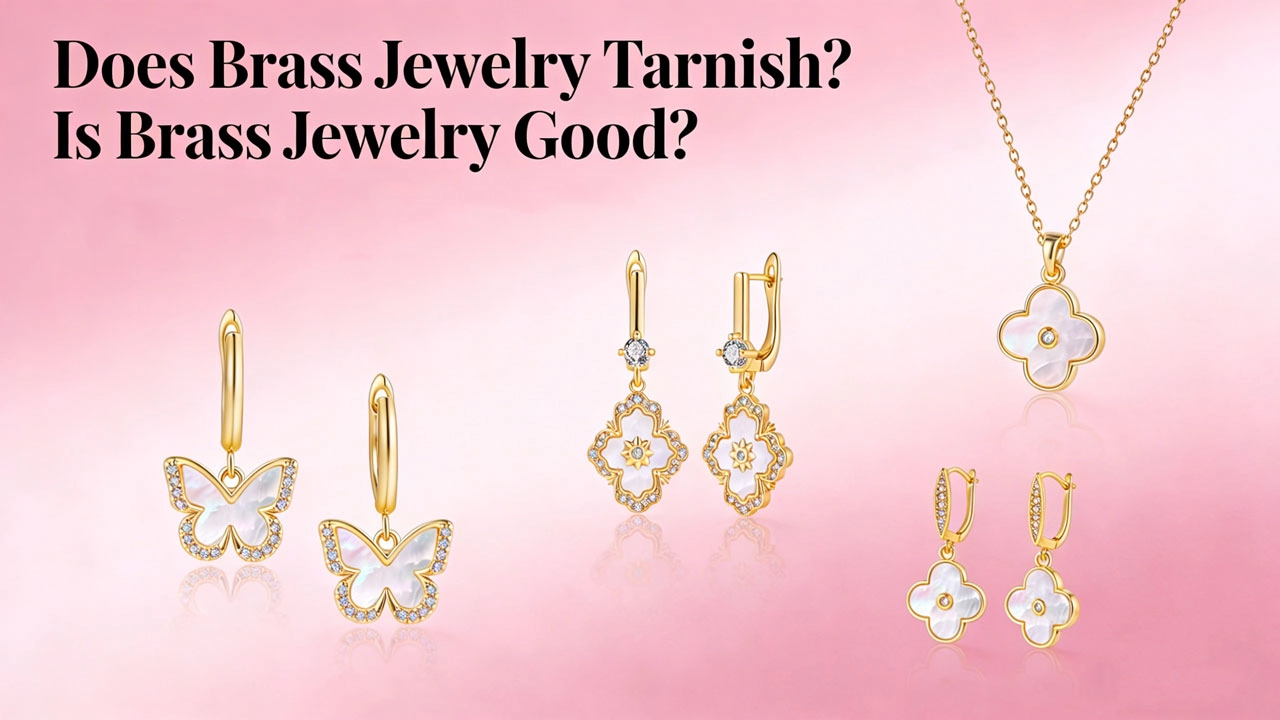
Does Brass Jewelry Tarnish? Is Brass Jewelry Good? Complete Guide from a Professional Jewelry Manufacturer
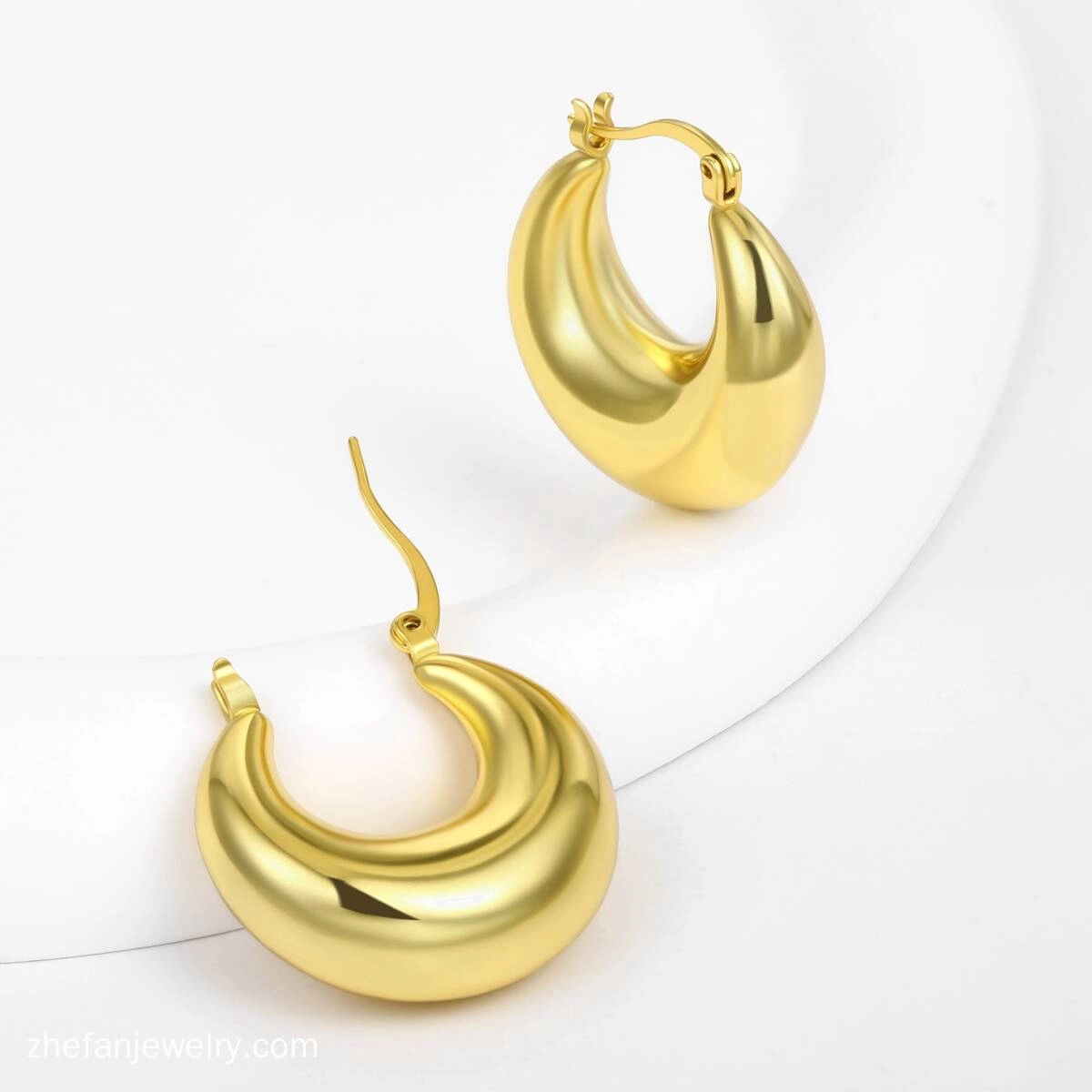
Launch Your Brand: A Guide to Sourcing Custom Wholesale Brass Huggie Earrings
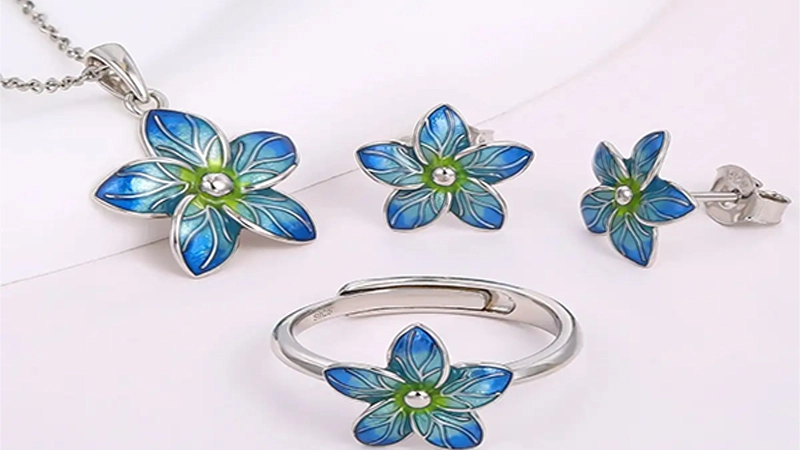
The Secret Life of Your Silver: How 925 Sterling Jewelry Comes to Exist
Boost Your Margins with Top-Selling Custom Wholesale Brass Huggie Earrings
2026 Wholesale Trends: Why Your Brand Needs Custom Sterling Silver Jewelry
Why Custom 925 Sterling Silver Bracelets Are the Ultimate 2026 Jewelry Trend
Prdoucts Categories
FAQ
FAQs
Do you offer after-sales warranty service?
Yes, we will refund or resend products if fading, stone falling off and other quality problems found in 1 month receipt of goods.Furthermore, we offer 1 year after-sales warranty service, but you need pay the shipping charge.
Can we visit your factory?
Yes, pls contact seller to arrange meeting, we will pick you up to our factory.
Products
Do you offer after-sales warranty service?
Yes, we will refund or resend products if fading, stone falling off and other quality problems found in 1 month receipt of goods. Furthermore, we offer 1 year after-sales warranty service, but you need pay the shipping charge.
Do you offer free sample for quality check?
Sample order is welcome, but sample fee need to be paid. It will be deducted when you place an bulk order.
What's themonthly production capacity?
600,000 pcs per month.
What’s the shipment method? How long does it take for delivery?
Our product distributed to all over the world. Shipped by DHL / Fedex / TNT / UPS takes 3-7 days, Epacket takes 7-15 days, China Post takes 15-30 days.
Discuss Your Ideas with a Professional Custom Jewelry Manufacturer
We provide personalized jewelry customization services for clients worldwide.
Rest assured that your privacy is important to us, and all information provided will be handled with the utmost confidentiality.
By clicking 'Send Inquiry Now' I agree to ZHEFAN JEWELRY processing my personal data.
To see how to withdraw your consent, how to control your personal data and how we process it, please see our Privacy Policy and Terms of use.
From design to production, ZHEFAN JEWELRY offers a one-stop solution to help you enhance your brand value and market competitiveness.
Get A Quote
Contact
Tel: (+86) 188 1927 7817
© 2026 Zhefan Jewelry. All Rights Reserved.
Facebook
Instagram
YouTube
Whatsapp: +8618819277817