






Email: sales3@zhefanjewelry.com
How to test the durability of custom gold plated earrings?
Practical, industry-backed answers on testing and buying custom gold plated earrings: plating thickness, verification (XRF), lab and home durability tests, base-metal choices, design details to reduce wear, and acceptance criteria for bulk orders.
- 1. How can I estimate an expected lifetime for custom gold plated earrings based on plating thickness, base metal, and real-world wear?
- 2. Before placing a bulk order, how do I verify a supplier's claimed plating thickness and gold karat without destroying expensive samples?
- 3. How can I simulate sweat, cosmetics, and friction at low cost to predict when plated color will fade?
- 4. Which base metals and post materials cause the fastest plating failure or skin irritation — and what should I insist on for hypoallergenic custom gold plated earrings?
- 5. What design and manufacturing choices reduce wear on plated surfaces (so my custom gold plated earrings last longer)?
- 6. How to test the durability of custom gold plated earrings? (Step-by-step, field- and lab-friendly procedure)
- Final checklist to request from suppliers before approving custom gold plated earring production
How to Test Durability & Choose Custom Gold Plated Earrings: 6 Pro Questions Answered
As experienced jewelry professionals and suppliers, we know buyers need precise, testable criteria when ordering custom gold plated earrings. Below are six long-tail, buyer-focused questions that often lack detailed answers online — each followed by actionable, evidence-based guidance you can use when evaluating samples, creating specs for factories, or testing pieces in-house.
1. How can I estimate an expected lifetime for custom gold plated earrings based on plating thickness, base metal, and real-world wear?
Durability is a function of three primary variables: plating thickness (measured in microns), the base metal and its finish, and the real-world stresses (friction, sweat, cosmetics, salt exposure). Typical industry observations (backed by plating and wear testing labs) are:
- Very thin decorative plating (≈0.1–0.4 µm): cosmetic color that often shows base metal or darkens within months of daily wear.
- Moderate electroplating (≈0.5–1.0 µm): reasonable color retention for light-to-moderate wear (several months to a couple of years depending on wear points).
- Heavy plating / vermeil-level (≥2.5 µm over sterling silver): multi-year durability for everyday wear when well-finished and when posts/contacts are protected.
These ranges are general: an earring with 1 µm plating on a brass post that rubs against skin will typically wear faster than a 1 µm plating over stainless or sterling where friction is lower. For reliable purchasing decisions ask suppliers for exact micron values and the plating method (electroplating vs. PVD) — PVD and thick electroplating generally outperform very thin decorative plating.
2. Before placing a bulk order, how do I verify a supplier's claimed plating thickness and gold karat without destroying expensive samples?
Use non-destructive X-ray fluorescence (XRF) testing as your primary verification tool. Handheld XRF analyzers reliably identify gold karat and estimate coating thickness to a useful precision for commercial jewelry QC. For complete certainty on micron thickness, request a lab report using cross-section metallography or coulometric stripping (destructive) on sacrificial sample pieces.
What to require from suppliers:
- XRF report showing surface composition and karat (e.g., 14K Au over brass).
- Plating thickness stated in microns (µm). For vermeil claim, insist on ≥2.5 µm over sterling silver.
- Process description (electroplating vs. PVD, pre-treatment, barrier layers, and any lacquer or topcoat).
- Sample pieces for your own XRF check and a sacrificial piece for destructive testing if needed.
Keep in mind XRF reads near-surface composition and is influenced by thin overcoats; it’s standard industry practice for initial acceptance checks.
3. How can I simulate sweat, cosmetics, and friction at low cost to predict when plated color will fade?
Combine three practical tests that approximate real-world stresses. These are not replacements for certified lab testing, but they’re actionable for in-house QC and supplier vetting:
- Simulated sweat soak: brief immersion (24–72 hours) in artificial perspiration solution (mild alkaline saline with urea and lactic acid — many labs use standardized formulations) at 37°C, then inspect for discoloration or plating lift. This approximates chemical attack by skin and cosmetics. If a supplier cannot provide lab results, ask for photos and a signed test log.
- Abrasion rub test: repeatedly rub the plating at the high-wear contact points with a clean white cotton cloth and mild detergent oil (to simulate makeup oils). Record the number of cycles until color transfer or visible wear. This simple method highlights weak finishes and contact wear-prone designs.
- Salt spray (corrosion) simulation: for offshore or beach-use claims, request supplier salt-fog test results (ASTM B117) on sacrificial parts. Salt spray is an accelerated corrosion test; plating that fails quickly here will not survive frequent salt exposure.
Use these results comparatively: test a control (known good heavy-plated or vermeil piece) alongside supplier samples to set acceptance thresholds.
4. Which base metals and post materials cause the fastest plating failure or skin irritation — and what should I insist on for hypoallergenic custom gold plated earrings?
Base metal choice matters both for durability and allergies:
- Brass (copper-zinc): widely used for cost-effective pieces. Brass oxidizes and, if plating is thin, the greenish copper oxide or darkening shows through first. It’s acceptable if plating is robust and seams are covered, but thin plating over brass will fail sooner.
- Copper: similar to brass; faster discoloration if plating fails.
- Base metals with nickel content: risk for nickel-allergic customers. For EU/UK sales, test for nickel release (EN 1811) and assure compliance. For US markets label as nickel-free where applicable.
- Sterling silver (925): a good base for vermeil — stable and compatible with thicker gold layers. When combined with ≥2.5 µm gold it yields high-quality vermeil pieces with better longevity.
- Stainless steel: highly stable and more difficult to plate well vs brass but offers good corrosion resistance; plated stainless with proper pre-treatment can be durable.
For posts and direct skin contact points the safest options are solid gold posts, gold-filled posts, or at minimum plated posts over sterling stainless or nickel-free metals. Many manufacturers use solid-stamped 14K gold posts joined to plated decorative fronts to control cost while ensuring hypoallergenic contact points.
5. What design and manufacturing choices reduce wear on plated surfaces (so my custom gold plated earrings last longer)?
Durability is as much design-driven as it is material-driven. Practical design choices include:
- Minimize friction points: reduce metal-on-metal contact (e.g., where hooks meet loops, hinges, or clasps). Use swivel joints, jump rings with roll-closed seams, or polymer buffers where friction is unavoidable.
- Use hard-wearing finishes on high-contact areas: specify thicker plating or PVD on posts and ear-backs. Consider gold-filled posts or soldered solid-gold posts for longevity on high-touch parts.
- Barrier and topcoat layers: ask for a nickel or copper underlayer only if the supplier uses a proper barrier (e.g., nickel-free barrier) and then a top protective lacquer or thin rhodium/gloss coat when appropriate. Barrier layers help adhesion; topcoats reduce abrasion and chemical attack.
- Edge geometry: rounded edges retain plating longer than sharp knife-edges which concentrate stress and flake plating.
- Surface prep: insist on chemical cleaning and micro-etching before plating. A poorly prepared surface causes early peeling.
Include these requirements in your tech pack and acceptance criteria for supplier approval samples to avoid costly returns later.
6. How to test the durability of custom gold plated earrings? (Step-by-step, field- and lab-friendly procedure)
Combine quick in-house checks with targeted lab tests to validate durability claims. A recommended stepwise protocol for buyers ordering custom gold plated earrings:
- Document supplier claims: plating thickness (µm), gold karat, base metal, plating method, underlayers, topcoat, and any official test reports (XRF, salt spray, abrasion).
- Perform non-destructive XRF: confirm surface karat and an estimate of layer thickness. Use this for acceptance of first articles.
- Visual and tactile inspection: look for plating pinholes, orange-peel texture, or uneven color which indicate poor deposition or inadequate surface prep.
- In-house wear simulation: run a rub/cycling test with a clean cotton swab and mild detergent for a fixed number of cycles (e.g., 100, 500 cycles) at high-wear contact points and note color transfer. For repeatable results, use the same pressure and cloth.
- Nickel release test (if applicable): for items marketed as hypoallergenic or for sale in the EU/UK, request EN 1811 testing from the supplier or an accredited lab.
- Lab-grade corrosion and wear tests: for high-volume or High Quality lines, commission ASTM B117 salt spray and Taber abrasion (ASTM D4060) tests on sacrificial samples to quantify corrosion and abrasion resistance. Use contract test labs to provide standardized reports.
- Set acceptance criteria: examples include: no visible base metal after X cycles of cloth rub; no layering delamination after Y hours in salt spray; EN 1811 compliance for nickel release. Tailor thresholds to your product tier (fast-fashion vs High Quality vermeil).
- Batch spot checks: implement random XRF spot checks on production lots and require traceable sample records from your factory (plating bath chemistry logs, operator sign-off, cycle counts).
This combination of non-destructive checks, simple in-house simulations, and standardized lab tests gives practical, defensible proof of durability before you accept a production run.
Practical acceptance examples (use as starting points, adjust per product tier):
- Fast-fashion lines: ≥0.3–0.5 µm plating, pass cloth rub 100 cycles, supplier XRF confirming gold surface.
- Mid-tier statement pieces: ≥1.0 µm plating, improved surface finish and barrier layer, pass 300+ cycles and show good salt-spray resistance.
- High Quality/custom vermeil: ≥2.5 µm on sterling silver, documented cross-section thickness test, EN 1811 compliance (where needed), and lab abrasion/salt-spray reports.
Final checklist to request from suppliers before approving custom gold plated earring production
- Exact plating thickness in microns and plating method (electroplated/PVD).
- Material declarations: base metal alloy, metal for posts, and any solder or adhesives used.
- XRF or lab reports for first articles; option to run independent XRF checks at your facility.
- Photographs of first article (macro and micro) and signed QC checklist from the plating line.
- Evidence of EN 1811 (nickel release) if marketing as hypoallergenic or selling in regulated markets.
- Clear acceptance criteria for visible wear, adhesion, and color retention tied to cycles or hours in standard tests.
If you want help drafting a tech pack, specifying test thresholds, or arranging XRF and lab testing for samples, contact us — we can provide a custom quotation and testing plan.
Advantages of well-specified custom gold plated earrings: cost-effective luxury look, fast design flexibility, lighter weight versus solid gold, and the ability to combine hypoallergenic contact points with plated decorative elements for a better value-to-performance ratio. When specified and tested correctly — with clear plating thickness, base-metal choice, and wear tests — plated earrings can meet buyer expectations and minimize returns.
For a quote or to arrange sample testing and QC documentation for custom gold plated earrings, contact Zhefan Jewelry at www.zhefanjewelry.com or email sales3@zhefanjewelry.com.
Recommended for you
Choosing the Right Metal for Jewelry Making - Practical Guide
The Secret Life of Your Silver: How 925 Sterling Jewelry Comes to Exist
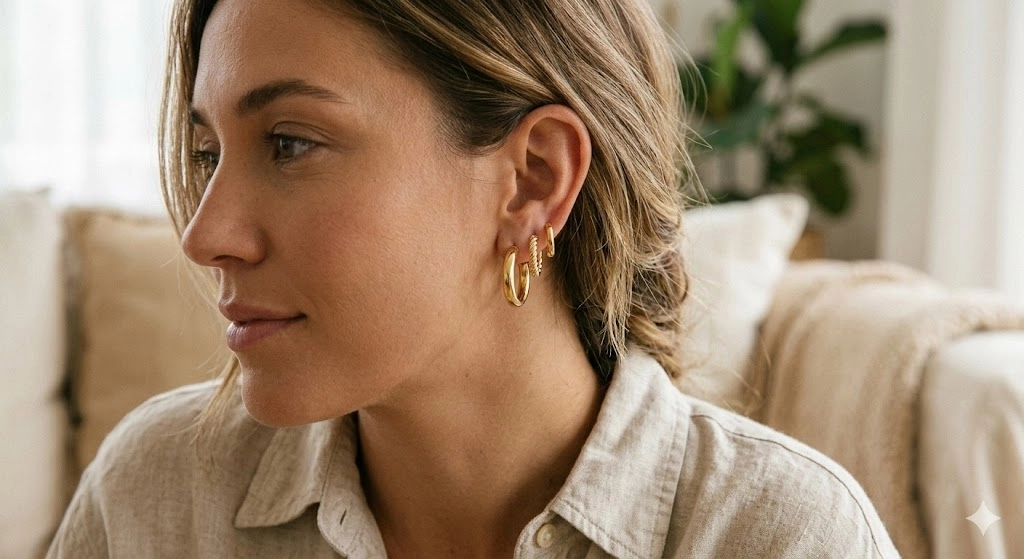
The Ultimate Buyer's Guide to Custom Wholesale Brass Huggie Earrings in China
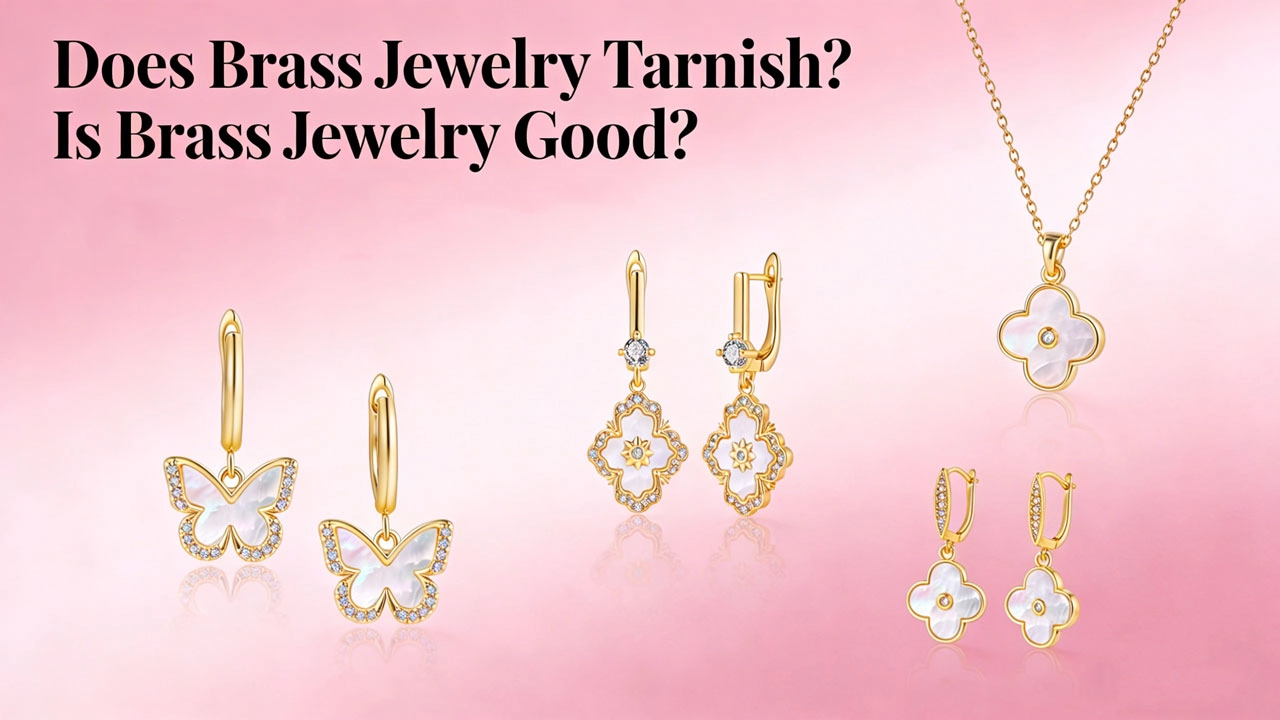
Does Brass Jewelry Tarnish? Is Brass Jewelry Good? Complete Guide from a Professional Jewelry Manufacturer
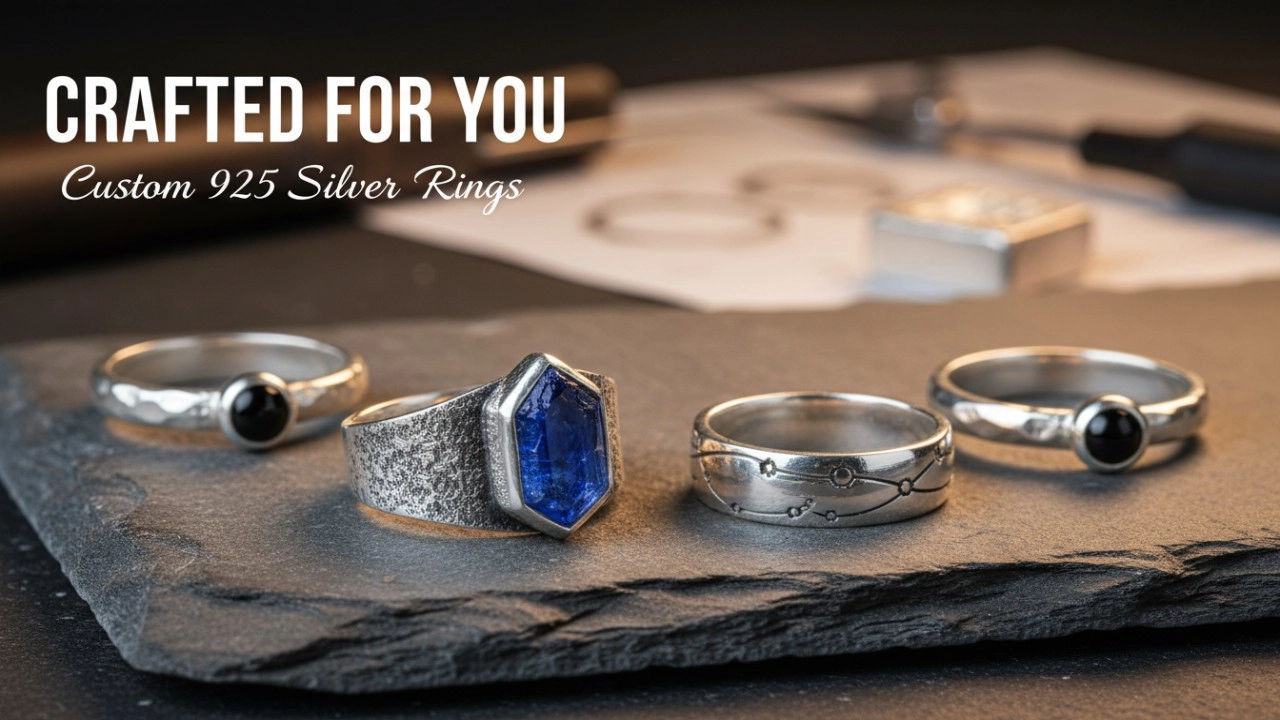
Why Custom 925 Silver Rings Are the Perfect Sustainable Luxury Gift (Compared to Gold)
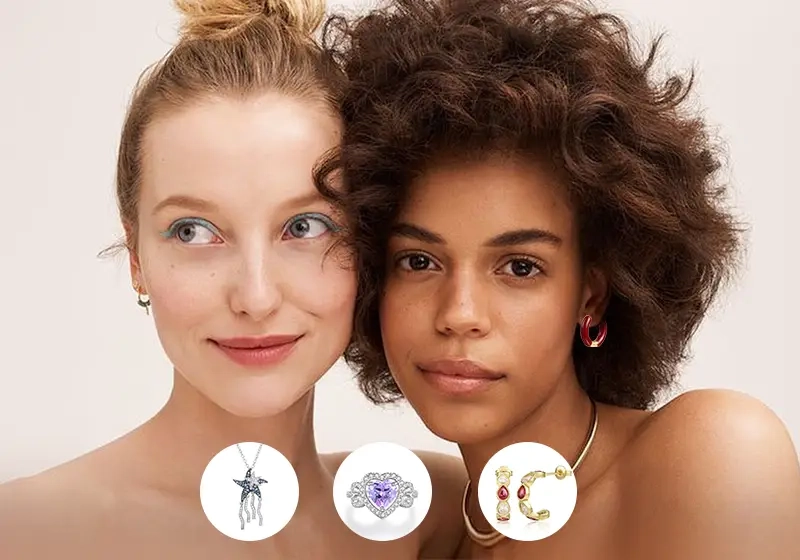
How to Choose the Right Jewelry for Your Skin Tone
Prdoucts Categories
FAQ
Products
What is the material of the jewelry?
Most of the jewelry is made of 925 sterling silver, brass or 316 stainless steel or custom material,which can cover different procurement demand.
How long will the plating color last?
Generally 6 month for Water Plated color , 1 - 2 years for vacuum plated color if in proper wearing.
What’s the shipment method? How long does it take for delivery?
Our product distributed to all over the world. Shipped by DHL / Fedex / TNT / UPS takes 3-7 days, Epacket takes 7-15 days, China Post takes 15-30 days.
Do you offer free sample for quality check?
Sample order is welcome, but sample fee need to be paid. It will be deducted when you place an bulk order.
FAQs
Can you engrave my logo on the jewelry ?Do you supply OEM/ODM service?
Yes. Custom logo and OEM/ODM are both accepted. Our factory specializes in jewelry manufacturing for 27 years.We can produce jewelry by your sample, design, pictures, even by an idea.Please feel free to contact us for more details. Custom order process:Inquiry-Confirm products details-Pay mold fee -Confirm CAD draft-Quote-Initial payment-Produce mold&sample-Confirm Sample-Mass production-Balance payment-Shipment-Track shipment-delivery.
Can I get a sample?
Yes,welcome to choose our sample to test and check quality.Please give me your address and number then send you payment list.
Discuss Your Ideas with a Professional Custom Jewelry Manufacturer
We provide personalized jewelry customization services for clients worldwide.
Rest assured that your privacy is important to us, and all information provided will be handled with the utmost confidentiality.
By clicking 'Send Inquiry Now' I agree to ZHEFAN JEWELRY processing my personal data.
To see how to withdraw your consent, how to control your personal data and how we process it, please see our Privacy Policy and Terms of use.
From design to production, ZHEFAN JEWELRY offers a one-stop solution to help you enhance your brand value and market competitiveness.
Get A Quote
Contact
Tel: (+86) 188 1927 7817
© 2026 Zhefan Jewelry. All Rights Reserved.
Facebook
Instagram
YouTube
Whatsapp: +8618819277817