







Email: sales3@zhefanjewelry.com
How does the gold plating process affect allergy risk?
Practical, manufacturer-level answers about custom gold plated earrings and allergy risk: plating types (electroplating, PVD, vermeil, gold‑filled), minimum thickness, nickel release testing (EN 1811), posts, care, and QC checks to reduce reactions and returns.
- 1) If my custom gold plated earrings use a brass base with 0.3 µm gold plating, how soon might a nickel or skin reaction appear with daily wear and sweat?
- 2) Can vermeil (gold plated over sterling silver) reliably prevent nickel allergy, and what certification should I request?
- 3) How does PVD gold plating compare with traditional electroplating for preventing allergic reactions on earring posts?
- 4) What minimum gold plating thickness and karat should I specify for custom gold plated earrings to minimize allergy risk in known nickel-sensitive customers?
- 5) When ordering custom gold plated earrings in bulk, what production and QC checks should I require to reduce returns from allergy claims?
- 6) If I get gold-allergy symptoms from gold-plated earrings but patch tests are negative for nickel, what might be causing the reaction and how can manufacturers prevent it?
As a manufacturer and industry advisor with years working in gold plated jewelry, the following six long-tail questions focus on real buyer pain points when specifying custom gold plated earrings and managing allergy risk. Each question title is followed by a detailed, actionable answer referencing industry standards and practical production controls.
1) If my custom gold plated earrings use a brass base with 0.3 µm gold plating, how soon might a nickel or skin reaction appear with daily wear and sweat?
Short answer: very possibly within weeks to a few months. Explanation and actionable controls:
- Why: Brass and low-cost base alloys frequently contain nickel or release ions that trigger contact dermatitis once the thin gold barrier is breached. A 0.3 µm (300 nm) electroplated gold layer is considered fashion-grade and is thin and porous compared with higher-spec coatings.
- How wear accelerates failure: sweat (salt), perfumes, cosmetics, and friction abrade thin gold layers. In high-sweat climates or with daily wear, 0.3 µm plating can show significant color change and expose the base metal in weeks to a few months.
- What that means for allergy: once the gold layer is breached, nickel or copper ions from the base can contact skin and elicit reactions. Patch-test surveys show nickel sensitization is common (notably higher in women), so exposure matters.
- Preventive specification: for brass bases, specify thicker plating (see Q4), or better — switch to a hypoallergenic base such as 925 sterling silver (vermeil), gold‑filled, or 316L/316LVM stainless steel with PVD gold. If you must use brass, require PVD coating or a post material in 316L/titanium to touch the ear.
- Supplier check: request plating thickness reports, process type (electroplating vs PVD), and sample wear tests (salt spray/cyclic abrasion) before bulk buy.
2) Can vermeil (gold plated over sterling silver) reliably prevent nickel allergy, and what certification should I request?
Short answer: Vermeil reduces nickel risk substantially but is not a guaranteed prevention unless you verify materials and testing. Here’s how to be confident:
- Definition: In the U.S., vermeil means sterling silver (925) base with at least 2.5 µm gold plating (FTC guideline). Thicker gold over sterling provides a robust physical barrier compared with costume plating.
- Why it helps: Sterling silver contains little to no nickel (if properly alloyed). A 2.5 µm+ gold layer is much less likely to wear through under typical use, so the nickel exposure vector is minimized.
- What to ask from suppliers: a) confirmation of sterling silver 925 certificate; b) plating thickness report (microns) from production; c) method used (electroplating vs PVD); d) EN 1811 or accredited lab nickel‑release test results if parts will have prolonged skin contact.
- Limitations: vermeil protects until the gold barrier wears. Pay special attention to high‑friction points: earring posts, clasps, and internal bezel edges — these areas must have consistent coverage.
3) How does PVD gold plating compare with traditional electroplating for preventing allergic reactions on earring posts?
Short answer: PVD is generally more durable and less porous than conventional electroplating, making it a better barrier against nickel release when combined with a hypoallergenic base metal.
- Technical difference: Electroplating deposits gold by an electrochemical bath; typical fashion plating is thin and can be porous. PVD (physical vapor deposition) deposits a dense, bonded film in a vacuum, producing a harder, more wear‑resistant coating.
- Allergy implications: A dense PVD coating is less likely to develop pinholes and wear-through, reducing the chance that base‑metal ions reach the skin. For posts that contact pierced skin, PVD over 316L stainless or titanium is a strong hypoallergenic combo.
- Practical notes: PVD allows consistent color and high abrasion resistance. It often costs more but reduces returns and complaints. Specify base metal (316L or titanium) + PVD gold + thickness or dwell parameters for consistency.
4) What minimum gold plating thickness and karat should I specify for custom gold plated earrings to minimize allergy risk in known nickel-sensitive customers?
Short answer: prioritize barrier thickness and base metal over karat; recommended minimums depend on product class:
- For high-quality fashion/retail (vermeil): Sterling silver base with gold plating ≥2.5 µm (2500 nm) — this meets the common vermeil standard and gives a durable barrier.
- For long-term hypoallergenic performance: gold-filled (rolled gold) or solid gold posts. U.S. gold‑filled standard is typically 1/20 (5%) by weight of gold; this is far thicker than plating and lasts years.
- If using plating on stainless steel: specify PVD or thick electroplate ≥1–2 µm at minimum; PVD performance often exceeds equivalent electroplated thickness due to density.
- Karat: plating karat (14K vs 18K) affects color and alloy content but is secondary to thickness for allergy prevention. If clients are sensitive to specific alloying metals (e.g., palladium), use a high‑purity gold layer (22–24K plating) over hypoallergenic base and test.
- Ear posts: always specify posts made from 316L/316LVM stainless steel, titanium (Ti‑6Al‑4V or commercially pure), or solid 14K+ gold to avoid direct nickel contact, regardless of plating on decorative surfaces.
5) When ordering custom gold plated earrings in bulk, what production and QC checks should I require to reduce returns from allergy claims?
Short answer: require material traceability, plating specs, nickel-release testing, and routine sample QC. Detailed checklist:
- Material certificates: mill certificates for base metals (925 sterling, 316L stainless, brass grades) and supplier declarations for gold karat and alloy composition.
- Plating specifications: process type (electroplating or PVD), gold alloy (karat and color), and target plating thickness in microns with production tolerances.
- Laboratory testing: independent nickel‑release testing to EN 1811 by ISO/IEC 17025 accredited labs for items in prolonged skin contact. Keep test reports by batch.
- On-line factory QC: random DMG (dimethylglyoxime) spot tests on samples can rapidly identify excessive free nickel presence (useful for quick in‑house screening, not a substitute for lab tests).
- Physical tests: adhesion (tape or bend tests), accelerated wear/abrasion cycles, and salt spray for corrosion resistance per agreed test protocols.
- Sampling plan and acceptance criteria: define AQL levels, frequency of tests, and rejection/rework procedures. Require photos and reports before shipment.
- Packaging/labeling: declare metal content and care instructions (avoid water, perfumes) and include “hypoallergenic post material” on labels when applicable to reduce misunderstanding.
6) If I get gold-allergy symptoms from gold-plated earrings but patch tests are negative for nickel, what might be causing the reaction and how can manufacturers prevent it?
Short answer: non-nickel causes include contact allergy to other alloying metals (palladium, copper, cobalt), contamination, or mechanical/chemical irritants. Manufacturer controls to prevent these:
- Other metal allergies: some people are allergic to palladium or cobalt. Plating alloys or base-metal impurities can include these. Ask for full alloy composition of the plated gold and base metal. Use high-purity gold plating (22–24K) if palladium sensitivity is suspected.
- Contamination in production: cross-contamination in plating lines can introduce nickel or other metals. Use dedicated baths or strict line flushing and certification to prevent carryover.
- Residual plating chemicals: inadequate rinsing can leave irritant residues. Specify good manufacturing practices (GMP) for plating, with rinsing and post-treatment steps certified.
- Mechanical/chemical irritation: friction, poorly finished edges, or rough posts can cause dermatitis that mimics allergy. Require polished edges, smooth posts, and passivation on stainless parts.
- Diagnostic advice: if nickel patch tests are negative, work with the wearer and an experienced dermatologist to patch test for palladium, cobalt, and other possible sensitizers. For manufacturers, provide clear materials data and offer alternative post materials (titanium, niobium, solid gold).
Practical buying summary: For customers with sensitivity concerns, specify the contact surfaces (posts, backs) to be solid 14K+ gold, titanium, or 316L stainless plus PVD or heavy electroplating (vermeil ≥2.5 µm or gold‑filled). Require EN 1811 nickel‑release testing from accredited labs, material certificates, and production QC protocols to reduce returns and liability.
At Zhefan Jewelry (www.zhefanjewelry.com) we can supply custom gold plated earrings to these specifications, provide test reports (EN 1811) and batch QC documentation, and recommend cost/durability tradeoffs. Contact us for a quote at sales3@zhefanjewelry.com.
Conclusion — Advantages of specifying high-quality custom gold plated earrings
Choosing high-quality custom gold plated earrings made with appropriate base metals (925 sterling, 316L stainless, titanium), thicker and denser coatings (vermeil ≥2.5 µm, PVD, or gold-filled), and verified by nickel‑release (EN 1811) and QC testing reduces allergy risk, improves durability, lowers returns, and preserves brand reputation. These options deliver the look of gold at lower cost than solid gold while meeting buyer expectations for comfort and safety.
Recommended for you
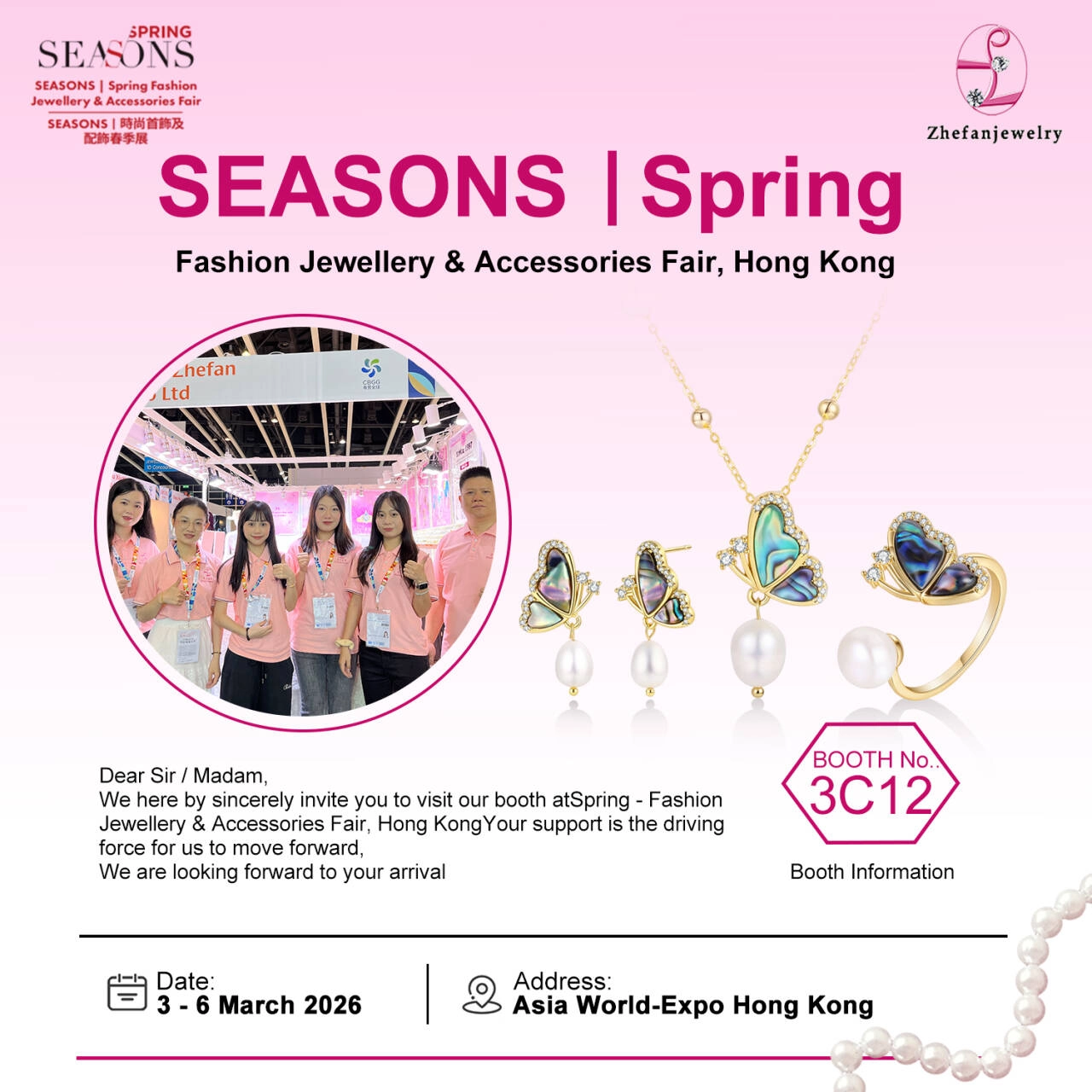
Zhefan Jewelry Invites You to Attend the Hong Kong Jewellery Exhibition 2026
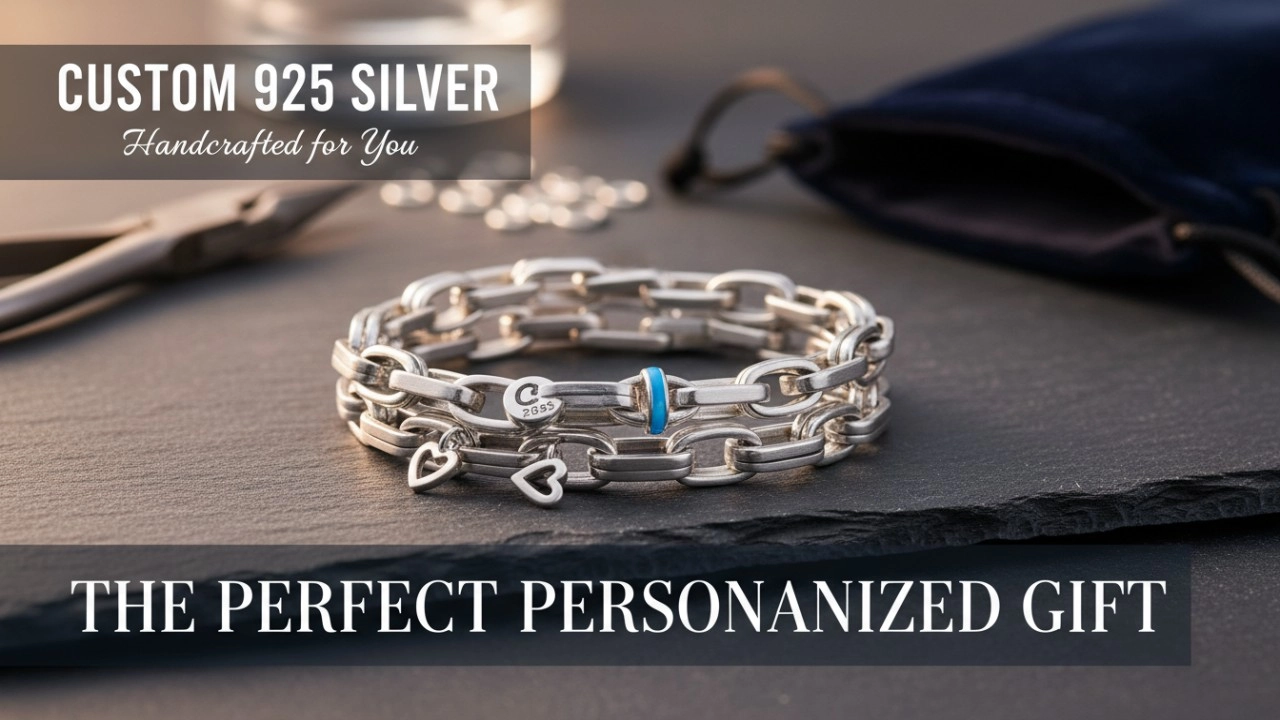
12 Unique Custom 925 Silver Bracelet Ideas That Go Beyond Basic Engraving (2026 Guide)
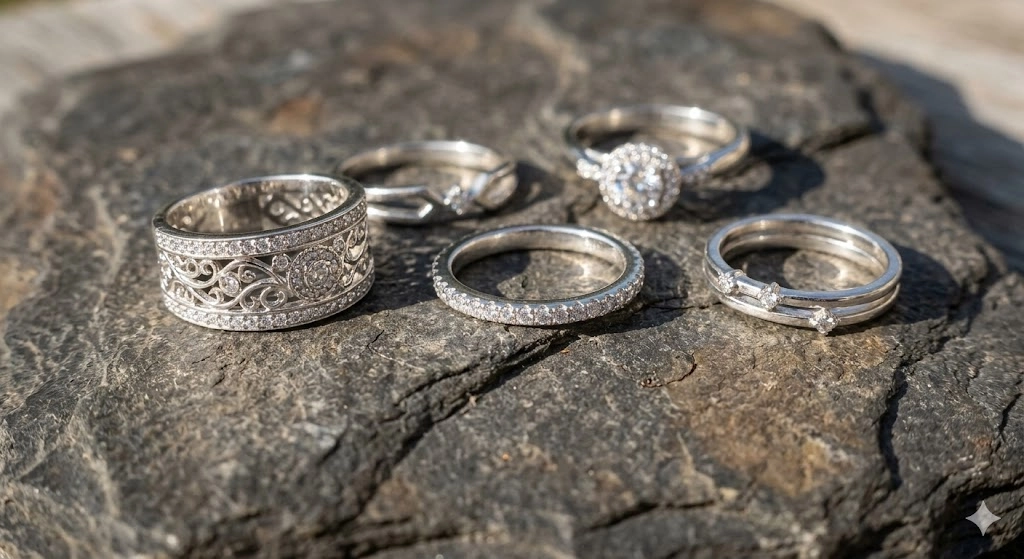
2026 Wholesale Trends: Why Your Brand Needs Custom Sterling Silver Jewelry
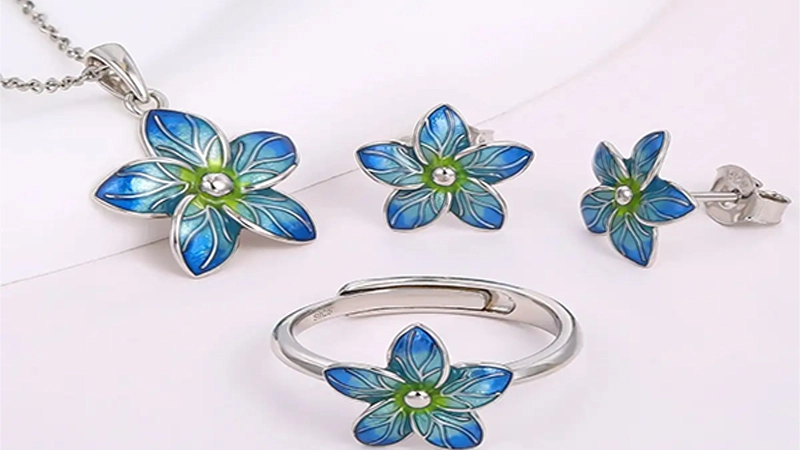
The Secret Life of Your Silver: How 925 Sterling Jewelry Comes to Exist
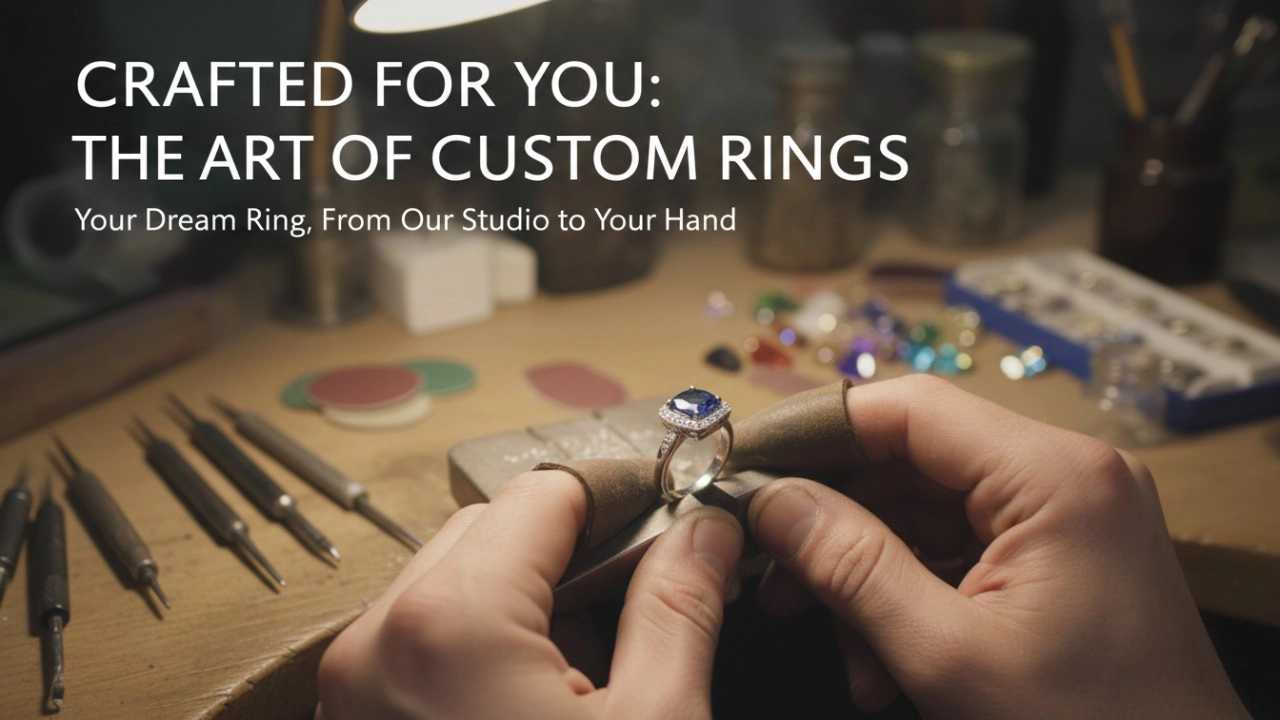
How to Choose a Custom Ring Manufacturer: 10 Critical Questions for Maximum Quality (2026 Guide)
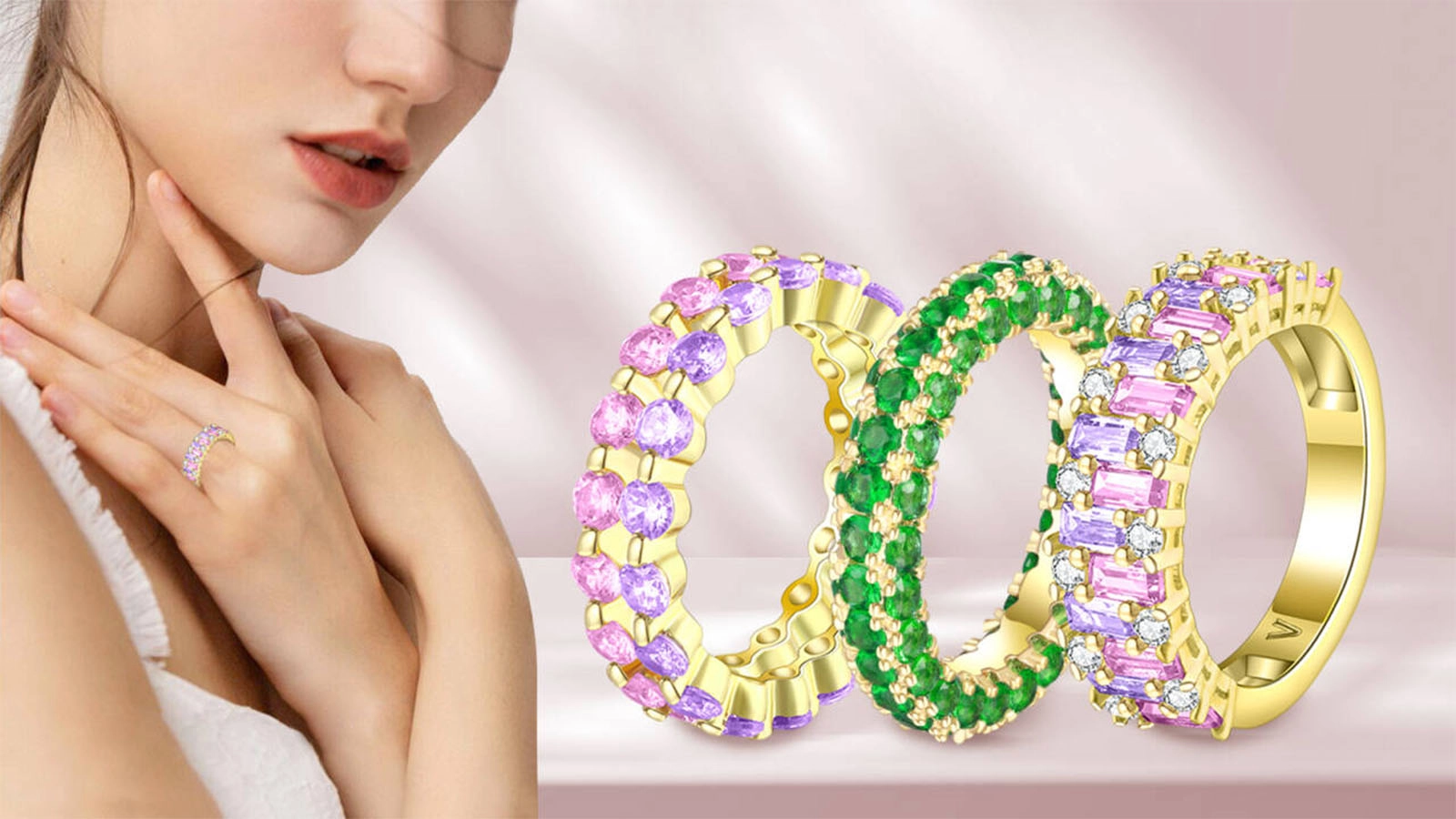
Choosing the Right Metal for Jewelry Making - Practical Guide
Prdoucts Categories
FAQ
FAQs
What is the material of the jewelry?
Most of the jewelry is made of 925 sterling silver, brass or 316 stainless steel or custom material,which can cover different procurement demand.
How long does it take for the product to fade?
The normal electroplating quality color retention time of our products is 5 times longer than the market, and the thicker electroplating can retain color for three years.
Can I have your product catalog?
Yes, please leave us a message what style jewelry catalog you need.
Products
Do you offer after-sales warranty service?
Yes, we will refund or resend products if fading, stone falling off and other quality problems found in 1 month receipt of goods. Furthermore, we offer 1 year after-sales warranty service, but you need pay the shipping charge.
How can we guarantee quality?
Always a pre-production sample before mass production;
Always final Inspection before shipment;
How long will the plating color last?
Generally 6 month for Water Plated color , 1 - 2 years for vacuum plated color if in proper wearing.
Discuss Your Ideas with a Professional Custom Jewelry Manufacturer
We provide personalized jewelry customization services for clients worldwide.
Rest assured that your privacy is important to us, and all information provided will be handled with the utmost confidentiality.
By clicking 'Send Inquiry Now' I agree to ZHEFAN JEWELRY processing my personal data.
To see how to withdraw your consent, how to control your personal data and how we process it, please see our Privacy Policy and Terms of use.
From design to production, ZHEFAN JEWELRY offers a one-stop solution to help you enhance your brand value and market competitiveness.
Get A Quote
Contact
Tel: (+86) 188 1927 7817
© 2026 Zhefan Jewelry. All Rights Reserved.
Facebook
Instagram
YouTube
Whatsapp: +8618819277817