





Email: sales3@zhefanjewelry.com
How do custom brass necklaces compare to plated silver?
Practical, evidence-based answers for buyers: lifespan, skin reactions, cleaning, plating and coatings, production methods, and sourcing compliance for custom brass necklaces — and how they stack up against plated silver for durability, cost, and care.
- 1. How long will a custom brass necklace last with daily wear compared to plated silver, and which finishes preserve its look?
- 2. Can custom brass necklaces cause green skin stains or allergic reactions, and how can buyers prevent or treat them?
- 3. How should I clean and maintain a custom brass necklace versus a plated silver piece without damaging finishes?
- 4. What plating or sealing options are realistic for custom brass necklaces, and how do they affect cost, appearance and longevity?
- 5. For custom designs, which production methods (casting, stamping, CNC, etching) work best with brass versus plated silver, and how do those choices affect detail, tolerances and cost?
- 6. When sourcing custom brass necklaces overseas, what material disclosure and compliance documents should buyers request to avoid surprises on safety, plating quality, and import regulations?
1. How long will a custom brass necklace last with daily wear compared to plated silver, and which finishes preserve its look?
Brass is a copper-zinc alloy prized for its strength and malleability; sterling silver is 92.5% silver, while plated silver usually refers to a thin silver layer over a base metal. Lifespan depends less on the base metal and more on finish and use. Uncoated brass exposed to daily wear, sweat, seawater, or cosmetics will begin to develop a patina or surface oxidation within weeks to months. Properly lacquered or clear-coated brass can retain its original yellow-gold tone for years with normal wear; periodic re-clearcoating is common after 1–3 years for high-use pieces.
For silver-plated pieces, longevity hinges on plating thickness and the substrate. Typical jewelry plating can range from fractions of a micron to a few microns; thinner plating (sub-micron) will wear through to the base metal quickly under daily friction. When silver plating is applied to brass, the underlying brass will show through as the plate wears, sometimes producing greenish discoloration on skin as copper compounds form. In short:
- Durability ranking (general): Solid precious metals > well-coated brass > thickly plated silver on good substrate > thinly plated silver.
- Best finishes to preserve brass look: durable clear lacquer, enamel seal, or a secondary plating (rhodium, rose or yellow gold) applied over brass.
- What to expect: properly finished custom brass necklaces can remain attractive for several years with care; thin silver plating typically needs re-plating within months to a few years depending on wear.
2. Can custom brass necklaces cause green skin stains or allergic reactions, and how can buyers prevent or treat them?
Green skin staining is a chemical result, not an allergy: copper in brass reacts with sweat, acids and environmental chemicals to form copper salts (green/blue), which can transfer to the skin. True allergic contact dermatitis is often triggered by nickel or less commonly by other alloying elements. Commercial jewelry brass may contain trace elements; reputable suppliers will provide material declarations.
Prevention and mitigation:
- Ask your supplier for a material declaration and whether the brass is nickel-free or lead-free (important for sensitive skin and regulatory compliance).
- Choose sealed finishes: lacquer, microcrystalline wax, or plating (rhodium or high-quality gold plating) prevent metal-skin contact and stop staining.
- For existing staining: gently wash the skin with soap and water; a mild astringent (e.g., diluted alcohol wipe) can remove copper salts. If irritation persists, consult a dermatologist—this could be allergic contact dermatitis rather than staining.
If you or your customers have metal allergies, request nickel-release testing (EN 1811 or equivalent) from manufacturers and seek rhodium-plated or sterling-based alternatives where necessary.
3. How should I clean and maintain a custom brass necklace versus a plated silver piece without damaging finishes?
Cleaning approach should be tailored to the finish. Mechanical abrasion or harsh chemicals can remove coatings and thin platings.
Safe cleaning routines:
- Clear lacquered brass: wipe with a soft, damp microfiber cloth and mild soap; avoid alcohol or acetone which can strip lacquer. Dry immediately.
- Uncoated brass (if you prefer patina): use a soft cloth. To remove tarnish, use a jeweler-recommended brass cleaner on the metal only and rinse thoroughly—avoid cleaners if plated or lacquered.
- Silver-plated jewelry: use a soft cloth and mild soap; never use abrasive polishing compounds or dips that will eat through plating. For stubborn tarnish on plated silver, consult the maker about re-plating rather than aggressive home treatments.
- Plated over brass (gold or silver plating): avoid ultrasonic cleaners and strong polishing pastes; periodic professional re-plating is normal for items worn daily.
General tip: remove necklaces before showering, swimming, or applying perfumes and lotions; store pieces in anti-tarnish pouches to reduce environmental exposure.
4. What plating or sealing options are realistic for custom brass necklaces, and how do they affect cost, appearance and longevity?
Common finishing options for brass necklaces include clear lacquer, electroplating (rhodium, silver, gold), PVD coatings, and mechanical patinas. Key trade-offs:
- Clear lacquer/coating: Lowest cost, preserves brass color and prevents skin contact. Visible wear occurs at high-friction points; re-coating is straightforward and affordable.
- Rhodium plating: Creates a hard, bright, hypoallergenic surface (commonly used over silver). Rhodium over brass requires a good barrier layer and can significantly improve scratch/tarnish resistance. Rhodium is more expensive than basic plating.
- Gold plating / vermeil approach: If you require a substantial gold layer, vermeil standards require thick gold over sterling silver; on brass, tell customers it is gold-plated brass (not vermeil). Thick gold plating (micron-level) is more costly but lasts longer than thin flash plating.
- PVD coatings: Physical vapor deposition provides a very durable surface in a variety of colors; cost is higher than electroplating but delivers excellent scratch and corrosion resistance.
Ask suppliers for plating thickness in microns and for adhesion tests. Thicker, professionally applied coatings and PVD treatments cost more but markedly improve longevity for daily-wear custom brass necklaces.
5. For custom designs, which production methods (casting, stamping, CNC, etching) work best with brass versus plated silver, and how do those choices affect detail, tolerances and cost?
Brass is highly versatile: it machines, stamps, casts and etches well. Choosing a production method depends on design complexity, batch size, and budget.
- Lost-wax casting: Excellent for organic, 3D shapes and small to medium batches. Brass casts cleanly, holds texture, and is cost-effective compared to casting in sterling silver.
- Stamping/blanking: Ideal for flat, thin pieces and high-volume runs. Brass sheet stamping is inexpensive and fast; details depend on die quality.
- CNC machining: Great for precise tolerances and heavier components; brass machines well and delivers good surface finish. CNC costs rise with complex geometry and setup time.
- Chemical etching: Works for thin, highly detailed pendants and filigree; brass receives crisp etched detail and is economical for medium runs.
When the design will be plated (e.g., silver-plated), consider how the method affects plating adhesion: smoother, correctly prepared surfaces plate more evenly. For plated silver over brass, ensure substrate cleaning, strike layers (nickel-free where required), and adequate plating thickness to avoid early failure. Cost-wise: brass tooling and dies are typically less expensive than sterling silver casting and offer faster iteration for prototypes and custom orders.
6. When sourcing custom brass necklaces overseas, what material disclosure and compliance documents should buyers request to avoid surprises on safety, plating quality, and import regulations?
Buyers should require a clear documentation bundle to ensure product safety and ease of import. At minimum, ask for:
- Material Declaration / Certificate of Analysis (COA) stating alloy composition and whether the brass is nickel-free or lead-free.
- Plating specification: plating type, layer order (e.g., strike layer + decorative layer), and plating thickness in microns. If claiming vermeil or vermeil-like quality, request clarity on substrate (vermeil implies gold over sterling silver).
- Test reports: EN 1811 (nickel release) if selling in markets with nickel rules, RoHS/REACH declarations for restricted substances, and lead content reports where applicable (e.g., U.S. CPSIA regulations for children's jewelry).
- Photographic QC evidence and sample approval process, plus a description of finish procedures (lacquer type, PVD parameters, or plating baths).
- Production assurances: batch traceability, MTR (Material Test Report) or third-party lab certificates where available; ask for re-platability guidelines from the manufacturer.
Reputable factories will provide these documents and accept quality checks. If documentation is unavailable, factor in the cost and risk of independent lab testing and potential rework. For e-commerce sellers, clear labeling about metal composition and care instructions reduces returns and chargebacks.
Concluding paragraph — advantages of custom brass necklaces: Custom brass necklaces offer excellent value for designers and buyers: the alloy’s malleability and machinability make intricate or large statement pieces affordable to produce, finishes (lacquer, plating, PVD) can deliver a wide range of looks, and properly sealed brass provides long-lasting wear with lower material cost than precious metals. With correct finishing and supplier-quality documentation (material declarations, plating thickness, and allergy testing), brass custom jewelry can match the aesthetic and functional needs of many customers while delivering favorable margins and design flexibility.
For professional quotes, samples, or questions about plating options, testing and MOQ for custom brass necklaces, contact us at www.zhefanjewelry.com or email sales3@zhefanjewelry.com. We can provide material declarations, plating specs and sample photos upon request.
Recommended for you
Choosing the Right Metal for Jewelry Making - Practical Guide
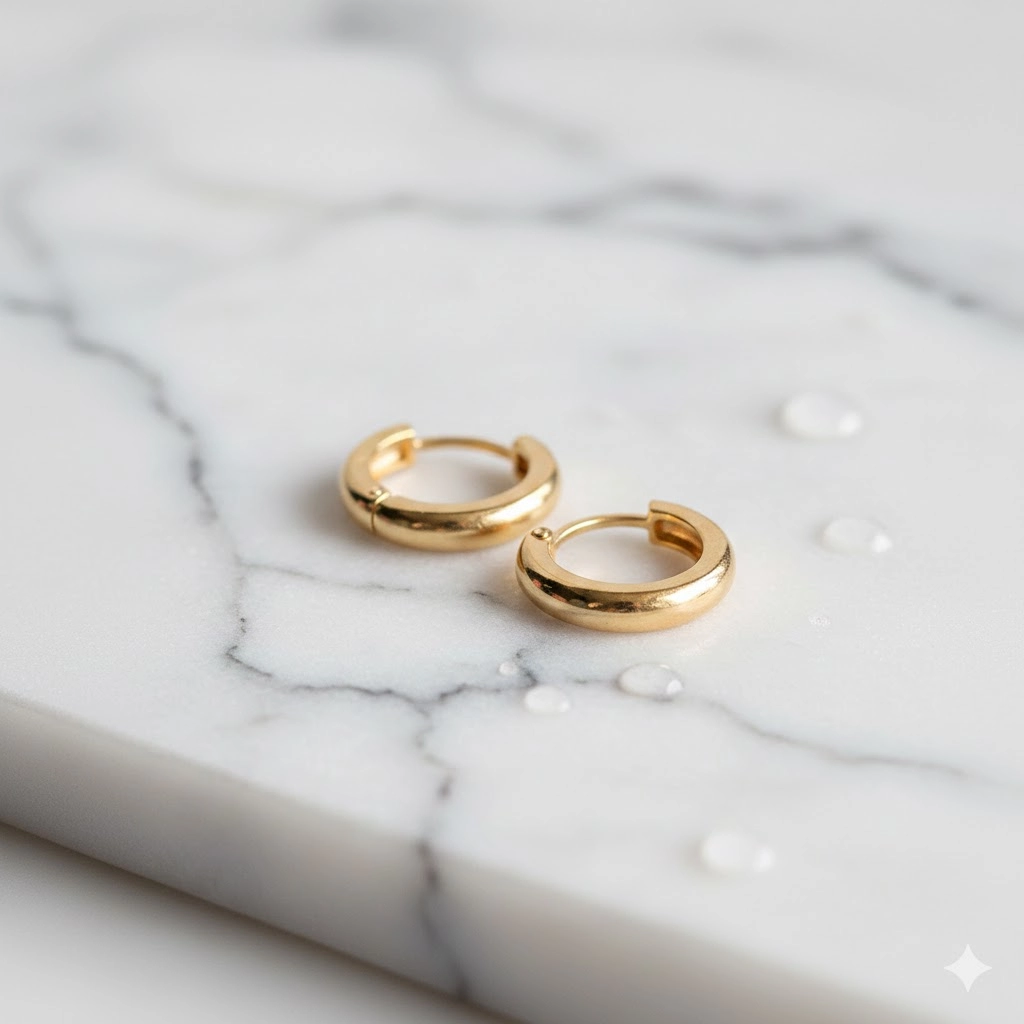
Boost Your Margins with Top-Selling Custom Wholesale Brass Huggie Earrings
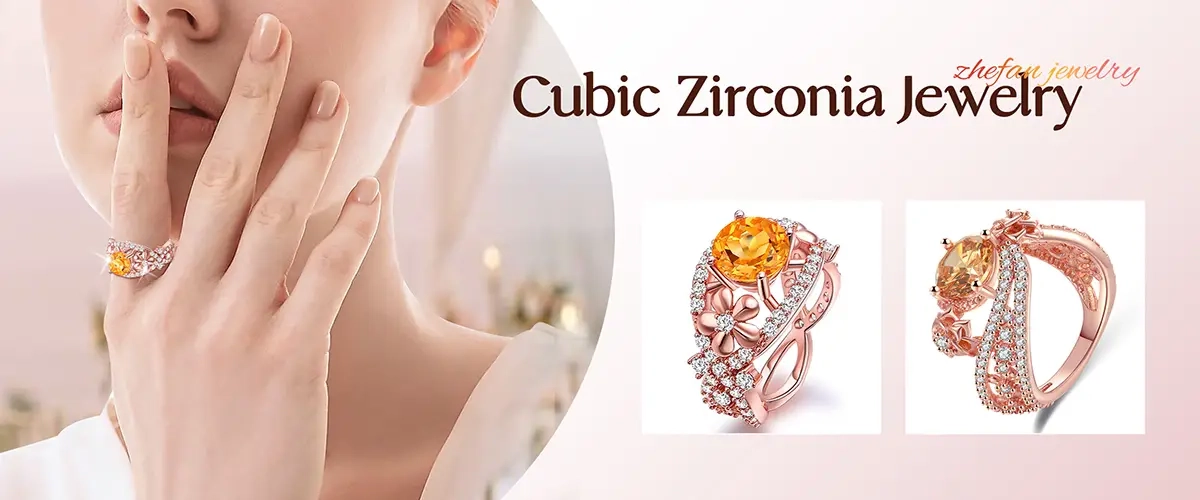
What is Zircon Jewelry?-The Ulimate Guide
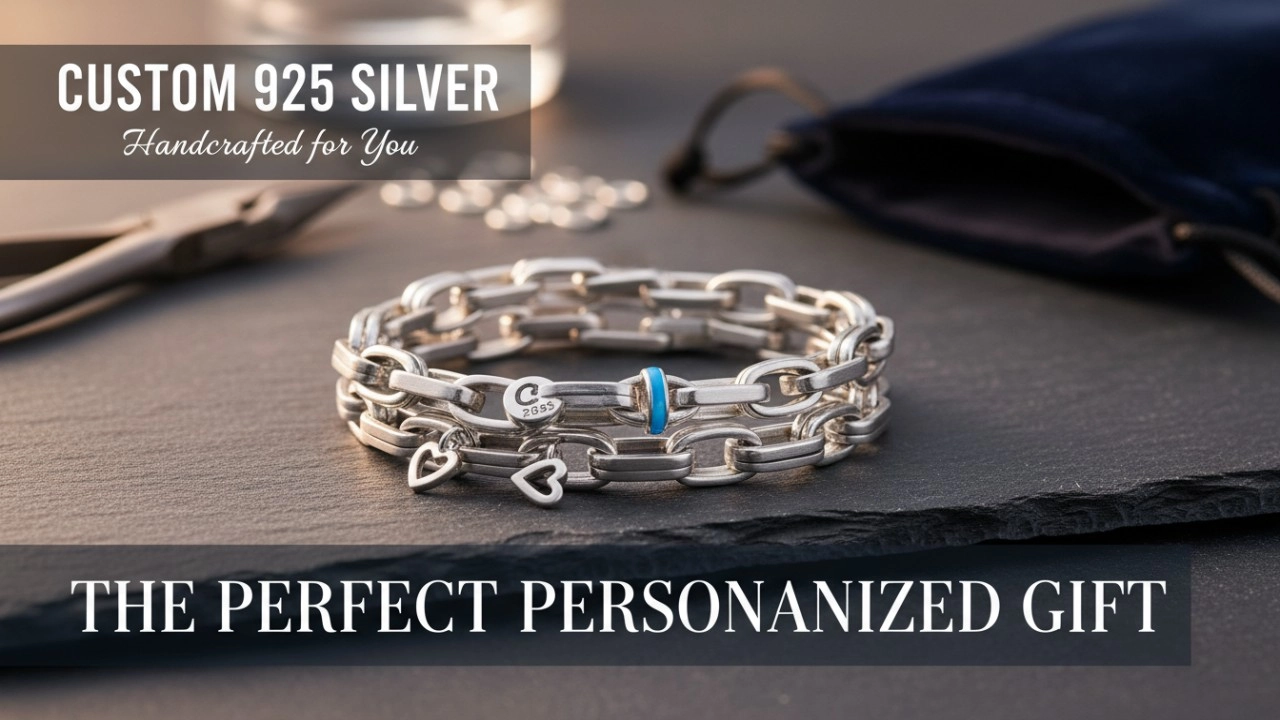
12 Unique Custom 925 Silver Bracelet Ideas That Go Beyond Basic Engraving (2026 Guide)
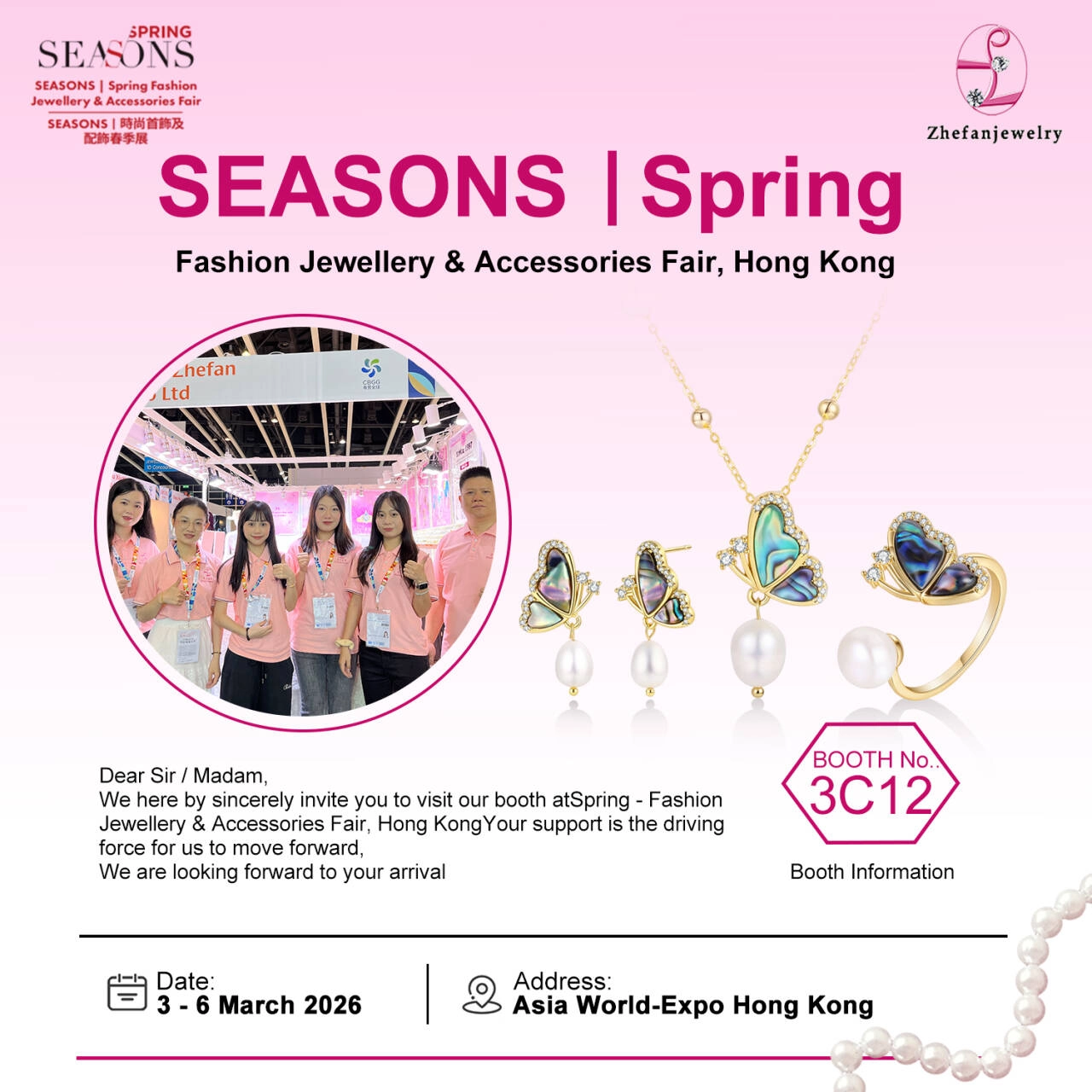
Zhefan Jewelry Invites You to Attend the Hong Kong Jewellery Exhibition 2026
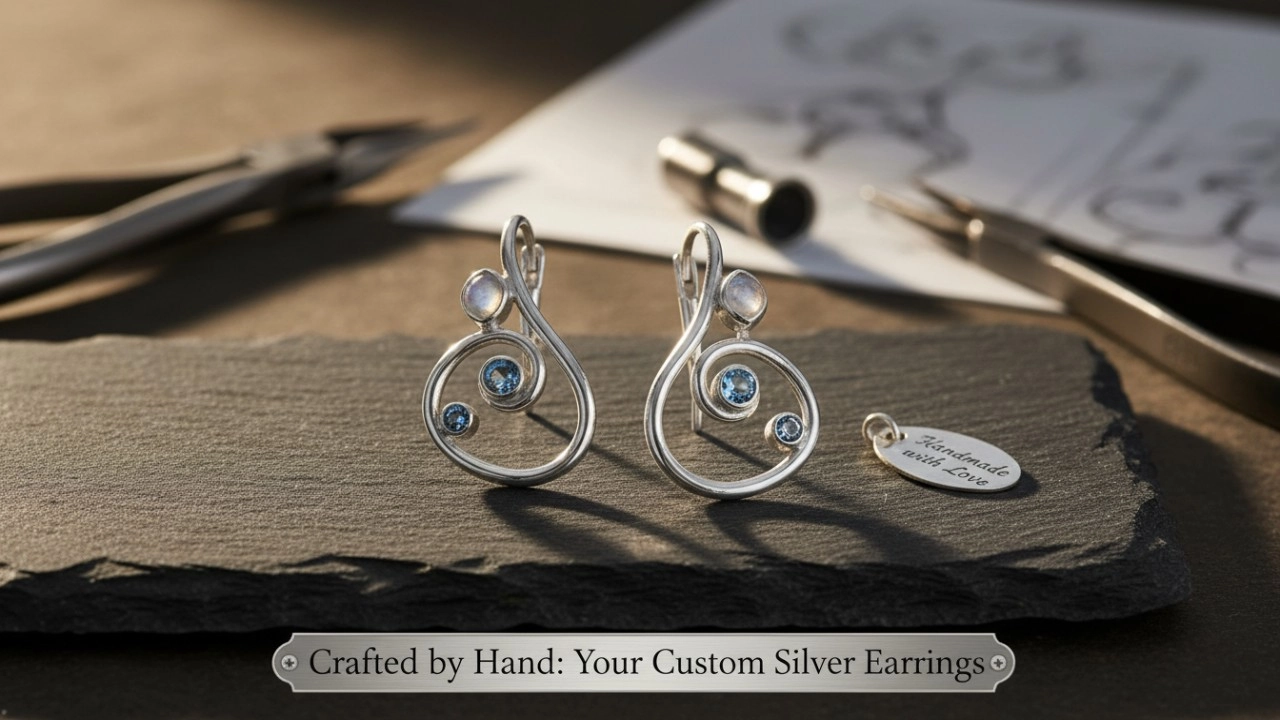
The Ultimate Guide to Ordering Custom Made Silver Earrings: How to Get Perfection Every Time (2026 Edition)
Prdoucts Categories
FAQ
Products
What's themonthly production capacity?
600,000 pcs per month.
How can we guarantee quality?
Always a pre-production sample before mass production;
Always final Inspection before shipment;
What is the material of the jewelry?
Most of the jewelry is made of 925 sterling silver, brass or 316 stainless steel or custom material,which can cover different procurement demand.
Do you offer free sample for quality check?
Sample order is welcome, but sample fee need to be paid. It will be deducted when you place an bulk order.
FAQs
How long does it take for the product to fade?
The normal electroplating quality color retention time of our products is 5 times longer than the market, and the thicker electroplating can retain color for three years.
What’s the lead time? .
We could arrange shipment for you within 48 hours if you order models in stock. For bulk order, it
takes 10-25 days for production depending on order quantity and styles.
Discuss Your Ideas with a Professional Custom Jewelry Manufacturer
We provide personalized jewelry customization services for clients worldwide.
Rest assured that your privacy is important to us, and all information provided will be handled with the utmost confidentiality.
By clicking 'Send Inquiry Now' I agree to ZHEFAN JEWELRY processing my personal data.
To see how to withdraw your consent, how to control your personal data and how we process it, please see our Privacy Policy and Terms of use.
From design to production, ZHEFAN JEWELRY offers a one-stop solution to help you enhance your brand value and market competitiveness.
Get A Quote
Contact
Tel: (+86) 188 1927 7817
© 2026 Zhefan Jewelry. All Rights Reserved.
Facebook
Instagram
YouTube
Whatsapp: +8618819277817