






Email: sales3@zhefanjewelry.com
How sustainable are brass necklaces and eco options?
A focused buyer's guide answering six deep beginner questions about custom brass necklaces: plating durability, protective finishes, verifying recycled brass, maintenance, stone settings and how MOQ/tooling affect cost and lead times. Practical checks, industry tests and eco options.
- 1. How can I ensure the gold plating on a custom brass necklace won't peel or cause skin reactions?
- 2. What protective finishes best prolong brass necklace life without altering color (clear lacquer vs PVD vs rhodium)?
- 3. How do I verify a supplier's claim of recycled brass and measure its real environmental impact?
- 4. What realistic care routine keeps a custom brass necklace looking new for years (daily habits and occasional maintenance)?
- 5. If I want to set semi-precious stones in brass pendants, what mounting and adhesive choices prevent corrosion and stone damage?
- 6. How do MOQ, tooling, and finish options affect per-unit pricing and delivery timelines for custom brass necklaces?
1. How can I ensure the gold plating on a custom brass necklace won't peel or cause skin reactions?
Gold-plated brass (gold-plated brass jewelry) is a cost-effective look-alike to solid gold, but durability and skin compatibility depend on three measurable factors: base alloy quality, plating method and plating thickness. Ask suppliers for: (a) the exact brass alloy (e.g., cartridge brass ~ 60–70% Cu / 30–40% Zn vs low-copper alloys); (b) plating method and measured thickness in microns; and (c) any barrier/intermediate layers.
Plating method: Electroplating (traditional) can be durable if executed with proper surface prep; PVD (physical vapor deposition) produces a denser, harder finish that resists abrasion better than thin electroplated layers. Provide guidance to your manufacturer: specify PVD if you need high-wear resistance.
Plating thickness: Insist on numeric thickness (microns). Fashion gold plating is often in the 0.05–0.5 μm (50–500 nm) range and will wear faster. For significantly longer wear request heavier plating; note that legal terms like vermeil require a silver base, not brass, so gold vermeil does not apply to brass.
Barrier layers: A nickel-free underplating or a copper strike followed by nickel (if allergy-safe) or a dedicated barrier (e.g., nickel-free copper-free undercoat) reduces diffusion from the brass and prevents green discoloration.
Skin reactions: Brass itself contains copper and zinc; copper can cause skin discoloration or irritation in acid-sweat conditions. If you sell to sensitive-skin customers, request a rhodium or high-quality PVD topcoat, or use a clear food-safe lacquer over the plating. Ask for third-party test reports (nickel release test per EU REACH limits, or ASTM equivalents) to verify low allergen release.
Before production, request lab data: XRF material scans and plating-thickness reports, plus a confirmatory nickel-release test if marketing as hypoallergenic. Always run wear tests (100–500 abrasion cycles or simulated wear) on a prototype sample before bulk approval.
2. What protective finishes best prolong brass necklace life without altering color (clear lacquer vs PVD vs rhodium)?
Choosing a protective finish balances appearance, tactile feel and environmental concerns. Common protective options include clear lacquer, PVD coatings, and metal plating (rhodium, gold). Each has trade-offs:
Clear lacquer (two-pack or acrylic): Pros — inexpensive, preserves base metal tone and reduces tarnish and skin contact. Cons — UV and abrasion can micro-crack the lacquer over time; lacquer can yellow, and reapplication requires removing old film. Use food-safe, low-VOC lacquers for eco preference.
PVD (Physical Vapor Deposition): Pros — produces a strong, abrasion-resistant colored layer, available in gold, black, rose tones; adheres well, resists tarnish and is generally more durable than electroplating. Cons — typically higher cost, color palette more limited, and film thickness is thin (but mechanically robust).
Rhodium plating: Pros — excellent for white-bright finishes and anti-tarnish; widely used to make brass look like white gold or silver. Cons — thin layers wear off on high-contact areas; rhodium is a precious metal—replating costs should be considered.
For preserving an antique brass patina (warm, darker tones), avoid high-gloss lacquers that create plastic shine. Instead choose microcrystalline wax or micro-coatings designed to protect without making the piece look freshly polished. For everyday-wear pieces intended to look new, PVD or quality electroplating plus a clear topcoat gives the best balance.
Ask suppliers for accelerated-aging test reports (salt-spray, humidity) and a sample you can wear for 1–2 weeks to validate feel and wear characteristics before approving a full run.
3. How do I verify a supplier's claim of recycled brass and measure its real environmental impact?
Recycled brass is increasingly used in brass jewelry, but the term can be vague. Verifiable claims should include chain-of-custody and supporting documentation. Steps to validate:
Request documentation: supplier declarations on recycled content (percentage), mill certificates, and any chain-of-custody documentation. Recycled content claims should be auditable.
Third-party certifications: While there’s no single mainstream recycled-metal label for brass analogous to Fairmined for gold, demand evidence such as supplier ISO 14001 environmental management, responsible sourcing policies, and independent audit reports. For markets regulated by the EU, compliance with REACH and RoHS regarding restricted substances is essential.
Material testing: Use independent XRF or spectrometer lab tests on samples to confirm alloy composition; recycled brass typically resembles virgin brass chemically, but trace-metal profiles can differ. An XRF report paired with mill documentation helps validate claims.
Life-cycle considerations: Recycled brass reduces need for primary mining and generally lowers energy and emissions versus primary smelting. If you need quantification for marketing, ask your supplier for a cradle-to-gate LCA (life-cycle analysis) or an emissions intensity statement; many mills can provide estimated CO2 savings associated with using scrap feedstock.
Supply chain transparency: Request supplier audits or factory visits (virtual or in-person), ask for material source locations, and ask whether scrap is post-industrial (factory scrap) or post-consumer. Post-consumer recycled metal often carries higher environmental value.
If a supplier cannot provide documentation, treat recycled brass as an unverifiable marketing term and consider a different partner or require a contract clause with traceability deliverables.
4. What realistic care routine keeps a custom brass necklace looking new for years (daily habits and occasional maintenance)?
A practical routine reduces tarnish and wear while keeping maintenance manageable for customers:
Daily preventative steps:
- Remove jewelry for swimming, showering, heavy exercise and sauna exposure. Chlorinated or salty water accelerates corrosion and plating loss.
- Apply cosmetics, lotions and perfumes before putting on the necklace; many chemicals accelerate tarnish.
- Store on a soft surface or in anti-tarnish pouches to reduce abrasion and exposure to sulfur-containing air pollutants.
Weekly to monthly maintenance:
- Wipe gently after wear with a soft microfiber cloth to remove sweat and oils.
- For unplated antique-finish brass, occasional light polishing with a non-abrasive brass cleaner (following product directions) can restore appearance; avoid cleaners on plated surfaces.
When deeper cleaning is needed:
- Use mild soap and warm water, gentle brushing with a soft toothbrush; rinse and dry thoroughly.
- For persistent tarnish on unplated brass, a diluted vinegar/lemon solution can work, but avoid acids on plated or lacquered pieces.
Long-term care:
- For gold-plated brass, plan for potential replating after a period of heavy wear. Design with replaceable components (e.g., replaceable charms or removable pendants) to make refurbishment easier.
- Maintain a relationship with your manufacturer for replating/refinishing services; many suppliers offer refurbishment at lower cost than replacement.
Provide care cards to customers: simple, visual steps increase customer satisfaction and perceived product value.
5. If I want to set semi-precious stones in brass pendants, what mounting and adhesive choices prevent corrosion and stone damage?
Setting stones into brass presents two main technical concerns: galvanic corrosion between dissimilar metals and chemical compatibility between adhesives/stone surfaces and metal finishes.
Mounting methods:
- Mechanical settings (bezels, prongs): Preferred for durability. Properly soldered bezels or precision prong work prevents moisture ingress between stone and brass. Ensure solder/pickling steps are compatible with the final finish — for plated pieces, finalize plating after all soldering to avoid bare-joints.
- Glue-in settings: Use only high-quality jewelry-grade adhesives (two-part epoxy or UV-cure resins formulated for gemstones). Avoid general-purpose glues that contain solvents which can leach plating or react with sealants.
Preventing galvanic corrosion:
- Isolate metal contacts when using dissimilar metal inlays (e.g., sterling silver or plated steels) by applying a thin inert barrier such as a microcoating or using plated components over a common base finish.
- Ensure that any metal used for settings is compatible with brass (copper-based cores or brass settings are naturally compatible). If using silver or gold over brass, ensure proper underplating barriers and final plating thickness to prevent exposure of brass.
Stone care and selection:
- Some porous or treated stones (opal, turquoise) can be damaged by adhesives and plating baths. Communicate stone types clearly to the manufacturer so appropriate mounting and finishing sequences are used.
- Avoid aggressive ultrasonic cleaning for glued-in stones unless the adhesive and stone are verified safe for that process.
Request production samples that include finished stones and run soak tests (warm water + mild detergent for 24–72 hours) and thermal cycling tests if the design will face temperature variations. Lab-tested adhesive specifications and manufacturer QC records should be part of your contract.
6. How do MOQ, tooling, and finish options affect per-unit pricing and delivery timelines for custom brass necklaces?
Understanding manufacturing economics helps you set realistic budgets and schedules.
- Tooling and prototype phase: Complex shapes require tooling (dies, molds or CNC masters). Lost-wax casting needs an initial master and multiple-stage approvals; stamping/die methods need metal dies. Tooling is a fixed cost that scales across units: high tooling cost can be amortized by larger MOQs.
- MOQ considerations: Many OEM factories set MOQs to justify tooling and setup—common MOQs for brass fashion necklaces often start at 50–200 pcs per SKU, but some factories accept lower-volume small-batch production at higher per-piece cost. Ask for tiered pricing: 50, 200, 500+ to see the per-unit decline.
- Finishing choices: High-end finishes (PVD, rhodium plating, multi-step antique patina with hand-brushing) add labor and machine time. Each finish step increases lead time and per-piece cost. Also consider plating or lacquering batch sizes—some finishes become more economical when run in larger quantities.
- Add-ons: Custom packaging, engraved tags, or certificates add handling and QC time.
Timeline impacts:
- Prototype turnaround: 7–21 days typical for sample depending on complexity and stone setting. Prototypes may require multiple iterations.
- Production lead time: After sample approval, small-batch production commonly takes 2–8 weeks depending on factory schedule, finish complexity and plating queue.
Practical purchasing tips:
- Ask for a full cost-breakdown: tooling, sample fee, per-unit manufacturing, finish, plating, stone setting, QC, packaging and shipping.
- Negotiate a pilot batch to validate market demand before committing to large MOQs. Require clear acceptance criteria for QC (e.g., plating adhesion tests, dimensional tolerances, stone retention tests).
- Specify a re-order agreement: lock in tooling ownership and re-order pricing to avoid retooling fees on future runs.
Concluding paragraph:Custom brass necklaces offer an excellent balance of design flexibility, affordability and attractive finishes—especially when paired with responsible sourcing and modern protective treatments. Recycled brass and durable coatings (PVD, high-quality plating) reduce environmental impact and extend wear life, while proper mounting choices and clear supplier documentation protect both product integrity and consumer health. When you choose verified recycled materials, require plating/thickness data, and design for maintenance and refurbishment, you get an eco-friendlier, long-lasting piece that clients will value.
For a tailored quote on custom brass necklaces with options for recycled brass, PVD plating, or bespoke stone settings, contact us at www.zhefanjewelry.com or email sales3@zhefanjewelry.com.
Recommended for you
12 Unique Custom 925 Silver Bracelet Ideas That Go Beyond Basic Engraving (2026 Guide)
Zhefan Jewelry Will Attend Hong Kong Jewelry Fair
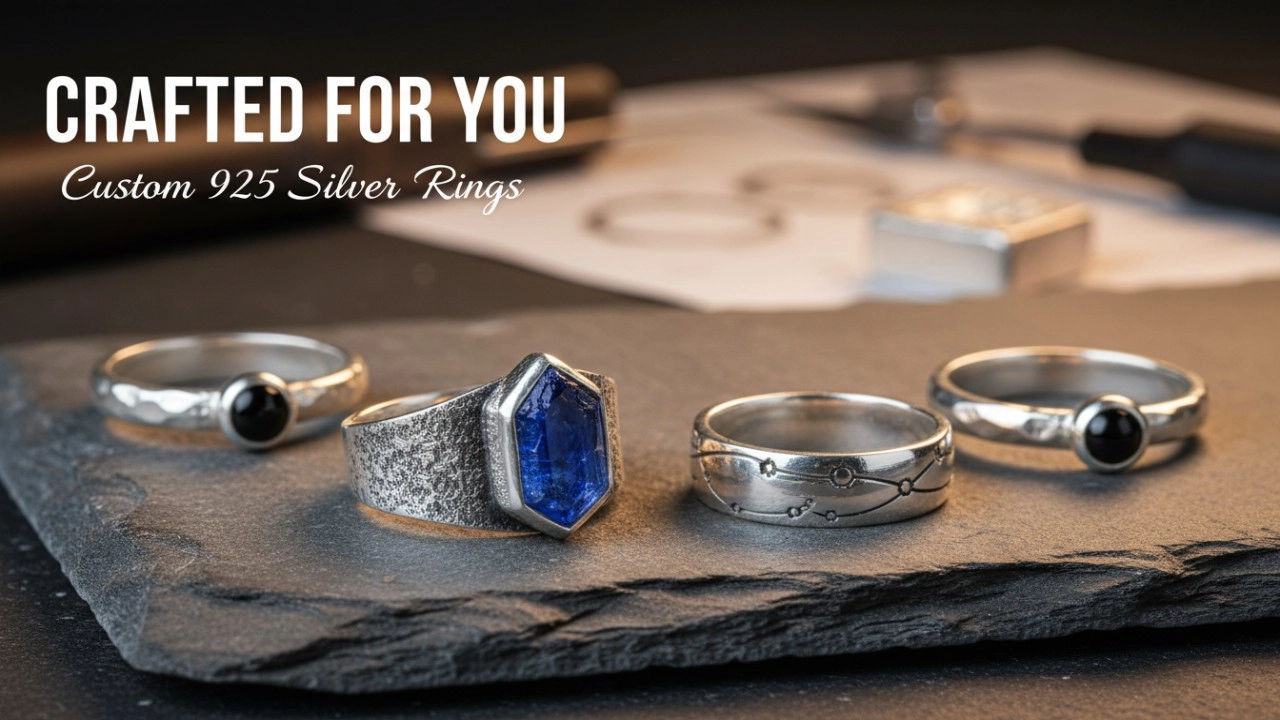
Why Custom 925 Silver Rings Are the Perfect Sustainable Luxury Gift (Compared to Gold)
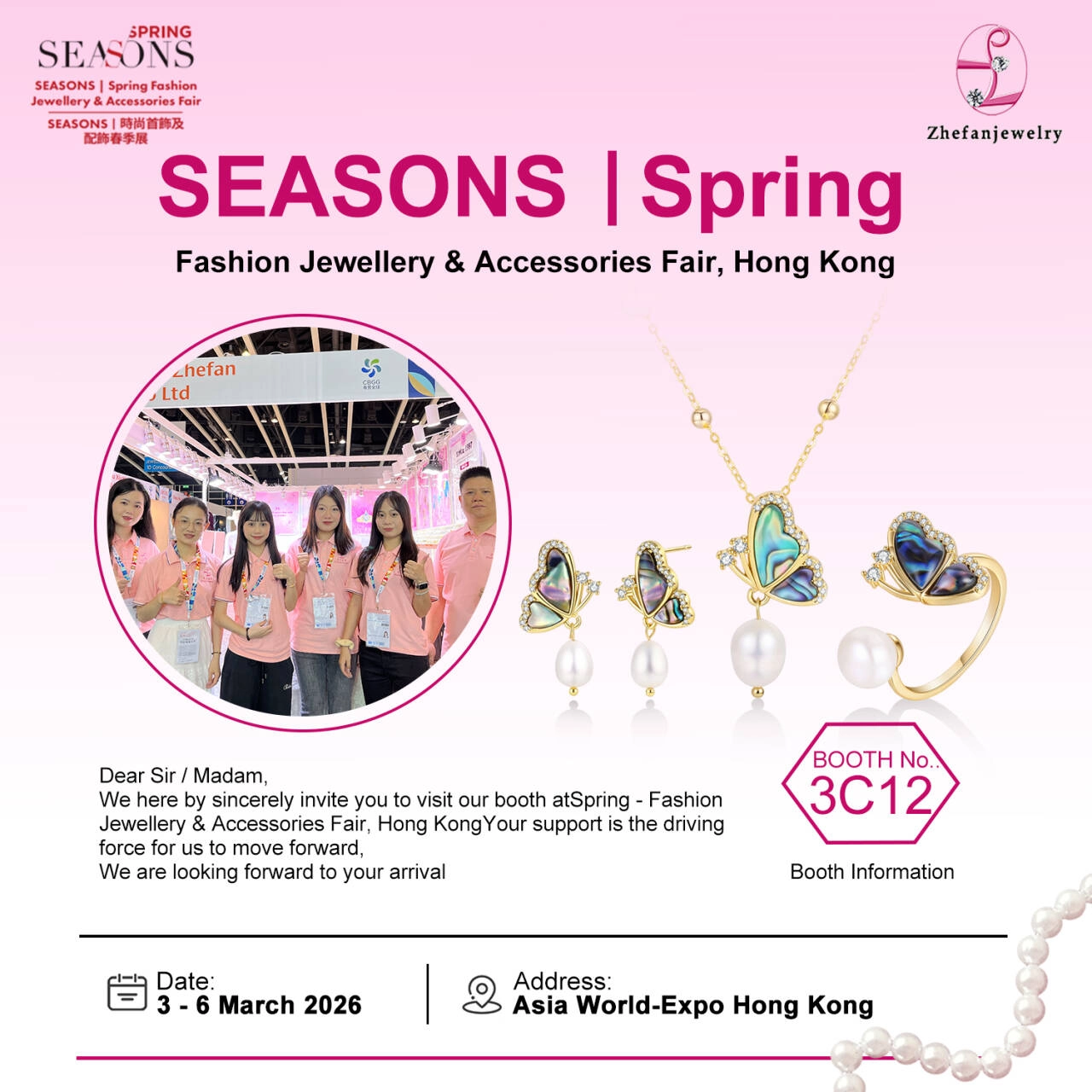
Zhefan Jewelry Invites You to Attend the Hong Kong Jewellery Exhibition 2026
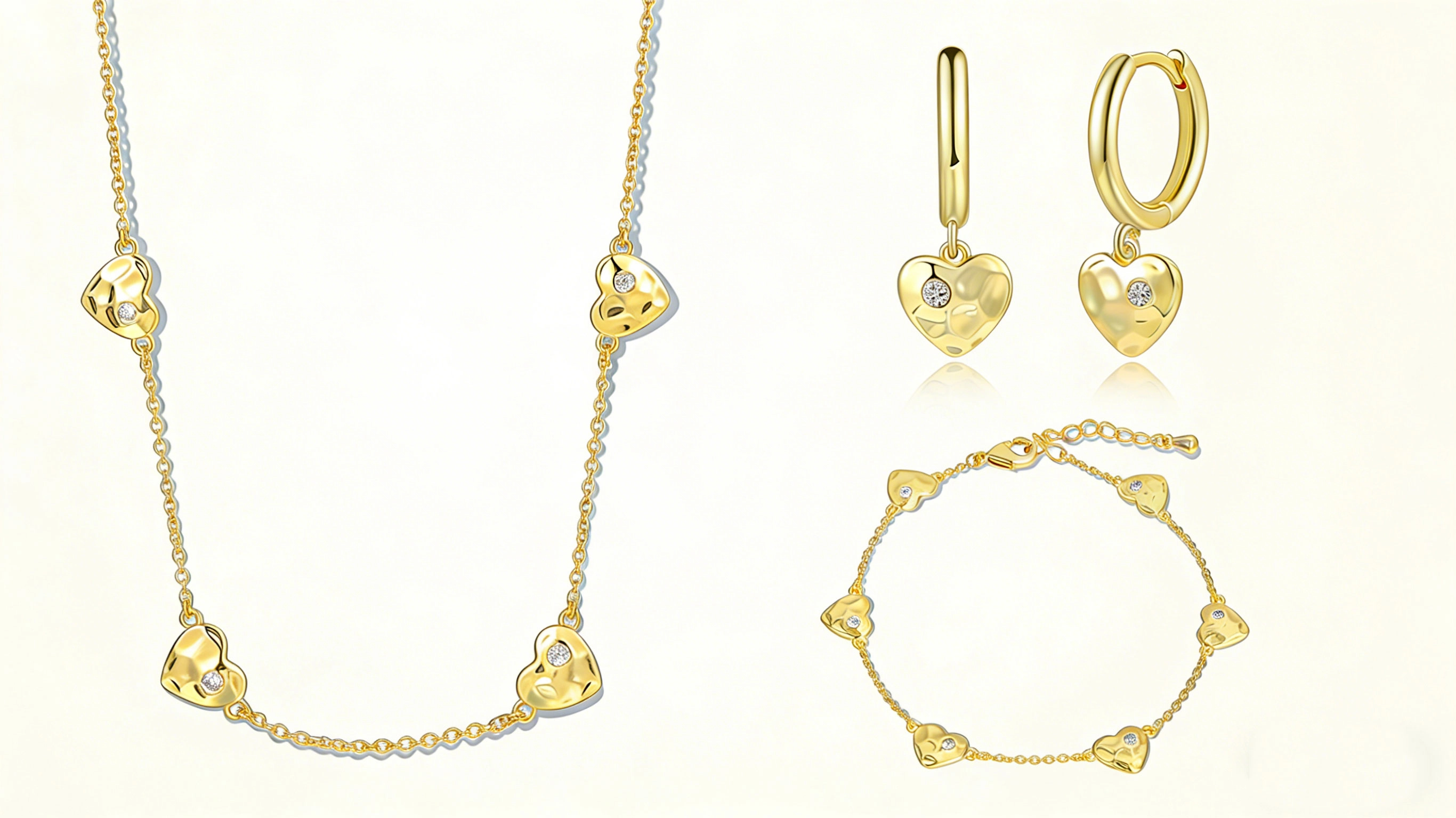
Is Brass Jewelry Good? Does Brass Jewelry Tarnish? The Complete Guide to Brass Jewelry Quality, Care, Longevity & Why It’s Trending
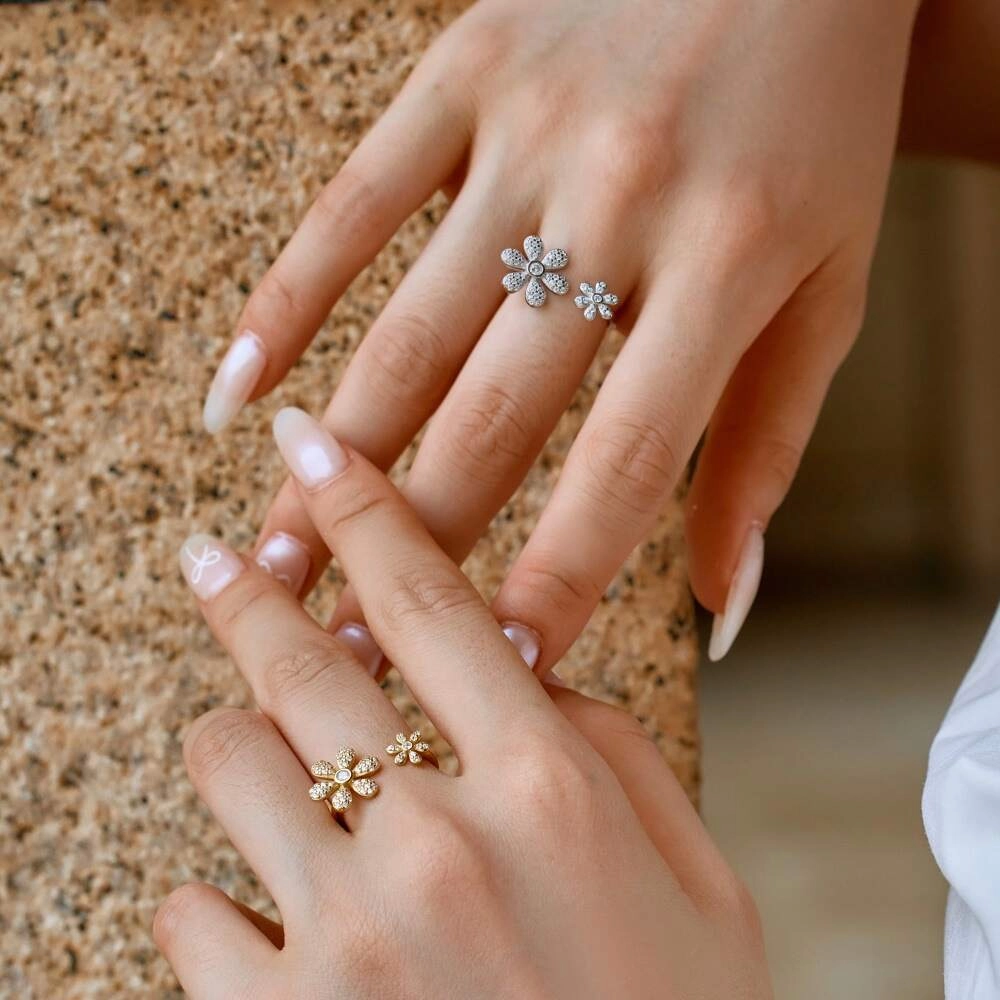
5 Costly Mistakes to Avoid When Sourcing Custom Sterling Silver Jewelry
Prdoucts Categories
FAQ
FAQs
What’s the shipment method?How long does it take for delivery?
Our product distributed to all over the world. Shipped by DHL/Fedex/ TNT/UPS takes 3-7 days,Epacket takes 7-15 days, China Post takes 15-30 days.
Can I see your product test report?
Of course.Our product throught standar test like SGS.We test in many ways of product.
Can I get a sample?
Yes,welcome to choose our sample to test and check quality.Please give me your address and number then send you payment list.
Products
What’s the lead time?
We could arrange shipment for you within 48 hours if you order models in stock. For bulk order, it takes 10-25 days for production depending on order quantity and styles.
What is your minimum order quantity?
We offer low MOQ from 2 to 30 depending on models. Send your favor model to get details from Trade Manager.
What’s the shipment method? How long does it take for delivery?
Our product distributed to all over the world. Shipped by DHL / Fedex / TNT / UPS takes 3-7 days, Epacket takes 7-15 days, China Post takes 15-30 days.
Discuss Your Ideas with a Professional Custom Jewelry Manufacturer
We provide personalized jewelry customization services for clients worldwide.
Rest assured that your privacy is important to us, and all information provided will be handled with the utmost confidentiality.
By clicking 'Send Inquiry Now' I agree to ZHEFAN JEWELRY processing my personal data.
To see how to withdraw your consent, how to control your personal data and how we process it, please see our Privacy Policy and Terms of use.
From design to production, ZHEFAN JEWELRY offers a one-stop solution to help you enhance your brand value and market competitiveness.
Get A Quote
Contact
Tel: (+86) 188 1927 7817
© 2026 Zhefan Jewelry. All Rights Reserved.
Facebook
Instagram
YouTube
Whatsapp: +8618819277817