





Email: sales3@zhefanjewelry.com
How can custom brass necklaces boost my retail sales?
Practical guidance for retailers and designers: how to specify alloys and finishes, set pricing and wholesale MOQs, require QC tests, choose durable plating, and market gold-plated brass necklaces to grow conversion and repeat sales.
- 1. How do I choose brass alloys and finishes to prevent 'green skin', rapid tarnish, and allergic reactions for custom brass necklaces?
- 2. What are realistic wholesale MOQs, pricing tiers, and lead times for scaling a retail line of custom brass necklaces?
- 3. How should I price custom brass necklaces to hit target retail margins while staying competitive against 'fast-fashion' and sterling alternatives?
- 4. Which plating and coating options (gold-filled, vermeil, PVD, heavy electroplating) deliver the best durability-to-cost ratio for custom brass necklaces?
- 5. What specific quality-control checks and lab tests should I require from a wholesale brass necklace manufacturer to ensure consistent production?
- 6. How can custom brass necklaces boost my retail sales through merchandising, photography, and SEO for both local and online stores?
- Concluding summary: Why choose custom brass necklaces for your retail assortment?
How Custom Brass Necklaces Boost Retail Sales: 6 Deep Questions Answered
As a retailer, buyer, or designer starting with custom brass necklaces, you need practical, factory-level and retail-ready answers. Below are six frequently asked, pain-point-focused questions that often lack depth online, plus detailed, actionable answers based on industry practice. Semantic terms such as brass jewelry, gold plated brass necklaces, antique brass finish, tarnish-resistant coating, custom engraved brass pendants, and wholesale brass necklace manufacturer appear naturally in the guidance below.
1. How do I choose brass alloys and finishes to prevent 'green skin', rapid tarnish, and allergic reactions for custom brass necklaces?
Problem: Customers seeing discoloration, skin staining, or allergic reactions leads to returns, negative reviews, and lost repeat purchases.
Practical guidance:
- Start with the alloy: Brass is primarily copper and zinc. Common 'cartridge' brass (roughly 70% copper, 30% zinc) provides good malleability for casting and stamping, but copper-rich mixes darken faster. If machinability is needed, manufacturers sometimes add small amounts of lead; for retail jewelry you should require 'lead-free' or 'low-lead' certification for consumer safety.
- Ask for nickel-free options when marketing to sensitive skin buyers. Many consumers have nickel allergies; request documentation or a nickel release test from your supplier. Selling 'nickel-free' or 'hypoallergenic brass' reduces refund risk and broadens market appeal.
- Choose the right surface system: plain, lacquered brass will resist initial tarnishing but can scratch away. Gold plating or rhodium plating over brass is common for 'gold plated brass necklaces' and improves aesthetics. For longer wear, PVD (physical vapor deposition) coatings or robust electroplating plus a clear, UV-resistant lacquer provide the best balance of color retention and cost for volume items.
- Consider antique or patina finishes carefully: an antique brass finish is attractive but intentionally oxidizes. If you want the look without unpredictable skin staining, ask for stabilized patina finishes that are sealed with a transparent topcoat.
- Communicate care instructions on product pages and packaging: explain that exposure to perfumes, chlorine, or sweat accelerates tarnish. Clear care guidance reduces chargebacks and improves customer satisfaction.
Action steps: request alloy certification, insist on nickel-free or tested claims, specify plating/coating process (e.g., electroplating + clear lacquer or PVD), and require samples to wear-test under real conditions before committing to a full order.
2. What are realistic wholesale MOQs, pricing tiers, and lead times for scaling a retail line of custom brass necklaces?
Problem: New retailers overcommit to high MOQs or encounter long lead times that block season launches and cash flow.
Practical guidance:
- Typical MOQ range: many wholesale brass necklace manufacturers set minimum order quantities between 50 and 300 pieces per SKU or design, depending on complexity and finishing. Simple stamped pendants with standard chains often sit at the lower end; cast or heavily plated designs may require higher MOQs to cover tooling and finishing setup.
- Break down costs: component cost (chain, pendant, clasp), finishing (plating, lacquering, polishing), custom tooling or die cost (amortized over run), packaging, and testing. Ask suppliers for a per-piece cost at multiple quantity breaks (e.g., 50 / 200 / 500) so you can model margin improvement as volume grows.
- Lead times: expect 3–8 weeks for small to medium custom orders when tooling is not required; tooling or new molds add 2–4 additional weeks depending on complexity. Rush fees can shorten turnaround but increase costs materially.
- Ordering strategy to scale safely: start with a small test run (50–200 units) in best-selling finishes to validate sales velocity before committing to larger production. Use pre-orders and sample sales to fund higher-volume runs with lower inventory risk.
Action steps: request a tiered price quote, confirm exact MOQs per SKU/finish, ask for lead-time timelines per production stage, and negotiate staggered deliveries to align cash flow and retail calendars.
3. How should I price custom brass necklaces to hit target retail margins while staying competitive against 'fast-fashion' and sterling alternatives?
Problem: Incorrect pricing either destroys margin or makes products unsellable.
Practical guidance:
- Cost-plus baseline: calculate landed cost per unit (product + plating + chain + packaging + shipping + duties + QA + labeling). Add a markup that supports wholesale and retail distribution. Many independents use a keystone (2x wholesale to retail) or 2.5–3x markup when direct-to-consumer to cover marketing and returns.
- Factor perceived value: polished photography, gift-ready packaging, limited-edition collections, and custom engraving raise perceived value so you can command higher price points than plain 'gold plated brass necklaces' on marketplaces.
- Tiered ranges: offer an entry-level line (affordable plated brass), a mid-tier (thicker plating, sealed finish, custom engraving), and a High Quality brass line (stabilized patina or gold-filled alternatives) to capture different customer segments while keeping AOV (average order value) growth strategies in place.
- Promotions without margin erosion: structure discounts with clear cadence (launch 10% pre-order, seasonal promotions) and avoid constant price discounting. Use bundling (necklace + earring set) and free-shipping thresholds to increase AOV instead of slashing unit price.
Action steps: build a SKU-level P&L, test pricing tiers against conversion data (A/B test product pages and offer levels), and monitor returns by SKU to measure whether quality or price drives refunds.
4. Which plating and coating options (gold-filled, vermeil, PVD, heavy electroplating) deliver the best durability-to-cost ratio for custom brass necklaces?
Problem: Retailers want durability claims but face differing definitions and costs for plating methods.
Practical guidance:
- Understand the categories: 'Gold plated' (thin layer of gold over brass) is economical but less durable; 'vermeil' is gold on sterling silver and has stricter standards; 'gold-filled' is mechanically bonded with a thicker layer and is significantly more durable than standard plating. PVD and other advanced coatings provide color durability and abrasion resistance at a higher upfront cost.
- Match finish to price point: for entry-level fashion necklaces, quality gold plating with a protective lacquer is cost-effective. For mid-High Quality ranges, gold-filled components or thicker plating with PVD delivers superior lifetime and reduces returns. If you need the look of vermeil but with brass base, be transparent about materials to avoid regulatory or consumer trust issues.
- Test to validate claims: request wear tests, abrasion tests, and photographs of plated samples after accelerated aging. For higher-priced items, request certificates proving the composition (e.g., gold-filled standard) so you can market durability confidently.
Action steps: define target lifetime expectations (e.g., daily wear vs occasional wear), choose plating/coating accordingly, and require documentation or third-party testing for High Quality claims.
5. What specific quality-control checks and lab tests should I require from a wholesale brass necklace manufacturer to ensure consistent production?
Problem: Inconsistent batches cause increased returns and quality complaints.
Practical guidance:
- Initial sample approval: require one or more final production samples (not prototypes) for each SKU and finish. Approve visual appearance, chain length/weight, clasp operation, and engraving quality before full production.
- Batch checks: require random inspection (AQL—Acceptable Quality Level) on finished goods for dimensions, plating uniformity, polish, and function. Define acceptable defect rates upfront in the contract.
- Plating and coating verification: ask for a plating thickness report (where applicable), adhesion results, and descriptions of the plating process used. For higher-ticket items, third-party thickness verification with XRF can validate claims.
- Allergen and chemical safety: request nickel release testing or certificates to support 'nickel-free' claims and ensure compliance with destination market regulations (EU, US, etc.). For lead content and other restricted substances, ask for RoHS/REACH confirmation where relevant or material safety documentation.
- Functional tests: clasp and jump-ring strength, solder joint checks for chains, and engraving durability checks (rub tests) to confirm permanent personalization processes.
- Packaging and labeling verification: inspect packaging for correct SKU labels, barcodes, hangtags, and care cards. Consistent packaging affects unboxing experience and perceived value.
Action steps: include QC checkpoints in your purchase order, set AQL levels, require inspection reports or third-party lab certificates for safety claims, and withhold partial payment until inspection milestones are met.
6. How can custom brass necklaces boost my retail sales through merchandising, photography, and SEO for both local and online stores?
Problem: Great product alone doesn't sell—poor presentation and weak discoverability kill conversion.
Practical guidance:
- Merchandising: create story-driven collections (e.g., 'initial necklaces', 'layering chains', 'custom engraved brass pendants') that simplify buying decisions. Offer recommended bundles (necklace + matching bracelet) and display layering ideas in imagery to encourage add-on purchases.
- Product photography and video: invest in crisp, high-resolution images showing scale (model shots), close-ups of finishes (antique brass finish, gold plated brass necklace details), and 360° or short video clips of the clasp and chain movement. Lifestyle imagery increases perceived value and raises conversion.
- SEO and content: optimize product pages with long-tail phrases that buyers use when in purchase mode, such as 'custom brass necklaces with engraving', 'tarnish-resistant gold plated brass necklace', 'wholesale brass necklace manufacturer for boutiques'. Include clear product specifications (materials, plating, chain length, weight) and care instructions to reduce uncertainty.
- Local search and GEO targeting: for physical retailers or local markets, use local SEO signals—'custom brass necklaces near me', store-focused landing pages, accurate NAP (name, address, phone), and local inventory feeds. Geo-targeted advertising that highlights same-day pickup or in-store personalization drives higher foot traffic conversion.
- Conversion boosters: clear shipping, returns policy, and estimated delivery times increase buyer confidence. Offer limited-run 'numbered' custom editions or short drops to create urgency without long-term discounting.
- Post-purchase experience: include care cards and a small polishing cloth to reduce early tarnish complaints and increase perceived value. Encourage customers to leave photos and reviews to fuel social proof.
Action steps: create optimized product templates that include material keywords, invest in model and macro photography, set up local landing pages if you serve brick-and-mortar customers, and use bundling/limited editions to increase AOV.
Concluding summary: Why choose custom brass necklaces for your retail assortment?
Custom brass necklaces offer a compelling balance of design flexibility, cost-effectiveness, and strong margin potential when you control alloy selection, plating/coating, and quality standards. With the right wholesale brass necklace manufacturer and clear QC, you can create plated, engraved, or patinated lines that meet diverse customer needs—from affordable fashion pieces to mid-High Quality keepsakes. Proper merchandising, photography, and targeted SEO amplify conversion, while clear material claims and care guidance reduce returns. Overall, custom brass necklaces are an adaptable category that, when executed with testing and controls, can boost retail sales, improve margins, and expand Zhefan Jewelry reach.
Contact us for a quote and sample program at sales3@zhefanjewelry.com or visit www.zhefanjewelry.com to discuss MOQs, finishes, and pricing tailored to your retail needs.
Recommended for you
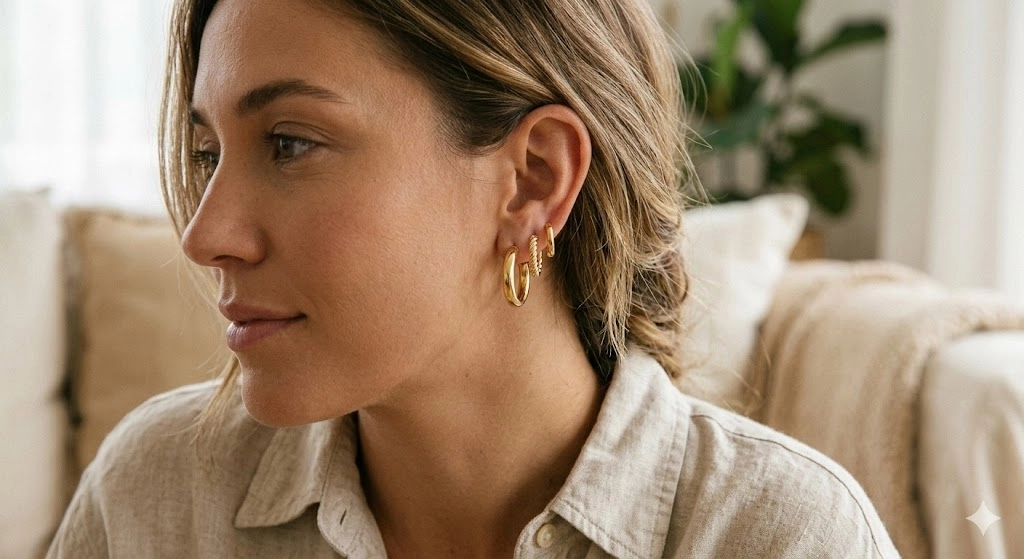
The Ultimate Buyer's Guide to Custom Wholesale Brass Huggie Earrings in China
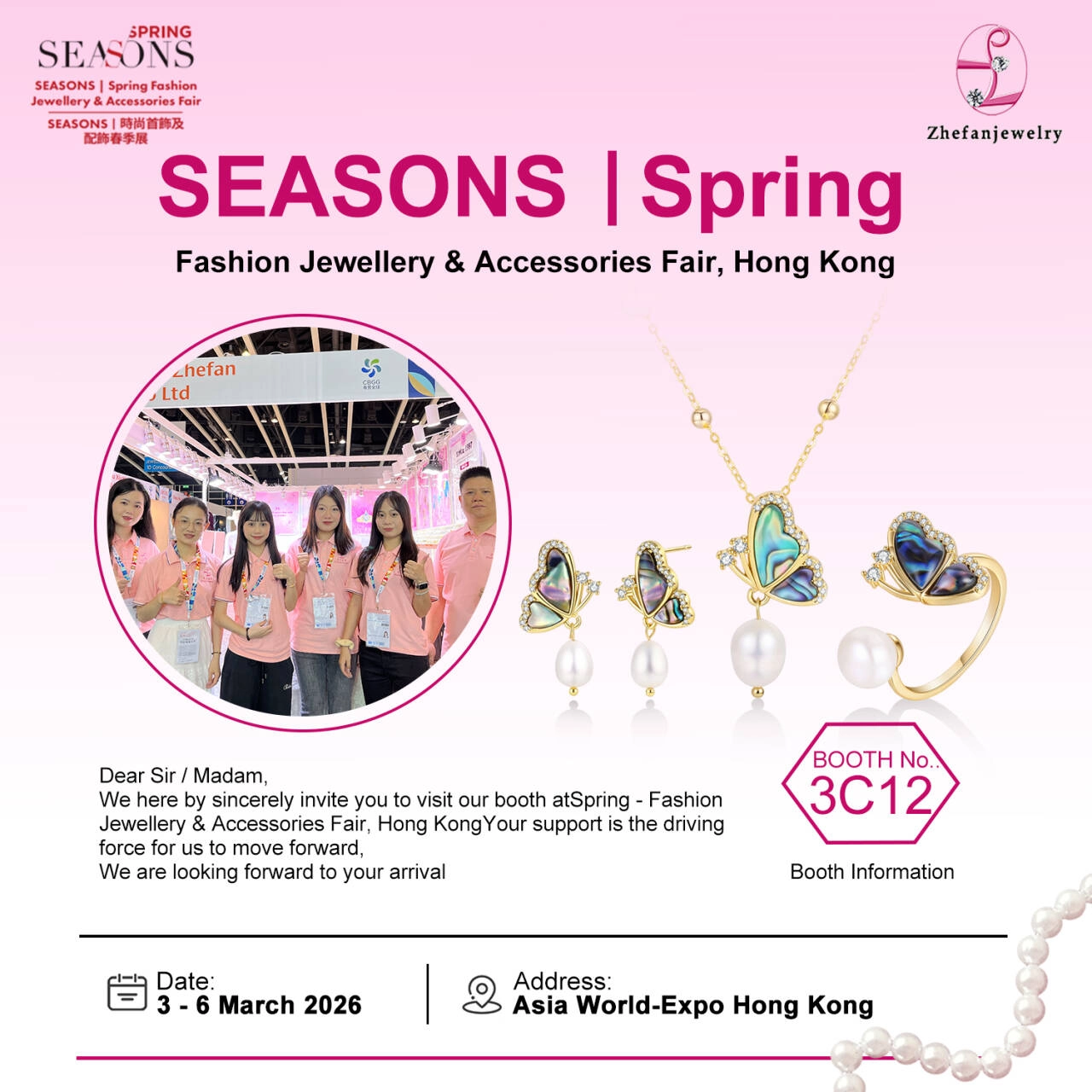
Zhefan Jewelry Invites You to Attend the Hong Kong Jewellery Exhibition 2026
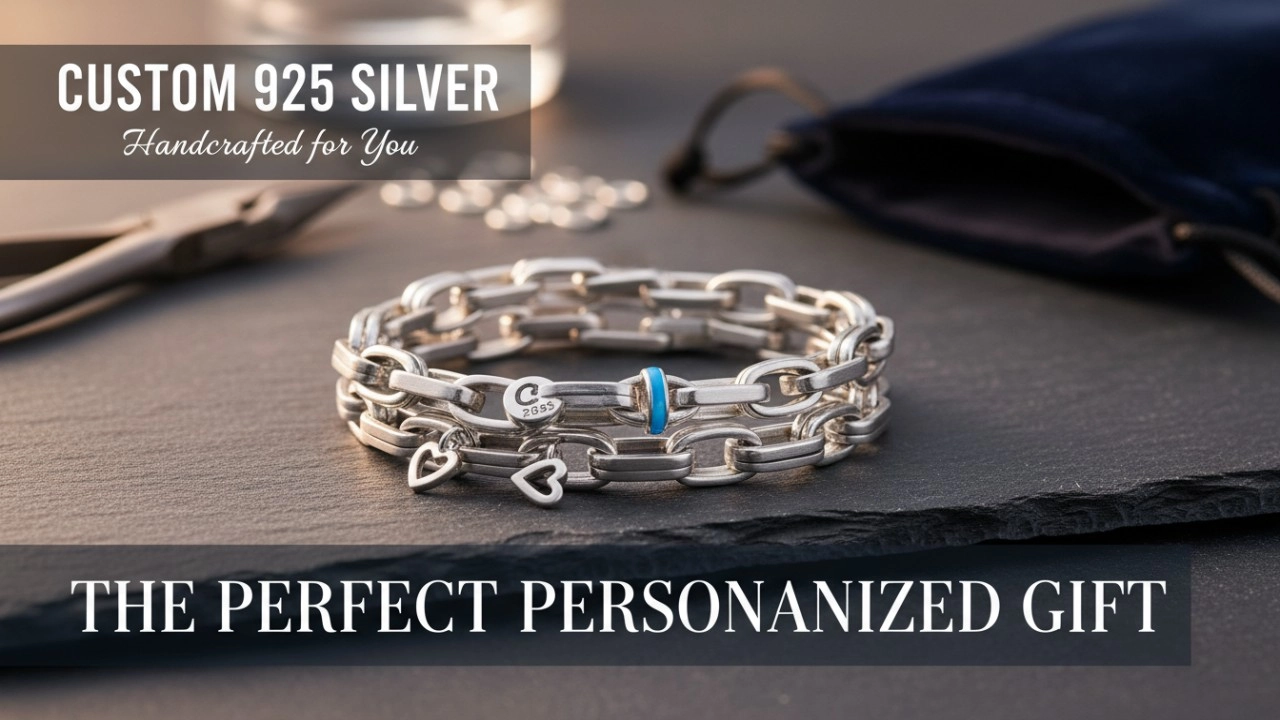
12 Unique Custom 925 Silver Bracelet Ideas That Go Beyond Basic Engraving (2026 Guide)
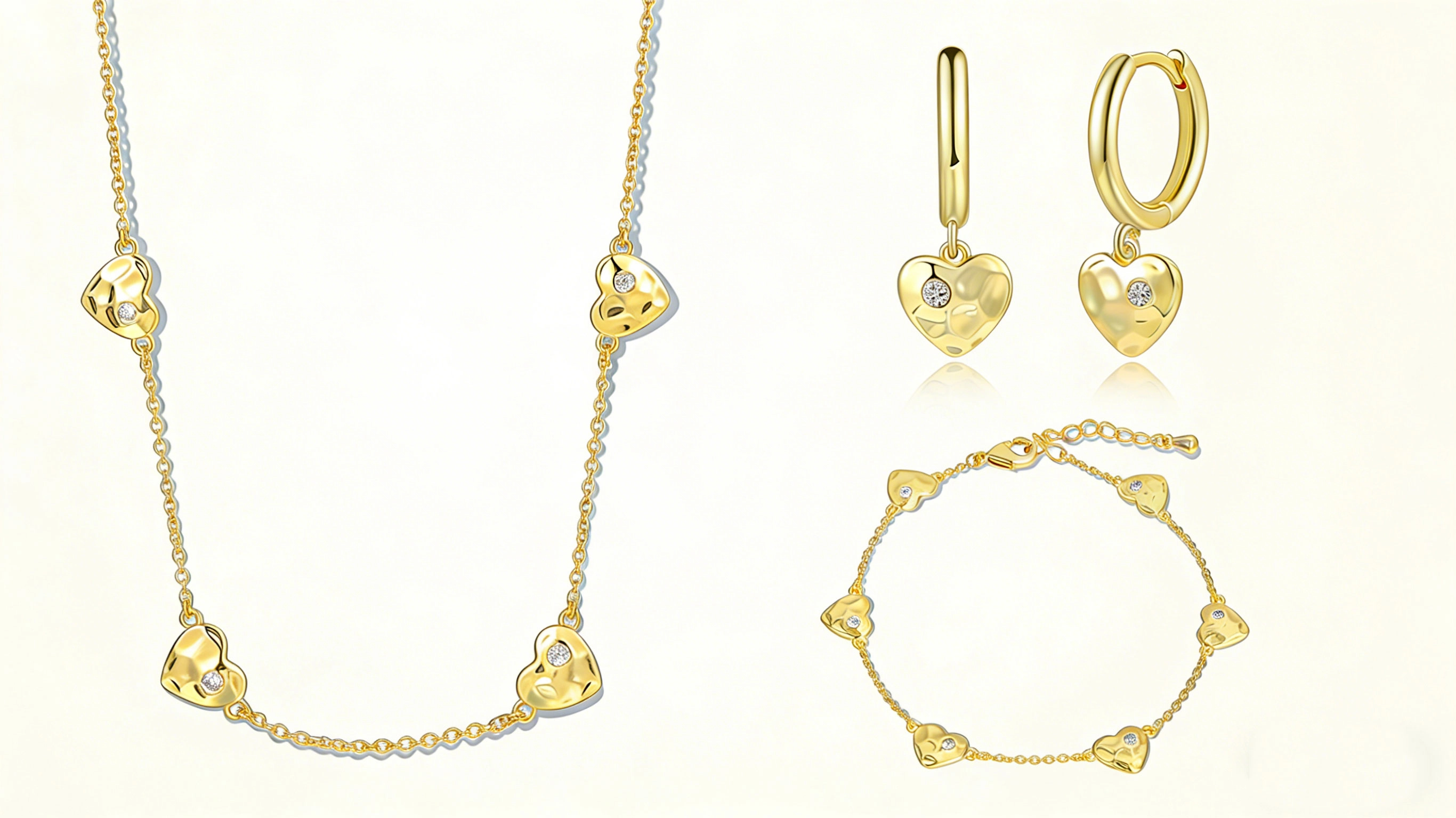
Is Brass Jewelry Good? Does Brass Jewelry Tarnish? The Complete Guide to Brass Jewelry Quality, Care, Longevity & Why It’s Trending
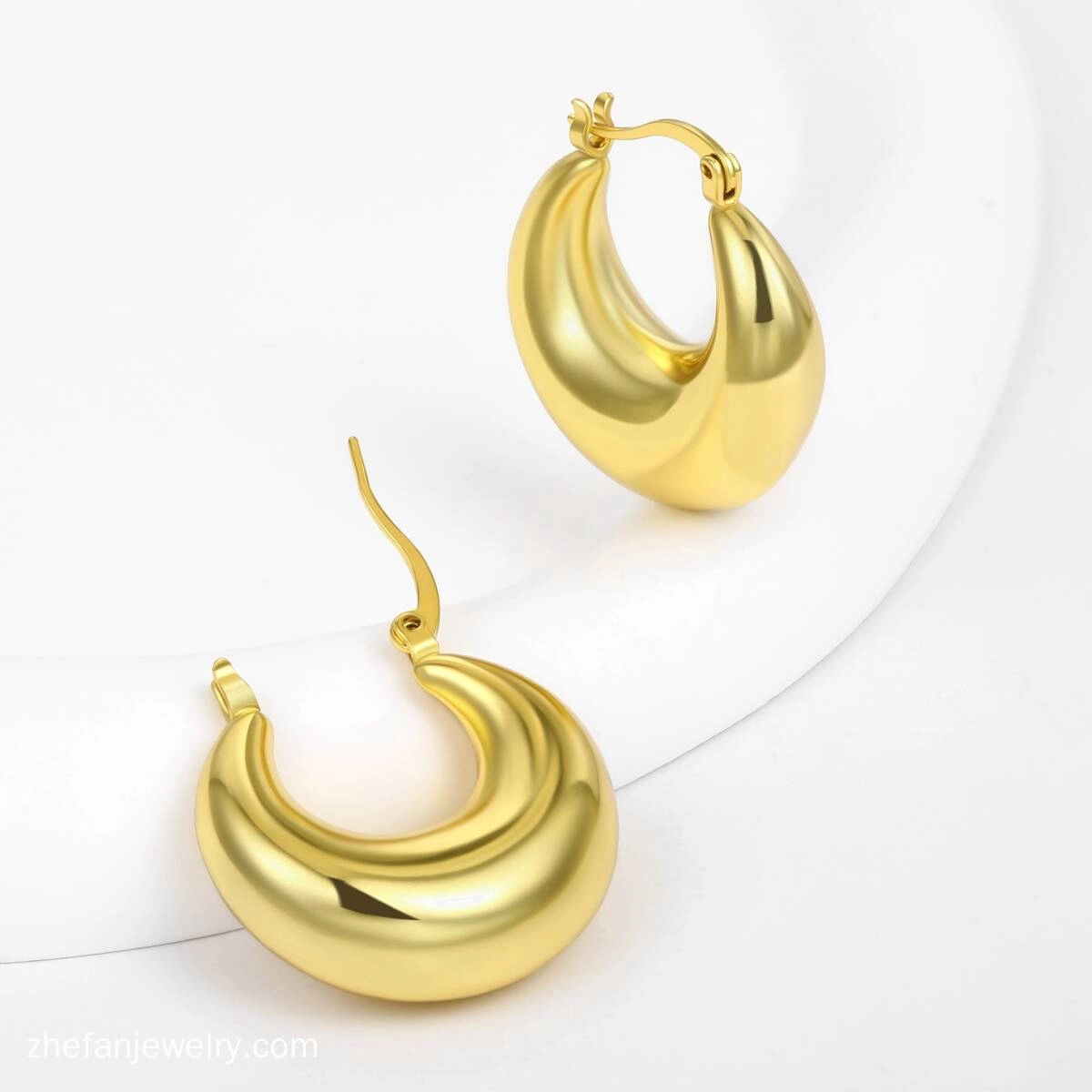
Launch Your Brand: A Guide to Sourcing Custom Wholesale Brass Huggie Earrings
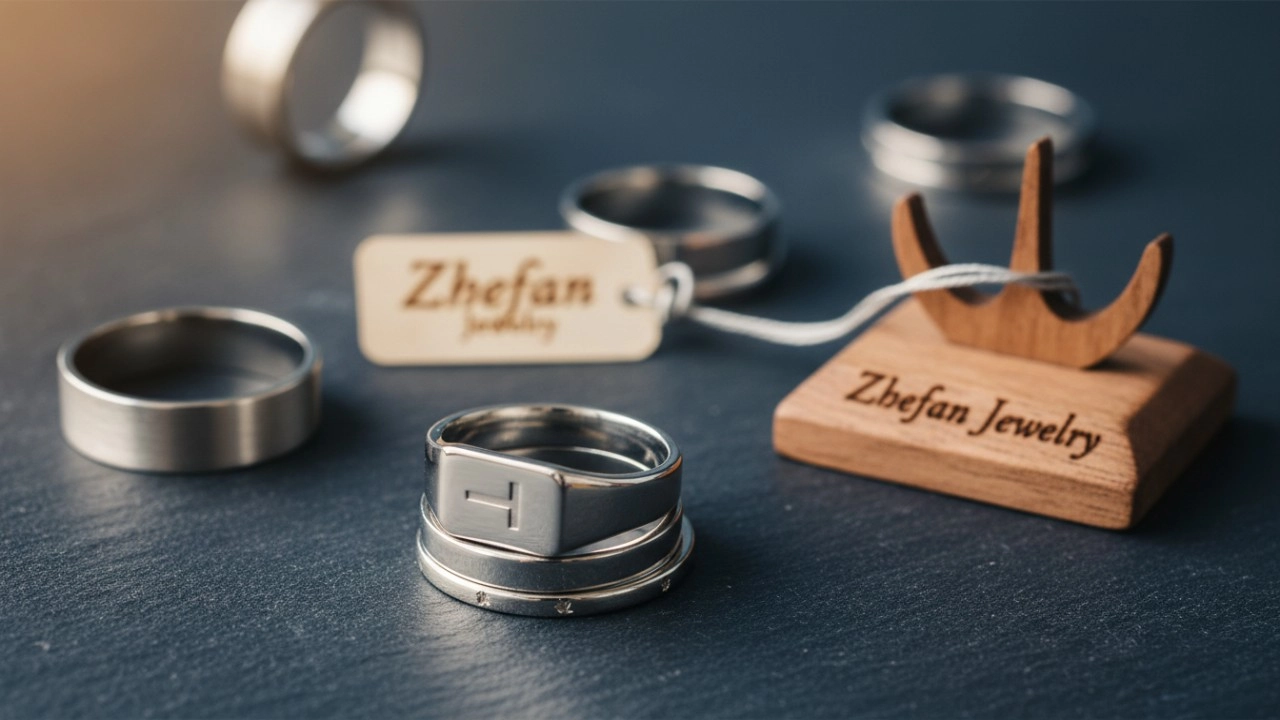
The Ultimate 2026 Guide to Stainless Steel Ring Jewelry: Why It Outshines Traditional Metals
Prdoucts Categories
FAQ
FAQs
Can I have your product catalog?
Yes, please leave us a message what style jewelry catalog you need.
Can I see your product test report?
Of course.Our product throught standar test like SGS.We test in many ways of product.
Can you engrave my logo on the jewelry ?Do you supply OEM/ODM service?
Yes. Custom logo and OEM/ODM are both accepted. Our factory specializes in jewelry manufacturing for 27 years.We can produce jewelry by your sample, design, pictures, even by an idea.Please feel free to contact us for more details. Custom order process:Inquiry-Confirm products details-Pay mold fee -Confirm CAD draft-Quote-Initial payment-Produce mold&sample-Confirm Sample-Mass production-Balance payment-Shipment-Track shipment-delivery.
Products
What’s the shipment method? How long does it take for delivery?
Our product distributed to all over the world. Shipped by DHL / Fedex / TNT / UPS takes 3-7 days, Epacket takes 7-15 days, China Post takes 15-30 days.
What’s the lead time?
We could arrange shipment for you within 48 hours if you order models in stock. For bulk order, it takes 10-25 days for production depending on order quantity and styles.
Can you engrave my logo on the jewelry ?Do you supply OEM/ODM service?
Yes. Custom logo and OEM/ODM are both accepted.Our factory specializes in jewelry manufacturing for 25 years.We can produce jewelry by your sample, design, pictures, even by an idea.Please feel free to contact us for more details. Custom order process: Inquiry-Confirm products details-Pay mold fee -Confirm CAD draft-Quote-Initial payment-Produce mold & sample-Confirm Sample-Mass production-Balance payment-Shipment-Track shipment-delivery.
Discuss Your Ideas with a Professional Custom Jewelry Manufacturer
We provide personalized jewelry customization services for clients worldwide.
Rest assured that your privacy is important to us, and all information provided will be handled with the utmost confidentiality.
By clicking 'Send Inquiry Now' I agree to ZHEFAN JEWELRY processing my personal data.
To see how to withdraw your consent, how to control your personal data and how we process it, please see our Privacy Policy and Terms of use.
From design to production, ZHEFAN JEWELRY offers a one-stop solution to help you enhance your brand value and market competitiveness.
Get A Quote
Contact
Tel: (+86) 188 1927 7817
© 2026 Zhefan Jewelry. All Rights Reserved.
Facebook
Instagram
YouTube
Whatsapp: +8618819277817