







Email: sales3@zhefanjewelry.com
How to negotiate pricing for large brass necklace orders?
Detailed buyer's guide for custom brass necklaces: cost breakdowns, hidden fees, plating specs, lead times, coatings, and step-by-step negotiation tactics to lower per-unit costs and avoid rework on bulk orders.
- 1. How do I calculate a realistic per-unit cost for custom brass necklaces when designs vary in weight and finish?
- 2. What hidden charges commonly inflate quotes for bulk brass necklace orders and how can I verify or avoid them?
- 3. How to negotiate pricing for large brass necklace orders?
- 4. How should I write plating and finish specifications to avoid rework and extra costs for bulk brass necklaces?
- 5. How long should I expect lead times for complex custom brass necklaces and how do I schedule them realistically?
- 6. Which coating options balance cost, durability, and hypoallergenic properties for brass necklaces?
- Concluding summary: Advantages of choosing custom brass necklaces
How to Negotiate Pricing for Large Custom Brass Necklace Orders: 6 Advanced Questions Answered
As a manufacturer and supplier (www.zhefanjewelry.com), this guide answers six specific, buyer-focused questions about custom brass necklaces and how to negotiate pricing for large orders. The guidance covers cost calculation, hidden fees, plating and finish specs, lead times, coating choices, and a practical negotiation playbook for wholesale and private-label jewelry buyers.
1. How do I calculate a realistic per-unit cost for custom brass necklaces when designs vary in weight and finish?
Problem: Many buyers accept a single quote without understanding the variables that drive per-unit cost, then get surprised when heavier or more complex pieces increase price.
Step-by-step method to calculate per-unit cost:
- Separate the quote into discrete cost buckets: raw material (brass alloy), manufacturing (stamping/casting), tooling/mold, surface treatment (electroplating, PVD, antique finish), components (chains, clasps, jump rings), labor, packaging, QC, and logistics. Ask suppliers for line-item pricing.
- Weigh or calculate theoretical weight per piece from CAD/2D dielines. For stamped pieces, use material thickness × cut area. For cast pieces, use CAD volume × alloy density. For simple pendant shapes you can request a prototype sample to measure actual grams.
- Material pricing: request the brass alloy spec (e.g., C260, C280) and current copper/zinc surcharge or commodity index the supplier references. Brass cost typically scales with gram weight; ask for cost per gram or per kg used when plating vs solid brass outcomes differ.
- Finish High Quality: define plating type (gold plating, rhodium, PVD, antique), target thickness or quality test (adhesion, salt spray). Plating is usually charged per batch and per piece by surface area—ask for per-square-centimeter or per-gram plating rates if available.
- Tooling amortization: divide tooling/mold cost by the expected run quantity (or establish a separate tooling charge in the invoice). For example, a $1,000 die amortized over 2,000 pcs adds $0.50/pc. Get the tooling ownership terms (who keeps the tooling after the run).
- Labor, QA, packaging: ask for the rates used—if combined in a single labor line, request a breakout for benchmarking.
- Freight and duties: clarify INCOTERMS (FOB, CIF) and estimate shipping plus potential customs/duties. For sea shipments include consolidation and inland trucking.
Practical tip: create a simple spreadsheet that multiplies per-piece material and processing costs by your target quantity and compares multiple finish options (e.g., raw brass + lacquer vs gold-plated + anti-tarnish). This lets you model per-unit price at different MOQs and visualizes the impact of weight, plating, and tooling.
2. What hidden charges commonly inflate quotes for bulk brass necklace orders and how can I verify or avoid them?
Problem: Buyers often factor only the quoted unit price and are surprised by additional charges at final invoice or shipping.
Common hidden fees and how to handle them:
- Tooling and die ownership/repairs: clarify if tooling cost is refundable or amortized and whether replacement tooling is charged for design changes.
- Sampling and prototyping fees: request whether first-fit samples are free or paid, and whether samples are credited to the final order. Ask for lead-time and costs for approved samples and for any subsequent modifications.
- Surface rework and color matching: require an approval process with measured acceptance criteria (e.g., physical master sample). Add contract terms stating that rework due to supplier error is at supplier expense; rework due to buyer changes is chargeable.
- Plating rejections: confirm plating thickness and adhesion tests (see ASTM B117 salt spray as an agreed-upon test if relevant). Set acceptable failure rates and responsibility for rejected pieces.
- Packing, labeling, and customs paperwork (COO, commercial invoice, packing list): request per-carton packing cost and confirm if labeling or hangtags incur extra fees.
- Quality inspection and hold fees: negotiate who pays for on-site third-party inspection (AQL) and whether storage fees apply for delayed pickups.
How to verify: include these line items in the PO and require supplier to provide invoices for subcontracted services (e.g., third-party plating or testing). Use samples and clear technical packs to reduce ambiguity.
3. How to negotiate pricing for large brass necklace orders?
Problem: Buyers accept quoted tier pricing without leveraging common levers suppliers can offer.
Negotiation framework (step-by-step):
- Prepare: know your target unit cost by using the per-unit costing spreadsheet. Understand the MOQ, capacity, and seasonal demand cycles.
- Volume breaks: propose specific tiered quantities (e.g., 500 / 1,000 / 3,000 pcs) and request exact unit prices for each tier. Suppliers often have pre-defined tiers—align your quantities to them.
- Trade-offs: offer concessions for price reductions—longer lead time, flexible shipping windows, consolidation of SKUs, or acceptance of a slightly lower plating thickness. Ask the supplier which variables most reduce cost.
- Tooling sharing or cost-split: for multi-SKU collections with similar dies, propose sharing tooling costs across SKUs or splitting tooling cost over several future orders to lower initial outlay.
- Payment terms: negotiate deposit and balance terms (e.g., 30% deposit, 70% before shipment) to see if partial upfront payment yields discounts. Some suppliers offer discounts for faster payment or LCs; others will accept extended payment for higher unit prices—compare net cost.
- Aggregate ordering: bundle designs and future SKUs in a rolling contract to get better pricing in exchange for forecast commitments. Create a 6–12 month buying schedule to secure lower rates.
- Ask for detailed cost justification: request raw material costs, plating batch costs, and tooling amortization. Asking for transparency can reduce markups and lead to fair concessions.
- Use competitive leverage: get 2–3 vetted quotes before negotiating. Suppliers are more willing to reduce margins if they see realistic competition.
Sample negotiation script:
We plan to order 3,000 pieces across three SKUs in Q3 and can commit to a 6-month forecast for replenishment. If you can provide unit pricing of $X at 3,000 pcs with tooling amortized and FOB Shanghai, and maintain plating at agreed specs, we'll sign a 6-month supply agreement. Can you share the breakout for material, plating, and tooling so we can finalize terms?
Close with clear KPIs: agreed lead time, acceptable defect rate (AQL), plating thickness/adhesion criteria, and ownership of tooling.
4. How should I write plating and finish specifications to avoid rework and extra costs for bulk brass necklaces?
Problem: Vague specs like gold finish cause inconsistency and expensive rework.
What a rigorous finish spec should include:
- Base metal alloy and cleaning: specify the brass alloy (e.g., C260, C268 if the supplier uses those commercial grades) and pre-treatment (degreasing, acid pickle) so adhesion performance is consistent.
- Plating type and minimum thickness: name the process (electroplating, rhodium, PVD) and a measurable target (e.g., gold flash, heavy gold plating). If a specific micron value is important, state the minimum and acceptable test method.
- Color sample and measurement: provide a physical master sample or color reference. For large orders, include a Delta E or L*a*b tolerance if you can measure it, or require supplier to match approved sample within a visual tolerance standard.
- Surface finish and texture: specify polish level (mirror, satin, brushed), antique patina steps, or intentional surface roughness. Include photographic guidance and acceptance criteria for pitting, streaks, and burn marks.
- Functional tests: require adhesion tests (tape test), and environmental tests such as ASTM B117 salt spray for corrosion resistance or a specified number of hours to failure.
- Hypoallergenic and compliance: request nickel-free plating or RoHS/REACH compliance certificates if the market requires them. For U.S. and EU markets, ensure documentation is attached.
- Approval gate: define sample approval gates (first article, pre-production sample, pilot run) and who pays for rework if production fails to match approved samples.
Include these specs in the technical pack and the purchase order so the supplier is contractually bound, reducing ambiguity and costly rework.
5. How long should I expect lead times for complex custom brass necklaces and how do I schedule them realistically?
Problem: Buyers assume short lead times; unexpected plating queues, tooling delays, or shipping cause missed launch dates.
Typical timeline components and scheduling tips:
- Design & revisions (1–3 weeks): concept to CAD and technical dielines. Simple jewelry takes less time than multi-component assemblies.
- Tooling/mold production (2–6 weeks): stamping dies or casting molds. Complex 3D cast pieces require more time for master patterns and casting trials.
- Sampling and approval (1–3 weeks): production of first-fit samples, adjustments, and final approval. Leave buffer for at least one iteration.
- Mass production run time (2–8 weeks): depends on order size, plating queue, and finishing complexity. Plating houses may have backlog—confirm slot availability before signing the PO.
- QA, packing, and shipping (1–3 weeks): perform inspection (AQL) and consolidate packaging; then allow sea/air transit time per your INCOTERM.
Scheduling tips:
- Build buffer time for plating and finish queues—ask suppliers to reserve a plating slot aligned with your production window.
- Stagger SKUs or batch shipments to reduce rush charges and allow early sales of approved SKUs while remaining items are finishing.
- Lock lead times into the contract and include penalties or negotiated remedies for missed deadlines caused by the supplier (force majeure clauses should still be considered).
6. Which coating options balance cost, durability, and hypoallergenic properties for brass necklaces?
Problem: Buyers choose cheap coatings that tarnish quickly or that cause skin reactions.
Common coating options and trade-offs:
- Lacquer/clear coat: least expensive; protects against immediate tarnishing but wears off over time, especially on high-contact surfaces. Good for raw brass look on low-cost items.
- Electroplating (gold, rhodium, silver): widely used; cost depends on metal (gold > rhodium > silver) and plating thickness. Electroplating is susceptible to wear—longer-lasting if thicker or if backed by an anti-tarnish top coat.
- PVD (Physical Vapor Deposition): more durable and scratch-resistant, offers rich color options and good adhesion. Costs more than standard electroplating but can improve longevity significantly for fashion jewelry.
- Rhodium over base: good for bright white finish and improved tarnish resistance; often used on brass to mimic white gold/platinum look. Rhodium can wear and is costlier than a simple silver plate.
- Anti-tarnish chemical treatment and passivation: adds protection without changing appearance; often used in conjunction with plating or lacquer to prolong life.
Hypoallergenic considerations: brass contains copper and zinc and may be alloyed with lead/nickel depending on producer. Request nickel-free or low-nickel brass grades and plating that acts as a barrier (rhodium, PVD, or robust gold plating). Ask for material composition certificates and compliance documentation (RoHS/REACH) if selling in regulated markets.
Practical selection: for mid-market private-label fashion jewelry, a moderately thick electroplating with an anti-tarnish top coat balances cost and durability. For High Quality lines, PVD or heavy gold plating with a protective top coat is worth the additional investment.
Concluding summary: Advantages of choosing custom brass necklaces
Custom brass necklaces offer excellent design flexibility, cost-efficiency for bulk runs, and a wide range of finishes—from raw antique brass to high-gloss gold plating or durable PVD. With clear technical specifications (alloy, plating type, acceptance tests), transparent cost breakdowns, and strategic negotiation—volume breaks, tooling terms, and payment arrangements—buyers can achieve attractive per-unit pricing while maintaining product quality and compliance for target markets.
For expert quotes, technical packs review, or to request samples and MOQ options, contact Zhefan Jewelry at www.zhefanjewelry.com or email sales3@zhefanjewelry.com. We can provide line-item quotes, sample timelines, and plating/test documentation to support your bulk custom brass necklace purchase.
Recommended for you
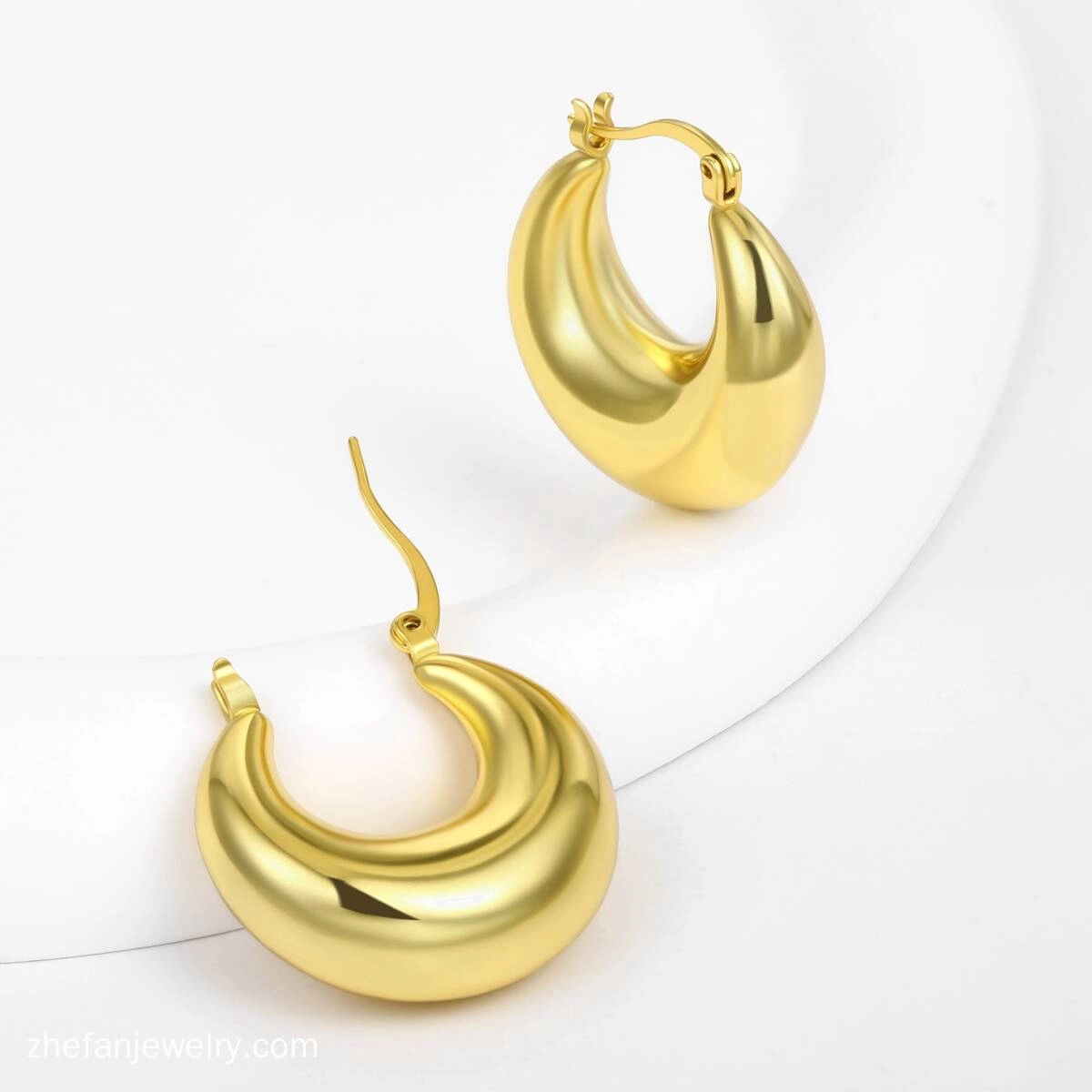
Launch Your Brand: A Guide to Sourcing Custom Wholesale Brass Huggie Earrings
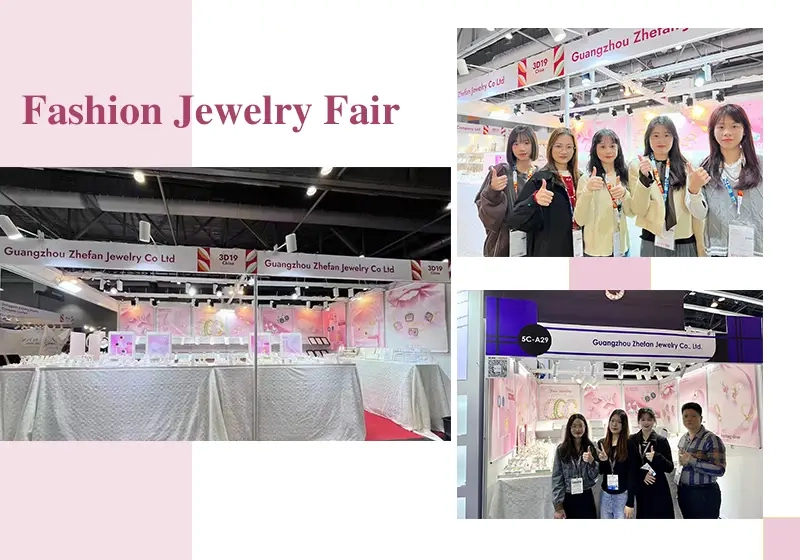
Zhefan Jewelry Will Attend Hong Kong Jewelry Fair
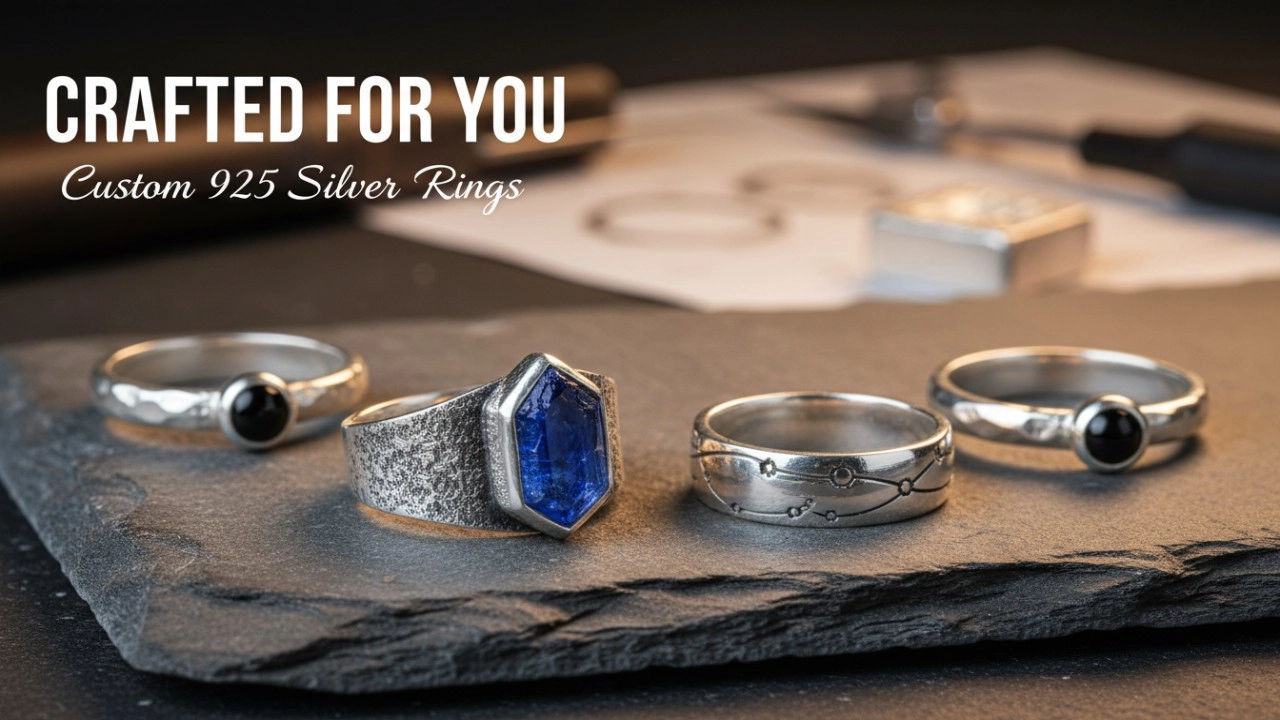
Why Custom 925 Silver Rings Are the Perfect Sustainable Luxury Gift (Compared to Gold)

The Ultimate Buyer's Guide to Custom Wholesale Brass Huggie Earrings in China
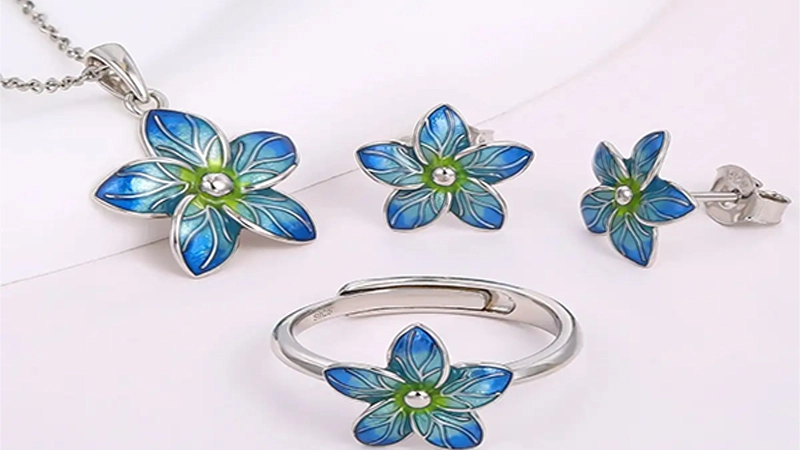
The Secret Life of Your Silver: How 925 Sterling Jewelry Comes to Exist
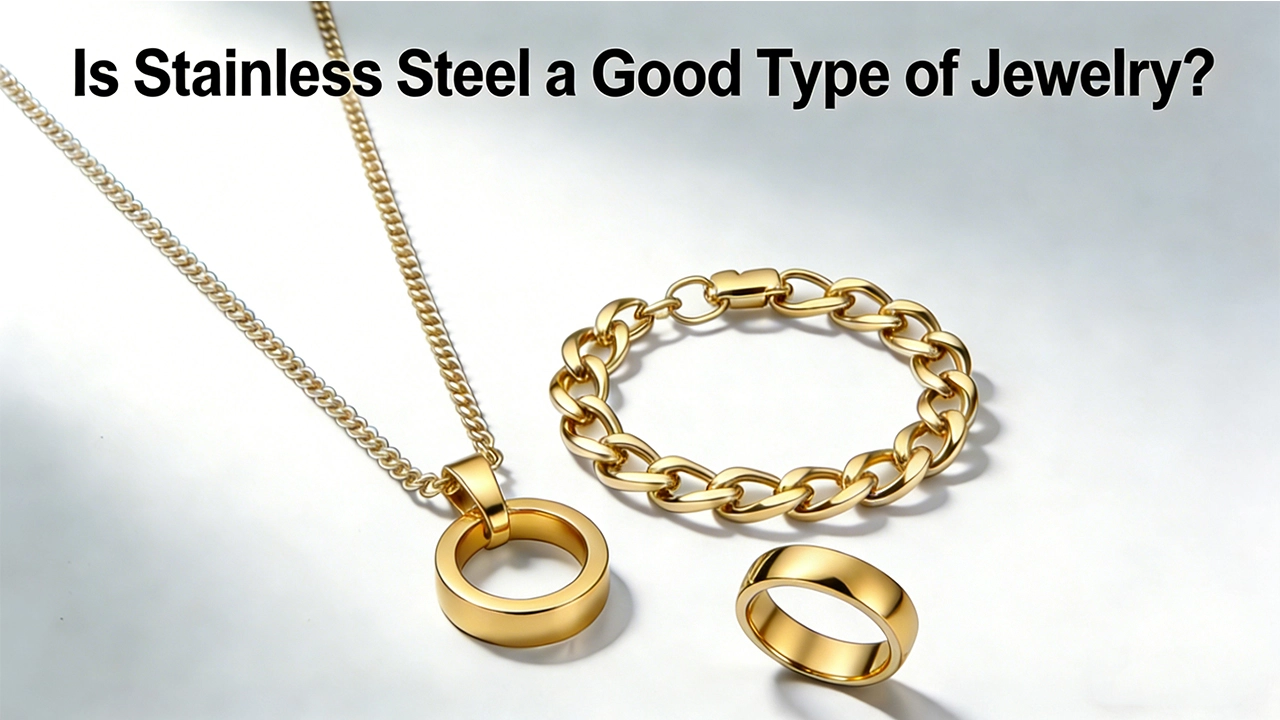
Is Stainless Steel a Good Type of Jewelry? Pros, Cons, and Why Brands Choose Stainless Steel Jewelry
Prdoucts Categories
FAQ
FAQs
Do you do customer design?
Do you do customer design? Yes,we are good at this way.Most of our customer do their customize.And we have cooperate with them when they are new brand, but now they become the top sell on Amazon, more than 32,000 five star comment.
Do you attend any jewelry fairs?
Yes, we participate in Hong Kong Jewelry Fair and Canton Fair twice a year, please contact the seller for the latest invitation.
Do you offer after-sales warranty service?
Yes, we will refund or resend products if fading, stone falling off and other quality problems found in 1 month receipt of goods.Furthermore, we offer 1 year after-sales warranty service, but you need pay the shipping charge.
What is the material of the jewelry?
Most of the jewelry is made of 925 sterling silver, brass or 316 stainless steel or custom material,which can cover different procurement demand.
Products
Can you engrave my logo on the jewelry ?Do you supply OEM/ODM service?
Yes. Custom logo and OEM/ODM are both accepted.Our factory specializes in jewelry manufacturing for 25 years.We can produce jewelry by your sample, design, pictures, even by an idea.Please feel free to contact us for more details. Custom order process: Inquiry-Confirm products details-Pay mold fee -Confirm CAD draft-Quote-Initial payment-Produce mold & sample-Confirm Sample-Mass production-Balance payment-Shipment-Track shipment-delivery.
What is the material of the jewelry?
Most of the jewelry is made of 925 sterling silver, brass or 316 stainless steel or custom material,which can cover different procurement demand.
Discuss Your Ideas with a Professional Custom Jewelry Manufacturer
We provide personalized jewelry customization services for clients worldwide.
Rest assured that your privacy is important to us, and all information provided will be handled with the utmost confidentiality.
By clicking 'Send Inquiry Now' I agree to ZHEFAN JEWELRY processing my personal data.
To see how to withdraw your consent, how to control your personal data and how we process it, please see our Privacy Policy and Terms of use.
From design to production, ZHEFAN JEWELRY offers a one-stop solution to help you enhance your brand value and market competitiveness.
Get A Quote
Contact
Tel: (+86) 188 1927 7817
© 2026 Zhefan Jewelry. All Rights Reserved.
Facebook
Instagram
YouTube
Whatsapp: +8618819277817